

Submitted:
25 June 2026
Posted:
26 June 2026
You are already at the latest version
Abstract
Sugarcane burning remains widely used in several sugarcane-producing regions and represents an important source of air pollution with potential impacts on human health. This systematic review aimed to synthesize scientific evidence regarding the adverse health effects associated with exposure to pollutants released from sugarcane burning. Searches were conducted in the PubMed, Web of Science, and SciELO databases, covering publications from 2002 to 2025 and following PRISMA guidelines. A total of 68 records were identified, of which 29 met the inclusion criteria. The findings demonstrated consistent associations between exposure to particulate matter (PM₁₀ and PM₂.₅) and increased respiratory morbidity, including hospital admissions, asthma exacerbations, pneumonia, and respiratory symptoms, particularly among children and older adults. Associations with cardiovascular outcomes, systemic inflammatory alterations, and increased morbidity in exposed populations were also observed. Sugarcane workers experienced higher exposure levels and significant health effects, including reduced pulmonary function, mucociliary alterations, heat stress, dehydration, renal dysfunction, and hormonal changes. Recent investigations have also reported genotoxic, ocular, immunological, infectious, and socio-environmental effects associated with exposure to sugarcane-burning emissions. Most of the available evidence originated from Brazil, although studies from Mexico, Costa Rica, and the United States indicate growing international interest in this topic. However, major sugarcane-producing countries remain underrepresented in the epidemiological literature, highlighting an important global research gap. Overall, the findings suggest that exposure to emissions generated by sugarcane burning is associated with adverse health outcomes in the populations studied. These results reinforce the need for continued environmental and epidemiological monitoring, the adoption of sustainable agricultural practices, and the expansion of research in underrepresented sugarcane-producing regions.
Keywords:
sugarcane burning
; biomass burning
; air pollution
; global health
1. Introduction
In recent years, environmental degradation processes, including climate change, biodiversity loss, wildfires, floods, and other environmental crises, have increasingly been recognized as major challenges to global health. The growing burden of disease associated with these events has intensified discussions regarding the sustainability of current development models and the need for effective environmental and public health policies aligned with the Sustainable Development Goals (SDGs) established by the United Nations [1].
Among the environmental determinants of health, air pollution remains one of the leading global risk factors, contributing substantially to morbidity and mortality worldwide [2]. Exposure to atmospheric pollutants has been associated with a wide range of adverse health outcomes, particularly respiratory and cardiovascular diseases, generating significant social and economic impacts in both developed and developing countries [2,3].
Agricultural activities are important sources of atmospheric pollutants, especially through biomass burning practices that release large quantities of particulate matter and gaseous compounds into the atmosphere [4,5]. Globally, emissions from food production systems contribute substantially to environmental degradation, poor air quality, and premature mortality [6,7]. Within this context, the burning of agricultural residues has been identified as a relevant source of air pollution in several regions of the world [5].
Sugarcane burning is one of the most widespread agricultural burning practices in tropical and subtropical regions and represents an important socio-environmental challenge in major producing countries, including Brazil, India, China, Thailand, Pakistan, Mexico, Australia, and the United States [8]. Although biomass burning may facilitate manual harvesting and reduce operational costs, it also releases fine particulate matter (PM₂.₅), coarse particulate matter, carbon monoxide, nitrogen oxides, black carbon, and volatile organic compounds that contribute to air pollution, climate change, and adverse health effects among exposed populations [3,5].
Sugarcane (Saccharum officinarum) is one of the most important agricultural commodities worldwide due to its high productivity and its strategic role in the production of sugar, ethanol and bioenergy [9,10]. According to the Food and Agriculture Organization of the United Nations (FAO), global sugarcane production exceeds 1.9 billion tonnes annually. Brazil remains the world's largest producer, with approximately 783 million tonnes, followed by India (491 million tonnes), China (104 million tonnes), Thailand (94 million tonnes), Pakistan (88 million tonnes), Mexico ( 56 milion tonnes), Australia (33 million tonnes), Colombia (32 million tonnes), Indonesia ( 31 million tonnes) and United States (30 million tonnes) [8] (figure 1).
Together, these countries account for more than 75% of global sugarcane production, highlighting the economic and strategic importance of this crop for food security and renewable energy systems worldwide [8].
Despite advances in mechanized harvesting and efforts to reduce biomass burning, pre-harvest burning remains common in several sugarcane-producing regions, particularly in low- and middle-income countries where manual harvesting is still prevalent [8]. Atmospheric studies have demonstrated that emissions from biomass burning can be transported over long distances, affecting not only rural communities located near cultivation areas but also urban populations situated far from the source of emissions [11]. Consequently, exposure to pollutants generated by sugarcane burning may affect large population groups and represent an important yet underrecognized public health issue [3,11].
Therefore, this review aimed to synthesize the current scientific evidence regarding exposure to air pollutants generated by sugarcane burning and its short- and long-term impacts on human health.
2. Materials and Methods
A systematic literature review was conducted to identify scientific evidence regarding the health impacts associated with exposure to air pollutants generated by sugarcane burning. Searches were performed in three major scientific databases PubMed, Web of Science, and SciELO covering publications from 2002 to 2025. These databases were selected because of their broad international coverage and their inclusion of journals from diverse geographic regions and fields of knowledge, allowing the identification of evidence from different sugarcane-producing contexts worldwide. As a search strategy, descriptors in both Portuguese and English were used, including the terms "sugarcane burning", "sugarcane burning and public health", "biomass burning", and "sugarcane burning and air pollution". The search encompassed publications between 2002 and 2025. A total of 67 records were identified, comprising 10 articles from SciELO, 41 from PubMed, and 16 from Web of Science. Inclusion and exclusion criteria were established prior to the analysis. The inclusion criteria used were the presence of search terms in the title or abstract, and epidemiological and experimental studies published in the period. The exclusion criteria were absence of search terms in the title or abstract, literature review articles, book chapters, dissertations, conference abstracts and lectures, as well as studies that dealt with fires and forest fires, air pollution associated with fires in the Amazon, or any studies that addressed fires unrelated to sugarcane burning.
To optimize the screening and selection process, the Rayyan platform was used, which allowed the simultaneous and independent assessment of articles, with synchronized decisions among the reviewers, ensuring greater methodological rigor and transparency to the review process. The authors examined, in addition to the title, the abstract of each article for mentions of a health-related outcome and/or exposure related to sugarcane burning. In case of disagreement about an article, both reviewers discussed its justification and, if consensus was not reached, the article was retained for analysis. The screening process is illustrated in Figure 2.
3. Results
As described in the methodology, 29 articles published between 2002 and 2025 met the eligibility criteria and were included in this review. All selected studies were analyzed in full and their findings were synthesized. Although the search strategy was designed to identify evidence from different sugarcane-producing regions worldwide, a marked predominance of studies conducted in Brazil was observed. Between 2006 and 2025, 24 of the 29 included studies were carried out in Brazil, most of them in municipalities located in the interior of São Paulo State (Figure 3).
Most studies were conducted in municipalities characterized by extensive sugarcane cultivation, including Piracicaba, Araraquara, Cerquilho, Monte Aprazível, Mendonça, and Barretos (Table 1). These regions are among the most important sugarcane-producing areas in Brazil due to their favorable climatic and soil conditions and the strong presence of the sugar-energy industry.
From 2015 onwards, a geographic diversification of research was observed, with the inclusion of studies conducted in other sugarcane-producing countries, such as Mexico, Costa Rica, and the United States, as well as additional investigations in different Brazilian regions (Table 1). This expansion reflects the global relevance of sugarcane biomass burning, a practice that remains present in several producing countries, particularly in regions where manual harvesting is still performed or where burning is used to facilitate crop management. Evidence from studies conducted in Mexico, Costa Rica, and the United States (Table 1) indicates that sugarcane burning continues to occur in important production areas, contributing to atmospheric pollutant emissions and potential adverse health effects.
As shown in Figure 4, although Brazil accounted for most publications, the findings indicate a gradual expansion of international scientific interest on the environmental, occupational, and health impacts associated with sugarcane straw burning. This trend reflects the global relevance of sugarcane cultivation and the increasing recognition of the challenges associated with biomass-burning emissions in different production contexts.
Within the Brazilian context, particularly in São Paulo State, the temporal distribution of publications coincided with important regulatory initiatives aimed at reducing pre-harvest burning. State Law No. 11,241/2002 established a gradual phase-out of sugarcane straw burning, while the Agro-Environmental Protocol of the Sugar-Energy Sector, signed in 2007, accelerated the implementation of mechanized harvesting practices.
Between 2019 and 2025, fewer studies were published; however, their scope became more specialized, addressing topics such as inflammatory biomarkers, hormonal alterations, respiratory outcomes, genotoxic effects, and socio-environmental aspects related to sugarcane production. Overall, scientific production on the health impacts of sugarcane burning was concentrated between 2006 and 2015, reflecting a period of greater interest in understanding the consequences of exposure to air pollutants generated by this agricultural practice. Although the number of publications declined in recent years, research efforts expanded geographically and incorporated more complex biological and environmental approaches. This trend suggests a transition from studies primarily focused on acute respiratory outcomes toward investigations of broader health effects and underlying biological mechanisms, while also reflecting growing international interest on the impacts of fire emissions.
4. Discussion
The studies included in this review consistently showed an association between exposure to air pollution resulting from sugarcane burning and adverse health outcomes, particularly respiratory, cardiovascular, and occupational conditions. The integrated analysis of the 29 eligible studies identified relevant epidemiological patterns across different populations and exposure scenarios. However, most of the available evidence originated from Brazil, highlighting an important geographic concentration of the literature. Although sugarcane is cultivated extensively in several regions worldwide, major producing countries such as India, China, Thailand, and Pakistan remain underrepresented in epidemiological investigations. Consequently, caution is warranted when extrapolating these findings to other sugarcane-producing regions, where agricultural practices, climatic conditions, harvesting systems, environmental regulations, and population vulnerabilities may differ substantially. This imbalance highlights an important global research gap and suggests that current knowledge may not fully capture the diversity of environmental, occupational, and socioeconomic conditions across major sugarcane-producing regions.
Sugarcane is cultivated extensively in several regions of the world, particularly in Brazil, India, China, Thailand, Pakistan, Mexico, Australia, and the United States, but there are no systematized data on which regions the burning of the straw persists. Only sparse scientific articles focus on the negative health effects of this agricultural practice which occurs even in high income countries, as the United States. In Florida, harvest is mechanized but the straw is burned to clean the soil.
Ecological and time-series studies have demonstrated an association between increased concentrations of inhalable particulate matter (PM₁₀) during the sugarcane burning period and worsening of respiratory outcomes. Cançado et al. [12], in Piracicaba, Brazil, conducted a time-series study with data collection between April 1997 and March 1998, including daily records of hospitalizations for respiratory diseases in children (<13 years) and the elderly (>64 years). The results showed that increases of 10.2 μg/m³ in PM₂.₅ and 42.9 μg/m³ in PM₁₀ were associated with increases of 21.4% (95%CI: 4.3–38.5) in respiratory hospitalizations in children and 31.03% (95%CI: 1.25–60.81) in the elderly. Other markers of biomass burning, such as black carbon (BC) and potassium (K), showed increases up to 36.41% and 46.74%, respectively, in hospitalizations of the elderly. The effects were more intense during the burning period, when the average concentrations of PM₁₀ reached 87.7 μg/m³, compared to 28.9 μg/m³ in the period without burning, evidencing strong seasonality of exposure indicating dose-response. Lopes & Ribeiro [13] carried out an ecological study, based on data from 645 municipalities between 2000 and 2004, analyzed 116,215 hospitalizations due to respiratory diseases and 15,986 hot spots. The results showed that municipalities located in areas with a higher concentration of fires had higher hospitalization coefficients, with a state average of 5.5 hospitalizations per 10,000 inhabitants. On a local scale, the mesoregion of Bauru presented a coefficient of 14.05 hospitalizations per 10,000 inhabitants and in municipalities such as Pirajuí, Cafelândia and Duartina, with a strong presence of sugarcane, incidences over 55 hospitalizations per 10,000 inhabitants were observed, representing values up to 10 times higher than the state average. Arbex et al. [14], in Araraquara, Southeastern Brazil, in an ecological study of time series, with data collected between March 23, 2003, and July 27, 2004, analyzed daily records of hospitalizations (ICD-10: J45) in association with total suspended particle (TSP) concentrations, using Poisson regression models adjusted for meteorological variables and seasonality. The results showed that a 10 μg/m³ increase in the 5-day moving average (lag 1–5) in TSP concentrations was associated with an 11.6% increase in asthma hospitalizations (95%CI: 5.4–17.7), evidencing an acute effect of exposure in exposed populations.
Uriarte et al. [18], using data from municipalities in the state of São Paulo, estimated that the respiratory morbidity attributable to fires corresponded to 113 cases in the elderly and 317 cases in children, representing approximately 1.8% of the total cases in each group. Relevant chronic effects were identified in children, with 650 additional cases attributed to prolonged exposure to sugarcane cultivation, bringing the proportion of attributable cases to 5.4%. In municipalities with more than 50% of the area occupied by sugarcane fields, this proportion increased to 15% in the elderly and 12% in children. In addition, 209 childhood cases were associated with previous exposure to fires, resulting in a total estimate of up to 38% of respiratory cases in children attributable to current or chronic exposure. These findings showed proximity to cultivation areas and the intensity of fires directly influence health risks.
Arbex et al. [25] analyzed 1,505 emergency room visits for pneumonia (median of 2 events/day) in relation to total particulate matter (TSP) concentrations. The results showed that 10 μg/m³ increments in TSP concentrations were associated with a 6% increase in visits (95% CI: 2.4–9.9) in the two days following exposure to sugarcane burning, evidencing an acute effect.
Paraíso & Gouveia [30], in an ecological study involving 645 municipalities, with a concentrated analysis of 476 municipalities exposed to burning in 2010, used multivariate Bayesian models to evaluate exposure indicators, such as fire outbreaks, aerosol levels and percentage of burned area. The results showed that the increase in the number of fire outbreaks was significantly associated with the increase in hospitalizations for respiratory diseases in children under five years of age (p = 0.008). The spatial analysis showed that, with each increment of a fire outbreak, there was an average increase of 0.0008 in the coefficient of the standardized morbidity ratio (SMR) for hospitalizations in this age group, indicating a measurable effect, albeit of small individual magnitude. Relevant variability was also observed in health indicators, with SMR for hospitalizations ranging from 1.52 to 7.60 in children and from 0.86 to 8.63 in the elderly, evidencing spatial heterogeneity of risk.
Riguera et al. [20] evidenced relevant patterns of respiratory morbidity in schoolchildren exposed to pollution associated with sugarcane burning. In a cross-sectional descriptive study involving 772 participants (mean age, 12.9 ± 1.11 years) in Monte Aprazível, Brazil, a prevalence of 11% of active asthma symptoms and 33.2% of rhinitis was observed, with 10.6% of the children reporting more than four episodes of attacks in the last 12 months. Children with asthma symptoms had a higher frequency of history of other respiratory diseases (47.5% vs. 16.7%; p < 0.001) and hospitalizations for respiratory problems (30.2% vs. 10.8%; p < 0.001), showing greater clinical severity in this group. The seasonal analysis showed a higher prevalence of rhinitis symptoms between the months of June and September, a period corresponding to the sugarcane harvest, suggesting the influence of environmental exposure. In the subgroup evaluated with pulmonary function measures (n = 131), the mean peak expiratory flow (PEF) was 295 ± 54 L/min, and the mean daily prevalence of PEF reduction ≥20% was 2.1%, ranging from 0% to 6.5%. Among the children with reduced PEF, 38.1% had rhinitis, indicating a relationship between functional impairment and respiratory symptoms. Although the direct comparison between concentrations of PM₂.₅ and black carbon with the reduction of PEF did not reach statistical significance (p = 0.18 and p = 0.053, respectively), the findings point to a trend of association between exposure to pollutants and respiratory changes. Factors such as family history (p < 0.001) and household conditions, such as the presence of mold (p = 0.009), were associated with the outcomes, reinforcing the interaction between individual vulnerability and environmental factors.
Mauro et al. [26], in a time series analysis, observed that increases of 10 μg/m³ in TSP concentrations were associated with increases of approximately 8% to 12% in school absences due to respiratory causes (95%CI: positive and statistically significant values), evidencing the direct impact of air pollution on child health. This effect was more pronounced during the sugarcane burning period, when the concentrations of pollutants reached their highest levels, with maintenance of the effect for a few days after exposure, characterizing an acute pattern.
Vieira de Souza et al. [31] in Araraquara, Brazil, in an ecological time-series study with data collected between 2010 and 2012, analyzed 234 hospitalizations for pneumonia in children up to 10 years of age, with a daily average of 0.22 hospitalizations. They demonstrated that 10 μg/m³ increments in PM₁₀ were associated with a 15% increase in the relative risk of hospitalization on the same day of exposure (lag 0), evidencing an acute effect. Nitrogen dioxide (NO₂) also showed a significant association, with a 7% increase in relative risk on the first day after exposure (lag 1). Pollutant concentrations frequently exceeded the recommended limits, with several days above 50 μg/m³ for PM₁₀, especially during the burning season, reinforcing the seasonal influence of exposure. Daily variations in pollutant levels followed oscillations in hospitalizations, showing a consistent temporal relationship between exposure to fires and outcome.
The predominance of respiratory outcomes observed in the included studies is consistent with findings from the broader literature on biomass burning and air pollution. Fine particulate matter generated during combustion processes can penetrate deeply into the respiratory tract, triggering inflammatory responses, oxidative stress, and exacerbation of pre-existing respiratory conditions. These biological mechanisms have been documented in diverse environmental exposure settings worldwide and provide a plausible explanation for the respiratory effects observed in populations exposed to sugarcane-burning emissions. Although additional studies are needed in other sugarcane-producing regions, the available evidence suggests that similar health risks may occur wherever populations are exposed to biomass-burning pollutants.
Domingues et al. [38], in an ecological time series study carried out in sugarcane-producing and non-sugarcane-producing municipalities in Pernambuco, from 2008 to 2018, identified a seasonal pattern of hospitalizations, with a significant increase between the months of April and July, especially in children under 5 years of age and the elderly over 60 years of age, with the rates being consistently higher in the child group. It was evidenced that chronic exposure to particulate matter pollution from biomass burning may be associated with increases of up to 38% in respiratory hospitalizations in children, in addition to an average increase of 15% in the risk of hospitalization associated with variation in particulate matter levels. They also pointed to increases of 21% in hospital admissions in children ≤5 years old and 19% in elderly people ≥65 years old in contexts of exposure to pollutants from fires, reinforcing the greater vulnerability of these groups.
In addition to respiratory outcomes, evidence also points to relevant impacts on the cardiovascular system associated with exposure to air pollution from biomass burning. Arbex et al. [16], in an ecological study of time series in Araraquara, Southeastern Brazil, with data collected between March 23, 2003 and July 27, 2004, analyzed daily records of hospitalizations (ICD-10: I10–I15) in association with total suspended particle (TSP) concentrations, using Poisson regression models adjusted for meteorological variables. The results showed that increases of 10 μg/m³ in the 3-day moving average of TSP concentrations (lag 1) were associated with a 12.5% increase in hospitalizations for hypertension during the harvest period (95%CI: 5.6–19.9), an effect approximately 30% higher than that observed in the off-season (9.0%; 95%CI: 4.0–14.3). It was observed that the effect of exposure was acute, starting one day after the increase in pollutant levels and persisting for up to two subsequent days.
Barbosa et al. [21], in a longitudinal cohort study with 28 male workers (mean age: 31 ± 6.3 years; mean length of work: 9.8 ± 8.4 years), evaluated during the harvest period and after four months between harvests, observed a significant increase in markers of muscle injury and oxidative stress, such as creatine kinase (136.5 U/L vs. 104.5 U/L; p = 0.001), in addition to increases in glutathione peroxidase (55.1 ± 11.8 vs. 39.5 ± 9.5 Ug/Hb; p < 0.001) and glutathione transferase (3.4 ± 1.3 vs. 3.0 ± 1.3 Ug/Hb; p = 0.001). They also observed an increase in malondialdehyde levels (7.5 ± 1.4 vs. 6.9 ± 1.0 μM/dL; p = 0.058), indicating greater oxidative stress during exposure. Regarding cardiovascular parameters, there was a significant increase in mean systolic blood pressure in 24 hours (120.1 ± 10.3 vs. 117.0 ± 10.0 mmHg; p = 0.034) during the harvest. Autonomic changes were also evidenced, with a 10 ms reduction in rMSSD and a 10 shots/min increase in sympathetic nerve activity were associated with increases of 2.2 mmHg and 1.8 mmHg in systolic blood pressure, respectively. These results indicate that exposure to air pollution and working conditions during sugarcane harvesting can trigger systemic inflammatory responses, oxidative stress, and autonomic imbalance, contributing to increased blood pressure and destabilization of cardiovascular conditions.
Pestana et al. [33], in an ecological time series study conducted in the western region of the state of São Paulo, with data between 2009 and 2012, analyzed 6,363 hospitalizations for cardiovascular diseases (ICD-10: I00–I99). The results showed that exposure to nitrogen dioxide (NO₂) was associated with a 1.12% increase in hospital admissions (95%CI: 0.05–2.20) on the same day of exposure. For the pollutant PM₁₀, a similar pattern of positive association with hospitalizations was identified, although without statistical significance. These findings indicate that, even at levels considered within air quality standards, exposure to fire pollutants may act as a short-term risk factor for cardiovascular morbidity in the elderly and adults.
Taken together, the findings indicate that, although less extensively investigated than respiratory outcomes, cardiovascular effects associated with exposure to pollutants generated by sugarcane burning represent an important public health concern. The available evidence suggests acute cardiovascular responses and possible dose–response relationships between pollutant concentrations and adverse outcomes. However, heterogeneity among studies remains substantial. While some investigations reported statistically significant associations, others identified more modest effects or associations restricted to specific exposure conditions. This variability is likely related to methodological differences, including study design, exposure assessment approaches, temporal resolution of analyses, and adjustment for potential confounding factors. Furthermore, the predominance of observational studies limits causal inference and highlights the need for standardized methodologies and more robust epidemiological investigations, particularly in underrepresented sugarcane-producing regions, to better characterize the cardiovascular burden associated with biomass-burning emissions.
Occupational effects emerge as a central axis of analysis since sugarcane harvesters are subjected to higher and continuous levels of exposure. In the occupational sphere, studies have shown that direct exposure to pollution from the burning of biomass results in impaired lung function, alterations in the defense mechanisms of the airways, and an increase in inflammatory markers.
Rocha et al. [17] evaluated the impacts of working conditions and exposure to sugarcane burning on the health of rural workers, through an exploratory study with a quantitative approach, carried out with 55 workers (39 manual cutters and 16 harvester operators) in a mill in the interior of the state of São Paulo. Data was collected between July and August 2006, using semi-structured interviews and direct observation of working and housing conditions, based on the Social Ecological Theory. The results showed that 89.7% of the manual cutters reported exposure to multiple occupational hazards, especially respiratory problems associated with the inhalation of soil dust and soot from burnt sugarcane. Symptoms such as cough, dyspnea, irritation of the airways and feeling short of breath were frequently mentioned, especially during the harvest period. In addition, 47.5% of workers with respiratory symptoms had a history of other respiratory diseases, indicating greater vulnerability. Adverse environmental conditions, such as high temperatures, solar radiation, exposure to soot, dust, pesticide residues, and the presence of venomous animals were identified as aggravating factors for health, suggesting a cumulative effect.
Goto et al. [18] evidenced that exposure to pollution resulting from the burning of sugarcane directly compromises fundamental defense mechanisms of the respiratory system. The research included 27 rural workers (21–45 years old) living in Cerquilho (SP), evaluated at the end of two consecutive periods: 6 months of harvest with exposure to biomass burning and 3 months of off-season. The results showed that, during the harvest period, there was a significant increase in nasal mucociliary transport time of 7.83 minutes (95%CI: 1.88–13.78), indicating impaired airway clearance. In addition, an increase in the mucus contact angle was observed by 8.68° (95%CI: 3.18–14.17), reflecting changes in the physicochemical properties of the mucus, and a reduction in mucociliary transportability by 32.12 mm (95%CI: −44.83 to −19.42), evidencing additional functional impairment. It is important to highlight that no significant differences were observed in general clinical parameters (such as vital signs) between the periods, which reinforces that the effects of exposure initially occur at the physiological level, before the evident clinical manifestation. These findings indicate that the inhalation of particulate matter from the burning of biomass affects the first respiratory defense barrier, characterizing an acute effect of exposure and increasing susceptibility to the development of respiratory diseases in recurrent exposed populations.
Ferreira-Ceccato et al. [19], in a study with 45 sugarcane cutters (33 non-smokers and 12 light smokers), evaluated in the pre-harvest period and 4 hours after the first day of harvest with burning, observed that the transit time of saccharin (STT), an indicator of mucociliary clearance, showed a significant reduction after exposure (p < 0.001), both in smokers and non-smokers. Although no significant changes in nasal symptoms were observed immediately after exposure, the findings indicate that particulate matter from the burning of biomass acutely affects the functioning of the mucociliary system, even in the absence of evident clinical manifestations. These results suggest that exposure to air pollution may initially compromise the physiological function of the upper airways, precede the onset of symptoms, and reinforce the role of mucociliary clearance as a sensitive marker of the early effects of exposure to pollutants, contributing to increased susceptibility to respiratory problems in exposed populations.
Prado et al. [23], in a study in an agricultural municipality in the state of São Paulo, observed that PM₂.₅ concentrations increased from 8 μg/m³ in the off-season to 23.5 μg/m³ in the urban area and 61 μg/m³ in the plantations during the sugarcane harvest, indicating a significant increase in environmental exposure. Concomitantly, there was a significant increase in respiratory symptoms, such as wheezing, coughing, sneezing, and dyspnea, in both groups, with greater intensity among workers. In addition, a reduction in lung function was identified, with a decrease in spirometry parameters, and a decrease in the activity of antioxidant enzymes during the exposure period. An increase in the levels of malondialdehyde (MDA), a marker of oxidative stress, was also observed in workers and residents, being more pronounced in the former. Urinary levels of 1-hydroxypyrene, a biomarker of exposure to polycyclic aromatic hydrocarbons, increased exclusively among workers during the harvest, reinforcing the higher exposure burden in this group. These findings show that exposure to particulate matter from biomass burning triggers a systemic inflammatory and oxidative response, associated with worsening lung function, in addition to evidencing a dose-response relationship, with more intense effects in directly exposed populations, such as rural workers.
Carvalho Junior et al. [22] conducted a longitudinal study in a sugar and ethanol mill in the west of the State of São Paulo, between April (pre-harvest) and October (harvest period) of 2010, with 44 sugarcane cutters — smokers and non-smokers — evaluated at three moments: pre-harvest, third month of harvest and end of harvest. Health-related quality of life was measured using the SF-36 instrument. Results showed a significant reduction in vitality at the end of the harvest, indicating a worsening in the perception of energy and physical disposition. There were also a 23% dropout rate and a 27% prevalence of smoking workers. A higher frequency of respiratory symptoms, such as cough, airway irritation, and dyspnea, was evidenced, with greater intensity in individuals with longer exposure and changes in respiratory parameters and worsening in different domains of quality of life, indicating functional impairment associated with continuous exposure to air pollution.
More recent studies have broadened the understanding of the impacts of exposure by highlighting effects at the molecular and systemic levels.
The study by Silveira et al. [24] investigated 23 sugarcane cutters exposed to biomass burning and 30 individuals in the control group, with similar characteristics in terms of age and smoking habit. The results showed a significant increase in genetic damage in exposed workers. The investigation evaluated the frequency of micronuclei (NM), important markers of genetic instability and DNA damage. The mean frequency of micronuclei in peripheral lymphocytes was significantly higher in the sugarcane cutters (8.22+- 4.18MN/1000 cells) when compared to the control group. Similar results were observed in oral epithelial cells, where exposed patients had a mean of 22.75+-5.78 and the control group 9.7+-4.76MN (p<0.001). The study highlights that the intense physical activity of workers in an environment with a high concentration of smoke and inhalable particles enhances pulmonary ventilation and favors greater absorption of compounds from the combustion of biomass.
Trevisan et al. [34], in a study with 32 rural workers (mean age: 37.4 ± 10.9 years) evaluated in the off-season and after 3 and 6 months of harvest, observed a significant increase in fine particulate matter concentrations, from 27 μg/m³ (23–33) in the off-season to 112 μg/m³ (96–122) at 3 months, remaining elevated at 63 μg/m³ (17–263) at 6 months. Concomitantly, the prevalence of rhinitis symptoms increased from 26.7% in the off-season to 53.4% after 3 months of exposure (p = 0.039), with a reduction at 6 months (20%; p = 0.006), suggesting a possible partial adaptation or survival effect of the worker. In addition, a significant increase in interleukin-6 (IL-6) was identified in nasal lavage after 3 months of harvest (p = 0.012), indicating a local inflammatory response associated with peak exposure. It was also observed that the presence of rhinitis symptoms was directly associated with eosinophil count and inversely associated with neutrophils, suggesting activation of specific inflammatory pathways.
Souza-Talarico et al. [37] deepened the analysis of physiological responses to occupational exposure by investigating the relationship between cortisol response upon awakening (CAR) and cardiovascular performance in rural workers. The study included 54 sugarcane harvest workers and 48 unexposed individuals, with evaluations carried out before and after seven months of intense activity during the harvest. The results showed a significant increase in morning cortisol levels after the harvest period, associated with changes in cardiovascular performance, including systolic blood pressure and heart rate reactivity during physical exertion. These findings suggest that, in the short term, workers have an adaptive response to the physical and environmental demands of the activity, involving neuroendocrine and cardiovascular mechanisms.
Taken together, these findings reinforce that the effects of occupational exposure to sugarcane burning go beyond respiratory problems, including renal, metabolic, and neuroendocrine alterations. Such complexity highlights the multifactorial nature of the risks to the health of these workers and highlights the need for integrated approaches in the field of public health, which simultaneously consider the environmental, occupational and social determinants involved.
Other observed and less explored outcomes, such as ocular alterations, were analyzed by Matsuda et al. [36] who evaluated the immunological and inflammatory effects of exposure to the burning of sugarcane biomass on the ocular surface in sugarcane workers and residents of an adjacent city. The sample consisted of 78 sugarcane workers and 32 unexposed residents, with samples collected before (T1) and after (T2) a period of 6 months. The results showed that, at T2, exposed workers had increased acidic mucus in the bulbar conjunctiva and higher expression of MUC16 and MUC5AC mRNA (p < 0.05), in addition to lower levels of neutral mucus on T1 and T2 when compared to non-exposed workers. In the exposed group, an increase in MUC1 expression was also observed in T2 compared to T1. In the control group, there was a reduction in acidic mucus and an increase in neutral mucus in the bulbar conjunctiva and tarsal in T2-weighted sequences. These findings show significant quantitative changes in mucus composition and mucin gene expression associated with occupational exposure to sugarcane burning.
In the study by Oliveira et al. [35] the effect of environmental dust and ash from sugarcane burning on the transformation capacity of Streptococcus pneumoniae was investigated. The experimental assays showed a significant increase in transforming colony-forming units (CFU) in the presence of particulate matter, compared to the control without exposure (p < 0.05). In a system that mimics the human respiratory tract with A549 cells, an increase from zero to more than 1000 CFU/mL was observed after exposure to particulate matter. In addition, different concentrations of ash (100, 200 and 300 ng/mL) were able to significantly increase the bacterial transformation capacity in all the assays performed. These results show that exposure to particles from biomass burning potentiates the acquisition of genetic material by S. pneumoniae, indicating an increase in the potential for virulence and bacterial resistance.
Domingues et al. [39], indicate a recent expansion of the scope of research. They analyzed the socio-environmental determination of health in sugarcane-producing territories in Pernambuco, involving five municipalities and the participation of 64 individuals (34 women and 30 men) in ten community workshops held between January and August 2022. The results showed that 96.5% of the production areas still use manual harvesting, associated with the practice of burning biomass, and that the sugar-alcohol sector was responsible for 14% of the cases of work in conditions analogous to slavery in the period from 1995 to 2022. There was a significant increase in hospital admissions due to respiratory diseases (pneumonia, asthma, bronchitis, and bronchiolitis) in children and the elderly in the municipalities studied, when compared to 15 municipalities that did not produce sugarcane (p < 0.05). In addition, reported data indicate that only about 3% of pesticides applied by aerial spraying reach the target, while approximately 97% disperse in the environment. It was identified that 48% of the workers do not have an adequate place to clean contaminated clothes, increasing the risk of home exposure. These results show a quantitative association between the sugarcane production model, exposure to fires and pesticides, and the increase in health problems in rural populations.
From an international perspective, Crowe et al. [28] investigated the effects of heat stress on sugarcane harvesting workers, comparing 106 cutters exposed to occupational heat with 63 unexposed workers. Symptoms related to heat and dehydration such as headache, tachycardia, muscle cramps, fever, nausea, dyspnea, dizziness, swelling of the extremities, and dysuria have been reported significantly more frequently among the cutters, occurring at least once a week. These findings indicate a high burden of illness associated with heat stress during the harvest and reinforce that, in the context of sugarcane production, health risks are enhanced by the interaction between extreme heat, dehydration and intense physical exertion.
Paula Santos et al. [32] demonstrated acute changes in the renal function of previously healthy sugarcane harvest workers. In a study with 28 individuals, an average reduction of approximately 20% in the estimated glomerular filtration rate at the end of the daily shift was observed, in addition to an increase in serum creatinine compatible with acute kidney injury in 18.5% of the participants. These findings were accompanied by an increase in oxidative stress markers (such as malondialdehyde), an increase in creatine phosphokinase, indicative of exertional rhabdomyolysis, an increase in peripheral leukocytes, and changes in fluid and electrolyte balance, such as a reduction in serum and urine sodium and an increase in urine density. Exposure to sugarcane harvest with burning can induce acute renal dysfunction, mediated by dehydration, systemic inflammation, oxidative stress, and intense physical exertion.
The study by Martínez-Valenzuela et al. [27], conducted in Mexico, investigated cytogenetic biomarkers in workers exposed to sugarcane burning, showing relevant genotoxic effects. 1000 exfoliated oral epithelium cells from 60 exposed workers and 60 unexposed individuals were analyzed. The results showed a significant increase in the frequency of micronuclei and other nuclear anomalies including binucleate cells, pycnose, chromatin condensation and nuclear shoots in individuals exposed to soot and particulate matter from burning, when compared to the control group (not exposed) and a positive association between the time of occupational exposure and the magnitude of cytogenetic alterations, suggesting a cumulative and progressive effect. These findings underscore direct impacts on genetic material, with potential long-term health implications, including increased risk of chronic diseases and carcinogenic processes.
Santiago De La Rosa et al. [32] evaluated the effects of exposure to biomass burning on genetic damage in exposed populations in Mexico. The results showed a significant increase in biomarkers of genotoxicity, with an increase in the frequency of micronuclei and nuclear abnormalities in individuals exposed to air pollution, when compared to the unexposed group (p <0.05). Greater genomic instability was found in the exposed group, evidenced by statistically significant differences between the groups, reinforcing the association between exposure to biomass burning and increased cytogenetic damage.
Nowell et al. [11], in the United States, estimated the impacts of preharvest sugarcane burning on exposure to fine particulate matter (PM₂.₅) and mortality. The results demonstrated that the fires emitted amounts of primary PM₂.₅ comparable to motor vehicle emissions in the state of Florida. It was observed that exposure to PM₂.₅ from these fires was associated with a mortality rate of 0.4 deaths per 100,000 inhabitants/year in the sugarcane-producing region (95%CI: 0.3–1.6), corresponding to an estimated 2.5 deaths per year in South Florida (95%CI: 1.2–6.1). Of this total, 0.16 deaths/year occurred in the producing region (95%CI: 0.09–0.6) and 0.72 deaths/year in Palm Beach County (95%CI: 0.17–2.2). These findings show a quantitative increase in population exposure to PM₂.₅ during the burning period, as well as its measurable contribution to mortality associated with air pollution.
The geographic diversification of research over time reinforces the broader relevance of sugarcane burning as an environmental health issue. Although most of the available evidence is concentrated in Brazil, particularly in São Paulo State, studies conducted in Mexico, Costa Rica, and the United States indicate that concerns regarding exposure to sugarcane-burning emissions are not restricted to a single country. Important gaps remain in the international literature, as major sugarcane-producing countries such as India, China, Thailand, and Pakistan are still poorly represented in epidemiological investigations. This imbalance limits the current understanding of how different agricultural practices, environmental conditions, and socioeconomic contexts may influence health outcomes associated with sugarcane burning. The gradual reduction of pre-harvest burning in São Paulo, driven by environmental regulations and the expansion of mechanized harvesting, has likely contributed to lower levels of population exposure. At the same time, more recent studies have shifted their focus toward biological mechanisms and long-term health effects, including inflammatory, hormonal, and genotoxic alterations. Despite the consistency of the observed associations, important limitations remain, particularly the predominance of observational and ecological study designs, methodological heterogeneity, and differences in exposure assessment approaches. These factors restrict causal inference and highlight the need for longitudinal studies and greater methodological standardization.
5. Conclusions
This systematic review consolidates evidence that exposure to air pollutants generated by sugarcane burning is associated with adverse health outcomes. The findings demonstrate a positive association between exposure during sugarcane burning periods and increased respiratory morbidity, including hospitalizations, asthma exacerbations, and respiratory symptoms, particularly among vulnerable populations such as children, older adults, and sugarcane workers. Evidence of cardiovascular effects, inflammatory responses, and systemic alterations further highlights the broad health burden associated with this agricultural practice. In occupational settings, sugarcane workers experience particularly high levels of exposure and increased risks of respiratory impairment, heat stress, renal dysfunction, hormonal alterations, and other work-related health problems. Recent studies have also identified molecular and cytogenetic alterations, including DNA damage, suggesting potential long-term health consequences that remain insufficiently understood and warrant further investigation.
Although most of the available evidence originates from Brazil, the findings suggest that populations exposed to emissions from sugarcane burning may experience increased respiratory, cardiovascular, and occupational health risks. However, the concentration of studies in a single country limits the generalizability of current evidence. An important finding of this review is the identification of a substantial gap in the international literature, as major sugarcane-producing countries such as India, China, Thailand, and Pakistan remain poorly represented in epidemiological studies despite their large production volumes and potentially exposed populations.
While public policies and technological advances have contributed to reducing pre-harvest burning in some regions, particularly through the expansion of mechanized harvesting, the persistence of health effects underscores the need for continued environmental and epidemiological monitoring. The findings reinforce the importance of strengthening policies aimed at reducing and ultimately eliminating biomass burning, promoting sustainable agricultural practices, and protecting exposed populations.
Given the growing global demand for renewable energy sources and the transition toward low-carbon economies, improving the sustainability of sugarcane production has become a global public health and environmental priority. Future strategies should focus not only on reducing emissions associated with biomass burning but also on protecting workers and communities living near cultivation areas. Expanding epidemiological research in underrepresented sugarcane-producing countries will be essential for strengthening the evidence base and supporting effective public health policies worldwide.
Funding
This research was funded by the Coordination for the Improvement of Higher Education Personnel – Brazil (CAPES) – funding code 001, and by CNPq productivity grant 1D.
Institutional Review Board Statement
Not applicable.
Informed Consent Statement
Not applicable.
Acknowledgments
We acknowledge the program in Global Health and Sustainability for office support. During the preparation of this manuscript, the authors used the Gemini tool for table formatting. The authors reviewed and edited the generated content and take full responsibility for the content of this publication.
Conflicts of Interest
The authors declare no conflicts of interest.
References
- Miller, G. T.; Spoolman, S. E. Ciência ambiental; Cengage Learning: São Paulo, 2021. [Google Scholar]
- World Health Organization (WHO). Air quality guidelines; WHO: Geneva, 2022; Available online: https://www.who.int/publications/i/item/9789240034228/ (accessed on 10 June 2025).
- World Health Organization (WHO). Ambient (outdoor) air quality and health; WHO: Geneva, 2024; Available online: https://www.who.int/news-room/fact-sheets/detail/ambient-(outdoor)-air-quality-and-health (accessed on 23 March 2024).
- Empresa Brasileira de Pesquisa Agropecuária (Embrapa). Queimadas: causas, consequências e prevenção; EMBRAPA: Brasília, 2022; Available online: https://www.embrapa.br (accessed on 12 June 2025).
- Mcduffie, E. E.; Martin, R. V.; Spadaro, J. V.; Burnett, R.; Smith, S. J.; O’Rourke, P.; Hammer, M. S.; Donkelaar, A.; Bindle, L.; Shah, V.; Jaeglé, L.; Luo, G.; Yu, F.; Adeniran, J. A.; Lin, J.; Brauer, M. Source sector and fuel contributions to ambient PM2.5 and attributable mortality across multiple spatial scales. Nat. Commun. 2021, v. 12(n. 1), 3594. [Google Scholar] [CrossRef]
- Crippa, M.; Solazzo, E.; Guizzardi, D.; Van Dingenen, R.; Leip, A. Air pollutant emissions from global food systems are responsible for environmental impacts, crop losses and mortality. Nat. Food 2022, 3, 942–956. [Google Scholar] [CrossRef] [PubMed]
- World Health Organization. WHO global air quality guidelines: particulate matter (PM2.5 and PM10), ozone, nitrogen dioxide, sulfur dioxide and carbon monoxide; Available online; WHO: Geneva, 2021; (accessed on 04 june 2026). [Google Scholar]
- Food and Agriculture Organization of The United Nations (FAO). FAOSTAT: Countries by commodity. FAO. 2026. Available online: https://www.fao.org/faostat/en/#home (accessed on 08 June 2026).
- Instituto Brasileiro de Geografia e Estatística (IBGE). A Geografia da Cana-de-Açúcar. IBGE: Rio de Janeiro, 2017. Available online: https://www.ibge.gov.br/apps/dinamica_agropecuaria/#/home (accessed on 18 May 2024).
- Moore, P. H.; Paterson, A. H.; Tew, T. L. Sugarcane: The Crop, the Plant, and Domestication. BioEnergy Res. 2014, 7, 1–27. [Google Scholar] [CrossRef]
- Nowell, H. K.; Wirks, C.; Val Martin, M.; van Donkelaar, A.; Martin, R. V.; Uejio, C. K.; Holmes, C. D. Impacts of Sugarcane Fires on Air Quality and Public Health in South Florida. Environ. Health Perspect. 2022, Volume 130(Issue 8), 87004. [Google Scholar] [CrossRef] [PubMed]
- Cançado, J.E.; Saldiva, P.H.N.; Pereira, L. A. A.; Lara, L.B.L.S.; Artaxo, P.; Martinelli, L.A.; Arbex, M.A.; Zanobetti, A.; Braga, A. L. F. The impact of sugar cane-burning emissions on the respiratory system of children and the elderly. Environ. Health Perspect. 2006, 12 v.114(Issue 5), 725–729. [Google Scholar] [CrossRef] [PubMed]
- Lopes, F. S.; Ribeiro, H. Mapeamento de internações hospitalares por problemas respiratórios e possíveis associações à exposição humana aos produtos da queima da palha de cana-de-açúcar no estado de São Paulo. Rev. Bras. De Epidemiol. 2006, v.9(Issue 2), 215–225. [Google Scholar] [CrossRef]
- Arbex, M. A.; Martins, L. C.; de Oliveira, R.C.; Pereira, L. A.; Arbex, F. F.; Cançado, J. E.; Saldiva, P.H.; Braga, A.L. Air pollution from biomass burning and asthma hospital admissions in a sugar cane plantation area in Brazil. J. Epidemiol. Community Health 2007, 14 v. 61(Issue 5), 395–400. [Google Scholar] [CrossRef] [PubMed]
- 15; Uriarte, M.; Yackulic, C.B.; Cooper, T.; Flynn, D.; Cortes, M.; Crk, T.; Cullman, G.; McGinty, M.; Sircely, J. Expansion of sugarcane production in Sao Paulo, Brazil: Implications for fire occurrence and respiratory health. Agric. Ecoystems Environ. 2009, v. 132(Issue 1), 48–56. [Google Scholar] [CrossRef]
- Arbex, M. A.; Nascimento, S. P. H.; Amador, P. L. A.; Ferreira, B. A. L. Impact of outdoor biomass air pollution on hypertension hospital admissions. J. Epidemiol. Community Health 2010, 16 v. 64(Issue 7), 573–579. [Google Scholar] [CrossRef] [PubMed]
- Rocha, F.L.; Marziale, M. H.; Hong, O.S. Work and health conditions of sugar cane workers in Brazil. Rev. Da Esc. De Enferm. Da USP 2010, v. 44(Issue 4), 978–83. [Google Scholar] [CrossRef] [PubMed]
- Goto, D. M.; Lança, M.; Obuti, C. A.; Galvão, B. C. M.; Nascimento, S. P. H.; Trevisan, Z. D. M.; Lorenzi-Filho, G.; de Paula Santos, U.; Nakagawa, N.K. Effects of biomass burning on nasal mucociliary clearance and mucus properties after sugarcane harvesting. Environ. Res. 2011, v. 111(Issue 5), 664–9. [Google Scholar] [CrossRef] [PubMed]
- Ferreira-Ceccato, A. D.; Ramos, E. M. C.; de Carvalho, L. C., Jr.; Xavier, R. F.; Teixeira, M. F. S.; Raymundo-Pereira, P. A.; Proença, C. A.; de Toledo, A. C.; Ramos, D. Short-term effects of air pollution from biomass burning in mucociliary clearance of Brazilian sugarcane cutters. Respir. Med. 2011, v. 105(Issue 11), 1766–8. [Google Scholar] [CrossRef] [PubMed]
- Riguera, D.; André, P. A.; Zanetta, D. M. T. Poluição da queima de cana e sintomas respiratórios em escolares de Monte Aprazível, SP. Rev. De Saúde Pública 2011, v. 45(Issue 5), 878–886. [Google Scholar] [CrossRef] [PubMed]
- Barbosa, C.M.; Terra-Filho, M.; de Albuquerque, A.L.; Di Giorgi, D.; Grupi, C.; Negrão, C.E.; Rondon, M.U.; Martinez, D.G.; Marcourakis, T.; dos Santos, F.A.; Braga, A.L.; Zanetta, D.M.; Santos Ude, P. Burnt sugarcane harvesting - cardiovascular effects on a group of healthy workers, Brazil. PLoS ONE 2012, v. 7(Issue 9), e46142. [Google Scholar] [CrossRef] [PubMed]
- Carvalho Junior, L. C.; Ramos, E. M. C.; Toledo, A. C.; Ceccato, A. D.; Macchione, M.; Braga, A. L.; Ramos, D. Assessment of health-related quality of life of sugarcane cutters in the pre-harvest and harvest periods. Rev. De Saúde Pública 2012, v. 46(Issue 6), 1058–65. [Google Scholar]
- Prado, G.F.; Zanetta, D.M.; Arbex, M.A.; Braga, A. L.; Pereira, L.A.; de Marchi, M.R.; de Melo Loureiro, A.P.; Marcourakis, T.; Sugauara, L. E.; Gattás, G.J.; Gonçalves, F.T.; Salge, J. M.; Terra-Filho, M.; de Paula Santos, U. Burnt sugarcane harvesting: particulate matter exposure and the effects on lung function, oxidative stress, na urinary 1-hydroxypyrene. Sci. Total Environ. v. 437, Issue, 200–8. [CrossRef] [PubMed]
- Silveira, H. C.; Schmidt-Carrijo, M.; Seidel, E. H.; Scapulatempo-Neto, C.; Longatto-Filho, A.; Carvalho, A. L.; Reis, R. M.; Saldiva, P.H. Emissions generated by sugarcane burning promote genotoxicity in rural workers: a case study in Barretos, Brazil. Environ. Health A Glob. Access Sci. Source 2013, 24 v. 12(Issue 1), 87. [Google Scholar] [CrossRef] [PubMed]
- 25; Arbex, M. A.; Pereira, L. A.; Carvalho-Oliveira, R.; Saldiva, P. H.; Braga, A.L. The effect of air pollution on pneumonia-related emergency department visits in a region of extensive sugar cane plantation. J. Epidemiol. Community Health 2014, v. 68(Issue 7), 669–74. [Google Scholar] [CrossRef] [PubMed]
- Mauro, C. C.; Ferrante, V. L. S. B.; Arbex, M. A.; Ribeiro, M. L.; Magnani, R. Pre-harvest cane burning and health: the association between school absences and burning sugarcane fields. Rev. De Saúde Pública 2015, 26 v. 49(Issue 0), pp. [Google Scholar] [CrossRef] [PubMed]
- Martínez-Valenzuela, C.; Rodríguez-Quintana, A. R.; Meza, E.; Waliszewski, S. M.; Amador-Muñóz, O.; Mora-Romero, A.; Calderón-Segura, M.E.; Félix-Gastélum, R.; Rodríguez-Romero, I.; Caba, M. Cytogenetic biomonitoring of occupationally exposed workers to ashes from burning of sugar cane in Ahome, Sinaloa, México. Environ. Toxicol. Pharmacol. 2015, Issue 2, 397–401. [Google Scholar] [CrossRef] [PubMed]
- Crowe, J.; Nilsson, M.; Kjellstrom, T.; Wesseling, C. Heat-related symptoms in sugarcane harvesters. Am. J. Ind. Med. 2015 – v. 58, Issue 5, 541–8. [Google Scholar] [CrossRef] [PubMed]
- Paula Santos, U.; Zanetta, D. M.; Terra-Filho, M.; Burdmann, E. A. Burnt sugarcane harvesting is associated with acute renal dysfunction. Kidney Int. 2015, v. 87(Issue 4), 792–9. [Google Scholar] [CrossRef] [PubMed]
- Paraíso, M. L. S.; Nelson, G. Health risks due to pre-harvesting sugarcane burning in São Paulo State, Brazil. Rev. Bras. De Epidemiol. 2015, v. 18(Issue 3), 691–701. [Google Scholar] [CrossRef] [PubMed]
- Vieira de Souza, L. S.; Costa Nascimento, L. F. Air pollutants and hospital admission due to pneumonia in children: a time series analysis. Rev. Da Assoc. Médica Bras. 2016, v. 62(Issue 2), 151–156. [Google Scholar] [CrossRef] [PubMed]
- Santiago-De la Rosa, N.; Mugica-Álvarez, V.; Cereceda-Balic, F.; Guerrero, F.; Yáñez, K.; Lapuerta, M. Emission factors from different burning stages of agriculture wastes in Mexico. Environ. Sci. Pollut. Res. Int. 2017, v.24(Issue 31), 24297–24310. [Google Scholar] [CrossRef] [PubMed]
- Pestana, P.R.; Braga, A.L.; Ramos, E.M.; Oliveira, A.F.; Osadnik, C.R.; Ferreira, A.D.; Ramos, D. Effects of air pollution caused by sugarcane burning in Western São Paulo on the cardiovascular system. Rev. De Saúde Pública 2017, v. 51(Issue 0), 13. [Google Scholar] [CrossRef] [PubMed]
- Trevisan, I. B.; Santos, U. P.; Leite, M. R.; Ferreira, A. D.; Silva, B. S. A.; Freire, A. P.C. F.; Brigida, G. F. S.; Ramos, E. M. C.; Ramos, D. Burnt sugarcane harvesting is associated with rhinitis symptoms and inflammatory markers. Braz. J. Otorhinolaryngol. 2019, v. 85(Issue 3), 337–343. [Google Scholar] [CrossRef] [PubMed]
- Oliveira, J. D.; Macedo, C. F.; Oliveira Guarnieri, J. Paulo; Theizen, T. H.; Machado, D.; Lancellotti, M. Influence of environmental dust in transformation capacity of Streptococcus pneumoniae. Genet. Mol. Biol. 2020, v. 44(Issue 1). [Google Scholar] [CrossRef] [PubMed]
- Matsuda, M.; Braga, A. L. F.; Marquezini, M. V.; Monteiro, M. L.R.; Saldiva, P. H. N.; Santos, U. Occupational effect of sugarcane biomass burning on the conjunctival mucin profile of harvest workers a. Exp. Eye Res. 2020, v.190, Issue, 107889. [Google Scholar] [CrossRef] [PubMed]
- Souza-Talarico, J. N.; Santos, S.; Trevisan, Z. D. M.; Marcourakis, T.; Paula Santos, U. Association between awakening cortisol levels and cardiovascular performance in sugarcane rural wo. Stress and health: Journal of the International Society for the Investigation of Stress 2022, v. 38(Issue 1), 102–110. [Google Scholar] [CrossRef] [PubMed]
- Domingues, R. C.; Gurgel, A. M.; Santos, R. C.; Pereira, J. A. S.; Bezerra, V. C. R.; Souza, W. V.; Santos, M. O. S.; Gurgel, I. G. D. Queima de biomassa da cana-de-açúcar e hospitalizações de crianças e idosos por agravos respiratórios em Pernambuco. Cad. De Saúde Pública 2023, v. 39(Issue 10), pp. [Google Scholar] [CrossRef] [PubMed]
- Domingues, R. C.; Gurgel, A. M.; Santos, R. C.; Lima, F. L. M. A.; Santos, C. C. S.; Santos, M. O. S.; Gurgel, I. G. D. Social and environmental determination of health in sugarcane producing territories in Pernambuco. Ciência Saúde Coletiva 2025, v. 30(Issue 1), pp. [Google Scholar] [CrossRef]
Figure 1.
Country production of sugarcane.
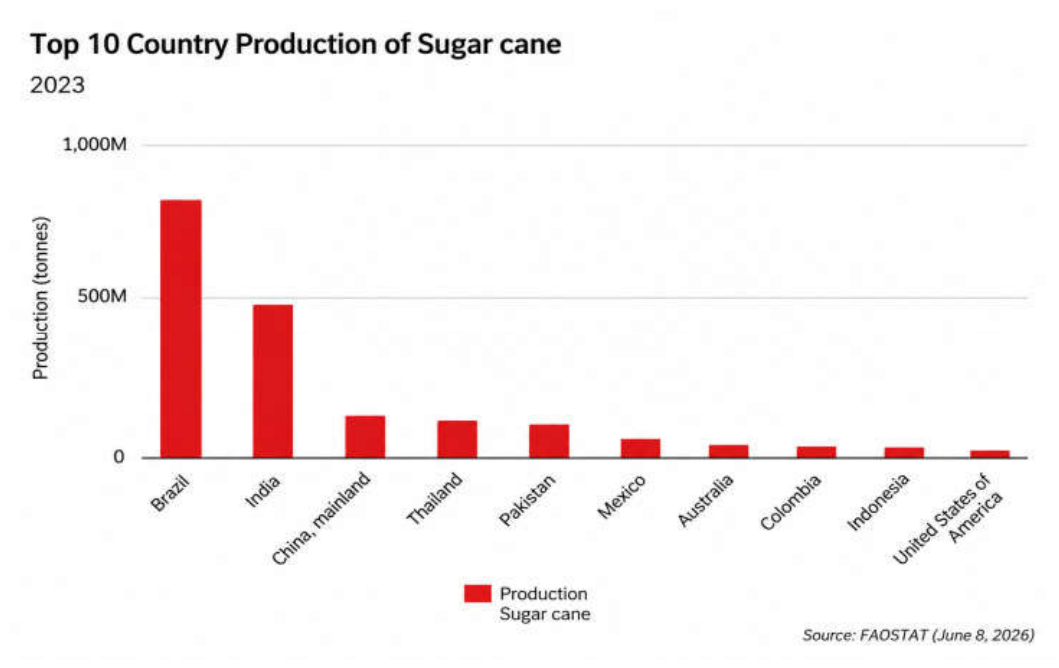
Figure 2.
Representation of the selection of studies included in the review.
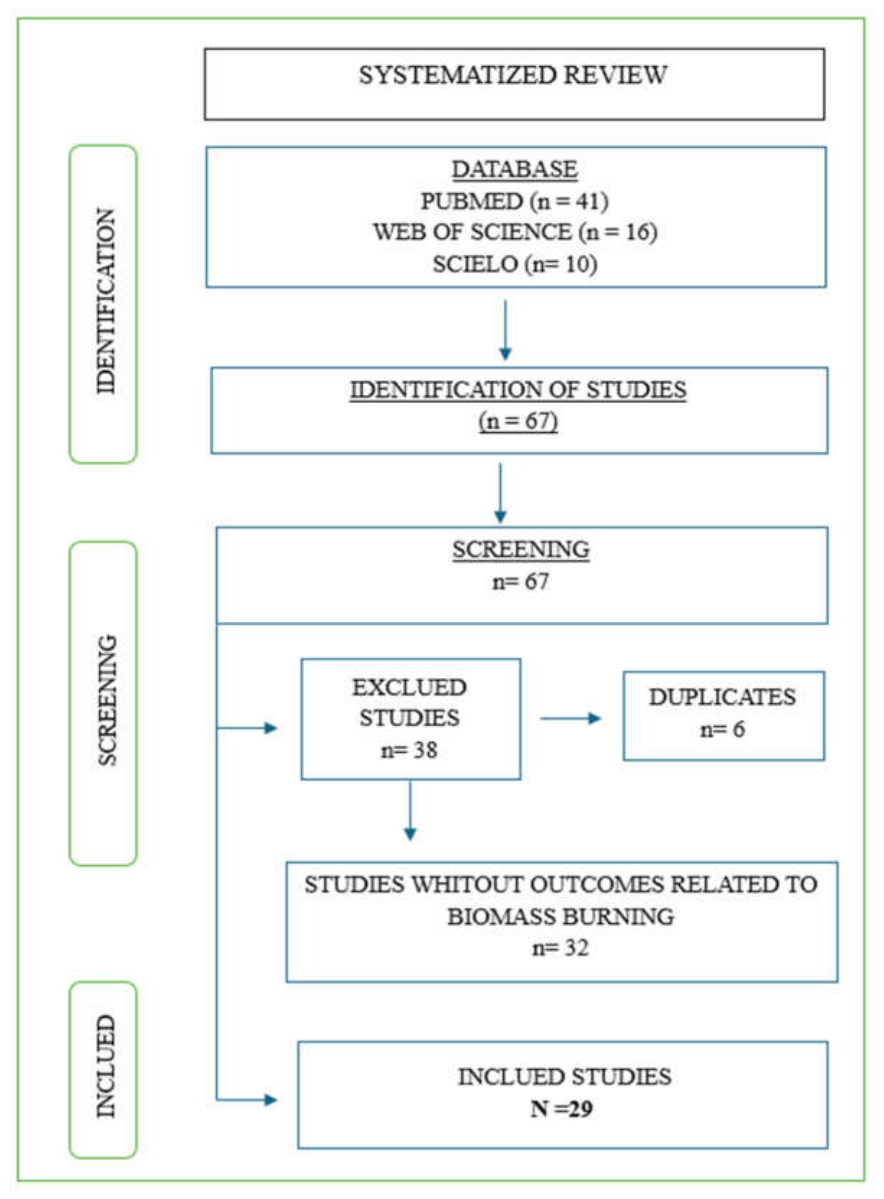
Figure 3.
Publications by year: 2002–2025.
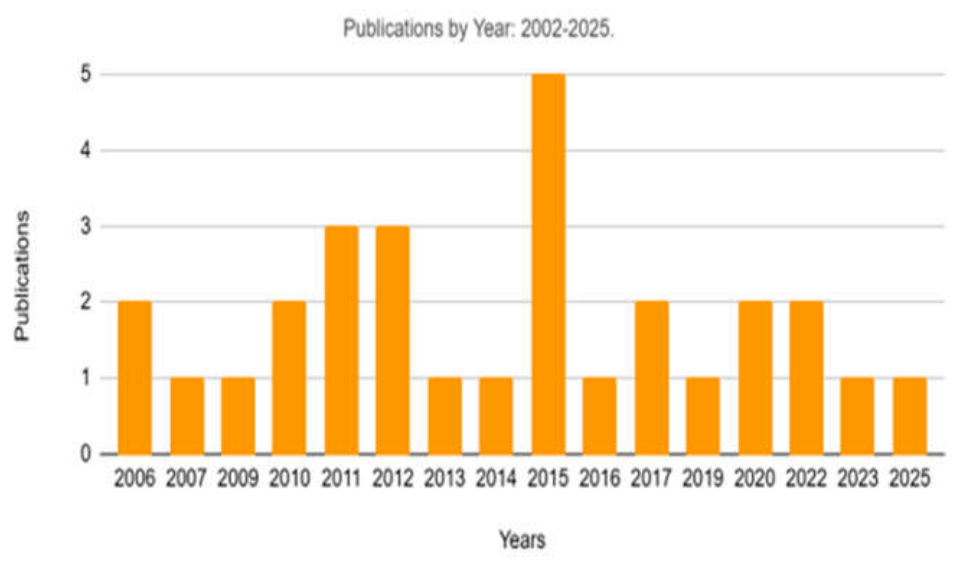
Figure 4.
Studies by country 2002–2025.
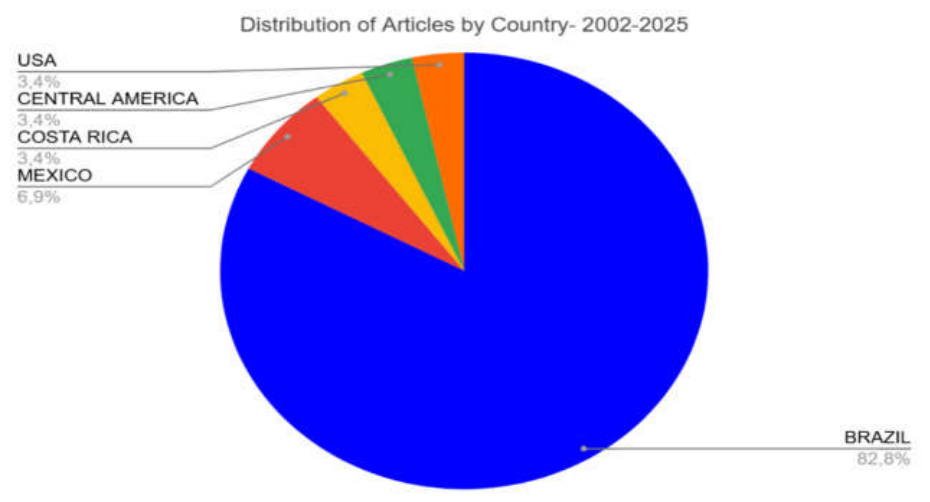

Table 1.
Publications related to biomass burning and risks to human health.
| Citation | Year | Location | Methods | Anatomical System | Health outcomes /Results |
| Cançado et al. [12] |
2006 | State of São Paulo, Brazil Piracicaba |
Ecological study (time series) |
Respiratory | Increased concentrations of particulate matter (PM₁₀) during sugarcane burning period were associated with increase in visits and hospitalizations due to respiratory diseases, mainly in children and the elderly. |
| Lopes & Ribeiro [13] |
2006 | State of São Paulo, Brazil |
Ecological epidemiological study | Respiratory | Exposure to air pollution associated with sugarcane burning was related to an increase in hospital admissions due to respiratory diseases. |
| Arbex et al. [14] |
2007 | State of São Paulo, Brazil Araraquara |
Ecological study (time series) |
Respiratory | The increase in air pollution associated with sugarcane burning was related to the increase in hospital admissions for asthma in the population. |
| Uriarte et al. [15] |
2009 | State of São Paulo, Brazil | Ecological study | Respiratory | Exposure to air pollution associated with sugarcane burning was related to adverse effects on respiratory health, especially in children and the elderly. |
| Arbex et al. [16] |
2010 | State of São Paulo, Brazil Araraquara |
Ecological study (time series) |
Cardiovascular | Exposure to air pollution associated with sugarcane burning was related to the increase in hospital admissions due to hypertension during the harvest period. |
| Rocha et al. [17] |
2010 | State of São Paulo, Brazil |
Quantitative exploratory study | Respiratory | Sugarcane harvesting workers reported respiratory, musculoskeletal, and psychological symptoms associated with the work activity. |
| Goto et al. [18] |
2011 | State of São Paulo, Brazil Cerquilho |
Longitudinal cohort study |
Respiratory | Exposed workers showed alterations in mucociliary clearance and mucus properties, indicating an impact on respiratory function. |
| Ferreira-Ceccato et al. [19] |
2011 | State of São Paulo, Brazil |
Epidemiological study |
Respiratory | Changes in the nasal mucociliary system and pulmonary function. |
| Riguera et al. [20] |
2011 | State of São Paulo, Brazil Monte Aprazível |
Descriptive cross-sectional study |
Respiratory | Children living in sugarcane-producing regions had a higher frequency of respiratory symptoms, such as asthma and rhinitis. |
| Barbosa et al. [21] |
2012 | State of São Paulo, Brazil |
Longitudinal cohort study | Cardiovascular | Changes in the cardiovascular system in exposed individuals. |
| Carvalho Junior et al. [22] |
2012 | State of São Paulo, Brazil |
Longitudinal study | Occupational Health | Sugarcane harvesters showed a reduction in their quality of life during the harvest. |
| Prado et al. [23] |
2012 | State of São Paulo, Brazil Mendonça |
Observational longitudinal study | Respiratory | Workers in the sugarcane harvest showed changes in lung function. |
| Silveira et al. [24] |
2013 | State of São Paulo, Brazil Barretos |
Cross-sectional study | Genetic | Exposed individuals showed an increase in the frequency of micronuclei in lymphocytes and oral cells, indicating possible genotoxic effects of exposure. |
| Arbex et al. [25] |
2014 | State of São Paulo, Brazil Araraquara |
Temporal ecological study |
Respiratory | Increase in hospital visits for pneumonia. |
| Mauro et al. [26] |
2015 | State of São Paulo, Brazil Araraquara |
Observational ecological study | Respiratory | During the sugarcane burning period, there is a greater occurrence of respiratory diseases in children and an increase in school absences related to respiratory problems. |
| Martínez-Valenzuela, et al. [27] |
2015 | Mexico | Observational Cross-Sectional Study. | Genetic | Exposed workers showed DNA damage in epithelial cells, indicating possible genotoxic effects. |
| Crowe et al. [28] |
2015 | Central America Costa Rica |
Observational Cross-Sectional Study. | Thermoregulatory | Workers presented symptoms related to heat stress and dehydration during the workday, indicating impacts of occupational exposure to intense heat. |
| Paula Santos et al. [29] |
2015 | Central America | Exploratory Study | Renal | Sugarcane harvesters showed alterations in acute renal function associated with occupational exposure to intense heat and dehydration during work. |
| Paraíso & Gouveia [30] |
2015 | State of São Paulo, Brazil |
Ecological epidemiological study |
Respiratory | Association between air pollution and increased hospital admissions due to respiratory diseases. |
| Vieira de Souza et al. [31] |
2016 | State of São Paulo, Brazil |
Ecological study (time series) |
Respiratory | Association between periods of higher concentration of air pollutants from sugarcane burning and increased hospital admissions for pneumonia in children. |
| Santiago De La Rosa et al. [32] |
2017 | Mexico | Cross-Sectional Observational Study | Genetic | Workers exposed to sugarcane burning showed cytogenetic alterations, suggesting possible associated genotoxic effects. |
| Pestana et al. [33] |
2017 | State of São Paulo, Brazil Presidente Prudente |
Ecological Study (Ttime series) |
Cardiovascular | Increase in hospitalizations for cardiovascular diseases in children and the elderly during the harvest period, especially in the months with the highest occurrence of fires and the highest concentration of air pollutants. |
| Trevisan et al. [34] |
2019 | State of São Paulo, Brazil |
Longitudinal cohort study |
Respiratory and Immune |
Workers showed increased rhinitis symptoms and changes in inflammatory markers during the harvest period. |
| Oliveira et al. [35] |
2020 | State of São Paulo, Brazil |
Ecological study | Respiratory | Air pollution associated with sugarcane burning may influence the bacterial transformation capacity of pneumococci, suggesting possible impacts on the dynamics of respiratory infections. |
| Matsuda et al. [36] |
2020 | State of São Paulo, Brazi Mendonça |
Longitudinal cohort study | Ocular system | Harvest workers showed changes in the ocular surface during the harvest, suggesting effects on dust, soot and air pollutants generated by sugarcane burning. |
| Souza-Talarico et al. [37] | 2022 | State of São Paulo, Brazil Mendonça |
Observational Cross-Sectional Study | Endocrine and cardiovascular | Harvest workers showed changes in cortisol levels upon awakening and changes in cardiovascular indicators, suggesting the impact of occupational stress and working conditions on the endocrine and cardiovascular systems. |
| Nowell et al. [11] |
2022 | Flórida, United States | Ecological Study | Respiratory | Episodes of burning of sugarcane were associated with an increase in air pollutants, especially particulate matter, with potential impacts on the respiratory health of the exposed population. |
| Domingues et al. [38] |
2023 | Pernambuco, Brazil | Ecological Study (time series) |
Respiratory | Increase in hospital admissions due to respiratory diseases in periods with a higher occurrence of fires and increased air pollution, especially among children and the elderly. |
| Domingues et al. [39] |
2025 | Pernambuco, Brazil | Qualitative Exploratory Study | Environmental and social health |
Perceptions of local communities about the socio-environmental impacts of fires and sugarcane activity highlighted air pollution, health problems and changes in the population's living conditions. |
Source: Organized by the authors.
Disclaimer/Publisher’s Note: The statements, opinions and data contained in all publications are solely those of the individual author(s) and contributor(s) and not of MDPI and/or the editor(s). MDPI and/or the editor(s) disclaim responsibility for any injury to people or property resulting from any ideas, methods, instructions or products referred to in the content. |
© 2026 by the authors. Licensee MDPI, Basel, Switzerland. This article is an open access article distributed under the terms and conditions of the Creative Commons Attribution (CC BY) license (http://creativecommons.org/licenses/by/4.0/).
Copyright: This open access article is published under a Creative Commons CC BY 4.0 license, which permit the free download, distribution, and reuse, provided that the author and preprint are cited in any reuse.


