

Submitted:
17 June 2026
Posted:
22 June 2026
You are already at the latest version
Abstract
Art therapy is a nonverbal form of therapy that can provide individuals a safe and supportive environment for expression and processing, particularly of trauma-related emotions and memories. For individuals who have experienced trauma, this nonverbal, creative, and tactile modality may serve as a beneficial complement, integrative aspect, or alternative to current gold-standard forms of care including exposure-based cognitive behavioral therapy, cognitive processing therapy, eye movement desensitization and reprocessing, and pharmacotherapy. In this narrative review, findings across the hier-archy of evidence, from theory and case studies to controlled trials and meta-analyses, in both adults and youth, are summarized to explore the benefits and limitations of art therapy to address trauma and related psychopathology. Findings are contextualized within the Expressive Therapies Continuum (ETC). We then provide directions for future research, to enhance the quality and diversity of evidence supporting art therapy in the trauma treatment space, with application of the ETC in research and treatment.
Keywords:
narrative review
; PTSD
; mental health
; children and adolescents
; adults
; psychotherapy
1. Introduction
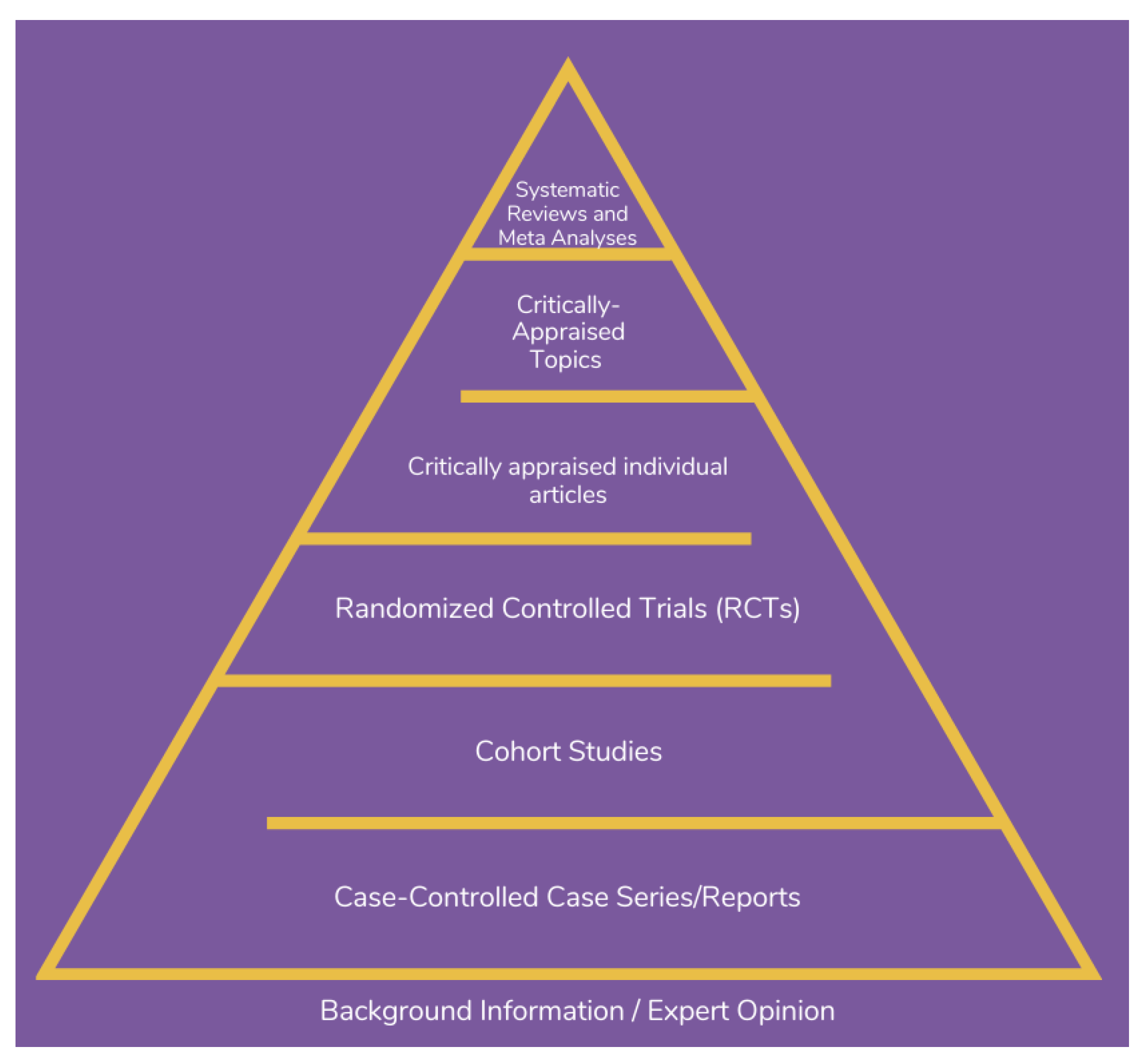
Trauma is pervasive, affecting up to 90% of individuals during the life course. How an individual perceives and processes traumatic events is a critical factor in making meaning out of the traumatic experience and psychophysiological outcomes (Hinchey et al., 2022; Javanbakht et al., 2020; Naff, 2014). Lack of stable, supportive relationships and communities, presence of preexisting or comorbid mental and physical health conditions, and feelings of insecurity, loneliness, or negative self-views can affect the manner in which individuals process traumatic experiences and respond to treatment (Hass-Cohen et al., 2018). Art therapy is a resilience-building strategy that can be implemented in individual or group settings and integrated across ecological systems to aid individuals in reframing their cognitions and emotions surrounding trauma(s) (a shared goal of cognitive behavioral therapies like cognitive processing therapy; Courtois et al., 2017). The Expressive Therapies Continuum (ETC) serves as a framework in which to conceptualize therapeutic experientials leveraged in art therapy on a continuum from kinesthetic-sensory to cognitive symbolic (Kagin and Lusebrink, 1978). As summarized in Grasser and Marusak (2023), the ETC can be understood within the context of the neurobiology underlying emotions and behaviors, ultimately resulting in art therapy driving meaningful changes in psychopathology. For example, kinesthetic-sensory experientials engage sensorimotor and limbic brain regions that perceive and encode traumatic events and reminders thereof, while cognitive-symbolic experientials engage prefrontal regions that regulate emotions and behaviors. This review describes the literature on individual and group-based art therapy applications for addressing trauma in both youth and adults, with supporting evidence from each level of the Hierarchy of Evidence (see Figure 1). In addition to examples that are explicitly integrated within the ETC (Hinz, 2019; Lusebrink & Hinz, 2021), readers will be able to situate the individual and group applications described here, especially in studies that do not explicitly identify ETC processes. Readers can begin to think about the intersection of ETC processes with art therapy research related to the treatment of trauma and emotional dysregulation, strengthening both art therapy research and application of the ETC.
Art therapy integrates experientials (i.e., guided therapeutic activities) that probe creativity and adaptability to foster cognitive flexibility (Brofenbrenner, n.d.; Gilgoff et al., 2020; Minton & Faber, 2016). Art therapy has been used with a range of clinical populations: not only those who have experienced trauma, but also (and not limited to) cancer patients (Geue et al., 2010; Wood et al., 2011), youth and adults with chronic medical conditions (Angheluta & Lee, 2011; Beebe et al., 2010; Councill, 2003; O’Neill & Moss, 2015), persons who are incarcerated (Kõiv & Kaudne, 2015; Koomson et al., 2020; Persons, 2009), the elderly (Gussak & Rosal, 2016), and non-clinical populations who face ongoing daily challenges such as work stress (Huet, 2015). While there have been a number of reviews describing the effectiveness of art therapy (Maujean et al., 2014; Reynolds et al., 2000; Slayton et al., 2010), this review is unique and makes a novel contribution in its focus on the effectiveness of art therapy in trauma-exposed youth and adults (Regev & Cohen-Yatziv, 2018). Previous reviews of art therapy in the trauma treatment space have looked exclusively at adults (Ramirez et al., 2016; Schouten et al., 2015), queried art therapy alongside other methods in broader-scope reviews (Wethington et al., 2008), and focused on cohorts with specific exposure types, like military trauma (Ramirez et al., 2016). The present review highlights the diversity of populations who can be and are treated with art therapy, as well as the supporting evidence for art therapy in reducing trauma-related psychopathology. Given the current body of work, which has limitations in terms of sample sizes and a paucity of randomized controlled trials, systematic reviews, and meta-analyses, we call for a larger and more rigorous evidence base.
2. Neuroscientific Basis for the Use of Art Therapy
Art therapy has the capacity for engaging and therapeutically modulating brain networks (King et al., 2019), including reward pathways (Kaimal et al., 2017; Kaimal et al., 2022), executive function (Belkofer et al., 2014), and regulation (Walker et al., 2018). Art therapy interventions focus on executive function, self-efficacy, community relationships, and mastery of challenges to enhance resilience and to foster healthy cortical-subcortical neural connections (Casey et al., 2019; Feder et al., 2019). Art therapists leverage creativity to integrate cognitive, sensory, and emotional processes in order to synthesize the conscious and subconscious (King et al., 2019). Kinesthetic exploration of media (e.g., cutting or tearing paper to create new images from (Feen-Calligan et al., 2020)) may facilitate a feeling of release, while sensory media can promote calmness (Hinz, 2009, 2019). Art making engages brain regions responsible for accessing memories and processing emotions so that individuals can recall traumatic experiences and emotions in a safe environment while strengthening their sense of self (Hass-Cohen et al., 2018; Naff, 2014; Talwar, 2007). Individuals partaking in art therapy are able to distance themselves from emotion to create meaning through their artwork, ultimately allowing for a “helpful reconstruction of the experience” (Naff, 2014; Schouten et al., 2015). Often, art therapists, who are licensed and/or registered (depending on region of practice) clinicians (some with board certifications), will implement art therapy alongside other treatments, and art therapy can be an effective option when other interventions are not helping the individual (Schouten et al., 2015). Art therapy can also be combined with other expressive therapies (e.g., music therapy; dance/movement therapy), narrative, and mindfulness-based approaches (Kalmanowitz & Ho, 2017; Schweitzer et al., 2013; Ugurlu et al., 2016). For youth, art therapy can provide a safe modality for sharing their stories (Akthar & Lovell, 2019)—especially for those who may face communication barriers in the treatment space due to developmental conditions, language barriers, and selective mutism (perhaps in the wake of abuse and other traumas). Art therapy offers the potential to engage youth, help them feel a sense of control and structure, and reduce stress through the manipulation of art media and the creative process (Ugurlu et al., 2016). Here we review the supporting literature to date across the Hierarchy of Evidence (Figure 1), for adults and youth.
3. Research Across the Hierarchy of Evidence
With each level of the Hierarchy of Evidence, rigor increases. Theory and methodology define the foundational level, providing a basis for clinical application and research. Case and cohort studies contribute to the understanding of implementing various art therapy interventions, while randomized control trials (RCTs) and metanalysis at the top of the hierarchy analyze the effects of art therapy on large populations. There are an abundant number of case studies in the art therapy field—these are critically important to the development and testing of experientials and make valuable contributions to the interventions themselves. Stemming from this work is a growing body of larger population empirical studies, randomized controlled trials, and, resultantly, meta-analyses to further increased usage of and support for art therapy.
3.1. Individual Case Studies
3.1.1. Adults
Art therapy can be leveraged for both assessment and therapeutic purposes in the trauma treatment space. In terms of assessment, one case study used scribble drawings to identify guiding treatment themes and goals for a survivor of childhood sexual assault (CSA; Tripp 2007). The client was then guided to illustrate traumatic memories while concurrently listening to quiet sounds via headphones that alternated between each ear and coincided small vibrations on each knee (combining practices from eye movement desensitization and reprocessing [EMDR] during the art therapy session). The auditory and tactile stimulation the client received during the session helped to focus and relax the client as they expressed their memories and feelings through their artwork. As exemplified here, combination art therapy and EMDR may be an effective strategy for those for whom cognitive behavioral therapy has been ineffective (Sigal & Rob, 2021). To further illustrate the themes in their artwork, the client attached feelings to the various colors they used. These color-emotion associations aided in the client in shifting negative beliefs about personal responsibility for their caregivers’ actions away from the self.
While Tripp (2007) did not use a formalized assessment, but rather used an art experiential to guide treatment themes and goals, art therapy assessments do exist. Common art therapy assessments include the Bridge Drawing (Darewych, 2014; Darewych & Campbell, 2016; Girish & Lev-Wiesel, 2024; Teneycke et al., 2009), Person-in-the-Rain (Carney, 1992; Lichtenberg, 2013; Verinis et al., 1974; Willis et al., 2010), and House-Tree-Person (Judd, 2014; Kato & Suzuki, 2016; Li et al., 2011; Rohail, 2015; Roysircar et al., 2017). However, some assessments (e.g., Bridge Drawing; Person-in-the-Rain) are limited by a lack of psychometric validity and reliability studies, even in cases where scoring systems have been specifically developed or applied (Au et al., 2024; Bania, 2009; Hinz, 2019); others (e.g., House-Tree-Person) may not be valid assessments of trauma-related psychopathology (Lin et al., 2022). Our team is currently developing a formalized assessment of the Bridge Drawing, leveraging data from a large and diverse sample, development by subject matter experts, and refinement with three practicing art therapists.
Having had previous positive experiences with art as a coping tool in childhood, one CSA survivor worked with an art therapist to create a series of images centered on their own abuse. Through these images the client was able to process their grief through a concrete representation of their emotions and memories. This breakthrough allowed the survivor to work through their experiences and resultant grief, rather than avoiding painful memories and emotions. Through their art the client found that their desire to destroy the pain they felt was self-destructive, ultimately allowing the client to learn to channel their anger in non-destructive ways and be more compassionate to themselves and others.
Other survivors of CSA have found strength and empowerment through clay. Working with clay can recreate implicit memories of touch, both pleasant and or hurtful, for clients. Through handling the clay, clients are able to experiment with movement and discover what actions bring the greatest somatosensory relief. For one pregnant individual with a history of abuse, working with clay provided an outlet for frustration, instilled feelings of strength, and provided constancy and reliability as the client found sensory awareness and new cognitive insights (Elbrecht & Antcliff, 2014).
Finally, Stace (2014) described a series of six dolls created by a woman diagnosed with posttraumatic stress disorder resulting from family violence and CSA. Doll-making was selected to engage kinesthetic-sensory processes and ultimately foster meaning-making through the cognitive-symbolic use of dolls. Dolls were created over 18 weekly sessions. The client selected materials and techniques for doll-making that contributed to a visual narrative. The client ultimately described the dolls as representing key figures in her childhood, including herself. The doll-making allowed her to process experiences of sexual abuse, family violence, and their dynamics. This process resulted in the client feeling “better and happier” with increased self-acceptance, greater confidence, empowerment, and a more positive identity and sense of self.
Case studies of art therapy describe applications not only for survivors of CSA, but also military trauma. Through 15 art therapy sessions over the course of two years, one active duty service member was able to externalize hallucinations and trauma memories through mask-making, painting, and sculpture (Walker et al., 2016). Over the course of sessions, the service member reported less intense flashbacks, improved cognitive and emotional function, and increased relaxation. At the end of the sessions, the service member decided to continue practicing art therapy in their own life. This case study exemplifies how art therapy can confer resilience through mastery of a skill.
The selected case studies described indicate that art experientials can aid adult clients in concrete representation and externalizing of their traumatic feelings or memories, ultimately providing clients the strength to move forward. Additionally, art therapy in combination with EDMR promoted a positive shift in cognition, causing individuals to view themselves with greater compassion. Continued engagement in art therapy by one client and self-selection of art as a therapeutic modality by another support acceptability. In their book chapter on the ETC, Lusebrink and Hinz (2021) further describe case studies demonstrating the use of the ETC. Their examples illustrate that not all trauma survivors can be treated alike, yet regardless of differences in trauma histories or treatment approaches, may be able to develop more positive sense of self and coping mechanisms.
The remainder of the case studies in this section focus on youth aged 18 or younger. The youth and adult studies have been separated as it is important to recognize how youth may process trauma differently, and how their treatment plan may differ from that of adults.
3.1.2. Youth
A case study of a teenage burn survivor illustrates a four-stage model design for trauma-informed art therapy: 1) dealing with the impact of one’s trauma and connecting the dots to where on is now, 2) building therapeutic alliance and channeling energy into creativity, 3) acknowledging what happened, emotional reactions, and overcoming barriers, and 4) reconstructing and fostering meaning (Appleton, 2001). In the first stage, the teen used black to represent their pain and yellow to represent their hope for the pain to be gone in their drawings that depicted the client’s feelings toward their transition to burn trauma. In the second stage, the teen became defensive of their situation as they focused their energy towards creating. The individual drew with colorful pens during this stage, creating fantasy themes consistent with the denial of trauma in the unconscious. During the third stage, the teen acknowledged their feelings of anger and depression, and created a self-portrait using more colors and energy than previous drawings. Within the self-portrait, the teen was able to express their anger and resentment, but also drew a purple egg to represent rebirth upon anticipated discharge from the hospital. The final stage allowed the teen to discuss unresolved concerns as they prepared to leave the hospital. The teen drew a black box, as a safe container of their experience, with yellow rays radiating to represent their looming rebirth. Through these drawings the teen was able to communicate their feelings while determining a sense of social identity. For this client, art therapy provided a safe outlet for their feelings of pain they experienced while seeking treatment in the hospital and allowed the client to engage in a comforting practice amid the various medical procedures endured.
Art therapy may be helpful for children who experience cognitive difficulties, including greater difficulty verbalizing their experiences. For example, one 11-year-old with Fetal Alcohol Effects (FAE) from Fetal Alcohol Spectrum Disorder (FASD) participated in a 9-week art therapy group with 18 individual sessions following the death of their mother by suicide and a history of physical and sexual abuse (Gerteisen, 2008). Drawings were used to externalize and communicate the child’s fears, feelings of helplessness, and feelings of immobility. The therapist then introduced the child to mandala drawings. The child was able to relate the mandala to a positive feeling and revisit previous drawings with representation of their fears to add the elements of the mandala. The client in this study was able to effectively express feelings of fear and inadequacy while finding a new perspective through their artwork. For children with contraindications to effective cognitive behavioral therapies, it may be necessary to provide a mechanism for them to process trauma nonverbally as these client can more easily identify their feelings and explore possible resolutions through interventions such as art therapy.
Kruger and Swanepoel (2017) described how traumatic memories can be integrated with other life memories through digital collage making. In this example, four adolescent clients created digital metaphorical artworks during the middle stage of therapy as they were processing traumatic material. Collage making allowed them to attach multilayered meaning to memories, which led to new understanding of how their traumatic experiences could be contextualized within their broader lives.
In these case studies, art therapy allowed clients to shift from negative to more positive cognitions, consciously experience physical sensations while creating art in a safe space, separate self-identities from events in their past, and facilitate talk therapy. While these studies are toward the bottom of the evidence hierarchy, case studies provide in-depth information on how each step of the art therapy process may affect both adult and youth clients. Larger-scale studies and clinicians may apply these methods and experientials in future research and their own practice.
3.2. Cohort Studies
Cohort studies allow for broader application, observation, and generalization of findings by working with groups rather than individuals. The group setting may confer the additional benefit of social support throughout the process, and individual resilience may be strengthened with the additional support of a social system. Positive social support can reduce one’s response to stressors, and social support can act as a buffer to posttraumatic stress disorder (PTSD; Sippel et al., 2015), a trauma-related disorder that occurs in approximately 7-10% of the general population exposed to trauma.
3.2.1. Adults
Hass-Cohen et al. (2018) delineate a four-drawing protocol (separate and distinct from the four stage model described above) that requires participants to draw 1) their problem, 2) themselves, 3) their internal and external resources to helped with the problem, and 4) current self-perceptions. Participants may be asked to write short stories and create a title for each drawing. This model was applied with a predominantly female cohort who reported a decrease in negative affect, trends in pain reduction, and increased resiliency following a single session implementation of the protocol (Hass-Cohen et al., 2018). Participants also gave positive ratings of the drawing activity. There was no significant change in posttraumatic growth and cognitions. Single session studies have limitations as they may cause state or momentary change, but not a trait, or lasting change; however, single sessions are more scalable as they require less time and resources (Schleider, Dobias, Sung, et al., 2020). Single sessions may also be sufficient to introduce individuals to coping skills that they can repeatedly implement at their own volition. Extensive research on single session interventions based on cognitive behavioral therapy and parent management training principles for youth, caregivers, and healthcare workers has shown this method to be effective at scale (Jans et al., 2024; Schleider, 2024; Schleider, Dobias, Fassler, et al., 2020; Schleider & Weisz, 2017a, 2017b; Sotomayor et al., 2025). The four-drawing method may also be a beneficial art therapy intervention to use in multi-session art therapy protocols or alongside other methods of psychotherapy in the trauma treatment space.
Group interventions can also enhance accessibility for historically marginalized and neglected groups, like incarcerated individuals. (Hongo et al., 2015). Many women who are incarcerated have experienced sexual or physical abuse, assault, and domestic violence. The monotonous daily activities of persons who are incarcerated may create an institutional dependency and limit the individual’s sense of identity; art therapy provides an opportunity for expression, communication, cognitive improvement, and emotional processing. After completing their art experientials, five themes were observed across the artwork of 20 incarcerated women who participated in a 6-week group: the potential to dream, feeling connected, mutual understanding, release of feelings, and unselfish concern (Hongo et al., 2015). The sessions helped to develop group support, and on an individual level, participants were able to build a sense of peace and freedom within the workshops. Many participants expressed a wish for continued art programming. Having a creative outlet through this program was a positive experience for many of the women, and including forms of art therapy in prisons could improve outcomes post-incarceration.
Another group art therapy study applied a three-phase model across 11 hour-long sessions for nine refugees and asylum seekers with a history of childhood trauma and diagnosed PTSD (Schouten et al., 2019). Phase I was stabilization and symptom reduction, consisting of art experientials aimed at reducing stress and increasing the individual’s sense of control (e.g., collages and drawings to create a safe space or positive images). Phase II was trauma-focused—in each session, participants were asked to translate a positive or traumatic memory into artwork. Phase III was integration and meaning-making. Participants focused their artwork on combining the future with past memories and emotions they had previously expressed. After completing the sessions, participants reported decreased feelings of stress, worry, avoidance, and intrusive thoughts, and increased feelings of relaxation and the ability to look at the future confidently. The participants were able to express memories and emotions through their artwork that they were unable to express before, and one participant had shared that “art therapy felt better than talking alone.”
A group study on war veterans analyzed common themes that emerged in veterans’ art after returning from combat (Tomassoni & Galetta, 2016). During the group sessions, participants were asked to draw free associations with any colors, then discuss their drawings in the group. Veterans tended to depict battle scenes with killed or wounded combatants, and oftentimes the artist chose red and black colors in their drawings. War-related themes often occurred, as well as illustrations of nightmares and graves. Many participants reported feelings of horror, sadness, devastation, and pain. The art therapy process helped the veterans to acknowledge and process their PTSD symptoms and traumatic experiences. Group support during the sessions aided many participants in feeling as though they were accepted again, effectively reframing the veterans’ self-perceptions. Group sessions also allowed veterans to observe their experiences from a new perspective and give new meaning to such experiences.
3.2.2. Youth
Multiple youth cohort studies indicate the potential promise of art therapy for reducing posttraumatic stress, anxiety, conduct problems, and emotional problems in youth resettled as refugees exposed to civilian war trauma and forced migration (Burruss et al., 2021; Feen-Calligan, Grasser, Nasser et al., 2023; Feen-Calligan, Grasser, Smigels et al., 2023; Feen-Calligan et al., 2020). Introductory activities that foster a sense of safety within the group are recommended, for example in one study participants created a large puzzle in which participants were able to draw something about themselves or a feeling on their puzzle piece. Additional recommended art interventions include creating trees out of paper bags in which participants represented their personal strengths on the trunk of the tree, and resources they could reach for on the branches; watercolor paintings; collage; depicting personal stories through puppetry. Focused breathing and mindfulness practices in tandem can help youth reduce stress and center themselves to fully engage in the art therapy experience. Offering alternative art activities is important—choice can be critical in the art therapy process, especially if potentially aversive media are to be used (e.g., some individuals are not amenable to clay due to sensory preferences). Not only children, but also their parents, report positive impacts as the result of such programs.
Similarly, art therapy can support groups of youth exposed to mass trauma, like the 9/11 terrorist attacks (Testa & McCarthy, 2004). In this study, youth created a mural of New York City (the location of the attack). While creating the art piece, the youth discussed their feelings, particularly their feelings of vulnerability, concerns of safety and the loss of life. Through the mural, youth were able to create a narrative of their trauma and find a way to tolerate the presence of the traumatic memory. The themes in the mural were solidarity and unity, and after finishing the mural the group members felt a sense of pride. Group mural making is a therapeutic modality in and of itself (Rossetto, 2012; Wilkie, 2018) that may have meaningful applications for community-based therapy and especially in fostering collectivism (Chiao et al., 2009; Triandis, 1988).
Just as art therapy may be integrated with psychotherapeutic practices (e.g., EMDR), art therapy may also be combined with other expressive modalities. A five-day art, music, and dance therapy workshop had a positive impact on PTSD, anxiety, and depression symptoms in Syrian refugee children who resettled in Turkey (Ugurlu et al., 2016). The art interventions facilitated youths’ discussion of their traumatic experiences, sharing emotions and thoughts, and identification of their emotions to gain insight into their hardships. Quinlan, Schweitzer, Khawaja and Griffin (2016) conducted a similar trial of a 10-week art therapy protocol that included a range of art interventions (Quinlan et al., 2016). The authors found reductions in behavioral and psychological problems, but the means of assessing the children’s symptoms had not been validated for youth cautioning interpretation of the findings. In Montreal, Quebec, Canada, creative arts programming for refugee children facilitated expression of emotions and increased self-esteem through visual arts, singing, puppets and other group activities (Rousseau et al., 2003, 2005; Rousseau & Heusch, 2000). The children were able to create “a meaningful personal world while simultaneously strengthening the link of the child to the group” by utilizing myths originated in their homelands in their creative process (Rousseau et al., 2005). Lastly, 30 refugees ages 11-20 from Burma or Thailand, who had been resettled for five years, participated in a school-based art therapy program for a single semester (Rowe et al., 2016). Over the program period, participants reported improvements in anxiety symptoms and self-concept.
In these cohort studies, individuals expressed their emotions and experiences through their art. The shared experiences within the cohorts allowed participants to feel additional support and more empowered to discuss emotions and process traumatic events with one another—both verbally and through art. However, even where statistically significant improvements in self-reported measures of trauma-related symptoms and other phenotypes were reported, most of these studies lacked control groups. As a result, it is unclear whether the effects were due to the intervention specifically or to the effect of time. Additionally, willingness to join and participate in open-arm studies or single-arm studies may introduce sampling bias and biased findings such that individuals who are motivated to participate in treatment studies may be more likely to respond. These limitations can be addressed through randomized controlled trial designs.
3.3. Randomized Controlled Trials
Randomized controlled trials (RCTs) serve as the gold standard method for evaluating the efficacy of various treatments. While the nature of behavioral interventions does not permit double-blinded trials as pharmaceutical interventions do, the ability to compare modalities with one another as well as change over time not due to active treatment is meaningful.
3.3.1. Adults
One RCT for motor vehicle accident (MVA) survivors (Wang et al., 2015) described positive change over time observed in PTSD in both the art therapy and waitlist control groups, and no significant differences between the groups in regard to the severity of anxiety and depression twelve months post-treatment. Another trial for students with a variety of trauma exposures compared art therapy to an active control—narrative therapy (Pizarro, 2004). Narrative therapy provides individuals with numerous benefits such as reducing stress, promoting coping skills, and improving overall health. However, writing—particularly about traumatic events—may also provoke some level of anxiety (although this may be beneficial for activating representational structures and driving positive change through exposure) (Grasser, 2025). For some individuals, linguistic/literacy barriers may preclude implementation and efficacy of narrative methods. Participants in the Wang et al. (2015) study were randomly assigned to either write about stressful or traumatic events, draw about stressful or traumatic events, or draw a still life (control) over two hour-long sessions. A significant decrease in social dysfunction was observed for the narrative therapy group relative to the art therapy group. Art and narrative therapy groups did not differ in terms of positive changes observed on measures of anxiety, insomnia, and depression, indicating that both modalities may be effective for reliving some trauma-related symptoms (Pizarro, 2004). Finally, a third art therapy group for veterans found that art therapy not only relieved negative symptoms, but also facilitated positive gains—veterans who participated in an art therapy group focused on human had an increase in humor after treatment compared to control (Gilgoff et al., 2020).
Abbing et al. (2018) summarized three RCTs involving students with PTSD symptoms, students with exam anxiety, and prisoners with pre-release anxiety. The diversity of samples reflects the broad applications of art therapy, yet the paucity of RCTs from a search of thirteen databases and two journals reflects a need for more research on art therapy’s efficacy across diverse populations and needs. The studies identified leveraged trauma-related mandala design, collage making, free painting, clay work, still life drawing, and House-Tree-Person drawing. Summarized evidence suggested that art therapy induced relaxation, facilitated access to unconscious traumatic memories, and improved emotion regulation.
3.3.2. Youth
One RCT in youth to date has described a specific program, the Chapman Art Therapy Treatment Invention (CATTI), for treatment of PTSD in pediatric patients (Chapman et al., 2001). The study included 7-17 year olds admitted for traumatic injuries that required a minimum of 24 hours of hospitalization. The CATTI allows engages visual and verbal modalities, ultimately facilitating the transference of transform nonverbal memories to a linguistic narrative. No significant difference in the reduction of PTSD symptoms was observed between CATTI treatment and control groups, however the participants who received the art therapy treatment showed a reduction in acute stress symptoms.
Clearly, there is significant work to be done in the application of randomized controlled trials to evaluate not only art therapy but also other expressive art therapy methodologies.
3.4. Systematic Reviews and Meta-Analyses
At the uppermost level of the Hierarchy of Evidence, systematic reviews and meta-analyses facilitate the most meaningful comparisons and potential to make stronger conclusions. Additionally, they can identify gaps in the literature and key outstanding questions for future research.
3.4.1. Adults
Schouten et al. (2015) summarized 6 studies and found that across half of the studies, psychological symptoms significantly decreased in art therapy groups compared to control. The studies were limited by small samples, predominantly undergraduate and non-population representative samples, and the variation of art experientials, treatment duration, and use of combination therapies. The authors concluded that art therapy in combination with other psychotherapeutic modalities resulted in the most meaningful reductions in symptom severity.
Bowen-Salter et al. (2021) conducted a systematic review of 44 studies to determine standard elements of trauma-focused art therapy. On average, the duration of sessions was an hour to 90 minutes, and more than half of the studies reported that participants continued to practice art therapy to some extent after the sessions concluded. Twelve of the 44 studies designed their study using existing models of art therapy and only 16 studies had standardized outcome measures for their data and results. The author concluded that studies need to more clearly define the qualifications of the art therapist leading the sessions and that art therapy protocols employed in studies cannot be generalized beyond that case. Additionally, there is no standardized protocol for using art therapy as treatment, which can be a future focus in the art therapy community.
A meta-analysis of 19 studies sought to determine under which conditions (age, symptoms, treatment length, group or individual therapy) art therapy has the most significant effects (Campbell, 2009). The author concluded that 1) art therapy is an effective treatment for reducing anxiety related symptoms, 2) art therapy is equally effective in children and adults, and 3) outcomes do not differ whether therapy occurs in the group or individual setting.
3.4.2. Youth
Eaton et al. (2007) examined the use of art therapy for traumatized children across 12 studies. Art therapy was leveraged for children who have experienced physical and sexual abuse, children exposed to war and gun violence, those who experienced the 9/11 attacks, and those who have lost a loved one. Duration of treatment ranged from weeks to years. Authors concluded that art therapy facilitated the relationship between the child and therapist through the combination of art making and storytelling. The authors found that current research regarding art therapy and childhood trauma cannot be easily generalized for a multitude of reasons: 1) many studies did not provide enough information about the art therapy methodology or the formal structure used; 2) most studies are case studies rather than cohort studies and RCTs; and 3) there is a lack of case-control studies for art therapy due to the ethical concerns that one group of children would not receive treatment. As described elsewhere, stepped-wedge cluster randomized controlled trials offer a solution to ethical concerns by providing a design that allows testing of time versus intervention effects while also ensuring that all study participants receive treatment in a timely manner (Grasser & Marusak, 2023).
In a broader systematic review of psychosocial interventions for refugee youth exposed to trauma, mixed effects of expressive art therapies were identified across 13 studies (Cowling & Anderson, 2023). The authors highlighted interventions that utilized multiple modalities as producing positive improvements, and improvements in symptoms were observed from preschoolers through adolescents without significant effects of geographic location, country of origin, and mode of delivery. The efficacy of art therapy for reducing PTSD and trauma-related symptoms is best supported by a recent meta-analysis of randomized controlled trials and quasi-experimental studies of creative arts-based interventions in youth ages 3-18 (Applewhite et al., 2025). The meta-analysis indicated strong, significant effects of creative arts-based interventions particularly in West African and Middle Eastern samples, compared to Western samples.
There is a great deal of work to be done within the art therapy field to manualize trauma-informed art therapy practices and conduct clinical trials in both ethical and scientifically rigorous manners. Critically, the substantive increase in art therapy research in the 2000s as compared to the 1900s, coupled with trauma being one of the most central themes accordingly a bibliometric analysis of art therapy, indicates the substantive motivation of clinicians, researchers, and affected individuals towards this goal (Liu et al., 2022). This can be supported by increased funding for such research, peer review in rigorous, high impact journals, and broader socioeconomic support for creative arts and movement-based interventions.
4. Discussion
Despite a growing body of literature that demonstrates art therapy’s effectiveness in trauma recovery, the evidence base remains limited and methodologically heterogeneous (Abbing et al., 2018; Strazdina et al., 2026, p. 2). “The Expressive Therapies Continuum (ETC) remains one of the most influential frameworks for understanding how sensory, affective, cognitive, and symbolic processes are expressed and integrated in art-making” (Strazdina et al., 2026, p. 2), yet, ETC has largely remained a descriptive framework, especially in assessment contexts, which depend on clinical reasoning rather than explicitly structured analytic logic (Strazdina et al., 2026, p. 2).
Findings from across the Hierarchy of Evidence indicate that art therapy can be applied with various populations experiencing trauma (Howie, 2015), including adults and youth, war veterans (Howie, 2017), refugees, and those who have experienced CSA. For many, art therapy provides a safe environment in which one may explore their past trauma, emotions, and allow for externalization of the trauma (Grasser & Jovanovic, 2021). Participants may engage in individual sessions, in working directly with a licensed, credentialled [i.e., ATR-BC—registered, board certified art therapist (Art Therapy Credentials Board, USA)] art therapist, or an art therapist may lead group sessions for clients to create art while feeling supported by others with similar experiences—potentially maximizing therapeutic gains in accordance with social safety theory (Slavich, 2022). Art therapy can be implemented as the sole treatment for trauma-related symptoms, or alongside other treatments, such as CBT, EMDR, or pharmacotherapy. The art making allows individuals to process traumatic memories and corresponding thoughts, feelings, and emotions, along the component levels of the ETC. The art products provide a tool through which the client and the therapist can have a discourse—the therapist may ask the client about the colors, pressure, perseveration, symbols, and other aspects of their artwork to better understand the client, their experiences, and their emotional state. The kinesthetic, sensory nature of various art experientials can provide the opportunity to engage the whole body through this process with therapeutic goals that include discharging energy, providing relaxation, encouraging rhythm and self-soothing and reconnecting with the wisdom of the body (Hinz, 2019 p 49).
Collaging, painting, and drawing are common experientials identified through this review, facilitating the creation of images that express emotions and traumatic memories. For example, collage can be used to engage participants in storytelling and personal expression while also integrating kinesthetic and sensory experiences. Cutting or tearing paper may be stress-relieving and selecting images and arranging pieces can encourage calmness and promote storytelling (Feen-Calligan et al., 2020). Visual representations of trauma are a helpful tool for individuals to communicate their thoughts, particularly for individuals who are either unable or uncomfortable communicating themselves verbally or through writing (Pizarro, 2004).
In the wake of the COVID-19 pandemic, emerging evidence also supports the application of art therapy in the virtual treatment space (Grasser & Javanbakht, 2021). Relatedly, healthcare providers and first responders who have been affected by secondary traumatic stress (both during the COVID pandemic and other global disasters) may benefit from art therapy, as previous research has supported art therapy for management of secondary traumatic stress and burnout (King et al., 2019).
Art therapy sessions are commonly structured in stages: gradually introducing participants into the process of art therapy, while individuals become familiar with art making as well as find security in their environment. As participants progress, they can identify their perceptions and feelings regarding their traumatic experiences and then work towards healing through cognitive understanding and insight. Children who partake in art therapy will typically learn coping strategies in preparation for revisiting traumatic memories and are then able to find posttraumatic growth, while adults may identify their traumatic memories first and then find ways to cope through art making.
Colors may provide an art therapist with insight to an individual’s feelings, or other information about the artist. Clients incorporate colors differently depending on their experiences--for the client who experienced CSA, the color red was used to represent the client’s anger and black was used to express depression (Tripp, 2007). When a veteran used red and black, the colors depicted violence in a battle scene (Tomassoni & Galetta, 2016). While the color red was used in a more negative context in both scenarios, art therapists can consider how the choice and utilization of color in an individual’s artwork may be influenced by an individual’s traumatic experiences. Artwork that includes bright colors might refer to a sense of hope, as in the example of the case study conducted by Walker et al.(2016), alluding that brightness is coming, or add energy to the artwork. Of course, color is quite idiosyncratic, and there are different cultural uses of color. With this in mind, art therapists may mindfully observe patterns in clients’ use of color. Exploring use of color with clients can contribute to greater awareness and insight of their representations of emotions and can also provide evidence of an individual’s change and progress.
Images may be unique to an individual’s trauma as well. As mentioned in this review, veterans often depict battle scenes and faces to reflect the setting of their traumatic memories (Tomassoni & Galetta, 2016; Walker et al., 2016). Making paper mâché masks allows veterans to create an externalized version of themselves or memories of individuals they remember from their time in combat (Walker, 2017; Walker et al., 2017; Walker et al., 2014). Both clients with CSA and children may include images of monsters in their artwork, yet for clients with CSA the monsters might represent their assaulters, while the monsters that other children draw might represent their fears (Gerteisen, 2008; Sigal & Rob, 2021). In this review, the artwork of incarcerated women relates to their potential to dream, perhaps alluding to the possibilities after incarceration, and feeling connected with other members in the group (Hongo et al., 2015). Artwork created by refugees is often impacted by themes of the future as a way to focus on the new beginnings.
While a wide range of literature is available describing theoretical foundations, case studies, and cohort studies of art therapy, more research is still needed to develop standardized protocols and to manualize trauma-informed art therapy. Referring back to the hierarchy of evidence, the next phases of research for art therapy should include more randomized controlled studies, subsequently resulting in systematic reviews and meta-analyses. Additionally, in a few studies, such as the study testing the effects of art therapy on individuals who have been incarcerated, there is a wish to continue the art therapy programs and practices. This creates another focus for the future of art therapy--providing communities with the resources to either continue art programs for individuals or implementing community-based programs. Due to the high acceptance of the ETC by the art therapy profession, incorporating the ETC in the theoretical framing, methodological design, and analysis of art-based interventions and research is a recommended step.
5. Conclusions
Art therapy equips individuals with alternate tools for expressing emotions and provides individuals with new practices that may allow them to better process events that occur in their daily lives or practices to aid individuals in overcoming past traumatic memories. The evidence base supporting the application of art therapy for the treatment of trauma-related psychopathology continues to grow and will be enhanced by more standardization, manualization, and rigorous randomized controlled trials. Clinicians may consider incorporating art as therapy in their practice to facilitate the identification, processing, and reframing of traumatic memories through drawing/painting, mask making, and collage. Providers may also work in tandem with or refer clients to art therapists to compliment other forms of psychiatric care. Finally, art therapy interventions are scalable and can be implemented at the school and community level, to build resilience across ecological systems and mitigate the development or worsening of psychopathology.
Author Contributions
Conceptualization, J.A.N. and L.R.G.; resources, L.R.G.; writing—original draft preparation, J.A.N. and L.R.G.; writing—review and editing, H.F.C.; visualization, J.A.N.; supervision, L.R.G. All authors have read and agreed to the published version of the manuscript.
Funding
This research received no external funding.
Institutional Review Board Statement
Not applicable.
Informed Consent Statement
Not applicable.
Data Availability Statement
This narrative review did not generate any new data, nor did this narrative review extract data. Therefore, no data is available for data sharing.
Conflicts of Interest
The authors declare no conflicts of interest.
Abbreviations
The following abbreviations are used in this manuscript:
| ETC | Expressive Therapies Continuum |
| PTSD | Posttraumatic Stress Disorder |
| CSA | Childhood Sexual Assault |
| EMDR | Eye Movement Desensitization and Reprocessing |
| FAE | Fetal Alcohol Effects |
| FASD | Fetal Alcohol Spectrum Disorder |
| RCT | Randomized Controlled Trial |
| MVA | Motor Vehicle Accident |
| CATTI | Chapman Art Therapy Treatment Intervention |
| ATR-BC | Registered, Board Certified Art Therapist |
| CBT | Cognitive Behavioral Therapy |
References
- Abbing, A., Ponstein, A., van Hooren, S., de Sonneville, L., Swaab, H., & Baars, E. (2018). The effectiveness of art therapy for anxiety in adults: A systematic review of randomised and non-randomised controlled trials. PloS one, 13(12), e0208716.
- Akthar, Z., & Lovell, A. (2019). Art therapy with refugee children: A qualitative study explored through the lens of art therapists and their experiences. International Journal of Art Therapy, 24(3), 139–148. [CrossRef]
- Angheluta, A.-M., & Lee, B. K. (2011). Art therapy for chronic pain: applications and future directions. Canadian Journal of counselling and psychotherapy, 45(2).
- Appleton, V. (2001). Avenues of Hope: Art Therapy and the Resolution of Trauma. Art Therapy, 18(1), 6–13. [CrossRef]
- Applewhite, B., Delattre, B., Singh, I., Kringelbach, M., & Spiegler, O. (2025). Creative arts-based interventions for the improvement of PTSD symptoms in young people: a meta-analysis with a focus on non-Western populations. Nature Mental Health, 1-17.
- Au, P.-K., Yu, C. K.-C., & Wong, S.-S. (2024). The application of the formal elements art therapy scale in the person-in-the-rain drawing test. Art Therapy, 41(2), 74-82.
- American Psychiatric Association. (2013). Diagnostic and statistical manual of mental disorders (5th ed.). [CrossRef]
- Angheluta, A.-M., & Lee, B. K. (2011). Art therapy for chronic pain: applications and future directions. Canadian Journal of counselling and psychotherapy, 45(2).
- Bania, S. A. (2009). The development of a grounded theory of the meanings associated to the bridge drawing assessment in a normal population: A pilot study Drexel University].
- Beebe, A., Gelfand, E. W., & Bender, B. (2010). A randomized trial to test the effectiveness of art therapy for children with asthma. Journal of Allergy and Clinical Immunology, 126(2), 263-266. e261.
- Belkofer, C. M., Van Hecke, A. V., & Konopka, L. M. (2014). Effects of drawing on alpha activity: A quantitative EEG study with implications for art therapy. Art Therapy, 31(2), 61-68.
- Bowen-Salter, H., Whitehorn, A., Pritchard, R., Kernot, J., Baker, A., Posselt, M., Price, E., Jordan-Hall, J., & Boshoff, K. (2021). Towards a description of the elements of art therapy practice for trauma: A systematic review. International Journal of Art Therapy, 0(0), 1–14. [CrossRef]
- Burruss, N. C., Shaltout, Y., Hamilton, C. T., Oberti, D., Linton, J. M., & Brown, C. L. (2021). Arts-based therapy: A pilot program for immigrant and refugee children. Vulnerable Children and Youth Studies, 16(3), 253–258. [CrossRef]
- Campbell, E. R. (2009). The effectiveness of art therapy in reducing symptoms of trauma, anxiety, and stress: A meta-analysis.
- Carney, S. M. (1992). Draw a person in the rain: A comparison of levels of stress and depression among adolescents. Pace University.
- Casey, B. J., Heller, A. S., Gee, D. G., & Cohen, A. O. (2019). Development of the emotional brain. Neuroscience Letters, 693, 29–34. [CrossRef]
- Chapman, L., Morabito, D., Ladakakos, C., Schreier, H., & Knudson, M. M. (2001). The Effectiveness of Art Therapy Interventions in Reducing Post Traumatic Stress Disorder (PTSD) Symptoms in Pediatric Trauma Patients. Art Therapy, 18(2), 100–104. [CrossRef]
- Chiao, J. Y., Harada, T., Komeda, H., Li, Z., Mano, Y., Saito, D., Parrish, T. B., Sadato, N., & Iidaka, T. (2009). Neural basis of individualistic and collectivistic views of self. Hum Brain Mapp, 30(9), 2813-2820. [CrossRef]
- Councill, T. (2003). Medical art therapy with children. Handbook of art therapy, 6, 207-219.
- Courtois, C. A., Sonis, J., Brown, L. S., Cook, J., Fairbank, J. A., Friedman, M., Gone, J.P., Jones, R., La Greca, A., Mellman, T. & Schulz, P. (2017). Clinical practice guideline for the treatment of PTSD. American Psychological Association.
- Cowling, M. M., & Anderson, J. R. (2023). The effectiveness of therapeutic interventions on psychological distress in refugee children: A systematic review. Journal of Clinical Psychology, 79(8), 1857-1874.
- Darewych, O. H. (2014). The Bridge Drawing with Path Art-Based Assessment: Measuring Meaningful Life Pathways in Higher Education Students (Publication Number 3615961) [Ph.D., Lesley University]. ProQuest Central; ProQuest Dissertations & Theses Global; ProQuest Dissertations & Theses Global Closed Collection. United States -- Massachusetts. https://proxy.lib.wayne.edu/login?url=https://www.proquest.com/dissertations-theses/bridge-drawing-with-path-art-based-assessment/docview/1525819521/se-2?accountid=14925.
- Darewych, O. H., & Campbell, K. B. (2016). Measuring Future Orientations and Goals With the Bridge Drawing: A Review of the Research (Le dessin du pont comme mesure des orientations futures et des buts : une revue de la recherche). Canadian Art Therapy Association Journal, 29(1), 30-37. [CrossRef]
- Eaton, P. D. L. G., Doherty, B. S. K. L., Widrick, R. M., & A, B. (2007). A review of research and methods used to establish art therapy as an effective treatment method for traumatized children. The Arts in Psychotherapy.
- Elbrecht, C., & Antcliff, L. R. (2014). Being touched through touch. Trauma treatment through haptic perception at the Clay Field: A sensorimotor art therapy. International Journal of Art Therapy, 19(1), 19–30. [CrossRef]
- Feder, A., Fred-Torres, S., Southwick, S. M., & Charney, D. S. (2019). The Biology of Human Resilience: Opportunities for Enhancing Resilience Across the Life Span. Biological Psychiatry, 86(6), 443–453. [CrossRef]
- Feen-Calligan, H., Ruvolo Grasser, L., Debryn, J., Nasser, S., Jackson, C., Seguin, D., & Javanbakht, A. (2020). Art therapy with Syrian refugee youth in the United States: An intervention study. The Arts in Psychotherapy, 69, 101665. [CrossRef]
- Feen-Calligan, H., Grasser, L. R., Nasser, S., Sniderman, D., & Javanbakht, A. (2023). Photovoice techniques and art therapy approaches with refugee and immigrant adolescents. The Arts in psychotherapy, 83, 102005.
- Feen-Calligan, H., Grasser, L. R., Smigels, J., McCabe, N., Kremer, B., Al-Zuwayyin, A., Yusuf, I., Alesawy, N., Al-Nouri, J., & Javanbakht, A. (2023). Creating through COVID: Virtual art therapy for youth resettled as refugees. Art Therapy, 40(1), 22-30.
- Gantt, L., & Tinnin, L. W. (2009). Support for a neurobiological view of trauma with implications for art therapy. The Arts in Psychotherapy, 36(3), 148–153. [CrossRef]
- Gerteisen, J. (2008). Monsters, Monkeys, & Mandalas: Art Therapy With Children Experiencing the Effects of Trauma and Fetal Alcohol Spectrum Disoder (FASD). Art Therapy, 25(2), 90–93. [CrossRef]
- Geue, K., Goetze, H., Buttstaedt, M., Kleinert, E., Richter, D., & Singer, S. (2010). An overview of art therapy interventions for cancer patients and the results of research. Complementary Therapies in Medicine, 18(3–4), 160–170. [CrossRef]
- Gilgoff, R., Singh, L., Koita, K., Gentile, B., & Marques, S. S. (2020). Adverse Childhood Experiences, Outcomes, and Interventions. Pediatric Clinics of North America, 67(2). [CrossRef]
- Girish, M., & Lev-Wiesel, R. (2024). Refugee Minors’ Perspectives Explored with the Bridge Drawing and Children’s Hope Scale. Child Indicators Research, 17(6), 2789-2811.
- Graham-Pole, J., Rockwood Lane, M., Kaye, C., & Blee, T. (1997). Building arts in medicine. The arts in health.
- care: A palette of possibilities, 136-147.
- Grasser, L. R. (2025). Leveraging biosensors in clinical and research settings: a guide to device selection. NPP—Digital Psychiatry and Neuroscience, 3(1), 17.
- Grasser, L. R., & Javanbakht, A. (2021). Virtual Arts and Movement Therapies for Youth in the Era of COVID-19. Journal of the American Academy of Child and Adolescent Psychiatry.
- Grasser, L. R., & Jovanovic, T. (2021). Safety learning during development: Implications for development of psychopathology. Behavioural Brain Research, 408, 113297. [CrossRef]
- Grasser, L. R., & Marusak, H. (2023). Strong mind, strong body: The promise of mind–body interventions to address growing mental health needs among youth. Mental health science, 1(2), 58-66.
- Gussak, D. E., & Rosal, M. L. (2016). The Wiley Handbook of Art Therapy.
- Hass-Cohen, N., Bokoch, R., Clyde Findlay, J., & Banford Witting, A. (2018). A four-drawing art therapy trauma and resiliency protocol study. The Arts in Psychotherapy, 61, 44–56. [CrossRef]
- Hierarchy of Evidence—Evidence-Based Practice in Health—UC Library Guides at University of Canberra. (n.d.). Retrieved September 27, 2021, from https://canberra.libguides.com/c.php?g=599346&p=4149721#s-lg-box-12888080.
- Hinchey, L. M. E., Grasser, L. R., Saad, B., Gorski, K., Pernice, F., & Javanbakht, A. (2022). The Predictive Utility of Trauma Subtypes in the Assessment of Mental Health Outcomes for Persons Resettled as Refugees. Journal of Immigrant and Minority Health, 1-8.
- Hinz, L. D. (2009). Expressive therapies continuum: A framework for using art in therapy (pp. xxv, 292). Routledge/Taylor & Francis Group.
- Hinz, L. D. (2019). Expressive therapies continuum: A framework for using art in therapy. Routledge.
- Hongo, A., Katz, A., & Valenti, K. (2015). Art: Trauma to therapy for aging female prisoners. Traumatology, 21(3), 201–207. [CrossRef]
- Howie, P. (2017). Art therapy with military populations: History, innovation, and applications. Taylor & Francis.
- Howie, P. (2015). Art therapy with trauma. The Wiley handbook of art therapy, 375-386.
- Huet, V. (2015). Literature review of art therapy-based interventions for work-related stress. International Journal of Art Therapy, 20(2), 66–76. [CrossRef]
- Jans, L. K., Sotomayor, I., & Schleider, J. L. (2024). Digital single-session interventions for youth mental health. In Brief CBT and science-based tailoring for children, adolescents, and young adults (pp. 237-254). Springer.
- Javanbakht, A., Grasser, L. R., Kim, S., Arfken, C. L., & Nugent, N. (2020). Perceived health, adversity, and posttraumatic stress disorder in Syrian and Iraqi refugees. International Journal of Social Psychiatry, 0020764020978274. [CrossRef]
- Jones, J. P., Walker, M. S., Drass, J. M., & Kaimal, G. (2018). Art therapy interventions for active duty military service members with post-traumatic stress disorder and traumatic brain injury. International Journal of Art Therapy, 23(2), 70–85. [CrossRef]
- Judd, M. (2014). The Validation of the Person House Tree Drawing Assessment for Children Aged from Five to Ten Years in Mainstream Education. University of Canberra.
- Kaimal, G., Ayaz, H., Herres, J., Dieterich-Hartwell, R., Makwana, B., Kaiser, D. H., & Nasser, J. A. (2017). Functional near-infrared spectroscopy assessment of reward perception based on visual self-expression: Coloring, doodling, and free drawing. The Arts in Psychotherapy, 55, 85-92.
- Kaimal, G., Carroll-Haskins, K., Topoglu, Y., Ramakrishnan, A., Arslanbek, A., & Ayaz, H. (2022). Exploratory fNIRS assessment of differences in activation in virtual reality visual self-expression including with a fragrance stimulus. Art Therapy, 39(3), 128-137.
- Kalmanowitz, D. L., & Ho, R. T. H. (2017). Art therapy and mindfulness with survivors of political violence: A qualitative study. Psychological Trauma: Theory, Research, Practice, and Policy, 9(Suppl 1), 107–113. [CrossRef]
- Kato, D., & Suzuki, M. (2016). Developing a scale to measure total impression of synthetic house-tree-person drawings. Social Behavior and Personality: an international journal, 44(1), 19-28.
- King, J., Walls, B., Zauber, S., Hildebrandt, A., Singhal, S., & Pascuzzi, R. (2019). Art therapy in the management of neurology wellness and burnout-a pilot study (P3. 9-079). In: AAN Enterprises.
- King, J. L., Kaimal, G., Konopka, L., Belkofer, C., & Strang, C. E. (2019). Practical applications of neuroscience-informed art therapy. Art Therapy, 36(3), 149-156.
- Kõiv, K., & Kaudne, L. (2015). Impact of integrated arts therapy: An intervention program for young female offenders in correctional institution. Psychology, 6(01), 1.
- Koomson, E., Osei, M., & Essel, R. (2020). Beyond words: Art therapy for self-expression with female inmates. Nairobi Journal of Humanities and Social Sciences, 4(3), 28-46.
- Kopytin, A., & Lebedev, A. (2013). Humor, Self-Attitude, Emotions, and Cognitions in Group Art Therapy With War Veterans. Art Therapy: Vol 30, No 1. [CrossRef]
- Kozlowska, K., Walker, P., McLean, L., & Carrive, P. (2015). Fear and the Defense Cascade: Clinical Implications and Management. Harvard Review of Psychiatry, 23(4), 263–287. [CrossRef]
- Kruger, D., & Swanepoel, M. (2017). Gluing the pieces together: Female adolescents’ construction of meaning through digital metaphoric imagery in trauma therapy. The Arts in Psychotherapy, 54, 92-104.
- Li, C.-Y., Chen, T.-J., Helfrich, C., & Pan, A.-W. (2011). The development of a scoring system for the Kinetic House-Tree-Person drawing test. Hong Kong Journal of Occupational Therapy, 21(2), 72-79.
- Lichtenberg, E. F. (2013). Draw-a-person-in-the rain test. In Drawings in assessment and psychotherapy (pp. 164-183). Routledge.
- Lin, Y., Zhang, N., Qu, Y., Li, T., Liu, J., & Song, Y. (2022). The House-Tree-Person test is not valid for the prediction of mental health: An empirical study using deep neural networks. Acta Psychologica, 230, 103734.
- Liu, Z., Yang, Z., Chang, X., Zhang, K., & Osmani, M. (2022). An Investigation into Art Therapy Aided Health and Well-Being Research: A 75-Year Bibliometric Analysis. International Journal of Environmental Research and Public Health, 19(1), 232. [CrossRef]
- Lusebrink, V. B., & Hinz, L. D. (2021). The expressive therapies continuum as a framework in the treatment of trauma. In Art therapy, trauma, and neuroscience (pp. 42-66). Routledge.
- Maujean, A., Pepping, C. A., & Kendall, E. (2014). A Systematic Review of Randomized.
- Controlled Studies of Art Therapy. Art Therapy, 31(1), 37–44. [CrossRef]
- Minton, S. C., & Faber, R. (2016). Thinking with the Dancing Brain: Embodying Neuroscience. Rowman & Littlefield Publishers.
- Naff, K. (2014). A Framework for Treating Cumulative Trauma With Art Therapy. Art Therapy, 31(2), 79–86. [CrossRef]
- O’Neill, A., & Moss, H. (2015). A community art therapy group for adults with chronic pain. Art Therapy, 32(4), 158-167.
- Persons, R. W. (2009). Art therapy with serious juvenile offenders: A phenomenological analysis. International Journal of Offender Therapy and Comparative Criminology, 53(4), 433-453.
- Pizarro, J. (2004). The Efficacy of Art and Writing Therapy: Increasing Positive Mental Health Outcomes and Participant Retention After Exposure to Traumatic Experience. Art Therapy, 21(1), 5–12. [CrossRef]
- Quinlan, R., Schweitzer, R. D., Khawaja, N., & Griffin, J. (2016). Evaluation of a school-based creative arts therapy program for adolescents from refugee backgrounds. The Arts in Psychotherapy, 47, 72–78. [CrossRef]
- Ramirez, J., Erlyana, E., & Guilliaum, M. (2016). A review of art therapy among military service members and veterans with post-traumatic stress disorder. Undefined. https://www.semanticscholar.org/paper/A-review-of-art-therapy-among-military-service-and-Ramirez-Erlyana/6b95da18c08c4e90f0ca96217a951b4edd66993c.
- Rankin, A. B., & Taucher, L. C. (2003). A Task-oriented Approach to Art Therapy in Trauma Treatment. Art Therapy, 20(3), 138–147. [CrossRef]
- Regev, D., & Cohen-Yatziv, L. (2018). Effectiveness of Art Therapy With Adult Clients in 2018—What Progress Has Been Made? Frontiers in Psychology, 9, 1531. [CrossRef]
- Reynolds, M. W., Nabors, L., & Quinlan, A. (2000). The Effectiveness of Art Therapy: Does it Work? Art Therapy, 17(3), 207–213. [CrossRef]
- Rockwood, M., & Graham-Pole, J. (1997). The use of the creative arts in an intensive care setting. Arts medicine, 158-164.
- Rohail, I. (2015). Underlying risk factors of personality of clinical patients illustrated through House Tree Person Test. ARInt, 6(4), 193-203.
- Rossetto, E. (2012). A hermeneutic phenomenological study of community mural making and social action art therapy. Art Therapy, 29(1), 19-26.
- Rousseau, C., Drapeau, A., Lacroix, L., Bagilishya, D., & Heusch, N. (2005). Evaluation of a classroom program of creative expression workshops for refugee and immigrant children. Journal of Child Psychology and Psychiatry, and Allied Disciplines, 46(2), 180–185. [CrossRef]
- Rousseau, C., & Heusch, N. (2000). The trip: A creative expression project for refugee and immigrant children. Art Therapy, 17(1), 31–39. [CrossRef]
- Rousseau, C., Lacroix, L., Bagilishya, D., & Heusch, N. (2003). Working with Myths: Creative Expression Workshops for Immigrant and Refugee Children in a School Setting. Art Therapy: Journal of the American Art Therapy Association, 20. [CrossRef]
- Rowe, C., Watson-Ormond, R., English, L., Rubesin, H., Marshall, A., Linton, K., Amolegbe, A., Agnew-Brune, C., & Eng, E. (2016). Evaluating Art Therapy to Heal the Effects of Trauma Among Refugee Youth: The Burma Art Therapy Program Evaluation. Health Promotion Practice, 18. [CrossRef]
- Roysircar, G., Colvin, K. F., Afolayan, A. G., Thompson, A., & Robertson, T. W. (2017). Haitian children’s resilience and vulnerability assessed with house–tree–person (HTP) drawings. Traumatology, 23(1), 68.
- Schleider, J. L. (2024). Designing, Testing, and Disseminating Digital Signal-Session Interventions for Youth Mental Health. In Single Session Therapies (pp. 137-148). Routledge.
- Schleider, J. L., Dobias, M., Fassler, J., Shroff, A., & Pati, S. (2020). Promoting treatment access following pediatric primary care depression screening: randomized trial of web-based, single-session interventions for parents and youths. Journal of the American Academy of Child & Adolescent Psychiatry, 59(6), 770-773.
- Schleider, J. L., Dobias, M. L., Sung, J. Y., & Mullarkey, M. C. (2020). Future directions in single-session youth mental health interventions. Journal of Clinical Child & Adolescent Psychology, 49(2), 264-278.
- Schleider, J. L., & Weisz, J. R. (2017a). Can less be more? The promise (and perils) of single-session youth mental health interventions. The Behavior Therapist, 40(7), 256-261.
- Schleider, J. L., & Weisz, J. R. (2017b). Little treatments, promising effects? Meta-analysis of single-session interventions for youth psychiatric problems. Journal of the American Academy of Child & Adolescent Psychiatry, 56(2), 107-115.
- Schouten, K. A., de Niet, G. J., Knipscheer, J. W., Kleber, R. J., & Hutschemaekers, G. J. M. (2015). The Effectiveness of Art Therapy in the Treatment of Traumatized Adults: A Systematic Review on Art Therapy and Trauma. Trauma, Violence, & Abuse, 16(2), 220–228. [CrossRef]
- Schouten, K. A., van Hooren, S., Knipscheer, J. W., Kleber, R. J., & Hutschemaekers, G. J. M. (2019). Trauma-Focused Art Therapy in the Treatment of Posttraumatic Stress Disorder: A Pilot Study. Journal of Trauma & Dissociation, 20(1), 114–130. [CrossRef]
- Schweitzer, R., Vromans, L., Ranke, G., & Griffin, J. (2013). Narratives of Healing: A Case Study of a Young Liberian Refugee Settled in Australia. The Arts in Psychotherapy, 41. [CrossRef]
- Sigal, N. & Rob. (2021). Dual perspectives on art therapy and EMDR for the treatment of complex childhood trauma. International Journal of Art Therapy, 26(1–2), 37–46. [CrossRef]
- Sippel, L. M., Pietrzak, R. H., Charney, D. S., Mayes, L. C., & Southwick, S. M. (2015). How does social support enhance resilience in the trauma-exposed individual? Ecology and Society, 20(4). https://www.jstor.org/stable/26270277.
- Slavich, G. M. (2022). Social Safety Theory: Understanding social stress, disease risk, resilience, and behavior during the COVID-19 pandemic and beyond. Curr Opin Psychol, 45, 101299. [CrossRef]
- Slayton, S. C., D’Archer, J., & Kaplan, F. (2010). Outcome Studies on the Efficacy of Art Therapy: A Review of Findings. Art Therapy, 27(3), 108–118. [CrossRef]
- Sotomayor, I., Szkody, E., Schleider, J. L., & Pati, S. (2025). An open pilot trial of digital single-session interventions for healthcare workers and trainees. Journal of Workplace Behavioral Health, 1-27.
- Spiegel, D., Malchiodi, C., Backos, A., & Collie, K. (2006). Art Therapy for Combat-Related PTSD: Recommendations for Research and Practice. Art Therapy, 23(4), 157–164. [CrossRef]
- Stace, S. M. (2014). Therapeutic doll making in art psychotherapy for complex trauma. Art therapy, 31(1), 1.
- Strazdiņa, E., Perepjolkina, V., Upmale-Puķīte, A., Akmane, E., Duhovska, J., & Mārtinsone, K. (2026). Developing a Protocol-Based Expressive Therapies Continuum Assessment Profile (ETC-AP): Current Achievements and Future Perspectives. Behavioral Sciences, 16(5), 640.
- Talwar, S. (2007). Accessing traumatic memory through art making: An art therapy trauma protocol (ATTP). The Arts in Psychotherapy, 34(1), 22–35. [CrossRef]
- Teneycke, T., Hoshino, J., & Sharpe, D. (2009). The bridge drawing: An exploration of psychosis. The Arts in psychotherapy, 36(5), 297-303.
- Testa, N., & McCarthy, J. B. (2004). The Use of Murals in Preadolescent Inpatient Groups: An Art Therapy Approach to Cumulative Trauma. Art Therapy, 21(1), 38–41. [CrossRef]
- The Ecology of Human Development—Urie Bronfenbrenner. (n.d.). Retrieved January 6, 2022, from https://www.hup.harvard.edu/catalog.php?isbn=9780674224575.
- Tomassoni, R., & Galetta, G. (2016, April 6). Art in War Veterans. [CrossRef]
- Triandis, H. (1988). Collectivism v. individualism: A reconceptualisation of a basic concept in cross-cultural social psychology. In Cross-cultural studies of personality, attitudes and cognition (pp. 60-95). Springer.
- Tripp, T. (2007). A Short Term Therapy Approach to Processing Trauma: Art Therapy and Bilateral Stimulation. Art Therapy, 24(4), 176–183. [CrossRef]
- Ugurlu, N., Akca, L., & Acarturk, C. (2016). An art therapy intervention for symptoms of post-traumatic stress, depression and anxiety among Syrian refugee children. Vulnerable Children and Youth Studies, 11(2), 89–102. [CrossRef]
- Vazdarjanova, A., & McGaugh, J. L. (1999). Basolateral Amygdala Is Involved in Modulating Consolidation of Memory for Classical Fear Conditioning. Journal of Neuroscience, 19(15), 6615–6622. [CrossRef]
- Verinis, J., Lichtenberg, E., & Henrich, L. (1974). The draw-a-person in the rain technique: its relationship to diagnostic category and other personality indicators. Journal of Clinical Psychology, 30(3).
- Walker, M. S., Stamper, A. M., Nathan, D. E., & Riedy, G. (2018). Art therapy and underlying fMRI brain patterns in military TBI: A case series. International Journal of Art Therapy, 23(4), 180-187.
- Walker, M. S. (2017). Integrative approaches to treating PTSD and TBI: Art therapy approaches within the national intrepid center of excellence at Walter reed national military medical center. In Art Therapy with Military Populations (pp. 111-123). Routledge.
- Walker, M. S., Kaimal, G., Gonzaga, A. M., Myers-Coffman, K. A., & DeGraba, T. J. (2017). Active-duty military service members’ visual representations of PTSD and TBI in masks. International journal of qualitative studies on health and well-being, 12(1), 1267317.
- Walker, M. S., Kaimal, G., Koffman, R., & DeGraba, T. J. (2016). Art therapy for PTSD and TBI: A senior active duty military service member’s therapeutic journey. The Arts in Psychotherapy, 49, 10–18. [CrossRef]
- Walker, R. L., Salami, T. K., Carter, S. E., & Flowers, K. (2014). Perceived racism and suicide ideation: Mediating role of depression but moderating role of religiosity among African American adults. Suicide and Life-Threatening Behavior, 44(5), 548-559.
- Wang, X., Lan, C., Chen, J., Wang, W., Zhang, H., & Li, L. (2015). Creative arts program as an intervention for PTSD: A randomized clinical trial with motor vehicle accident survivors. International Journal of Clinical and Experimental Medicine, 8(8), 13585–13591.
- Wethington, H. R., Hahn, R. A., Fuqua-Whitley, D. S., Sipe, T. A., Crosby, A. E., Johnson, R. L., Liberman, A. M., Moscicki, E., Price, L. N., Tuma, F. K., Kalra, G., Chattopadhyay, S. K., & Services, T. F. on C. P. (2008). The effectiveness of interventions to reduce psychological harm from traumatic events among children and adolescents. A systematic review. In Database of Abstracts of Reviews of Effects (DARE): Quality-assessed Reviews [Internet]. Centre for Reviews and Dissemination (UK). https://www.ncbi.nlm.nih.gov/books/NBK75361/.
- Wilkie, S. (2018). An Exploration of Community Mural Making in the Context of Art Therapy and Social Action: A Literature Review.
- Willis, L. R., Joy, S. P., & Kaiser, D. H. (2010). Draw-a-Person-in-the-Rain as an assessment of stress and coping resources. The Arts in psychotherapy, 37(3), 233-239.
- Wood, M. J. M., Molassiotis, A., & Payne, S. (2011). What research evidence is there for the use of art therapy in the management of symptoms in adults with cancer? A systematic review. Psycho-Oncology, 20(2), 135–145. [CrossRef]
- Yamaguchi, T. (1997). Hiroshima atomic bomb survivors: Group arts therapy approaches. In R. Rebollo Pratt & Y. Tokuda (Eds.), Arts medicine (pp. 53-57). Benton Harbor, MI: Patterson Printing.
Figure 1.
Pyramid schematic of the Hierarchy of Evidence.
Disclaimer/Publisher’s Note: The statements, opinions and data contained in all publications are solely those of the individual author(s) and contributor(s) and not of MDPI and/or the editor(s). MDPI and/or the editor(s) disclaim responsibility for any injury to people or property resulting from any ideas, methods, instructions or products referred to in the content. |
© 2026 by the authors. Licensee MDPI, Basel, Switzerland. This article is an open access article distributed under the terms and conditions of the Creative Commons Attribution (CC BY) license (http://creativecommons.org/licenses/by/4.0/).
Copyright: This open access article is published under a Creative Commons CC BY 4.0 license, which permit the free download, distribution, and reuse, provided that the author and preprint are cited in any reuse.


