
Submitted:
08 June 2026
Posted:
11 June 2026
You are already at the latest version
Abstract
Autism Spectrum Disorder (ASD) is a complex neurodevelopmental condition increasingly associated with gastrointestinal dysfunction, immune dysregulation, neuroinflammation, and alterations in gut microbial composition. Growing evidence supports the role of the gut–brain axis as an important mediator linking intestinal health and neurodevelopmental outcomes. To review current evidence regarding the relationship between the gut microbiome, neuroinflammation, and ASD, and to describe clinical observations obtained from a retrospective observational cohort of children participating in a microbiome-oriented supportive intervention program. This retrospective observational case series included 42 children aged 1–6 years diagnosed with Autism Spectrum Disorder (ASD) and/or Developmental Speech and Language Delay (DSLD). Clinical evaluation included assessment of gastrointestinal symptoms, nutritional deficiencies, developmental characteristics, laboratory findings, and available microbiome analyses, including 16S rRNA sequencing in a subset of participants. Children received microbiome-oriented supportive interventions that included postbiotic-based therapy, dietary modification, nutritional correction, and individualized supportive measures. Clinical outcomes were assessed descriptively during follow-up periods of up to 15 months. Gastrointestinal symptoms were present in 90.5% of participants, food selectivity in 85.7%, sleep disturbances in 83.3%, attention difficulties in 81.0%, hyperactivity in 78.6%, and speech delay in 95.2%. Across clinical subgroups, a characteristic temporal sequence of improvement was observed. Early changes (1–3 days) primarily involved gastrointestinal function, including normalization of bowel habits and reduction of abdominal discomfort. Intermediate improvements (3–4 weeks) were observed in sleep quality, appetite, emotional regulation, and behavioral stability. Later improvements (8–12 weeks) involved communication, social engagement, attention, and speech development. No serious adverse events were reported. The observations presented in this cohort support the growing body of evidence linking gastrointestinal health, microbial metabolism, immune regulation, and neurodevelopment. A characteristic sequence of clinical improvements was observed, with gastrointestinal changes preceding behavioral and neurodevelopmental improvements. Although causal relationships cannot be established within an observational study, the findings support further investigation of microbiome-oriented and postbiotic-based interventions in prospective controlled trials involving children with ASD and Developmental Speech and Language Delay.
Keywords:
autism spectrum disorder
; ASD
; developmental speech and language delay
; gut microbiota
; gut–brain axis
; postbiotics
; microbiome
; dysbiosis
; neuroinflammation
; microglia
; intestinal permeability
; immune modulation
; 16S rRNA sequencing
Autism: More than a Behavioural Disorder
Traditionally, autism has been regarded as a neurodevelopmental disorder characterized by: impaired social communication; restricted interests; repetitive patterns of behaviour; speech and language difficulties.
However, increasing evidence suggests that many children with ASD exhibit physiological abnormalities that cannot be explained solely by altered brain development.
Importantly, autism is not a single condition. In some children, well-defined genetic syndromes or mutations directly contribute to ASD development. In such cases, genetic factors play a dominant role.
At the same time, a substantial proportion of children diagnosed with ASD show no identifiable genetic abnormalities. Instead, these individuals frequently present with: chronic intestinal inflammation; increased intestinal permeability; gut dysbiosis; mitochondrial dysfunction; oxidative stress; immune dysregulation; food intolerances; vitamin and micronutrient deficiencies.
For these children, many clinicians increasingly recognize a significant functional and physiological component contributing to symptom severity.
The gastrointestinal tract is often referred to as the body’s “second brain.” Approximately 70–80% of immune cells reside within the gut-associated lymphoid tissue, making the intestine a major site of interaction between: the immune system; the nervous system; the microbiota; dietary components.
Gut microorganisms produce hundreds of biologically active compounds, including: short-chain fatty acids; amino acids; neurotransmitter precursors; peptides; antioxidant and anti-inflammatory molecules.
These metabolites are capable of influencing brain function through the gut–brain axis.
According to various studies, gastrointestinal disturbances affect approximately 70–90% of children with ASD. Consequently, autism is increasingly being viewed as a systemic condition involving multiple physiological systems rather than solely a neurological disorder.
Contemporary Model of Gut Involvement in ASD
| Genetic Predisposition ↓ Environmental Factors ↓ Alterations in Gut Microbiota ↓ Increased Intestinal Permeability ↓ Immune Activation ↓ Chronic Inflammation ↓ Neuroinflammation ↓ Altered Nervous System Development ↓ ASD Symptoms |
How the Child’s Microbiota Develops
The influence of microorganisms begins before birth.
Following delivery, the microbiota develops under the influence of several factors, including: mode of birth; breastfeeding; environmental exposure; nutrition; antibiotic use; infectious diseases.
Particularly important bacterial groups include:
- Bifidobacterium;
- Lactobacillus;
- Bacteroides.
These microorganisms contribute to immune system development, maturation of the intestinal barrier, and proper development of the nervous system.
Interestingly, microbiota maturation continues well beyond the first three years of life and is not fully completed until adolescence.
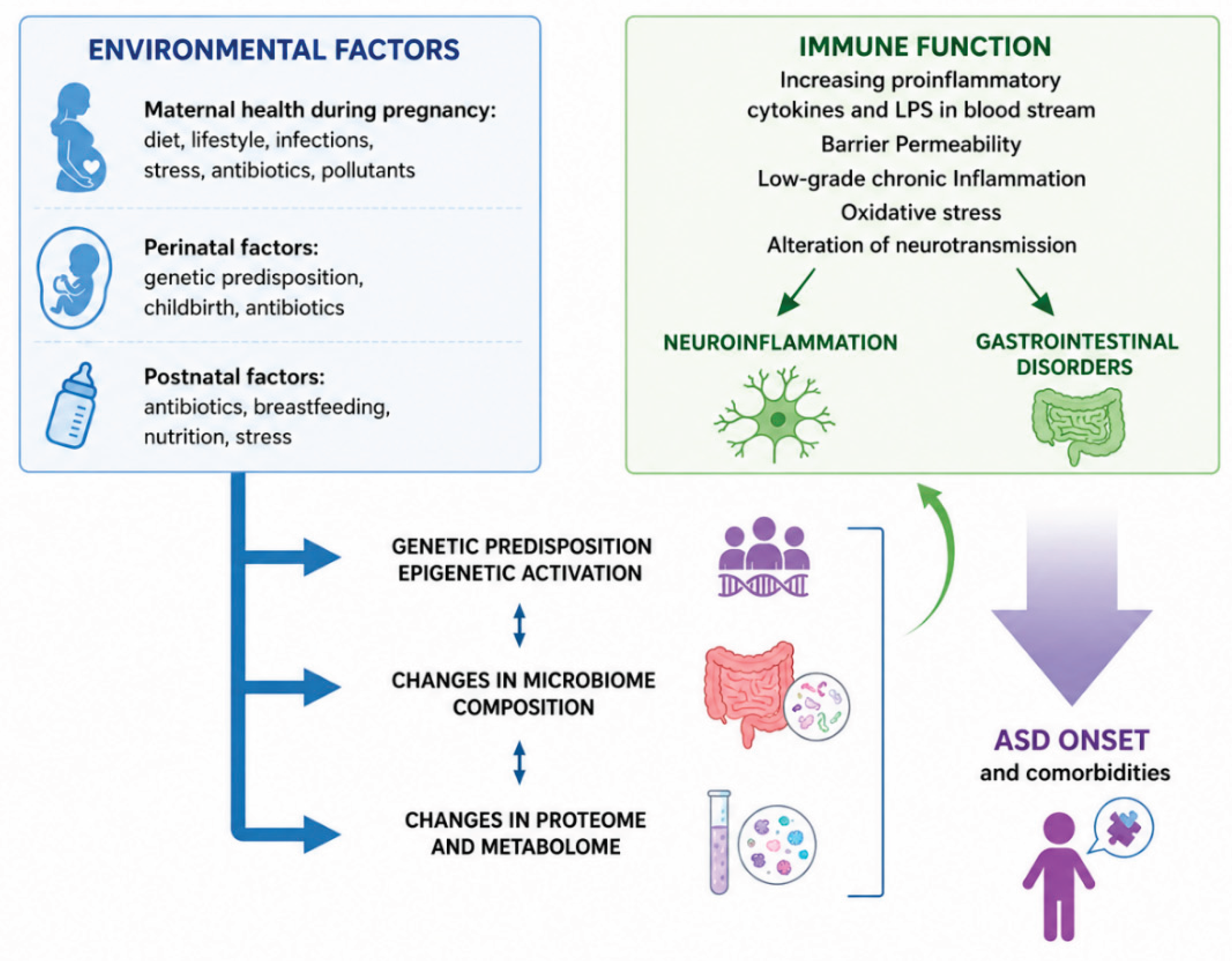
The Gut–Brain Axis: The Primary Bridge Between the Microbiota and Behaviour
The so-called gut–brain axis is now recognized as one of the most important communication networks in human physiology. It represents a complex bidirectional system linking the gastrointestinal tract with the central nervous system.
Communication along the gut–brain axis occurs through several interconnected pathways, including: the vagus nerve; the immune system; hormonal signalling; microbial metabolites; neurotransmitters and their precursors.
In essence, the gut and the brain are engaged in a continuous exchange of information.
When intestinal inflammation or dysbiosis develops, signals generated within the gastrointestinal tract can influence immune activity, neural signalling, and brain function. Conversely, chronic psychological stress can alter intestinal permeability, gut motility, and the composition of the microbiota.
This dynamic two-way relationship helps explain why gastrointestinal disturbances and behavioural changes are so frequently observed together in children with autism spectrum disorders.
Growing evidence suggests that alterations within the gut ecosystem may contribute to changes in neurodevelopment, cognition, emotional regulation, and behaviour through multiple interconnected mechanisms involving immune activation, metabolic signalling, and neuroinflammation.
As a result, the gut–brain axis has become a major focus of contemporary autism research and is increasingly viewed as a promising target for supportive therapeutic interventions aimed at improving both gastrointestinal and neurological outcomes.
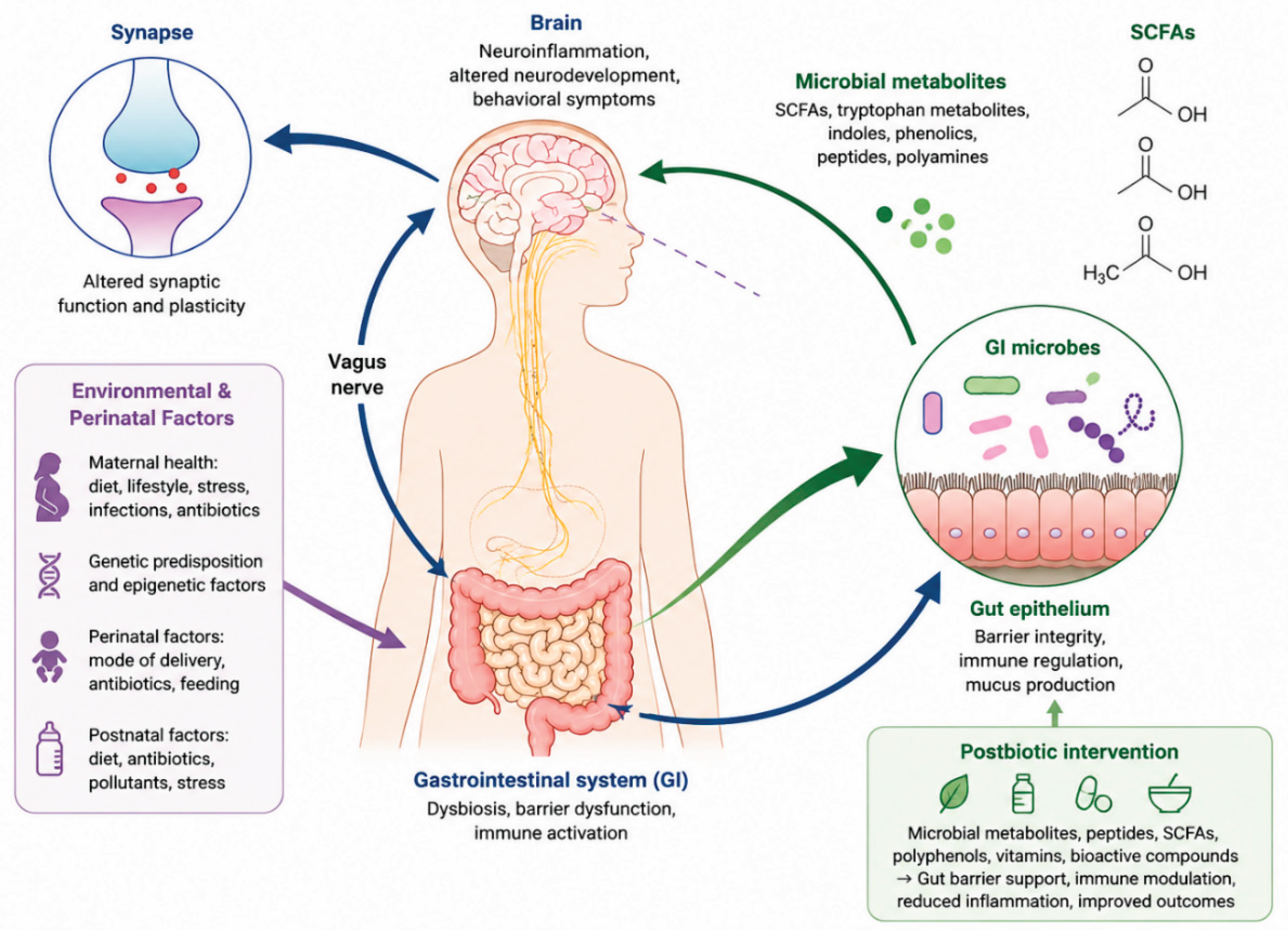
What Happens in the Gut of Children with ASD?
Is the Gut Microbiota Different in Children with Autism?
Numerous studies have demonstrated that the composition of the gut microbiota in children with autism spectrum disorders (ASD) differs significantly from that of neurotypical children.
Children with ASD are more likely to exhibit: reduced levels of Bifidobacterium species; reduced levels of Lactobacillus species; decreased microbial diversity; increased abundance of opportunistic and potentially pathogenic microorganisms.
Several studies have also identified bacterial populations capable of producing metabolites that influence immune responses and inflammatory pathways.
These findings have led researchers to propose that alterations in gut microbial composition may contribute to the development or severity of certain autism-related symptoms through mechanisms involving the gut–brain axis.
Particular attention has been directed toward bacteria belonging to the Clostridia group. Some species within this group are capable of producing propionic acid, a short-chain fatty acid naturally present in the human intestine. While propionic acid plays important physiological roles under normal conditions, excessive production has been associated with: increased inflammatory activity; impairment of intestinal barrier function; elevated oxidative stress; alterations in cellular signalling pathways.
Experimental studies suggest that excessive levels of propionic acid may influence behaviour, cellular energy metabolism, and nervous system function. Consequently, maintaining a balanced gut microbiota is increasingly regarded as an important factor in supporting neurological health and neurodevelopment.
Over the past decade, microbiome research has shifted from describing isolated symptoms to identifying systemic mechanisms involved in ASD pathophysiology. Growing evidence indicates that the intestine serves not only as a digestive organ but also as a major centre of immune, metabolic, and neuroendocrine regulation. For this reason, disturbances of the gut microbiota are increasingly viewed not merely as associated findings, but as factors that may influence the severity and progression of autism-related symptoms.
Increased Intestinal Permeability (Leaky Gut Syndrome)
One of the most widely discussed mechanisms in ASD research is increased intestinal permeability, commonly referred to as “leaky gut syndrome.”
Under normal conditions, the intestinal barrier functions as a highly selective filter, allowing nutrients to enter the bloodstream while preventing the passage of harmful substances.
When inflammation disrupts this barrier, intestinal permeability may increase, allowing the translocation of: bacterial toxins; pro-inflammatory molecules; incompletely digested food antigens.
This process may trigger immune activation and contribute to the maintenance of chronic low-grade inflammation.
Neuroinflammation and Microglial Activation
In recent years, particular attention has been focused on microglia, the resident immune cells of the central nervous system.
Microglia play essential roles in: neuronal network development; learning processes; memory formation; protection of neural tissue.
Persistent inflammatory signals originating from the gastrointestinal tract may promote chronic microglial activation. This condition is commonly referred to as neuroinflammation and has been proposed as one of the mechanisms contributing to certain neurological and behavioural manifestations observed in ASD.
Serotonin, the Gut, and Behaviour
Approximately 90% of the body’s serotonin is produced within the gastrointestinal tract.
Intestinal inflammation can disrupt the metabolism of tryptophan, the amino acid required for serotonin synthesis. As a result, disturbances in gut function may contribute to: sleep disorders; anxiety; emotional dysregulation; cognitive impairment.
These observations highlight the fact that the gut influences not only digestion, but also mood, behaviour, learning, and cognitive performance.
Why We Began Using Postbiotics
Over the last two decades, microbiome research has transformed our understanding of human health.
While gut bacteria were once thought to primarily influence digestion, they are now known to play important roles in regulating: immune function; metabolic processes; hormonal balance; inflammatory pathways; brain function.
If the microbiota influences the brain through the production of biologically active metabolites, an important question naturally arises:
Can these microbial metabolites themselves be used to support the gut–brain axis?
This concept forms the foundation of postbiotic therapy.
Unlike probiotics, postbiotics do not contain live microorganisms. Instead, they consist of biologically active compounds generated during microbial fermentation, including: peptides; amino acids; organic acids; antioxidants; lipids; polyphenols; short-chain and long-chain fatty acids; vitamins and micronutrients; signaling molecules.
In essence, the body receives the functional products generated by beneficial microorganisms, rather than the microorganisms themselves. These metabolites are believed to perform many of the biological functions traditionally attributed to the microbiota.
For this reason, postbiotics are increasingly being viewed as the next stage in the evolution of microbiome-based interventions.
As a result, growing attention is being directed not only toward the composition of the microbiota itself, but also toward the metabolites produced by these microorganisms.
Potential Mechanisms of Postbiotic Action
Current research suggests that microbial metabolites may influence several biological pathways relevant to ASD.
Support of Intestinal Barrier Integrity
Many children with ASD demonstrate signs of increased intestinal permeability.
A compromised intestinal barrier may facilitate the passage of: bacterial components; inflammatory mediators; dietary antigens.
Supporting the integrity of the intestinal lining may reduce immune activation and systemic inflammatory burden.
Immune System Modulation
Approximately 70–80% of the body’s immune cells are associated with the gastrointestinal tract.
Microbial metabolites participate in: cytokine regulation; modulation of inflammatory responses; maintenance of immune homeostasis.
These mechanisms may be particularly relevant in children demonstrating signs of chronic immune activation.
Mitochondrial and Energy Support
Mitochondrial dysfunction has increasingly been reported in subsets of children with ASD.
Because mitochondria are responsible for cellular energy production, impaired mitochondrial function may contribute to: developmental delays; impaired concentration; fatigue; reduced adaptive capacity.
Amino acids and organic acids produced during fermentation participate directly in multiple metabolic and energy-generating pathways.
Reduction of Oxidative Stress
Many children with ASD exhibit biomarkers consistent with elevated oxidative stress.
Excessive oxidative stress may damage: neurons; mitochondria; cellular membranes.
Antioxidant microbial metabolites may help support the body’s endogenous antioxidant defence systems.
Interaction with Microglia
One of the most promising areas of contemporary neuroscience involves the relationship between the gut microbiota and microglial function.
Microglia are actively involved in: neural network development; learning; memory formation; behavioural regulation.
Accumulating evidence suggests that signals originating from the gastrointestinal tract can influence microglial activity and, consequently, neurodevelopmental processes.
Despite the growing body of experimental evidence, clinical observations remain of particular importance for practicing physicians. They provide valuable insight into how current knowledge of the gut–brain axis may translate into real-world support strategies for children with autism spectrum disorders and other neurodevelopmental conditions.
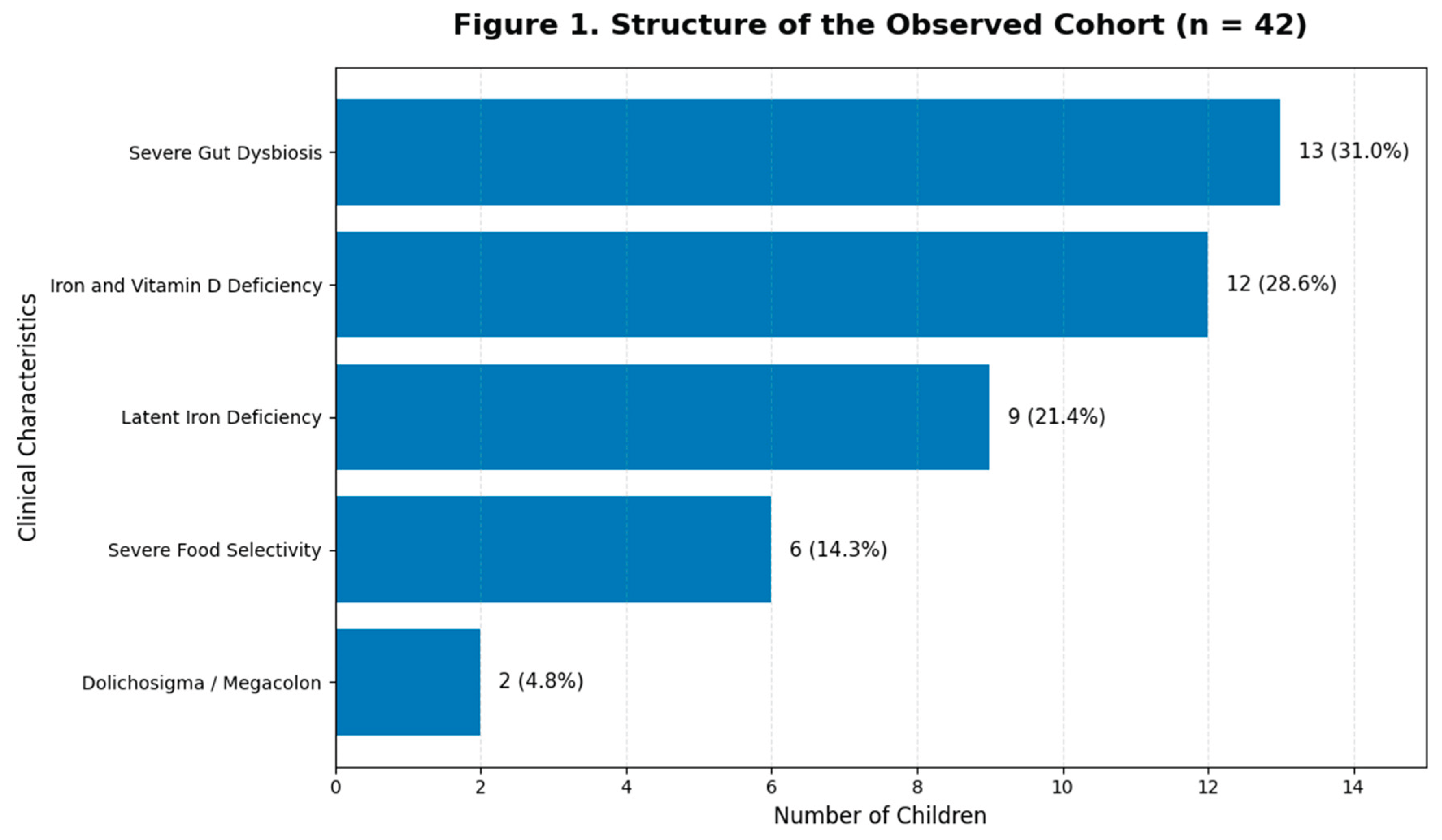
Forty-two children diagnosed with autism spectrum disorder (ASD) or Developmental Speech and Language Delay (DSLD) were categorized according to their predominant clinical presentation. Severe gut dysbiosis and micronutrient deficiencies represented the most common findings within the cohort.
Study Population.
The observational cohort consisted of 42 children aged 1–6 years diagnosed with autism spectrum disorder (ASD) or Developmental Speech and Language Delay (DSLD). Participants were stratified according to their predominant clinical presentation, including severe gut dysbiosis (n=13), iron deficiency with vitamin D deficiency (n=12), latent iron deficiency (n=9), severe food selectivity (n=6), and chronic constipation associated with dolichosigma or megacolon (n=2).
Figure 1.
Structure of the Observed Cohort (n = 42).
Materials and Methods
Study Design and Observation Period
This work represents a retrospective observational case-series based on clinical observations collected between January 2024 and March 2026 at pediatric and multidisciplinary clinical centers in Tashkent, Uzbekistan.
Children were followed for up to 15 months (1 year and 3 months) depending on the duration of participation and clinical follow-up availability.
The primary objective of the study was to evaluate clinical patterns, gastrointestinal manifestations, nutritional deficiencies, and developmental changes observed during microbiome-oriented supportive interventions centered on postbiotic therapy.
Study Population
The observational cohort consisted of 42 children aged 1–6 years diagnosed with autism spectrum disorder (ASD) and/or Developmental Speech and Language Delay (DSLD).

Table 1.
Baseline Characteristics of the Study Population (n = 42).
| Parameter | Value |
|---|---|
| Total number of participants | 42 |
| Age range | 1–6 years |
| Mean age | 3.8 years |
| Male sex | 34 (81.0%) |
| Female sex | 8 (19.0%) |
| Autism Spectrum Disorder (ASD) | 36 (85.7%) |
| Developmental Speech and Language Delay (DSLD) | 6 (14.3%) |
| Severe gut dysbiosis | 13 (31.0%) |
| Iron deficiency anemia with severe vitamin D deficiency | 12 (28.6%) |
| Latent iron deficiency | 9 (21.4%) |
| Severe food selectivity | 6 (14.3%) |
| Chronic constipation associated with dolichosigma or megacolon | 2 (4.8%) |
| Gastrointestinal symptoms (constipation, bloating, abdominal discomfort) | 38 (90.5%) |
| Food selectivity | 36 (85.7%) |
| Sleep disturbances | 35 (83.3%) |
| Hyperactivity | 33 (78.6%) |
| Attention difficulties | 34 (81.0%) |
| Speech delay | 40 (95.2%) |
| Iron deficiency (overt or latent) | 21 (50.0%) |
| Vitamin D deficiency | 12 (28.6%) |
| Available microbiome sequencing (16S rRNA) | 13 (31.0%) |
| Observation period | Up to 15 months |
The cohort was predominantly composed of boys with ASD. Gastrointestinal symptoms, food selectivity, speech delay, sleep disturbances, and behavioral difficulties represented the most common clinical findings at baseline. Microbiome sequencing data were available for a subset of children presenting with severe intestinal dysbiosis.
Inclusion Criteria
Children were eligible for inclusion if they met the following criteria:
- age between 1 and 6 years;
- confirmed diagnosis of autism spectrum disorder (ASD) and/or Developmental Speech and Language Delay (DSLD);
- availability of clinical records and laboratory investigations;
- availability of parental interviews and follow-up data;
- participation in a microbiome-oriented intervention program.
Exclusion Criteria
Children were excluded if any of the following criteria were present:
- known genetic syndromes associated with autism (including Rett syndrome, Fragile X syndrome, Angelman syndrome, and other confirmed chromosomal disorders);
- severe congenital neurological abnormalities;
- active malignant disease;
- severe metabolic disorders requiring specialized treatment;
- incomplete medical documentation;
- insufficient follow-up data;
- inability to obtain informed parental consent.
Multidisciplinary Clinical Assessment
All children underwent multidisciplinary evaluation performed by a team of specialists experienced in neurodevelopmental disorders, gastrointestinal health, reproductive medicine, and microbiome science.
The diagnostic and clinical assessment team included: pediatricians; child psychiatrists; gastroenterologists; microbiologists specializing in gut microbiome analysis; obstetrician-gynecologists specializing in recurrent pregnancy loss, prenatal health, maternal-fetal medicine, and early-life developmental risk factors.
The diagnosis of autism spectrum disorder (ASD) was established by licensed child psychiatrists according to internationally accepted diagnostic criteria and comprehensive clinical evaluation.
Developmental Speech and Language Delay (DSLD) was diagnosed based on developmental assessment and pediatric neurological evaluation.
The multidisciplinary team reviewed clinical history, laboratory findings, microbiome analyses, nutritional status, gastrointestinal symptoms, developmental milestones, and prenatal and perinatal factors when available.
Particular attention was given to factors potentially affecting early neurodevelopment, including maternal health during pregnancy, pregnancy complications, birth history, feeding patterns, gastrointestinal dysfunction, micronutrient deficiencies, and microbiome-related abnormalities.
Clinical follow-up and outcome assessment were performed by pediatricians, child psychiatrists, gastroenterologists, and microbiologists throughout the observation period.
Clinical and Laboratory Evaluation
All children underwent detailed medical history assessment and laboratory investigations as part of routine clinical practice.
The laboratory evaluation included, when available:
- Complete Blood Count (CBC);
- hemoglobin;
- erythrocyte indices (MCV, MCH, MCHC);
- ferritin;
- serum iron;
- transferrin saturation;
- vitamin D (25-OH vitamin D);
- vitamin B12;
- folate;
- magnesium;
- calcium;
- zinc;
- electrolytes (sodium, potassium, chloride);
- liver function markers (ALT, AST);
- inflammatory markers;
- immunological markers;
- stool examinations;
- microbiological testing;
- comprehensive gut microbiome analysis;
- assessment of intestinal dysbiosis;
- evaluation of opportunistic and potentially pathogenic microorganisms.
In a subset of participants, gut microbiome profiling was additionally performed using 16S ribosomal RNA (16S rRNA) gene sequencing. This method enabled taxonomic characterization of intestinal bacterial communities and assessment of microbial diversity, relative abundance of key bacterial taxa, and the presence of dysbiosis patterns associated with gastrointestinal and neurodevelopmental disorders.
Microbiome analyses included evaluation of: alpha and beta diversity; relative abundance of Bifidobacterium spp.; relative abundance of Lactobacillus spp.; abundance of opportunistic and potentially pathogenic microorganisms; microbial dysbiosis patterns; functional alterations associated with gut microbial imbalance.
Microbiome analyses were performed using available laboratory reports obtained during routine diagnostic evaluation prior to initiation of the intervention program.
Data Collection
Clinical information was collected through: detailed parental interviews; medical history questionnaires; laboratory reports; microbiome analysis reports; physician assessments; follow-up consultations.
Parents provided information regarding: gastrointestinal symptoms; bowel habits; feeding behavior and food selectivity; sleep quality; behavioral characteristics; communication skills; social interaction; developmental progress.
Intervention Strategy
All children participated in a comprehensive microbiome-oriented support program that included postbiotic therapy, nutritional correction, dietary expansion protocols, and individualized supportive interventions based on clinical presentation and laboratory findings.
Additional nutritional support was prescribed when clinically indicated and included vitamin D, iron, magnesium, omega-3 fatty acids, L-carnitine, and other micronutrients.
Outcome Measures
The primary outcomes evaluated during follow-up included: bowel function and gastrointestinal symptoms; stool frequency and consistency; abdominal bloating; appetite; food selectivity; sleep quality; attention and concentration; emotional regulation; social engagement; receptive language; speech development.
Statistical Analysis
Due to the observational nature of the study, the absence of a control group, and the relatively limited sample size, the results were analyzed descriptively.
Results were analyzed descriptively and are presented as frequencies, percentages, and summary clinical observations.
The primary objective of the analysis was to identify recurring clinical patterns, symptom distribution, and temporal sequences of improvement observed during follow-up rather than to establish causal relationships.
Given the exploratory nature of the study, no formal hypothesis testing was performed.
Ethics Statement
Written informed consent was obtained from all parents or legal guardians prior to participation.
The observational nature of the study did not involve experimental procedures beyond routine clinical care. All interventions described in this report were implemented as part of standard clinical practice and individualized supportive care programs.
Patient confidentiality and data protection were maintained throughout the study. All clinical information was anonymized prior to analysis and publication.
According to local regulations, formal ethical approval was not required for this retrospective observational case-series based on anonymized clinical data.
Clinical Observations
Study Population
The observational cohort included 42 children aged 1–6 years diagnosed with autism spectrum disorder (ASD) or Developmental Speech and Language Delay (DSLD).
Participants were categorized according to their predominant clinical presentation:
- ASD with severe iron deficiency anemia and profound vitamin D deficiency (n = 12)
- ASD with latent iron deficiency and behavioral disturbances (n = 9)
- ASD with chronic constipation, dolichosigma, and megacolon (n = 2)
- ASD with severe intestinal dysbiosis and developmental delay (n = 13)
- DSLD with severe food selectivity (n = 6)
Group 1: ASD with Severe Iron Deficiency Anemia and Profound Vitamin D Deficiency (n = 12)
Baseline Characteristics
Children aged 1–4 years had a confirmed diagnosis of ASD.
The most common parental concerns included: absence of functional speech; pronounced hyperactivity; impaired attention and concentration; poor eye contact; sleep disturbances; food selectivity.
Laboratory findings demonstrated: hemoglobin: 89 g/L; severe iron deficiency; vitamin D: 8.82 ng/mL; electrolyte imbalance; markers suggestive of immune activation.
Intervention
Participants received: A fermented postbiotic preparation twice daily (morning fasting and evening, two hours before sleep); vitamin D3 + K2; iron supplementation; magnesium; omega-3 fatty acids; L-carnitine.
Postbiotic therapy was initiated first, followed by gradual introduction of additional nutritional interventions.
Clinical Outcomes
Within 1–2 days: reduced abdominal bloating; improved stool consistency; decreased gastrointestinal discomfort.
After 3–4 weeks: improved appetite; increased interest in new foods; reduced irritability; improved sleep quality; decreased hyperactivity.
After 8–12 weeks: improved attention span; longer periods of eye contact; increased participation during therapeutic activities; emergence of new speech skills.
Group 2: ASD with Latent Iron Deficiency and Behavioral Disturbances (n = 9)
Baseline Characteristics
All participants were 5-year-old boys with ASD.
Primary concerns included: delayed speech development; hyperactivity; frequent behavioral outbursts; sleep disturbances; restricted dietary intake.
Laboratory findings revealed: ferritin: 7.4 ng/mL; latent iron deficiency; borderline low calcium and magnesium levels; markers suggestive of allergic or parasitic burden.
Intervention
Participants received: A fermented postbiotic preparation three times daily; iron supplementation; magnesium; vitamin D; omega-3 fatty acids; L-carnitine.
Clinical Outcomes
Within 2–3 days: improved bowel regularity; reduced gas production; decreased postprandial discomfort.
After 3–4 weeks: reduced emotional instability; improved sleep quality; improved attention span; decreased frequency of behavioral outbursts.
After 2–3 months: expanded vocabulary; improved receptive language; increased social engagement.
Group 3: ASD with Chronic Constipation, Dolichosigma, and Megacolon (n = 2)
Baseline Characteristics
Children aged 2.5 years presented with: absence of speech; lack of response to name; severe constipation lasting 7–10 days; significant food selectivity; dolichosigma; megacolon; signs of gastrointestinal dysfunction.
Mean ferritin level was 15 ng/mL.
Intervention
Participants received: A fermented postbiotic preparation twice daily; iron; vitamin D; vitamin B12; dietary expansion; daily physical activity to support intestinal motility.
Clinical Outcomes
Within 24–48 hours: softer stools; reduced pain during defecation; decreased abdominal distension.
After 3–4 weeks: daily spontaneous bowel movements; improved appetite; reduced irritability; improved sleep.
After 2–3 months: increased vocalization; improved eye contact; greater interest in social interaction.
Group 4: ASD with Severe Intestinal Dysbiosis and Developmental Delay (n = 13)
Baseline Characteristics
Microbiome analysis demonstrated: markedly reduced Bifidobacterium levels; markedly reduced Lactobacillus levels; presence of opportunistic pathogenic flora.
Clinically, children presented with: poor appetite; recurrent infections; sleep disturbances; speech delay; hyperactivity.
Intervention
Phase 1:
- A fermented postbiotic preparation 5 mL twice daily for three months.
Phase 2:
- individualized dietary correction.
Clinical Outcomes
Within 2–4 days: improved digestion; normalized bowel movements; reduced bloating.
After 3–4 weeks: improved sleep quality; increased appetite; reduced emotional excitability.
After 8–12 weeks: improved communication skills; increased attention and engagement.
Figure 2.
Most Common Clinical Symptoms in the Observed Cohort.
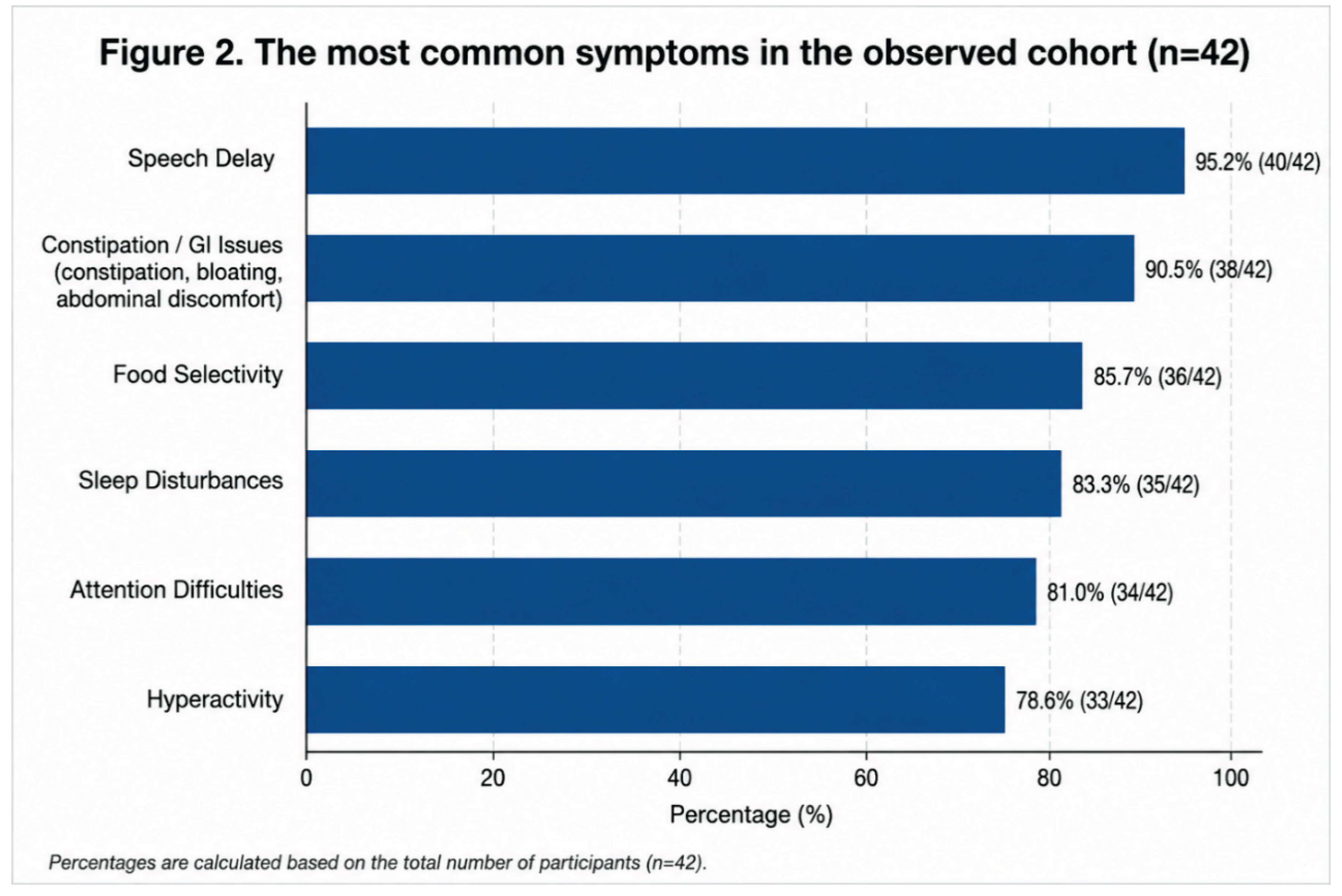
The most frequently reported symptoms among children included speech delay (95.2%), food selectivity (85.7%), sleep disturbances (83.3%), hyperactivity (78.6%), attention difficulties (81%), and gastrointestinal symptoms such as constipation, bloating, and abdominal discomfort (90.5%). These findings are consistent with previous studies demonstrating a high prevalence of gastrointestinal, behavioral, and neurodevelopmental abnormalities in children with autism spectrum disorder (ASD).
Symptom Profile of the Study Population
Parental reports collected at baseline revealed a characteristic pattern of clinical manifestations across the cohort. Speech delay represented the most prevalent concern, affecting nearly all participants. Food selectivity and restricted dietary diversity were observed in the majority of children and were frequently accompanied by micronutrient deficiencies.
Sleep disturbances, including difficulties falling asleep, frequent night awakenings, and poor sleep quality, were reported in approximately 85% of participants. Hyperactivity and attention deficits were also highly prevalent, reflecting the substantial neurobehavioral burden associated with ASD and developmental speech and language delay.
Gastrointestinal symptoms, including chronic constipation, abdominal bloating, irregular bowel movements, and postprandial discomfort, affected approximately 90% of the cohort. These observations further support the growing body of evidence linking gastrointestinal dysfunction and alterations of the gut microbiota with neurodevelopmental disorders.
The overall symptom distribution highlights the systemic nature of ASD and reinforces the importance of evaluating gastrointestinal, metabolic, nutritional, and behavioral factors as interconnected components of a broader gut–brain axis dysfunction.
Group 5: Developmental Speech and Language Delay (DSLD) with Severe Food Selectivity (n = 6)
Baseline Characteristics
The group consisted of six children aged 4–6 years with a confirmed diagnosis of Developmental Speech and Language Delay (DSLD).
Dietary intake was highly restricted and consisted predominantly of: bread; pasta; rice.
Children demonstrated marked food selectivity characterized by: refusal of vegetables; refusal of fruits; refusal of protein-rich foods.
Parents reported: delayed speech development; impaired receptive language skills; reduced responsiveness to verbal communication and social interaction.
Intervention
Participants received a comprehensive intervention program consisting of: A fermented postbiotic preparation (powder formulation) three times daily for three months; individualized dietary expansion protocols; gradual introduction of new foods according to personalized feeding plans; vitamin D supplementation; omega-3 fatty acids; magnesium; L-carnitine.
Each child followed a structured nutritional program with a predefined sequence of food introduction based on tolerance and sensory acceptance.
Clinical Outcomes
After 3–4 weeks: improved appetite; increased interest in unfamiliar foods; improved tolerance of different food textures and consistencies.
After 2–3 months: significant expansion of dietary diversity; increased consumption of protein-containing foods; improved behavioral regulation; increased speech activity and verbal engagement.
Clinical Interpretation
Severe food selectivity is frequently associated with nutritional deficiencies, reduced microbial diversity, and impaired gastrointestinal function. In this subgroup, gradual dietary expansion combined with postbiotic support was associated with improved acceptance of new foods and broader dietary diversity.
Improved nutritional intake was accompanied by positive changes in behavior, communication, and speech development, supporting the concept that nutritional status, gut health, and neurodevelopment are closely interconnected through the gut–brain axis.
Although causality cannot be established within an observational cohort, these findings suggest that microbiome-oriented interventions combined with structured nutritional rehabilitation may represent a valuable component of comprehensive support strategies for children with developmental speech and language delay.
Figure 3.
Temporal Sequence of Clinical Improvements Following Postbiotic-Based Interventions.
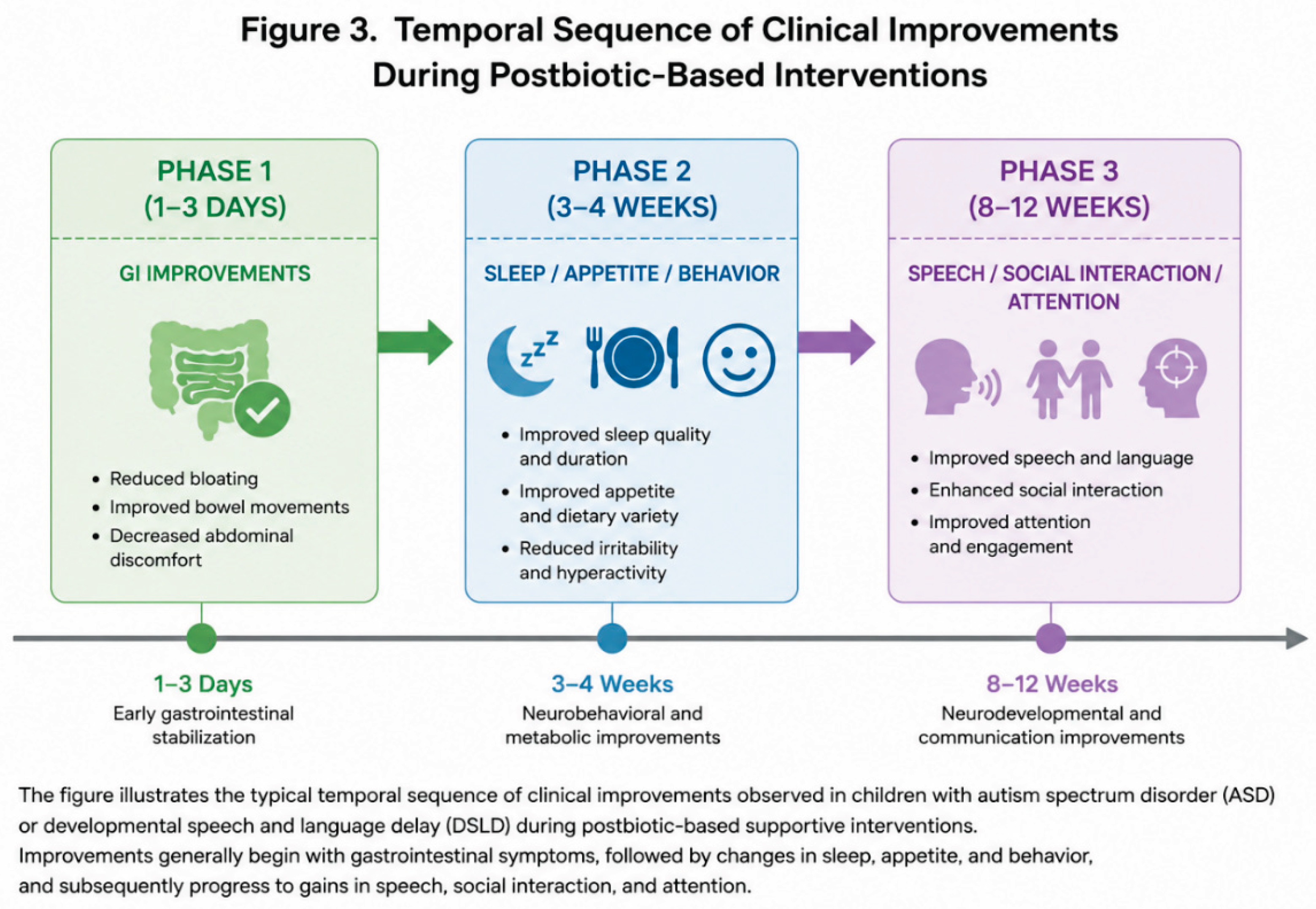
Clinical observations from 42 children with autism spectrum disorder (ASD) and Developmental Speech and Language Delay (DSLD) revealed a characteristic three-phase pattern of improvement following the initiation of microbiome-oriented supportive interventions.
Phase 1 (1–3 Days) was primarily characterized by gastrointestinal improvements, including normalization of bowel movements, reduced abdominal bloating, and decreased digestive discomfort.
Phase 2 (3–4 Weeks) was associated with improvements in sleep quality, appetite, emotional regulation, behavioral stability, and overall daily functioning. Many children demonstrated reduced irritability, improved attention, and increased engagement in everyday activities.
Phase 3 (8–12 Weeks) was characterized by neurodevelopmental improvements, including enhanced social interaction, improved attention and concentration, better communication skills, receptive language development, and the emergence of new speech abilities.
The observed progression suggests that restoration of gastrointestinal function may precede and potentially contribute to subsequent behavioral and neurodevelopmental improvements. This pattern is consistent with the current understanding of the gut–brain axis and supports the concept that intestinal health, immune regulation, and microbial metabolism may play important roles in supporting neurodevelopmental outcomes in children with ASD and DSLD.
Results Summary
The overall findings indicate that clinical improvements tended to occur in three distinct phases:
-
Gastrointestinal Phase (1–3 days).Rapid improvements in bowel function, abdominal comfort, and digestive symptoms.
-
Behavioral and Physiological Phase (3–4 weeks).Improvements in sleep, appetite, emotional regulation, and attention.
-
Neurodevelopmental Phase (8–12 weeks).Improvements in communication, social interaction, cognitive engagement, and speech development.
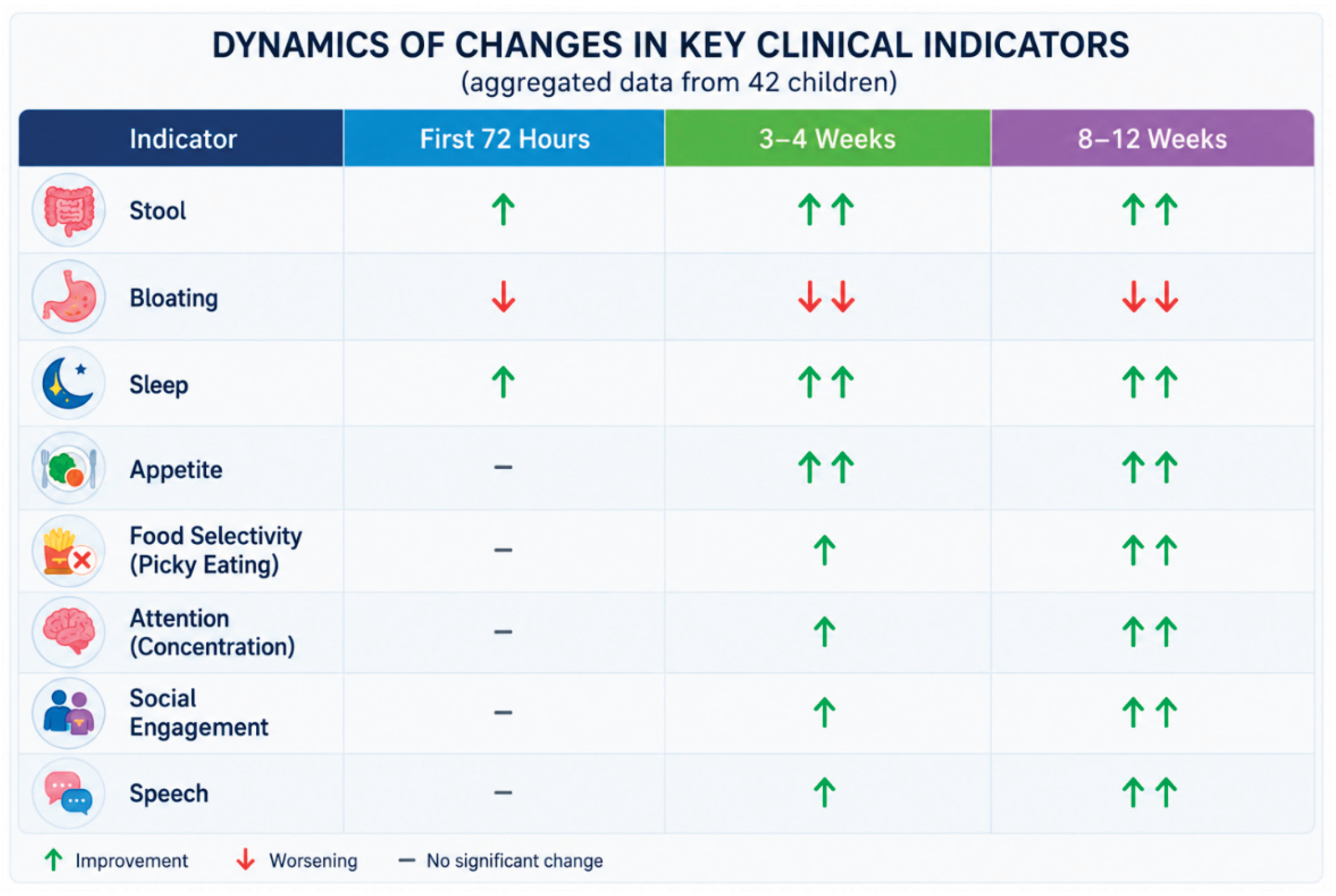
This progression was consistently observed across the majority of clinical subgroups and represents one of the most notable findings of the observational cohort.
Safety and Tolerability
No serious adverse events were reported during the observation period.
The postbiotic-based intervention program was generally well tolerated across all age groups.
Mild transient gastrointestinal changes, including temporary loose stools, increased stool frequency, and short-term changes in bowel habits, were occasionally observed during the first days of intervention. These effects were self-limiting, resolved spontaneously, and did not require discontinuation of the intervention.
No allergic reactions, severe gastrointestinal complications, hospitalizations, or clinically significant laboratory abnormalities attributable to the intervention were reported.
Overall, the findings suggest that postbiotic-based interventions demonstrated a favorable safety and tolerability profile in children with autism spectrum disorder (ASD) and Developmental Speech and Language Delay (DSLD) within the observational setting of this study.
Overall Patterns Identified Across the Clinical Observations
Analysis of the entire observational cohort revealed a consistent and reproducible sequence of clinical improvements across all patient subgroups. Regardless of age, baseline diagnosis, or severity of symptoms, the earliest positive changes were most commonly observed in gastrointestinal function.
Initial improvements typically included normalization of bowel habits, reduction of abdominal bloating, and decreased gastrointestinal discomfort. These changes were frequently reported within the first few days following the initiation of the intervention.
Subsequently, improvements in sleep quality, appetite, emotional regulation, and behavioral stability became apparent over the following weeks. Reductions in irritability, hyperactivity, and emotional dysregulation were among the most frequently reported outcomes during this phase.
The latest improvements were consistently observed in neurodevelopmental domains, including attention span, social engagement, receptive language, communication skills, and speech development. These changes generally became noticeable after 8–12 weeks of intervention.
This characteristic progression supports the concept of the gut–brain axis, suggesting that restoration of intestinal barrier function, optimization of microbial metabolism, and reduction of inflammatory burden may contribute to the normalization of neuroimmune signaling pathways.
The observed pattern further supports the growing body of evidence indicating that gastrointestinal health, immune regulation, and neurodevelopment are closely interconnected. Although causality cannot be established within an observational study, the consistency of findings across multiple clinical subgroups suggests that microbiome-oriented interventions may represent a valuable component of comprehensive support strategies for children with autism spectrum disorder (ASD) and Developmental Speech and Language Delay (DSLD).
General Patterns Identified Across the Clinical Observations
A consistent sequence of positive changes was observed across the majority of children included in the cohort.
Within the first 24–72 hours, the most frequently reported improvements included: normalization of bowel movements; reduction of abdominal bloating; decreased abdominal pain and discomfort; improved sleep quality.
After 3–4 weeks, children commonly demonstrated: improved appetite; expansion of dietary variety; reduced anxiety; decreased hyperactivity; improved behavior; enhanced ability to concentrate.
After 8–12 weeks, further improvements were observed, including: improved eye contact; increased social engagement; expansion of vocabulary; improved language comprehension; better adaptation to educational and therapeutic activities; increased resistance to infections; improved weight gain in children with low body weight.
It is important to note that these observations reflect clinical experience and do not replace evidence derived from randomized controlled trials.
Several limitations of the present work should be acknowledged. The observations are based on a series of clinical cases, no control group was included, and a comprehensive intervention program incorporating dietary correction and nutritional support was utilized. Therefore, the findings require further confirmation in randomized controlled studies.
Despite these limitations, the observed sequence of improvements is of considerable practical interest and is consistent with current scientific understanding of the role of the microbiota in regulating nervous system function.
A Comprehensive Approach to Children with ASD: Nutrition, Gut Health, Metabolism, and Physical Activity
Why We Did Not Rely on Postbiotics Alone
In most observed cases, children with autism spectrum disorder presented not only with behavioral and speech difficulties but also with significant physiological abnormalities, including: chronic constipation; intestinal dysbiosis; severe food selectivity; iron deficiency; vitamin D deficiency; sleep disturbances; signs of chronic inflammation; indicators of mitochondrial dysfunction; reduced physical activity.
For this reason, all children received a comprehensive intervention aimed at supporting the gut–brain axis.
Water on an Empty Stomach as the First Step of Therapy
Nearly all children were advised to begin the day with a glass of room-temperature water.
Recommended amounts were:
- 50–100 mL for children under 3 years of age;
- 100–150 mL for children aged 3–7 years;
- 150–250 mL for children older than 7 years.
Following overnight fasting, the body is naturally in a mildly dehydrated state. In children with ASD, this is often compounded by: chronic constipation; slow intestinal motility; insufficient fluid intake.
Morning hydration may contribute to: activation of the gastrocolic reflex; stimulation of intestinal motility; improved hydration of the intestinal mucosa; reduction of constipation; support of intestinal detoxification processes.
Many children demonstrated easier bowel movements within just a few days.
Postbiotics as the Foundation of the Program
The postbiotic intervention represented the core element of the program.
Administration Schedule
Morning
- Water on an empty stomach
- A fermented postbiotic preparation 10–15 minutes later
- Breakfast 20 minutes afterward
Evening
- A fermented postbiotic preparation approximately two hours before bedtime
Postbiotic therapy was used to support: intestinal barrier integrity; reduction of inflammation; microbial diversity; immune function; reduction of oxidative stress; the gut–brain axis.
The earliest improvements were typically observed at the gastrointestinal level.
Dietary Expansion
Nearly all children with ASD demonstrated significant food selectivity.
The most common diets consisted primarily of: bread; pasta; rice; potatoes; sweets.
Such dietary patterns may contribute to: micronutrient deficiencies; dysbiosis; chronic inflammation; constipation.
Abrupt removal of familiar foods frequently resulted in stress and food refusal. Therefore, a gradual dietary expansion strategy was implemented.
Stage 1 (First 2 Weeks)
Goal: Improve gut function and reduce inflammation.
The child’s familiar foods were maintained while: reducing sugar intake; reducing sweetened beverages; limiting processed meat products.
The following foods were gradually introduced: eggs; butter; turkey; chicken.
Stage 2 (Weeks 3–6)
Following improvement in digestive function, additional foods were introduced: buckwheat; lentils; vegetable purées; zucchini; broccoli; cauliflower.
Many children demonstrated interest in new foods for the first time during this stage.
Stage 3 (Weeks 6–12)
Gradual introduction of: fish; red meat; berries; fruits; blended soups; more complex food textures.
For many children, dietary diversification occurred for the first time in several years.
Why Additional Nutrients Were Included
Iron
Iron deficiency was the most common nutritional deficiency observed within the cohort.
Low ferritin levels have been associated with: speech delay; attention deficits; reduced cognitive performance; sleep disturbances; hyperactivity.
Iron supplementation was generally introduced 7–10 days after initiation of postbiotic therapy to improve gastrointestinal tolerance.
Vitamin D
A substantial proportion of children demonstrated severe vitamin D deficiency.
Vitamin D plays an important role in: immune regulation; inflammatory control; nervous system development; intestinal barrier function.
Magnesium
Magnesium was prescribed to children with: hyperactivity; sleep disturbances; increased anxiety; a history of febrile seizures.
It was typically administered in the evening.
Omega-3 Fatty Acids
Omega-3 supplementation was recommended for most children to support: neuronal membrane integrity; anti-inflammatory pathways; cognitive function.
L-Carnitine
L-carnitine was introduced after stabilization of gastrointestinal function, particularly in children demonstrating: signs of mitochondrial dysfunction; fatigue; poor concentration; reduced physical endurance.
Why Physical Activity Was Part of the Program
Many children presented with: chronic constipation; dolichosigma; megacolon; reduced physical activity. Physical activity was therefore incorporated as a therapeutic tool.
Jumping Exercises
The most effective activity for stimulating bowel function.
Recommended: 30–50 jumps; 2–3 times daily; especially after meals.
Jumping provides mechanical stimulation of the intestines and may enhance peristalsis.
Running
Daily running was encouraged.
Recommended duration: 10–20 minutes per day.
Potential benefits include: improved circulation; stimulation of intestinal motility; increased production of neurotrophic factors.
Ball Games
Recommended for children of all ages.
Potential benefits include: improved coordination; enhanced visual-motor integration; increased attention; activation of abdominal musculature.
Bicycle Exercise (Air Cycling)
Particularly useful for constipation.
Recommended: 1–2 minutes; twice daily.
Fit ball Exercises
Used primarily in children with significant gastrointestinal dysfunction.
Potential benefits include: gentle abdominal massage; stimulation of intestinal motility; reduction of bloating.
Analysis of several dozen clinical observations demonstrated a remarkably consistent pattern of improvement.
First 24–72 Hours: improved bowel movements; reduced bloating; decreased abdominal pain; improved sleep quality.
After 3–4 Weeks: improved appetite; expansion of dietary diversity; reduced hyperactivity; reduced anxiety; improved behavior.
After 8–12 Weeks: improved eye contact; increased social engagement; expanded vocabulary; improved language comprehension; increased physical activity; improved weight gain in underweight children.
Thus, the most pronounced improvements occurred not only at the gastrointestinal level but also in behavior, sleep, communication, and overall child development, further supporting the important role of the gut–brain axis in comprehensive support strategies for children with ASD.
Why Postbiotics May Offer Advantages Over Probiotics
Probiotics contain live microorganisms, whereas postbiotics contain biologically active metabolites produced by beneficial bacteria. This distinction may provide several potential advantages.
Postbiotics:
- do not require intestinal colonization;
- may exert biological activity immediately after administration;
- demonstrate high stability;
- do not contain live microorganisms;
- may be used in immunocompromised individuals;
- do not depend on bacterial survival within the gastrointestinal tract.
| ASD/DSLD-Related Disturbance | Scientific Basis | Potential Postbiotic Mechanism |
| Dysbiosis | Microbiome alterations | Bacterial metabolites |
| Neuroinflammation | Microglial activation | Immune modulation |
| Constipation or diarrhea | Present in 70–90% of children | Support of intestinal motility |
| Iron deficiency | Associated with speech and attention deficits | Support of nutrient utilization |
| Mitochondrial dysfunction | Reduced cellular energy production | Support of energy metabolism |
| Sleep disturbances | Gut–brain axis dysregulation | Modulation of neuroactive signaling |
The results are particularly noteworthy because clinical improvements appeared in a characteristic sequence: gastrointestinal symptoms improved first, followed by sleep and emotional regulation, and subsequently by behavior, communication, and learning abilities. This pattern indirectly supports the hypothesis that the gut–brain axis plays an important role in the development of certain neurodevelopmental symptoms.
Discussion
The findings of the present observational study are consistent with the growing body of evidence suggesting an important role of the gut microbiome in the pathophysiology of autism spectrum disorder (ASD) and other neurodevelopmental conditions.
One of the most notable observations in our cohort was the characteristic sequence of clinical improvements. Gastrointestinal symptoms improved first, followed by changes in sleep quality, appetite, emotional regulation, and behavioral stability. Improvements in communication, social engagement, attention, and speech development generally occurred later, most commonly after 8–12 weeks of intervention.
This temporal pattern is consistent with the current understanding of the gut–brain axis and suggests that restoration of gastrointestinal function may precede improvements in neurodevelopmental outcomes.
Gut–Brain Axis and Neurodevelopment
The gut–brain axis represents a complex bidirectional communication network involving the gastrointestinal tract, immune system, endocrine signaling pathways, microbial metabolites, and the central nervous system.
Cryan and Dinan proposed that alterations in gut microbial composition may influence brain function through multiple interconnected mechanisms, including immune signaling, neurotransmitter production, vagal nerve activation, and microbial metabolite synthesis. Their work significantly contributed to the modern concept of the microbiota as an active regulator of behavior, cognition, and emotional function.
The clinical observations described in the present cohort support this concept. Children demonstrating improvements in gastrointestinal function frequently showed subsequent improvements in sleep, behavior, communication, and developmental engagement.
Microglia and Neuroinflammation
Increasing evidence suggests that neuroinflammation plays an important role in ASD pathophysiology.
Microglia, the resident immune cells of the central nervous system, are critically involved in synaptic pruning, neuronal network formation, learning, memory, and neurodevelopment. Persistent inflammatory signaling originating from the gastrointestinal tract may contribute to chronic microglial activation and sustained neuroinflammation.
Experimental studies conducted by Vuong and colleagues demonstrated that microbiota-derived signals influence neurodevelopmental processes through immune and metabolic pathways. Similarly, Sharon et al. showed that alterations in gut microbial communities may affect behavior and neurological function through microbiota-host interactions.
The improvements observed in attention, social interaction, and communication within our cohort may therefore be partially explained by mechanisms involving reduction of systemic inflammatory burden and modulation of neuroimmune signaling pathways.
Short-Chain Fatty Acids and Microbial Metabolism
Microbial metabolites represent one of the most important links between the intestine and the brain.
Short-chain fatty acids (SCFAs), including acetate, propionate, and butyrate, are produced by bacterial fermentation and play essential roles in maintaining intestinal barrier integrity, immune homeostasis, and cellular metabolism.
Previous studies have reported abnormal SCFA profiles in subsets of children with ASD. Particular attention has been directed toward excessive production of propionic acid by certain bacterial species, including members of the Clostridia group. Experimental models suggest that elevated propionic acid levels may influence neuroinflammation, mitochondrial function, oxidative stress, and behavior.
Restoration of microbial balance may therefore contribute not only to improvements in gastrointestinal symptoms but also to broader physiological and neurodevelopmental outcomes.
Immune Modulation and Intestinal Barrier Function
Approximately 70–80% of immune cells are associated with the gastrointestinal tract. Consequently, disturbances of the intestinal ecosystem may have systemic consequences extending beyond digestion.
Adams and colleagues previously reported associations between gastrointestinal dysfunction, nutritional deficiencies, and symptom severity in children with ASD. Their work highlighted the importance of addressing metabolic and gastrointestinal abnormalities as part of comprehensive care.
Similarly, our observations demonstrated a high prevalence of gastrointestinal symptoms, food selectivity, micronutrient deficiencies, and signs of intestinal dysfunction. Improvements in bowel function frequently preceded improvements in behavior and developmental outcomes.
One possible explanation involves restoration of intestinal barrier integrity and reduction of chronic immune activation. Improved barrier function may decrease exposure to pro-inflammatory bacterial products and dietary antigens, resulting in lower systemic inflammatory burden and improved neuroimmune regulation.
Comparison with Previous Clinical Studies
Kang et al. demonstrated that microbiome-directed interventions were associated with long-term improvements in gastrointestinal symptoms and behavioral measures in children with ASD. Their findings suggested that modification of the gut ecosystem may influence both digestive and neurological outcomes.
The observations reported in the present cohort are broadly consistent with these findings. Children demonstrating improved gastrointestinal health frequently showed parallel improvements in sleep, emotional regulation, social engagement, and communication.
Furthermore, the observations align with the growing body of evidence indicating that microbiome-oriented interventions may represent a valuable component of multidisciplinary support strategies for neurodevelopmental disorders.
Potential Role of Postbiotic-Based Interventions
Unlike probiotics, postbiotics contain biologically active metabolites produced during microbial fermentation rather than live microorganisms.
These metabolites include peptides, amino acids, organic acids, lipids, polyphenols, vitamins, and signaling molecules capable of interacting with immune, metabolic, and neuroendocrine pathways.
The favorable safety profile observed within the present cohort, together with the characteristic sequence of gastrointestinal, behavioral, and neurodevelopmental improvements, supports the rationale for further investigation of postbiotic-based interventions in ASD and developmental speech and language delay.
Although causality cannot be established within an observational study, the consistency of findings across multiple clinical subgroups suggests that microbiome-oriented approaches deserve further evaluation in prospective randomized controlled trials.
Taken together, the results of the present study support the emerging concept that gastrointestinal health, immune regulation, microbial metabolism, and neurodevelopment are closely interconnected. The gut microbiome should therefore be considered not merely a digestive organ system, but a potentially important contributor to neurodevelopmental health and functional outcomes in children with ASD and DSLD.
Conclusion
The practical experience of our specialists, based on a postbiotic-centered approach and restoration of gastrointestinal health, suggests that gut health may represent one of the key components of comprehensive support for children with autism spectrum disorder and developmental delays.
Observations from children participating in the program demonstrated that improvements in gastrointestinal function and feeding behavior were frequently accompanied by positive changes extending far beyond the digestive system. Many children showed improvements in sleep quality, reduced anxiety and irritability, broader dietary diversity, improved attention, enhanced social interaction, and the emergence of new communication skills.
Importantly, parents often noticed the earliest changes within just a few days of initiating gut-focused interventions. Abdominal discomfort decreased, bowel function normalized, and overall wellbeing improved. These changes appeared to create a favorable foundation for subsequent emotional, behavioral, and cognitive development.
The postbiotic approach is simple and convenient to integrate into daily family life. Many children willingly accepted the postbiotic intervention, improving adherence to long-term support programs.
For parents, one of the most meaningful outcomes was the reduction of physical discomfort and the gradual emergence of the child’s developmental potential through improvements in behavior, communication, emotional regulation, and learning capacity. These changes not only enhanced the child’s quality of life but also reduced the burden on the entire family.
The findings further emphasize the importance of maintaining a healthy microbiome and gastrointestinal environment as a foundation for comprehensive approaches to neurodevelopmental disorders. Current evidence increasingly supports the view that the microbiome functions not merely as part of the digestive system, but as a critical regulator of immunity, metabolism, and nervous system function.
Microbiome-based therapies are becoming increasingly relevant in modern medicine. Today they represent not only one of the fastest-growing fields of scientific research, but also a promising and potentially effective strategy for supporting children with ASD and developmental speech and language delay.
Future advances in postbiotic technologies and continued exploration of the gut–brain axis may provide new opportunities to support children with neurodevelopmental disorders, improve long-term health outcomes, promote social adaptation, and help establish a stronger foundation for lifelong development.
Future Directions
The findings of the present observational study support the growing interest in microbiome-oriented approaches for children with autism spectrum disorder (ASD) and Developmental Speech and Language Delay (DSLD).
Future research should focus on well-designed randomized placebo-controlled trials to determine the specific contribution of postbiotic-based interventions to gastrointestinal, behavioral, and neurodevelopmental outcomes.
Particular attention should be directed toward the identification of microbial biomarkers associated with treatment response, longitudinal assessment of gut microbiome composition using 16S rRNA sequencing and metagenomic approaches, and evaluation of changes in inflammatory, metabolic, and neuroimmune pathways.
Further studies are also needed to clarify the relationship between postbiotic-derived metabolites, intestinal barrier function, immune modulation, microglial activity, and the gut–brain axis.
A better understanding of these mechanisms may contribute to the development of more personalized microbiome-based strategies aimed at supporting neurodevelopment, improving quality of life, and optimizing long-term outcomes in children with ASD and related developmental disorders.
Limitations
Several limitations of the present study should be acknowledged.
First, this study was observational in nature and was not designed as a randomized controlled trial. Therefore, causal relationships between the intervention program and the observed clinical outcomes cannot be definitively established.
Second, no control group was included. As a result, it is not possible to determine the relative contribution of postbiotic-based interventions compared with standard care or other therapeutic approaches.
Third, the overall sample size was relatively small and consisted of clinically heterogeneous subgroups of children with autism spectrum disorder (ASD) and Developmental Speech and Language Delay (DSLD). Larger studies are required to confirm the reproducibility and generalizability of the findings.
Fourth, multiple supportive interventions were implemented simultaneously, including dietary modification, nutritional supplementation, correction of micronutrient deficiencies, physical activity recommendations, and postbiotic-based support. Consequently, the specific contribution of each individual intervention cannot be isolated.
Fifth, some outcome measures were based on parental observations and caregiver reports. Although these observations provide valuable real-world clinical information, they may be influenced by subjective interpretation and reporting bias.
Finally, comprehensive microbiome sequencing data were available only for a subset of participants, limiting the ability to perform detailed correlations between microbial composition and clinical outcomes.
Despite these limitations, the consistency of observations across multiple clinical subgroups and the characteristic sequence of gastrointestinal, behavioral, and neurodevelopmental improvements support further investigation of microbiome-oriented interventions in prospective controlled studies.
Funding
This study received no external funding.
Conflicts of Interest
Elena Kostochko is the founder of Biodonatum, a company involved in the development of postbiotic products. The other authors declare no competing interests. Data interpretation and manuscript preparation were performed jointly by all authors.
References
- Cryan JF, O’Riordan KJ, Cowan CSM, Sandhu KV, Bastiaanssen TFS, Boehme M, et al. The microbiota-gut-brain axis. Physiol Rev. 2019;99(4):1877-2013.
- Dinan TG, Cryan JF. Gut Microbiota: A Missing Link in Psychiatry. World Psychiatry. 2020;19(1):111–112. [CrossRef]
- Sharon G, Cruz NJ, Kang DW, Gandal MJ, Wang B, Kim YM, et al. Human Gut Microbiota from Autism Spectrum Disorder Promote Behavioral Symptoms in Mice. Cell. 2019;177(6):1600–1618.e17. [CrossRef]
- Vuong HE, Hsiao EY. Emerging Roles for the Gut Microbiome in Autism Spectrum Disorder. Biol Psychiatry. 2017;81(5):411–423. [CrossRef]
- Hsiao EY, McBride SW, Hsien S, Sharon G, Hyde ER, McCue T, et al. Microbiota Modulate Behavioral and Physiological Abnormalities Associated with Neurodevelopmental Disorders. Cell. 2013;155(7):1451–1463. [CrossRef]
- Kang DW, Adams JB, Gregory AC, Borody T, Chittick L, Fasano A, et al. Microbiota Transfer Therapy Alters Gut Ecosystem and Improves Gastrointestinal and Autism Symptoms: An Open-Label Study. Microbiome. 2017;5:10. [CrossRef]
- Kang DW, Adams JB, Coleman DM, Pollard EL, Maldonado J, McDonough-Means S, et al. Long-Term Benefit of Microbiota Transfer Therapy on Autism Symptoms and Gut Microbiota. Sci Rep. 2019;9:5821. [CrossRef]
- Adams JB, Johansen LJ, Powell LD, Quig D, Rubin RA. Gastrointestinal Flora and Gastrointestinal Status in Children with Autism. J Altern Complement Med. 2011;17(6):555–562. [CrossRef]
- Mayer EA, Nance K, Chen S. The gut-brain axis. Annu Rev Med. 2022;73:439-453.
- Mayer EA, Tillisch K, Gupta A. Gut/Brain Axis and the Microbiota. J Clin Invest. 2015;125(3):926–938. [CrossRef]
- Fasano A. Leaky gut and autoimmune diseases. Clin Rev Allergy Immunol. 2012;42(1):71-78. [CrossRef]
- Fasano A. All disease begins in the (leaky) gut: role of zonulin-mediated gut permeability. F1000Res. 2020;9:F1000 Faculty Rev-69. [CrossRef]
- Sandler RH, Finegold SM, Bolte ER, Buchanan CP, Maxwell AP, Väisänen ML, et al. Short-term benefit from oral vancomycin treatment of regressive-onset autism. J Child Neurol. 2000;15(7):429-435. [CrossRef]
- Finegold SM, Molitoris D, Song Y, Liu C, Vaisanen ML, Bolte E, et al. Gastrointestinal microflora studies in late-onset autism. Clin Infect Dis. 2002;35(Suppl 1):S6-S16. [CrossRef]
- Finegold SM. State of the art: microbiology in health and disease. Intestinal bacterial flora in autism. Anaerobe. 2011;17(6):367-368.
- Parracho HMRT, Bingham MO, Gibson GR, McCartney AL. Differences between the gut microflora of children with autistic spectrum disorders and that of healthy children. J Med Microbiol. 2005;54(Pt 10):987-991. [CrossRef]
- Tomova A, Husarova V, Lakatosova S, Bakos J, Vlkova B, Babinska K, et al. Gastrointestinal microbiota in children with autism in Slovakia. Physiol Behav. 2015;138:179-187. [CrossRef]
- Strati F, Cavalieri D, Albanese D, De Felice C, Donati C, Hayek J, et al. New evidences on the altered gut microbiota in autism spectrum disorders. Microbiome. 2017;5(1):24. [CrossRef]
- De Angelis M, Francavilla R, Piccolo M, De Giacomo A, Gobbetti M. Autism spectrum disorders and intestinal microbiota. Gut Microbes. 2015;6(3):207-213. [CrossRef]
- Coretti L, Paparo L, Riccio MP, Amato F, Cuomo M, Natale A, et al. Gut microbiota features in young children with autism spectrum disorders. Front Microbiol. 2018;9:3146. [CrossRef]
- Liu S, Li E, Sun Z, Fu D, Duan G, Jiang M, et al. Altered gut microbiota and short chain fatty acids in Chinese children with autism spectrum disorder. Sci Rep. 2019;9:287. [CrossRef]
- Wang M, Wan J, Rong H, He F, Wang H, Zhou J, et al. Alterations in gut glutamate metabolism associated with changes in gut microbiota composition in children with autism spectrum disorder. mSystems. 2019;4(1):e00321-18. [CrossRef]
- Needham BD, Adame MD, Serena G, Rose DR, Preston GM, Conrad MC, et al. Plasma and fecal metabolite profiles in autism spectrum disorder. Biol Psychiatry. 2021;89(5):451-462. [CrossRef]
- Bundgaard-Nielsen C, Knudsen J, Leutscher PDC, Lauritsen MB, Nyegaard M, Hagstrøm S, et al. Gut microbiota profiles of autism spectrum disorder and attention deficit/hyperactivity disorder. Front Psychiatry. 2020;11:564668. [CrossRef]
- Ristori MV, Quagliariello A, Reddel S, Ianiro G, Vicari S, Gasbarrini A, et al. Autism, gastrointestinal symptoms and modulation of gut microbiota by nutritional interventions. Nutrients. 2019;11(11):2812. [CrossRef]
- Dalile B, Van Oudenhove L, Vervliet B, Verbeke K. The role of short-chain fatty acids in microbiota-gut-brain communication. Nat Rev Gastroenterol Hepatol. 2019;16(8):461-478. [CrossRef]
- Erny D, Hrabě de Angelis AL, Jaitin D, Wieghofer P, Staszewski O, David E, et al. Host microbiota constantly control maturation and function of microglia in the CNS. Nat Neurosci. 2015;18(7):965-977. [CrossRef]
- Fung TC, Olson CA, Hsiao EY. Interactions between the microbiota, immune and nervous systems in health and disease. Nat Neurosci. 2017;20(2):145-155. [CrossRef]
- Dinan TG, Stilling RM, Stanton C, Cryan JF. Collective unconscious: how gut microbes shape human behavior. J Psychiatr Res. 2015;63:1-9. [CrossRef]
- Salminen S, Collado MC, Endo A, Hill C, Lebeer S, Quigley EMM, et al. The International Scientific Association of Probiotics and Prebiotics (ISAPP) consensus statement on the definition and scope of postbiotics. Nat Rev Gastroenterol Hepatol. 2021;18(9):649-667. [CrossRef]
- Aguilar-Toalá JE, Arioli S, Behare P, Belzer C, Berni Canani R, Chatel JM, et al. Postbiotics – when simplification fails to clarify. Nat Rev Gastroenterol Hepatol. 2021;18(11):825-826. [CrossRef]
- Wegh CAM, Geerlings SY, Knol J, Roeselers G, Belzer C. Postbiotics and their potential applications in early life nutrition and beyond. Int J Mol Sci. 2019;20(19):4673. [CrossRef]
- Nataraj BH, Ali SA, Behare PV, Yadav H. Postbiotics-parabiotics: the new horizons in microbial biotherapy and functional foods. Microb Cell Fact. 2020;19(1):168. [CrossRef]
- Silva YP, Bernardi A, Frozza RL. The role of short-chain fatty acids from gut microbiota in gut-brain communication. Front Endocrinol (Lausanne). 2020;11:25. [CrossRef]
- Morais LH, Schreiber HL, Mazmanian SK. The gut microbiota-brain axis in behaviour and brain disorders. Nat Rev Microbiol. 2021;19(4):241-255. [CrossRef]
- Sharon G, Sampson TR, Geschwind DH, Mazmanian SK. The central nervous system and the gut microbiome. Cell. 2016;167(4):915-932. [CrossRef]
- Sampson TR, Mazmanian SK. Control of brain development, function, and behavior by the microbiome. Cell Host Microbe. 2015;17(5):565-576. [CrossRef]
- Mazmanian SK, Liu CH, Tzianabos AO, Kasper DL. An immunomodulatory molecule of symbiotic bacteria directs maturation of the host immune system. Cell. 2005;122(1):107-118. [CrossRef]
- Buffington SA, Di Prisco GV, Auchtung TA, Ajami NJ, Petrosino JF, Costa-Mattioli M. Microbial reconstitution reverses maternal diet-induced social and synaptic deficits in offspring. Cell. 2016;165(7):1762-1775. [CrossRef]
- Needham BD, Kaddurah-Daouk R, Mazmanian SK. Gut microbial molecules in behavioural and neurodegenerative conditions. Nat Rev Neurosci. 2020;21(12):717-731. [CrossRef]
- Berding K, Cryan JF. Microbiota-targeted interventions for mental health. Curr Opin Psychiatry. 2022;35(6):570-578.
- Wang B, Yao M, Lv L, Ling Z, Li L. The human microbiota in health and disease. Engineering. 2017;3(1):71-82.
- Parker A, Fonseca S, Carding SR. Gut microbes and metabolites as modulators of blood-brain barrier integrity and brain health. Gut Microbes. 2020;11(2):135-157. [CrossRef]
- Dalile B, Van Oudenhove L, Vervliet B, Verbeke K. Microbiota-gut-brain axis and the role of microbial metabolites in neuropsychiatric disorders. Gastroenterology. 2023;164(4):725-742.
Disclaimer/Publisher’s Note: The statements, opinions and data contained in all publications are solely those of the individual author(s) and contributor(s) and not of MDPI and/or the editor(s). MDPI and/or the editor(s) disclaim responsibility for any injury to people or property resulting from any ideas, methods, instructions or products referred to in the content. |
© 2026 by the authors. Licensee MDPI, Basel, Switzerland. This article is an open access article distributed under the terms and conditions of the Creative Commons Attribution (CC BY) license (http://creativecommons.org/licenses/by/4.0/).
Copyright: This open access article is published under a Creative Commons CC BY 4.0 license, which permit the free download, distribution, and reuse, provided that the author and preprint are cited in any reuse.


