

Submitted:
18 May 2026
Posted:
19 May 2026
You are already at the latest version
Abstract
Background/Objectives: Previous studies have demonstrated the safety of pre-seasonal treatment with the mannan-conjugated birch pollen allergoid EP-088-T502. However, the safety of a combined pre- and co-seasonal treatment regi-men has not yet been investigated. This study aimed to compare the safety and tolera-bility of pre-seasonal versus pre- and co-seasonal treatment with EP-088-T502. Meth-ods: In this prospective, open-label, phase III trial (T502-SIT-059) (EudraCT No.:2022-004082-20), patients (N=109) who had participated in a preceding pivotal phase III study were offered continuation treatment with active EP-088-T502 (10.000 mTU/mL) across five treatment visits. For the subgroup analysis, all patients who completed their last treatment visit before 9 April 2023 (and thus before the start of the birch pollen season in Germany) were assigned to the pre-seasonal group (N=20). Those who performed the last treatment visit thereafter were assigned to the pre/co-seasonal group (N=83). Both groups were compared in terms of local and sys-temic immediate and late phase reactions and other EP-088-T502-related adverse events (AEs). Results: No deaths nor serious adverse events (SAEs) were reported during the study. No epinephrine administration was required. Systemic adverse drug reactions (SADRs, N=3) occurred in two patients who had previously received placebo. No grade III or IV systemic reactions according to the German AWMF classification were observed. Patients receiving pre- and co-seasonal treatment developed smaller wheals (mean diameter) compared with the pre-seasonal group (immediate reactions: 0.6 vs. 0.7 cm, late phase reactions: 0.3 vs. 0.4 cm at the last treatment visit). This was also reflected in the medians (immediate reactions: 0.2 cm vs. 0.4 cm, late-phase reac-tions: 0.2 vs. 0 cm at the last treatment visit).
Of all AEs that were (possibly) related to EP-088-T502 (N=89), 74 (83%) occurred at the first three treatment visits (before the birch pollen season). The frequency of AEs was comparable between groups for the last two treatment visits. Patients who had received placebo in the previous trial experienced more treatment related side effects compared to patients who had already received EP-088-T502 in the previous year. Conclusions: These data suggest that EP-088-T502 is safe and well tolerated even when administered during the birch pollen season, regardless of prior exposure to EP-088-T502.
Keywords:
birch pollen allergy
; allergen immunotherapy
; subcutaneous immunotherapy
; safety
; tolerability
; allergoid
; mannan
1. Introduction
Successful allergen immunotherapy (AIT) requires not only clinical efficacy but also a favourable safety and tolerability profile. The efficacy of AIT is closely linked to the cumulative allergen dose administered. However, a high allergen dose carries a higher risk of side effects, so the dose per application is limited. In addition, when treating seasonal allergies such as grass or birch pollen allergies, allergen exposure resulting from AIT and natural pollen exposure may accumulate and may result in increased cumulative allergen exposure, which in turn may increase the risk of systemic allergic reactions. Pre-seasonal AIT has proven to be safe, effective and with few side effects [1,2]. When allergy-typical symptoms occur, co-seasonal AIT is administered either with a reduced maintenance dose or over a few days at a low initial dose until the maintenance dose is reached, at the beginning of the pollen season when pollen counts are low [3].
However, tolerability of the treatment does not only depend on the time point of administration (before and/or during the pollen season), but also on the composition of the administered allergen, like native allergen extracts or (conjugated) allergoids. Native allergen extracts have been used in AIT for decades, but incidences of adverse drug reactions are high [4]. Modified allergen extracts like allergoids are a promising alternative to reduce adverse reactions to AIT. Allergoids are chemically modified allergens in which IgE epitopes are destroyed or masked by glutaraldehyde or formaldehyde, thereby reducing allergenicity whilst largely preserving T-cell reactivity [5]. The main advantage of allergoids is their reduced allergenicity while maintaining immunogenicity, resulting in an improved safety profile. The risk of IgE-mediated adverse drug reactions, such as systemic reactions and anaphylaxis, is significantly reduced during treatment [5].
The addition of adjuvants to allergoids further improves the immune response: Adjuvants increase the immune response directed against the co-administered antigen, thus enabling the administration of a lower antigen dose with fewer side effects. At the same time, they trigger an enhanced immune response against otherwise non- or low-immunogenic antigens. First-generation adjuvants include aluminium salts, calcium phosphate and microcrystalline tyrosine = MCT, while second-generation adjuvants include TLR ligands (flagellin, CpG, monophosphoryl lipid A = MPLA) [7]. Another adjuvant is mannan, a β-1,4-mannose polysaccharide found in the cell walls of plant and fungal cells and isolated from yeast cells. As a naturally occurring substance, mannan can therefore be rapidly absorbed by the body. Non-oxidised mannan is conjugated to allergoids using glutaraldehyde as a crosslinker. The mannan-antigen complex is taken up by dendritic cells via C-type lectin receptors through endocytosis and activates T helper and T regulatory cells [7].
Mannan-conjugated birch pollen allergoids have previously been investigated in several studies, including 2 DBPC studies and 1 open long- term study. In those studies, pre-seasonal treatment with the mannan-conjugated birch pollen allergoid was effective and safe. These findings are clinically relevant given the high prevalence of pollen allergy in Europe [8]. Treatment of the pollen allergic patients is made more challenging by the fact, that birch pollen seasons have been starting progressively earlier due to climate change [9,10]. Although the AIT was planned well in advance, planned pre-seasonal treatment may unintentionally overlap with the pollen season, as the start of the pollen season may be sooner than expected. In such cases, it is important to know whether treatment is safe during the pollen season, making it clinically relevant to evaluate the safety of treatment during ongoing pollen exposure.
The aim of this study was to compare the safety profile of a pre-seasonal SCIT with mannan conjugated birch pollen allergoids (EP-088-T502) with the pre-, co-seasonal treatment in patients who were previously treated with either EP-088-T502 or placebo [1]. This was done by analysing treatment emergent adverse events, especially adverse drug reactions like local and systemic reactions and the use of rescue medication in both groups.
2. Materials and Methods
2.1. Study Design
This was an open-label, uncontrolled, non-randomised phase III follow-up study conducted at 13 study centres in Germany. Participants who completed the previous study T502-SIT-045 (EudraCT No. 2021-002252-36) regardless of treatment assignment in the preceding study (either EP-088-T502 or placebo) were invited to take part. For details on this preceding study, please refer to Mösges et al., 2025 [1].
The study comprised seven visits: one combined screening/first treatment visit (V1), four treatment visits at intervals of 7–14 days (V2–V5), one visit during the peak birch pollen season in mid-April 2023 (V6), and one final follow-up visit after the birch pollen season in May 2023 (V7).
The study procedure is shown in Figure 1.
2.2. Allergen Immunotherapy
Immunotherapy was performed with the injection solution EP-088-T502, a polymerised allergen extract from birch pollen allergens of Betula pendula conjugated to mannan using glutaraldehyde [2].
During the treatment phase, patients received five doses of EP-088-T502 (10.000 mTU/mL) injected subcutaneously into the upper arm(s) with the dose divided into two injections of 0.1 ml (1000 mTU) and 0.2 ml (2000 mTU) at V1 and 0.2 ml (2000 mTU) and 0.3 ml (3000 mTU), at V2. At V3 to V5, single injections of 0.5 ml (5000 mTU) were administered (Figure 1), resulting in a cumulative dose of 23.000 mTU.
2.3. Safety and Tolerability
At each visit, a physical examination was performed, vital signs were checked, and, in asthmatics, lung function was tested before and after treatment with EP-088-T502.
Wheals and redness at the injection site were measured by investigators and reported as local reactions (LRs) 30 min after each injection. In addition, LRs and other AEs (e.g., systemic reactions (SRs)) were documented by the patients in the evening of the injection day and during two subsequent days using a treatment diary. LRs were categorised as immediate (within 30 min) or late-phase (>8 h after injection) of the EP-088-T502. Classification of wheals into severity was based on mean wheal diameter (immediate reaction: mild: <5 cm, moderate: 5-10 cm, severe: >10 cm, late-phase reaction: mild: <10 cm, moderate: 10-20 cm, severe: >20 cm).
At V1, patients were provided with 10 tablets of bilastine (20 mg) as-needed treatment of adverse drug reactions (ADRs) in accordance with the Summary of Product Characteristics. Intake of rescue medication was recorded by the patients in the treatment diary for up to 2 days after the injections.
Besides LRs, other AEs were recorded during the study. These included mainly treatment emergent AEs (TEAEs) such as local and systemic ADRs. Systemic reactions (SR, single symptoms according to the assessment of the investigator) and systemic adverse drug reactions (SADR defined as combinations of SRs) were graded according to AWMF (Arbeitsgemeinschaft der Wissenschaftlichen Medizinischen Fachgesellschaften) [3]. All AEs were coded using MedDRA, version 25.0.
2.4. Definition of the Start of the Birch Pollen Season
Due to the late approval of this trial (7 March 2023) some patients received maintenance injections after the onset of the birch pollen season.
The beginning of the birch pollen season 2023 was determined individually for each study centre based on regional forecast data from the German Weather Service (DWD). The averaged threshold over all study centres was set to <2 (less than moderate pollen count): the first day with an average expected pollen count of 2 indicated the start of the birch pollen season 2023, being the 9 April 2023. For more details, please refer to Table S1.
2.5. Statistical Analysis
2.5.1. Definition of Subgroups
To determine the safety and tolerability of EP-088-T502 treatment during the birch pollen season, the cut-off date of 9 April 2023 was chosen (see above). For the subgroup analysis pre- vs. pre- and co-seasonal treatment, all patients who had their last treatment visit (V5) before the start of the birch pollen season 2023 were assigned to the pre-seasonal group, and those who had their last treatment visit after the start of the birch pollen season were assigned to the pre- and co-seasonal group. Both groups were compared in terms of ADRs, use of rescue medication, lung function following treatment at V5. As some patients also had treatment visit 4 (V4) after 9 April 2023, an additional subgroup was established, comprising patients with V4 and V5 after 9 April 2023 and patients with only V5 after 9 April 2023 (Table 1).
Since the patient collective comprised patients who received either placebo or EP-088-T502 in the previous trial T502-SIT-045, an additional subgroup analysis was performed, analysing safety and tolerability with regard to the preceding treatment. These analyses were done for all treatment visits.
2.5.2. Statistical Analysis
A sample size was not calculated since this was an open, uncontrolled, non-randomised study with patients who completed the preceding study T502-SIT-045.
The statistical analyses were performed using SPSS Statistics for Windows Version 29.0.1 (Armonk, New York, USA). The figures were created using Microsoft PowerPoint 2016 MSO (Version 2508 Build 16.0.19127.20302) 32-bit and GraphPad Prism (Version 10.1.2).
Analyses for the treatment-group subgroup were done in the Safety set. This set comprises all patients who received at least 1 injection of EP-088-T502. Analyses for the pre-seasonal and pre- and co-seasonal subgroups were done in the ITT-set, since for these analyses, treatment had to be completed.
Statistical evaluations were performed descriptively, and comparisons were performed between the different subgroups. Quantitative variables were summarised with mean values, standard deviations, medians, 25-75 percentiles and, where applicable, minimum and maximum values. Qualitative variables were described in terms of frequencies and percentages of the number of patients or events examined.
2.6. Ethics Statement
Prior to the start of the study, the study protocol, patient information and informed consent form, details of patient recruitment and other relevant study documents were reviewed and approved by the Ethics Committee (EudraCT No. 2022-004082-20, study code: T502-SIT-059). The study was also approved by the competent authority (Paul-Ehrlich Institute, reference number: 5190/01) on 7 March 2023.
The study was conducted in accordance with ICH-GCP and the Declaration of Helsinki.
3. Results
3.1. General study Data
The current study was conducted between March 2023 (first screening/treatment visit) and June 2023 (last end-of-study-visit) with a mean/median overall study duration of 149.6/160 days and a mean/median treatment duration of 62.2/63 days. The last treatment visit was performed between 30 March 2023 and 27 April 2023.
3.1.1. Allocation to Subgroups
In total, 109 patients from the preceding study T502-SIT-045 took part in the study presented here, of whom 40 patients had belonged to the placebo group and 69 patients to the EP-088-T502 group. As one patient was deemed a screening failure, 108 out of 109 patients were included in the study and received treatment with EP-088-T502. Of the 108 treated patients, 103 (95.4%) completed treatment through V5. Overall, five patients (4.6%) dropped out: 3 patients due to AEs, one because of protocol deviations and one patient due to other reasons (Figure 2). Of all patients who completed the treatment, 20 (19.4%) patients were allocated to the pre-seasonal treatment group and 83 patients (80.6%) to the pre- and co-seasonal treatment group, based on the cut-off date defined above. Of the patients in the pre- and co-seasonal group, 11 were allocated to the V4/V5-co-seasonal group and 72 to the V5-co-seasonal group.
3.1.2. Exposure to EP-088-T502
Of the 103 patients who completed the treatment phase, 101 patients (93.5%) received a cumulative dose of 23.000 mTU T502. Considering the doses already received during the T502-SIT-045 trial, patients received either 23.000 mTU/mL (patients who received placebo during the T502-SIT-045 trial) or 46.000 mTU/mL EP-088-T502 (patients who received 10.000 mTU/mL during the T502-SIT-045 trial). For details on the received cumulative doses, please refer to Table S2.
3.2. Baseline Characteristics and General Safety Data
Demographics, baseline characteristics (including allergy related medical history) and asthma status are shown in detail in the publication of the preceding study T502-SIT-045 by Mösges et al. [1]. In short, of all screened patients, 40 belonged to the previous placebo group and 69 to the EP-088-T502 treatment group of the 109 screened patients (108 patients were enrolled and treated), 60 (placebo: N=21, EP-088-T502: N=39) were female and 49 were male (placebo: N=19, EP-088-T502: N=30). Twenty-six patients had asthma (Placebo: N=7, EP-088-T502: N=19) with 24 having allergic asthma (Placebo: N=7, EP-088-T502: N=17). For details, please refer to Table S3.
No SAEs occurred during the study. Epinephrine was not used. No further therapeutic or diagnostic procedures or hospitalisation were necessary due to any AE. In total, 3 SADRs occurred in 2 patients. One patient dropped out due to the SADR. All SADRs were Grade I or II according to AWMF [4]. No SADR grade III or IV occurred. Regarding physical examinations, vital signs and lung function, no negative safety signals were detected irrespective of the treatment group in the preceding study.
3.3. Subgroup analysis (Pre-Seasonal vs. Pre- and Co-Seasonal Treatment)
3.3.1. Local Reactions
Mean/median immediate LRs (wheals) were 0.66/0.3 cm (SD: 0.81) in the pre-seasonal treatment group vs. 0.54/0.1 (SD: 0.84) in the pre- and co-seasonal treatment group. In the pre-seasonal group, the maximum wheal diameter was 2.0 cm vs. 3.5 cm in the pre- and co-seasonal treatment group. Categorisation of mean wheal diameters showed that in the pre-seasonal group, 55.0% of the wheals were of mild intensity with 45.0% having no wheals at all. In the pre- and co-seasonal group, half of the documented wheals were of mild intensity (50.6%), while for 49.4% no wheals developed after treatment.
Analysis of late phase LRs (wheals at the injection site) after visit 5 showed that mean wheal diameters were comparable to the previous visits, ranging from 0.17 to 0.94 cm in the pre-seasonal treatment group and from 0.007 to 0.60 cm in the pre- and co-seasonal treatment group. Median wheal diameters were always 0 cm except at the day of injection in the pre-seasonal treatment group (median: 0.2 cm). Maximum wheal diameters were 4.8 cm in the pre-seasonal treatment group and 10.0 cm in the pre- and co-seasonal treatment group (Figure 3).

Analysis of both co-seasonal subgroups (co-V5 and co-V4/V5) revealed that LRs were not influenced by the time point of injection (before or during the birch pollen season) at both visits: At V4, mean/median wheal diameters were 0.35/0.15 cm (SD: 0.49) in patients in the co-V4/V5 group and 0.51/0 cm (SD:0.99) in patients in the co-V5 group. At V5, mean/median wheal diameters were 0.43/0.15 (SD: 0.66) and 0.53/0 cm (SD: 0.87), respectively (Figure 4).

Late phase LRs were documented by the patients at the day of injection (in the evening, day 0) and at day 1 and day 2 following the injections. All documented late phase LRs were of mild intensity (<5 cm) or did not occur at all. Overall, 50% of measurements showed wheals of 0 cm (Figure S1).
3.3.2. Adverse Events
With the cut-off date of 9 April 2023, 9 TEAEs were documented in 5 patients belonging to the pre- and co-seasonal treatment group. Five TEAEs occurred in patients belonging to the V5-co-seasonal group and 4 AEs occurred in patients in the V4/V5-co-seasonal group. Five TEAEs were rated as unrelated to the treatment, and 4 AEs were rated as possibly related to the treatment.
At V5 and following V5, 24 TEAEs occurred in total, with 4 in the pre-seasonal group and 20 in the pre- and co-seasonal group. Related to the number of patients, 20% of patients in the pre-seasonal group experienced a TEAE and 24% of patients in the pre- and co-seasonal group experienced a TEAE. Four (16.7%) of the TEAEs were rated as related to the treatment, 8 (33.3%) were rated as possibly related and 12 (50.0%) were rated as unrelated to the treatment.
One of these AEs was classified as a SADR and occurred after V5. The patient (belonging to the pre- and co-seasonal and the V5-co-seasonal group) complained of generalised itching. The SADR was rated as Grade I according to AWMF [4]. Symptoms were resolved after cetirizine administration on the following day. The patient continued the study until V7 (Table 2).
The 9 TEAEs resulted in 10 MedDRA codes (PT). Regarding LRs other than wheals and redness, one was documented as “injection site pruritus” in a patient belonging to the pre- and co-seasonal treatment group (V5 co-seasonal group).
3.3.3. Use of Rescue Medication
Following V5, only 2 tablets of bilastine were taken by 2 patients both belonging to the pre- and co-seasonal treatment group. With regard to the V5-co-seasonal and V4/V5-co-seasonal treatment groups, 1 tablet was used in each group. After V4, 4 tablets were used with 3 in the V5-co-seasonal group and 1 in the V4/V5-co-seasonal group.
3.3.4. Effects on Lung Function
Comparing the lung function tests of all asthmatic patients (N=25) before and after treatment at V5 showed that lung function was not affected by the treatment despite conducting the treatment during the birch pollen season (Table S4).
3.4. General Safety and Tolerability of EP-088-T502 Treatment with Regard to the Preceding Treatment Group
3.4.1. Local Reactions
Immediate LRs (wheals at the injection site occurring within 30 minutes after treatment) ranged from 0 to 10.0 cm over all visits. Mean/median wheal diameters ranged from 0.42/0 cm (at V4 for participants who received EP-088-T502 beforehand) to 0.83/0.50 cm (at V2 for participants who received placebo beforehand, Figure 5A). Categorising wheal diameters in mild/moderate/severe (< 5cm/5-10 cm/> 10 cm) or no wheal at all. Based on the number of patients, 32% to 53% of the patients did not experience immediate LRs during one of the treatment visits. Only one severe LR was documented throughout the treatment phase. Most of the immediate LRs were of mild intensity, independent of the previous treatment group (Figure 5B).
Late phase LRs were of mild intensity (<10 cm) (Figure S1). Wheals with moderate intensity (10-20 cm) did not occur while 4 measurements (following the first treatment visit) in patients who were previously treated with placebo were rated as severe. On average, at least 50% of the measurements documented for each day were 0 cm (no wheal, Figure S1).
3.4.2. Adverse Events
Among the 108 patients who were included in the study and treated with EP-088-T502, 44 (40.7%) patients experienced 128 AEs of which 17 (42.5% of all placebo patients) belonged to the previous placebo group and 27 (39.1% of all EP-088-T502 patients) to the previous EP-088-T502 group. Of all AEs, 113 were TEAEs with 54 in the previous placebo group and 59 in the previous EP-088-T502 group. Sixty five (57.5%) of all TEAEs were related to the treatment (placebo: N=34, EP-088-T502: N=31), 24 (21.2%) were rated as possibly related (placebo: N=8, EP-088-T502: N=16), and 24 (21.2%) were rated as unrelated to EP-088-T502 (placebo: N=12, EP-088-T502: N=12). Relating the (possibly) related TEAEs to the number of injections (N=736), 8.8% of all injections led to a related TEAE and 3.4% led to possibly related TEAEs.
Medical Coding of the 113 TEAEs resulted in 123 MedDRA PTs. Regarding LRs at the injection site other than wheals and redness, the most frequently were PT ‘injection site reaction’ (N=21, 17.1% with placebo: N=6 and EP-088-T502: N=15), followed by PT ‘injection site pruritus’ (N=10, 8.1%, with placebo: N=5 and EP-088-T502: N=5) and PT ‘injection site pain’ (N=8, 6.5%, with placebo: N=6 and T502: N=2).
As mentioned above, a total of 3 SADRs (2.3% of all AEs and 2.7% of all TEAEs) occurred in two patients who had been treated with placebo in the previous study. One of the two patients who experienced SADRs belonged to the pre- and co-seasonal treatment group: The participant reported itching of the eyes and ears, rhinitis and angioedema as late phase reactions following visit 1. The symptoms (all SRs Grade I and rated as mild) were classified as SADR grade II, resulting in the withdrawal of the patient from the study. Another participant (belonging to the pre- and co-seasonal group) who already experienced a late phase SADR grade I consisting of the SRs generalised itching and light swelling of eyes following V2 also experienced a SADR grade 1, being generalised itching following visit 5. This SADR was rated as mild and grade I and resolved after treatment with cetirizine tablets (Table 2).
3.4.3. Use of Rescue Medication During the Treatment Phase
In total, 48 tablets of bilastine (20 mg) were taken by the patients. The most rescue medication was used following the first treatment visit (N=18 tablets with 12 in the previous placebo and N=6 in the previous EP-088-T502 group. Based on the number of injections (total: N=736, placebo: N=252, EP-088-T502: N=484), 6.5% of all injections required the use of rescue medication. For details, please refer to Table S5.
4. Discussion
When considering SCIT for seasonal pollen allergies such as birch pollen allergy, care is usually taken for safety reasons to ensure that the treatment is completed before the start of the pollen season to minimise adverse reactions associated with combined natural pollen exposure and treatment-related allergen exposure. It therefore remains unclear whether treatment during the pollen season is equally well tolerated. To further investigate this question, we analysed here data from an open phase III trial in which a subgroup of patients was treated with a birch pollen SCIT during the birch pollen season 2023. The aim was to assess whether the safety and tolerability of a pre- and co-seasonal treatment is comparable to a purely pre-seasonal treatment.
SLIT is generally considered to have a favourable safety profile for treatment during the pollen season, as the allergens are administered in the form of drops or tablets under the tongue, whereas SCIT involves subcutaneous allergen administration. The sublingual administration minimises the risk of serious side effects such as anaphylactic reactions associated with SCIT. Therefore, SLIT is generally associated with a lower risk of systemic reactions for long-term treatment of allergies, such as pollen allergies [4]. However, pre-seasonal treatment with SCIT faces challenges, since due to climate change, the pollen seasons are starting earlier each year [5,6]. SCIT is generally planned well in advance before the pollen season. Nevertheless, it may happen that, despite careful treatment planning, SCIT has to be carried out during the pollen season, which may increase the risk of adverse reactions. The use of SCIT products with favourable tolerability profiles may reduce this risk.
The mannan-conjugated birch pollen allergoid (EP-088-T502) is safe and well-tolerated as demonstrated in previous studies [1,7]. However, in these studies, treatment was always completed before start of the respective birch pollen season. In line with these studies, up-dosing (over the first two visits) and the beginning of the maintenance phase (starting with V3) was likewise performed pre-seasonally in the study presented here. Consistent with previous studies with EP-088-T502, most ADRs occurred during the up-dosing phase: Here, 2 SADRs comprising 6 symptoms (SRs) occurred in 2 patients during up-dosing, which is consistent with findings from previous studies. One SADR occurred at V5 during the birch pollen season. It therefore remains unclear whether this reaction was attributable to treatment administration, natural pollen exposure, or both. Based on the number of 83 patients who had the last treatment visit during the birch pollen season, one corresponding to 1.2% (95% CI ~0.2-6.5%) of all patients experienced a SR when treated during the birch pollen season. These findings are consistent with previous reports with the same product [1,7,8], where the patients were treated pre-seasonally and other studies [9,10,11]. However, it is challenging to compare the results presented here with other studies that have used different products (e.g., sublingual AIT) and treatment regimens.
Also, immediate local reactions (wheals at the injection sites measured 30 minutes after the injection), which were generally of mild intensity (<5 cm) were more pronounced during the first treatment visits but decreased over the course of treatment. Of note, many reactions did not occur at all. Importantly, most of the LRs (at least 50%) did not develop at all (documented as 0 cm), which was the case for immediate as well as late phase reactions. Focusing on local reactions following treatment during the birch pollen season (V4, V5), no differences were observed in the occurrence and the severity of the wheals when compared to visits V4 and V5 conducted before the birch pollen season. Here, again, 50% of all measurements indicated no wheal at all. These findings further support the favourable tolerability profile of EP-088-T502. Besides LRs like wheals, other unsolicited LRs can also occur, for example, injection site pruritus, injection site pain, etc. In the study presented here, these reactions were rare throughout the treatment phase. In particular, when looking at the treatment visits performed during the birch pollen season, no unsolicited LRs occurred in any of the patients. These results are in line with the documented use of rescue medication, which could be used by the patients to alleviate symptoms due to side effects. Consistent with the reduction in adverse reactions, the use of rescue medication also decreased over the course of the study.
Allergic asthma is a common comorbidity in (birch pollen) allergic patients. Especially during the pollen season, symptoms may worsen during pollen exposure. In the previous studies conducted with EP-088-T502, no clinically relevant negative effects of the treatment on lung function of asthmatic patients were detected. However, these measurements were carried out before the birch pollen season, in the absence of pollen exposure. In the study presented here, analysis of lung function tests in asthmatic patients showed, in line with the previous studies, EP-088-T502 had no negative impact on lung function.
Since the patients who participated in the study presented here completed the preceding DBPC study T502-SIT-045, we additionally investigated whether patients previously treated with placebo might experience a higher rate of ADRs than patients who have already been treated with EP-088-T502. Notably, all SADRs occurred in patients who were previously treated with placebo. Regarding LRs (immediate and late phase wheals at the injection site), the measured mean wheal diameters were similar in both treatment groups throughout the study. With regard to adverse events, 41% of all patients experienced at least 1 TEAE.
Limitations
One of the limitations of this study was that 36.6% of the participants who completed the preceding pivotal phase III study, participated in this uncontrolled, open-label non-randomised single-arm study. The loss of numerous patients was due to some trial sites being unable to participate in the follow-up study, including one of the main recruiting sites following the unexpected death of its principal investigator. The proportion of placebo patients who rolled over in the T502-SIT-059 study was 40.4%, whereas 34.7% of all EP-088-T502 patients from the preceding study participated in the T502-SIT-059 study. Here, the majority of patients (N=69, 63.3%) were previously treated with EP-088-T502, being 1.7-fold higher than the proportion of placebo patients (N=40, 36.7%). This affects the safety aspect of this study, since patients who tolerated the treatment in the first year of treatment are likely to tolerate the treatment in the second year. This may have enriched the cohort with patients who had already tolerated treatment well and potentially influenced the observed safety profile.
The “cut-off” design of this study was determined post-hoc based on the late approval of this study. Therefore, group sizes were based on post-hoc parameters and therefore could not be controlled prospectively (e.g. through randomisation to the pre-seasonal or pre- and co-seasonal group). As a result, the (sub-group) sizes are very heterogeneous with e.g. 20 patients in the pre-seasonal group and 83 patients in the pre- and co-seasonal group, representing a nearly 1:4 ratio. In addition, co-seasonal treatment was not prospectively planned.
Also, due to the post-hoc nature of this analysis, the statistical analysis was only done descriptively, as the study was not powered for analysis of safety and tolerability.
5. Conclusions
EP-088-T502 demonstrated a favourable safety and tolerability profile in patients with allergic rhinitis/rhinoconjunctivitis with or without controlled asthma, not only in a pre-seasonal treatment regimen but also when administered in a pre- and co-seasonal setting. No clinically relevant differences in safety or tolerability were observed between pre-seasonal and pre- and co-seasonal treatment. These findings support the use of EP-088-T502 even when treatment overlaps with the birch pollen season.
Supplementary Materials
The following supporting information can be downloaded at https://www.mdpi.com/article/doi/s1: Table S1. Peak Pollen Seasons; Table S2: Mean cumulative dose including doses received during the T502-SIT-045 trial – S-set; Table S3: Summary all patients; Figure S1. Category of wheals; Table S4. Asthma at V5, Table S5. Rescue medication use (Tablets of bilastine 20 mg).
Author Contributions
Conceptualization, S.d.P.., E.R., S.A., J.L.S., M.C.V., M.C., and O.P.; methodology, H.S., L.K. and O.P.; validation, L.K., H.S., L.D., S.A., C.N., A.R., S.d.P., J.L.S., M.C.V. and O.P.; formal analysis, H.S., M.C. and G.P.; investigation, M.C., L.K., E.R.; resources, S.A., M.C.V. and J.L.S. data curation, C.N., N.K., H.S. and G.P.; writing—original draft preparation, C.N., A.R., E.R. and N.K.; writing—review and editing, L.D., N.K., S.A., M.C., A.R., H.S., G.P., E.R., S.d.P., M.C.V., J.L.S. and O.P.; visualization, N.K., A.R. and G.P.; supervision, S.A., S.d.P., M.C., J.L.S., and E.R.; project administration, C.N., L.D., N.K., S.A., E.R., G.P. and S.d.P.; funding acquisition, L.K., S.A., M.C.V. and J.L.S. All authors have read and agreed to the published version of the manuscript.
Funding
This study was funded by Inmunotek SL, Spain.
Institutional Review Board Statement
This study was conducted in accordance with the Declaration of Helsinki and was carried out in accordance with the German Medicinal Products Act (Arzneimittelgesetz, AMG), Section 67, Subsection 6. Ethical approval was obtained from the Ethics Committee of the Medical Faculty of the University Hospital Cologne, Cologne, with a positive vote granted (EudraCT No. 2022-004082-20, study code: T502-SIT-059). The study was also approved by the competent authority (Paul-Ehrlich Institute).
Informed Consent Statement
All patients provided written informed consent before study inclusion.
Data Availability Statement
Data will be available from the corresponding author upon reasonable request.
Acknowledgments
The authors are grateful to participating centres and their patients.
Conflicts of Interest
E.R., C.N., A.R., N.K., H.S., S.A. and L.D. are employees of the ClinCompetence Cologne GmbH, have no conflicts of interest to disclose; G.P. has nothing to disclose; L.K. reports reports grants and personal fees from Inmunotek during the conduct of the trial; grants and personal fees from Allergopharma, grants and personal fees from Viatris, personal fees from HAL Allergie, personal fees form ALK-Abelló, grants and personal fees from LETI Pharma, grants and personal fees from Stallergenes, grants from Quintiles, grants and personal fees from Sanofi, grants from ASIT biotech, grants bromoform, personal fees from Allergy Therapeut., grants from Astra-Zeneca, grants and personal fees from GSK, grants from Inmunotek, personal fees from Cassella med, personal fees from Novartis, personal fees from Regeneron Pharmaceuticals, personal fees from ROXALL Medizin GmbH, outside the submitted work; and Membership: AeDA, DGHNO, Deutsche Akademie für Allergologie und klinische Immunologie, HNO-BV, GPA, EAACI; O.P. reports grants for his institution during the conduct of the trial from Inmunotek S.L., Spain; he also reports grants and/or personal fees and/or travel support from AEDA, Alfried Krupp Krankenhaus, ALK-Abelló, Allergopharma, Almirall, Altamira Therapeutics, ASIT Biotech, AstraZeneca, Bencard Allergie GmbH/Allergy Therapeutics, Blueprint, Breazy Health, Cliantha, Deutsche AllergieLiga e.V., Deutsche Forschungsgemeinschaft, Dustri-Verlag, ECM Expro&Conference Management GmBH, Forum für Medizinische Fortbildung, Georg-Thieme-Verlag, GSK, HAL Allergy Holding B.V./HAL Allergie GmbH, Inmunotek, Ingress Health, Institut für Disease Management, IQVIA Commercial, Japanese Society of Allergology, Königlich Dänisches Generalkonsulat, Laboratorios LETI/LETI Pharma, Lilly, Lofarma, Medizinische Hochschule Hannover, med update europe GmbH, Meinhardt Congress GmbH, Novartis, Paul-Ehrlich-Institut, Paul-Martini-Stiftung, PneumoLive, Pohl-Boskamp, Procter & Gamble, Red Maple Trials Inc., Regeneron, RG Aerztefortbildung, ROXALL Medizin, Sanofi Aventis, Sanofi Genzyme, Springer Publisher, Stallergenes Greer, streamedup! GmbH, Technical University Dresden, John Wiley & sons publishers, Wort & Bild Verlag, Verlag ME, all outside the submitted work. In addition, OP is Vice President of the European Academy of Allergy and Clinical Immunology (EAACI), a member of EAACI Excom and a member of the external board of directors of the German Society of Allergy and Clinical Immunology (DGAKI); the coordinator, main author, or co-author of different position papers and guidelines in rhinology, allergology, and allergen immunotherapy; and the Editor-in-Chief of Clinical Translational Allergy and Associate Editor of Allergy; M.C. declares honoraria for presentations ALK-Abelló, Allergopharma, AstraZeneca, Bencard Allergie/Allergy Therapeutics, Celltrion Healthcare Deutschland GmbH, GlaxoSmithKline, HAL Allergy, Leti Pharma, NeilMed, Novartis, Roxall, Sanofi-Aventis, Stallergenes outside the submitted work. Other non-financial interests: German Society of Allergy (AeDA), German Society of Oto-Rhino-Laryngology, Head and Neck Surgery DGHNO-KHC. MC is the coordinating investigator of the presented clinical trials; S.d.P. is an employee of Inmunotek, and J.L.S and M.C.V. are shareholders of Inmunotek.
Abbreviations
The following abbreviations are used in this manuscript:
| ADR | Adverse drug reaction |
| AE | Adverse event |
| AIT | Allergen immunotherapy |
| AWMF | Arbeitsgemeinschaft der Wissenschaftlichen Medizinischen Fachgesellschaften |
| CSMSplus | Combined symptom and medication score plus |
| DBPC | Double-blind, placebo-controlled |
| DWD | German Weather Service (Deutscher Wetterdienst) |
| EP-088-T502 | Mannan-conjugated birch pollen allergoid |
| EudraCT | European Union Drug Regulating Authorities Clinical Trials Database |
| GCP | Good Clinical Practice |
| ICH | International Council for Harmonisation |
| ICH-GCP | International Council for Harmonisation Good Clinical Practice |
| ITT | Intention-to-treat |
| LR | Local reaction |
| MCT | Microcrystalline tyrosine |
| MedDRA | Medical Dictionary for Regulatory Activities |
| MPLA | Monophosphoryl lipid A |
| mTU | Modified therapeutic units |
| PT | Preferred term |
| RQLQ | Rhinoconjunctivitis Quality of Life Questionnaire |
| SAE | Serious adverse event |
| SCIT | Subcutaneous immunotherapy |
| SD | Standard deviation |
| SIT | Specific immunotherapy |
| SLIT | Sublingual immunotherapy |
| SPSS | Statistical Package for the Social Sciences |
| SR | Systemic reaction |
| TEAE | Treatment-emergent adverse event |
| TLR | Toll-like receptor |
| V1-V7 | Study visits 1 to 7 |
References
- Mösges, R.; Raskopf, E.; Klimek, L.; Pfaar, O.; Zielen, S.; Xenofontos, E.; Decker, L.; Neuhof, C.; Rybachuk, A.; Acikel, C.; et al. Short-course subcutaneous treatment with birch pollen allergoids greatly improves symptom and medication scores in birch allergy. Allergy 2024, 80, 817–826. [Google Scholar] [CrossRef] [PubMed]
- Benito-Villalvilla, C.; Soria, I.; Subiza, J.L.; Palomares, O. Novel vaccines targeting dendritic cells by coupling allergoids to mannan. Allergo J. Int. 2018, 27, 256–262. [Google Scholar] [CrossRef] [PubMed]
- Kleine-Tebbe, J.; Bufe, A.; Ebner, C.; Eigenmann, P.; Friedrichs, F.; Fuchs, T.; Huttegger, I.; Jung, K.; Klimek, L.; Kopp, M.; et al. Die spezifische Immuntherapie (Hyposensibilisierung) bei IgE-vermittelten allergischen Erkrankungen. Allergologie 2010, 33, 3–33. [Google Scholar] [CrossRef]
- Khinchi, M.S.; Poulsen, L.K.; Carat, F.; André, C.; Hansen, A.B.; Malling, H. Clinical efficacy of sublingual and subcutaneous birch pollen allergen-specific immunotherapy: a randomized, placebo-controlled, double-blind, double-dummy study. Allergy 2003, 59, 45–53. [Google Scholar] [CrossRef] [PubMed]
- Glick, S.; Gehrig, R.; Eeftens, M. Multi-decade changes in pollen season onset, duration, and intensity: A concern for public health? Sci. Total. Environ. 2021, 781, 146382. [Google Scholar] [CrossRef] [PubMed]
- Weber, R.W. Current and Future Effects of Climate Change on Airborne Allergens. Curr. Allergy Asthma Rep. 2024, 24, 1–7. [Google Scholar] [CrossRef] [PubMed]
- Mösges, R.; Zeyen, C.; Raskopf, E.; Acikel, C.; Sahin, H.; Allekotte, S.; Cuevas, M.; Shamji, M.H.; Subiza, J.L.; Casanovas, M. A randomized, double-blind, placebo-controlled trial with mannan-conjugated birch pollen allergoids. Allergy 2023, 79, 990–1000. [Google Scholar] [CrossRef] [PubMed]
- Mösges, R.; Hüffmeier, F.; Klimek, L.; Pfaar, O.; Neuhof, C.; Rybachuk, A.; Acikel, C.; Sahin, H.; Allekotte, S.; del Pozo, S.; et al. Sustained Clinical Improvement in Birch Pollen Allergy After Two Pre-Seasonal Short Courses of Allergen-Specific Immunotherapy: A Long-Term Open-Label Extension Study. Clin. Exp. Allergy 2026. [Google Scholar] [CrossRef] [PubMed]
- Crivellaro, M.A.; E Senna, G.; Pappacoda, A.; Vanzelli, R.; Spacal, B.; Marchi, G.; Recchia, G.; Makatsori, M. Safety of ultrashort-term sit with pollen allergoids adjuvanted by monophosphoryl lipid A: a prospective Italian survey. Eur. Ann. Allergy Clin. Immunol. 2011, 43, 58–60. [Google Scholar] [PubMed]
- Pfaar, O.; Bachert, C.; Kuna, P.; Panzner, P.; Džupinová, M.; Klimek, L.; van Nimwegen, M.J.; Boot, J.D.; Yu, D.; Opstelten, D.J.E.; et al. Sublingual allergen immunotherapy with a liquid birch pollen product in patients with seasonal allergic rhinoconjunctivitis with or without asthma. J. Allergy Clin. Immunol. 2019, 143, 970–977. [Google Scholar] [CrossRef] [PubMed]
- A Calderon, M.; Alves, B.; Jacobson, M.; Hurwitz, B.; Sheikh, A.; Durham, S. Allergen injection immunotherapy for seasonal allergic rhinitis. Cochrane Database Syst. Rev. 2007, 2009, CD001936. [Google Scholar] [CrossRef] [PubMed]
Figure 1.
Overview of the T502-SIT-059 study.
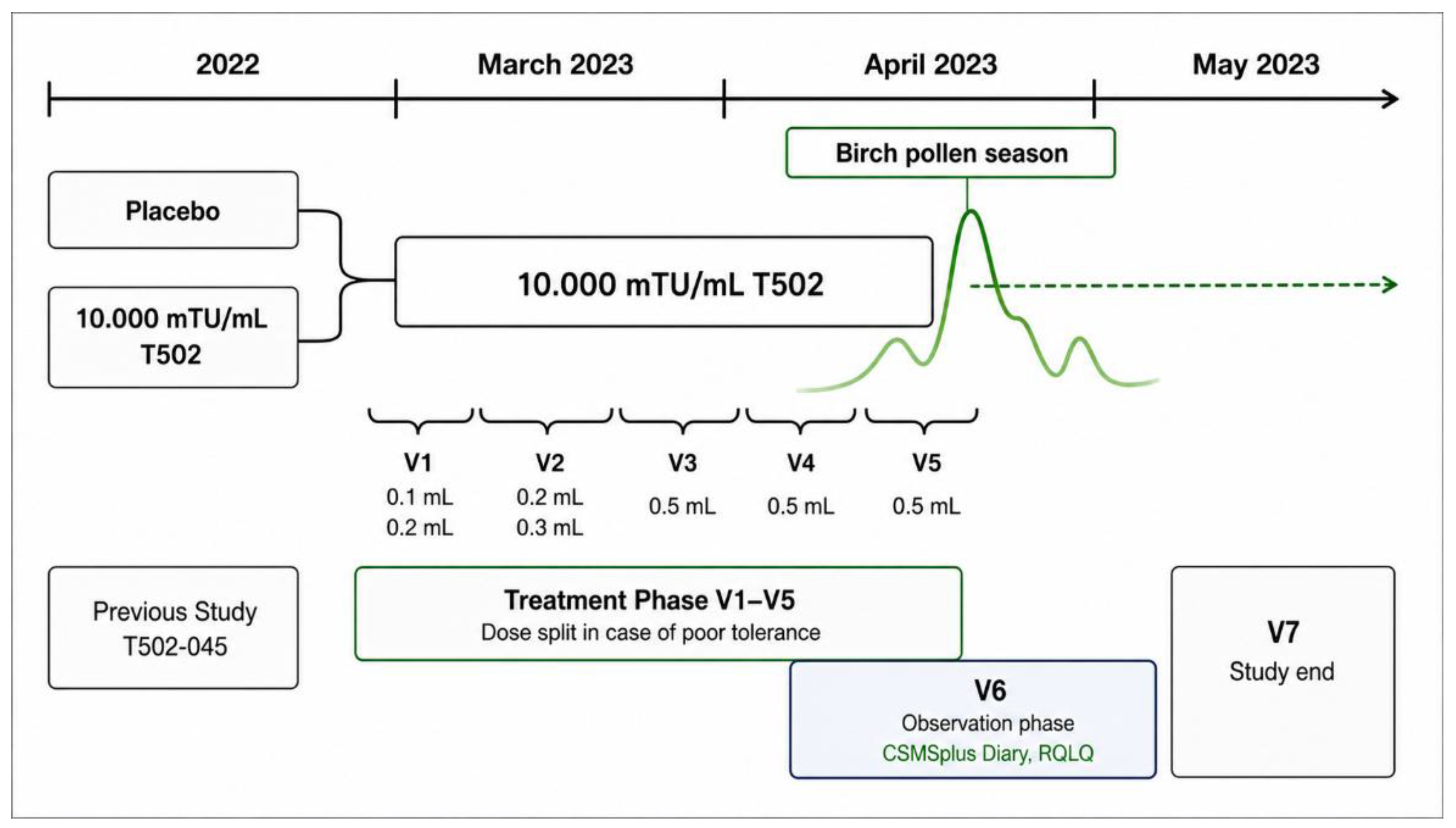
Figure 2.
CONSORT Flow Chart of the study.
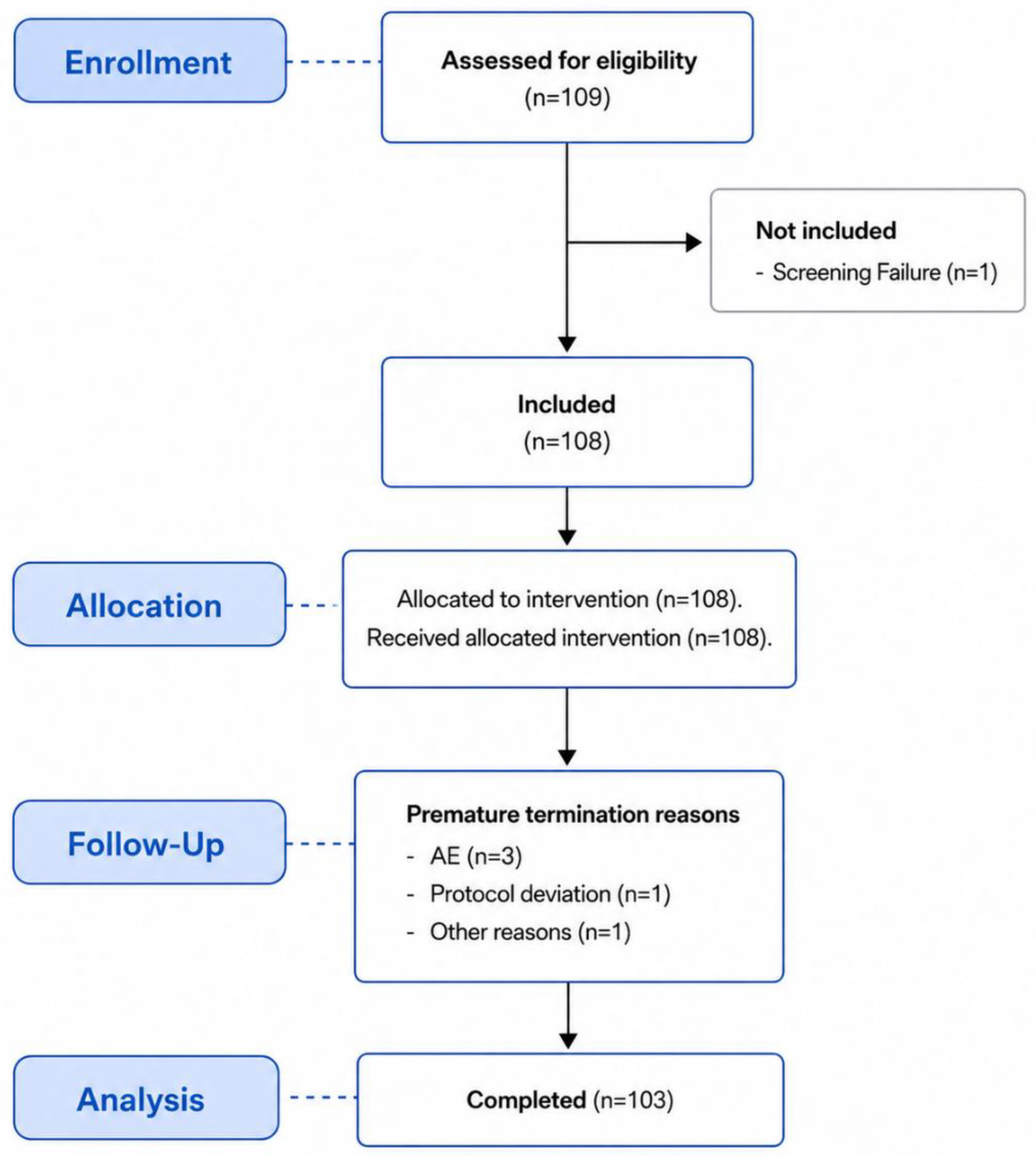
Figure 3.
A) Immediate wheal diameters at V5 in patients who were either treated pre-seasonal (pre-) or pre- and co-seasonal (pre-/co-). Data is expressed as mean + SD. B) Categorical classification of late phase wheal diameters. Data is expressed as percentage of category.
Figure 3.
A) Immediate wheal diameters at V5 in patients who were either treated pre-seasonal (pre-) or pre- and co-seasonal (pre-/co-). Data is expressed as mean + SD. B) Categorical classification of late phase wheal diameters. Data is expressed as percentage of category.
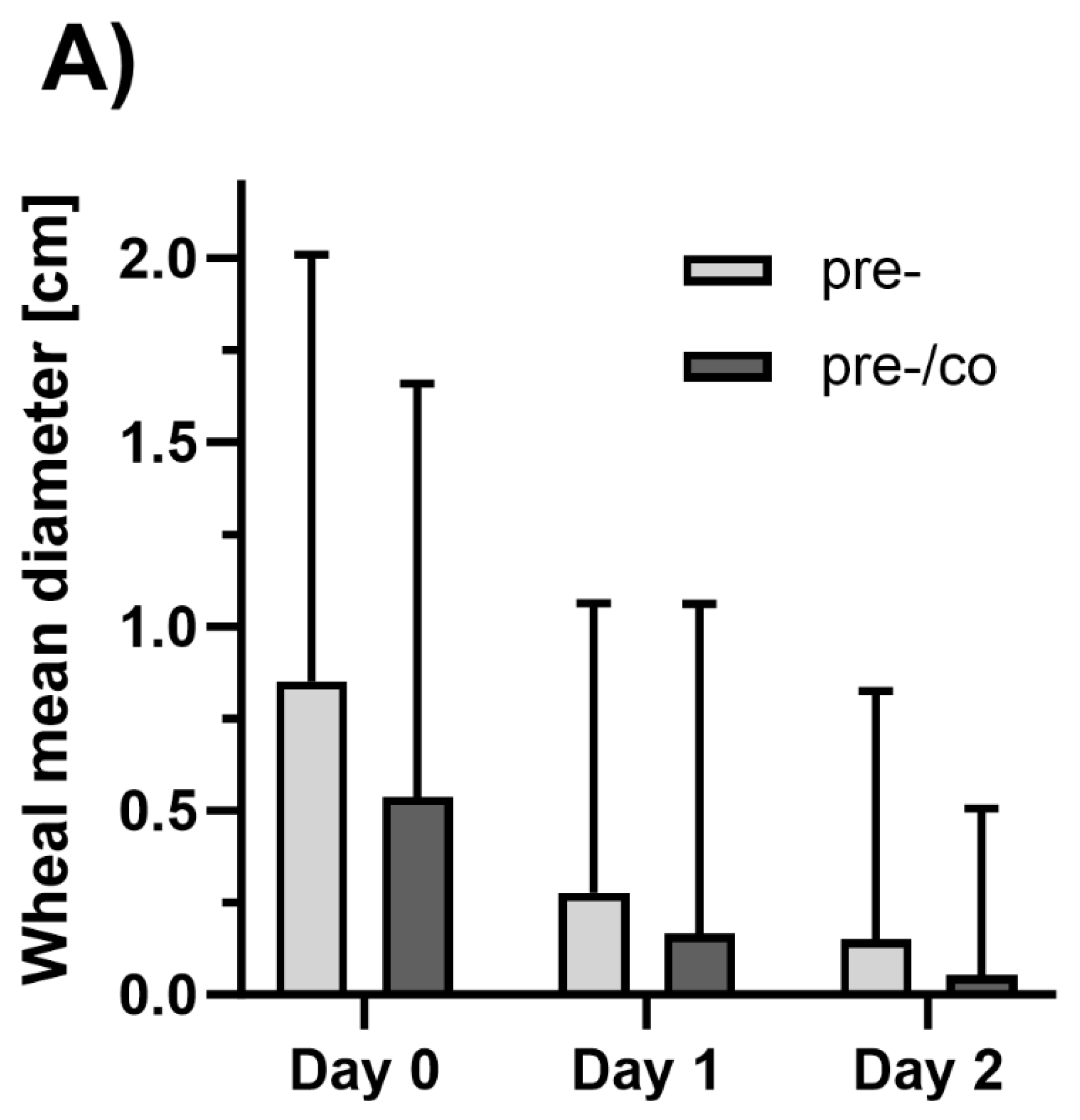
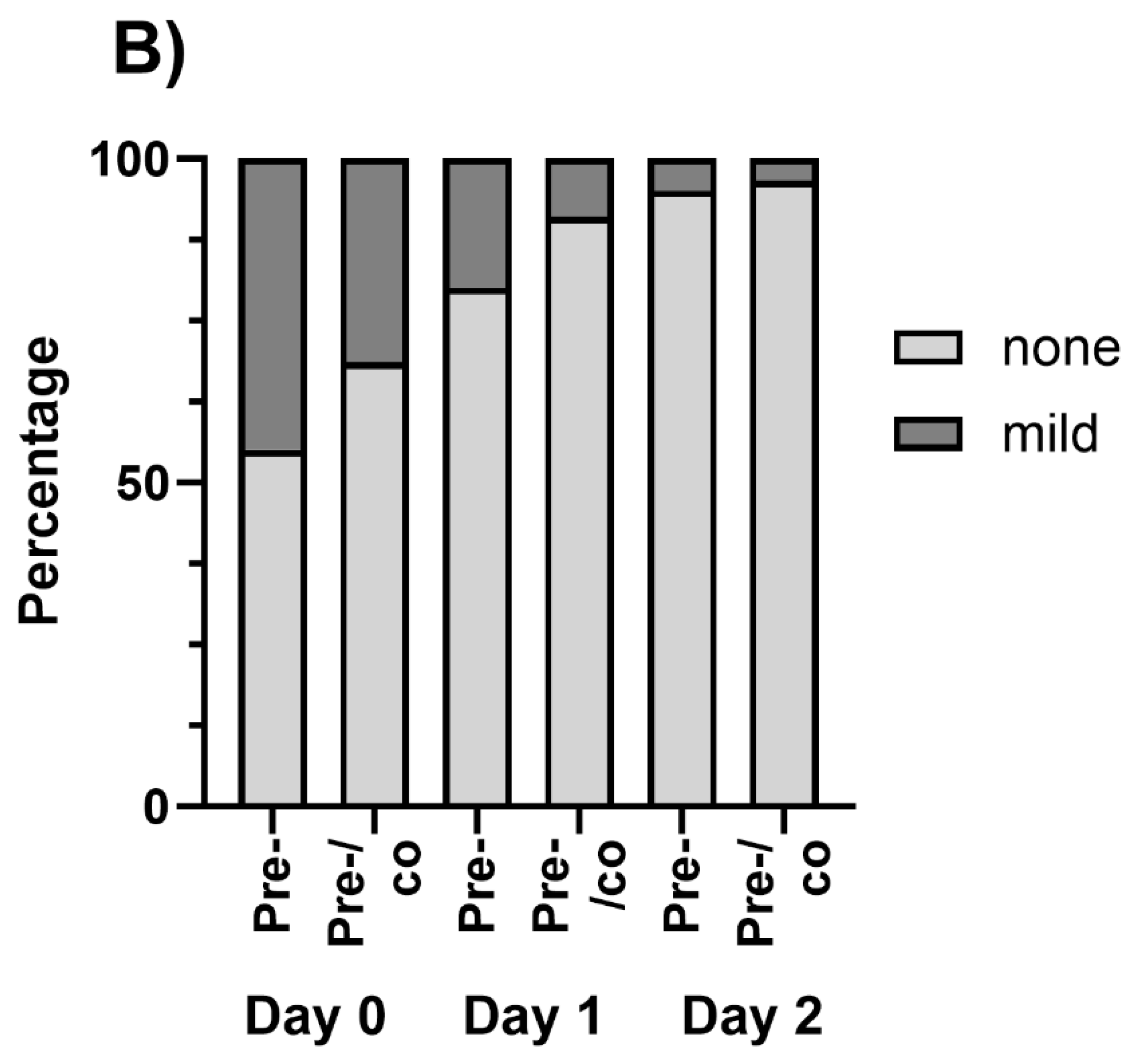
Figure 4.
A) Immediate wheal diameters at V4 and V5 in patients who were either treated pre- and co-seasonal (pre-/co-) at V4 and V5 or only at V5. Data is expressed as mean + SD. B) Categorical classification of late phase wheal diameters. Data is expressed as percentage of category.
Figure 4.
A) Immediate wheal diameters at V4 and V5 in patients who were either treated pre- and co-seasonal (pre-/co-) at V4 and V5 or only at V5. Data is expressed as mean + SD. B) Categorical classification of late phase wheal diameters. Data is expressed as percentage of category.
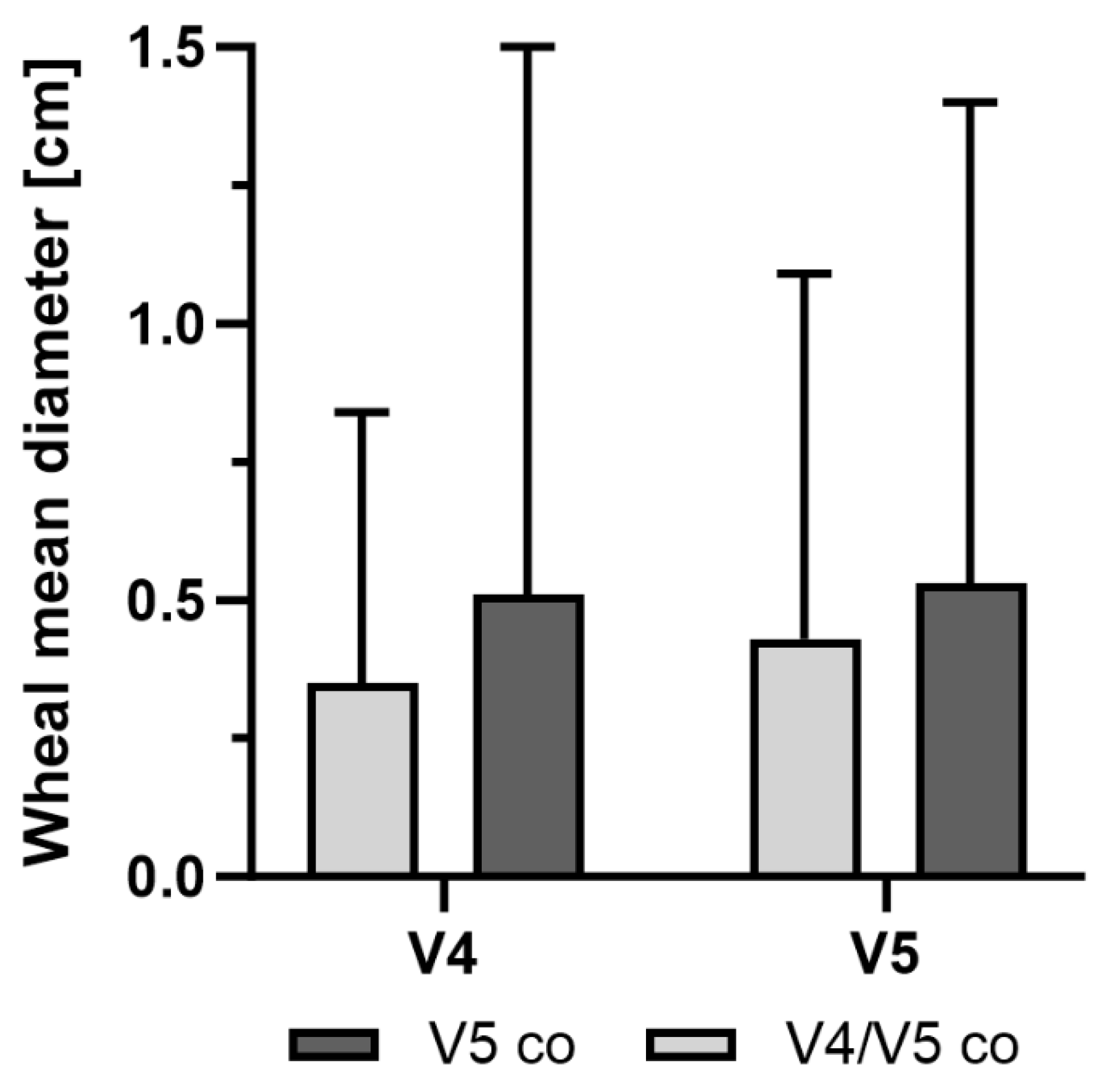
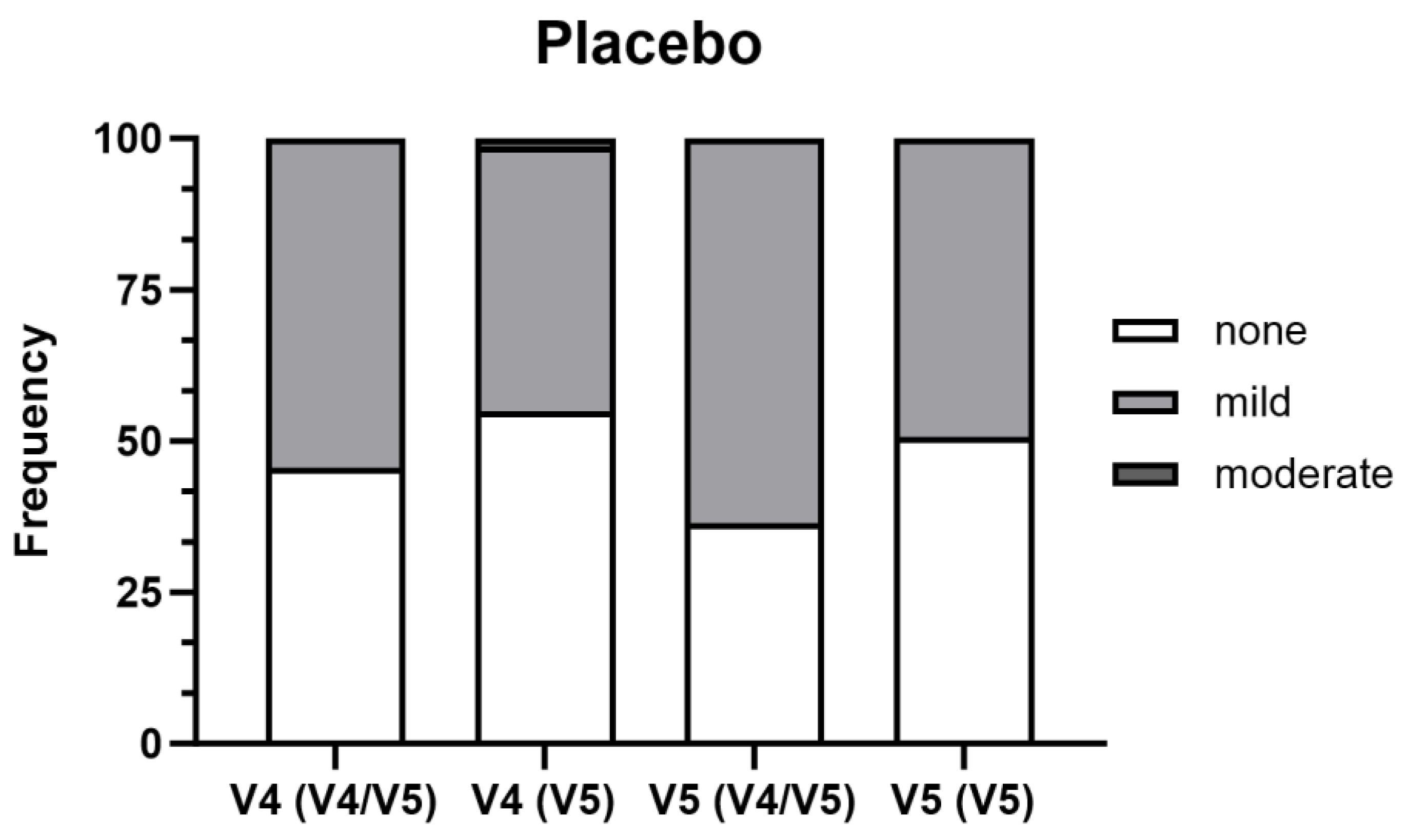
Figure 5.
A) Immediate wheal diameters of immediate local reactions. Data is expressed as mean + SD. B) Categorical classification of late phase wheal diameters. Data is expressed as percentage of category.
Figure 5.
A) Immediate wheal diameters of immediate local reactions. Data is expressed as mean + SD. B) Categorical classification of late phase wheal diameters. Data is expressed as percentage of category.
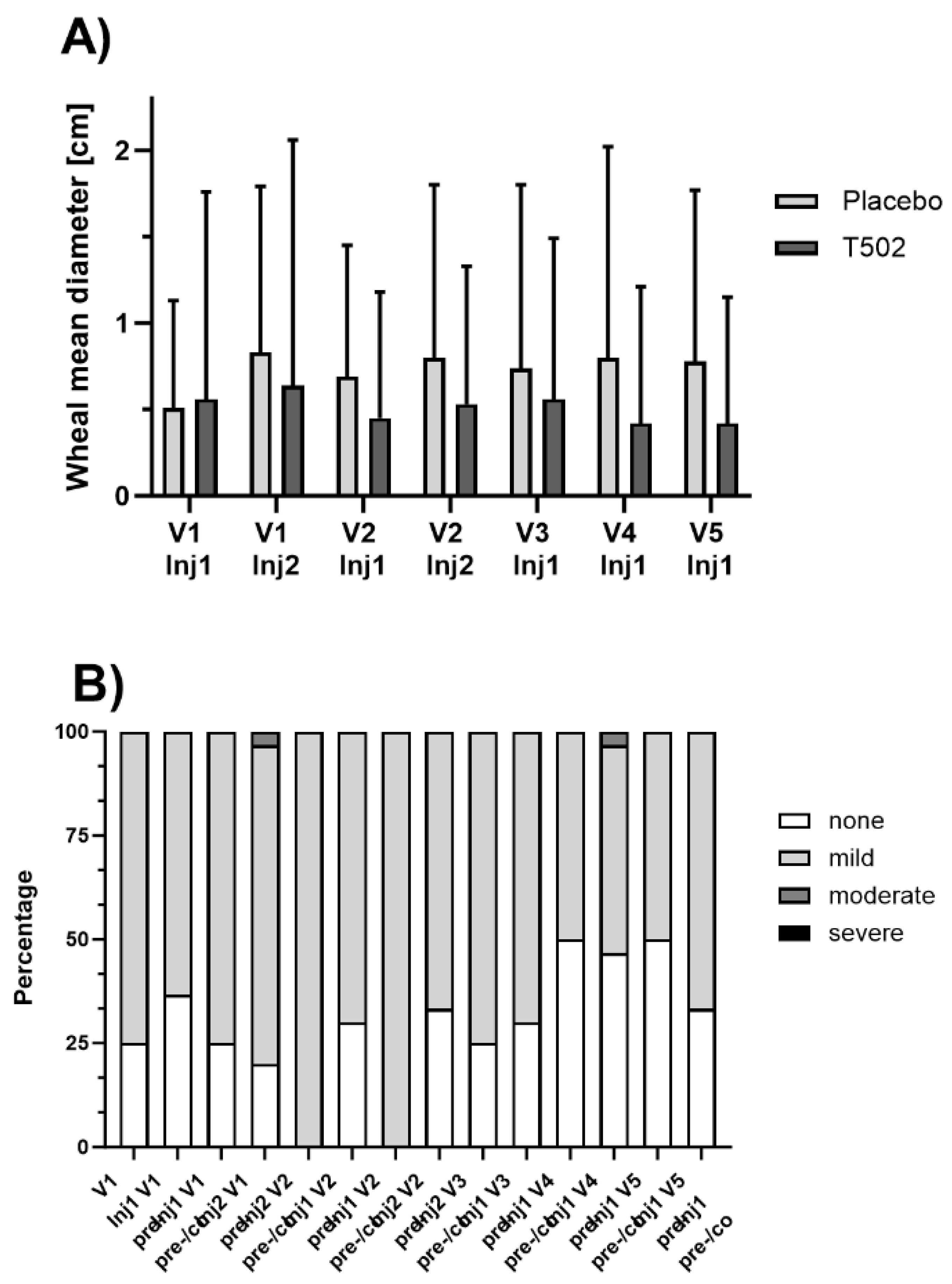

Table 1.
Definition of subgroups according to the date of the last treatment visits (V4, V5).
| Pre-seasonal | -- |
| Pre- and co-seasonal | Co-seasonal V5 |
| Co-seasonal V4 and V5 |
Table 2.
Systemic reactions and evaluation according to AWMF and cumulated systemic adverse drug reactions (SADRs).
Table 2.
Systemic reactions and evaluation according to AWMF and cumulated systemic adverse drug reactions (SADRs).
| Patient | Start of SADR | Description symptoms | Severity of the SR | SR Grade (AWMF)* | SADR Grade (AWMF)# | Action taken with IMP | Treatment of SADR |
| Patient 1 (previous placebo) |
After V1 (late phase) | Angioedema | Mild | Grade I | Grade II | Permanently discontinued | None |
| Pruritus of eyes | Mild | Grade I | |||||
| Rhinitis | Mild | Grade I | |||||
| itching in inner ears | Mild | Grade I | |||||
| Patient 2 (previous placebo) |
After V2 (late phase) | generalised itching | Mild | Grade I | Grade I | Dose split | None |
| light swelling of eyes | Mild | Grade I | |||||
| After V5 (late phase) | generalised itching | Mild | Grade I | Grade I | Not applicable | Rescue medication |
Disclaimer/Publisher’s Note: The statements, opinions and data contained in all publications are solely those of the individual author(s) and contributor(s) and not of MDPI and/or the editor(s). MDPI and/or the editor(s) disclaim responsibility for any injury to people or property resulting from any ideas, methods, instructions or products referred to in the content. |
© 2026 by the authors. Licensee MDPI, Basel, Switzerland. This article is an open access article distributed under the terms and conditions of the Creative Commons Attribution (CC BY) license.
Copyright: This open access article is published under a Creative Commons CC BY 4.0 license, which permit the free download, distribution, and reuse, provided that the author and preprint are cited in any reuse.


