
Submitted:
29 April 2026
Posted:
30 April 2026
You are already at the latest version
Abstract
Osteoarthritis (OA) in companion animals is a progressive and debilitating condition for which current treatments primarily provide symptomatic relief without modifying disease progression. Cell-free regenerative approaches have recently emerged as promising alternatives. This study evaluated the clinical effectiveness of membrane-free stem cell extract (MF-STEM) in canine and feline osteoarthritis in comparison with intra-articular hyaluronic acid in a real-world clinical setting.
A total of 271 animals were enrolled, including an MF-STEM group (n = 210) and a control group (n = 61), with treatment allocation based on owner preference. Clinical outcomes were assessed using the Joint Evaluation Index (JEI), along with recovery and recurrence rates.
MF-STEM treatment resulted in a marked reduction in JEI scores (12.3 → 2.2), compared with a more limited decrease in the control group (11.3 → 7.0). The recovery rate was significantly higher in the MF-STEM group (93.3% vs. 32.8%), while the recurrence rate within one year was substantially lower (2.4% vs. 60.6%). No treatment-related adverse events were observed (0%).
Although the non-randomized design limits causal interpretation, key baseline characteristics were generally comparable between groups, and consistent improvements were observed across multiple outcome measures in a relatively large real-world cohort.
In conclusion, MF-STEM demonstrated clinically meaningful improvements in canine and feline osteoarthritis and may suggest a potential to influence disease progression with sustained therapeutic benefits. Further randomized controlled and mechanistic studies are required to confirm these findings.
Keywords:
osteoarthritis
; membrane-free stem cell extract
; MF-STEM
; cell-free therapy
; intra-articular injection
; recurrence rate
; regenerative medicine
1. Introduction
Osteoarthritis (OA) is a common and progressive joint disorder in companion animals, characterized by chronic pain, inflammation, and functional impairment [4,9,11,20,22]. Despite its high prevalence, current therapeutic strategies remain largely palliative, focusing on symptom control rather than modification of disease progression [13,23,24]. Intra-articular hyaluronic acid is widely used in veterinary practice; however, its effects are primarily transient and do not adequately address the underlying pathological processes [21,29,30,31]. This limitation highlights the need for novel therapeutic approaches that provide sustained clinical benefits and potentially alter disease trajectory.
Recent advances in regenerative medicine have underscored the therapeutic potential of mesenchymal stem cells (MSCs), largely mediated through paracrine signaling mechanisms [1,2,19]. In this context, cell-free approaches have gained increasing attention due to their improved safety, stability, and regulatory advantages compared with cell-based therapies [15,17,19,25,27,28]. Membrane-free stem cell extract (MF-STEM) is a protein-based, cell-free therapeutic that retains key bioactive components derived from stem cells while minimizing risks associated with live cell administration [7,10,14]. The conceptual production process of MF-STEM is illustrated in Figure 1. Preclinical and proteomic studies suggest that MF-STEM may modulate inflammatory pathways and promote tissue regeneration [3,5,12].
The present study aimed to evaluate the clinical efficacy of MF-STEM in canine and feline osteoarthritis using a large clinical cohort. Importantly, this study was designed to reflect real-world clinical decision-making, thereby enhancing the practical applicability and translational relevance of the findings.
2. Materials and Methods
2.1. Study Design
This study was conducted as an active-controlled clinical study involving n = 271 animals diagnosed with osteoarthritis. Animals were allocated to an MF-STEM group (n = 210) or a control group receiving hyaluronic acid (n = 61) based on owner preference following informed consent. The overall study design is illustrated in Figure 2.
2.2. Study Population
Table 1 summarizes the study population, in which a total of n = 271 animals were assigned to the MF-STEM group (n = 210) and the control group (n = 61) based on owner preference. The cohort included n = 251 dogs and n = 20 cats. Joint involvement was distributed as follows: knee joints (n = 138), hip joints (n = 93), wrist joints (n = 24), and rheumatoid-type arthritis (n = 15).
Table 2 presents the distribution of age and arthritis severity between groups. Both parameters were comparably distributed, with no significant differences in mean age or disease severity between groups (p > 0.05). The diagnosis of osteoarthritis was established based on clinical signs, orthopedic examination, radiographic findings, and blood chemistry analysis.
2.3. Ethics/Animal Welfare
All animals included in this study were client-owned companion animals maintained under routine home-care conditions by their owners. No experimental housing or laboratory confinement was involved.
Intra-articular injections were performed under standard clinical restraint and procedural conditions in veterinary practice. All procedures were conducted in accordance with accepted veterinary clinical guidelines, and animals were monitored for adverse events throughout the treatment and follow-up periods.
No systemic concomitant medications were administered during the study period unless clinically indicated.
2.4. Preparation of MF-STEM
MF-STEM was derived from adipose-derived mesenchymal stem cells under standardized laboratory conditions. Cells were processed to remove cellular membranes while preserving intracellular bioactive components (Figure 1).
The extraction process involved cell disruption, membrane removal, and purification of intracellular soluble fractions, followed by freeze-drying. All batches were produced under controlled conditions to ensure consistency, and sterility was confirmed prior to clinical use.
2.5. Treatment Protocol
All animals received intra-articular injections once weekly for four consecutive weeks. A comparison of treatment regimens between the MF-STEM and control groups is summarized in Table 3.
The dosing strategy for MF-STEM according to body weight is presented in Table 4. Animals weighing <10 kg received one vial per injection, those weighing 10–19 kg received 0.1 vial per kg body weight, and animals weighing ≥20 kg received a maximum of two vials per injection. Each vial contained 0.1 g of freeze-dried MF-STEM, which was reconstituted with 2 mL of sterile solvent prior to administration.
The control group received intra-articular injections of hyaluronic acid at comparable volumes. No systemic medications were administered in either group. The anatomical intra-articular injection technique is illustrated in Figure 3.
2.6. Joint Evaluation Index (JEI)
Clinical outcomes were assessed using a composite Joint Evaluation Index (JEI), consisting of four parameters: pain (JEI-1), limp (JEI-2), vitality (JEI-3), and X-ray findings (JEI-4). Each parameter was scored on a scale from 0 to 4, yielding a total score ranging from 0 to 16. The JEI was developed based on widely accepted clinical scoring systems in veterinary orthopedics, integrating both clinical [32,33,34] and radiographic [35,36] assessments to enhance practical applicability.
2.7. Outcome Measures
Primary outcome measures included changes in total JEI score, recovery rate, and recurrence rate. Recovery was defined as a post-treatment JEI score ≤5, while recurrence was defined as a JEI score ≥6 occurring within one year after treatment.
Secondary outcome measures included radiographic findings.
2.8. Safety Evaluation
Safety was evaluated by monitoring clinical signs throughout the treatment and follow-up periods, including local injection site reactions, systemic adverse events, and behavioral changes. When available, physical examinations and laboratory assessments, including complete blood count and serum biochemistry, were also performed.
2.9. Statistical Analysis
Continuous variables were expressed as mean ± standard deviation, and normality was assessed using the Shapiro–Wilk test. Between-group comparisons were performed using independent t-tests, and within-group comparisons using paired t-tests. When normality assumptions were not met, nonparametric tests (Mann–Whitney U test or Wilcoxon signed-rank test) were applied.
Ordinal variables were analyzed using nonparametric methods. Total JEI scores, treated as ordinal variables, were evaluated for within-group changes before and after treatment using the Wilcoxon signed-rank test. Categorical variables were expressed as frequencies and percentages, and comparisons between groups—including recovery rate and recurrence rate—were performed using the chi-square test or Fisher’s exact test, as appropriate.
A p-value < 0.05 was considered statistically significant.
3. Results
3.1. Improvement in Joint Evaluation Index (JEI)
The MF-STEM group showed a marked reduction in total JEI scores (12.3 → 2.2), whereas the control group demonstrated a more limited decrease (11.3 → 7.0). Within-group improvements were statistically significant in both groups (p < 0.01, Wilcoxon signed-rank test), and post-treatment differences between groups were also significant. These results are illustrated in Figure 4.
3.2. Species-Specific Outcomes
Both canine and feline patients exhibited significant clinical improvement following MF-STEM treatment (p < 0.01, Wilcoxon signed-rank test). Species-specific outcomes are presented in Figure 5.
3.3. Recovery Rate
The recovery rate was significantly higher in the MF-STEM group compared with the control group (93.3% vs. 32.8%, p < 0.01, chi-square test). Recovery was defined as achieving a JEI score ≤5 after treatment. These results are shown in Figure 6.
3.4. Subtype Recovery Rate
High recovery rates were consistently observed across all joint subtypes in the MF-STEM group. Subtype-specific recovery rates are presented in Figure 7.
3.5. Recurrence Rate
The recurrence rate within one year was significantly lower in the MF-STEM group compared with the control group (2.4% vs. 60.6%, p < 0.01, Fisher’s exact test). Recurrence was defined as a JEI score ≥6 during the follow-up period. These findings are illustrated in Figure 8.
3.6. Subtype Recurrence Rate
Low recurrence rates were consistently observed across all joint subtypes in the MF-STEM group. Subtype-specific recurrence rates are shown in Figure 9.
3.7. Radiographic Findings
Radiographic evaluation demonstrated reduced joint swelling and smoother articular surfaces following MF-STEM treatment. In some cases, decreased osteophyte formation and increased joint space were also observed. Representative images of knee and hip joints are presented in Figure 10.
3.8. Safety Evaluation
No local or systemic adverse events were observed in animals treated with MF-STEM, including injection site reactions or behavioral abnormalities (0% incidence).
4. Discussion
The present study evaluated the clinical effectiveness of MF-STEM in canine and feline osteoarthritis in a real-world veterinary setting, in comparison with intra-articular hyaluronic acid. Across multiple outcome measures, including Joint Evaluation Index (JEI) scores, recovery rates, and recurrence rates, MF-STEM demonstrated superior clinical outcomes. These findings suggest that MF-STEM may provide benefits beyond symptomatic relief. Notably, the sustained reduction in recurrence rates over a one-year follow-up period supports the possibility of longer-lasting therapeutic effects compared with conventional intra-articular treatments [4,13].
From a mechanistic perspective, although molecular pathways were not directly investigated in this study, the observed outcomes are consistent with previously reported effects of stem cell-derived, cell-free therapeutics. Prior studies have demonstrated modulation of key inflammatory signaling pathways, including NF-κB and MAPK, as well as activation of regenerative pathways such as TGF-β signaling [3,5,6,12,26]. Proteomic analyses have also identified functional components, including integrin β1 and annexin A1, which are associated with extracellular matrix stabilization and resolution of inflammation [8,14,16,18]. These integrated mechanisms are summarized in Figure 11 and provide biological plausibility for the observed clinical effects.
Several important limitations should be considered.
First, this was a non-randomized observational study, and treatment allocation was based on owner preference, which may introduce selection bias and unmeasured confounding. However, key baseline characteristics, including age and osteoarthritis severity (JEI scores), were generally well balanced between groups (Table 2), suggesting that the impact of selection bias may be limited.
Second, blinding was not implemented due to the nature of real-world clinical practice. While this may introduce observer bias in subjective outcome measures, it also reflects routine veterinary clinical decision-making and enhances the practical applicability of the findings.
Third, the Joint Evaluation Index (JEI), although designed to integrate clinical and radiographic assessments, has not yet been formally validated as a standardized scoring system. Nevertheless, given the current lack of comprehensive evaluation tools in veterinary medicine that simultaneously incorporate clinical and imaging-based findings, the development and application of such an integrative index based on real-world clinical data may represent a meaningful step forward. Further studies are required to establish its reproducibility, inter-observer reliability, and external validity.
Fourth, the observational nature of the study limits causal inference, and the relatively large effect size observed should be interpreted with caution.
Despite these limitations, the present study provides several important contributions.
First, this study was conducted in a relatively large cohort under real-world veterinary clinical conditions, reflecting routine practice rather than controlled experimental settings. This enhances the external validity and clinical applicability of the findings.
Second, consistent improvements were repeatedly observed across multiple independent outcome measures, including JEI scores, recovery rates, and recurrence rates. This convergence across diverse clinical endpoints strengthens the reliability of the findings beyond reliance on a single measure.
Third, the sustained reduction in recurrence rates over a one-year follow-up period suggests the potential for longer-term therapeutic effects beyond short-term symptomatic relief, highlighting a key distinction from conventional treatments.
Fourth, this study represents one of the larger clinical datasets evaluating a cell-free stem cell-derived therapy in veterinary osteoarthritis, providing valuable groundwork for the design of future randomized controlled and mechanistic studies [15,17,19].
Taken together, these results suggest that MF-STEM may represent a clinically meaningful treatment option for veterinary osteoarthritis. Further randomized controlled trials, double-blind studies, and mechanistic investigations are warranted to confirm these findings and to better define its potential role in influencing disease progression [13,23,24].
5. Conclusion
MF-STEM demonstrated consistent and clinically meaningful improvements in canine and feline osteoarthritis, including reduced JEI scores, higher recovery rates, and lower recurrence compared with intra-articular hyaluronic acid. These findings suggest the potential for sustained therapeutic effects beyond short-term symptom relief.
Although the observational study design limits causal interpretation, the consistent outcomes observed in a relatively large real-world cohort support its clinical relevance. Further randomized controlled and mechanistic studies are required to validate these findings.
Author Contributions
Conceptualization, Youngsil Kim; methodology, Miae Lee; formal analysis, Yongsoo Choi; writing—original draft preparation, Miae Lee; writing—review and editing, Youngsil Kim.
Funding
This research received no external funding.
Institutional Review Board Statement
This study was approved by the Clinical Trial Ethics Committee of the Korea Stem Cell Industry Association (Approval No. KSIA-202112-361, approved on December 1, 2021). All procedures were conducted in accordance with institutional guidelines.
Informed Consent Statement
Informed consent was obtained from all animal owners involved in the study.
Data Availability Statement
The data presented in this study are available on reasonable request from the corresponding author. The authors are willing to cooperate in submitting data for the sound development of scholarship and the credibility of the paper.
Conflicts of Interest
The authors declare no competing financial interests related to this study.
References
- Barry, F.; Murphy, M. Mesenchymal stem cells in joint disease and repair. Nat. Rev. Rheumatol. 2013, 9, 584–594. [CrossRef]
- Caplan, A.I. Mesenchymal stem cells: Time to change the name. Stem Cells Transl. Med. 2017, 6, 1445–1451. [CrossRef]
- Ha, S.E.; et al. Anti-inflammatory effects of stem cell extracts. Mol. Med. Rep. 2022, 25, 1–10. [CrossRef]
- Hunter, D.J.; Bierma-Zeinstra, S. Osteoarthritis. Lancet 2019, 393, 1745–1759. [CrossRef]
- Jee, M.K.; et al. Stem cell-derived factors in tissue repair. Cell Death Dis. 2013, 4, e880. [CrossRef]
- Kern, S.; et al. Comparative analysis of mesenchymal stem cells. Stem Cells 2006, 24, 1294–1301. [CrossRef]
- Kim, Y.S.; et al. Clinical efficacy of membrane-free stem cell extracts for the treatment of canine atopic dermatitis. Vet. Med. 2022, 67. [CrossRef]
- Kong, J.S.; et al. Integrin β1 signaling in tissue regeneration. J. Clin. Investig. 2020, 130, 1234–1245. [CrossRef]
- Lascelles, B.D.X.; et al. Osteoarthritis in dogs and cats. Vet. Clin. North Am. Small Anim. Pract. 2010, 40, 1–19. [CrossRef]
- Lee, H.J.; et al. Stem cell-derived protein fractions and their therapeutic potential. Int. J. Mol. Sci. 2019, 20, 4869. [CrossRef]
- Loeser, R.F.; et al. Osteoarthritis: A disease of the joint as an organ. Arthritis Rheumatol. 2012, 64, 1697–1707. [CrossRef]
- Lu, L.; et al. Immunomodulatory effects of mesenchymal stem cells. Stem Cell Res. Ther. 2019, 10, 1095. [CrossRef]
- Mobasheri, A. The future of osteoarthritis therapeutics. Ann. Phys. Rehabil. Med. 2016, 59, 333–339. [CrossRef]
- Park, H.S.; et al. Neuroprotective effect of membrane-free stem cell extract against amyloid beta 25–35-induced neurotoxicity in SH-SY5Y cells. Appl. Sci. 2021, 11, 2219. [CrossRef]
- Phinney, D.G.; Pittenger, M.F. Concise review: MSC-derived exosomes for cell-free therapy. Stem Cells 2017, 35, 851–858. [CrossRef]
- Purvis, G.S.D.; et al. Annexin A1: A key regulator of inflammation resolution. Front. Immunol. 2019, 10, 939. [CrossRef]
- Toh, W.S.; et al. Mesenchymal stem cell exosomes in cartilage regeneration. Stem Cell Res. Ther. 2018, 9, 252. [CrossRef]
- Saralamma, V.V.G.; et al. Proteome profiling of membrane-free stem cell components by nano-LC-MS/MS analysis. Evid.-Based Complement. Altern. Med. 2019, 2019, 4683272. [CrossRef]
- Vizoso, F.J.; et al. Mesenchymal stem cell secretome: Toward cell-free therapeutic strategies. Int. J. Mol. Sci. 2017, 18, 1852. [CrossRef]
- Johnston, S.A. Osteoarthritis in dogs. Vet. Clin. North Am. Small Anim. Pract. 1997, 27, 699–723. [CrossRef]
- Moreland, L.W. Intra-articular hyaluronic acid. Arthritis Res. Ther. 2003, 5, 54–67. [CrossRef]
- Goldring, M.B.; Goldring, S.R. Osteoarthritis. J. Cell Physiol. 2007, 213, 626–634. [CrossRef]
- Pelletier, J.P.; et al. Osteoarthritis as inflammatory disease. Arthritis Rheum. 2001, 44, 1237–1247. [CrossRef]
- Mobasheri, A.; et al. Molecular taxonomy of osteoarthritis. Biochem. Pharmacol. 2019, 165, 301–316. [CrossRef]
- Toh, W.S.; et al. MSC exosome therapy for cartilage regeneration. Semin. Cell Dev. Biol. 2017, 67, 56–64. [CrossRef]
- Kim, Y.G.; et al. MSC-derived exosomes for cartilage repair. Biotechnol. J. 2020, 15, e2000082. [CrossRef]
- Zhang, S.; et al. Exosomes promote osteochondral regeneration. Osteoarthritis Cartilage 2016, 24, 2135–2140. [CrossRef]
- Tan, S.S.H.; et al. MSC exosomes systematic review. Tissue Eng. Part B Rev. 2021, 27, 1–13. [CrossRef]
- Bannuru, R.R.; et al. Hyaluronic acid efficacy in osteoarthritis. Ann. Intern. Med. 2015, 162, 46–54. [CrossRef]
- Altman, R.D.; et al. Clinical outcomes of hyaluronic acid. Osteoarthritis Cartilage 2004, 12, 642–649. [CrossRef]
- Peyron, J.G. Hyaluronic acid in osteoarthritis. Clin. Orthop. Relat. Res. 1993, 296, 61–69. [CrossRef]
- Korean Society for Clinical Pharmacology and Therapeutics. Study on clinical trial evaluation guidelines for osteoarthritis. Kor. J. Clin. Pharmacol. Ther. 2009.
- Budsberg, S.C.; Verstraete, M.C.; Soutas-Little, R.W. Force plate analysis of the walking gait in healthy dogs. Am. J. Vet. Res. 1987, 48, 915–918.
- Combe, R.; Bramwell, S.; Field, M.J. The mono-iodoacetate model of osteoarthritis in the rat: A model for studies of pain and disease progression. Osteoarthritis Cartilage 2004, 12, 879–886. [CrossRef]
- Altman, R.D.; Gold, G.E. Atlas of individual radiographic features in osteoarthritis. Ann. Rheum. Dis. 2007, 66, 286–291. [CrossRef]
- Kellgren, J.H.; Lawrence, J.S. Radiological assessment of osteo-arthrosis. Ann. Rheum. Dis. 1957, 16, 494–502. [CrossRef]
Figure 1.
Concept of membrane-free stem cell extract (MF-STEM). Schematic illustration of membrane removal and isolation of intracellular bioactive components from stem cells.
Figure 1.
Concept of membrane-free stem cell extract (MF-STEM). Schematic illustration of membrane removal and isolation of intracellular bioactive components from stem cells.
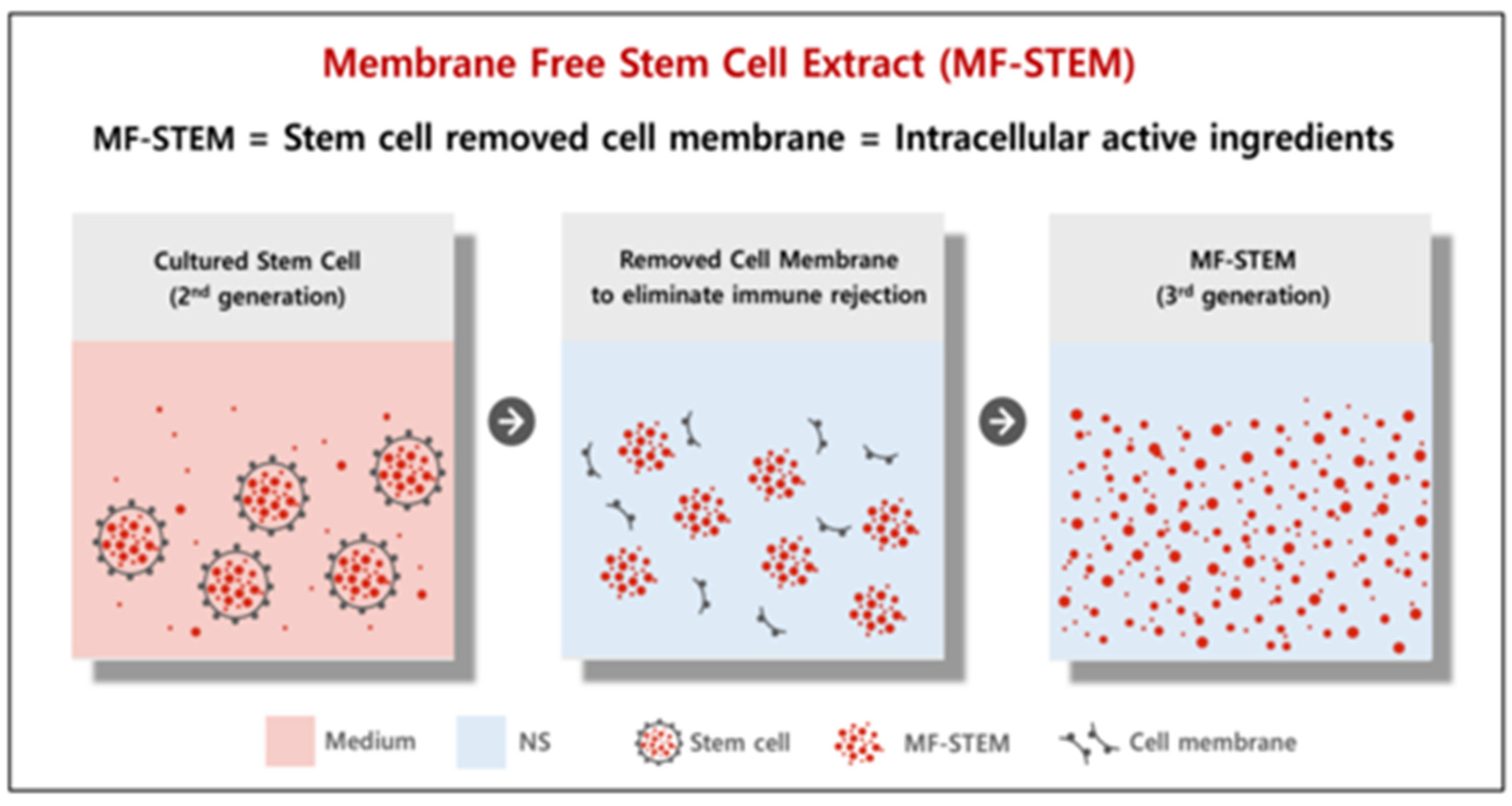
Figure 2.
Study design. Overall clinical workflow, including diagnosis, treatment allocation, and outcome evaluation.
Figure 2.
Study design. Overall clinical workflow, including diagnosis, treatment allocation, and outcome evaluation.
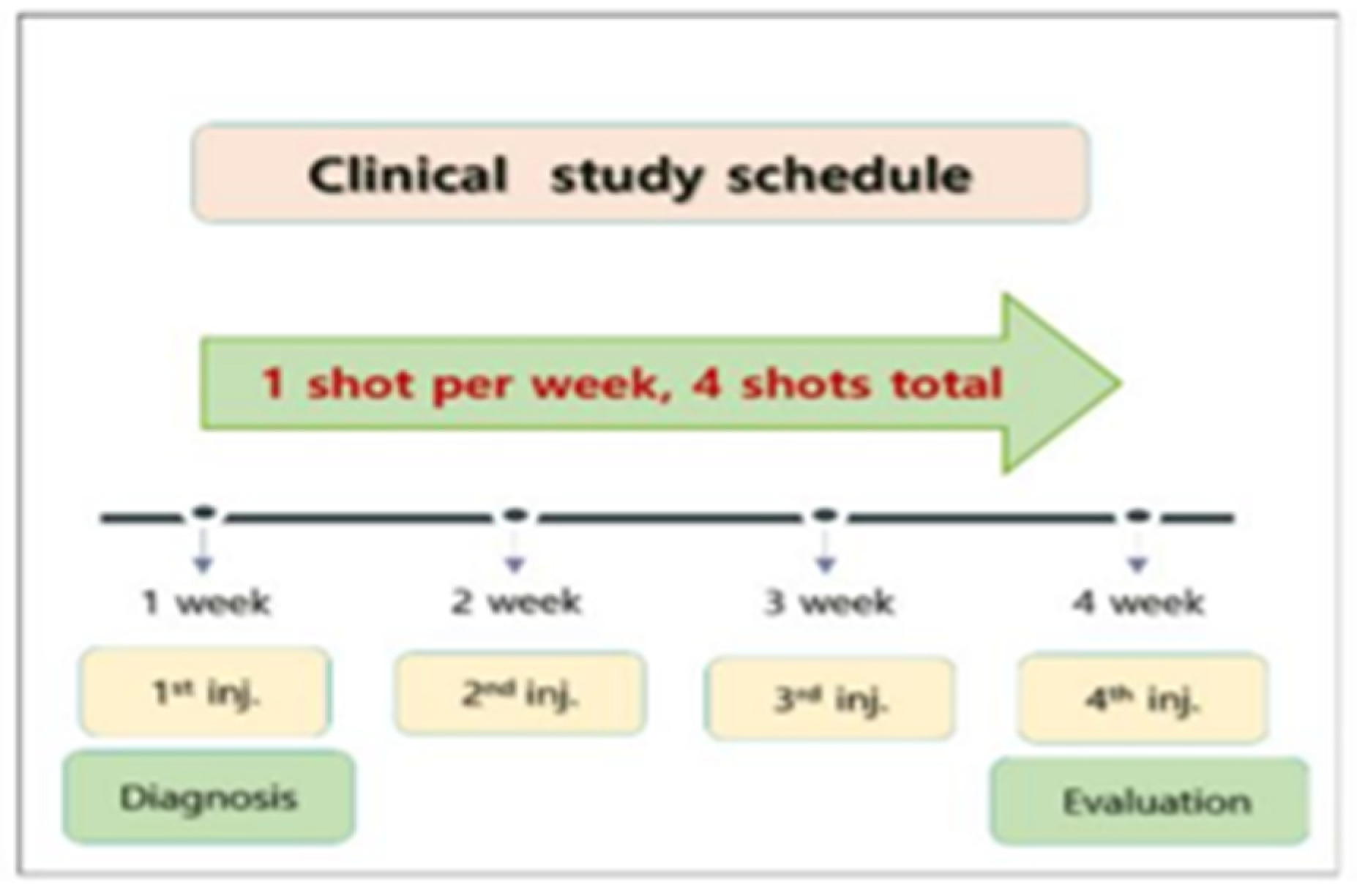
Figure 3.
Intra-articular injection technique. Anatomical approach used for joint injection.
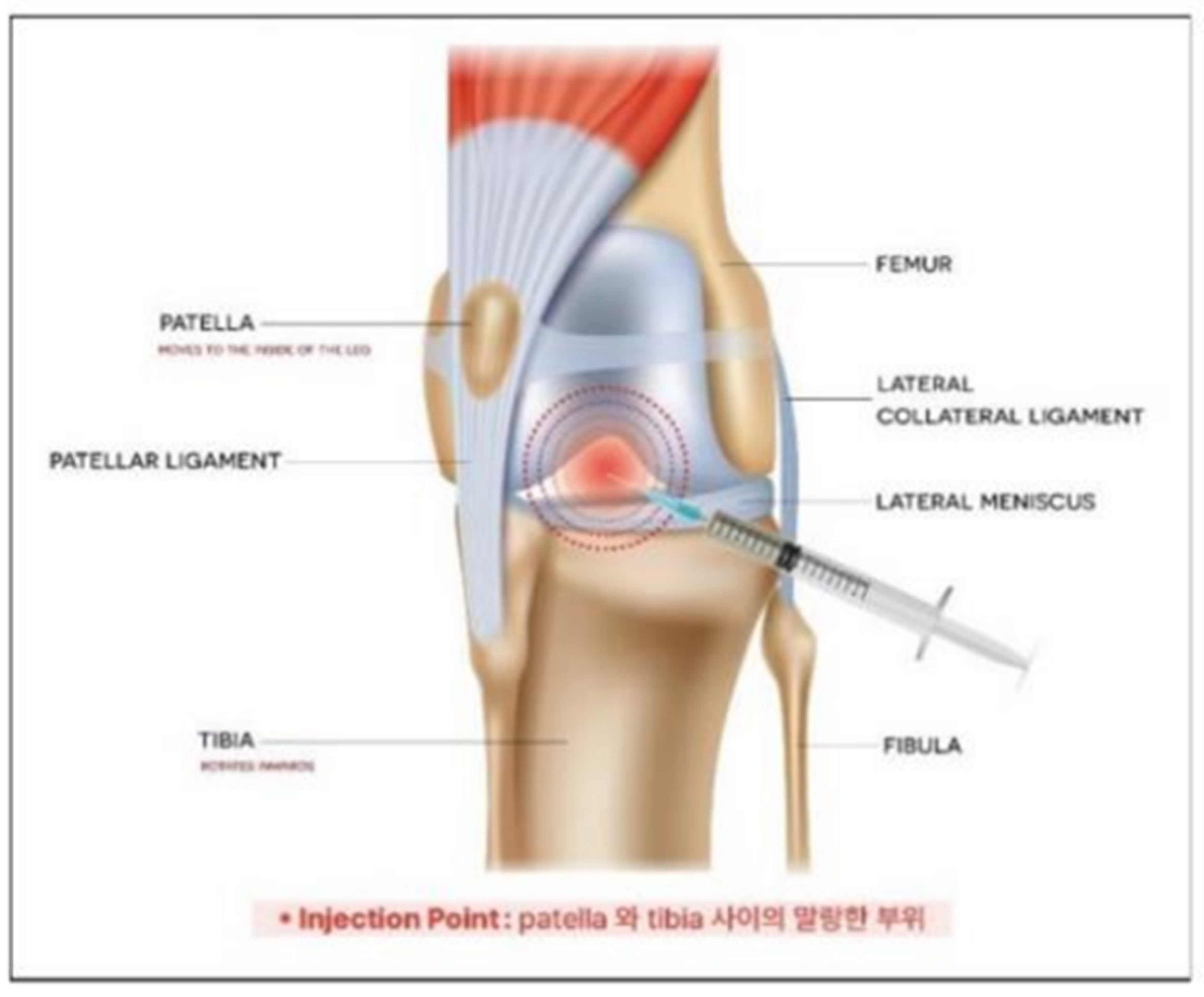
Figure 4.
Changes in Joint Evaluation Index (JEI). Comparison of total JEI scores before and after treatment between groups.
Figure 4.
Changes in Joint Evaluation Index (JEI). Comparison of total JEI scores before and after treatment between groups.
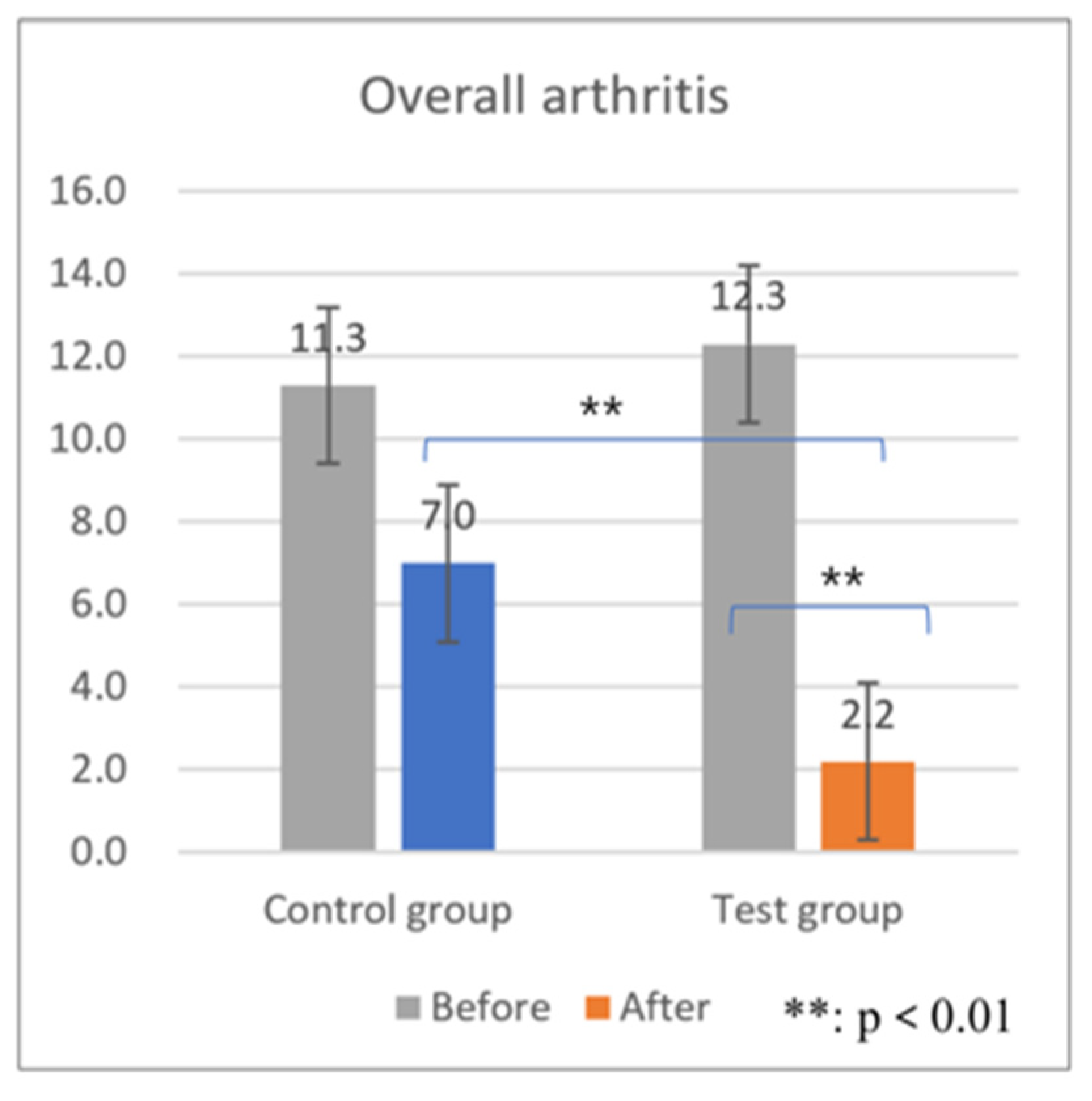
Figure 5.
Species-specific outcomes. Treatment responses in canine (A) and feline (B) subgroups.
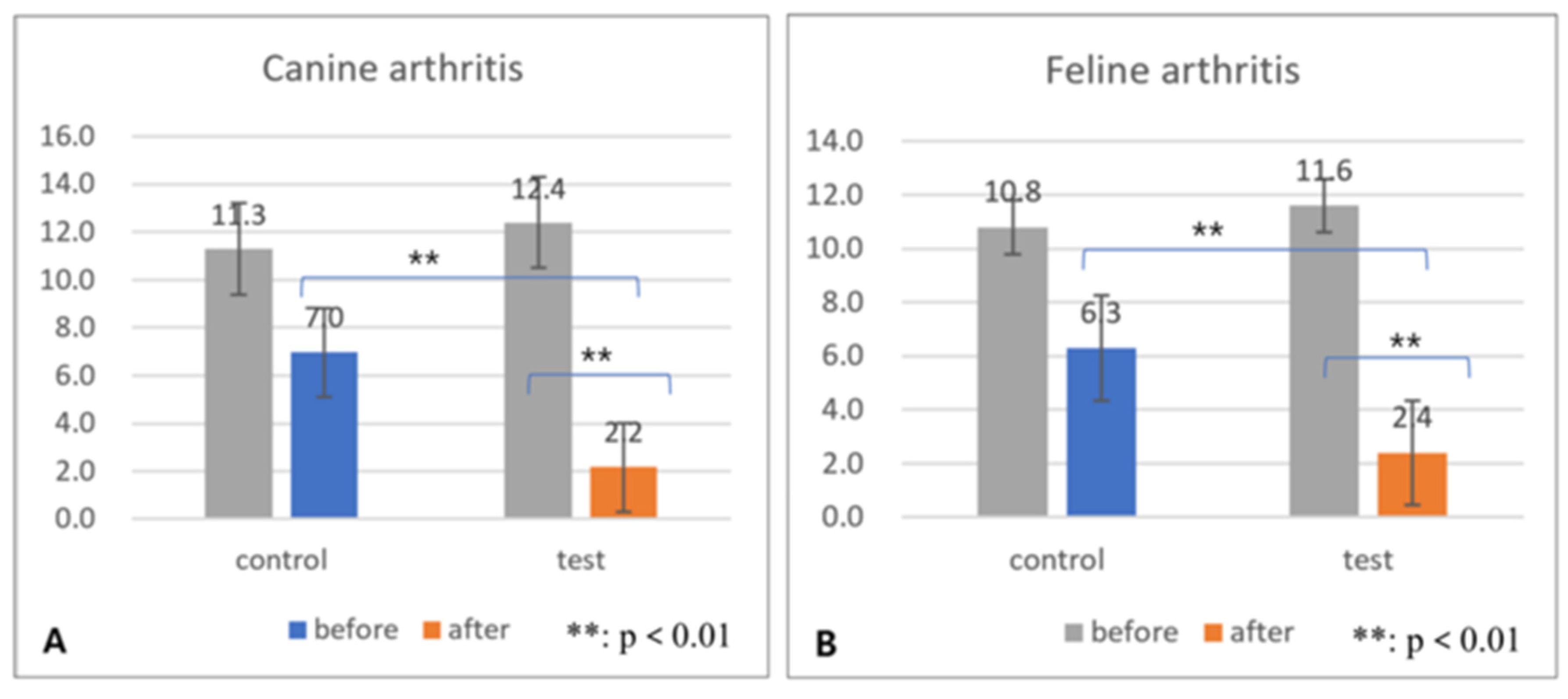
Figure 6.
Recovery rate comparison between groups. Recovery was defined as achieving a JEI score ≤5 after treatment.
Figure 6.
Recovery rate comparison between groups. Recovery was defined as achieving a JEI score ≤5 after treatment.
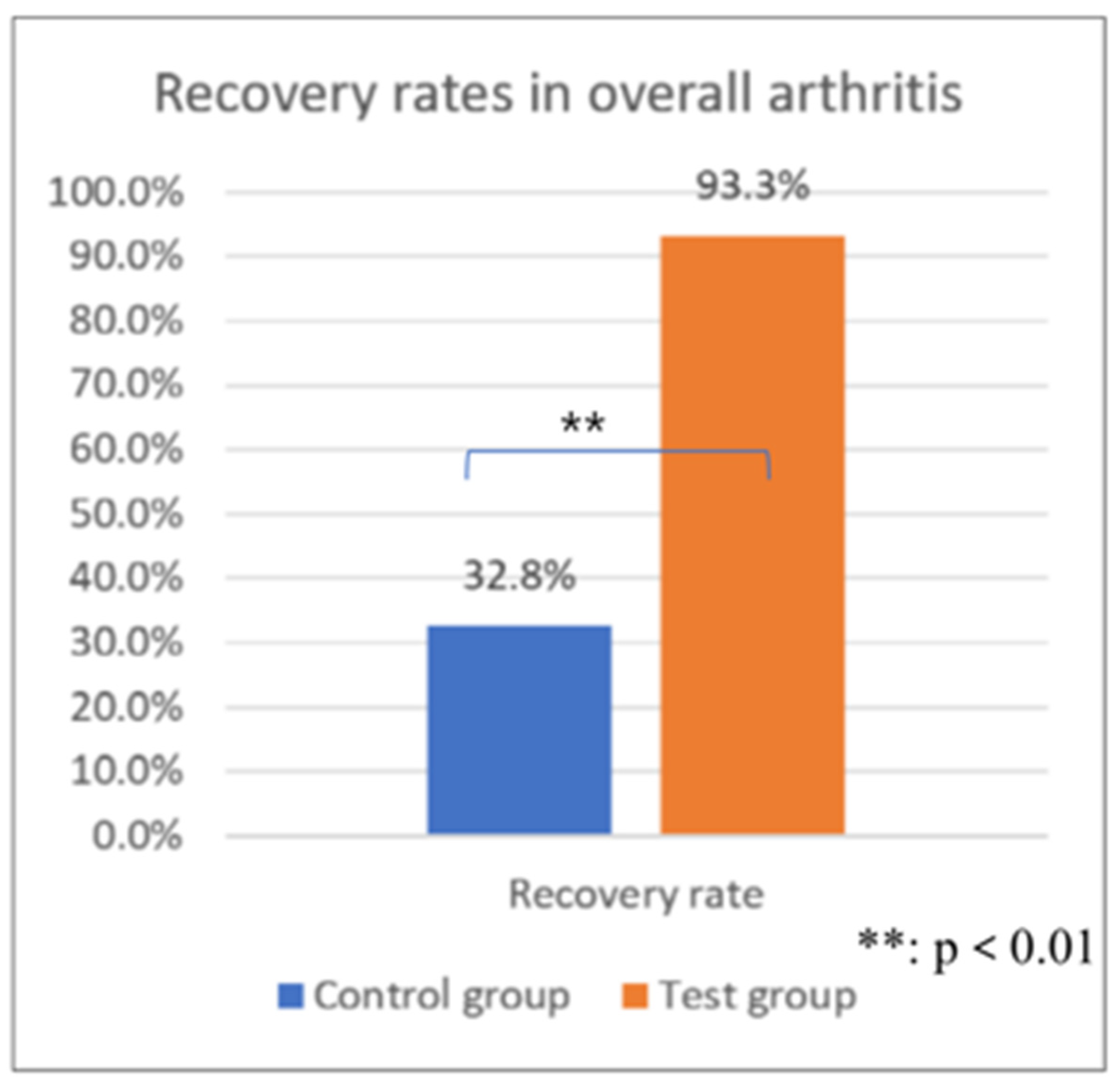
Figure 7.
Subtype recovery rate. Recovery outcomes across different osteoarthritis subtypes.
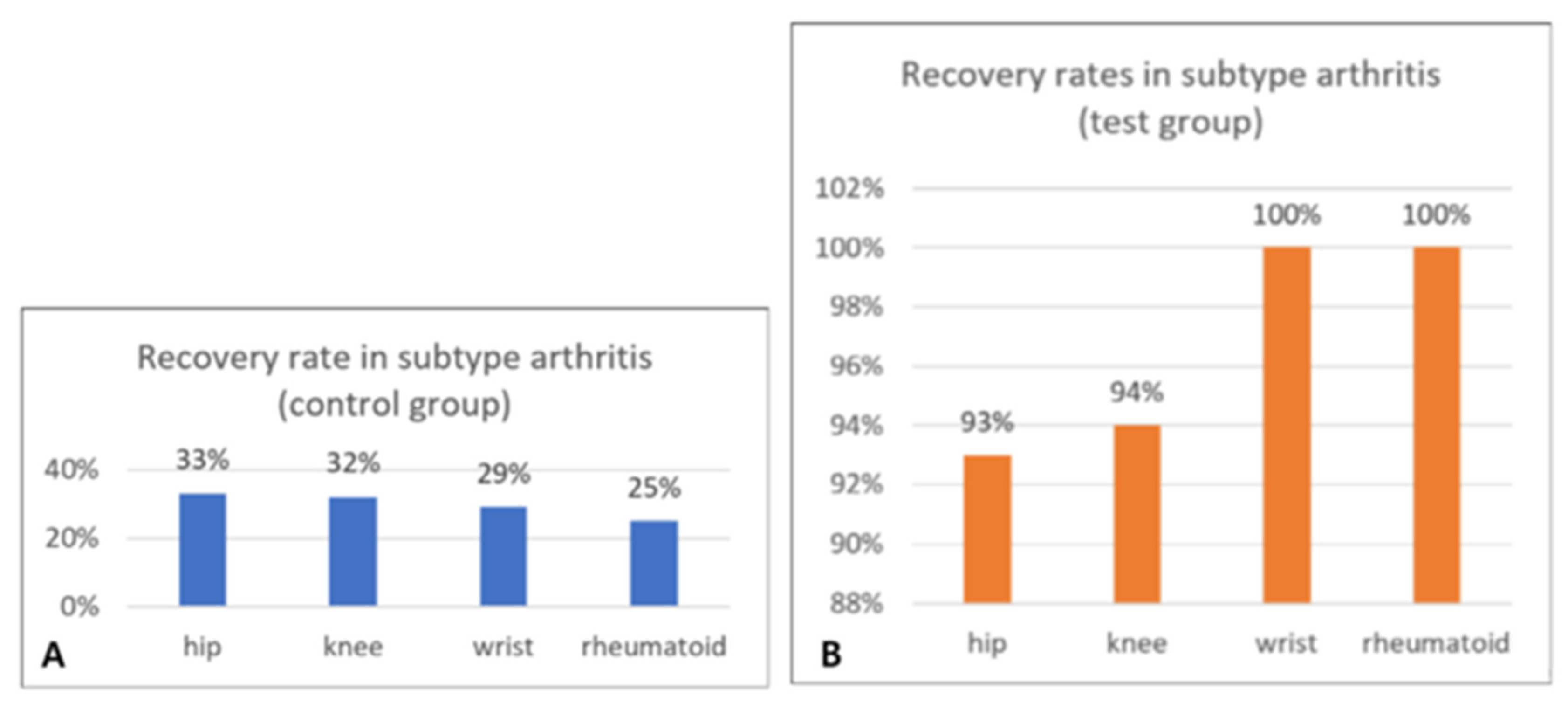
Figure 8.
Recurrence rate comparison between groups. Recurrence was defined as a JEI score ≥6 within one year after treatment.
Figure 8.
Recurrence rate comparison between groups. Recurrence was defined as a JEI score ≥6 within one year after treatment.
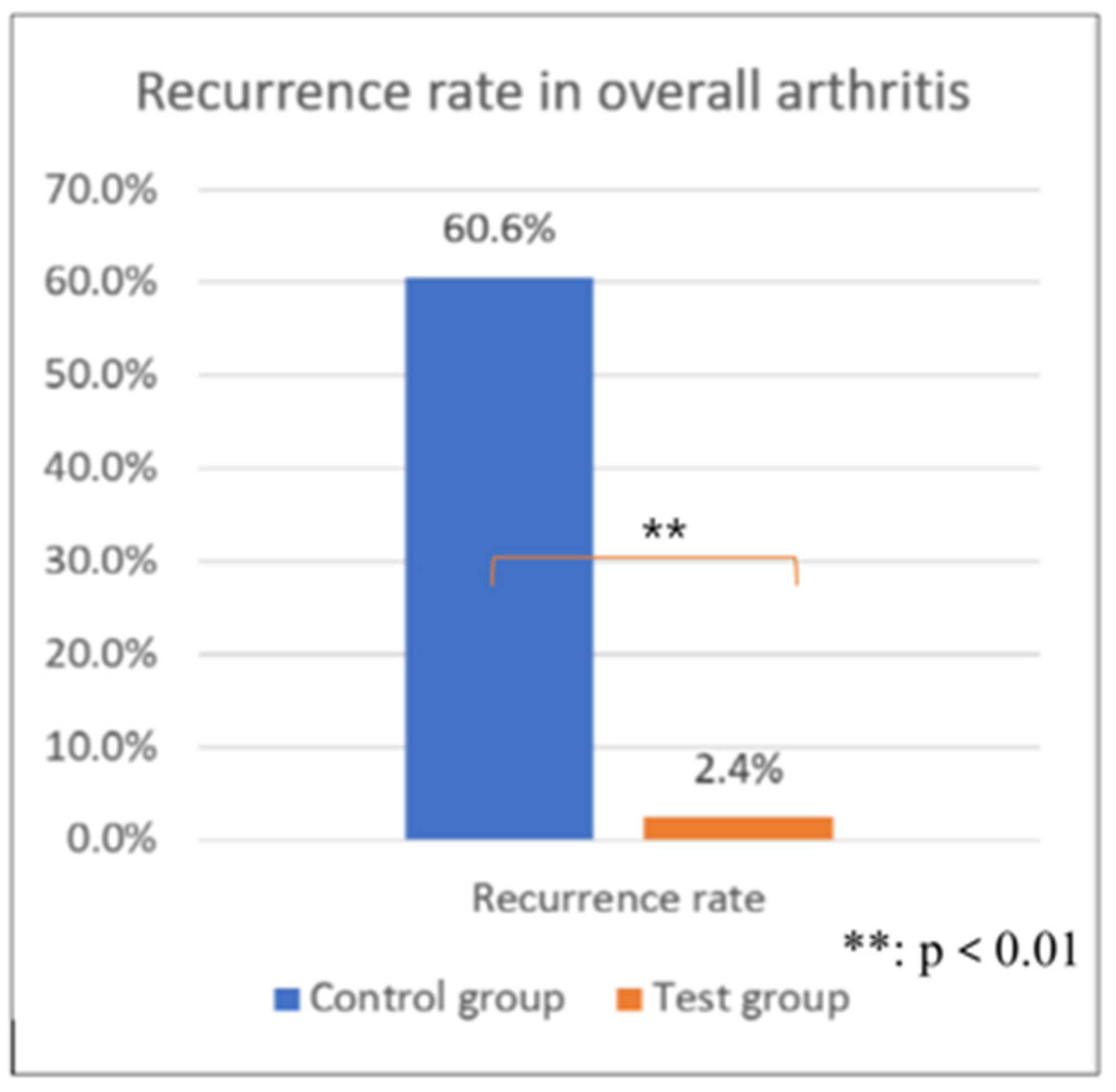
Figure 9.
Subtype recurrence rate. Recurrence rates across different osteoarthritis subtypes.
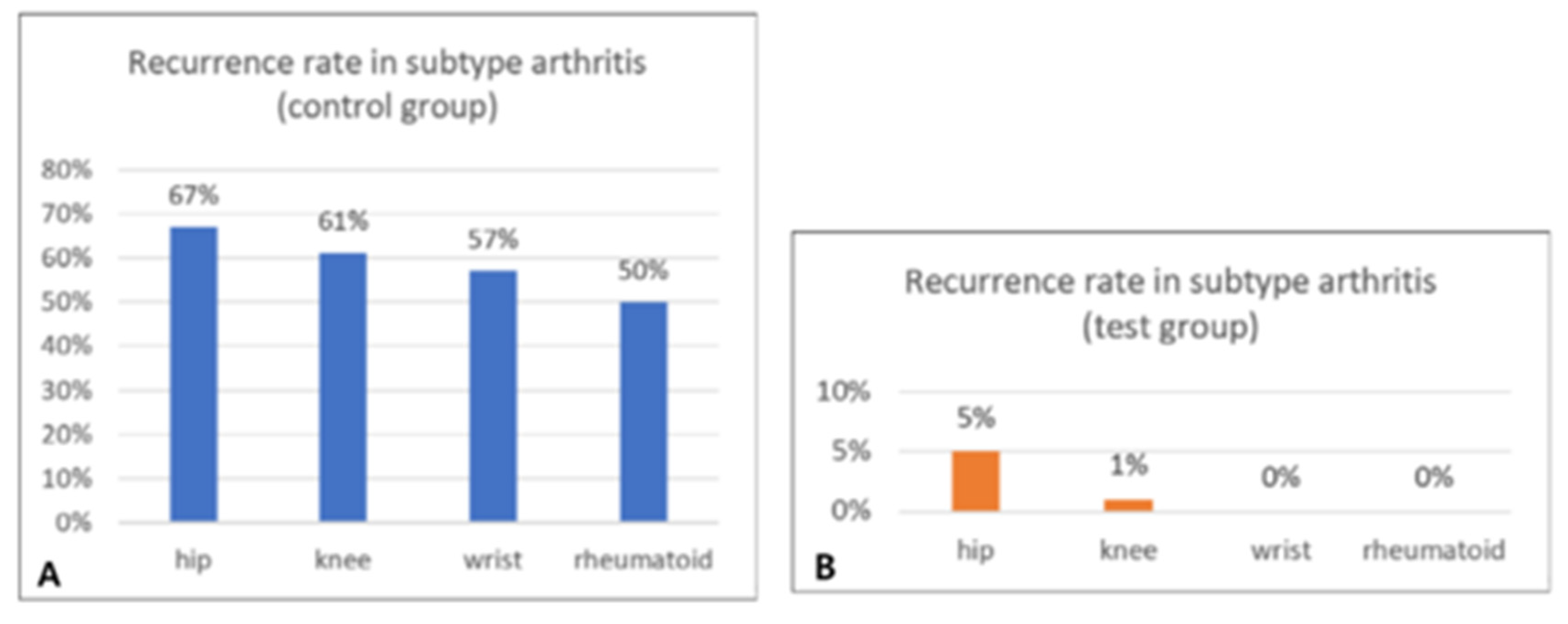
Figure 10.
Radiographic changes in knee and hip joints. Representative radiographic images before (A) and after (B) MF-STEM treatment.
Figure 10.
Radiographic changes in knee and hip joints. Representative radiographic images before (A) and after (B) MF-STEM treatment.
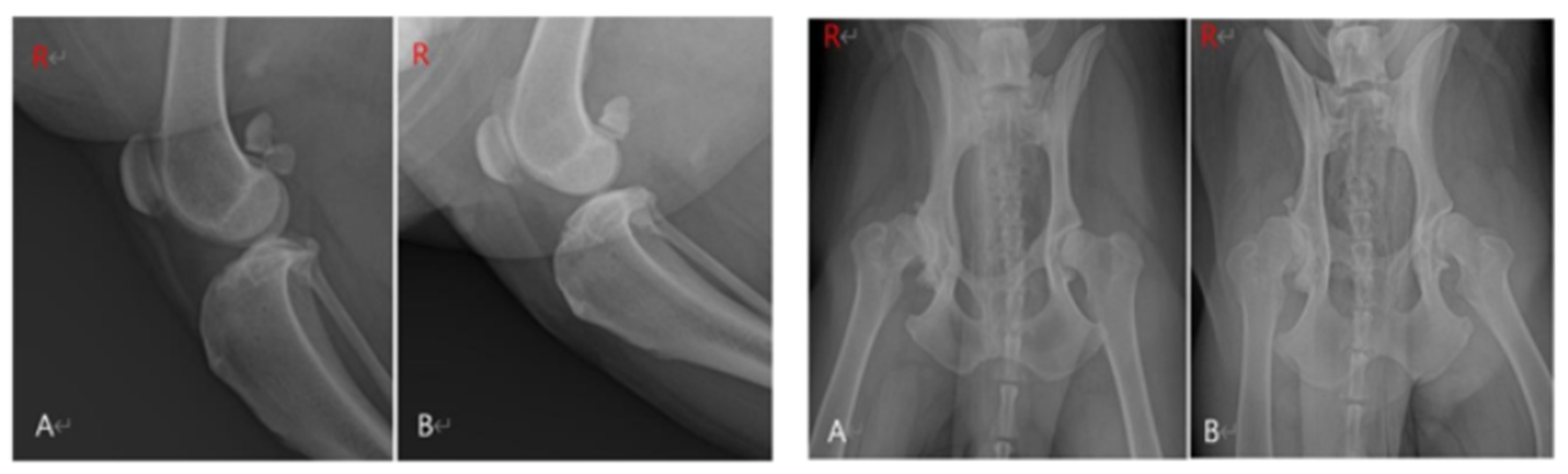
Figure 11.
Therapeutic mechanism of MF-STEM. MF-STEM suppresses inflammatory pathways (NF-κB and MAPK) and promotes tissue regeneration through activation of regenerative signaling pathways, including TGF-β.
Figure 11.
Therapeutic mechanism of MF-STEM. MF-STEM suppresses inflammatory pathways (NF-κB and MAPK) and promotes tissue regeneration through activation of regenerative signaling pathways, including TGF-β.
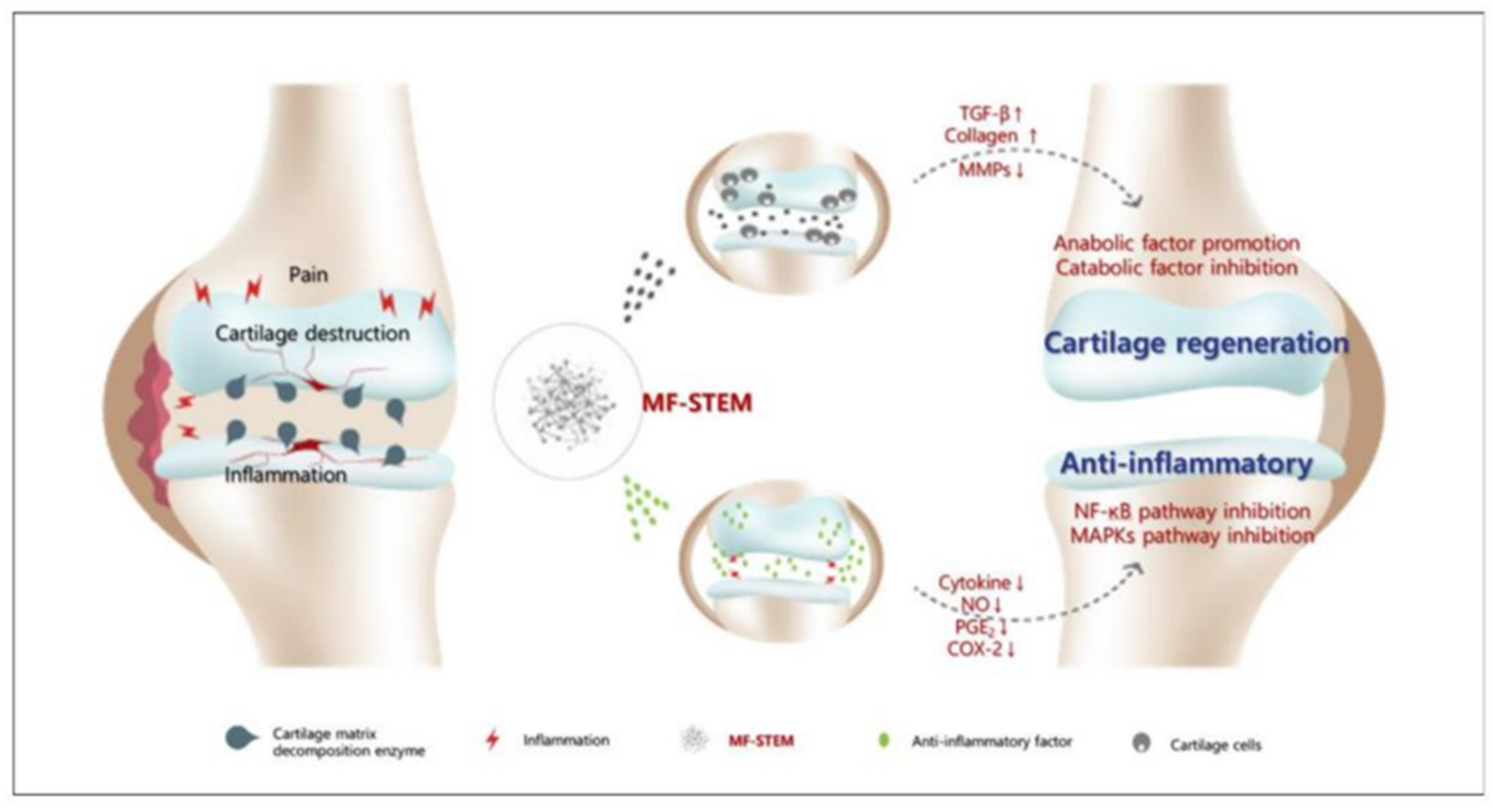

Table 1.
Distribution of species and joint involvement in the study population (n = 271).
| Category | Control(n=61) | Test(n=210) | Total (n=271) |
| Canine | 59 | 192 | 251 (92.6%) |
| Feline | 2 | 18 | 20 (7.4%) |
| Knee | 44 | 94 | 138 (50.9%) |
| Hip | 9 | 84 | 93 (34.3%) |
| Wrist | 7 | 17 | 24 (8.9%) |
| Rheumatoid | 4 | 11 | 15 (5.5%) |
Table 2.
Baseline comparability between the study groups.
| Distribution | Control | Test |
| Mean age | 9.6±3.8 | 8.6±4.2 |
| Arthritis Severity (total JEI score ) | 11.3±1.8 | 12.3±1.9 |
Note: Key baseline characteristics were evenly distributed (p > 0.05).
Table 3.
Comparison of treatment regimens between groups.
| Treatment | Control | Test |
| Intra-articular injection | Hyaluronic acid | MF-STEM |
| Oral medication | None | None |
Table 4.
MF-STEM dosing according to body weight.
| Body weight | Dose |
| 1–10 kg | 1 vial/week (minimum) |
| 11–19 kg | 0.1 vial/kg/week |
| ≥20 kg | 2 vials/week (maximum) |
Note: injected once weekly for 4 weeks.
Table 5.
Joint Evaluation Index-1 (JEI-1): Pain score criteria.
| Score | Evaluation criteria |
| 0 (normal) | No swelling or redness around the joint; No signs of pain on palpation |
| 1 (minimal) | No swelling or redness around the joint; Pain on palpation is reported less than once out of several times |
| 2 (mild) | Mild swelling or redness around the joint is observed; A faint sound is heard or pain is complained of when palpated |
| 3 (moderate) | Clear swelling and redness around the joint are confirmed; When palpated, there is a sound or pain is complained of |
| 4 (severe) | Severe swelling and redness around the joint; Severe pain when palpated, and attempts to bite or scream |
Reference: [32].
Table 6.
Joint Evaluation Index-2 (JEI-2): Limp score criteria.
| Score | Evaluation criteria |
| 0 (normal) | Normal, no limp |
| 1 (minimal) | A slight limp in gait |
| 2 (mild) | Walking with a slight limp |
| 3 (moderate) | Usually walks with a slight limp |
| 4 (severe) | Walking with a limp or lifting a leg |
Table 7.
Joint Evaluation Index-3 (JEI-3): Vitality score criteria.
| Score | Evaluation criteria |
| 0 (normal) | Looks comfortable |
| 1 (minimal) | It looks tense and relaxed at the same time |
| 2 (mild) | Looks tense and uncomfortable |
| 3 (moderate) | Panting or looking sick |
| 4 (severe) | It looks like it hurts a lot and its condition is very bad |
Reference: [32].
Table 8.
Joint Evaluation Index-4 (JEI-4): X-ray score criteria.
| Score | Evaluation criteria |
| 0 (normal) | No features of arthritis |
| 1 (minimal) | Mild loss of muscle mass, unclear joint swelling |
| 2 (mild) | Mild muscle mass loss, visible joint swelling |
| 3 (moderate) | Clear muscle mass loss, clear joint swelling |
| 4 (severe) | Severe muscle loss, severe joint swelling |
Disclaimer/Publisher’s Note: The statements, opinions and data contained in all publications are solely those of the individual author(s) and contributor(s) and not of MDPI and/or the editor(s). MDPI and/or the editor(s) disclaim responsibility for any injury to people or property resulting from any ideas, methods, instructions or products referred to in the content. |
© 2026 by the authors. Licensee MDPI, Basel, Switzerland. This article is an open access article distributed under the terms and conditions of the Creative Commons Attribution (CC BY) license (http://creativecommons.org/licenses/by/4.0/).
Copyright: This open access article is published under a Creative Commons CC BY 4.0 license, which permit the free download, distribution, and reuse, provided that the author and preprint are cited in any reuse.


