

Submitted:
31 March 2026
Posted:
01 April 2026
You are already at the latest version
Preprints on COVID-19 and SARS-CoV-2
Abstract
Background: Carbapenem-resistant Klebsiella pneumoniae (CRKp) remains a critical driver of antimicrobial resistance (AMR) in hospital settings worldwide. Methods: This study examined trends in CRKp bloodstream infections over a seven-year period (2019–2025) in a tertiary care hospital in Greece, with particular attention to resistance patterns and patient outcomes, including the impact of the COVID-19 pandemic. Results: A total of 671 non-duplicate CRKp isolates were analyzed and classified into three groups: KPC producers (67.4%), dual carbapenemase producers (17.4%), and single metallo-β-lactamase (MBL) producers (15.2%). Overall incidence showed a slight but non-significant increase over time. KPC-producing strains rose significantly until 2022 (p<0.001), followed by a marked decline (p<0.001). In contrast, dual carbapenemase producers—mainly KPC combined with VIM or NDM—and single-MBL producers, particularly NDM, increased steadily, indicating a notable epidemiological shift. Resistance to aminoglycosides and tigecycline increased around 2021, followed by partial declines, whereas colistin resistance demonstrated a continuous upward trend throughout the study period. Despite phenotypic differences, overall mortality remained high, with no statistically significant differences between groups (p = 0.37), likely reflecting either the severity of patients’ clinical condition or inadequate empirical antibiotic therapy. Conclusions: This study highlights a dynamic evolution in CRKp epidemiology with decreasing KPC dominance and increasing prevalence of MBL- and dual carbapenemase- producing strains. This transition, which became evident during and after the COVID-19 pandemic, underscores ongoing epidemiological adaptation and the urgent need for improved antimicrobial stewardship, rapid diagnostics, and broader access to effective therapies.
Keywords:
Klebsiella pneumoniae
; carbapenem-resistant enterobacterales (CRE)
; carbapenemases
; KPC
; metallo-β-lactamase (MBL)
; NDM
; VIM
; antimicrobial resistance
; bloodstream infections
; COVID-19
; epidemiology
; Greece
1. Introduction
Carbapenem-resistant Klebsiella pneumoniae (CRKp) has emerged as a major global public-health threat. Elevated to the top position on the World Health Organization (WHO) bacterial priority pathogen list in 2024 (previously ranked 5th in 2017), the prevalence of CRKp has increased significantly over the past decade, with particularly high incidence in certain geographic regions [1]. Infected patients often develop severe healthcare-associated infections, which are associated with prolonged hospital stays, increased healthcare costs, and substantially higher mortality due to limited therapeutic options [1,2].
The rapid spread of CRKp is driven by both organism-specific and contextual factors. K. pneumoniae readily colonizes the human gastrointestinal tract, where asymptomatic rectal carriage serves as a reservoir for horizontal transmission among patients and contributes to frequent nosocomial outbreaks [3]. The organism’s ability to persist in the environment and spread efficiently between individuals complicates outbreak control, even under strict contact precautions and rigorous cleaning protocols [4]. Resistance determinants are commonly carried on mobile genetic elements, particularly conjugative plasmids, which facilitate interstrain and interspecies transfer and often co-localize with genes conferring resistance to multiple other antibiotic classes, further restricting treatment options [5]. Beyond clinical and hospital settings, CRKp has been detected in animals, food products, and environmental niches, implicating the food chain and ecological reservoirs in transmission dynamics and highlighting the need for a One Health approach [6].
The most common mechanism of carbapenem resistance in K. pneumoniae is the production of carbapenemases, categorized into several types: class A Klebsiella pneumoniae carbapenemase (KPC), class B Verona integron-encoded β-lactamase (VIM), New Delhi metallo-β-lactamase (NDM), Imipenemase β-lactamase (IMP), and class D oxacillinase-48 (OXA-48) [7]. CRKp first emerged in Greece in 2002 and expanded until 2006, effectively replacing extended-spectrum β-lactamase (ESBL) strains [8,9,10]. The rapid spread of KPC-producing K. pneumoniae around 2007 subsequently established it as the dominant CRKp clone [11,12]. NDM emerged in 2011 [13], while OXA-48 was identified in 2012 [14]; however, OXA-48 did not spread widely in Greece, despite being the predominant mechanism in neighboring countries [15].
The combination of high transmissibility, plasmid-mediated multidrug resistance, limited novel therapeutics, and widespread colonization reservoirs underscores the urgent need for improved surveillance, rapid diagnostics, robust infection-prevention strategies, and antimicrobial stewardship. In Europe, data from the Italian AR-ISS surveillance system identified regional clusters of KPC-producing K. pneumoniae, prompting national infection-prevention guidelines and cohorting practices that reduced carbapenem-resistant Enterobacterales (CRE) incidence by more than 50% within two years [16]. At the University Hospital of Crete, continuous antimicrobial resistance (AMR) surveillance revealed increasing multidrug-resistant (MDR) A. baumannii and K. pneumoniae infections. Restriction of carbapenem use and real-time prescriber feedback subsequently led to a 37% reduction in carbapenem consumption and a parallel decline in MDR pathogen infections [17].
Surveillance becomes particularly critical during pandemics. During the coronavirus disease 2019 (COVID-19) pandemic, several studies reported increases in AMR infections [18,19,20]. In the U.S., the Centers for Disease Control and Prevention (CDC) reported a 70% increase in infections caused by “nightmare bacteria” between 2019 and 2023, largely driven by carbapenem-resistant Enterobacterales [21]. In Greece, increases in extensively drug-resistant (XDR) and pandrug-resistant (PDR) Gram-negative pathogens were also observed during the COVID-19 pandemic [22,23].
The present study aimed to evaluate the epidemiology and shifts in resistance phenotypes of CRKp, assess trends in resistance to last-resort antibiotics, and examine the impact on patient survival over a seven-year period, including the COVID-19 pandemic, in a tertiary care hospital in Greece that served as a COVID-19 referral center.
2. Materials and Methods
This retrospective surveillance study, aimed to investigate the incidence of CRKp, was conducted at Evaggelismos General Hospital, a 946-bed tertiary care center in Greece, over a seven-year period from January 2019 to December 2025. Klebsiella pneumoniae strains isolated from consecutive positive blood cultures of hospitalized patients, obtained for diagnostic purposes and representing true infections rather than colonization, were included. For each patient, only the first positive isolate was considered. Relevant clinical data and patient outcomes were collected from medical records.
2.1. Microbiological Methods
Clinical isolates were identified using conventional microbiological techniques, including subculturing on agar-based media, followed by biochemical identification using the Vitek 2 Compact System (bioMérieux, France). Antibiotic susceptibility testing (AST) was performed using the minimum inhibitory concentration (MIC) method via the Vitek 2 system. In particular, K. pneumoniae isolates were tested against the following antibiotics: ampicillin, amoxicillin/clavulanic acid, ampicillin/sulbactam, ticarcillin, piperacillin, piperacillin/tazobactam, cefotaxime, ceftazidime, ceftriaxone, cefepime, aztreonam, ertapenem, meropenem, amikacin, gentamicin, tobramycin, ciprofloxacin, levofloxacin, moxifloxacin, minocycline, tetracycline, tigecycline, colistin, trimethoprim-sulfamethoxazole, ceftolozane/tazobactam, ceftazidime/avibactam, and fosfomycin. Colistin MICs were determined using the reference broth microdilution method (UMIC® test strips, Bruker), as recommended. Interpretation of antibiotic susceptibility followed EUCAST Clinical Breakpoint Tables, version 14.0 (effective from January 1, 2024), with isolates categorized as susceptible (including susceptible with increased exposure) or resistant [24].
2.2. Carbapenemase Detection and Phenotype Classification
Carbapenemase production was assessed using an immunochromatographic assay (NG-TEST CARBA5, Biotech), which detects and differentiates the five most prevalent carbapenemases: KPC, NDM, IMP, VIM, and OXA-48-like, either individually or in combination. Early identification of the resistance mechanism allowed targeted use of newer, restricted antimicrobials as part of the hospital’s antimicrobial stewardship program. Based on carbapenemase detection and AST profiles, isolates were classified into three phenotypic groups: (i) KPC strains, which are characterized by susceptibility to newer β-lactam/β-lactamase inhibitor (BL/BLI) combinations, including ceftazidime/avibactam, imipenem/relebactam, and meropenem/vaborbactam; (ii) single MBL strains (VIM or NDM), which exhibit resistance to the newer BL/BLI combinations; (iii) dual carbapenemase-producing strains (predominantly KPC+NDM, KPC+VIM, OXA-48-like+NDM and NDM+VIM), with resistance to the newer BL/BLIs combinations.
2.3. Data Analysis
The annual incidence of KPC, single MBL, and dual carbapenemase-producing isolates was analyzed hospital-wide and by sector (medical, surgical, and intensive care unit [ICU]). Among all CRKp isolates, the annual incidence of resistance to aminoglycosides, tigecycline, or colistin, and the combined resistance to all three (PRD strains), was evaluated. Kaplan–Meier survival analysis was used to compare patient survival across the different phenotype groups. Hospital sectors were defined as follows: (i) medical sector: Internal Medicine, Cardiology, Nephrology and Kidney Transplant Unit, Neurology, Hematology–Oncology, Hematopoietic Stem Cell Transplant Unit, and the COVID-19 ward (operating March 2020 – December 2022); (ii) surgical sector: General Surgery, Orthopedics, Neurosurgery, Urology, Maxillofacial Surgery, Otorhinolaryngology, Cardiothoracic Surgery, and Vascular Surgery; (iii) ICU: three adult units. Incidence rates were calculated per 1,000 patient-days.
2.4. Ethical Considerations
All data were collected and processed in accordance with institutional and national ethical standards and the Declaration of Helsinki (1975, revised 2013). The study protocol was approved by the Ethics Committee of Evaggelismos General Hospital (protocol number 23339/18-07-2025).
3. Statistical Analysis
Trends in CRKp and CRKp phenotypes were analyzed using Joinpoint software, version 4.9.1.0 (National Cancer Institute, Bethesda, United States) [25]. This regression-based method identifies year(s) in which significant changes in trend occur, calculates the annual percentage change (APC) for each trend segment along with the corresponding 95% confidence interval (CI), and estimates the average annual percentage change (AAPC) over the entire study period. The APC is tested against the null hypothesis of no change (0%). When no trend changes (i.e., no joinpoints) are present, APC equals AAPC; otherwise, the study period is segmented at statistically significant joinpoints, each indicating a statistically significant increase or decrease in the trend.
Mortality analyses were conducted using R statistical software via RStudio (version 2026.01.0 Build 392, Posit Software, PBC, “Apple Blossom” release) running on Windows, with Quarto version 1.8.25. Comparisons between categorical variables were performed using the Pearson χ2 (chi-square) test. All statistical tests were two-sided, and a p-value < 0.05 was considered statistically significant.
4. Results
4.1. Description of Clinical Isolates
Over the seven-year study period, 671 CRKp isolates were recovered from consecutive, non-duplicate blood cultures of 457,301 hospitalized patients, corresponding to 2,009,029 patient-days. The distribution of isolates by hospital sector was as follows: 50% from the medical sector, 33% from the ICU, and 13% from the surgical sector. Among all CRKp isolates, 67.4% were KPC producers, while 32.6% exhibited resistance to newer BL/BLI combinations, consistent with metallo-β-lactamase (MBL) production. Within the MBL group, 53.4% (17.4% of all CRKp isolates) produced dual carbapenemases, and 46.6% (15.2% of all CRKp isolates) carried a single MBL (NDM or VIM). No isolates producing IMP or OXA-48-like carbapenemases were identified.
4.2. Trend of Total CRKp in the Hospital and by Sector
Across the entire hospital, the annual trend of CRKp incidence followed the pattern illustrated in Figure 2a. Specifically, CRKp incidence increased annually from 2019 to 2021 (APC 64.2%, 95% CI 16.5 to 183.6%, p = 0.01), followed by a decline till 2025 (APC −38.9%, 95% CI −38.9 to 0.01%, p = 0.05). Sector-specific analysis (medical, ICU, and surgical) revealed distinct patterns. In both the medical sector (Figure 2b) and the ICU (Figure 2c), CRKp incidence exhibited a similar trend, with a transient peak around 2021 followed by a subsequent decrease. In contrast, in the surgical sector (Figure 2d), CRKp incidence increased sharply until 2021 and then remained relatively stable thereafter. The AAPCs for the hospital overall and for each sector are presented in Table 2. Owing to the observed “increase–decrease” pattern in APCs, the AAPCs for the overall study period were not statistically significant for the hospital, the medical sector, or the ICU. On the contrary, the surgical sector demonstrated a statistically significant upward trend over the study period.
4.3. Incidence Trends per CRKp Phenotype in the Hospital and by Sector
4.3.1. Incidence Trends of KPC
Across the hospital, the annual trend of the KPC phenotype followed the pattern illustrated in Figure 3a. Specifically, KPC incidence increased annually from 2019 to 2022 (APC 32.7%, 95% CI 15.1 to 68.0%, p < 0.001), followed by a significant decline till 2025 (APC −26.3%, 95% CI −42.2 to −14.46%, p < 0.001). Despite these significant changes within subperiods, the AAPC over the entire study period was not statistically significant (AAPC −1.07%, 95% CI −8.12 to 6.3%, p = 0.7).
Sector-specific analyses showed that KPC trends largely mirrored the overall hospital pattern. From 2019 to 2022, KPC incidence increased in both the medical sector (APC 33.1%, 95% CI 12.0 to 102.4%, p < 0.001; Figure 3b) and the surgical sector (APC 59.2%, 95% CI −2.1 to 392.4%, p = 0.054; Figure 3c), although the increase in the surgical sector was of borderline statistical significance. This was followed by a decline, which reached statistical significance only in the medical sector (APC −19.8%, 95% CI −54.0 to −5.1%, p = 0.007). In the ICU, an “increase–decrease” pattern was observed, with a significant rise up to 2021 (APC 45.1%, 95% CI 34.9 to 59.2%, p < 0.001), followed by a significant decline thereafter (APC −23.3%, 95% CI −27.3 to −20.4%, p < 0.001) (Figure 3d).
The AAPCs across all sectors are presented in Table 3. Although an “increase–decrease” pattern was evident in all sectors, only the ICU demonstrated a statistically significant overall downward trend (AAPC −5.1%, 95% CI −8.2 to −2.3%, p < 0.001).
4.3.2. Incidence Trends of Dual Carbapenemase Producers
At the hospital level, isolates harboring dual carbapenemase resistance mechanisms exhibited a consistent and statistically significant increase over time, with equal APC and AAPC values (APC/AAPC 24.5%, 95% CI 6.0 to 57.6%, p = 0.005), as shown in Figure 4a. Sector-based analysis demonstrated an rising trend in dual carbapenemase-producing isolates across all sectors (Figure 4b and Figure 4c); however, this increase reached statistical significance only in the surgical sector (Figure 4d). The AAPCs for each sector are presented in Table 4.
4.3.3. Incidence Trends of Single-MBL Producers
At the hospital level, isolates exhibiting a single MBL resistance phenotype increased significantly until 2021 (APC 256.6%, 95% CI 75.4 to 1233.9%, p = 0.003). Thereafter, the upward trend persisted but was not statistically significant (APC 8.6%, 95% CI −21.2 to 31.3%, p = 0.48) (Figure 5a). Nevertheless, the average AAPC over the entire study period indicated a significant overall increase (AAPC 61.4%, 95% CI 33.5 to 149.9%, p < 0.001). Sector-based analysis demonstrated significant increases in single-MBL-producing isolates in both the surgical sector (Figure 5b) and the ICU (Figure 5c). The AAPCs for each sector are presented in Table 5.
4.3.4. Incidence Trends of CRKp Resistance to Last-Resort Antibiotics
The annual trends of CRKp resistance to amikacin, gentamicin, and tigecycline are presented in Figure 6a–c. All three exhibited a similar pattern, with a significant increase up to 2021, followed by a subsequent decline. This decrease was statistically significant but of borderline magnitude for amikacin and tigecycline. As a result, the overall AAPC across the study period was not statistically significant for these antibiotics (Table 5). In contrast, resistance to colistin demonstrated a continuous and sustained increase from 2019 to 2025 (Figure 6d, Table 6).
4.4. Patients’ Survival
Initial analyses compared mortality across resistance groups and hospital sectors. Given that dual carbapenemase and single MBL producers share similar resistance phenotypes in AST, mortality was first compared between KPC and non-KPC infections (the latter including both dual carbapenemase and single-MBL producers). Mortality was higher among non-KPC infections compared with KPC infections (51.3% vs 43.2%), although this difference was of borderline statistical significance (χ2 = 3.66, p = 0.052). When analyzed across the three phenotypic categories, mortality was higher in infections caused by single-MBL-producing isolates (52.7%) compared with KPC infections (43.2%); however, this difference did not reach statistical significance (χ2 = 4.15, p = 0.126). In contrast, mortality differed significantly across hospital sectors (χ² = 13.44, p = 0.0038), with the highest mortality observed in the ICU and medical wards, and the lowest in the surgical wards (Table 7).
Survival analysis was subsequently performed using the Kaplan–Meier method to estimate survival following K. pneumoniae bloodstream infection. Survival time was defined as the interval from the first positive blood culture to death or the end of follow-up. Patients without documented death were handled according to predefined censoring rules. In cases where follow-up data were unavailable (e.g., due to transfer to another hospital or incomplete electronic records), patients were conservatively classified as deceased to avoid underestimation of mortality.
Two Kaplan–Meier analyses were conducted. In the first, patients were stratified into KPC versus non-KPC groups. No statistically significant difference in 7-day survival was observed between these groups (log-rank χ2 = 0.8, p = 0.37) (Figure 7). In the second analysis, patients were stratified into three resistance mechanism groups: KPC, single-MBL, and dual carbapenemase producers. The median survival time was 8 days (95% CI 6–11) for KPC infections, 8 days (95% CI 4–19) for single-MBL infections, and 18 days (95% CI 7–25) for dual carbapenemase-producing infections. Despite the numerically longer survival observed in the dual-mechanism group, the substantial overlap in confidence intervals indicated no statistically significant difference in survival among the groups (p = 0.37) (Figure 8).
To further characterize survival dynamics, the number of patients at risk over time was examined. A rapid decline in the number at risk was observed within the first 10 days across all groups, indicating substantial early mortality. Among patients with KPC infections, the number at risk decreased from 163 at baseline to 72 at day 10 and 30 at day 30. Similar patterns were observed in the dual carbapenemase group (45 to 27 to 12) and the single-MBL group (37 to 19 to 6) (Table 8), underscoring the high early mortality across all phenotypic categories.
5. Discussion
The present study aimed to comprehensively evaluate temporal trends in the incidence of CRKp, the distribution of its phenotypic categories (KPC, dual carbapenemase, and single-MBL producers) across the overall hospital setting and individual sectors, patterns of resistance to last-line antimicrobial agents, and their impact on patient survival.
The principal findings can be summarized as follows. First, at the hospital-wide level, as well as within the medical sector and ICU, a modest and non–statistically significant increase in CRKp incidence was observed over the seven-year period. This trend was characterized by a pronounced surge peaking in 2021–2022, followed by a decline approaching baseline levels observed in 2019. In contrast, in the surgical sector, the increased incidence observed in 2021 persisted without substantial decline through 2025. Second, the peak in CRKp incidence during 2021–2022 coincided with a corresponding rise in KPC-producing isolates, followed by a marked reduction. This reduction returned KPC levels to those comparable to 2019 in the medical and surgical sectors and to even lower levels in the overall hospital and ICU. This shift was accompanied by an apparent epidemiological replacement of KPC producers by isolates harboring dual carbapenemases (primarily KPC combined with VIM or NDM) and by single-MBL phenotypes, predominantly NDM. Third, resistance to amikacin, gentamicin, and tigecycline followed a similar temporal pattern, with increases around 2021 and partial declines thereafter, although rates did not return to pre-2020 levels. In contrast, resistance to colistin increased steadily throughout the study period. Finally, mortality remained high and tended to be greater among infections caused by MBL-harboring strains compared with KPC producers; however, no statistically significant differences were observed in survival analyses.
Following the emergence of VIM carbapenemase in Greece in 2002 [8], it predominated in Greek hospitals, including our own, until 2007 [10], when it was progressively replaced by KPC [11,12]. Since then, KPC has remained endemic, accounting for approximately 66.5% of cases, followed by NDM and VIM, while OXA-48-like carbapenemases remain rare [15,26]. Surveillance data from the European Centre for Disease Prevention and Control (ECDC) demonstrated an increasing trend in CRKp incidence in Greece from 2019, reaching 73.7% in 2021 [27]. Our findings are consistent with these data, showing a peak in CRKp incidence in 2021–2022, largely driven by KPC-producing isolates [26]. Notably, a sharp increase in single-MBL-producing isolates, predominantly NDM, was also observed during the same period.
These increases are likely attributable to the COVID-19 pandemic. During this period (March 2021 to December 2022), our hospital functioned as a mixed facility managing both COVID-19-positive (ICU and part of the medical wards) and non-COVID patients (remaining medical wards and surgical ward). Prolonged hospitalizations, increased ICU admissions, and the widespread use of broad-spectrum antibiotics due to concerns about secondary bacterial infections have been widely associated with increased antimicrobial resistance (AMR) [28,29,30]. In addition, disruptions in infection prevention and control (IPC) practices driven by increased workload—such as reduced adherence to hand hygiene, suboptimal equipment decontamination, inadequate cohorting, and inconsistent use of personal protective equipment—likely facilitated transmission [31]. The continuous transfer of patients between COVID-19 wards, ICUs, and non-COVID units may have further amplified the spread of resistant organisms. This is supported by our observation that KPC incidence peaked earlier in the ICU (2021) and later in the medical and surgical wards (2022), shaping the overall hospital trend.
After 2022, improved antimicrobial stewardship and stricter IPC measures were associated with a decline in CRKp incidence, although rates remained higher than in 2019. Importantly, KPC ceased to predominate and was progressively replaced by both dual carbapenemase and single-MBL mechanisms. Dual carbapenemase-producing strains have been increasingly reported in Greece since the first description of KPC+VIM in 2009 [32], followed by additional combinations such as NDM+VIM (2016) [33], NDM+OXA-48-like (2019) [34], and KPC+NDM (2022) [35]. Although typically reported at low prevalence (2.5–7.7%) [12,26,35,36,37,38,39], higher rates, up to 33%, have been observed during outbreaks [40]. Similar patterns have also been described in other regions [41,42,43,44,45,46], where the NDM+OXA-48-like combination often predominates [41,46].
To our knowledge, this is the first study demonstrating a progressive replacement of long-standing endemic KPC by single-MBL (primarily NDM) and dual carbapenemase-producing strains (mainly KPC+VIM and, to a lesser extent, KPC+NDM). At this point, it is worth noting that the co-presence of blaKPC-2 and blaVIM-1 has been reported in highly drug-resistant ST39 K. pneumoniae isolates from 2018 and 2019 [47]. Furthermore, a surveillance study by Tryfinopoulou et al. (2022) demonstrated that among 310 CRKp isolates collected from 15 Greek hospitals, all isolates carrying multiple carbapenemase genes, including blaKPC-2 with either blaVIM-1 or blaNDM, belonged to the ST39 lineage. This clone was shown to spread rapidly both within and between hospitals and has therefore been characterized as a high-risk clone [37]. In the present study, molecular typing was not performed, and thus assignment of isolates to specific clones was not feasible. Consequently, it remains unclear whether the dual carbapenemase-producing isolates observed here belong to the ST39 lineage, which could potentially explain their progressive dissemination in our hospital from 2022 onwards, or whether they represent the emergence of a novel clone. Nevertheless, irrespective of their clonal background, MBL-harboring strains (either single or dual) exhibited a highly drug-resistant phenotype and were associated with infections that are increasingly difficult to treat.
From a therapeutic perspective, KPC-producing isolates are generally managed with β-lactam antibiotics combined with newer β-lactamase inhibitors, whereas MBL-harboring isolates require more complex regimens, such as ceftazidime/avibactam plus aztreonam or aztreonam/avibactam [48]. In our hospital, until 2018, last-line agents, including aminoglycosides, colistin, tigecycline, and fosfomycin, constituted the only available treatment options for CRKp infections. Ceftazidime/avibactam was introduced into routine clinical use in 2019 under strict restriction policies to preserve its efficacy. It was administered only in cases of confirmed infection caused by KPC-producing isolates susceptible to ceftazidime/avibactam, or empirically in patients with septic shock known to be colonized with KPC [49,50].
Aztreonam availability in Greece has been inconsistent, with only intermittent access, while aztreonam/avibactam is not routinely available and can be obtained only through special request procedures. As a result, last-resort antibiotics continued to be widely used throughout the study period, both empirically and as targeted therapy, reflecting the limited availability of effective treatment options, particularly against MBL-producing organisms. Despite these therapeutic constraints, mortality was only marginally higher among infections caused by MBL-harboring strains compared with KPC-producing isolates, and Kaplan–Meier analysis did not demonstrate a statistically significant difference between groups. This finding, consistent with previous studies [49,50], together with the observed early mortality in our cohort, may reflect either suboptimal initial antimicrobial therapy across all CRKp phenotypes or the poor baseline clinical status of patients with severe underlying disease and multiple comorbidities.
The changing epidemiology of CRKp, characterized by the progressive replacement of KPC by MBL-harboring strains (predominantly dual carbapenemase producers) suggests ongoing genetic exchange and selective antimicrobial pressure driving this evolution. Of particular concern is the potential horizontal transfer of MDR plasmids to other Enterobacterales, such as E. coli, as well as the dissemination of resistance genes into the community, similar to what has been previously observed with ESBLs. Moreover, evidence indicates that certain K. pneumoniae strains, including hospital-associated pathogens, can persist and proliferate across diverse ecological niches, such as the gastrointestinal tract of animals and environmental reservoirs like soil [51,52]. These environments facilitate genetic exchange with other bacterial species. Taken together, these characteristics highlight K. pneumoniae as a critical target for sentinel surveillance, particularly for the early detection of emerging antimicrobial resistance genes within Gram-negative pathogens [53].
Collectively, these findings underscore the urgent need to strengthen antimicrobial stewardship and, above all, to reinforce infection prevention and control measures [52]. In the context of rotating hospital admissions, limited isolation capacity, and the endemic presence of MDR pathogens, strict adherence to hand hygiene is of paramount importance. This should be complemented by consistent implementation of contact precautions, potentially applied universally, as if all patients were colonized with MDR organisms. However, such an approach may impose additional strain on an already understaffed healthcare system and further complicate routine clinical practice.
The main strength of the present study lies in its extended observation period of seven years, including three years following the official end of the COVID-19 pandemic, providing a comprehensive view of carbapenemase dynamics and epidemiological shifts. Nevertheless, several limitations should be acknowledged. The lack of detailed clinical data beyond survival outcomes limits the ability to characterize patient comorbidities and risk factors. Additionally, the absence of molecular typing precludes identification of circulating K. pneumoniae clones. Finally, the single-center design may limit generalizability; however, data from a large tertiary-care hospital are likely to reflect broader national trends, as supported by WHONET Greece surveillance data.
6. Conclusions
In conclusion, this surveillance study highlights a dynamic evolution in CRKp epidemiology with decreasing KPC dominance and increasing prevalence of MBL- and dual carbapenemase- producing strains that are increasingly resistant to last-resort antibiotics. This transition, which became evident during and after the COVID-19 pandemic, emphasizes ongoing epidemiological adaptation which limits therapeutic options as newer antibiotics, many of which remain inaccessible or unavailable, often represent the only effective treatments, potentially contributing to increased patient mortality. These findings highlight the urgent need for coordinated national and broader European strategies to combat AMR, including strengthened surveillance systems, improved access to effective antimicrobials, robust antimicrobial stewardship, access to rapid diagnostics and reinforced infection prevention and control measures.
Author Contributions
E.M. writing, original draft preparation and formal analysis; S.K., D.G., M.P., and C.K., conceptualization, investigation, resources and validation; E.P., N.K., resources and validation; S.K.; E.S., and P.T., software; D.K., software, review and editing; N.V., and V.P., project administration, conceptualization and supervision. All authors have read and agreed to the published version of the manuscript.
Funding
This research received no external funding.
Institutional Review Board Statement
Ethical Approval was obtained from the Ethical Committee of Evaggelismos General Hospital under protocol number 23339/18-07-2025, date: 18 July 2025.
Informed Consent Statement
This original research was conducted according to the Declaration of Helsinki for medical research involving human subjects. Informed consent was obtained from all subjects involved in the study.
Data Availability Statement
The original contributions presented in this study are included in the article. Further inquiries can be directed to the corresponding authors.
Conflicts of Interest
There are no conflicts of interest regarding this manuscript.
References
- World Health Organization. WHO Bacterial Priority Pathogens List, 2024: Bacterial Pathogens of Public Health Importance to Guide Research, Development and Strategies to Prevent and Control Antimicrobial Resistance; WHO: Geneva, Switzerland, 2024; Available online: https://iris.who.int/bitstream/handle/10665/376776/9789240093461-eng.pdf (accessed on 9 March 2026).
- GBD 2021 Antimicrobial Resistance Collaborators. Global burden of bacterial antimicrobial resistance 1990–2021: A systematic analysis with forecasts to 2050. Lancet 2024, 404, 1199–1226. [Google Scholar] [CrossRef]
- Bray, A.S.; Zafar, M.A. Deciphering the gastrointestinal carriage of Klebsiella pneumoniae. Infect. Immun. 2024, 92, e00482-23. [Google Scholar] [CrossRef]
- Hu, Y.; Zhang, H.; Wei, L.; Feng, Y.; Wen, H.; Li, J.; et al. Competitive transmission of carbapenem-resistant Klebsiella pneumoniae in a newly opened intensive care unit. mSystems 2022, 7, e00799-22. [Google Scholar] [CrossRef]
- Di Pilato, V.; Pollini, S.; Miriagou, V.; Rossolini, G.M.; D’Andrea, M.M. Carbapenem-resistant Klebsiella pneumoniae: The role of plasmids in emergence, dissemination and evolution of a major clinical challenge. Expert Rev. Anti Infect. Ther. 2024, 22, 25–43. [Google Scholar] [CrossRef] [PubMed]
- Ludden, C.; Moradigaravand, D.; Jamrozy, D.; Gouliouris, T.; Blane, B.; Naydenova, P.; et al. A one-health study of the genetic relatedness of Klebsiella pneumoniae and their mobile elements in the east of England. Clin. Infect. Dis. 2020, 70, 219–226. [Google Scholar] [CrossRef] [PubMed]
- Queenan, A.M.; Bush, K. Carbapenemases: The versatile beta-lactamases. Clin. Microbiol. Rev. 2007, 20, 440–458. [Google Scholar] [CrossRef]
- Giakkoupi, P.; Xanthaki, A.; Kanelopoulou, M.; Vlahaki, A.; Miriagou, V.; Kontou, S.; et al. VIM-1 metallo-β-lactamase-producing Klebsiella pneumoniae strains in Greek hospitals. J. Clin. Microbiol. 2003, 41, 3893–3896. [Google Scholar] [CrossRef]
- Hasan, C.M.; Turlej-Rogacka, A.; Vatopoulos, A.C.; Giakkoupi, M.; Maatallah, M.; Giske, C.G. Dissemination of blaVIM in Greece at the peak of the epidemic of 2005–2006: Clonal expansion of Klebsiella pneumoniae clonal complex 147. Clin. Microbiol. Infect. 2014, 20, 34–37. [Google Scholar] [CrossRef]
- Psichogiou, M.; Tassios, P.T.; Avlamis, A.; Stefanou, I.; Kosmidis, C.; Platsouka, E.; et al. Ongoing epidemic of blaVIM-positive Klebsiella pneumoniae in Athens, Greece: A prospective study. J. Antimicrob. Chemother. 2008, 61, 59–63. [Google Scholar] [CrossRef]
- Giakkoupi, P.; Maltezou, H.; Polemis, O.; Saroglou, G.; Vatopoulos, A. Greek System for the Surveillance of Antimicrobial Resistance. KPC-2-producing Klebsiella pneumoniae infections in Greek hospitals are mainly due to a hyperepidemic clone. Euro Surveill. 2009, 14, 19218. [Google Scholar] [CrossRef] [PubMed]
- Giakkoupi, P.; Papagiannitsis, C.C.; Miriagou, V.; Pappa, O.; Polemis, M.; Tryfinopoulou, K.; et al. An update of the evolving epidemic of blaKPC-2 carrying Klebsiella pneumoniae in Greece (2009–2010). J. Antimicrob. Chemother. 2011, 66, 1510–1513. [Google Scholar] [CrossRef]
- Voulgari, E.; Gartzonika, C.; Vrioni, G.; Politi, L.; Priavali, E.; Levidiotou-Stefanou, S.; Tsakris, A. The Balkan region: NDM-1-producing Klebsiella pneumoniae ST11 clonal strain causing outbreaks in Greece. J. Antimicrob. Chemother. 2014, 69, 2091–2097. [Google Scholar] [CrossRef]
- Voulgari, E.; Zarkotou, O.; Ranellou, K.; Karageorgopoulos, D.E.; Vrioni, G.; Mamali, V.; et al. Outbreak of OXA-48 carbapenemase-producing Klebsiella pneumoniae in Greece involving an ST11 clone. J. Antimicrob. Chemother. 2013, 68, 84–88. [Google Scholar] [CrossRef]
- Grundmann, H.; Glasner, C.; Albiger, B.; Aanensen, D.M.; Tomlinson, C.R.; Tabrizić Andrasević, A.; et al. Occurrence of carbapenemase-producing Klebsiella pneumoniae and Escherichia coli in the European survey of carbapenemase-producing Enterobacteriaceae (EuSCAPE): A prospective, multinational study. Lancet Infect. Dis. 2017, 17, 153–163. [Google Scholar] [CrossRef]
- Ricchizzi, E.; Pezzotti, P.; Gagliotti, C.; Alessio, L.; Del Grosso, M.; Moro, M.L.; et al. Coordinated national responses to the spread of carbapenemase-producing Enterobacteriaceae in Italy, 2014–2017. Euro Surveill. 2018, 23, 1800156. [Google Scholar] [CrossRef]
- Tsioutis, C.; Kritsotakis, E.I.; Karageorgos, S.A.; Stratakou, S.; Gikas, A. Trends in antimicrobial resistance and antibiotic consumption in a tertiary care hospital in Crete, Greece. Infect. Drug Resist. 2021, 14, 1501–1511. [Google Scholar] [CrossRef]
- Yek, C.; Mongkolrattanothai, T.; Thielke, S.; Johannsson, B.; Evans, M.E.; et al. Impact of the COVID-19 pandemic on antibiotic-resistant infection burden in U.S. hospitals: A retrospective cohort study of trends and risk factors. Ann. Intern. Med. 2025. [Google Scholar] [CrossRef]
- Langford, B.J.; Soucy, J.-P.R.; So, M.; Raybardhan, S.; Leung, V.; Westwood, D.; Daneman, N.; MacFadden, D.R. Antibiotic resistance associated with the COVID-19 pandemic: A systematic review and meta-analysis. Clin. Microbiol. Infect. 2023, 29, 835–844. [Google Scholar] [CrossRef]
- Abubakar, U.; Al-Anazi, M.; Alanazi, Z.; Rodríguez-Baño, J. Impact of COVID-19 pandemic on multidrug-resistant gram-positive and gram-negative pathogens: A systematic review. J. Infect. Public Health 2023, 16, 320–331. [Google Scholar] [CrossRef]
- Centers for Disease Control and Prevention (CDC). CDC report finds sharp rise in dangerous drug-resistant bacteria. U.S. Department of Health and Human Services, 12 March 2025. Available online: https://www.cdc.gov/media/releases/2025/2025-cdc-report-finds-sharp-rise-in-dangerous-drug-resistant-bacteria.html (accessed on 9 March 2026).
- Mylona, E.; Kostourou, S.; Giankoula, D.; Spyrakou, E.; Michopoulou, N.; Kolokotroni, C.; et al. Trends in antimicrobial resistance at a Greek tertiary hospital over a 7-year period, including the COVID-19 pandemic. Antibiotics 2025, 14, 1067. [Google Scholar] [CrossRef]
- Tsalidou, M.; Stergiopoulou, T.; Bostanitis, I.; Nikaki, C.; Skoumpa, K.; Koutsoukou, T.; Papaioannidou, P. Surveillance of antimicrobial resistance and multidrug resistance prevalence of clinical isolates in a general hospital in northern Greece. Antibiotics 2023, 12, 1595. [Google Scholar] [CrossRef]
- European Committee on Antimicrobial Susceptibility Testing (EUCAST). Clinical Breakpoints—Bacteria, version 14.0; EUCAST: Växjö, Sweden, 2024; Available online: https://www.eucast.org/clinical_breakpoints/ (accessed on 9 March 2026).
- Kim, H.J.; Fay, M.P.; Feuer, E.J.; Midthune, D.N. Permutation tests for joinpoint regression with applications to cancer rates. Stat. Med. 2000, 19, 335–351. [Google Scholar] [CrossRef]
- Galani, I.; Karaiskos, I.; Karantani, I.; Papoutsaki, V.; Maraki, S.; Papaioannou, V.; et al. Epidemiology and resistance phenotypes of carbapenemase-producing Klebsiella pneumoniae in Greece, 2014–2016. Euro Surveill. 2018, 23, 1700775. [Google Scholar] [CrossRef] [PubMed]
- World Health Organization; European Centre for Disease Prevention and Control. Antimicrobial Resistance Surveillance in Europe 2023–2021 Data. Available online: https://who.int/europe/publications/i/item/9789289058537.
- Ansari, S.; Hays, J.P.; Kemp, A.; Okechukwu, R.; Murugaiyan, J.; Ekwanzala, M.D.; et al. The potential impact of the COVID-19 pandemic on global antimicrobial and biocide resistance: An AMR Insights global perspective. JAC Antimicrob. Resist. 2021, 3, dlab038. [Google Scholar] [CrossRef]
- Getahun, H.; Smith, I.; Trivedi, K.; Paulin, S.; Balkhy, H.H. Tackling antimicrobial resistance in the COVID-19 pandemic. Bull. World Health Organ. 2020, 98, 442. [Google Scholar] [CrossRef] [PubMed]
- Stevens, M.P.; Doll, M.; Pryor, R.; Godbout, E.; Cooper, K.; Bearman, G. Impact of COVID-19 on traditional healthcare-associated infection prevention efforts. Infect. Control Hosp. Epidemiol. 2020, 41, 946–947. [Google Scholar] [CrossRef]
- National Center for Emerging and Zoonotic Infectious Diseases. COVID-19: U.S. Impact on Antimicrobial Resistance; Atlanta, GA, USA, 2022. [Google Scholar]
- Giakkoupi, P.; Pappa, O.; Polemis, M.; Vatopoulos, A.C.; Miriagou, V.; Zioga, A.; et al. Emerging Klebsiella pneumoniae isolates coproducing KPC-2 and VIM-1 carbapenemases. Antimicrob. Agents Chemother. 2009, 53, 4048–4050. [Google Scholar] [CrossRef]
- Papagiannitsis, C.C.; Malli, E.; Florou, Z.; Sarrou, S.; Hrabak, J.; Mantzarlis, K.; Zakynthinos, E.; Petinaki, E. Emergence of sequence type 11 Klebsiella pneumoniae coproducing NDM-1 and VIM-1 metallo-β-lactamases in a Greek hospital. Diagn. Microbiol. Infect. Dis. 2017, 87, 295–297. [Google Scholar] [CrossRef]
- Protonotariou, E.; Meletis, G.; Chatzopoulou, F.; Malousi, A.; Chatzidimitriou, D.; Skoura, L. Emergence of Klebsiella pneumoniae ST11 co-producing NDM-1 and OXA-48 carbapenemases in Greece. J. Glob. Antimicrob. Resist. 2019, 19, 81–82. [Google Scholar] [CrossRef]
- Protonotariou, E.; Meletis, G.; Pilalas, D.; Mantzana, P.; Tychala, A.; Kotzamanidis, C.; et al. Polyclonal endemicity of carbapenemase-producing Klebsiella pneumoniae in ICUs of a Greek tertiary care hospital. Antibiotics 2022, 11, 149. [Google Scholar] [CrossRef]
- Poulou, A.; Voulgari, E.; Vrioni, G.; Xidopoulos, G.; Pliagkos, A.; Chatzipantazi, V.; Markou, F.; Tsakris, A. Imported Klebsiella pneumoniae carbapenemase-producing clones in a Greek hospital. J. Clin. Microbiol. 2012, 50, 2618–2623. [Google Scholar] [CrossRef]
- Tryfinopoulou, K.; Lindevicius, M.; Pappa, O.; Alm, E.; Karadimas, K.; Svartström, O.; et al. Emergence and persistent spread of carbapenemase-producing Klebsiella pneumoniae high-risk clones in Greek hospitals, 2013–2022. Euro Surveill. 2023, 28, 2300571. [Google Scholar] [CrossRef] [PubMed]
- Papadimitriou-Olivgeris, M.; Bartzavali, C.; Lambropoulou, A.; Solomou, A.; Tsiata, E.; Anastassiou, E.D.; et al. Reversal of carbapenemase-producing Klebsiella pneumoniae epidemiology. J. Antimicrob. Chemother. 2019, 74, 2051–2054. [Google Scholar] [CrossRef]
- Papadimitriou-Olivgeris, M.; Bartzavali, C.; Karachalias, E.; Spiliopoulou, A.; Tsiata, E.; Siakallis, G.; et al. Seven-year study of bacteremias due to carbapenemase-producing Klebsiella pneumoniae. Antibiotics 2022, 11, 1414. [Google Scholar] [CrossRef] [PubMed]
- Zioga, A.; Miriagou, V.; Tzelepi, E.; Douzinas, E.; Tsakiri, M.; Legakis, N.J.; Daikos, G.L.; Tzouvelekis, L.S. Hospital outbreak of Klebsiella pneumoniae producing VIM-1 and KPC-2. J. Antimicrob. Chemother. 2010, 65, 190–191. [Google Scholar] [CrossRef]
- Yuan, P.-B.; Dai, L.-T.; Zhang, Q.-K.; Zhong, Y.-X.; Liu, W.-T.; Yang, L.; Chen, D.-Q. Global emergence of multi-carbapenemase-producing organisms. Microbiol. Spectr. 2024, 12, e0000824. [Google Scholar] [CrossRef] [PubMed]
- Cal Ham, D.; Mahor, G.; Bhaourla, S.K.; Horwich-Scholefield, S.; Klein, L.; Dotson, N.; et al. Gram-negative bacteria harboring multiple carbapenemase genes. Emerg. Infect. Dis. 2021, 27, 2475–2479. [Google Scholar] [CrossRef]
- Bianco, G.; Boattini, M.; Comini, S.; Casale, R.; Iannaccone, M.; Cavallo, R.; Costa, C. Multi-carbapenemase-producing Enterobacterales in the COVID-19 era. Eur. J. Clin. Microbiol. Infect. Dis. 2022, 41, 573–580. [Google Scholar] [CrossRef]
- Cabello, M.; Hernández-García, M.; Maruri-Aransolo, A.; Michelena, M.; Pérez-Viso, B.; Ponce-Alonso, M.; Cantón, R.; Ruiz-Carbajosa, P. Multi-carbapenemase-producing Enterobacterales in Spain. J. Glob. Antimicrob. Resist. 2024, 38, 281–291. [Google Scholar] [CrossRef]
- Boattini, M.; Bastos, P.; Costa, C.; Bianco, G. Carriage and infections by multi-carbapenemase-producing Enterobacterales. Diagn. Microbiol. Infect. Dis. 2025, 113, 117035. [Google Scholar] [CrossRef]
- Lazar, D.S.; Nica, M.; Oprisan, C.; Vlasre, M.; Condurache, I.-A.; Florescu, S.A.; Gherlan, G.S. Emergence of carbapenem-resistant Klebsiella pneumoniae. Pathogens 2025, 14, 859. [Google Scholar] [CrossRef] [PubMed]
- Karampatakis, T.; Zarras, C.; Pappa, S.; Vagdatli, E.; Iosifidis, E.; Roilides, E.; et al. Emergence of ST39 carbapenem-resistant Klebsiella pneumoniae. Microb. Pathog. 2022, 162, 105373. [Google Scholar] [CrossRef]
- Karampatakis, T.; Tsergouli, K.; Behzadi, P. Carbapenem-resistant Klebsiella pneumoniae: Updates in treatment options. Antibiotics 2023, 12, 234. [Google Scholar] [CrossRef]
- Lazar, D.S.; Nica, M.; Dascalu, A.; Oprisan, C.; Albu, O.; Codreanu, D.R.; et al. Carbapenem-resistant NDM and OXA-48-like producing Klebsiella pneumoniae. Antibiotics 2024, 13, 435. [Google Scholar] [CrossRef]
- Gomez-Simmonds, A.; Greenman, M.; Sullivan, S.B.; Tanner, J.P.; Sowash, M.G.; Whittier, S.; Uhlemann, A.-C. Population structure of Klebsiella pneumoniae bloodstream infections. J. Clin. Microbiol. 2015, 53, 2060–2067. [Google Scholar] [CrossRef]
- Bowring, B.G.; Fahy, V.A.; Morris, A.; Collins, A.M. Klebsiella pneumoniae causing septicaemia outbreaks in neonatal pigs. Vet. Microbiol. 2017, 203, 267–270. [Google Scholar] [CrossRef] [PubMed]
- Klümper, U.; Riber, L.; Dechesne, A.; Sannazzarro, A.; Hansen, L.H.; Sørensen, S.J.; Smets, B.F. Broad host range plasmids in soil bacterial communities. ISME J. 2015, 9, 934–945. [Google Scholar] [CrossRef] [PubMed]
- Wyres, K.L.; Holt, K.E. Klebsiella pneumoniae as a key trafficker of drug resistance genes. Curr. Opin. Microbiol. 2018, 45, 131–137. [Google Scholar] [CrossRef]
- European Centre for Disease Prevention and Control. ECDC Country Visit to Greece to Discuss Antimicrobial Resistance Issues. Available online: https://www.ecdc.europa.eu/en/publications-data/ecdc-country-visit-greece-discuss-antimicrobial-resistance-issues.
Figure 1.
Annual distribution of resistant mechanism.
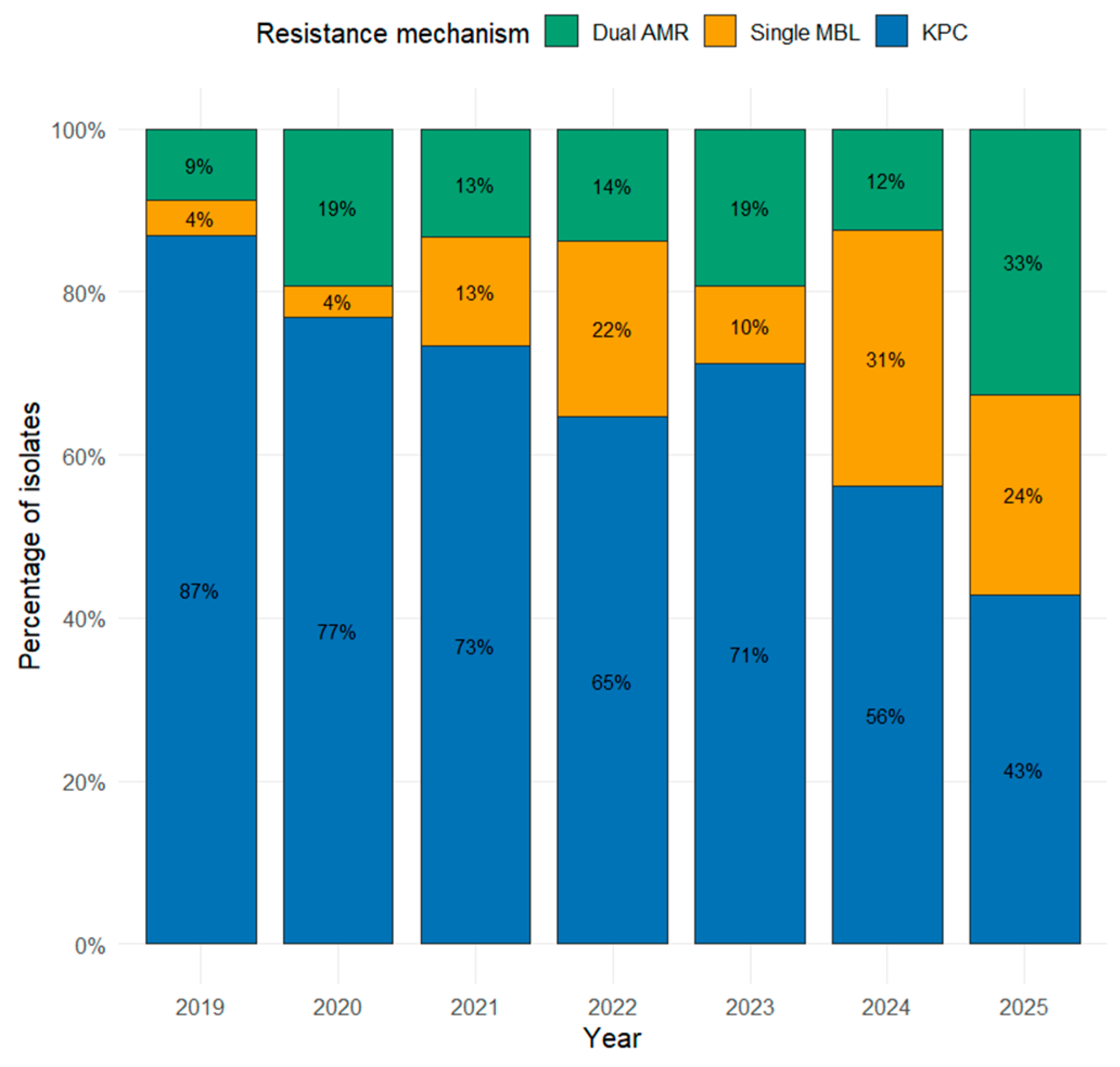
Figure 2.
Trend of overall CRKp incidence in (a) the entire hospital, (b) the medical sector, (c) the ICU, and (d) the surgical sector during the study period.
Figure 2.
Trend of overall CRKp incidence in (a) the entire hospital, (b) the medical sector, (c) the ICU, and (d) the surgical sector during the study period.
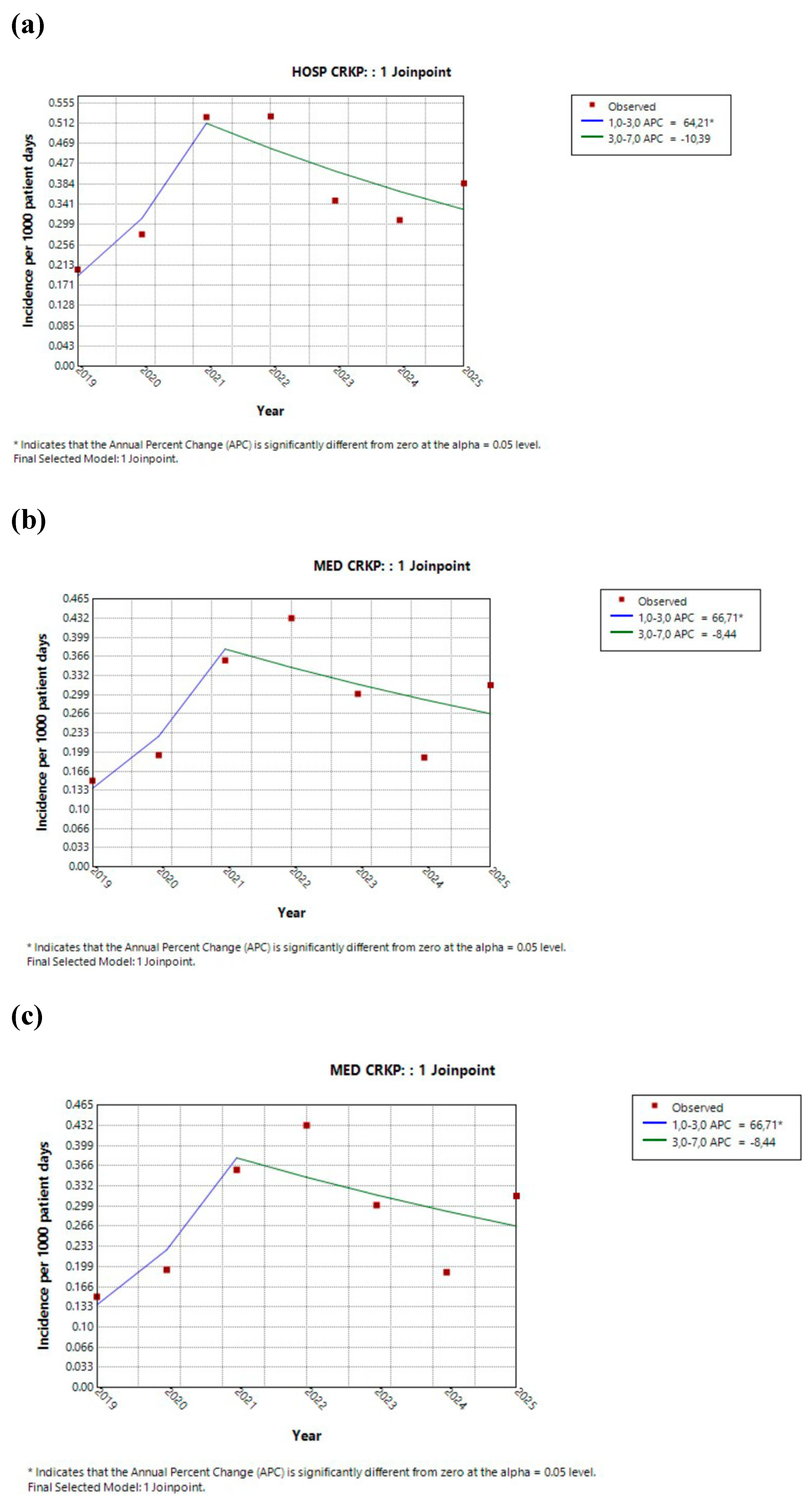
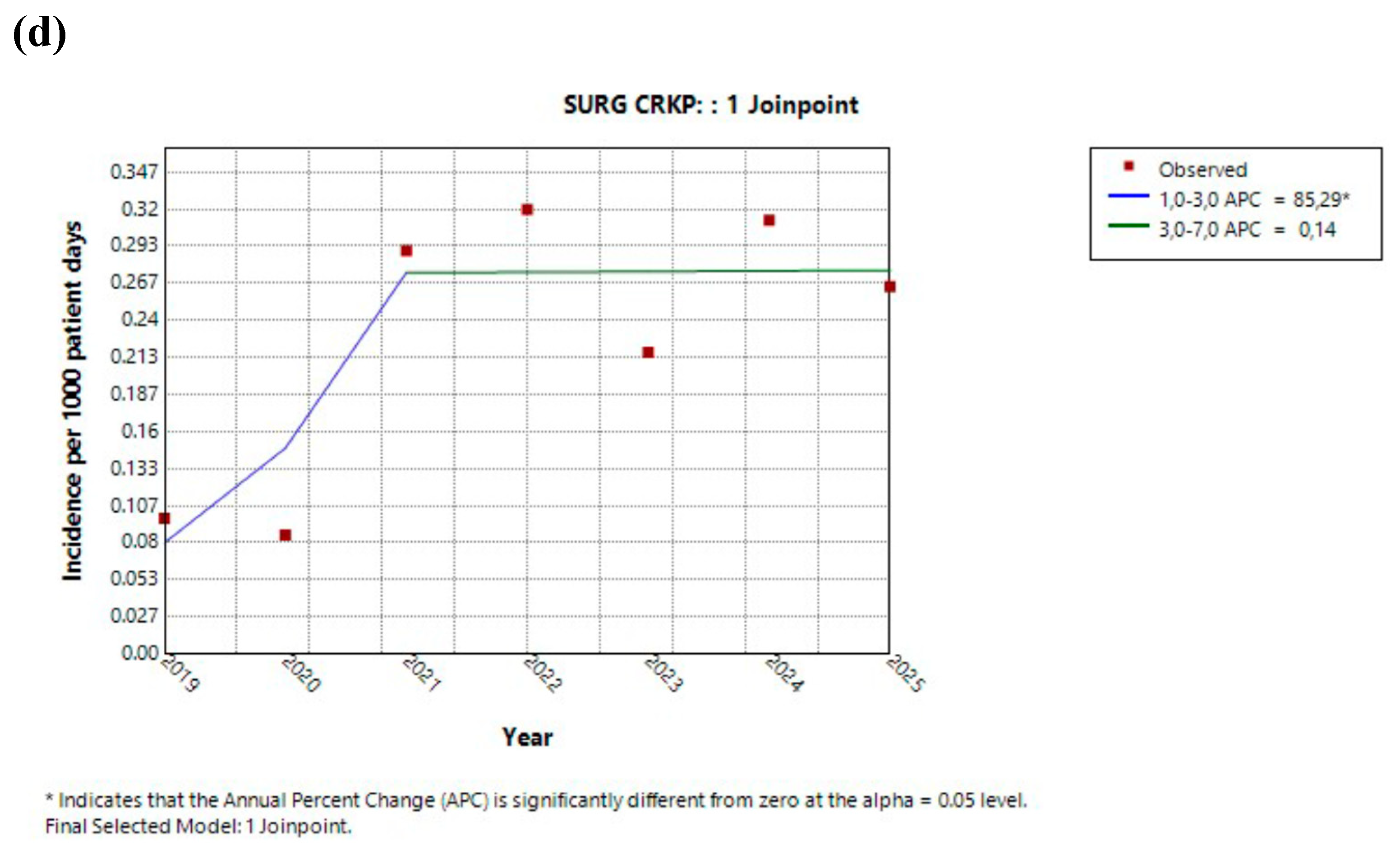
Figure 3.
Trend of the KPC phenotype in (a) the entire hospital, (b) the medical sector, (c) the surgical sector, and (d) the ICU during the study period.
Figure 3.
Trend of the KPC phenotype in (a) the entire hospital, (b) the medical sector, (c) the surgical sector, and (d) the ICU during the study period.
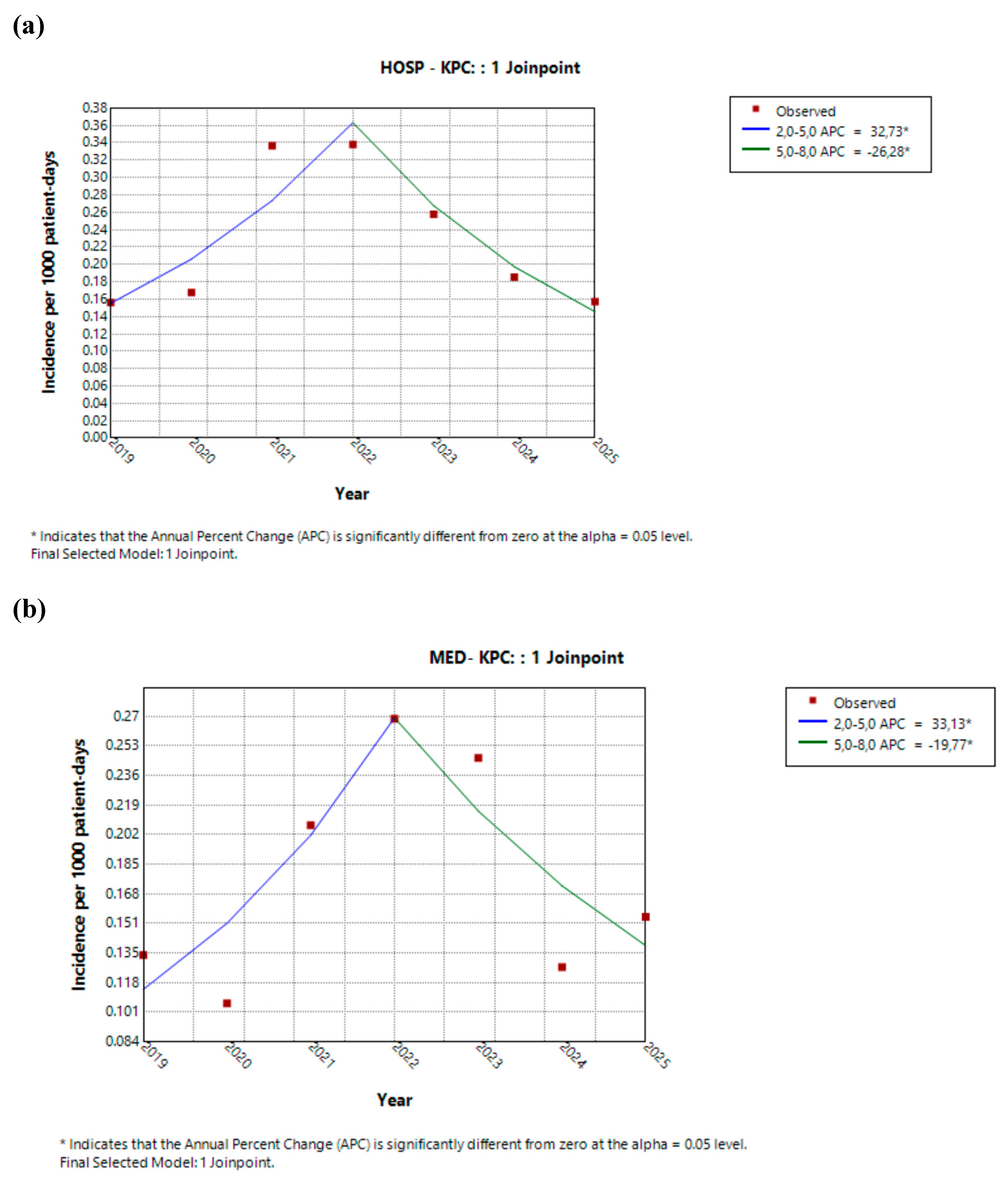
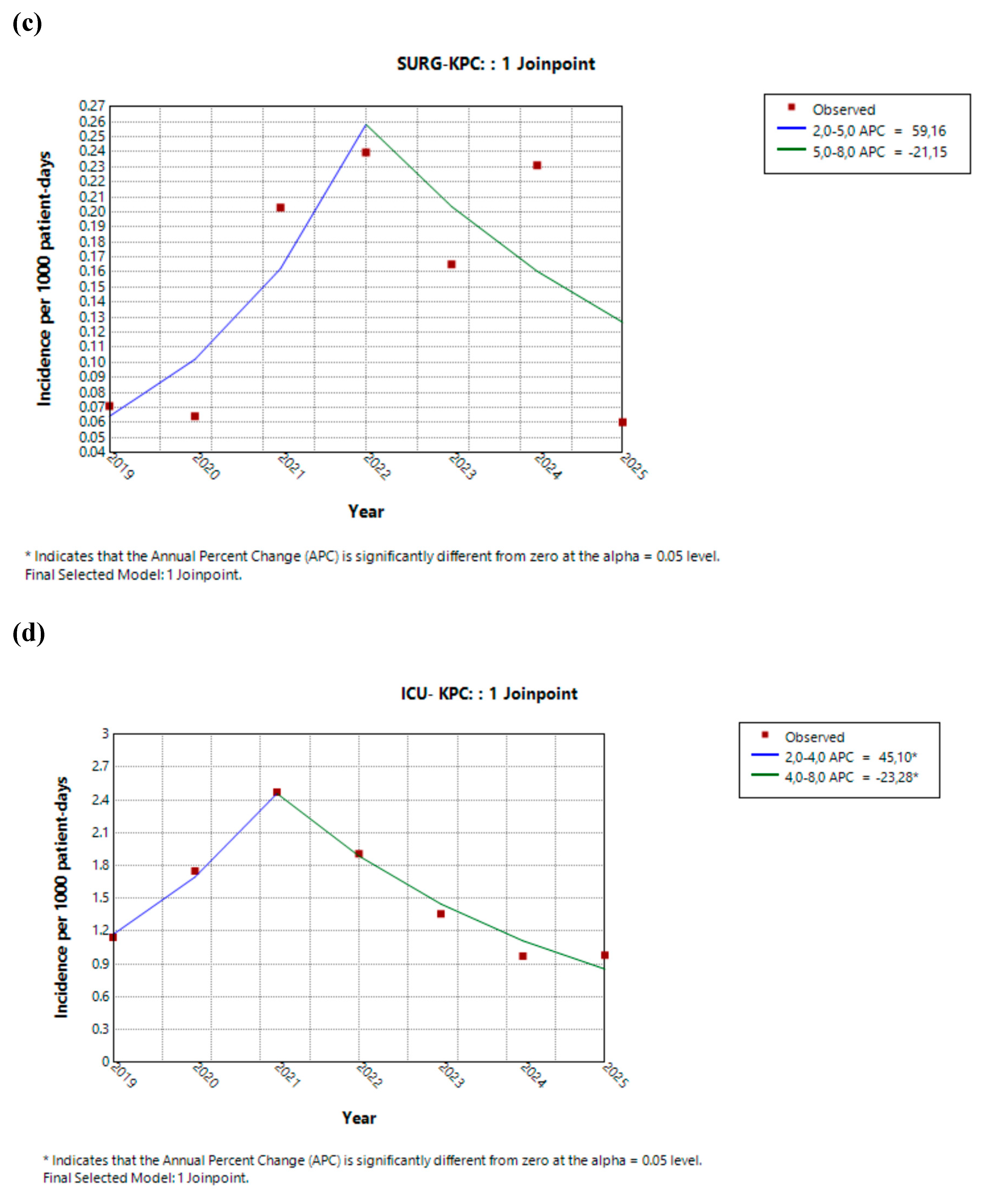
Figure 4.
Trends of dual carbapenemase-producing isolates in (a) the entire hospital, (b) the medical sector, (c) the ICU, and (d) the surgical sector during the study period.
Figure 4.
Trends of dual carbapenemase-producing isolates in (a) the entire hospital, (b) the medical sector, (c) the ICU, and (d) the surgical sector during the study period.
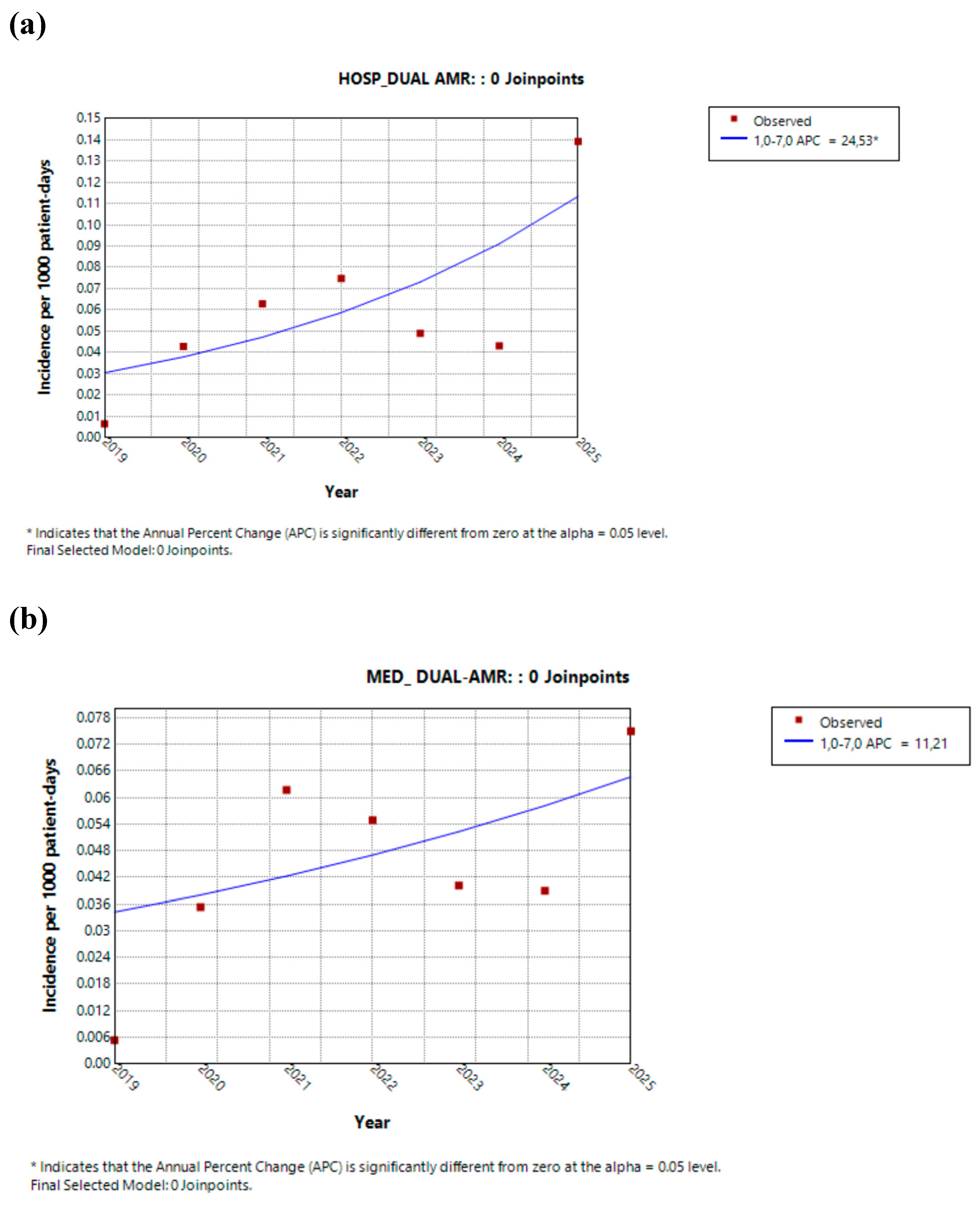
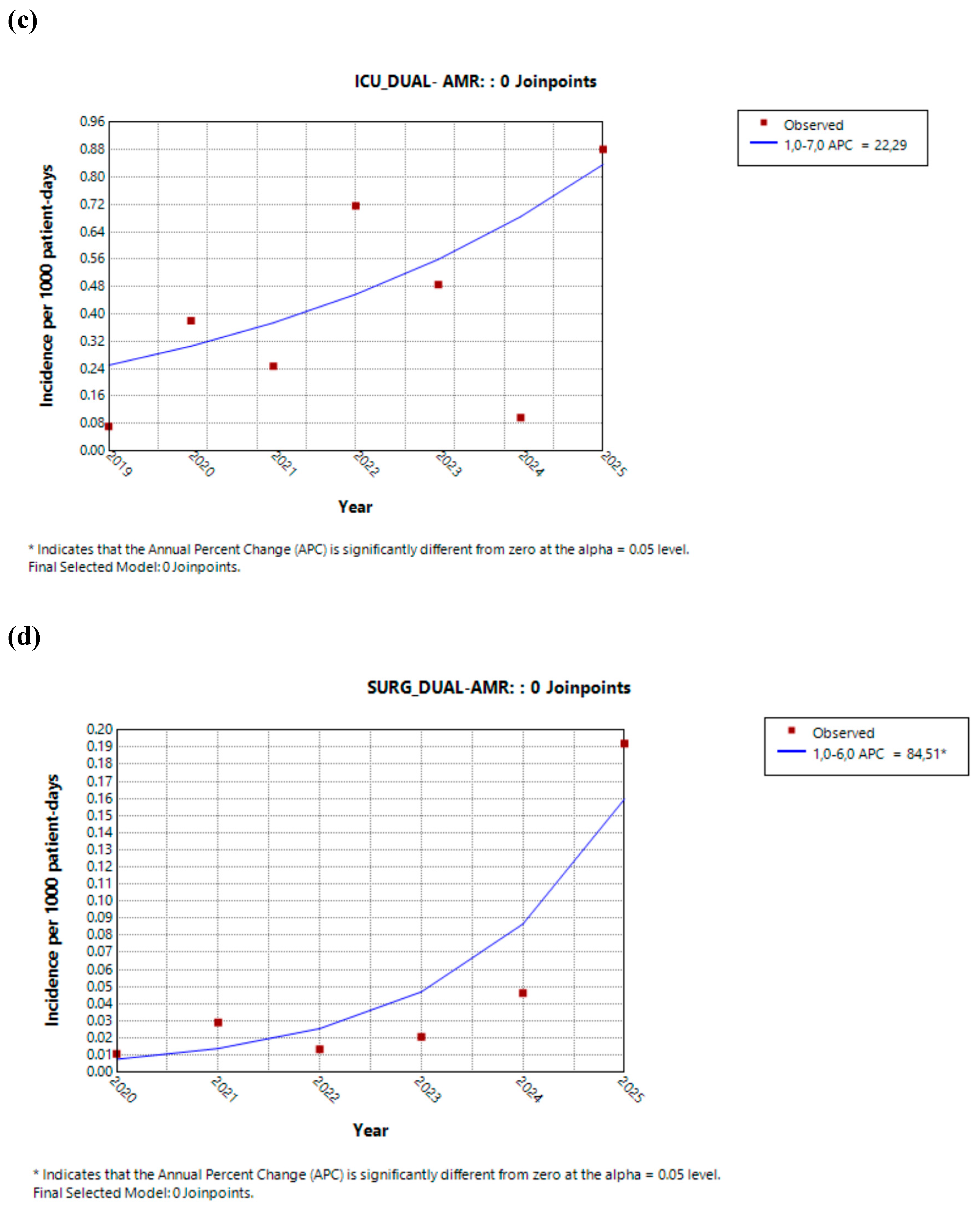
Figure 5.
Trends of the single-MBL phenotype in (a) the entire hospital, (b) the surgical sector, and (c) the ICU during the study period.
Figure 5.
Trends of the single-MBL phenotype in (a) the entire hospital, (b) the surgical sector, and (c) the ICU during the study period.
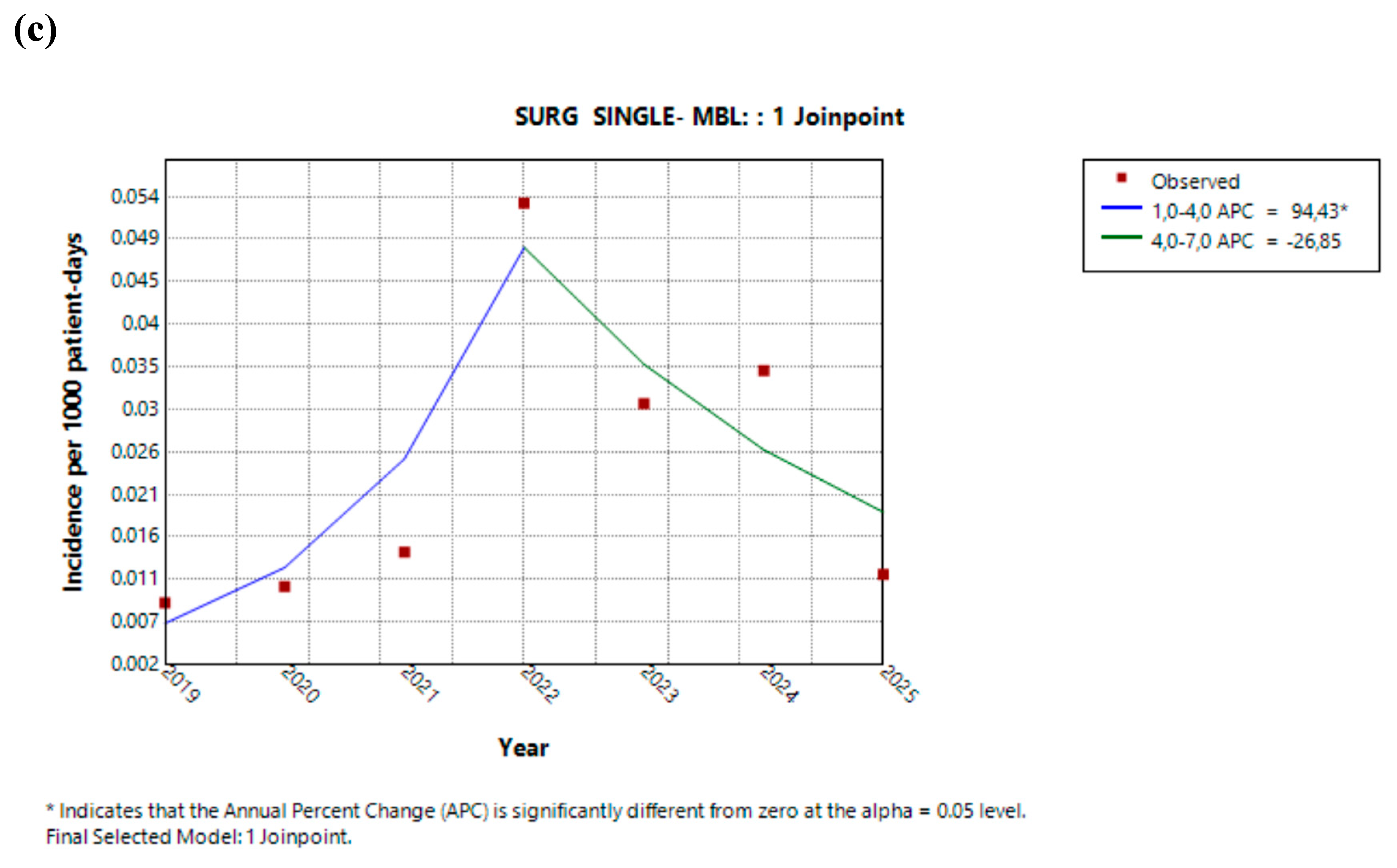
Figure 6.
Annual trends in CRKp resistance to (a) amikacin, (b) gentamicin, (c) tigecycline, and (d) colistin during the study period.
Figure 6.
Annual trends in CRKp resistance to (a) amikacin, (b) gentamicin, (c) tigecycline, and (d) colistin during the study period.
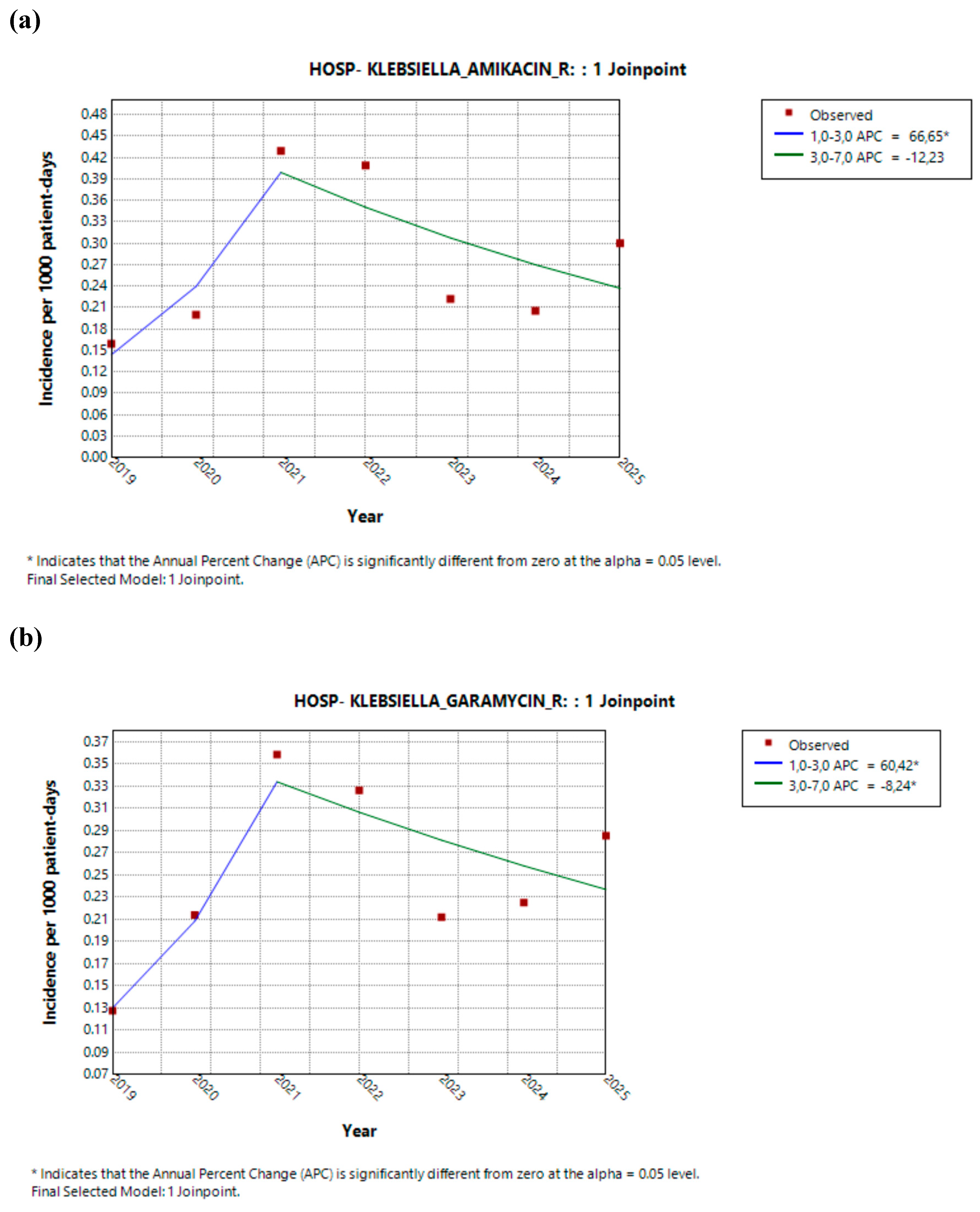
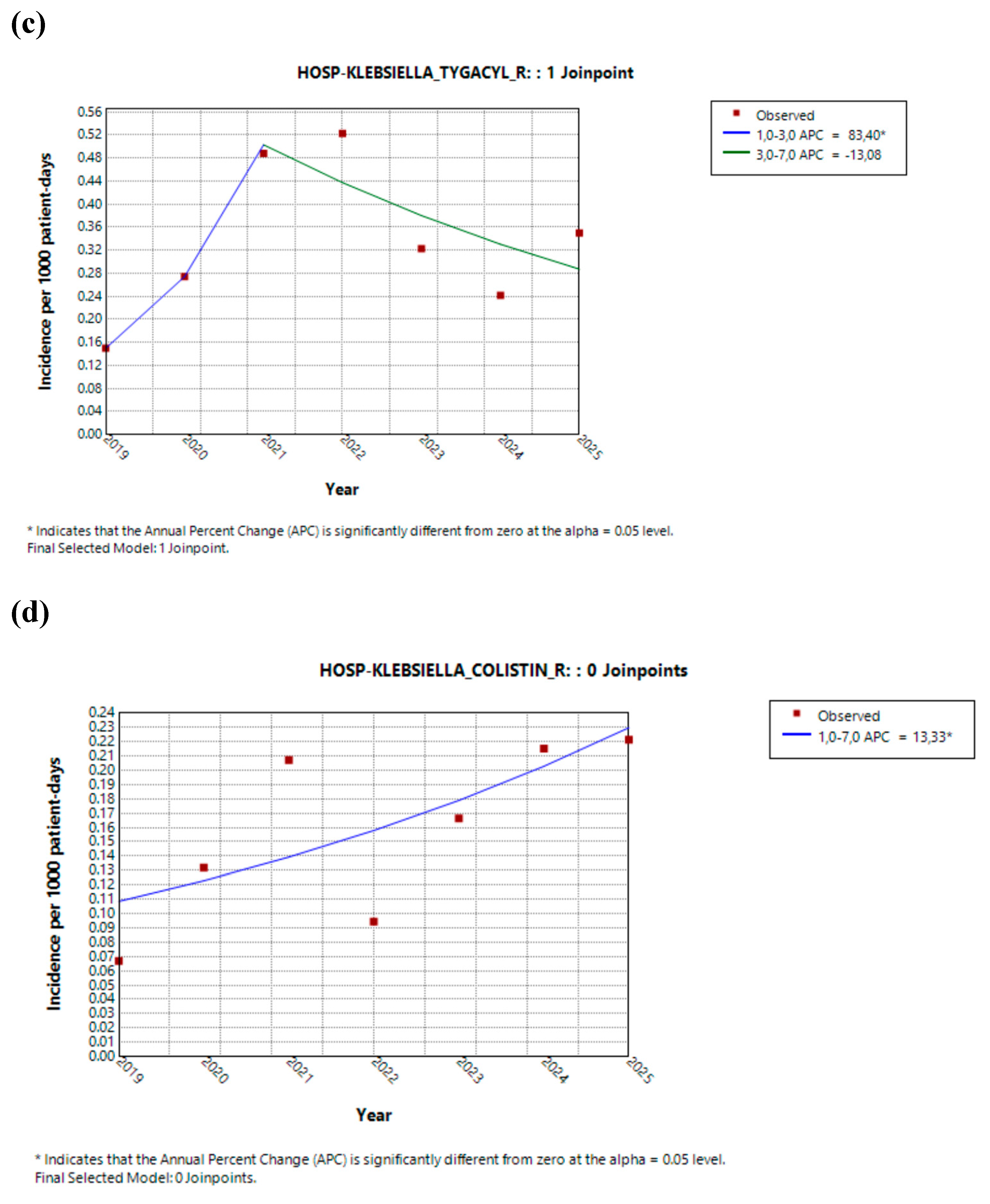
Figure 7.
Kaplan–Meier curve of 7-day cumulative mortality according to carbapenemase profile (KPC vs non-KPC infections).
Figure 7.
Kaplan–Meier curve of 7-day cumulative mortality according to carbapenemase profile (KPC vs non-KPC infections).
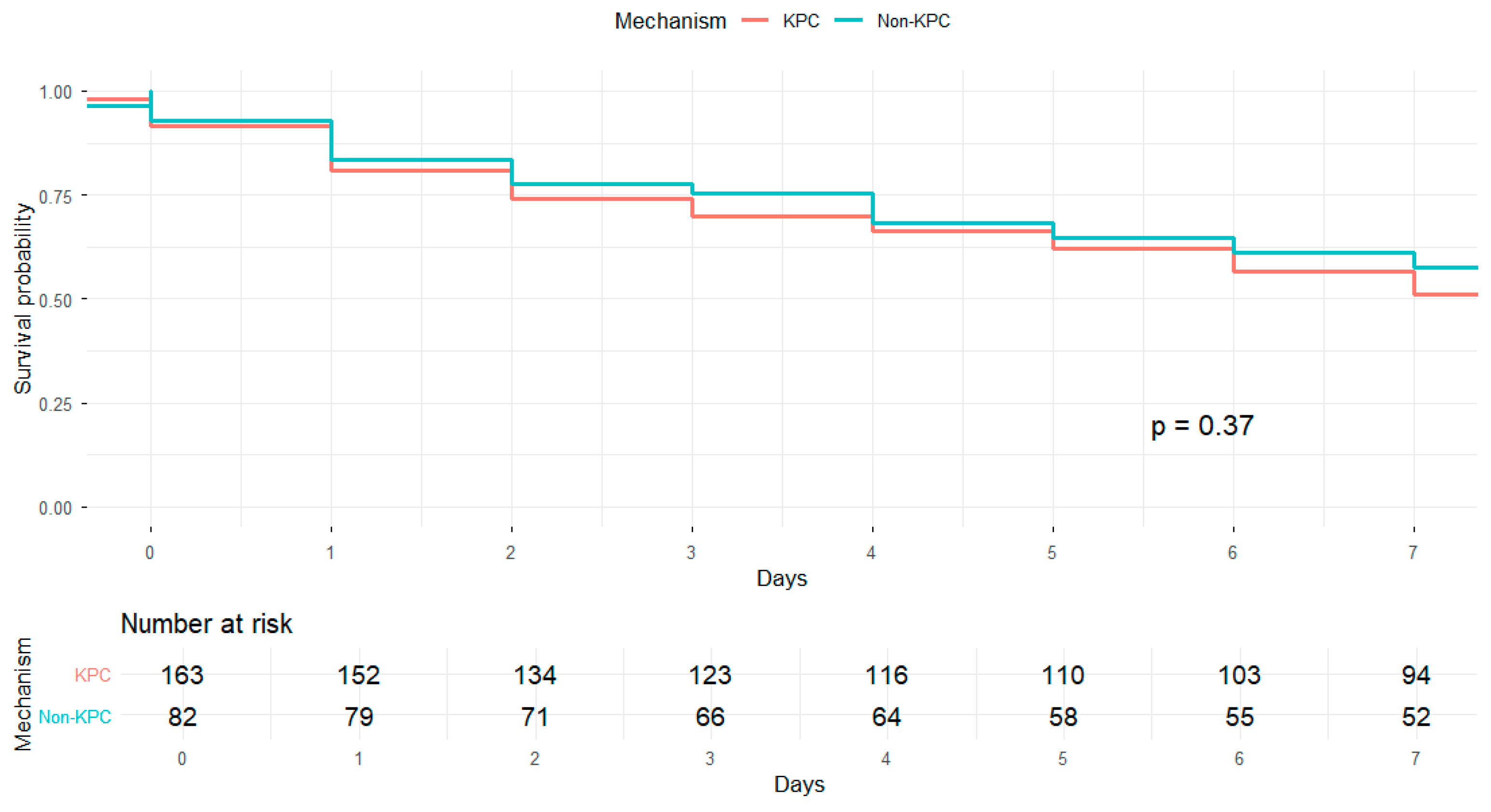
Figure 8.
Kaplan–Meier curve of 7-day cumulative mortality according to CRKp phenotype (KPC, dual carbapenemase-producing, and single-MBL infections).
Figure 8.
Kaplan–Meier curve of 7-day cumulative mortality according to CRKp phenotype (KPC, dual carbapenemase-producing, and single-MBL infections).
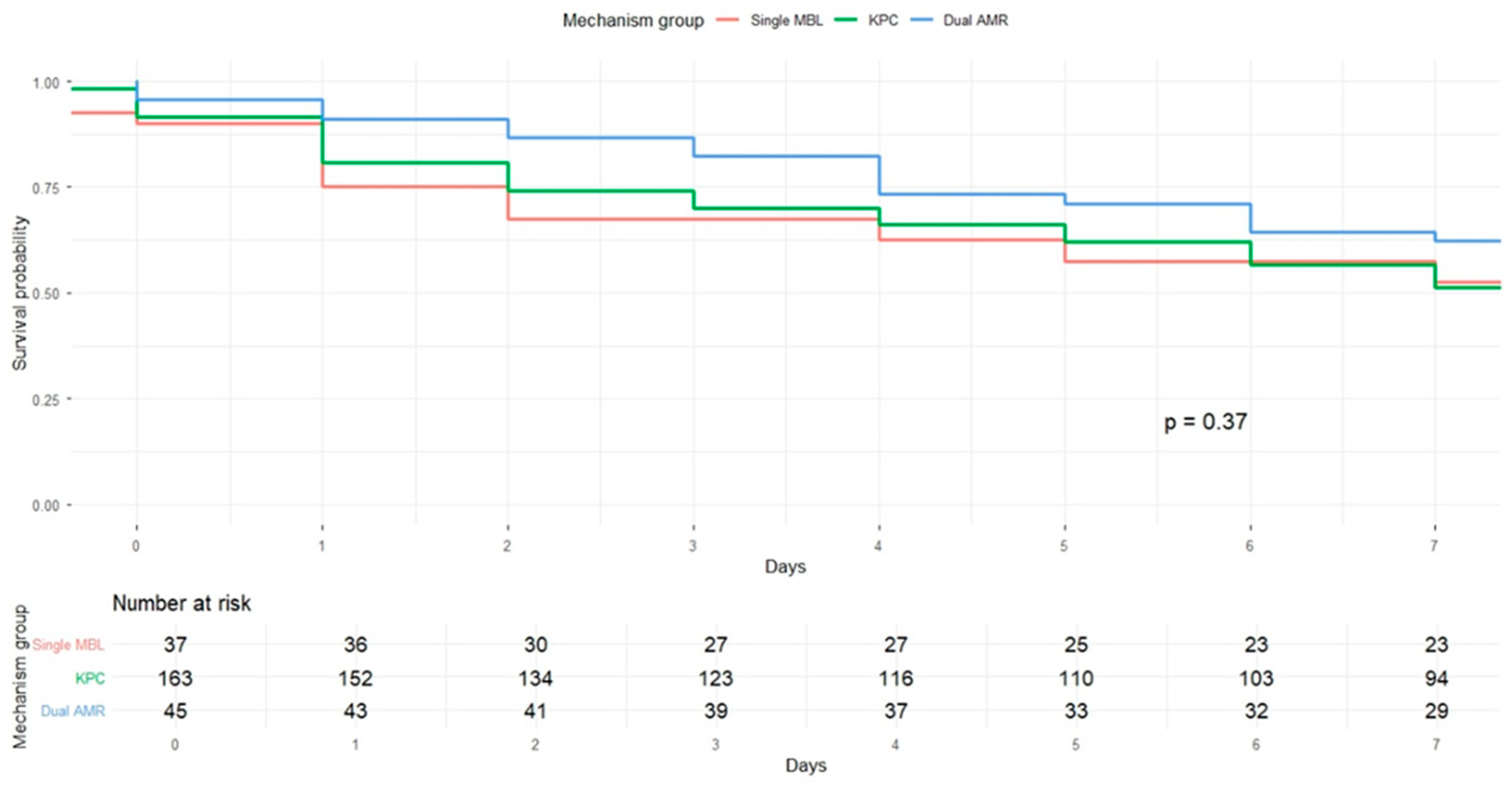

Table 1.
Proportional distribution of CRKp phenotypes identified during the study period.
| CRKp Phenotypes | Number of Isolates |
| KPC | 452 (67.4) |
| NDM | 92 (13.7) |
| KPC+VIM | 78 (11.6) |
| KPC+NDM | 22 (3.3) |
| NDM+OXA-48-like | 15 (2.2) |
| VIM | 10 (1.5) |
| NDM+VIM | 2 (0.3) |
Values in parentheses represent percentages. CRKp, carbapenem resistant Klebsiella pneumoniae.
Table 2.
Incidence trends of the overall CRKp, over the 7-year study period, estimated for the hospital and by sector. Time trends indicated by AAPCs, 95% CIs and p-values.
Table 2.
Incidence trends of the overall CRKp, over the 7-year study period, estimated for the hospital and by sector. Time trends indicated by AAPCs, 95% CIs and p-values.
| Domain | AAPC | lower CI | upper CI | p-value |
| Hospital | 9.6 | -5.2 | 28.8 | 0.15 |
| Medical | 11.8 | -3.5 | 33.5 | 0.12 |
| ICU | 4.1 | -1.1 | 9.84 | 0.012 |
| Surgical | 22.9* | 11 | 38.7 | < 0.001 |
*Indicates that the AAPC is significantly different from zero at the alpha = 0.05 level.
Table 3.
Incidence trends of KPC, over the 7-year study period, estimated by hospital sector. Time trends indicated by average annual percent changes (AAPCs), 95% confidence intervals (CIs) and p-values.
Table 3.
Incidence trends of KPC, over the 7-year study period, estimated by hospital sector. Time trends indicated by average annual percent changes (AAPCs), 95% confidence intervals (CIs) and p-values.
| Sector | AAPC | lower CI | upper CI | p-value |
| Medical | 3.35 | -8.3 | 17.5 | 0.57 |
| Surgical | 12.0 | -16.1 | 59.2 | 0.35 |
| ICU | -5.1* | -8.2 | -2.3 | < 0.001 |
*Indicates that the AAPC is significantly different from zero at the alpha=0.05 level.
Table 4.
Incidence trends of dual carbapenemase producers, over the 7-year study period, estimated by hospital sector, expressed as AAPCs with 95% CIs and p-values.
Table 4.
Incidence trends of dual carbapenemase producers, over the 7-year study period, estimated by hospital sector, expressed as AAPCs with 95% CIs and p-values.
| Sector | AAPC | lower CI | upper CI | p value |
| Medical | 11.2 | -11.9 | 47.9 | 0.25 |
| Surgical | 84.5* | 26.1 | 369.1 | 0.001 |
| ICU | 22.3 | -14.6 | 81.1 | 0.17 |
*Indicates that the AAPC is significantly different from zero at the alpha=0.05 level.
Table 5.
Incidence trends of single-MBL producers, over the 7-year study period, estimated by hospital sector, expressed as AAPCs with 95% CIs and p-values.
Table 5.
Incidence trends of single-MBL producers, over the 7-year study period, estimated by hospital sector, expressed as AAPCs with 95% CIs and p-values.
| Sector | AAPC | lower CI | upper CI | p-value |
| Medical | 16.3 | -17.5 | 79.5 | 0.29 |
| Surgical | 19.2 | -14.5 | 87.9 | 0.24 |
| ICU | 52.3* | 17.8 | 116.1 | < 0.001 |
*Indicates that the AAPC is significantly different from zero at the alpha=0.05 level.
Table 6.
Incidence trends of CRKp resistance to amikacin, gentamicin, tigecycline, and colistin over the 7-year study period, expressed as AAPCs with 95% CIs and p-values.
Table 6.
Incidence trends of CRKp resistance to amikacin, gentamicin, tigecycline, and colistin over the 7-year study period, expressed as AAPCs with 95% CIs and p-values.
| Antibiotic | AAPC | lower CI | upper CI | p-value |
| Amikacin | 8.7 | -8.0 | -30.5 | 0.27 |
| Gentamycin | 10.5* | 2.7 | 19.3 | 0.005 |
| Tigecycline | 11.5 | -8.9 | 39.8 | 0.20 |
| Colistin | 13.3* | 1.3 | 30.5 | 0.03 |
*Indicates that the AAPC is significantly different from zero at the alpha=0.05 level.
Table 7.
Resistance mechanisms and admitting ward in relation to 7-day mortality.
| Comparison | Group | Alive | Dead | Mortality | p-value |
| MBL-harbouring | KPC | 243 | 185 | 43.2% | |
| Non-KPC | 116 | 122 | 51.3% | 0.05 | |
| CRKp phenotype | KPC | 243 | 185 | 43.2% | |
| Dual Carbapenemase | 63 | 63 | 50.0% | ||
| Single-MBL | 53 | 59 | 52.7% | 0.12 | |
| Sector | Medical | 178 | 172 | 49.1% | |
| Surgical | 82 | 40 | 32.8% | ||
| ICU | 120 | 126 | 51.2% | 0.003 | |
Table 8.
Number of patients at risk to die over time.
| Group (patients survived till that day) | Day 0 | Day 5 | Day 10 | Day 15 | Day 20 | Day 25 | Day 30 |
| KPC | 163 | 110 | 72 | 62 | 54 | 41 | 30 |
| Dual | 45 | 33 | 27 | 25 | 21 | 15 | 12 |
| Single MBL | 37 | 25 | 19 | 15 | 12 | 7 | 6 |
Disclaimer/Publisher’s Note: The statements, opinions and data contained in all publications are solely those of the individual author(s) and contributor(s) and not of MDPI and/or the editor(s). MDPI and/or the editor(s) disclaim responsibility for any injury to people or property resulting from any ideas, methods, instructions or products referred to in the content. |
© 2026 by the authors. Licensee MDPI, Basel, Switzerland. This article is an open access article distributed under the terms and conditions of the Creative Commons Attribution (CC BY) license (http://creativecommons.org/licenses/by/4.0/).
Copyright: This open access article is published under a Creative Commons CC BY 4.0 license, which permit the free download, distribution, and reuse, provided that the author and preprint are cited in any reuse.


