

Submitted:
30 March 2026
Posted:
31 March 2026
You are already at the latest version
Abstract
Fungal infections remain a major global health challenge, especially when they are long-lasting and resistant to treatment. Previous findings suggested that very dilute, low-dose food-grade hydrogen peroxide (FGHP) at 0.5% and 1% concentrations could be both effective and safe in treating chronic fungal nail infections, even in cases lasting over two decades. These earlier outcomes indicated that hydrogen peroxide might help eliminate fungi and promote nail regeneration. In this study, researchers examined a 45-year-old woman with severe, treatment-resistant fungal infections affecting her palms, soles (with ulcerations), and multiple finger and toenails. Her condition had not improved despite treatment at three hospitals in Accra, Ghana. After informed consent, she was treated with FGHP: 40 ml of 0.5% solution three times daily for one month, followed by 1% for another month, then back to 0.5% for a third month. This three-month cycle was repeated three times over nine months, with one-month breaks between cycles. After sixteen months, her condition improved significantly. The ulcers healed completely, infections cleared from her palms and soles, and most nails regenerated. No adverse effects were reported, suggesting FGHP was both effective and safe. Studies are needed to establish the pharmacokinetics and appropriate dose of FGHP.
Keywords:
Tinea pedis
; Tinea manuum
; Tinea unguium
; onychomycosis
; food-grade hydrogen peroxide
; FGHP therapy
; antimycotics
; Fenton reaction
Introduction
Treatment of fungal infections continues to pose a challenge [1,2,3], as the microorganisms involved preferentially locate in oxygen-poor areas of the body such as thick skin and nails [2], where they become cocooned as chronic pathogen colonies [4]. This location makes it difficult for antimycotic agents and other adjunct treatment modules to reach the fungi to inactivate them. It is for that reason standard antimycotic therapies are often administered over long periods of time and with results that are not always satisfactory. Associated with the chronicity of disease is toxicity of the medications [4]. Additional to that is genetic modification of the fungi to escape therapeutic effects, advancing the development of fungi resistance to the conventional drugs [5]. Recurrence of infection too is a major concern [6]. Treatment options for fungal infections, so far, have included oral medications, topical agents, a combination of oral and topical antifungal treatment [5] and, especially in severe cases, laser, surgical, and radiation interventions [6,7,8,9].
In two recent proof of principle efficacy case studies involving an 80-year-old female with 25-year history of onychomycosis of all finger nails, and a 71-year-old female with 52-year history also of onychomycosis of all finger and toe nails, low concentrations of oral FGHP (0.5% solution alternating with 1.0%) were administered. Within three months, all the dystrophic nails which had not responded to conventional antimycotics after more than 10 years of therapy, dislodged [10,11]. After 18 months, the patient with 25-year history of the disease did not show any further improvement, likely due to permanent damage of the nail germinal centers by the fungi [10]. In the 52-year onychomycosis patient, however, regeneration of both finger and toe nails occurred [11]. Of interest too in these two case studies was the absence of significant adverse clinical effects.
Whilst studying these two patients, a third patient with a severer form of fungal infection which was also spreading rapidly and who had been seen and managed at three different hospitals without relief, offered to try the low-dose FGHP after the benefits and side effects had been explained to her and her husband.
Materials, Methods and Procedures
In July 2024, the husband of a 45-year-old woman approached the hydrogen peroxide study team for help for his wife who had very severe and debilitating fungal infections involving the sole of both feet (Tinea pedis), the palm of both hands (Tinea manuum) and the toe and finger nails (Tinea unguium) over a period of one year. According to the husband, the disease was spreading fast, but had not involved other parts of the body. The wife had been seen, diagnosed, and treated over a period of nine months without relief for fungal infection at three different hospitals in Accra, including a dermatology hospital where a differential diagnosis of “palmo-plantar psoriasis” was also made. As a matter of fact, her condition worsened rapidly, with ulcerations of the sole of both feet, the disease spreading into both palms also. Her medications had included itraconazole, 200 mg daily for seven days at different times, and daktarin cream for external dressing of the ulcerated Tinea pedis: A month before she was seen by the peroxide team, she had been treated with cotrimoxazole for a Pseudomonas aeruginosa secondary infection, a record the husband kept on his phone. The patient was not obese and did not have history of diabetes, fungal infection in the family, or of herbal treatment: No evidence of oral thrush was presented.
When we saw her in July 2024, the Ulcers had spread in both soles (Figure 1). The patient could hardly walk on account of severe pain from the ulcers. The toes and toenails of both feet were also affected (Figure 2). At that time, the fungal infection had also spread rapidly to involve the palms of both hands (Figure 3) and some finger nails (Figure 4).
Although we were troubled by what we saw, we proceeded to prescribe the FGHP therapy with the consent of the patient and her husband. We made that decision also because we had noticed remarkable improvement in the two patients with 25 and 52-year history of onychomycosis who were still on FGHP at the time, as referred to above [10,11]. Oral medication of 40 ml of 0.5% FGHP three times daily on an empty stomach each time for one month was initiated, followed by 40 ml of 1% solution of FGHP thrice daily for the second month, and 40 ml of 0.5% concentration thrice daily for the third month. Her last anti-fungal treatment with itraconazole and antibiotic treatment for the secondary pseudomonas infection in June ended before starting the FGHP therapy.
After an interval of one month, a second course of FGHP therapy was administered, followed by a third course, the total period of FGHP administration being nine months. Additionally, 3% off-the-counter HP solution was prescribed for external dressing of the infected and necrotic ulcers. Follow up on progress of the patient was done by phone through the husband.
Results
According to the husband, the general health and the state of the fungal infections of the wife improved gradually within the period of the first and second courses of FGHP therapy. By the end of the second course, the ulcers had almost healed and the condition in the palms had also improved significantly. After the third course, nearly a year after initiating the FGHP therapy, he informed us that the wife had almost fully recovered.
When the patient was reviewed on 15th November 2025, the soles of both feet had healed completely (Figure 5), as well as the affected toe nails (Figure 6).
The extensive tinea infections in both palms and fingers had also healed, with evidence of nail re-growths and restoration of palmar creases (Figure 7 and Figure 8).
The patient had no significant adverse effects, except nausea at the beginning of the therapy. Laboratory investigations conducted on December 11th 2025 revealed no deleterious systemic changes; Hb was 11.2g dL and, except for a rise in serum globulin, other hematological and serum profiles such as the full blood count, blood urea and electrolytes, serum creatinine, ionized calcium, and liver function tests were all within or close enough to normal ranges (Table 1 and Table 2). Unfortunately, we could not access the earlier clinical records of the patient to compare with the results of these laboratory investigations.
Discussion
Hydrogen Peroxide Use and Efficacy
In two previous reports published in the Orthomolecular Medicine News Service (OMNS), attention was drawn to therapeutic effects of orally-administered low-dose food-grade hydrogen peroxide (FGHP) in chronic onychomycosis [10,11]. In the first patient with a 25-year history of the disease, all 10 finger nails involved were shed within three months of therapy but no new nails appeared. In the second patient with 52-year history of the disease affecting all finger and toe nails, new nails appeared replacing the shed ones. The results of the current study provide further evidence suggesting efficacy of low-dose FGHP monotherapy in treating fungal infections of nails, leading even to their regeneration. Topical over-the-counter HP (3%) also helped treat the secondarily infected necrotic ulcers on the soles of the feet. Besides these, we also noted that infected nails of the toes and fingers regenerated.
The therapeutic effects of FGHP should, however, be considered against the several reports of gastrointestinal and systemic toxicity after ingesting concentrated solutions of it [12,13,14]. The dilute concentrations used in this case differ substantially, however. Nonetheless, the systemic pharmacokinetics and safety profile of orally administered dilute hydrogen peroxide remain insufficiently characterized. Controlled studies are, therefore, required before broader clinical consideration.
Although we have not conducted any such studies to determine the pharmacokinetics of orally administered FGHP and we are also not privy to such information in the literature we can refer to, the results obtained following orally administered FGHP in the dose prescribed in this study suggest it has clinical benefits with very low risks. With a molecular mass of 34.016 amu (atomic mass units) [15], and from the observed therapeutic outcomes, it is possible that orally administered diluted FGHP may have been absorbed from the gastrointestinal tract, circulated to all parts of the body through the cardiovascular system, and reached the thick skin and finger and toe nails where fungi prefer to locate. We hypothesize that this physical property which increases the permeability of HP enables it to penetrate infected cells (like endogenous HP does) to cause apoptosis, inactivating the pathogens by oxidative stress [16]. Based on these properties of HP, we postulate that orally administered exogenous HP acts in the following ways to resolve fungal disease: -
- complementing endogenous HP produced by leucocytes to improve mucosal immune response against pathogens including entrenched fungi;
- enhancing tissue oxygenation and redox signaling to promote angiogenesis, fibroblast activation, epithelial regeneration resulting in healing of the necrotic lesions produced by pathogens including fungi;
- overcoming the genetically developed antimycotic resistance of fungi; and
We further surmise that HP contributed in some ways to regulate the internal milieu to improve the immune system to promote healing, additional to eliminating the fungi pathogens in the patient. That thesis of immune response is supported by the fact that fungal infections present special challenges to the host immune system, such as inflammation, T cell and B cell activation, immune regulation, immune modulation and immunosuppression to prolong illness [20,21].
Compared with the hydrogen peroxide therapy, the conventional antifungal treatment the patient received for a period of at least nine months was ineffective. The reasons for that might include inability of these agents to easily reach the fungi where they are located, possible differences in fungal species susceptibility to fungicides, development of fungi resistance to these conventional antimycotics, and a depressed immunity. From the present observations, we wish to suggest and postulate that low-dose FGHP resolves these possible challenges of antimycotic agents, restoring the health of the patient to near normal.
Biological Context and Proposed Mechanisms
The mechanisms by which hydrogen peroxide (HP) works to eliminate pathogens is important to note. This naturally occurring chemical is produced by immune cells of the body to fight infections [22,23,24]. The concentration of endogenous HP produced is enhanced by high vitamin C intake [25]. HP targets pathogens including bacteria, fungi, and viruses, as well as cancer cells, all of which are rich in iron [26]. Released electron from ferrous iron combines with hydrogen peroxide to form a powerful hydroxyl radical which acts as an oxidant to destroy pathogens and cancer cells [27,28,29]. From our observations of resolution of fungal diseases with limited risks, we might also speculate that HP targets pathogens and defective or abnormal cells and not normal cells which have lower concentrations of iron and which are well endowed with catalase, peroxidase, and other enzymes to mop up hydroxyl radicals, protecting them from oxidative stress produced by the hydroxyl radical, as noted also by others [30,31,32]. Normal cells also benefit from the by-products of the Fenton reaction which are water and oxygen [33].
Future studies should aim at addressing the limitations in this study and especially the lack of knowledge of the pharmacokinetics of orally administered FGHP to determine its therapeutic dosage and safety profiles.
Finally, observational case-control studies are needed to provide firm evidence for the effectiveness and safety of low-dose orally administered FGHP
Conclusion
The results of this study suggest that orally administered-low-dose-FGHP is both effective and safe for the management of difficult-to-treat fungal infections of hands and feet. Pharmacokinetic and other related clinical studies are needed to determine the appropriate oral dose of FGHP and to assess its safety profile better.
Author Contributions
Conceptualization: ASA; Methodology: ASA, AGA, HA, HA, MA, ET, RAB, IQ, RC; Investigation: ASA; Resources: ASA, AGA; Data Curation: ASA, AGA, HA, HA, MA, ET, RAB, IQ; Writing—Original Draft Preparation: ASA, AGA; Writing—Review and Editing: ASA, AGA, HA, HA, MA, ET, RAB, IQ, RC. All authors have read and agreed to the published version of the manuscript.
Funding
This research received no external funding.
Informed Consent Statement
Informed consent was obtained from the patient involved in the study.
Data Availability Statement
The source of food-grade hydrogen peroxide was from www.wellnesshoproducts.com in the USA. One percent (1%) and 0.5% concentrations of food-grade hydrogen peroxide were prepared from a 35% stock solution of the chemical by ASA.
Acknowledgements
We thank Dr. Joseph D. Awotwi, Mr. Reindorf Perbi, and Dr. Joseph Canacoo for supplying the FGHP. We also thank Mr Kelvin Effah-Adjei of the Medical Illustration Unit of the College of Health Sciences, University of Ghana and Mr. Kow Nyan Brew for taking and aligning the clinical pictures in the text.
Conflicts of Interest
The authors declare no conflicts of interest.
Ethical consideration
The study conformed to the Helsinki Declaration on Human Experimentation updated, 2013, and updated, 2024.
Consent to publish
Informed consent has been obtained from the patient to publish this paper.
Abbreviations
The following abbreviations were used in the manuscript:
| FGHP | Food-grade hydrogen peroxide |
| HP | Hydrogen peroxide |
| OMNS | Orthomolecular Medicine News Service |
| USA | United States of America |
| ASA | Andrews Seth Ayettey |
| AGA | Albert George Amoah |
| HA | Hannah Ayettey |
| HA | Hector Addo |
| MA | Mary Ayettey-Adamafio |
| ET | Emmanuel Tagoe, |
| RAB | Ruth Ayettey Brew |
| IQ | Isabella Quakyi |
| RC | Richard Cheng |
References
- Fisher, MC.; Alastruey-Izquierdo, A.; Berman, J.; Bicanic, T.; Bignell, EM.; Bowyer, P.; et al. Tackling the emerging threat of antifungal resistance to human health. Nat Rev Microbiol 2022, 20, 557–571. [Google Scholar] [CrossRef] [PubMed]
- Deng, R.; Wang, X.; Li, R. Dermatophyte infection: from fungal pathogenicity to host immune responses. Front Immunol 2023, 14, 1285887. [Google Scholar] [CrossRef]
- Grahl, N.; Shepardson, KM.; Chung, D.; Cramer, RA. Hypoxia and fungal pathogenesis: to air or not to air? Eukaryot Cell 2012, 11, 560–570. [Google Scholar] [CrossRef]
- Markantonatou, AM.; Sgouros, K.; Tziros-Athanasiou, V. Dermatophytic biofilms: characteristics, significance and treatment approaches. J Fungi (Basel) 2023, 9, 214. [Google Scholar] [CrossRef]
- Moraes, DC.; Ferreira-Pereira, A. Multidrug-resistant fungi: challenges and perspectives. Pathogens 2024, 13, 45–52. [Google Scholar]
- Ibrahim, E.; Mowla, R.; Faroque, ASMO.; Shahrin, S.; Kulsum, U. Assessment of factors related to treatment failure and recurrence of superficial dermatophytosis. Mycoses 2024, 67, 1371–1377. [Google Scholar] [CrossRef]
- Meretsky, CR.; Friday, BL.; Schiuma, AT. Efficacy of laser therapy in comparison with other methods for the treatment of onychomycosis: a systematic review and meta-analysis. Lasers Med Sci 2024, 39, 1–15. [Google Scholar] [CrossRef]
- Otaif, AA.; Najmi, AA.; Shajry, IM.; Jahlan, RA. Surgical intervention outcome for patients with acute vision loss due to allergic fungal rhinosinusitis: a systematic review and meta-analysis. Int Forum Allergy Rhinol 2024, 14, 215–224. [Google Scholar] [CrossRef]
- Barik, SK.; Muraleedharan, A.; Badajena, A. Radiotherapy for refractory eumycetoma: another weapon in the antifungal armoury? Epidemiol Infect 2024, 152, 64. [Google Scholar]
- Ayettey-Adamafio, M.; Ayettey, H.; Addo, H.; Ayettey Brew, R.; Tagoe, EA.; Hayfron-Benjamin, C.; Amoah, A.; Ayettey, S. Erasing 25 years of Nail fungus with Low-Dose Hydrogen Peroxide: A Case Study. Orthomolecular journal 2025. [Google Scholar]
- Ayettey, H.; Ayettey-Adamafio, M.; Hayfron-Benjamin, C.; Tagoe, E. A.; Addo, H.; Ayettey Brew, R.; Quakyi, I.; Amoah, A.; Ayettey, S. Further Evidence of Hydrogen Peroxide Treatment of Chronic Onychomycosis: A Case report. Orthomolecular journal 2025. [Google Scholar]
- Arockiasamy, A.; Sureshkumar, S.; Thulasiraman, V.; Anandhi, G.; Kate, V. Hydrogen peroxide poisoning presenting as cerebral air gas embolism. BMJ Case Rep 2026, 19, e261916. [Google Scholar] [CrossRef]
- Kumar, N.; Kumar, A.; Kumar, S. Accidental hydrogen peroxide ingestion: consequences and their management. Eurasian J Emerg Med 2024, 28, 81–83. [Google Scholar] [CrossRef]
- Vallélian, M.; Juillerat, A.; Sunic, M.; Schneider, C.; Boet, S. Two cases of highly concentrated hydrogen peroxide poisoning with portal venous gas treated using hyperbaric oxygen therapy. BMJ Case Rep 2025, 18, e261916. [Google Scholar] [CrossRef] [PubMed]
- Dou, S.; Dai, L. Fenton reaction centered on graphene oxide. Commun Chem 2022, 89. [Google Scholar]
- Winterbourn, CC. Toxicity of iron and hydrogen peroxide: the Fenton reaction. Toxicol Lett 1995, 82–83, 969–974. [Google Scholar] [CrossRef] [PubMed]
- Wittmann, C.; Chockley, P.; Singh, SK.; Pase, L.; Lieschke, GJ.; Grabher, C. Hydrogen Peroxide in Inflammation : Messenger, Guide, and Assassin. Adv Hematol 2012, 2012, 541471. [Google Scholar] [CrossRef]
- Sanchez, MC.; Lancel, S.; Boulanger, E.; Neviere, R. Targeting Oxidative Stress and Mitochondrial Dysfunction in the Treatment of Impaired Wound Healing : A Systematic Review. Antioxidants 2018, 7, 98. [Google Scholar] [CrossRef] [PubMed]
- Cobrado, L.; Ricardo, E.; Ramalho, P.; Fernandes, AR.; Rodrigues, AG. Does repeated exposure to hydrogen peroxide induce Candida auris resistance ? Antimicrob Resist Infect Contro 2023, 12, 92–97. [Google Scholar] [CrossRef]
- Verma, A.; Wüthrich, M.; Deepe, G.; Klein, B. Adaptive immunity to fungi. Cold Spring Harb Perspect Med 2015, 5, a019612. [Google Scholar] [CrossRef]
- LeibundGut-Landmann, S.; Wüthrich, M.; Hohl, TM. Immunity to fungi. Curr Opin Immunol 2012, 24, 449–458. [Google Scholar] [CrossRef]
- Root, RK.; Metcalf, JA. H2O2 release from human granulocytes during phagocytosis. J Clin Invest 1977, 60, 1266–1279. [Google Scholar] [CrossRef]
- Skaar, EP. The battle for iron between bacterial pathogens and their vertebrate hosts. PLoS Pathog 2010, 6, e1000949. [Google Scholar] [CrossRef] [PubMed]
- Schaible, UE.; Kaufmann, SHE. Iron and microbial infection. Nat Rev Microbiol 2004, 2, 946–953. [Google Scholar] [CrossRef] [PubMed]
- Cheng, RZ. High-dose vitamin C: from critical care to cancer and cardiovascular health. Orthomolecular Medicine News Service. 2025. [Google Scholar]
- Guo, Q.; Li, L.; Hou, S.; Yuan, Z.; Li, C.; Zhang, W.; et al. The role of iron in cancer progression. Front Oncol 2021, 11, 778492. [Google Scholar] [CrossRef]
- Sun, J.; Tang, Q.; Yu, S.; Xie, M.; Xie, Y.; Chen, G.; et al. Role of the oral microbiota in cancer evolution and progression. Cancer Med 2020, 9, 6306–6321. [Google Scholar] [CrossRef]
- Ou, R.; Aodeng, G.; Ai, J. Advancements in the application of the Fenton reaction in the cancer microenvironment. Pharmaceutics 2023, 15, 821. [Google Scholar] [CrossRef]
- Piotrowski, I.; Kulcenty, K.; Suchorska, W. Interplay between inflammation and cancer. Rep Pract Oncol Radiother 2020, 25, 422–427. [Google Scholar] [CrossRef]
- Sen, A.; Imlay, JA. How microbes defend themselves from incoming hydrogen peroxide. Annu Rev Microbiol 2021, 75, 439–460. [Google Scholar] [CrossRef]
- Dong, P.; Jiang, J.; Zhang, X.; Zhao, L.; Li, J.; Shi, L.; et al. Photoinactivation of catalase sensitizes a wide range of bacteria to ROS-producing agents and immune cells. Redox Biol 2022, 48, 102189. [Google Scholar] [CrossRef] [PubMed]
- Mahaseth, T.; Kuzminov, A. Potentiation of hydrogen peroxide toxicity: insights into oxidative DNA damage. Mutat Res 2018, 774, 274–281. [Google Scholar]
- Mar, C.; Monteiro, J.; Costa, J.; Santos, R.; Ferreira, R. Chemistry of hydrogen peroxide formation and elimination in mammalian cells, and its role in various pathologies. Free Radic Biol Med 2022, 180, 256–274. [Google Scholar]
Figure 1.
Shows Tinea pedis of both feet.
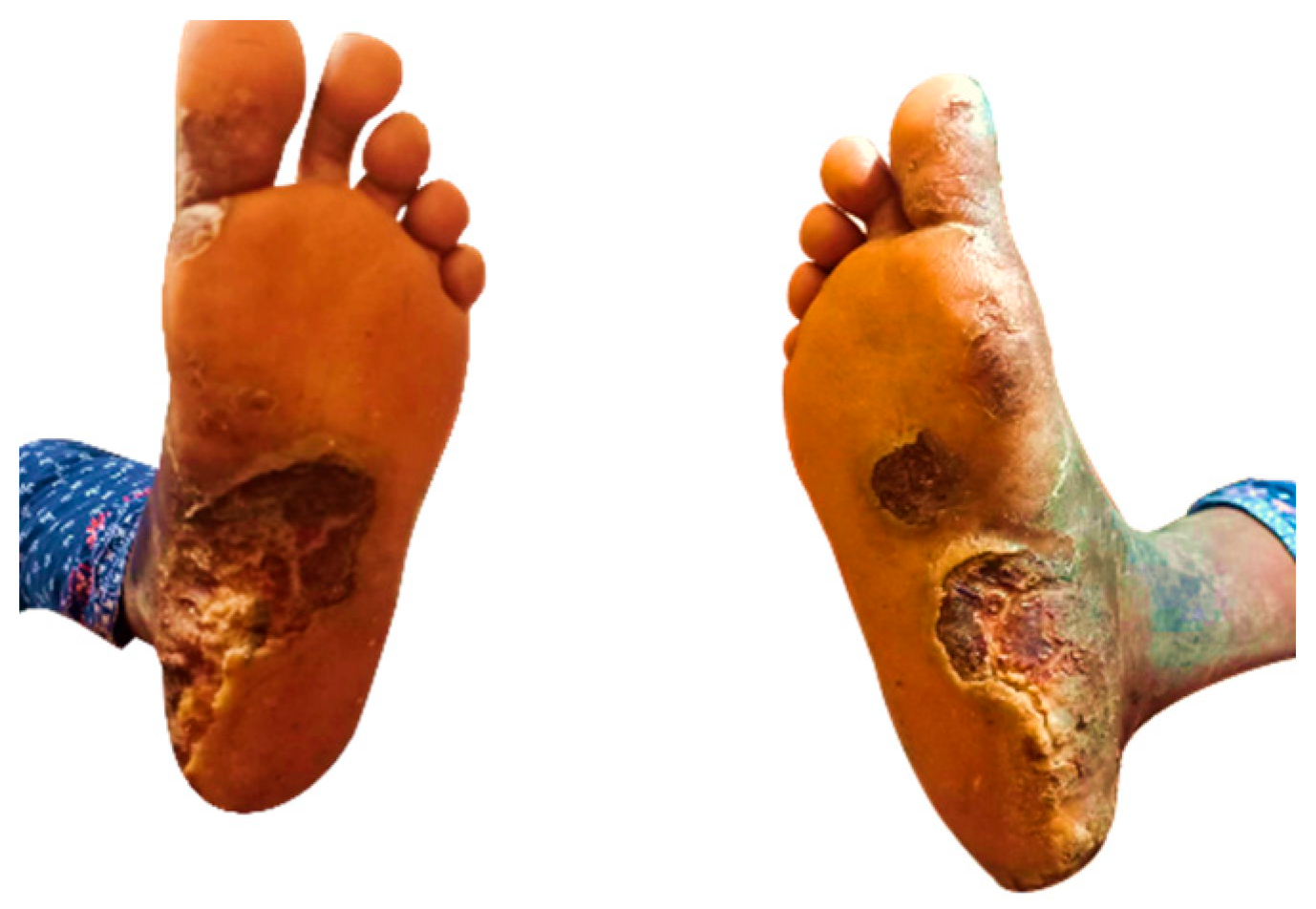
Figure 2.
Shows Tinea unguium of all toe nails.
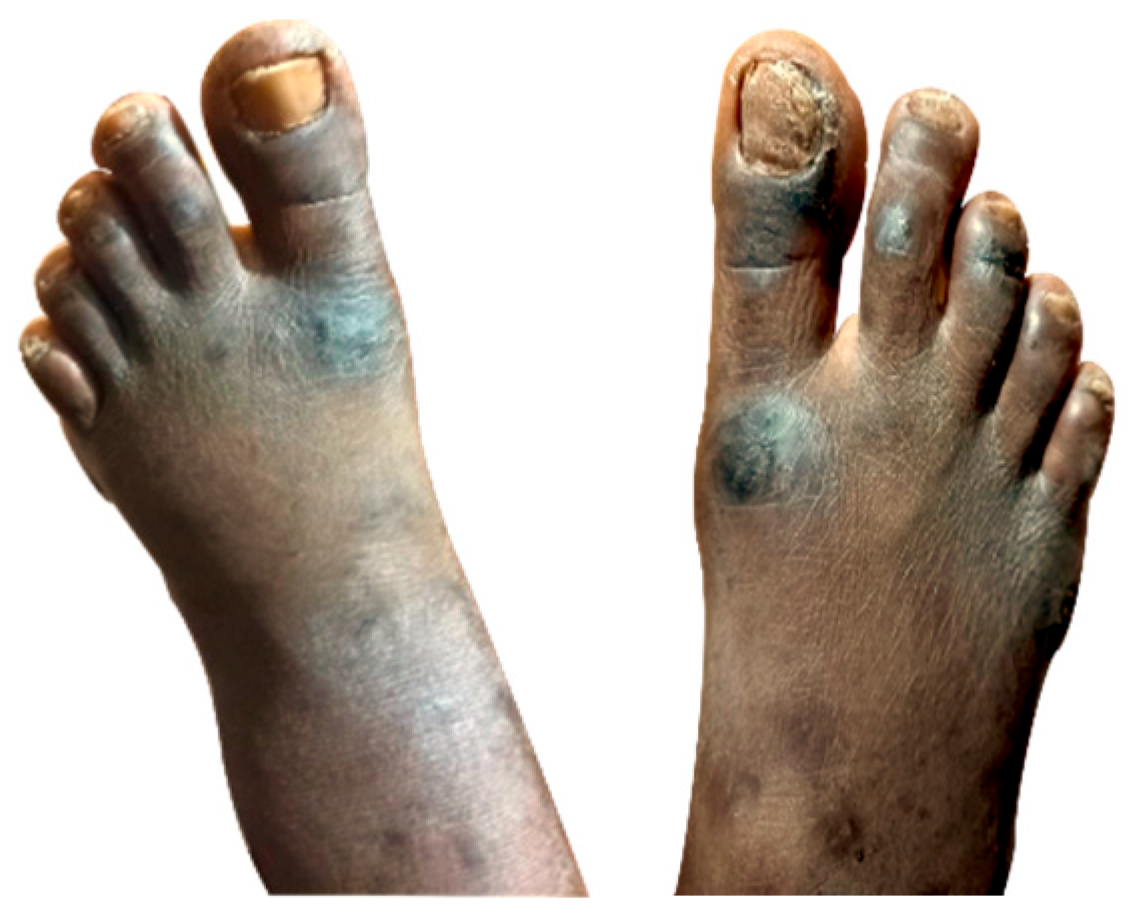
Figure 3.
Shows Tinea manuum of the right and left palms.
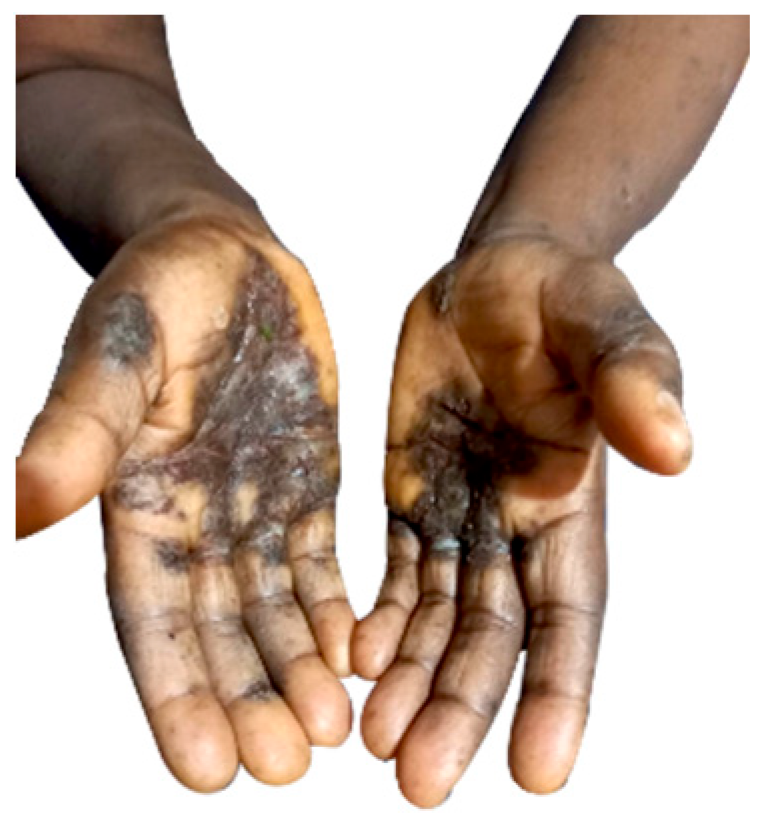
Figure 4.
Shows infected nails of the fore and middle fingers of the left hand.
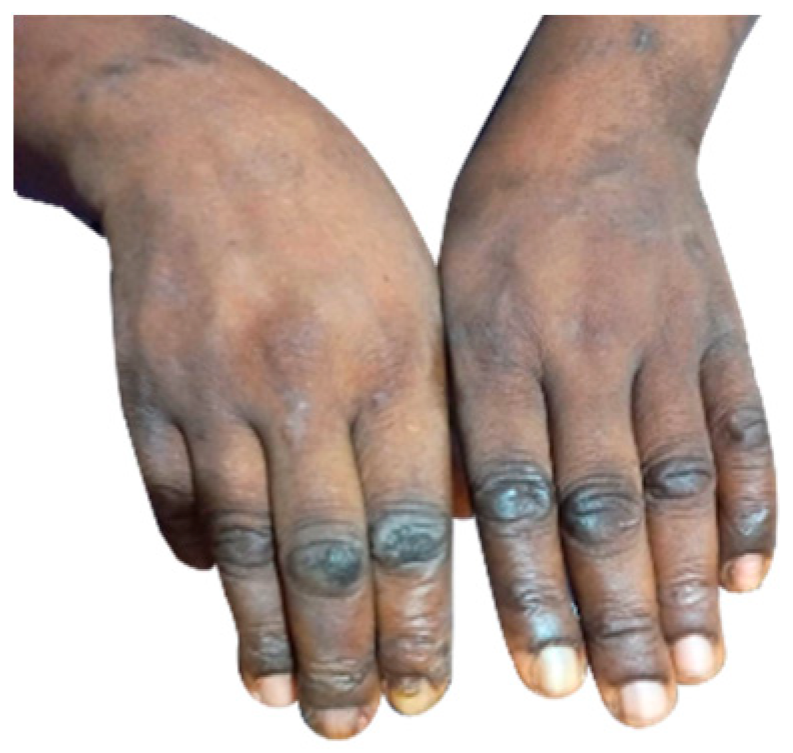
Figure 5.
Shows total resolution of Tinea pedis of both feet, with healing of ulcers.
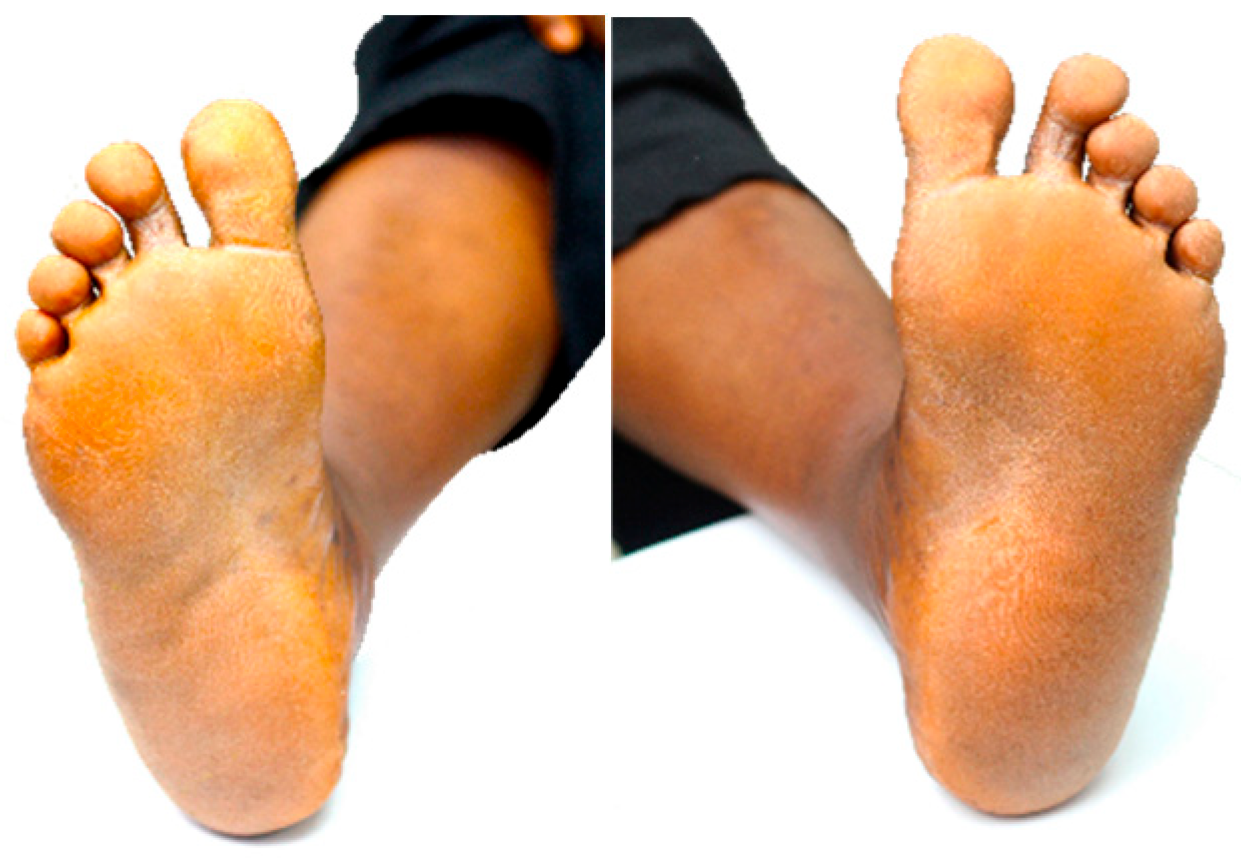
Figure 6.
Shows resolution of Tinea pedis and Tinea unguium of both feet.
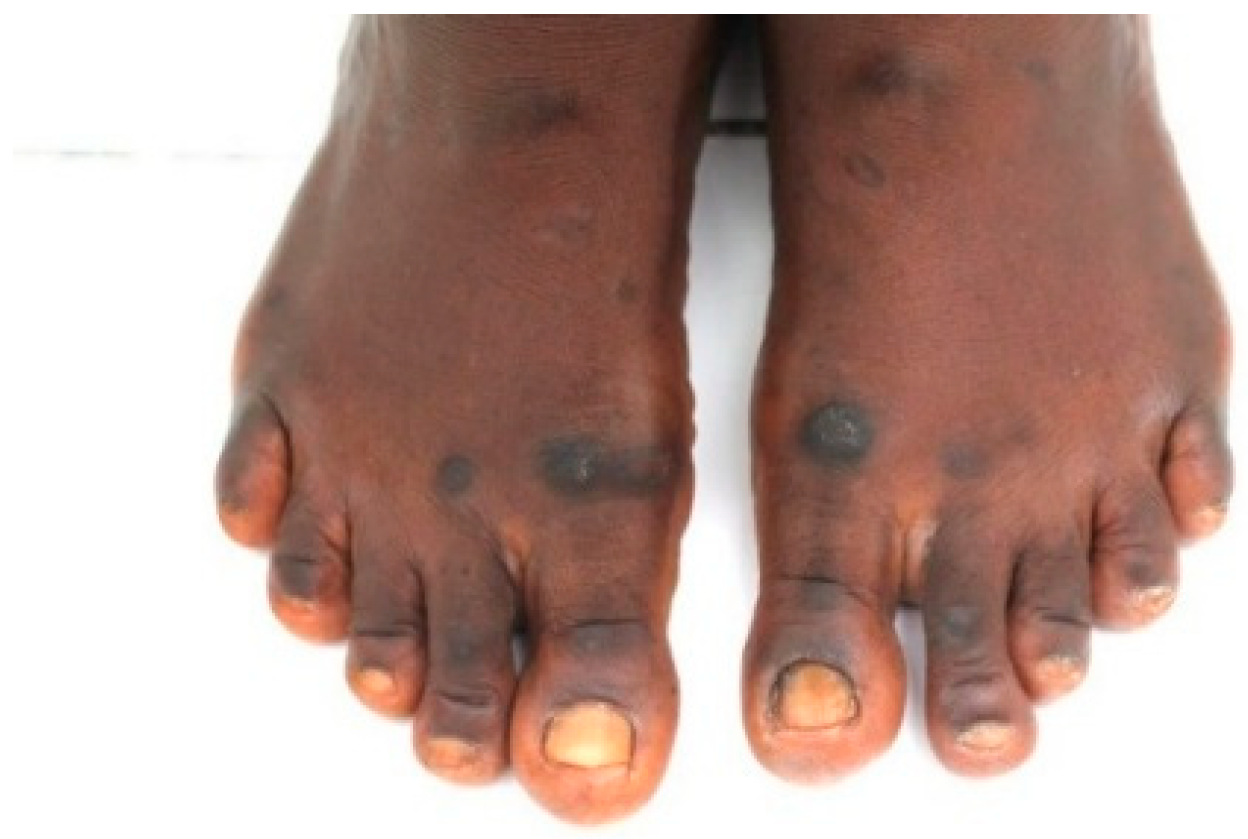
Figure 7.
Shows complete resolution of Tinea manuum of the right and left palms and restoration of palmar creases.
Figure 7.
Shows complete resolution of Tinea manuum of the right and left palms and restoration of palmar creases.
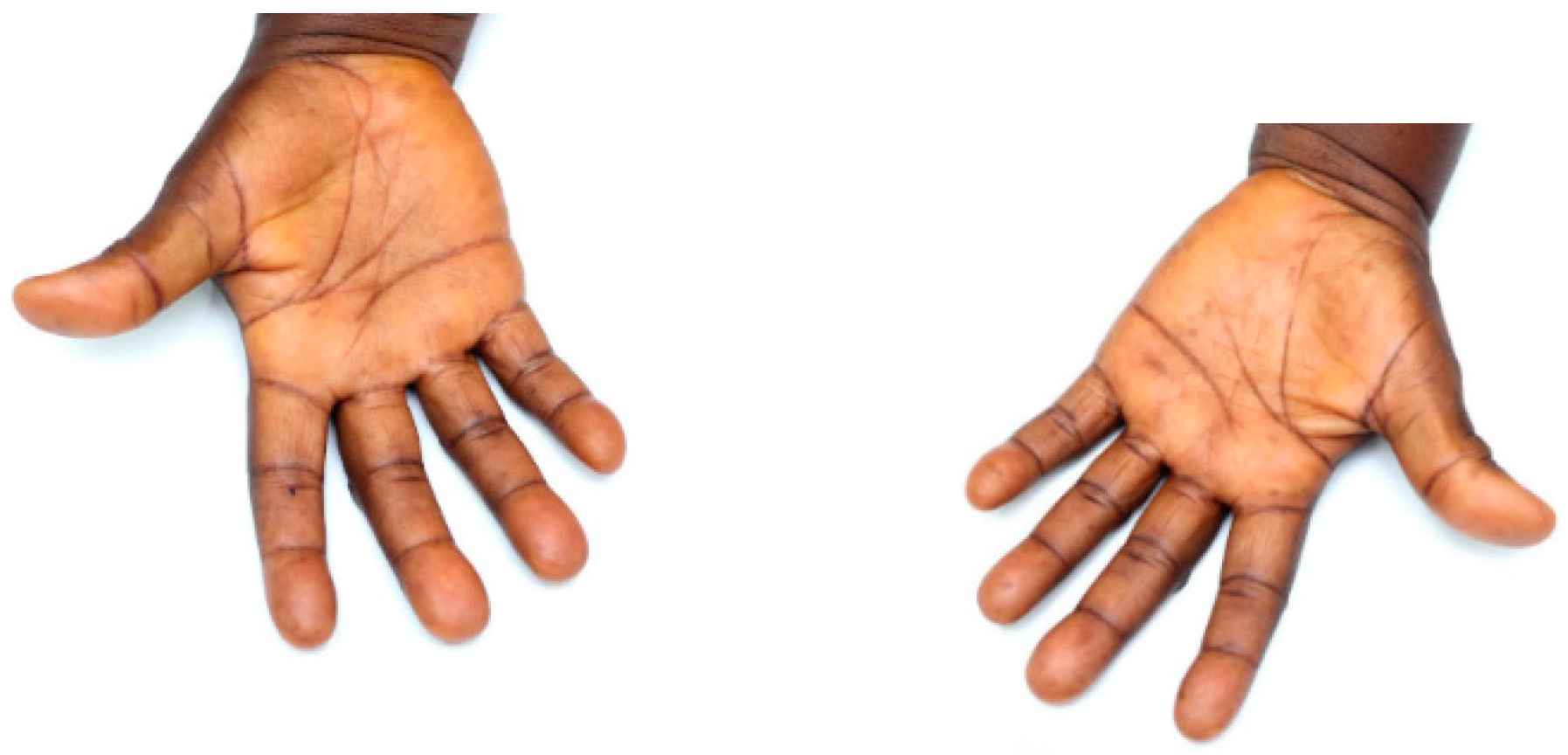
Figure 8.
Shows complete healing of all fingernails with the exception of the left forefinger.
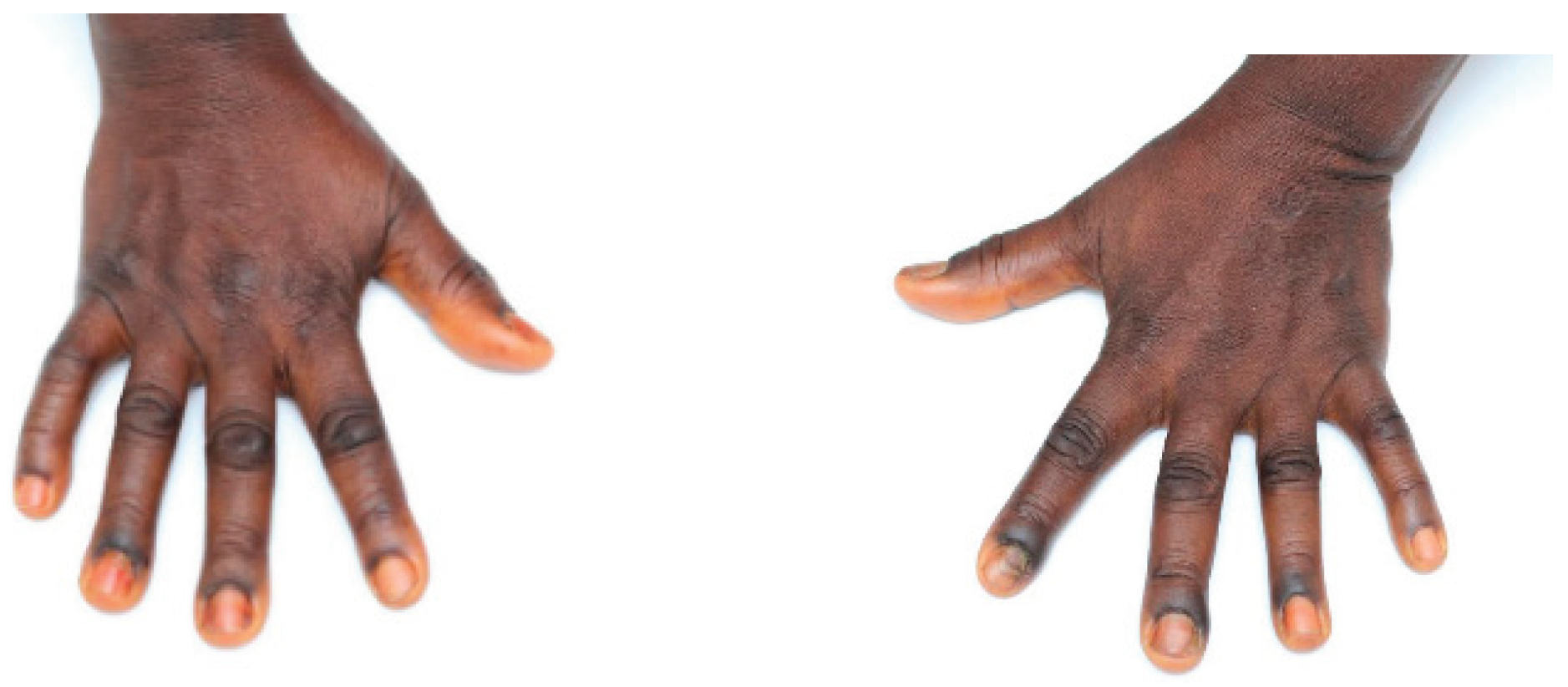

Table 1.
Clinical Chemistry.
| Specimen: Blood Serum taken on 12th December, 2025 | |||
| Test | Result | Reference Range | |
| Sodium | 147 | 35-150 | mmol/L |
| Potassium. | 4.4 | 3.5-5.5 | mmol/L |
| Chloride. | 114 | 96-108 | mmol/L |
| Ionised Calcium | 1.26 | 12-1.42 | mmoll/L |
| Urea | 2.3 | 1.7-8.3 | mmol/L |
| Creatinine. | 9.7 | 0.0-105.0 | mmol/L |
| Protein | 80.8 | 60.0-85.0 | mmol/L |
| Albumin | 41.9 | 35.00-53.0 | mmol/L |
| Globulin | 38.9 | 20.0-35.0 | mmol/L |
| ALT (alanine aminotransferase) | 20.7 | 5.0-45.0 | mmol/L |
| AST (aspartate aminotransferase) | 22.8. | 3.0-37.0 | mmol/L |
| Alk Phos (Alkaline phosphatase) | 145.4 | 55.0-306 | mmol/L |
| GGT (gamma glutamyl transerase) | 22.4 | 1.0-39.0 | mmol/L |
| Total Biliirubin | 7.9 | 6.0-20.0 | mmol/L |
| Direct Bilirubin. | 2.6 | 0.0-9.0 | mmol/L |
| Indirect Bilirubin | 5.3 | 0.0-12.0 | mmol/L |
Table 2.
Hematology.
| Specimen: Whole Blood, taken on 12th December, 2025 | ||
| Test | Result | Reference Range |
| Hb | 11.2 | 11.5-15.0 gm/dL |
| HCT | 30.7 | 35-45% |
| MCV | 89.3 | 82-100 fL |
| MCHC | 37.0 | 37-54 fL |
| WBC | 3.81 | 3.5-9.5 x 10³ /L |
| RBC | 3.43 | 3.80-5.0 x 10¹² /L |
| Platelets | 280 | 150-450 x 109 /L |
Disclaimer/Publisher’s Note: The statements, opinions and data contained in all publications are solely those of the individual author(s) and contributor(s) and not of MDPI and/or the editor(s). MDPI and/or the editor(s) disclaim responsibility for any injury to people or property resulting from any ideas, methods, instructions or products referred to in the content. |
© 2026 by the authors. Licensee MDPI, Basel, Switzerland. This article is an open access article distributed under the terms and conditions of the Creative Commons Attribution (CC BY) license (http://creativecommons.org/licenses/by/4.0/).
Copyright: This open access article is published under a Creative Commons CC BY 4.0 license, which permit the free download, distribution, and reuse, provided that the author and preprint are cited in any reuse.


