

Submitted:
28 November 2025
Posted:
28 November 2025
You are already at the latest version
Abstract
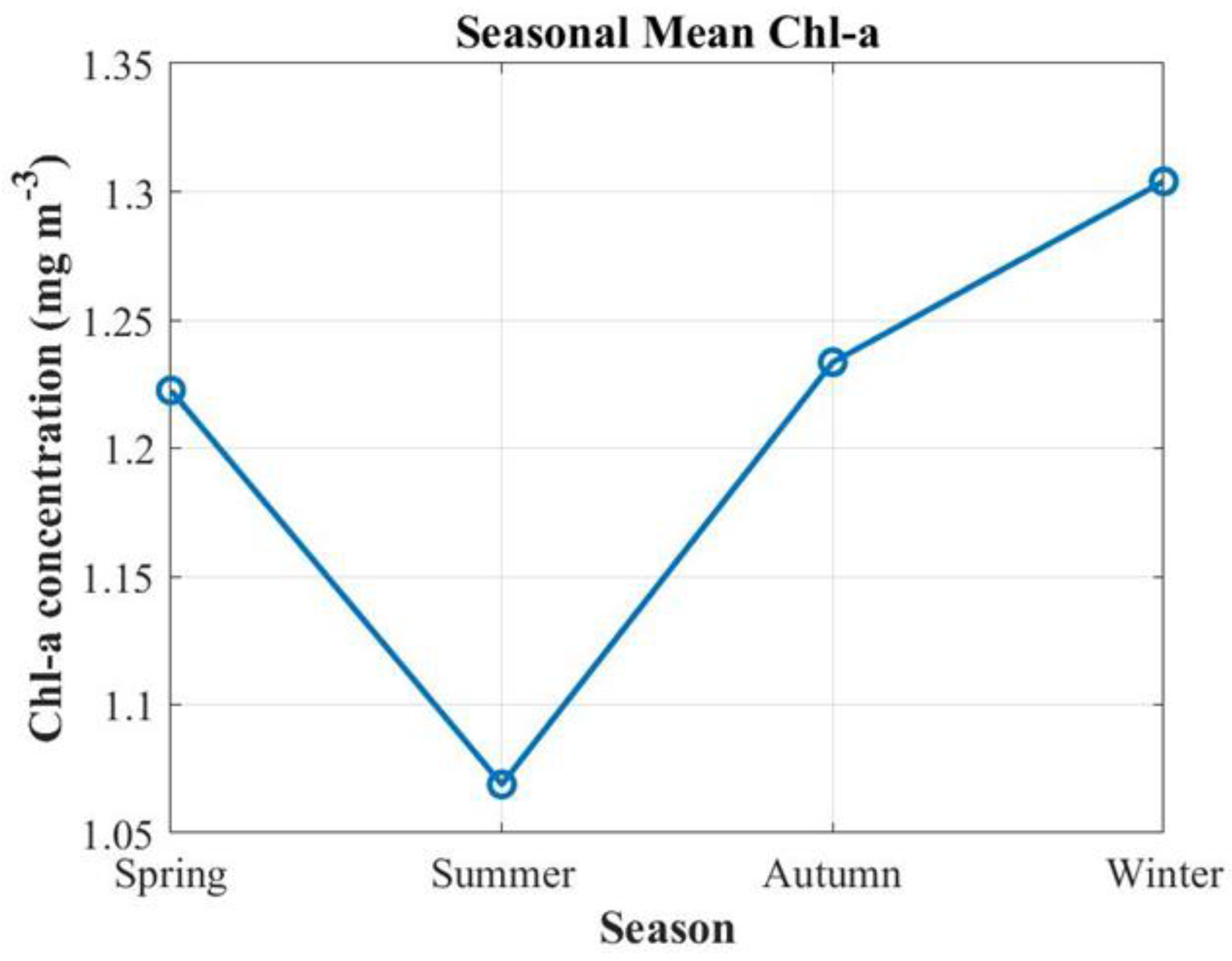
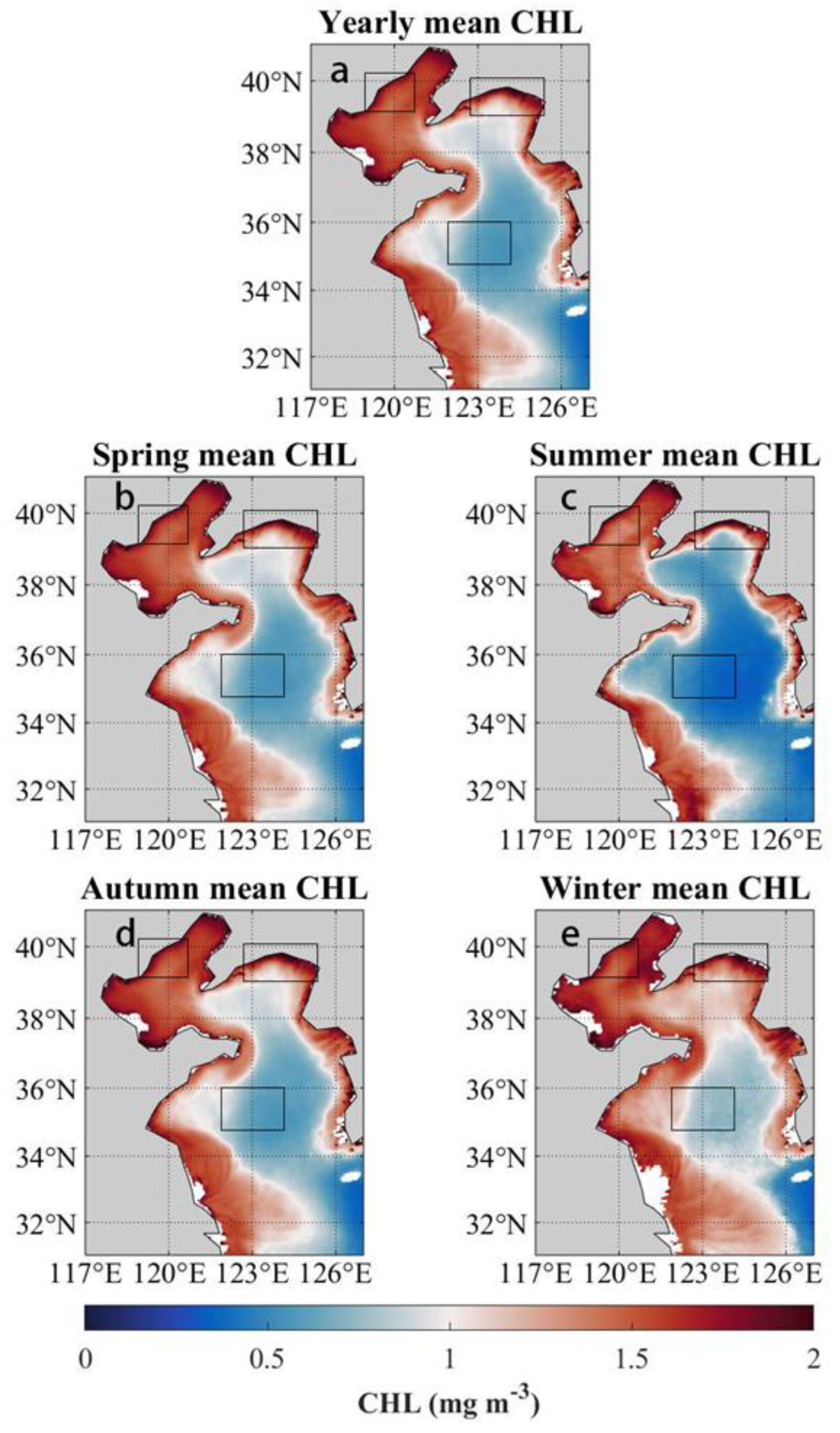
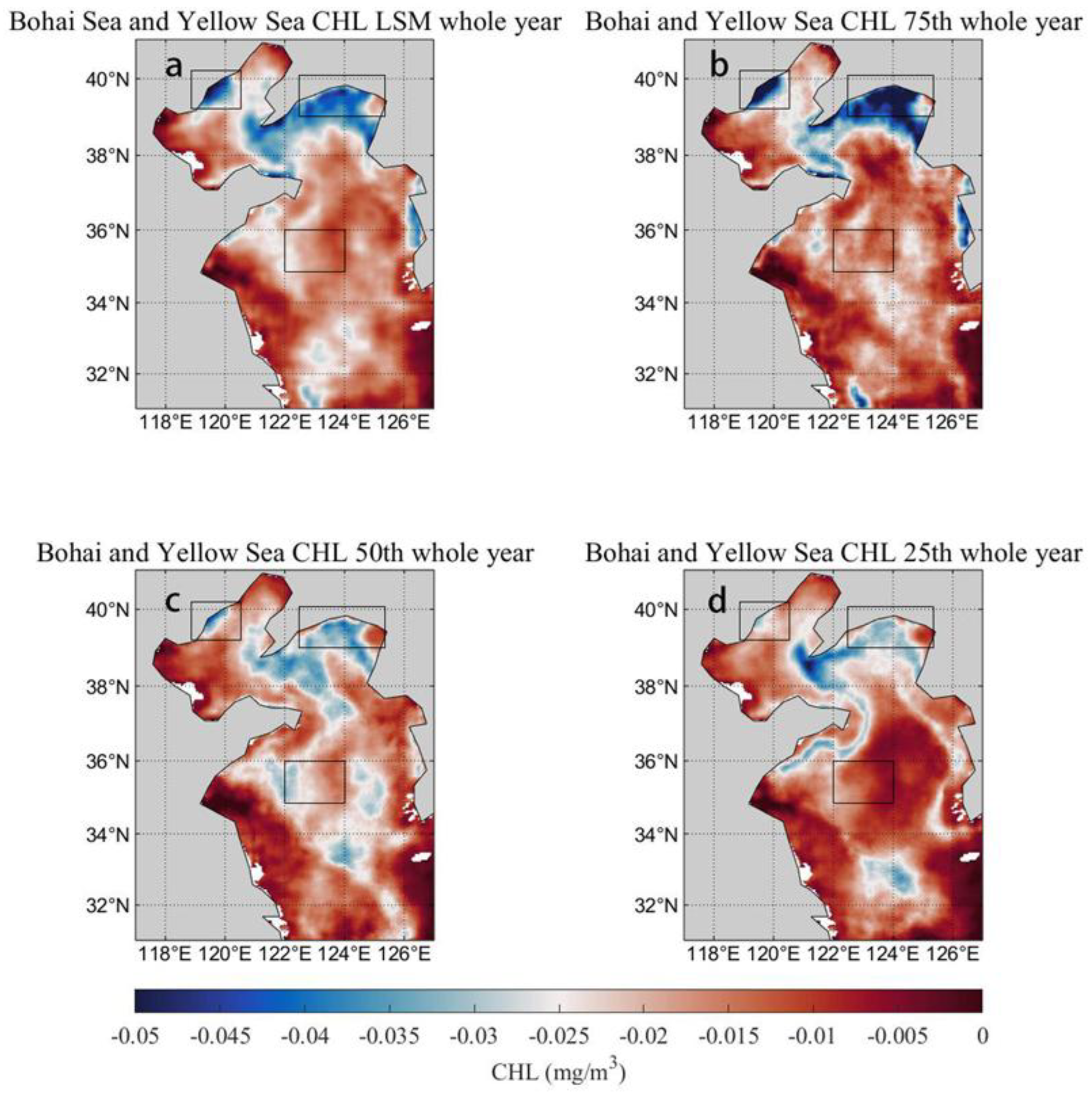
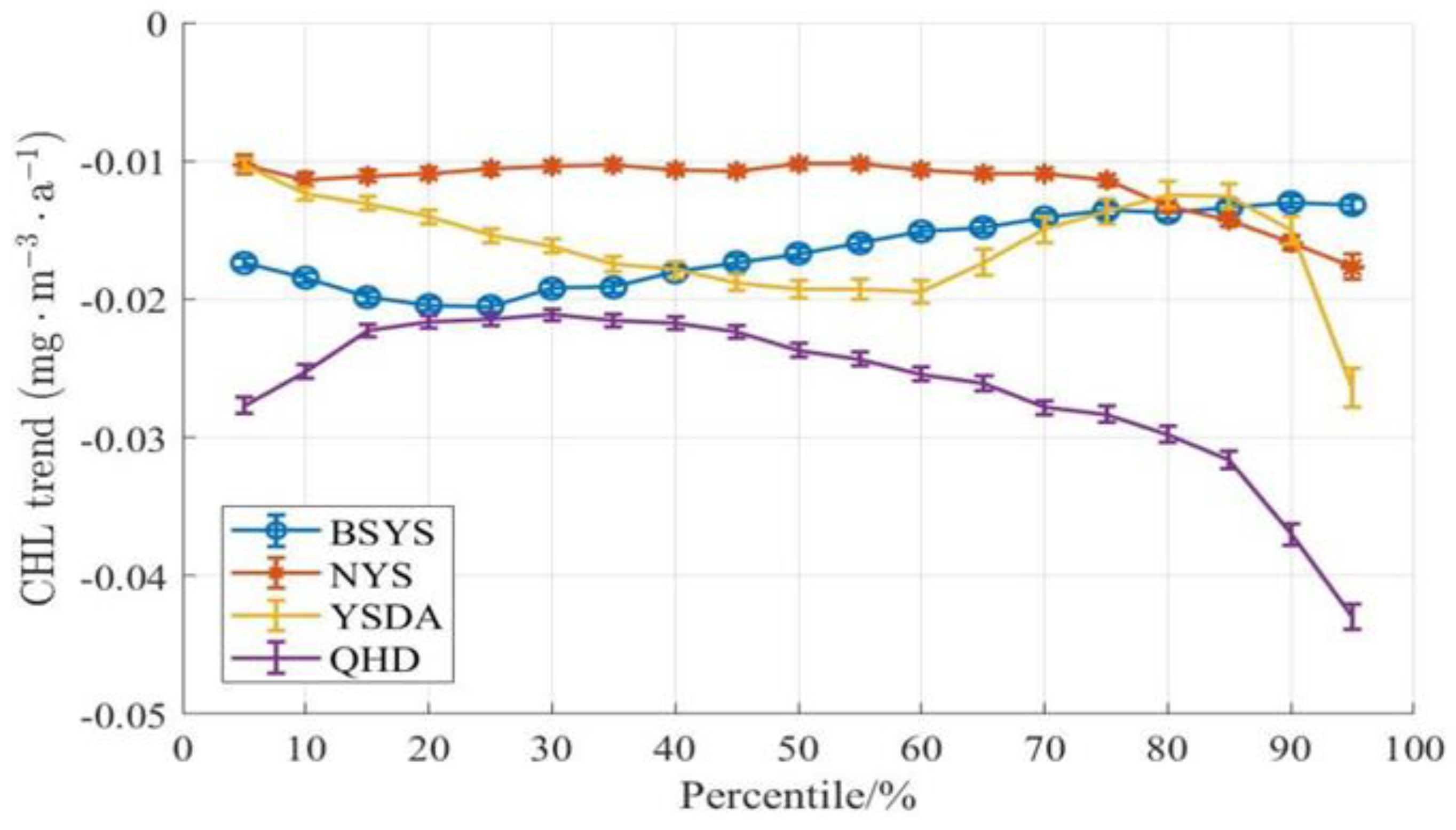
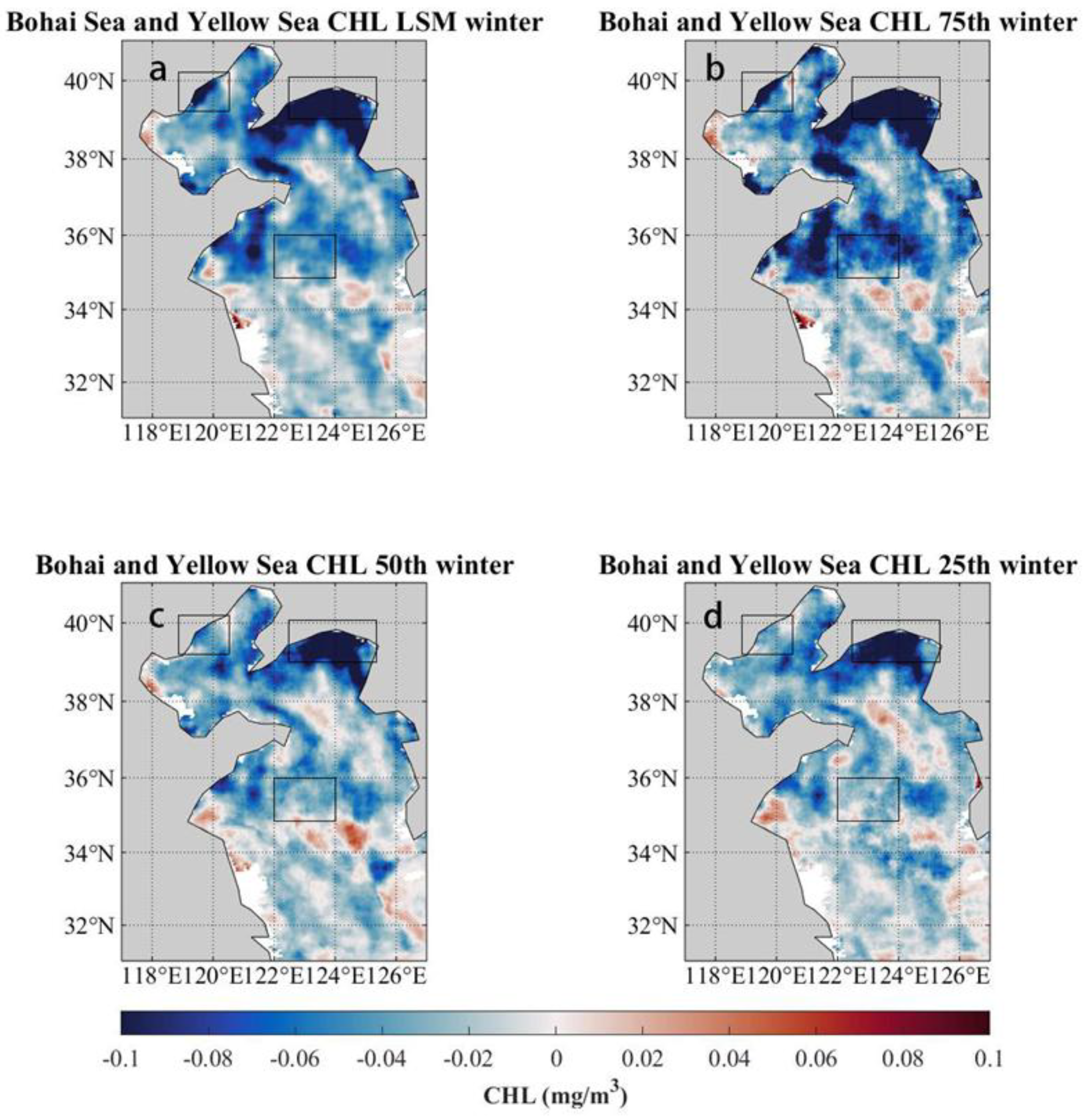
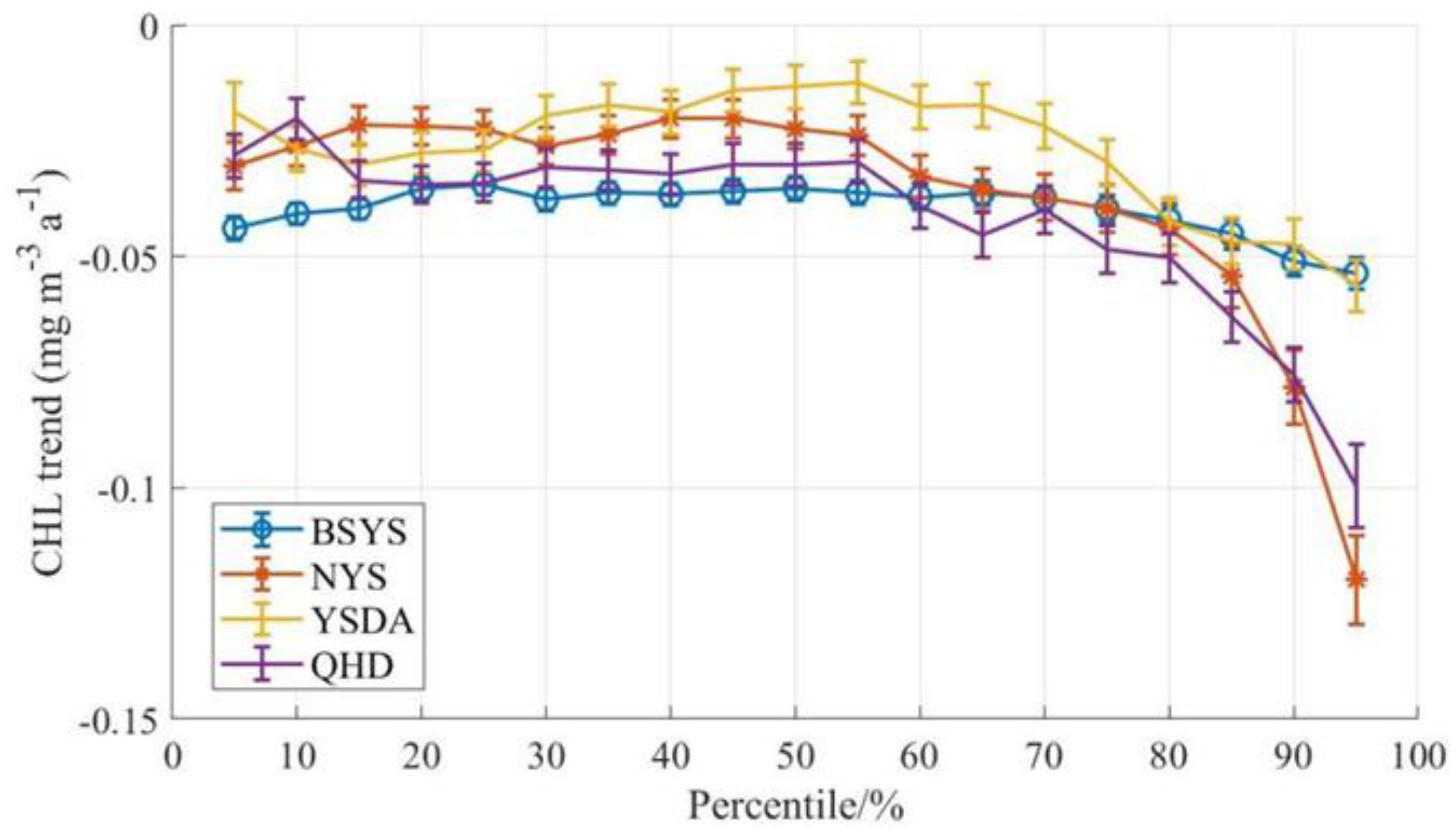
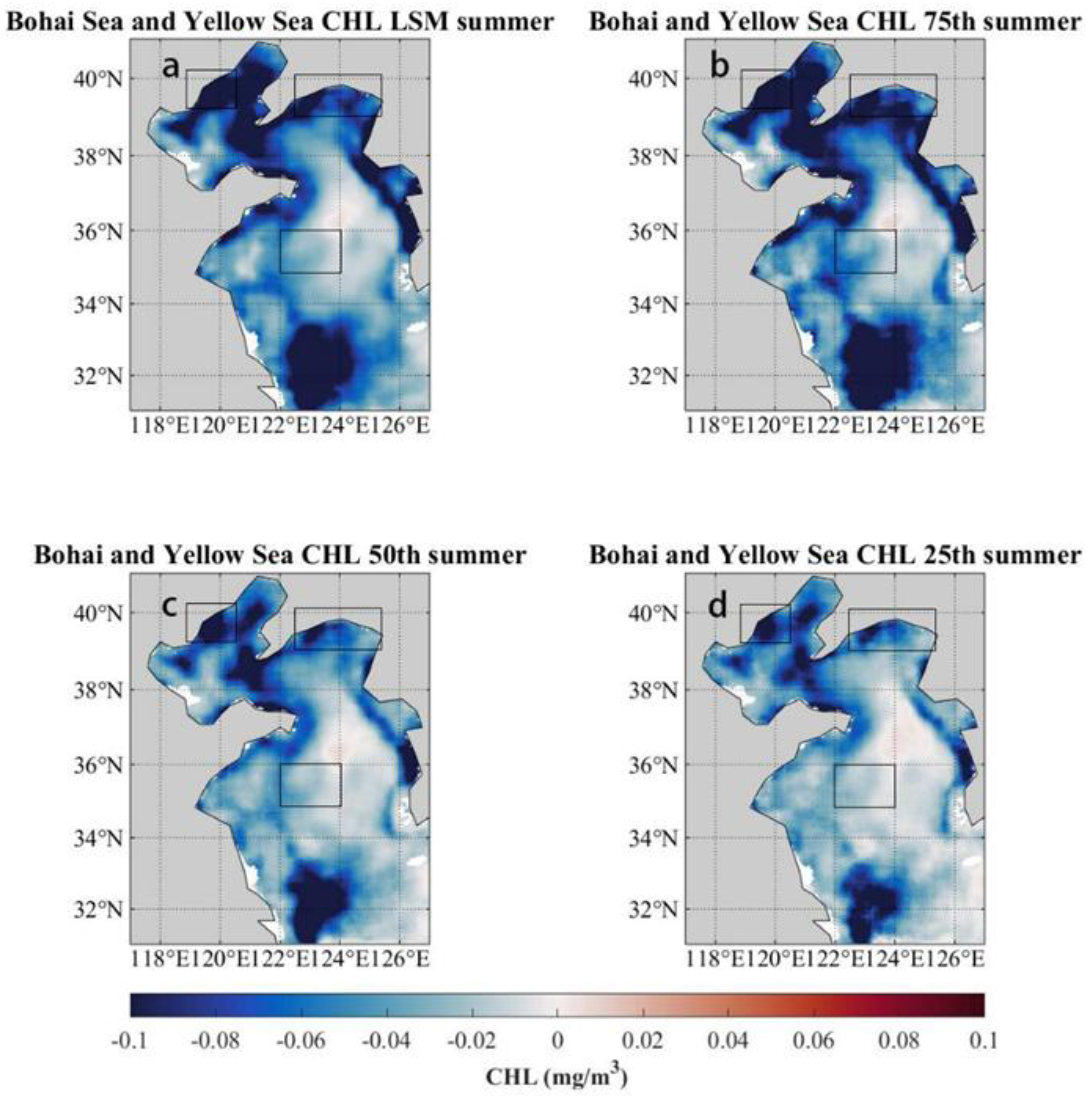
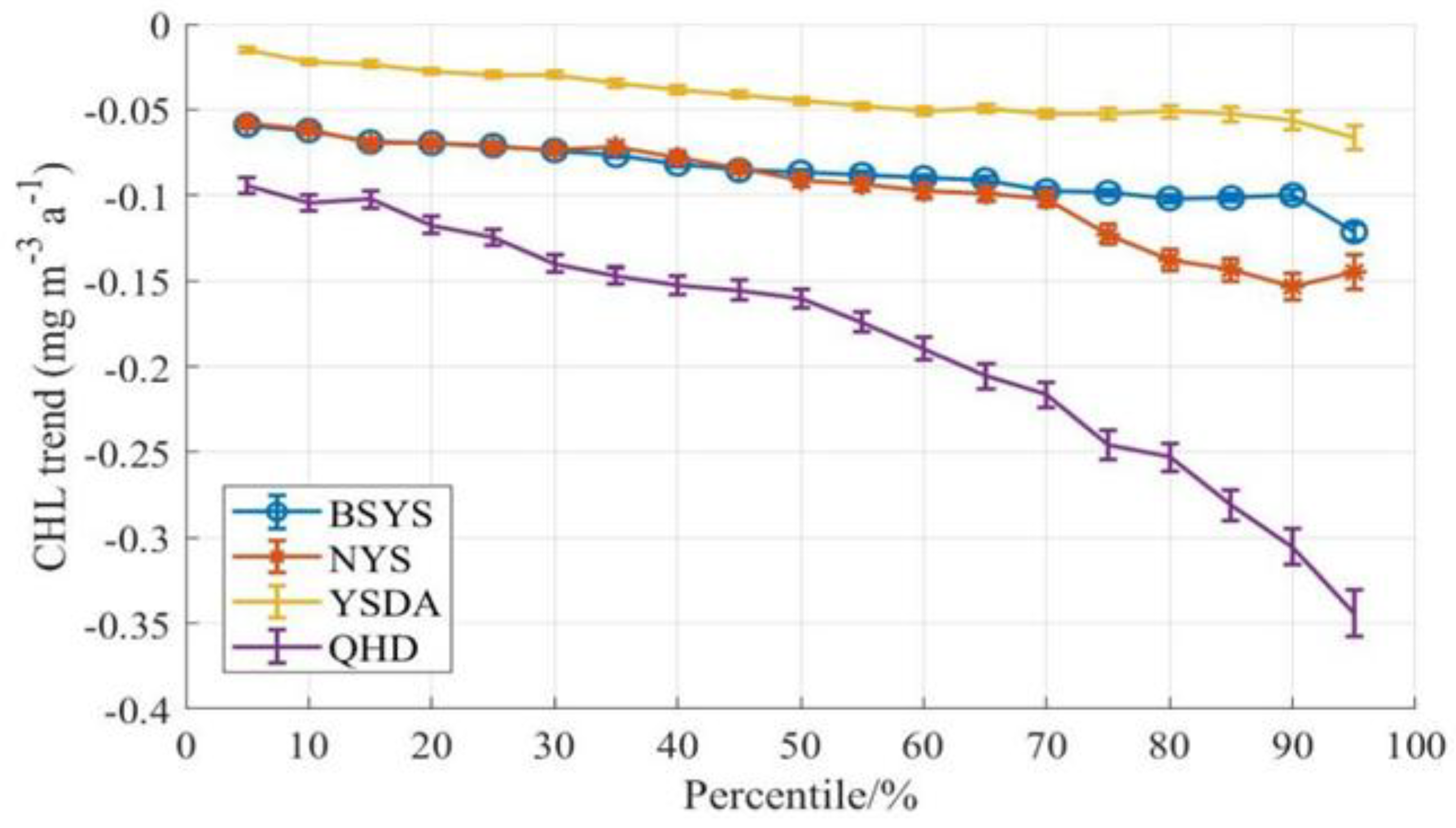
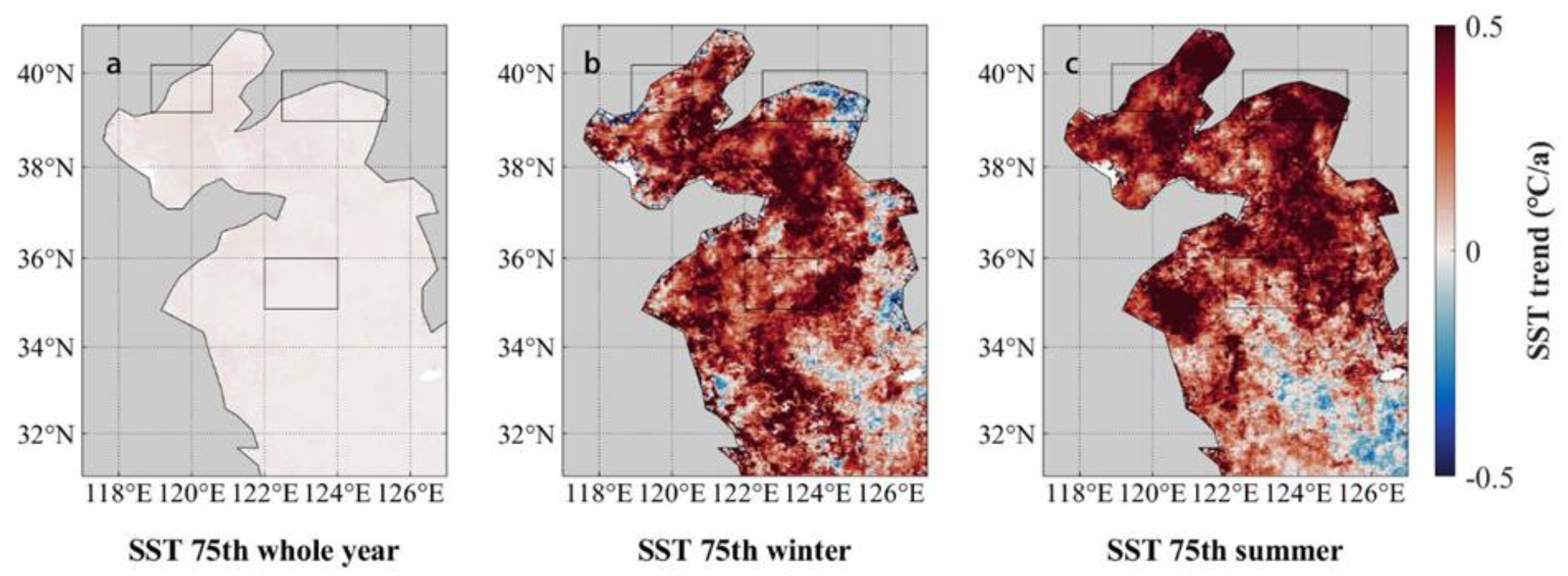
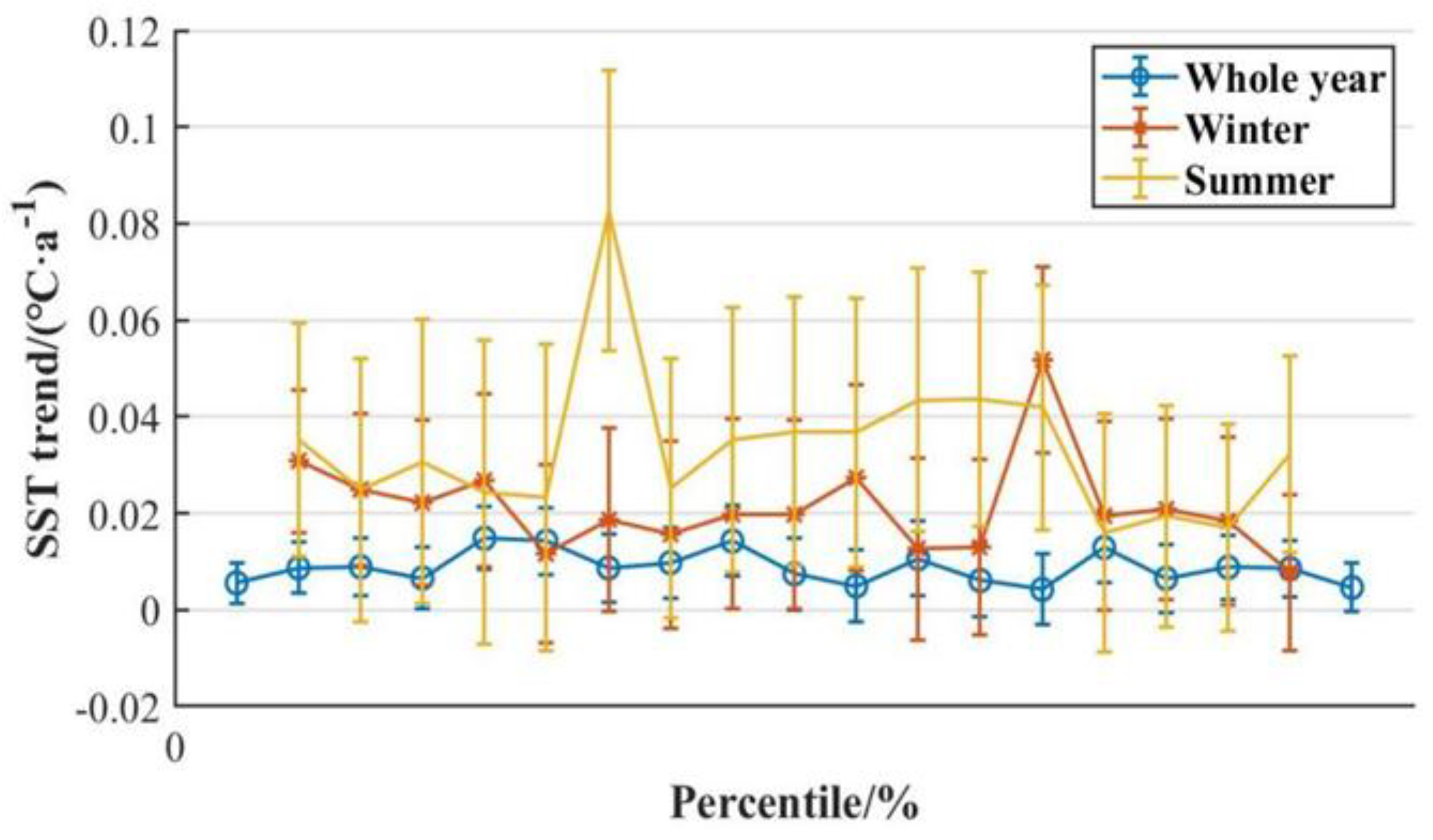
Chlorophyll-a (Chl-a) concentration is a key indicator of coastal ecosystem health. Its spatio-temporal variability not only reflects primary productivity but also represents the ecosystem’s integrated response to climate change and human activities. To quantify long-term Chl-a trends in the Yellow and Bohai Seas and to identify regional differences across concentration levels, this study used a multi-source remote sensing reconstruction dataset generated with deep learning algorithms. By applying quantile regression, we characterized long-term Chl-a changes across different concentration percentiles. We also examined how environmental drivers—including sea surface temperature, mixed layer depth, wind speed, and sea surface height anomalies—shape long-term variability in representative marginal-sea environments such as eutrophic estuaries, aquaculture zones, and deep-water regions. Our results show that from 2005 to 2024, Chl-a concentrations in the Yellow and Bohai Seas decreased consistently across the 75th, 50th, and 25th percentiles, with decline rates of –4.82×10⁻³, –4.50×10⁻³, and –4.09×10⁻³ mg/(m³·a), respectively. The rate of change also displayed strong seasonal differences: the summer decline (–0.0638 mg/(m³·a)) was substantially greater than that in winter (–0.04 mg/(m³·a)). Spatially, reductions were more pronounced in high-concentration nearshore waters than in offshore regions. Analysis of underlying mechanisms indicates that mixed-layer depth and wind speed are the primary physical controls on Chl-a variability, though their impacts differ regionally. In nearshore areas such as Qinhuangdao, strong wind-wave disturbance and deepening of the mixed layer enhanced vertical mixing, leading to light limitation and sediment resuspension, ultimately suppressing phytoplankton growth and driving the observed Chl-a decline. In contrast, offshore waters were more strongly influenced by mesoscale processes such as fronts and eddies, with local physical forcing exerting comparatively weaker direct effects on phytoplankton dynamics. Overall, this study provides new insights for improving the modelling and management of coastal ecosystems under the combined pressures of climate change and anthropogenic activities.
Keywords:
1. Introduction
2. Data and Methods
2.1. Data
2.1.1. Construction of the Chl-a Reconstruction Dataset
2.1.2. Environment Variable Data
2.2. Methods
2.2.1. QR
3. Results and Dicussion
3.1. Long-Term Apatio-Temporal Variation Characteristics of Chl-a Concentration
3.1.1. Long-Term Trend
3.1.2. Seasonal-Scale Variation Characteristics
3.1.3. Comparative Analysis of Representative Sea Areas
3.2. Analysis of the Driving Mechanisms of Chl-a Concentration Variations by Relevant Environmental Factors
3.2.1. SST
3.2.2. MLD
3.2.3. Wind
3.2.4. SLA
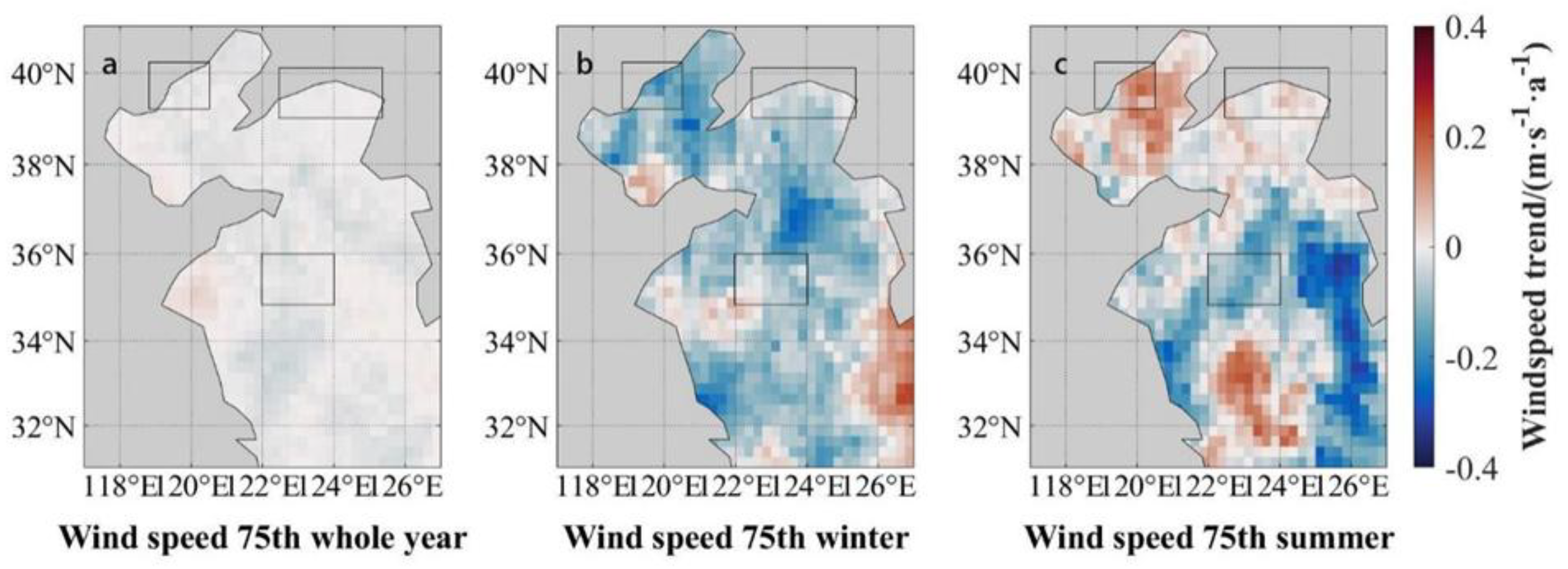
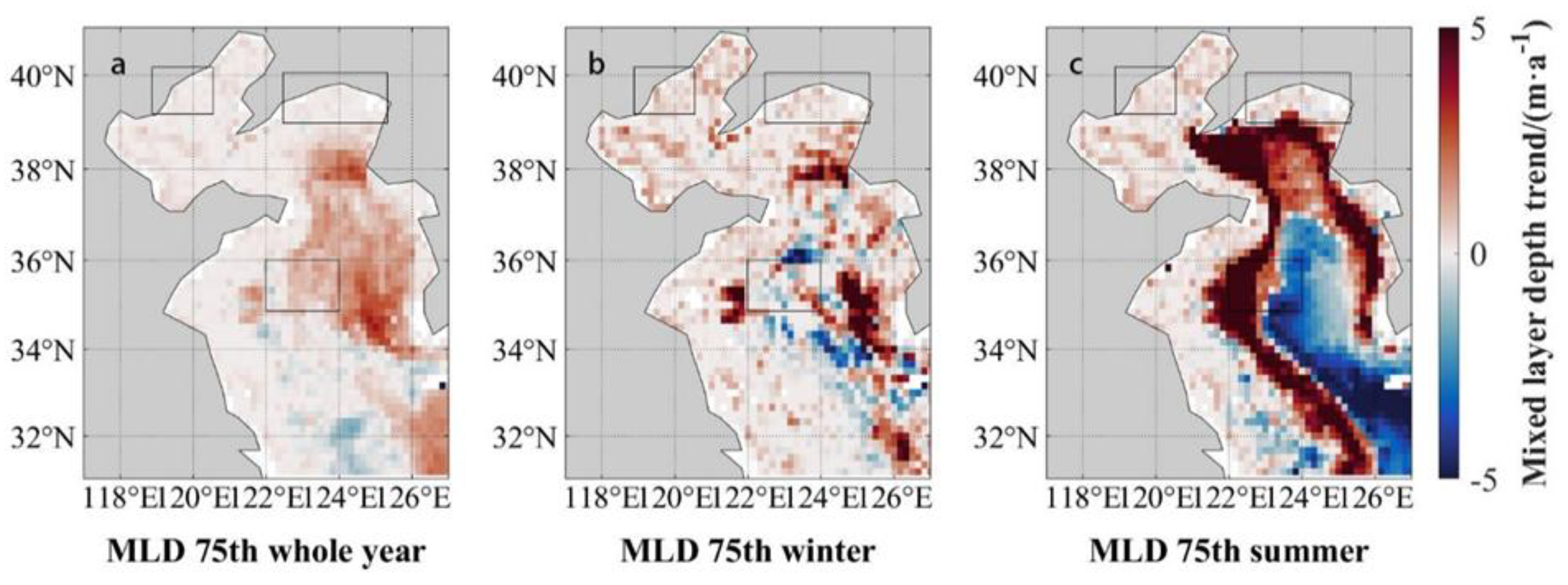
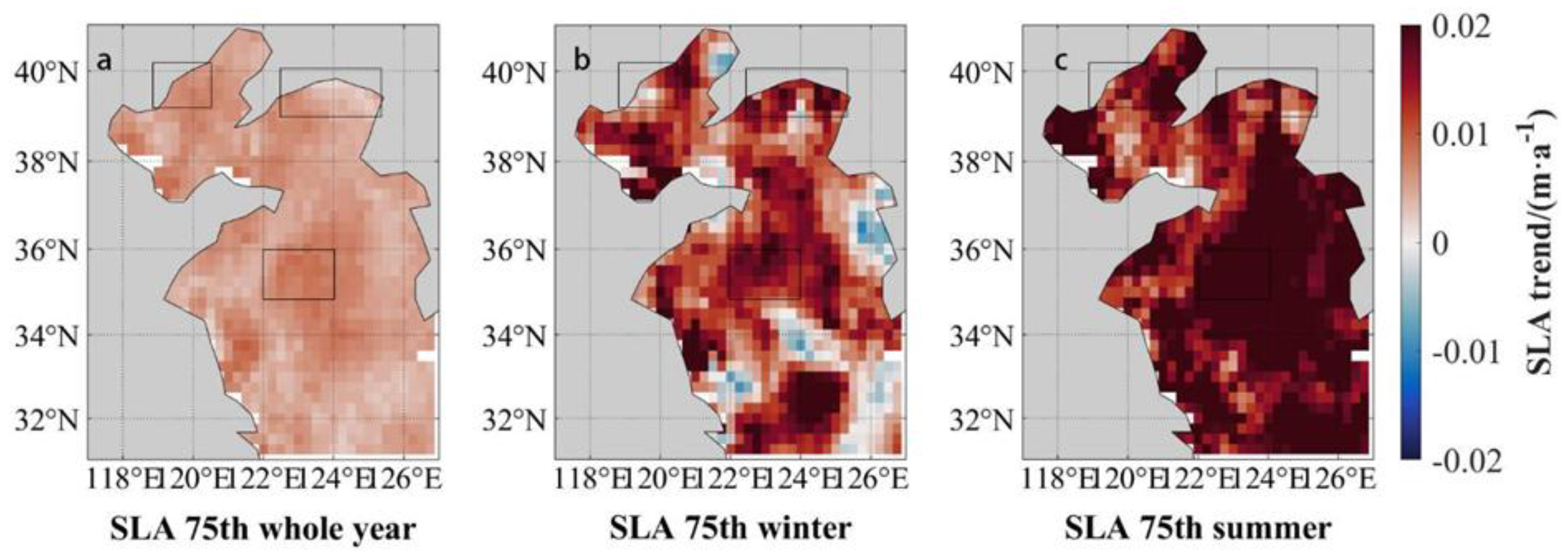
- Across the entire marine domain, MLD emerges as the dominant regulatory factor (r = -0.5226), indicating that vertical mixing processes constitute the most critical physical mechanism governing phytoplankton biomass. Wind speed (r = -0.1667) and SST (r = -0.2211) both exhibit inhibitory effects, acting respectively by enhancing vertical diffusion and exacerbating thermal stress alongside nutrient limitation. Conversely, SLA exhibits a positive correlation with chlorophyll-a (r = 0.1877). Oceanic dynamic processes accompanying sea-level rise—such as water transport and nutrient redistribution—exert a marginal overall stimulatory effect on phytoplankton growth.
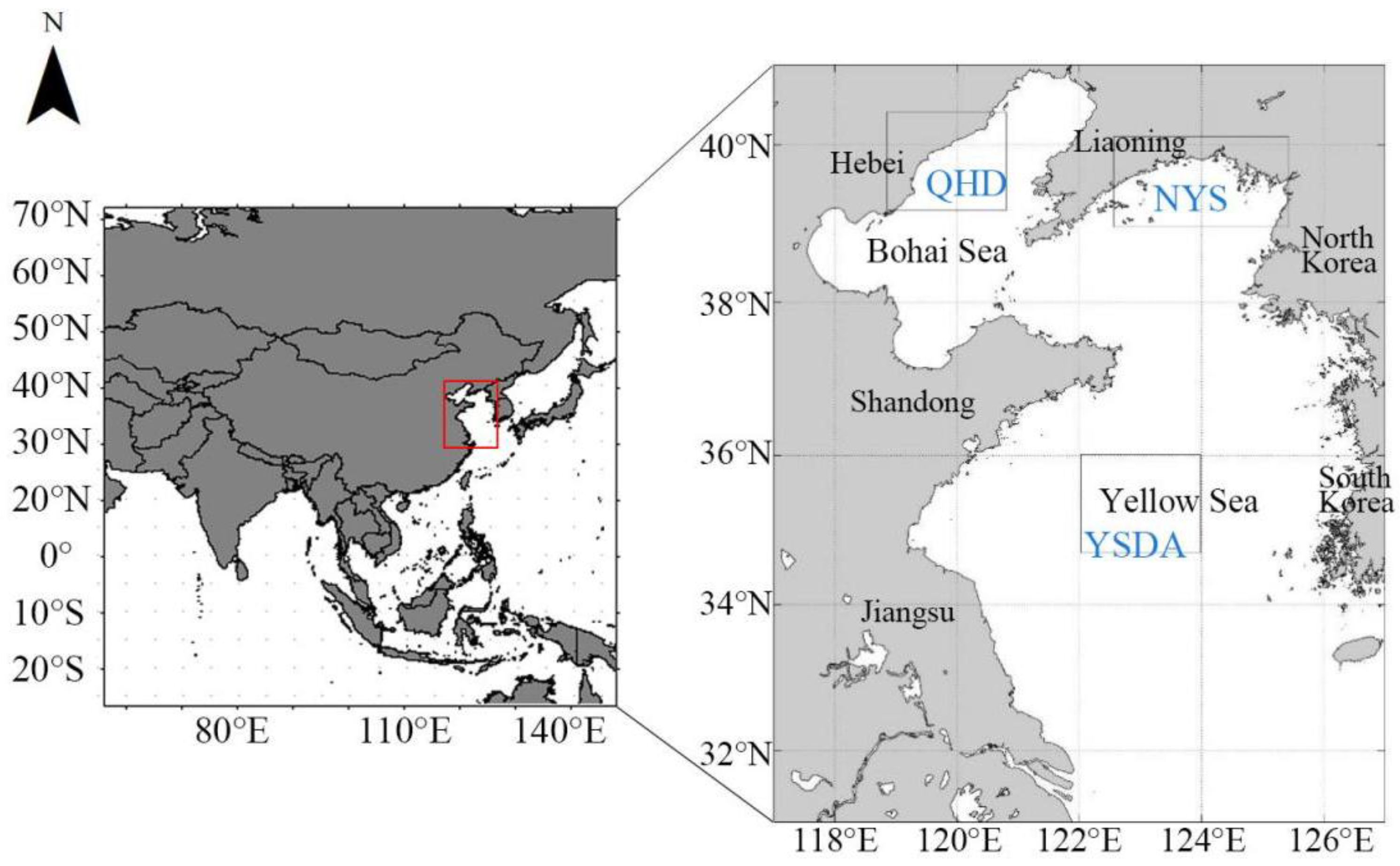
- The Qinhuangdao coastal area (QHD), as a typical zone of strong anthropogenic-natural coupling, exhibits Chl-a variations dominated by local physical processes. This manifests as an extremely strong negative correlation with mean daily depth (MLD) (r = -0.9831) and a significant negative correlation with wind speed (r = -0.5166). The shallow water depth in this region means that minor alterations in the physical environment can decisively influence chlorophyll-a concentrations by modifying water stability and the phytoplankton dilution effect. Concurrently, the strong positive correlation with sea level altitude (r = 0.8955) further highlights the crucial role of sea level changes in regulating water exchange and nutrient supply within such complex nearshore ecosystems.
- Correlations among factors in the offshore deep-sea area (YSDA) are generally weak, indicating that chlorophyll-a variations there are more strongly regulated by large-scale oceanic dynamic processes (such as cold water masses and water mass exchange) and the coupled effects of these factors.
- The North Yellow Sea (NYS), as a transitional zone, exhibits driving mechanisms intermediate between coastal and deep-ocean regions. It is more significantly governed by monsoon-regulated wind speed (r = -0.319) and MLD (r = -0.4006) variations. The shallowing of the mixed layer and insufficient nutrient upwelling resulting from weakened winter monsoons constitute the primary pathways inhibiting phytoplankton growth in this region.

| SST | Windspeed | MLD | SLA | |
|---|---|---|---|---|
| BSYS | -0.2211 | -0.1667 | 0.5226 | 0.1877 |
| NYS | -0.0875 | -0.3190 | -0.4006 | -0.0651 |
| QHD | -0.1987 | -0.5166 | -0.9831 | 0.8955 |
| YSDA | -0.0446 | -0.1231 | -0.0264 | 0.2553 |
4. Conclusions
Funding
Acknowledgments
References
- Yue T, Bin Z, Xiaomin Y. Study on the chlorophyll a concentration retrieved from HY-1C satellite coastal zone imager data[J]. Haiyang Xuebao, 2022, 44(5): 25-34.
- Lévy, M., Franks, P. J. S., & Smith, K. S. (2018). The role of submesoscale currents in structuring marine ecosystems. Nature Communications, 9(1), 4758.
- Zhu X, Wu K, Wu L. Influence of the physical environment on the migration and distribution of Nibea albiflora in the Yellow Sea[J]. Journal of Ocean University of China, 2017, 16(1): 87-92.
- Liu S M, Li L W, Zhang Z. Inventory of nutrients in the Bohai[J]. Continental Shelf Research, 2011, 31(16): 1790-1797.
- Wu Dexing, Wan Xiuquan, Bao Xianwen, et al. Comparison of summer temperature-salinity fields and circulation structures in the Bohai Sea in 1958 and 2000[J]. Chinese Science Bulletin, 2004, 49(3): 287-292.
- Zhu M Y, Mao X H, Lu R H, et al. Chlorophyll a and primary productivity in the Yellow Sea[J]. Journal of Oceanography of Huanghai & Bohai Seas, 1993, 11(3): 38-51.
- Lin Mingsen,He Xianqiang,Jia Yongjun, et al. Advances in marine satellite remote sensing technology in China[J]. Haiyang Xuebao,2019, 41(10):99–112. [CrossRef]
- 41(10):99–112. https://doi.org/10.3969/j.issn.0253−4193.2019.10.006. [CrossRef]
- Gong G C, Shiah F K, Liu K K, et al. Spatial and temporal variation of chlorophyll a, primary productivity and chemical hydrography in the southern East China Sea[J]. Continental Shelf Research, 2000, 20(4-5): 411-436.
- Sun Lecheng, Wang Juan, Wang Lin. Quantitative Retrieval of Surface Chlorophyll-a Concentration in North China Sea Area by Remote Sensing Based on On-site Measured Data[J]. Ocean Development and Management, 2019, 36(4): 34-38. [CrossRef]
- Cui T W, Zhang J, Wang K, et al. Remote sensing of chlorophyll a concentration in turbid coastal waters based on a global optical water classification system[J]. ISPRS Journal of Photogrammetry and Remote Sensing, 2020, 163: 187-201.
- Guangpu Y, Tao J, Yongfang Z, et al. Study on variation in chlorophyll a concentration and its influencing factors of Jiaozhou Bay in autumn based on long term remote sensing images[J]. Haiyang Xuebao, 2019, 41(1): 183-190.
- Yuli C, Fang S. Influence of Suspended Particulate Matter on Chlorophyll\| a Retrieval Algorithms in Yangtze River Estuary and Adjacent Turbid Waters[J]. Remote Sensing Technology and Application, 2016, 31(1): 126-133.
- Chaoyu Y, Danling T, Haibin Y E. A study on retrieving chlorophyll concentration by using GF-4 data[J]. Journal of Tropical Oceanography, 2017, 36(5): 33-39.
- Kiyomoto Y, Iseki K, Okamura K. Ocean color satellite imagery and shipboard measurements of chlorophyll a and suspended particulate matter distribution in the East China Sea[J]. Journal of Oceanography, 2001, 57(1): 37-45.
- Qian L, Liu W L, Zheng X S. Spatial-temporal variation of Chlorophyll-a concentration in Bohai Sea based on MODIS[J]. Marine Science Bulletin, 2011, 30(6): 683-687.
- Meng Q, Wang L, Chen Y, et al. Change of chlorophyll a concentration and its environmental response in the Bohai Sea from 2002 to 2021[J]. Environmental Monitoring in China, 2022, 38(6): 228-236.
- Zhai F, Wu W, Gu Y, et al. Interannual-decadal variation in satellite-derived surface chlorophyll-a concentration in the Bohai Sea over the past 16 years[J]. Journal of Marine Systems, 2021, 215: 103496.
- Aohui M, Xiangnan L, Ting L, et al. The satellite remotely-sensed analysis of the temporal and spatial variability of chlorophyll a concentration in the northern South China Sea[J]. Haiyang Xuebao, 2013, 35(4): 98-105.
- Tang S, Dong Q, Liu F. Climate-driven chlorophyll-a concentration interannual variability in the South China Sea[J]. Theoretical and applied climatology, 2011, 103(1): 229-237.
- Tian Hongzhen, Liu Qinping, Joaquim I. Goes, et al. Temporal and spatial changes in chlorophyll a concentrations in the Bohai Sea in the past two decades[J]. Haiyang Xuebao(in Chinese),2019,41(8) : 131 - 140.
- Mamun M, Lee S J, An K G. Temporal and spatial variation of nutrients, suspended solids, and chlorophyll in Yeongsan watershed[J]. Journal of Asia-Pacific Biodiversity, 2018, 11(2): 206-216.
- Abbas A A, Mansor S B, Pradhan B, et al. Spatial and seasonal variability of Chlorophyll-a and associated oceanographic events in Sabah water[C]//2012 Second International Workshop on Earth Observation and Remote Sensing Applications. IEEE, 2012: 215-219.
- Tang, Dan Ling, et al. "Seasonal phytoplankton blooms associated with monsoonal influences and coastal environments in the sea areas either side of the Indochina Peninsula." Journal of Geophysical Research: Biogeosciences 111.G1 (2006).
- Miles T N, He R, Li M. Characterizing the South Atlantic Bight seasonal variability and cold-water event in 2003 using a daily cloud-free SST and chlorophyll analysis[J]. Geophysical research letters, 2009, 36(2).
- Zhang X, Zhou M. A general convolutional neural network to reconstruct remotely sensed chlorophyll-a concentration[J]. Journal of Marine Science and Engineering, 2023, 11(4): 810.
- Caterina B, Hubert-Ferrari A. Using 14 Years of Satellite Data to Describe the Hydrodynamic Circulation of the Patras and Corinth Gulfs[J]. Journal of Marine Science and Engineering, 2025, 13(3): 623.
- Ji C, Zhang Y, Cheng Q, et al. Evaluating the impact of sea surface temperature (SST) on spatial distribution of Chl-aorophyll-a concentration in the East China Sea[J]. International journal of applied earth observation and geoinformation, 2018, 68: 252-261.
- Luo X, Song J, Guo J, et al. Reconstruction of Chl-aorophyll-a satellite data in Bohai and Yellow sea based on DINCAE method[J]. International Journal of Remote Sensing, 2022, 43(9): 3336-3358.
- Barth A, Alvera-Azcárate A, Troupin C, et al. Reconstruction of missing data in satellite images of the Southern North Sea using a convolutional neural network (DINCAE)[C]//2021 IEEE International Geoscience and Remote Sensing Symposium IGARSS. IEEE, 2021: 7493-7496.
- Han Z, He Y, Liu G, et al. Application of dincae to reconstruct the gaps in Chl-aorophyll-a satellite observations in the south china sea and west philippine sea[J]. Remote Sensing, 2024, 12(3): 480.
- Koenker, R., Bassett Jr, G., 1978. Regression quantiles. Econometrica 46, 33–50.
- Cade B S, Terrell J W, Schroeder R L. Estimating effects of limiting factors with regression quantiles[J]. Ecology, 1999, 80(1): 311-323.
- Liu D,Wang Y.Trends of satellite derived chlorophyll-a (1997–2011) in the Bohai and Yellow Seas, China: Effects of bathymetry on seasonal and inter-annual patterns[J].Progress in Oceanography,2013,116154-166.
- Lin W, Qing-hui M, Yu-juan M A, et al. Retrieval of chlorophyll a concentration from Sentinel-2 MSI image in Qinhuangdao coastal area[J]. Chinese Journal of MARINE ENVIRONMENTAL SCIENCE, 2023, 42(2): 309-314.
- Guan W J, He X Q, Pan D L, et al. Estimation of ocean primary production by remote sensing in Bohai Sea, Yellow Sea and East China Sea[J]. Journal of Fisheries of China, 2005, 29(3): 367-372.
- YU Lanfang, WU Xiao, BI Naishuang, LIU Jingpeng, WANG Houjie. TEMPORAL VARIATIONS OF THE CHLOROPHYLL-a CONCENTRATION OFF THE CHANGJIANG (YANGTZE) RIVER MOUTH AND RESPONSE TO THE THREE GORGES DAM[J]. Marine Geology Frontiers, 2020, 36(7): 56-63.
- Wang, Y., Jiang, H., Jin, J., Zhang, X., Lu, X., & Wang, Y. (2015). Spatial-Temporal Variations of Chl-aorophyll-a in the Adjacent Sea Area of the Yangtze River Estuary Influenced by Yangtze River Discharge. International Journal of Environmental Research and Public Health, 12(5), 5420–5438.
- Sun H H, Liu X H, Sun X Y, et al. Temporal and spatial variations of phytoplankton community and environmental factors in Laizhou Bay[J]. Marine environmental science, 2017, 36(5): 662-669.
- Shanxin, G., Bo, S., K, Z. H., Jing, L., Jinsong, C., Jiujuan, W., Xiaoli, J., & Yan, Y. (2017). MODIS ocean color product downscaling via spatio-temporal fusion and regression: The case of Chl-aorophyll-a in coastal waters. International Journal of Applied Earth Observations and Geoinformation, 73, 340–361.
- Agawin N S R, Duarte C M, Agustí S. Nutrient and temperature control of the contribution of picoplankton to phytoplankton biomass and production[J]. Limnology and oceanography, 2000, 45(3): 591-600.
- Clement A, Seager R. Climate and the tropical oceans[J]. Journal of climate, 1999, 12(12): 3383-3401.
- 43. Wang H, Shi S J, Li W S, et al. Causes of frequent coastal high-flooding events, owing to extreme changes of research, 2025 (3): 440-448.
- Zhang, Hailong, et al. "Seasonal and interannual variability of satellite-derived chlorophyll-a (2000–2012) in the Bohai Sea, China." Remote Sensing 9.6 (2017): 582.
Disclaimer/Publisher’s Note: The statements, opinions and data contained in all publications are solely those of the individual author(s) and contributor(s) and not of MDPI and/or the editor(s). MDPI and/or the editor(s) disclaim responsibility for any injury to people or property resulting from any ideas, methods, instructions or products referred to in the content. |
© 2025 by the authors. Licensee MDPI, Basel, Switzerland. This article is an open access article distributed under the terms and conditions of the Creative Commons Attribution (CC BY) license (http://creativecommons.org/licenses/by/4.0/).