Preprint
Review

This version is not peer-reviewed.

Evaluating the Efficacy and Safety of TACE Combined with Iodine-125 Versus TACE Monotherapy for Hepatocellular Carcinoma: A Systematic Review and Meta-Analysis

  † These authors contributed equally to this work.

Submitted:

11 September 2025

Posted:

12 September 2025

You are already at the latest version

Abstract

Introduction This systematic review and meta-analysis aimed to evaluate the efficacy and safety of TACE combined with I-125 brachytherapy versus TACE alone in Hepatocellular carcinoma (HCC) patients. Methods Following the PRISMA guidelines, we searched databases, including PubMed, EMBASE, the Cochrane Library, Scopus, Web of Science, and grey literature, for articles published between January 1, 2010 and November 30, 2023. Eligible studies compared TACE with and without I-125 brachytherapy, from randomized controlled trials (RCTs) and non-randomized comparative studies. Primary outcomes were overall survival (OS) at 1, 2, and 3 years. Secondary outcomes comprised progression-free survival (PFS), overall response rate (ORR), disease control rate (DCR), and adverse events. Data extraction and quality assessment were conducted using Covidence software and validated risk-of-bias tools. Meta-analyses were performed using Stata. Results Eighteen studies (n=1,872 patients) were included. TACE + I-125 brachytherapy significantly improved OS at 1 year (OR: 1.30, 95%; CI: 1.05–1.56), 2 years (OR: 1.02, 95%; CI: 0.65–1.39), and 3 years (OR: 1.28, 95%; CI: 0.85–1.71) compared to TACE alone. Tumor response rates, including overall response rate (ORR: 1.74, 95%; CI: 0.65–2.83) and disease control rate (DCR: 1.04, 95%; CI: 0.07–2.01), were also significantly higher in the combination group. Subgroup analyses showed consistent OS outcomes between higher and lower doses of I-125. Adverse event rates were insignificant and comparable between groups. Conclusion TACE combined with I-125 brachytherapy enhances survival and tumor response without increasing adverse events, offering a promising strategy for managing advanced HCC. Further RCTs are warranted to confirm these findings.

Keywords: 
;  ;  ;  ;  
Systematic review registration: https://www.crd.york.ac.uk/prospero/display_record.php?ID=CRD42024516122, identifier CRD42024516122

1. Introduction

Hepatocellular carcinoma (HCC) is the most common primary liver cancer, arising from hepatocytes, the main functional cells of the liver [1]. It typically develops in individuals with underlying chronic liver disease, such as cirrhosis, chronic hepatitis B or C infection, alcoholic liver disease, or non-alcoholic fatty liver disease [1]. Therefore, optimizing HCC therapeutic strategies is highly important in modern times [2,3]. HCC has become one of the most prevalent malignant liver tumors and is considered the second leading cause of tumor-associated mortality globally [4,5]. In many regions of the world, HCC is a serious challenge to public health [4,5]; with its increasing incidence, HCC is expected to surpass a million cases annually by 2025 [6]. The burden is considerable for low- and middle-income countries [6]. For example, in China, an upper-middle-income country, HCC is the fourth leading cause of cancer-related mortality [7]. Similarly, the burden is increasing for higher-income countries such as those in the Gulf Region, where HCC is not as prevalent [3].
To address HCC, a diverse array of multidisciplinary approaches have been developed and are continuously being refined [7,8,9,10,11]. Curative therapies such as liver transplantation and surgical resection are beneficial in up to 40% of patients, with the remaining majority of patients relying on locoregional therapies and other supportive interventions such as palliative care [8]. Among the diverse locoregional therapies available for managing HCC, transarterial chemoembolization (TACE) has emerged as a cornerstone therapeutic modality. TACE allows for the direct delivery of chemotherapeutic agents to the tumor and the embolization of arteries that feed the tumor vasculature [12,13]. Evidence suggests that TACE is the first-line treatment for intermediate-stage HCC (stage B, as defined by Barcelona Clinic Liver Cancer) because of its valuable role in decreasing the risk of tumor recurrence, offering improved survival and tumor control while preserving patient liver function [12]. In addition, effective TACE implementation is beneficial for managing advanced stages by controlling symptoms and prolonging overall survival. It also serves as a bridging therapy for early and intermediate stages, increasing a patient's eligibility for curative therapies and expanding HCC treatment options [7,12,13]. Furthermore, interest in exploring the optimal combination therapies that could be employed to enhance treatment efficacy and safety outcomes in HCC patients has increased [10,11,12,14,15]. One such combination under scrutiny is the integration of brachytherapy (e.g., I-125 implantation) with TACE [16,17,18,19]. For example, I-125 implantation is also a minimally invasive treatment employed for the targeted delivery of specified doses of radioactive I-125 seeds to the tumor site. While I-125 implantation can be used as a primary monotherapy, the combined approach aims to augment the local therapeutic effects of TACE and ultimately has the potential to improve tumor response rates, delay disease progression, and increase overall survival [16,17].
Managing HCC has become increasingly complex due to advancements in treatment modalities, mainly ongoing updates to TACE protocols and diverse combinations of adjuvant treatments and antitumor agents employed in studies of varying quality [13,16]. Previous systematic reviews have examined survival and tumor control outcomes in HCC patients subjected to TACE plus I-125 seed implantation or TACE alone [16,17]. However, an updated systematic review is needed to analyze the most recent published studies, as emerging evidence and advancements in treatment modalities and comprehensive outcomes analysis have not yet been comprehensively reviewed, specially that the latest review addressed evidence published up to November 2020, and none of the previous reviews include all relevant publications. Moreover, previous systematic reviews reported a need for well-conducted randomized clinical trials (RCTs) to provide robust evidence for clinical practice [16,17]. Hence, we aim to systematically synthesize the literature on utilizing TACE as a standalone intervention versus its combination with I-125 implantation in the management of HCC patients. We intend to critically appraise the effectiveness and safety profiles of these two treatment modalities, facilitating informed decision-making for clinicians to ensure optimal patient outcomes and ultimately influencing future research to refine clinical guidelines for HCC management.

2. Methods

We followed the Cochrane Collaboration recommendations for this systematic review and meta-analysis [20]. We carried out this review process via the recommended software Covidence [21], and the results were reported according to the Preferred Reporting Items for Systematic Reviews and Meta-Analyses (PRISMA) guidelines [22].

2.1. Protocol and Registration

The protocol of this systematic review and meta-analysis was predesigned by the research team and was registered in the PROSPERO database (ID: CRD42024516122) [23].

2.2. Search Strategy

We systematically searched PubMed, EMBASE, Cochrane Library, Scopus, and Web of Science for published studies and explored gray literature (Google Scholar, ProQuest, ClinicalTrials.gov) for unpublished research. Reference lists of included articles were also reviewed. The search covered January 1, 2010, to November 30, 2023, with filters for human studies and English-language publications. Search terms included hepatocellular carcinoma (HCC) and transarterial chemoembolization (TACE), using Boolean operators, truncation, MeSH terms, and free-text keywords. A detailed search strategy is provided in Supplementary Tables S1–S7. The search was updated before data analysis to ensure completeness.

2.3. Eligibility Criteria

Studies were included if they met the following criteria:
  • The population included adult patients (≥18 years old) diagnosed with HCC. Studies with similar baseline characteristics were included.
  • Intervention: TACE combined with I-125 implantation (I-125 brachytherapy) was used. No limitations concerning agent, dose, methods, or duration of administration were imposed.
  • Comparator: TACE monotherapy.
  • Primary outcomes: overall survival (after at least one year)
  • The secondary outcomes included at least one of the following efficacy outcome measures reported after at least one year: overall survival, progression-free survival, and the tumor response rate assessed by the modified RECIST criteria [24]. At least one of the following safety outcome measures was used: serious adverse events, treatment-related mortality, or liver function impairment.
  • Study design: RCTs and nonrandomized comparative studies (i.e., non-RCTs, case-control studies, or cohort studies) were considered.
  • Language: English.
Exclusion criteria:
Studies were excluded if :
  • The study focused on non-HCC patients.
  • Patients diagnosed with multiple cancers were included.
  • Different brachytherapy isotopes were used.
  • Authors did not report any of the specified efficacy or safety outcomes.
  • These studies are noncomparative single-arm studies; case series; case reports; abstracts; reviews; commentaries; and animal studies.

2.4. Search and Selection Process

The search and selection processes were carried out via Covidence software [21] Two independent reviewers screened the titles and abstracts of all identified studies against the eligibility criteria. Disagreements were resolved through discussion, and the final decision was based on a third reviewer. Following the same method, full-text articles were retrieved and assessed for eligibility.

2.5. Data Extraction and Quality Assessment

Two reviewers independently and systematically extracted data from the included studies via a designed data extraction form developed in Covidence software. The extracted data included study characteristics, patient demographics, tumor characteristics, control and intervention descriptions (such as chemotherapeutic agents, doses, and techniques), primary outcomes, and secondary outcomes such as adverse events. Disagreements were resolved through discussion, and the final decision was based on a third reviewer via Covidence software. The methodological quality of the included studies was assessed via Covidence software. We utilized two validated tools: the ROB-2 Cochrane Collaboration’s tool [25] was used for assessing the risk of bias in RCT, and b) the ROBINS Cochrane Collaboration’s tool [26] was used to assess the quality of non-RCT studies.

2.6. Outcome

The primary outcome was overall survival (OS) (after at least one year). Secondary outcomes include at least one of the following efficacy outcome measures reported after at least one year: overall survival, progression-free survival, and the tumor response rate assessed by modified RECIST criteria [24]. At least one of the following safety outcome measures was used: serious adverse events, treatment-related mortality, or liver function impairment.

2.7. Data Synthesis and Statistical Analysis

We conducted a meta-analysis via Stata 12.0 (Stata Corporation, USA) to estimate pooled effect sizes for primary outcomes and compare them between two groups. Specifically, we calculated hazard ratios for survival outcomes, risk ratios for adverse events, and odds ratios (ORs) with 95% confidence intervals (CIs). Additionally, we performed a narrative synthesis summarizing individual study findings qualitatively in tables and text for other important data. We employed statistical tests to assess heterogeneity, including the I² statistic (where I² > 50% and P < 0.1 indicated significant heterogeneity). Subgroup and sensitivity analyses further explored heterogeneity. The Z test was used to evaluate the significance of the pooled outcome results (P < 0.05 was considered statistically significant). We assessed robustness by excluding studies with a high risk of bias and specific characteristics. Based on the I² results, we selected appropriate models (fixed or random effects). Publication bias was evaluated via funnel plots and Egger’s regression test (P < 0.05 indicated significant bias).
The analysis utilized the log odds ratio as the outcome measure, fitting a random-effects model to the data. We estimated heterogeneity (τ²) via the restricted maximum-likelihood estimator (Viechtbauer, 2005). The Q test for heterogeneity (Cochran, 1954) and I² statistic are reported. If heterogeneity was detected (τ² > 0), we provided a prediction interval for true outcomes. Studentized residuals and Cook’s distances identified potential outliers and influential studies. Regression tests were used to check for funnel plot asymmetry.

3. Results

3.1. Study Selection

A total of 14380 records were identified from the searched databases. In total, 6973 records were identified as duplicates and were removed. The remaining 7407 records were considered for title and abstract screening, and 7366 were excluded. Of the remaining 41 records screened for full text, 23 were excluded for the following reasons: irrelevant outcomes (n = 2), irrelevant comparator (n = 2), missing full text (n = 2), irrelevant intervention (n = 3), unsuitable study design (n = 4), no English full text (n = 1), wrong patient population (n = 1), ongoing trial, and absence of results (n = 8). The remaining studies (n= 18) were included in this systematic review because they met the inclusion criteria (1–18). The PRISMA flow diagram summarizes the detailed inclusion/exclusion procedure (Figure 1).

3.2. Study Characteristics

Figure 1 shows our search results for studies comparing combination therapy of TACE + I-125 implantation to TACE monotherapy in patients with HCC. A total of 11962 records were screened from relevant databases and gray literature, of which 18 studies met the inclusion criteria. The studies were published between 2011 and 2023. All of the studies were published in China. One RCT clinical trial and one non-RCT clinical trial were identified (Supplementary Material: Table S8). The remaining 16 studies were retrospective cohort studies (Supplementary Material: Table S8). The studies varied in terms of sample size, study design, patient characteristics, TACE protocols, chemotherapeutic agents used, and doses of I-125 used. Table 1 presents a summary of the characteristics of the 18 included studies [1,2,3,4,5,6,7,8,9,10,11,12,13,14,15,16,17,18]. Additional general details of these studies can be found in Table S8 in the Supplementary Material.

3.3. Risk of Bias in the Included Studies

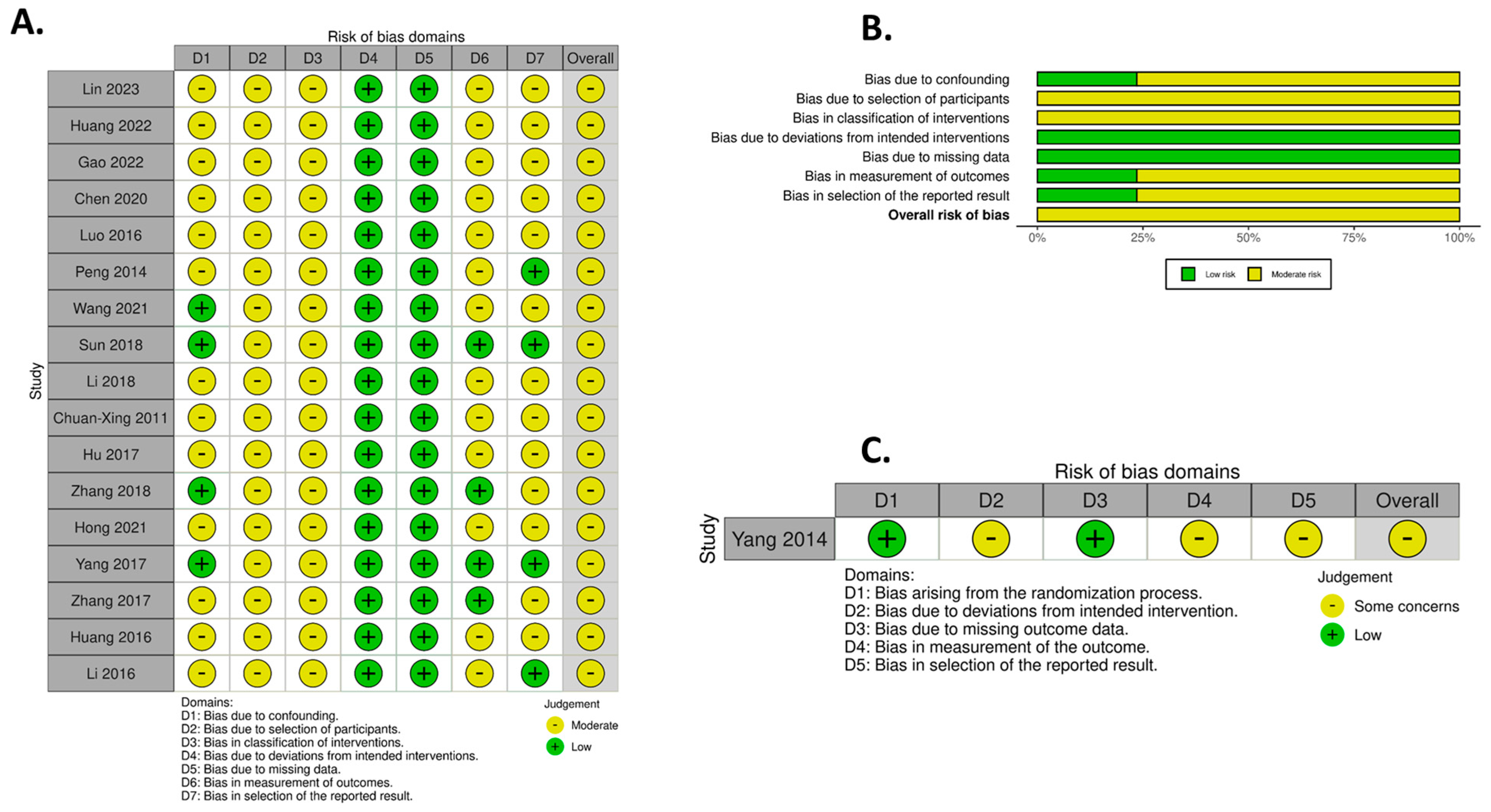
The risk of bias assessment was conducted via the ROBINS-1 risk of bias assessment tool for non-RCT studies (n = 16) and the RoB-2 tool for RCT studies (n = 1). For the ROBINS-1 tool, seven domains were assessed, including bias due to confounding (D1), bias due to selection of participants (D2), bias in the classification of interventions (D3), bias due to deviations from intended interventions (D4), bias due to missing data (D5), bias in the measurement of outcomes (D6), and bias in the selection of the reported result (D7). In contrast, the ROB-2 tool focused on assessing five key domains, which included bias due to confounding (D1), bias due to the selection of participants (D2), bias in the classification of interventions (D3), bias due to deviations from intended interventions (D4), and bias due to missing data (D5).
Among the non-RCT studies, the ROBINS-1 assessment revealed that none presented a high risk of bias (Figure 2A). All non-RCT studies were classified as having a moderate risk of bias (Figure a). Notably, all studies were assessed to have a low risk of bias regarding deviations from intended interventions and missing data (Figure 2B). As illustrated in Figure 2c, the last study, an RCT, was assessed through the ROB-2 risk of bias assessment tool, classifying its risk of bias as 'some concern’ (Figure 2C). The figure indicates a 'low' risk of bias for bias arising from the randomization process (D1), bias in the classification of interventions (D3), and 'some concerns' for bias in the remaining 3 domains (Figure 2C).

3.4. Meta-Analysis

3.4.1. Primary Outcomes

Overall Survival at 1 Year

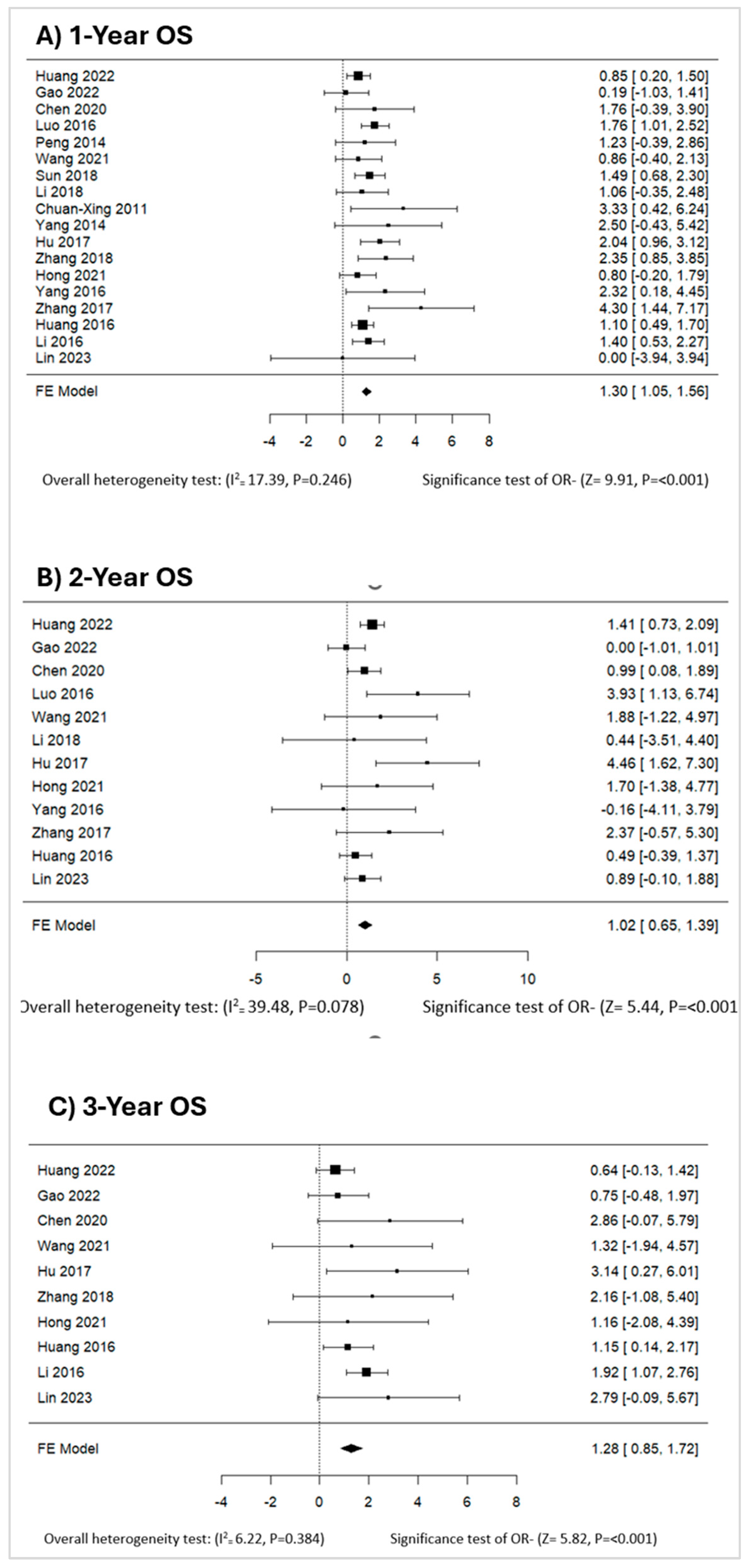
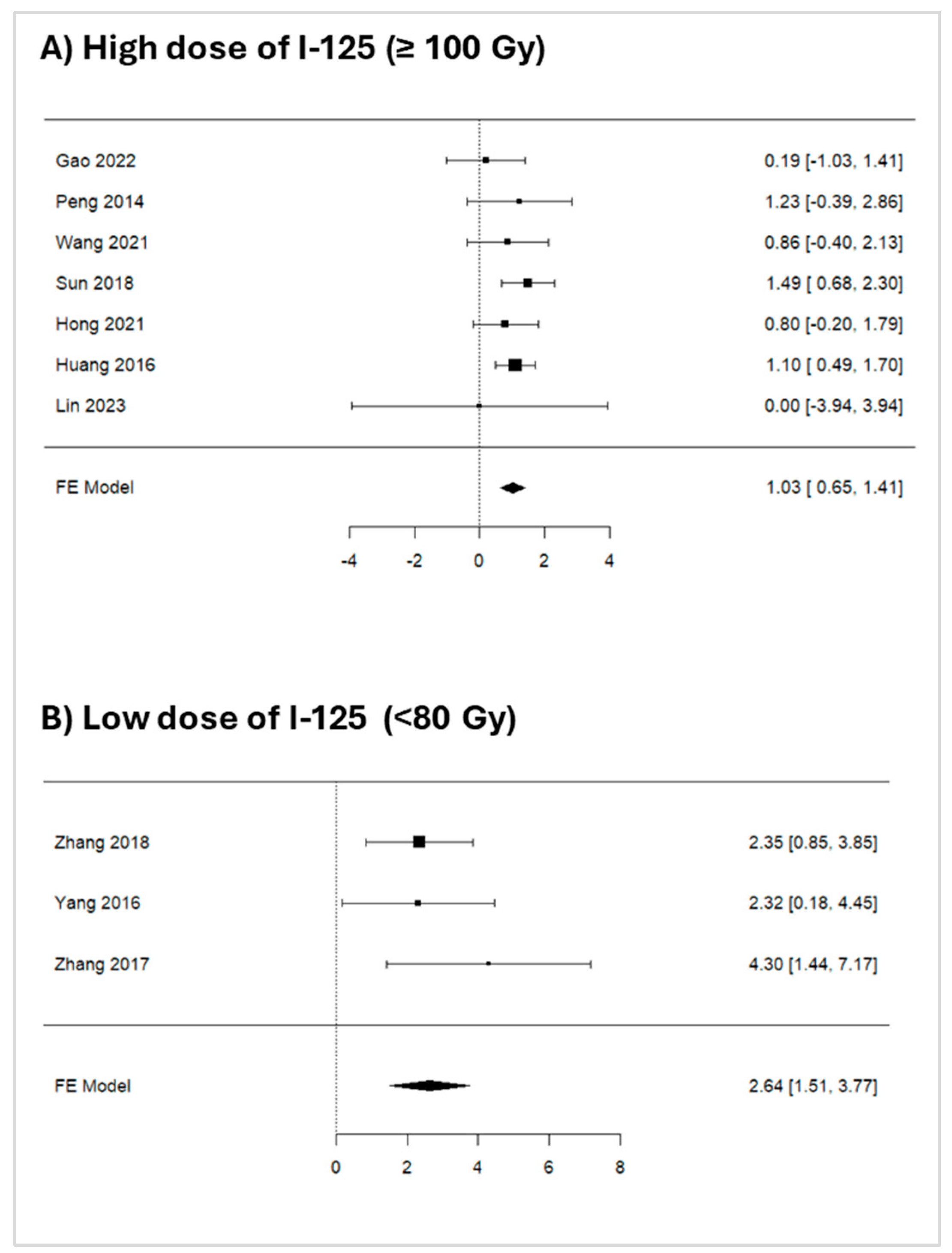
A total of k=18 studies were included in the analysis (Figure 3A). The observed log odds ratios ranged from 0.0000 to 4.3014, with most estimates being positive (94%). The estimated average log odds ratio based on the fixed-effects model was 1.3030 (95% CI: 1.0453 to 1.5607). Therefore, the average outcome differed significantly from zero (z = 9.9101, p < 0.0001). According to the Q-test, there was no significant heterogeneity in the true outcomes (Q (17) = 20.5789, p = 0.2457, I² = 17.3910%). One study (Huang et al. 2016) had a relatively large weight compared to the rest of the studies, so a weight at least 3 times as large as having equal weights across studies) (5). An examination of the studentized residuals revealed that none of the studies had a value larger than ± 2.9913, and hence, there was no indication of outliers in the context of this model. The analysis of studies using high doses of I-125 (≥ 100 Gy) and those using lower doses (<80 Gy) revealed no differences in the 1-year OS rate (Figure 4). According to Cook's distances, none of the studies could be considered overly influential. Neither the rank correlation nor the regression test indicated any funnel plot asymmetry (p = 0.1519 and p = 0.0629, respectively) (Supplementary Material: Figure S1). Thus, no publication bias was present.

Overall Survival at 2 Years

A total of k=12 studies were included in the analysis (Figure 3B). The observed log odds ratios ranged from -0.1616 to 4.4579, with the most estimates being positive (83%). The estimated average log odds ratio based on the fixed-effects model was 1.0197 (95% CI: 0.6521 to 1.3872). Therefore, the average outcome differed significantly from zero (z = 5.4368, p < 0.0001). The Q-test for heterogeneity was insignificant, but some may still be present in the true outcomes (Q(11) = 18.1759, p = 0.0776, I² = 39.4804%). One study (Huang et al. 2022) had a relatively large weight compared to the rest of the studies, so a weight at least 3 times as large as having equal weights across studies) [6]. An examination of the studentized residuals revealed that none of the studies had a value larger than ± 2.8653. Hence, there was no indication of outliers in the context of this model. According to Cook's distances, none of the studies could be considered overly influential. Neither the rank correlation nor the regression test indicated any funnel plot asymmetry (p = 0.8406 and p = 0.1029, respectively) (Supplementary Material: Figure S2). Thus, no publication bias was present.

Overall Survival at 3 Years

A total of k=10 studies were included in the analysis (Figure 3C). The observed log odds ratios ranged from 0.6448 to 3.1407, with most estimates being positive (100%). The estimated average log odds ratio based on the fixed-effects model was 1.2843 (95% CI: 0.8515 to 1.7171). Therefore, the average outcome differed significantly from zero (z = 5.8159, p < 0.0001). According to the Q-test, there was no significant heterogeneity in the true outcomes (Q(9) = 9.5973, p = 0.3841, I² = 6.2239%). One study (Huang 2022) had a relatively large weight compared to the rest of the studies, so a weight at least 3 times as large as having equal weights across studies) (6). An examination of the studentized residuals revealed that none of the studies had a value larger than ± 2.8070. Hence, there was no indication of outliers in the context of this model. According to Cook's distances, two studies (Huang et al 2022; Li et al. 2016) could be considered overly influential (6,7). Neither the rank correlation nor the regression test indicated any funnel plot asymmetry (p = 0.8618 and p = 0.1214, respectively) (Supplementary Material: Figure S3). Thus, no publication bias was present.

3.4.2. Secondary Outcomes

Cancer Response Rates and Survival Data

Tumor response rates
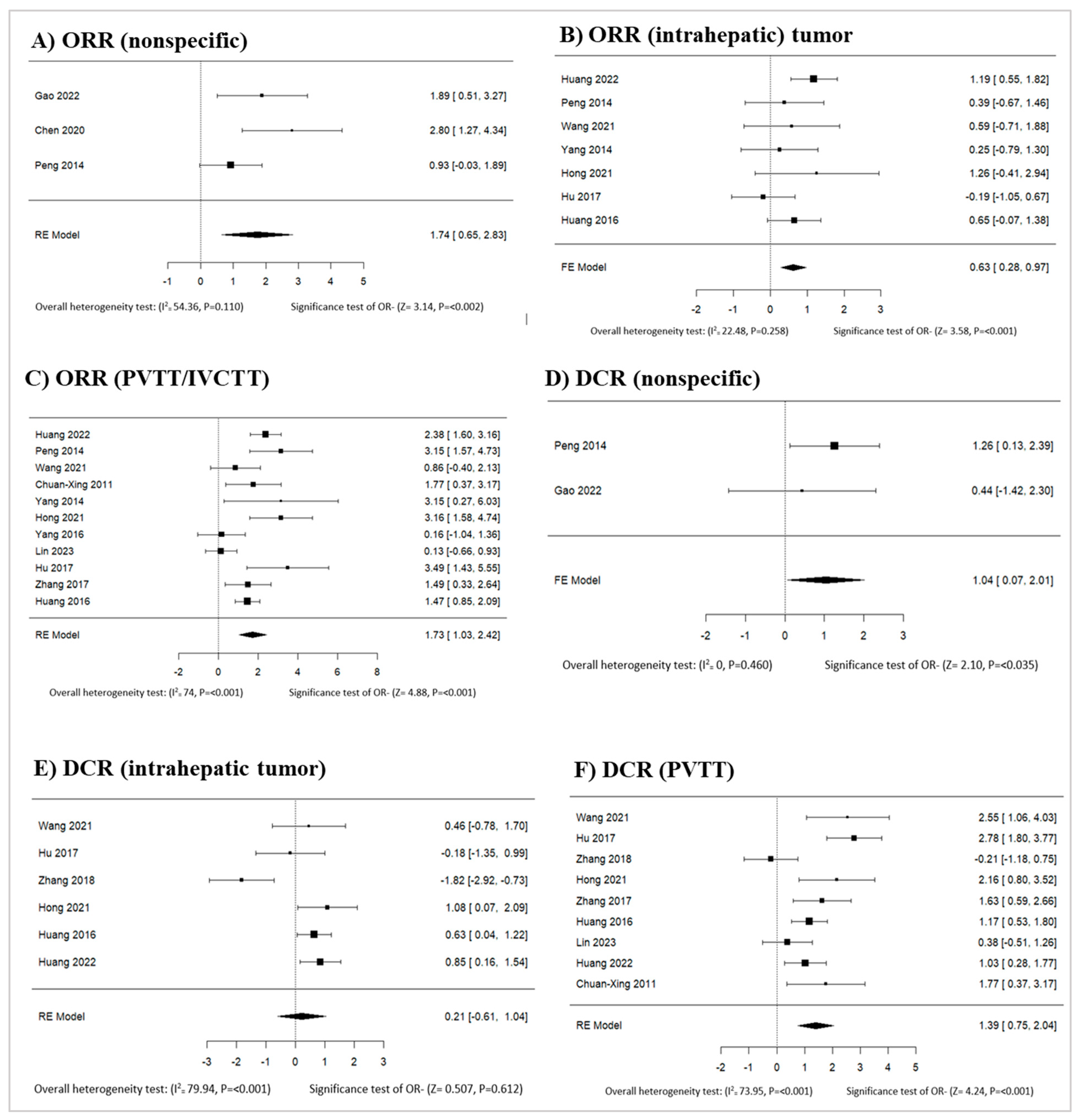
Table S9 in the supplementary material presents the comparative analysis of tumor response outcomes between patients treated with the intervention (TACE plus I-125) versus those treated with the control (TACE monotherapy). Tumor response was assessed based on the modified Response Evaluation Criteria in Solid Tumors (mRECIST), which includes the following categories: Complete Response (CR), Partial Response (PR), Stable Disease (SD), and Progressive Disease (PD) [21]. The response rates are expressed as percentages of the total number of patients in each treatment group. The table also includes the overall response rate (ORR) and the disease control rate (DCR) (Table S9). ORR was calculated as the sum of CR and PR rates, while DCR was calculated as the sum of the rates of CR, PR, and SD. A meta-analysis was performed for ORR and DCR, as presented in Figure 5.
Meta-analysis of ORR

3.5. Non-Specific ORR

A total of k=3 studies were included in the analysis (Figure 5A). The observed log odds ratios ranged from 0.9282 to 2.8034, with most estimates being positive (100%). The estimated average log odds ratio based on the random-effects model was 1.7423 (95% CI: 0.6537 to 2.8309). Therefore, the average outcome differed significantly from zero (z = 3.1369, p = 0.0017). According to the Q-test, there was no significant heterogeneity in the true outcomes (Q(2) = 4.4075, p = 0.1104, tau² = 0.5034, I² = 54.3552%). A 95% prediction interval for the true outcomes is from -0.0237 to 3.5083. Hence, although the average outcome is estimated to be positive, in some studies, the true outcome may, in fact, be negative. An examination of the studentized residuals revealed that none of the studies had a value larger than ± 2.3940. Hence, there was no indication of outliers in the context of this model. According to Cook's distances, none of the studies could be considered overly influential. The regression test indicated funnel plot asymmetry (p = 0.0404) but not the rank correlation test (p = 0.3333); publication bias is presented (Supplementary Material: Figure S4).

3.6. Intrahepatic Tumor ORR

A total of k=7 studies were included in the analysis (Figure 5B). The observed log odds ratios ranged from -0.1907 to 1.2629, with most estimates being positive (86%). The estimated average log odds ratio based on the fixed-effects model was 0.6255 (95% CI: 0.2830 to 0.9681). Therefore, the average outcome differed significantly from zero (z = 3.5787, p = 0.0003). According to the Q-test, there was no significant heterogeneity in the true outcomes (Q(6) = 7.7404, p = 0.2577, I² = 22.4842%). An examination of the studentized residuals revealed that none of the studies had a value larger than ± 2.6901. Hence, there was no indication of outliers in the context of this model. According to Cook's distances, none of the studies could be considered overly influential. Neither the rank correlation nor the regression test indicated any funnel plot asymmetry (p = 1.0000 and p = 0.5174, respectively) (Supplementary Material: Figure S5). Thus, no publication bias was present.

3.7. PVTT/IVCTT ORR

A total of k=11 studies were included in the analysis (Figure 5C). The observed log odds ratios ranged from 0.1313 to 3.4864, with most estimates being positive (100%). The estimated average log odds ratio based on the random-effects model was 1.7289 (95% CI: 1.0342 to 2.4236). Therefore, the average outcome differed significantly from zero (z = 4.8780, p < 0.0001). According to the Q-test, the true outcomes appear heterogeneous (Q(10) = 35.4560, p = 0.0001, tau² = 0.9151, I² = 73.9969%). A 95% prediction interval for the true outcomes is given by -0.2705 to 3.7284. Hence, although the average outcome is estimated to be positive, in some studies, the true outcome may be negative. An examination of the studentized residuals revealed that none of the studies had a value larger than ± 2.8376. Hence, there was no indication of outliers in the context of this model. According to Cook's distances, none of the studies could be overly influential. Neither the rank correlation nor the regression test indicated any funnel plot asymmetry (p = 0.2183 and p = 0.0513, respectively) (Supplementary Material: Figure S6). Thus, no publication bias was present.

Meta-Analysis of DCR

Nonspecific DCR
A total of k=2 studies were included in the analysis (Figure 5D). The observed log odds ratios ranged from 0.4394 to 1.2615, with the majority of estimates being positive (100%). The estimated average log odds ratio based on the fixed-effects model was 1.0390 (95% CI: 0.0712 to 2.0069). Therefore, the average outcome differed significantly from zero (z = 2.1041, p = 0.0354). According to the Q-test, there was no significant heterogeneity in the true outcomes (Q(1) = 0.5471, p = 0.4595, I² = 0.0000%). An examination of the studentized residuals revealed that none of the studies had a value larger than ± 2.2414. Hence, there was no indication of outliers in the context of this model. According to the Cook's distances, none of the studies could be considered overly influential. Neither the rank correlation nor the regression test indicated any funnel plot asymmetry (p = 1.0000 and p = 0.4595, respectively) (Supplementary Material: Figure S7). No publication bias is present.

3.8. Intrahepatic Tumor DCR

A total of k=6 studies were included in the analysis (Figure 5E). The observed log odds ratios ranged from -1.8225 to 1.0788, with most estimates being positive (67%). The estimated average log odds ratio based on the random-effects model was 0.2137 (95% CI: -0.6123 to 1.0396). Therefore, the average outcome did not differ significantly from zero (z = 0.5070, p = 0.6121). According to the Q-test, the true outcomes appear heterogeneous (Q(5) = 20.7379, p = 0.0009, tau² = 0.8205, I² = 79.9367%). A 95% prediction interval for the true outcomes is from -1.7444 to 2.1718. Hence, although the average outcome is estimated to be positive, in some studies, the true outcome may be negative. An examination of the studentized residuals revealed that one study (Zhang et al. 2018) had a value larger than ± 2.6383 and maybe a potential outlier in the context of this model [14]. According to the Cook's distances, one study (Zhang et al. 2018) could be considered overly influential [14]. Neither the rank correlation nor the regression test indicated any funnel plot asymmetry (p = 0.4694 and p = 0.3363, respectively) (Supplementary Material: Figure S8). Thus, no publication bias was present.

3.9. PVTT/IVCTT DCR

A total of k=9 studies were included in the analysis (Figure 5F). The observed log odds ratios ranged from -0.2144 to 2.7820, with most estimates being positive (89%). The estimated average log odds ratio based on the random-effects model was 1.3941 (95% CI: 0.7496 to 2.0387). Therefore, the average outcome differed significantly from zero (z = 4.2392, p < 0.0001). According to the Q-test, the true outcomes appear heterogeneous (Q(8) = 28.0467, p = 0.0005, tau² = 0.6869, I² = 73.9507%). A 95% prediction interval for the true outcomes is from -0.3535 to 3.1417. Hence, although the average outcome is estimated to be positive, in some studies, the true outcome may be negative. An examination of the studentized residuals revealed that none of the studies had a value larger than ± 2.7729. Hence, there was no indication of outliers in the context of this model. According to Cook's distances, none of the studies could be considered overly influential. Neither the rank correlation nor the regression test indicated any funnel plot asymmetry (p = 0.2595 and p = 0.1275, respectively) (Supplementary Material: Figure S9). Thus, no publication bias was present.

3.9.1. Progression Free Survival (PFS)

The results of the PFS outcomes are presented in three primary categories: nonspecific progression-free survival, intrahepatic tumor progression-free survival, and PVTT, progression-free survival (Supplementary Material: Table S10). All studies reported the median without indicating the IQR; therefore, a meta-analysis was not performed for the PFS, and a quantitative analysis was presented instead (Supplementary Material: Table S10).

3.9.2. Nonspecific PFS

Three studies reported the PFS without indicating the type of tumor [1,2,10]. The studies consistently showed that the combination of TACE and I-125 implantation provided a superior PFS outcome compared to TACE alone [1,2,3,4,10,17]. For instance, Gao et al. reported a median PFS of 11 months with the combination treatment versus 5 months with TACE alone [1]. Chen et al. similarly observed an extended PFS of 16 months for the combination compared to 8 months for TACE alone [2]. Finally, Luo et al. reported a PFS of 2.4 months for the combined therapy compared to 1.3 months with TACE alone, demonstrating a consistent trend favoring the combination treatment [10].

3.9.3. Intrahepatic Tumor PFS

Only Hong et al. provided data relevant to intrahepatic tumor PFS. In this study, the combination therapy achieved a PFS of 5 months compared to 2 months for TACE alone, indicating a marked improvement with the addition of I-125 [17].

3.9.4. PVTT PFS

Three studies also assessed the impact of treatments on PVTT. For instance, Chuan-Xing et al. showed an increase in PFS from 5.3 months with TACE alone to 7.9 months with the combined approach [4]. Similarly, Hong et al. reported a PFS improvement from 3 months with TACE alone to 9 months with the combination therapy [17]. Lin et al. further supported these findings, showing a PFS of 13 months with the combined treatment versus 9 months with TACE alone [3].
Overall, the pooled analysis indicated that combining TACE with I-125 implantation significantly extends the PFS across different progression categories compared to TACE as a standalone treatment, highlighting its potential as a more effective therapeutic approach for HCC patients.
Meta-Analysis of Adverse Events and Complications
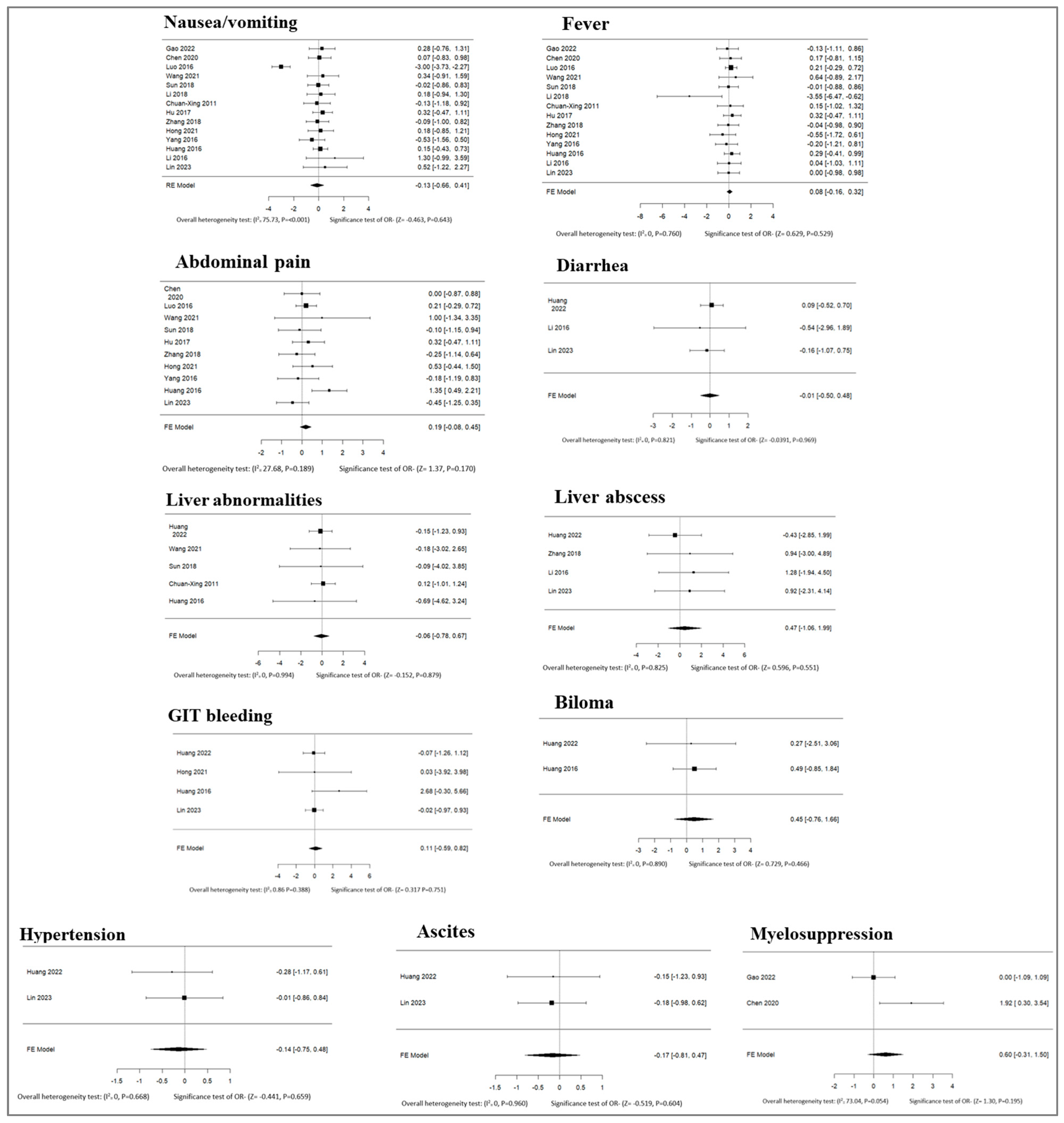
The analysis included a variety of health outcomes across multiple studies, none of which showed significant side effects (Figure 6). For nausea/vomiting, 14 studies showed a range of log odds ratios from -3.0005 to 1.2993, with an average of -0.1256, indicating no significant difference from zero (p = 0.6431) and considerable heterogeneity (I² = 75.73%). In diarrhea, 3 studies yielded an average log odds ratio of -0.0098 (p = 0.9688), with no significant heterogeneity. For fever, 14 studies had an average log odds ratio of 0.0778 (p = 0.5295), and no heterogeneity was detected. Liver abnormalities were analyzed in 5 studies, resulting in an average of -0.0563 (p = 0.8792) and no heterogeneity. For myelosuppression, the Q-test for heterogeneity was insignificant, but some heterogeneity may still be present in the true outcomes; average log odds ratio of 0.5976 (p = 0.1953). Abdominal pain was studied in 10 studies, with an average of 0.1862 (p = 0.1696) and no significant heterogeneity. GIT bleeding analyzed 4 studies with an average log odds ratio of 0.1145 (p = 0.7514) and no heterogeneity. Biloma, in 2 studies, yielded an average of 0.4511 (p = 0.4661) with no significant heterogeneity. Liver abscesses from 4 studies averaged 0.4652 (p = 0.5509), again with no heterogeneity. Hypertension was assessed in 2 studies, averaging -0.1383 (p = 0.6592) with no heterogeneity. Finally, ascites, in 2 studies, had an average log odds ratio of -0.1701 (p = 0.6035) and showed no significant heterogeneity. None of the side effects studied were significant based on the Q-test, and publication bias was absent across all outcomes (Supplementary Material: Figure S10).

4. Discussion

This systematic review and meta-analysis explored the efficacy and safety of combining TACE with I-125 brachytherapy compared to TACE monotherapy in patients with HCC. The studies included in this analysis, published between 2011 and 2023, mainly came from China, with one RCT and one non-RCT clinical trial among multiple retrospective cohort studies. Our findings consistently suggest that TACE combined with I-125 brachytherapy is a safe and effective treatment for HCC. This approach significantly increased overall survival rates (at 1, 2, and 3 years), ORR, and DCR, particularly for intrahepatic tumors and PVTT/IVCTT, without increasing major adverse events.
The relative effectiveness of TACE in enhancing overall survival rates for patients with HCC has been investigated in numerous studies [1,22,23,24,25,26,27]. It has been reported that TACE, when administered alone or in combination with other interventions, leads to a notable enhancement in tumor response and health-related quality of life (HRQoL) for patients with HCC, although the OS advantages are limited for the TACE monotherapy [28,29]. Nevertheless, when combined with additional treatments such as locoregional therapies, TACE demonstrates a significant increase in OS and PFS [23,24,26,27,30].
PVTT, a condition associated with poor prognosis due to the complexity of tumor vasculature and limited options for localized control, is a frequent and serious complication in people with HCC [31,32,33,34]. It affects a significant proportion of patients and often leads to worse outcomes [31,32,33,34]. PVTT generally limits treatment options for HCC [31,32,33,34]. Transplantation is usually not possible, and surgery to remove the tumor is controversial [31,32,33,34]. Other treatments like ablation and chemoembolization are also less effective; however, newer approaches, including the addition of I-125 brachytherapy, show promise for treating HCC with or without PVTT [35]. The integration of I-125 seeds, which deliver continuous localized radiation, supports prolonged tumor remission and contributes to the observed survival benefits [35]. Notably, for patients with advanced disease, this combination therapy outperformed sorafenib in specific HCC cohorts [36]. This evidence supports the potential of TACE with I-125 seeds as a superior intervention for advanced HCC with vascular invasion, specifically PVTT.

4.1. Meta-Analysis Findings

4.1.1. Overall Survival (OS)

Our meta-analysis on OS at 1, 2, and 3 years demonstrated significant survival benefits for patients receiving TACE + I-125 brachytherapy. The analysis of studies using high doses of I-125 (≥ 100 Gy) and those using lower doses (<80 Gy) revealed no differences in the 1-year OS rate. This finding aligns with other publications examining variable doses of I-125 in different interventions, which consistently demonstrate effectiveness [37,38,39].

4.1.2. Objective Response Rate (ORR) and Disease Control Rate (DCR)

Additionally, the meta-analyses on ORR and DCR provide critical insights into the efficacy of interventions across tumor subtypes. For nonspecific tumors, the significantly positive ORR and DCR suggest the broad effectiveness of the interventions; however, the confidence intervals indicate that outcomes may not be universally positive across all patient populations. Intrahepatic tumor analyses revealed a moderate but significant ORR and a non-significant DCR, reflecting variability in treatment response. The non-significance in DCR could indicate either variability in the intervention’s efficacy or differences in study design and population characteristics, highlighting the need for standardized protocols in future studies. For PVTT/IVCTT tumors, the strong and significantly positive ORR and DCR, despite the presence of heterogeneity, reinforce the potential efficacy of the intervention. However, previous meta-analyses have produced contradictory results regarding the ORR for PVTT tumors and have not reported any outcomes on the DCR [40,41].

4.1.3. Progression-Free Survival (PFS)

PFS outcomes varied across tumor types. The most notable improvements were observed in patients with PVTT, with combination therapy significantly extending PFS compared to TACE monotherapy. The added value of I-125 brachytherapy in this context may lie in its precise placement within the tumor, delivering sustained radiation with minimal collateral damage [35].

4.1.4. Safety Analysis

Safety is a critical consideration when combining therapies for advanced-stage cancers. Our safety analysis revealed no significant differences in adverse events between combination therapy and TACE monotherapy. The lack of increased side effects, such as nausea, vomiting, diarrhea, or liver abnormalities, is consistent with findings from other studies and suggests that the addition of I-125- brachytherapy to TACE is well-tolerated, making it a feasible option for integration into clinical practice [42,43]. Notably, the localized nature of I-125 brachytherapy may offer a safety advantage over systemic therapies, as it limits radiation exposure to the tumor area and minimizes impact on surrounding organs [35].

4.2. Strengths and Limitations

Other meta-analyses were published on the same topic, with the most recent in 2022, covering publications up to November 2020 only [65,66,69–71]. While their findings on OS align with ours, our analysis is more comprehensive, incorporating studies up to 2023 and a larger patient population than previous meta-analyses, which were limited to 351–1,098 patients [65,66,69–71]. We included 1,872 patients—894 in the intervention group and 930 in the control group. Moreover, we provided the most detailed evaluation of adverse events, covering 11 side effects—more than the 3–6 reported in prior analyses, some of which lacked meta-analysis on adverse events entirely [65,66,69–71]. We are also the first to present OS results at 1, 2, and 3 years, offering a more granular perspective on long-term outcomes. Our analysis includes the most extensive summary of tumor response rates (CR, PR, SD, PD). Finally, this study is the first to report detailed meta-analysis results on ORR and DCR, crucial for assessing treatment efficacy. This comprehensive analysis of response rates provides a clearer picture of TACE combination with I-125 in HCC. Like previous meta-analyses, heterogeneity was low for primary outcomes and zero for most adverse events [65,66,69–71]. However, it was higher for ORR and DCR, which were understudied in prior meta-analyses. Despite this, consistent findings across studies, including ours, highlight TACE plus I-125 brachytherapy as a promising HCC treatment, improving outcomes without compromising safety.
Despite these strengths, some limitations exist. Most included studies were retrospective cohorts, with only one RCT and one non-randomized trial, introducing bias risks. Additionally, all studies were conducted in China, limiting generalizability to populations with different healthcare systems, genetics, or epidemiology. Although heterogeneity was low for primary outcomes, it was higher for ORR and DCR due to variations in study protocols, sample sizes, or reporting standards. Standardized methodologies are needed for consistent comparisons. Future research should prioritize well-designed, multicenter RCTs with standardized protocols to validate survival benefits and ensure generalizability. Additionally, the long-term safety of I-125 implantation, particularly regarding radiation-induced liver toxicity, remains a key concern. Further research should optimize I-125 seed dosage, spacing, and deployment using advanced imaging techniques like CT or MRI-guided navigation. Investigating novel therapeutic combinations, such as immune checkpoint inhibitors with TACE and I-125, may reveal synergistic effects that enhance efficacy in advanced HCC. Research should also include multiethnic cohorts to improve generalizability. Conducting prospective, multicenter RCTs with standardized outcome measures is crucial to reducing variability and ensuring reproducibility. Rigorous methodologies, including stratified randomization and standardized reporting, are essential for mitigating biases and translating findings into clinical practice.

4.3. Implications for Clinical Practice

This review highlights the clinical impact of combining I-125 seed implantation with TACE for advanced HCC, particularly in cases with PVTT, where prognosis is poor. By delivering sustained localized radiation, this approach enhances tumor control and survival beyond TACE alone, which struggles against aggressive tumor behavior with vascular invasion. This combination therapy has the potential to be integrated into standard treatment guidelines, offering a personalized option for patients ineligible for surgery or transplantation.
This systematic review and meta-analysis evaluated TACE combined with I-125 seed implantation for advanced HCC, particularly in PVTT cases. The combination improved OS, ORR, and DCR over TACE alone. I-125 brachytherapy delivers localized, continuous low-dose radiation, enhancing tumor control while sparing healthy tissue. Its targeted effect is especially beneficial in PVTT, where tumor invasion complicates treatment and worsens prognosis. Studies consistently showed improved local control and delayed progression, supporting this approach as a promising strategy for high-risk HCC.

Supplementary Materials

The following supporting information can be downloaded at the website of this paper posted on Preprints.org, The supplementary materials include detailed database search strategies, baseline characteristics of the included studies, risk-of-bias assessment tables, and additional analyses (subgroup, sensitivity, and forest plots) that support the findings of this systematic review and meta-analysis.

Author Contributions

Conceptualization and protocol development: Israa Alhashimi, Abeer Hamid, Dana Elkhalifa, and Mohamed Izham Mohamed Ibrahim; database search, study screening, data extraction, and risk-of-bias assessment: Israa Alhashimi, Abeer Hamid, and Dana Elkhalifa; meta-analysis: Mohamed Izham Mohamed Ibrahim; manuscript drafting: Israa Alhashimi, Abeer Hamid, and Dana Elkhalifa; critical review and editing: Ali Barah, Sohaib Zoghoul, and Mohamed Izham Mohamed Ibrahim. All authors have read and agreed to the published version of the manuscript.

Funding

This research received no external funding.

Institutional Review Board Statement

Not applicable.

Data Availability Statement

All data generated or analyzed during this study are included in this article and its supplementary material files. Further details are available from the corresponding authors upon reasonable request.

Acknowledgments

The authors thank Hamad Medical Corporation, Aspetar Orthopedics and Sports Medicine Hospital, University of Al Maarif, and Qatar University for institutional support.

Conflicts of Interest

The authors declare no conflict of interest.

References

  1. Gao FL, Wang Y, Huang XZ, Pan TF, Guo JH. I-125 seeds brachytherapy with transcatheter arterial chemoembolization for subcapsular hepatocellular carcinoma. BMC Gastroenterol. 2022 Dec 1;22(1). [CrossRef]
  2. Chen L, Sun T, Kan X, Chen S, Ren Y, Cao Y, et al. Transarterial chemoembolization combined with iodine-125 seed implantation for patients with hepatocellular carcinoma: a retrospective controlled study. Journal of International Medical Research. 2020;48(10). [CrossRef]
  3. Lin LW, Yan LY, Ke K, Yang WZ, Lin JQ, Huang N. Efficacy and safety of transarterial chemoembolization combined with lenvatinib, programmed death-1 inhibitor, and iodine-125 seed brachytherapy for hepatocellular carcinoma with portal vein tumor thrombosis. Brachytherapy. 2023 Nov 1;22(6):858–71. [CrossRef]
  4. Li CX, He X, Hu BS, Li Y, Shao PJ, Yu XY, et al. Efficacy of therapy for hepatocellular carcinoma with portal vein tumor thrombus: Chemoembolization and stent combined with iodine-125 seed. Cancer Biol Ther. 2011 Nov 15;12(10):865–71.
  5. Huang M, Lin Q, Wang H, Chen J, Bai M, Wang L, et al. Survival benefit of chemoembolization plus Iodine125 seed implantation in unresectable hepatitis B-related hepatocellular carcinoma with PVTT: a retrospective matched cohort study. Eur Radiol. 2016 Oct 1;26(10):3428–36. [CrossRef]
  6. Huang J, Cai M, Huang W, Guo Y, Zhou J, Liang L, et al. Transarterial chemoembolization combined with sorafenib and iodine-125 seed brachytherapy for hepatocellular carcinoma with portal vein tumor thrombus: a retrospective controlled study. Vol. 135, Chinese Medical Journal. Lippincott Williams and Wilkins; 2022. p. 113–5. [CrossRef]
  7. Li M, He J, Pan M, Yu Y, Pan Z, Xu B, et al. Iodine-125 implantation plus transarterial chemoembolization for the treatment of hepatocellular carcinoma of 3–5 cm: A propensity score matching study. Digestive and Liver Disease. 2016 Sep 1;48(9):1082–7. [CrossRef]
  8. Peng S, Yang QX, Zhang T, Lu MJ, Yang G, Liu ZY, et al. Lobaplatin-TACE combined with radioactive 125I seed implantation for treatment of primary hepatocellular carcinoma. Asian Pacific Journal of Cancer Prevention. 2014;15(13):5155–60. [CrossRef]
  9. Li S, He X, Dang L, Xu F, Fang J, Li F, et al. Efficacy of 125I Versus Non-125I Combined with Transcatheter Arterial Chemoembolization for the Treatment of Unresectable Hepatocellular Carcinoma with Obstructive Jaundice. Vol. 63, Digestive Diseases and Sciences. Springer New York LLC; 2018. p. 321–8. [CrossRef]
  10. Luo JJ, Zhang ZH, Liu QX, Zhang W, Wang JH, Yan ZP. Endovascular brachytherapy combined with stent placement and TACE for treatment of HCC with main portal vein tumor thrombus. Hepatol Int. 2016 Jan 1;10(1):185–95. [CrossRef]
  11. Wang W, Wang C, Shen J, Ren B, Yin Y, Yang J, et al. Integrated I-125 Seed Implantation Combined with Transarterial Chemoembolization for Treatment of Hepatocellular Carcinoma with Main Portal Vein Tumor Thrombus. Cardiovasc Intervent Radiol. 2021 Oct 1;44(10):1570–8. [CrossRef]
  12. Yang Q hui, Zhang W, Liu Q xin, Liu L xiao, Wu L lin, Wang J hua, et al. TACE Combined with Implantation of Irradiation Stent Versus TACE Combine with Bare Stent for HCC Complicated by IVCTT. Cardiovasc Intervent Radiol. 2016 Sep 1;39(9):1280–8.
  13. Yang M, Fang Z, Yan Z, Luo J, Liu L, Zhang W, et al. Transarterial chemoembolisation (TACE) combined with endovascular implantation of an iodine-125 seed strand for the treatment of hepatocellular carcinoma with portal vein tumour thrombosis versus TACE alone: A two-arm, randomised clinical trial. J Cancer Res Clin Oncol. 2014;140(2):211–9.
  14. Zhang ZH, Zhang W, Gu JY, Liu QX, Ma JQ, Liu LX, et al. Treatment of Hepatocellular Carcinoma with Tumor Thrombus with the Use of Iodine-125 Seed Strand Implantation and Transarterial Chemoembolization: A Propensity-Score Analysis. Journal of Vascular and Interventional Radiology. 2018 Aug 1;29(8):1085–93. [CrossRef]
  15. Zhang ZH, Liu QX, Zhang W, Ma JQ, Wang JH, Luo JJ, et al. Combined endovascular brachytherapy, sorafenib, and transarterial chemobolization therapy for hepatocellular carcinoma patients with portal vein tumor thrombus. World J Gastroenterol. 2017;23(43):7735–45. [CrossRef]
  16. Sun H, Zhang M, Liu R, Liu Y, Hou Y, Wu C. Endovascular implantation of 125I seed combined with transcatheter arterial chemoembolization for unresectable hepatocellular carcinoma. Future Oncology. 2018 May 1;14(12):1165–76. [CrossRef]
  17. Hong D, Zhou Y, Wan X, Su H, Shao H. Brachytherapy with Iodine-125 seeds for treatment of portal vein-branch tumor thrombus in patients with hepatocellular carcinoma. BMC Cancer. 2021 Dec 1;21(1). [CrossRef]
  18. Hu HT, Luo JP, Li HL, Yang Guo C, Yao QJ, Geng X, et al. Transarterial chemoembolization combined with computed tomography-guided 125 iodine implantation enhances survival in hepatocellular carcinoma patients with portal vein tumor thrombus [Internet]. 2017. Available from: www.impactjournals.com/oncotarget. [CrossRef]
  19. Page MJ, McKenzie JE, Bossuyt PM, Boutron I, Hoffmann TC, Mulrow CD, et al. The PRISMA 2020 statement: an updated guideline for reporting systematic reviews. BMJ. 2021 Mar 29;n71.
  20. McGuinness LA, Higgins JPT. Risk-of-bias VISualization (robvis): An R package and Shiny web app for visualizing risk-of-bias assessments. Res Synth Methods. 2021 Jan 6;12(1):55–61.
  21. Lencioni R, Llovet J. Modified RECIST (mRECIST) Assessment for Hepatocellular Carcinoma. Semin Liver Dis. 2010 Feb 19;30(01):052–60. doi:10.1055/s-0030-1247132.
  22. Dhondt E, Lambert B, Hermie L, Huyck L, Vanlangenhove P, Geerts A, et al. 90 Y Radioembolization versus Drug-eluting Bead Chemoembolization for Unresectable Hepatocellular Carcinoma: Results from the TRACE Phase II Randomized Controlled Trial. Radiology. 2022 Jun;303(3):699–710.
  23. Kudo M, Ueshima K, Ikeda M, Torimura T, Tanabe N, Aikata H, et al. Randomised, multicentre prospective trial of transarterial chemoembolisation (TACE) plus sorafenib as compared with TACE alone in patients with hepatocellular carcinoma: TACTICS trial. Gut. 2020 Aug;69(8):1492–501. [CrossRef]
  24. Llovet JM, Vogel A, Madoff DC, Finn RS, Ogasawara S, Ren Z, et al. Randomized Phase 3 LEAP-012 Study: Transarterial Chemoembolization With or Without Lenvatinib Plus Pembrolizumab for Intermediate-Stage Hepatocellular Carcinoma Not Amenable to Curative Treatment. Cardiovasc Intervent Radiol. 2022 Apr 4;45(4):405–12. [CrossRef]
  25. Brown AM, Kassab I, Massani M, Townsend W, Singal AG, Soydal C, et al. <scp>TACE</scp> versus <scp>TARE</scp> for patients with hepatocellular carcinoma: Overall and individual patient level meta analysis. Cancer Med. 2023 Feb 9;12(3):2590–9.
  26. Liu L, Chen H, Wang M, Zhao Y, Cai G, Qi X, et al. Combination Therapy of Sorafenib and TACE for Unresectable HCC: A Systematic Review and Meta-Analysis. PLoS One. 2014 Mar 20;9(3):e91124. [CrossRef]
  27. Yang SB, Zhang JH, Fu YF, Wang R. TACE with portal vein radioactive seeds for HCC with portal vein tumor thrombus: a meta-analysis. Minimally Invasive Therapy & Allied Technologies. 2022 Aug 1;31(6):856–64. [CrossRef]
  28. Kang D, Shim S, Cho J, Lim HK. Systematic Review of Studies Assessing the Health-Related Quality of Life of Hepatocellular Carcinoma Patients from 2009 to 2018. Korean J Radiol. 2020;21(6):633. [CrossRef]
  29. Oliveri RS, Wetterslev J, Gluud C. Transarterial (chemo)embolisation for unresectable hepatocellular carcinoma. Cochrane Database of Systematic Reviews. 2011 Mar 16. [CrossRef]
  30. Chen J, Jin Z, Zhong B, Fan W, Zhang W, Luo B, et al. Locoregional therapies for hepatocellular carcinoma: The current status and future perspectives. United European Gastroenterol J. 2024 Mar 19;12(2):226–39. [CrossRef]
  31. Cerrito L, Annicchiarico BE, Iezzi R, Gasbarrini A, Pompili M, Ponziani FR. Treatment of hepatocellular carcinoma in patients with portal vein tumor thrombosis: Beyond the known frontiers. World J Gastroenterol. 2019 Aug 21;25(31):4360–82. [CrossRef]
  32. Yang SB, Zhang JH, Fu YF, Wang R. TACE with portal vein radioactive seeds for HCC with portal vein tumor thrombus: a meta-analysis. Minimally Invasive Therapy & Allied Technologies. 2022 Aug 1;31(6):856–64. [CrossRef]
  33. Khan AR, Wei X, Xu X. Portal Vein Tumor Thrombosis and Hepatocellular Carcinoma – The Changing Tides. J Hepatocell Carcinoma. 2021 Sep;Volume 8:1089–115. [CrossRef]
  34. Abdelhamed W, Shousha H, El-Kassas M. Portal vein tumor thrombosis in hepatocellular carcinoma patients: Is it the end? Liver Res. 2024 Sep;8(3):141–51.
  35. Wei S, Li C, Li M, Xiong Y, Jiang Y, Sun H, et al. Radioactive Iodine-125 in Tumor Therapy: Advances and Future Directions. Front Oncol. 2021 Sep 30;11. [CrossRef]
  36. Zhao XH, Yuan H, Xia WL, Zhang LL, Li Z, Cao GS, et al. Prospective study of TACE combined with sorafenib vs TACE combined with 125I seed implantation in the treatment of hepatocellular carcinoma with portal vein tumor thrombus and arterioportal fistulas. Front Oncol. 2022 Oct 5;12. [CrossRef]
  37. Zhang ZH, Zhang W, Gu JY, Liu QX, Ma JQ, Liu LX, et al. Treatment of Hepatocellular Carcinoma with Tumor Thrombus with the Use of Iodine-125 Seed Strand Implantation and Transarterial Chemoembolization: A Propensity-Score Analysis. Journal of Vascular and Interventional Radiology. 2018 Aug;29(8):1085–93. [CrossRef]
  38. Lin ZY, Lin J, Lin C, Li YG, Chen SM, Hu JP, et al. 1.5T conventional MR-guided iodine-125 interstitial implants for hepatocellular carcinoma: Feasibility and preliminary clinical experience. Eur J Radiol. 2012 Jul;81(7):1420–5. [CrossRef]
  39. Zhang ZH, Hou SN, Yu JZ, Zhang W, Ma JQ, Yang MJ, et al. Combined iodine-125 seed strand, portal vein stent, transarterial chemoembolization, lenvatinib and anti-PD-1 antibodies therapy for hepatocellular carcinoma and Vp4 portal vein tumor thrombus: A propensity-score analysis. Front Oncol. 2023 Jan 19;12. [CrossRef]
  40. Zhu ZX, Wang XX, Yuan KF, Huang JW, Zeng Y. Transarterial chemoembolization plus iodine-125 implantation for hepatocellular carcinoma: a systematic review and meta-analysis. HPB [Internet]. 2018;20(9):795–802. Available from: https://www.embase.com/search/results?subaction=viewrecord&id=L2000768368&from=export.
  41. Li S, Guo JH, Lu J, Wang C, Wu H, Wang H, et al. I125 irradiation stent for treatment of hepatocellular carcinoma with portal vein thrombosis: A meta-analysis. Cancer/Radiotherapie [Internet]. 2021;25(4):340–9. Available from: https://www.embase.com/search/results?subaction=viewrecord&id=L2010697123&from=export. [CrossRef]
  42. Qiu Z, Yu C, Qiu X, Li Q, Li J, Chen Z, et al. Safety and Efficacy of CT-Guided Iodine-125 Brachytherapy for Portal Vein Tumor Thrombus in Hepatocellular Carcinoma. Acad Radiol. 2023 Sep;30:S53–60. [CrossRef]
  43. Hong D, Zhou Y, Wan X, Su H, Shao H. Brachytherapy with Iodine-125 seeds for treatment of portal vein-branch tumor thrombus in patients with hepatocellular carcinoma. BMC Cancer. 2021 Dec 14;21(1):1020. [CrossRef]
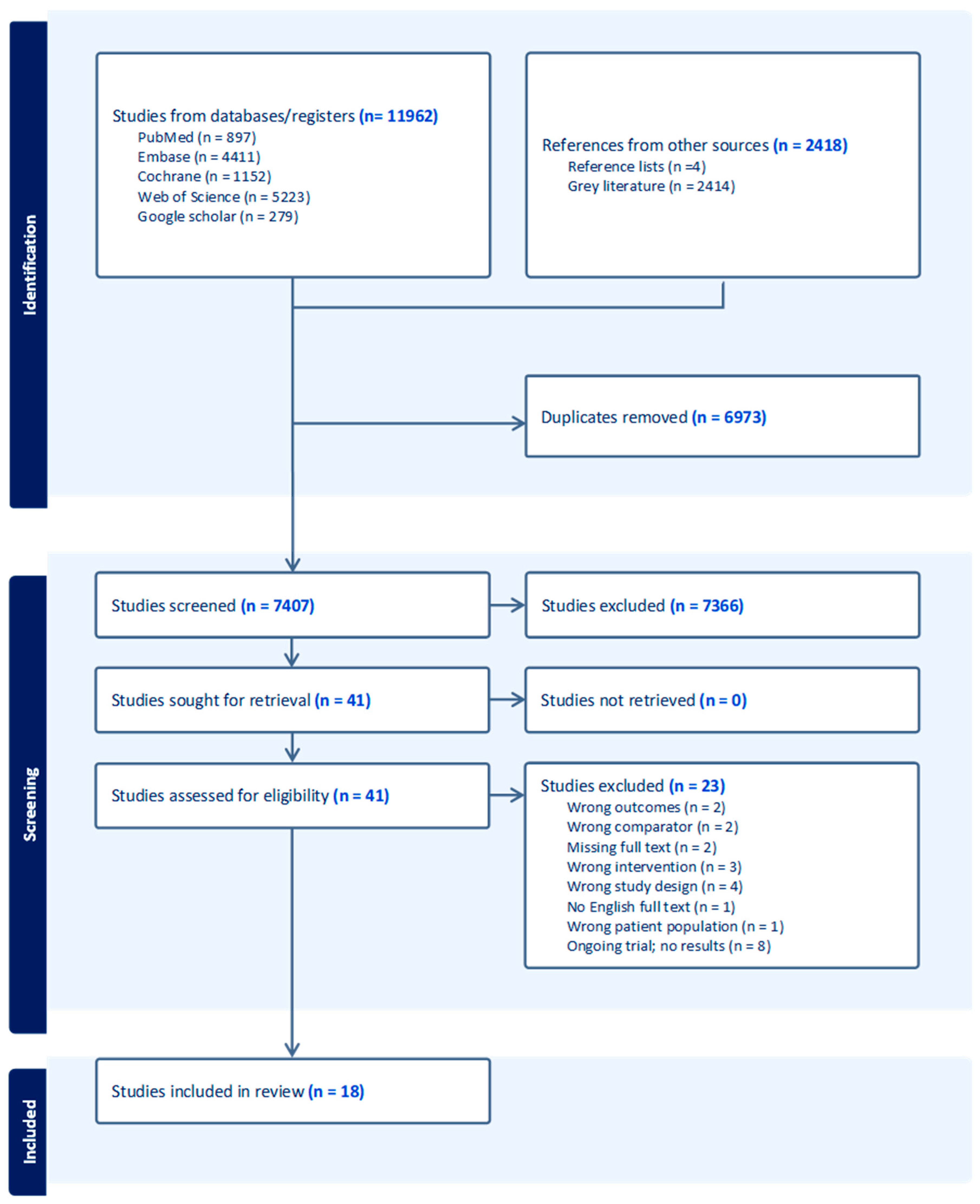
Figure 1. The PRISMA flow diagram for systematic review record identification and selection [19].
Preprints 176260 g001
Figure 2. Risk of bias assessment results for the included studies. a) ROBINS-1 risk of bias assessment result of each non-RCT clinical trial; b) overall ROBINS-1 risk of bias assessment results from all non-RCT clinical trials; c) ROB-2 risk of bias assessment result of the one RCT clinical trial included in this study. The figures were generated via Robvis software [20].
Preprints 176260 g002
Figure 3. OS rates of control vs intervention. A) 1-Year OS; B) 2-Year OS; C) 3-Year OS.
Preprints 176260 g003
Figure 4. A comparison of the 1-year OS rates of control vs intervention. A) High dose of I-125 (≥ 100 Gy); B) Low dose of I-125 (<80 Gy).
Preprints 176260 g004
Figure 5. ORR for tumor types in the control vs intervention group. A) nonspecific; B) intrahepatic tumor; C) PVTT/IVCTT. And DCR for tumor locations in control vs intervention groups. D) nonspecific; E) intrahepatic tumor; F) PVTT.
Preprints 176260 g005
Figure 6. Reported adverse events in control vs intervention groups.
Preprints 176260 g006
Table 1. Baseline characteristics of the patients in the included studies, their index tumor characteristics, and arm.
Author & Year Patients (N) Gender (M\F) Age (Mean ±SD, years) Tumor size (cm) No. of tumors Child-Pugh Class
(A/B/C)
Etiology
(Hep B\Hep C\Other)
I-125 dose (Gy) TACE treatment drug & dose
1 Huang 2022 (6)
Control 97 86\11 51 ± 12.0

7.5 ± 2.4

1\≥2:34\63 70\27\0 84\8\5 Sorafenib (400 mg)
Intervention 74 68\6 49 ± 12.5 6.8 ± 2.0 1\≥2:23\51 56\18\0 65\5\4 NR AA
2 Gao 2022 (1)
Control 32 26\6 62.1±13.3 5.8±2.7 1\≥2:19\12 25\7\0 31\0\1 5-fuorouracil (150 mg), mitomycin
C (10 mg), epirubicin (50 mg)
Intervention 32 26\6 62.7±11.8 5.5±1.9 1\≥2:25\7 26\6\0 22\0\10 100–140 AA
3 Chen 2020 (2)
Control 48 38\10 59.6 ± 10.1 <3\≥3:13\35 1\≥2:24\24 35\13\0 27\0\21 doxorubicin (10 - 20 mg)
Intervention 35 26\9 58.1 ± 10.1 <3\≥3:14\21 1\≥2:16\19 24\11\0 18\0\17 90–165 AA
4 Luo 2016 (10)
Control 94 82\12 55.1 ± 11.1 >5\-<5:61\33 NA 86\8\0 74/10/10 epirubicin (10–50 mg)
Intervention 182 167\15 53.6 ±10.2 >5\-<5:123\59 NA 160\22\0 154/16/12 37–180.7 AA
5 Peng 2014 (8)
Control 43 39\4 ≥50\<50:21\22 NA 1-3\>3:26\17 38\5\0 31\1\11 lobaplatin (10 - 50 mg)
Intervention 32 31\1 ≥50\<50:17\15 NA 1-3\>3:15\17 27\5\0 23\0\9 120 AA
6 Wang 2021 (11)
Control 25 23\2 <50\≥50 : 12\13 <5\≥5:5\20 NA 19\6\0 19\0\6 pirarubicin (20–40 mg)
Intervention 21 18\3 <50\≥50 :11\10 <5\≥ 5:6\15 NA 15\6\0 18\0\3 100 AA
7 Sun 2018 (16)
Control 70 58\12 55\≥55 :39\31 5\>5:15\55 NA 31\39\0 60\4\6 piarubicin (30–40 mg),floxuridine (750–1000 mg) , mitomycin (10 mg).
Intervention 64 45\19 55\≥55 : 30\34 5\>5:18\46 NA 25\39\0 49\6\9 100-120 AA

8 Li 2018 (9)
Control 33 25\8 54.64 ± 11.58 4.763 ± 1.501 NA 7\26\0 22\4\7 doxorubicin (20–40 mg )
Intervention 21 17\4 56.14 ± 9.82 4.809 ± 1.571 NA 4\17\0 14\3\4 NR AA
9 Chuan-Xing 2011 (4)
Control 30 7\23 51 ± 2.3 NA NA 17\13\0 21\0\9 oxaliplatin (135 mg), epirubicin (30–40 mg)
Intervention 26 9\17 48 ± 1.6 NA NA 13\11\0 23\0\3 > 40 AA
10 Yang 2014 (13)
Control 42 39\3 ≥50\<50: 23\19 ≥5\<5:29\13 NA 23\19\0 40\1\1 Sorafenib (50–75 mg)
Intervention 43 39\4 ≥50\<50: 25\18 ≥5\<5:28\15 NA 24\19\0 40\2\1 NR AA
11 Hu 2017 (18)
Control 50 40\10 45.4±5.2 >5\≤5: 31\19 NA 44\6\0 40\8\2 doxorubicin (20–40 mg)
Intervention 50 42\8 47.6±6.3 >5\≤5: 30\20 NA 42\8\0 42\7\1 NR AA
12 Zhang 2018 (14)
Control 56 48\8 ≥ 55\< 55: 34\22 ≥ 10\< 10: 17\39 NA 54\2\0 56\0\0 Epirubcin (10–50 mg)
Intervention 20 19\1 ≥ 55\< 55: 11\9 ≥ 10\< 10: 5\15 NA 18\2\0 20\0\0 58.3–64.0 AA
13 Hong 2021 (17)
Control 35 25\10 54.5 ± 8.4 8.7 ± 2.5 Single\multiple: 20\14 32\3\0 33\1\1 Epirubicin (40 mg)
Intervention 34 29\5 58.1 ± 7.3 7.6 ± 3.0 Single\multiple: 17\18 33\1\0 31\2\1 120 AA
14 Yang 2016 (12)
Control 28 25\3 50.86 ± 12.116 ≥ 10\< 10: 13\15 NA 20\8\0 21\2\5 Epirubicin (10–50 mg)
Intervention 33 27\6 53.30 ± 8.640 ≥ 10\< 10: 13\20 NA 22\11\0 22\2\9 60.6–76.6 AA
15 Zhang 2017 (15)
Control 31 26\5 ≥ 55\< 55: 14\17 ≥ 5\< 5: 19\12 NA 24\7\0 29\0\2 Epirubicin (10–50 mg)
Intervention 37 34\3 ≥ 55\< 55: 18\19 ≥ 5\ < 5: 26\11 NA 33\4\0 35\0\2 57.4-65.3 AA
16 Huang 2016 (5)
Control 140 127\13 51.6 ± 10.8 <7\≥7: 83\57 <3/≥3: 70/70 68\72\0 140\0\0 doxorubicin (20–60 mg), lobaplatin (50 mg)
Intervention 70 63\7 51.1 ± 11.1 <7\≥7: 39\31 <3/≥3: 30/40 31\39\0 70\0\0 120 AA
17 Li 2016 (7)
Control 78 67\11 48.1 ± 10.0 4.00 ± 0.55 1\2\3-4: 26\39\13 63\15\0 60\0\18 Pirarubicin (20 mg) and cisplatin (50 mg)
Intervention 66 56\10 48.8 ± 10.7 3.97 ± 0.58 1\2\3-4: 21\33\12 58\8\0 62\0\4 90–165 AA
18 Lin 2023 (3)
Control 45 42\3 57.0 ± 6.4 9.0 ±3.7 ≤33/>3: 3/42 (5-7)/(7-9): 28/17 42\0\3 Lenvatinib (4-12 mg PO) and camrelizumab (200 mg IV)
Intervention 55 48\7 54.2 ± 11.7 8.6 ±3.6 ≤33/>3: 5/50 (5-7)/(7-9): 33/32 50\0\5 110-140 AA
AA: as above; N: number; NR: not reported.
Disclaimer/Publisher’s Note: The statements, opinions and data contained in all publications are solely those of the individual author(s) and contributor(s) and not of MDPI and/or the editor(s). MDPI and/or the editor(s) disclaim responsibility for any injury to people or property resulting from any ideas, methods, instructions or products referred to in the content.
Copyright: This open access article is published under a Creative Commons CC BY 4.0 license, which permit the free download, distribution, and reuse, provided that the author and preprint are cited in any reuse.
Prerpints.org logo

Preprints.org is a free preprint server supported by MDPI in Basel, Switzerland.

Subscribe

Disclaimer

Terms of Use

Privacy Policy

Privacy Settings

© 2026 MDPI (Basel, Switzerland) unless otherwise stated