

Submitted:
27 August 2025
Posted:
28 August 2025
You are already at the latest version
Abstract
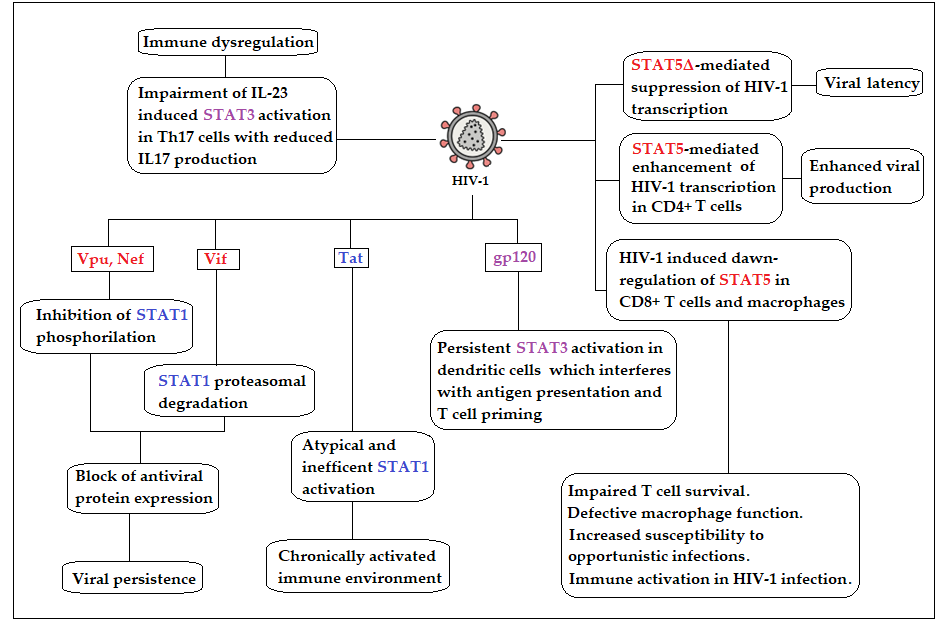
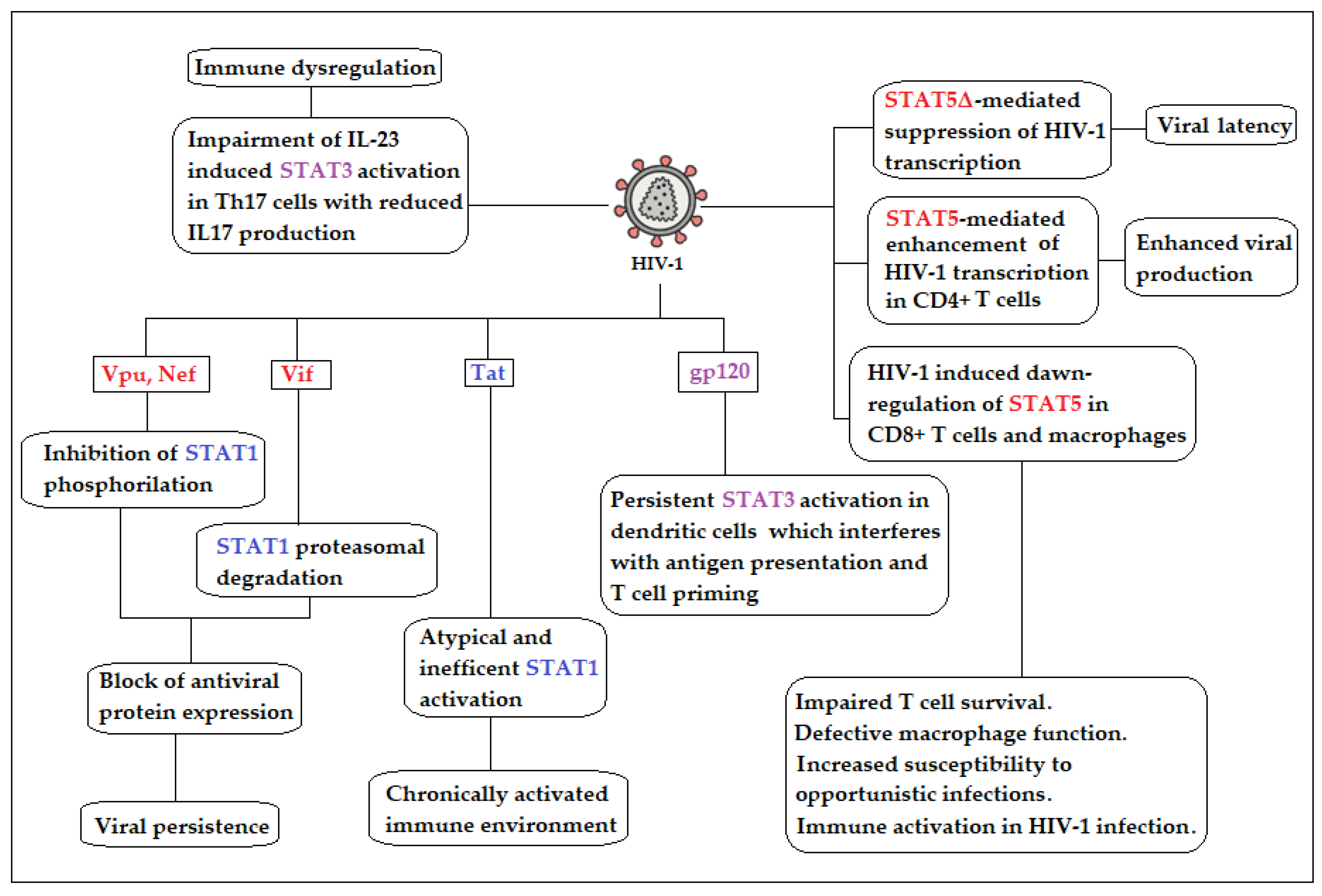
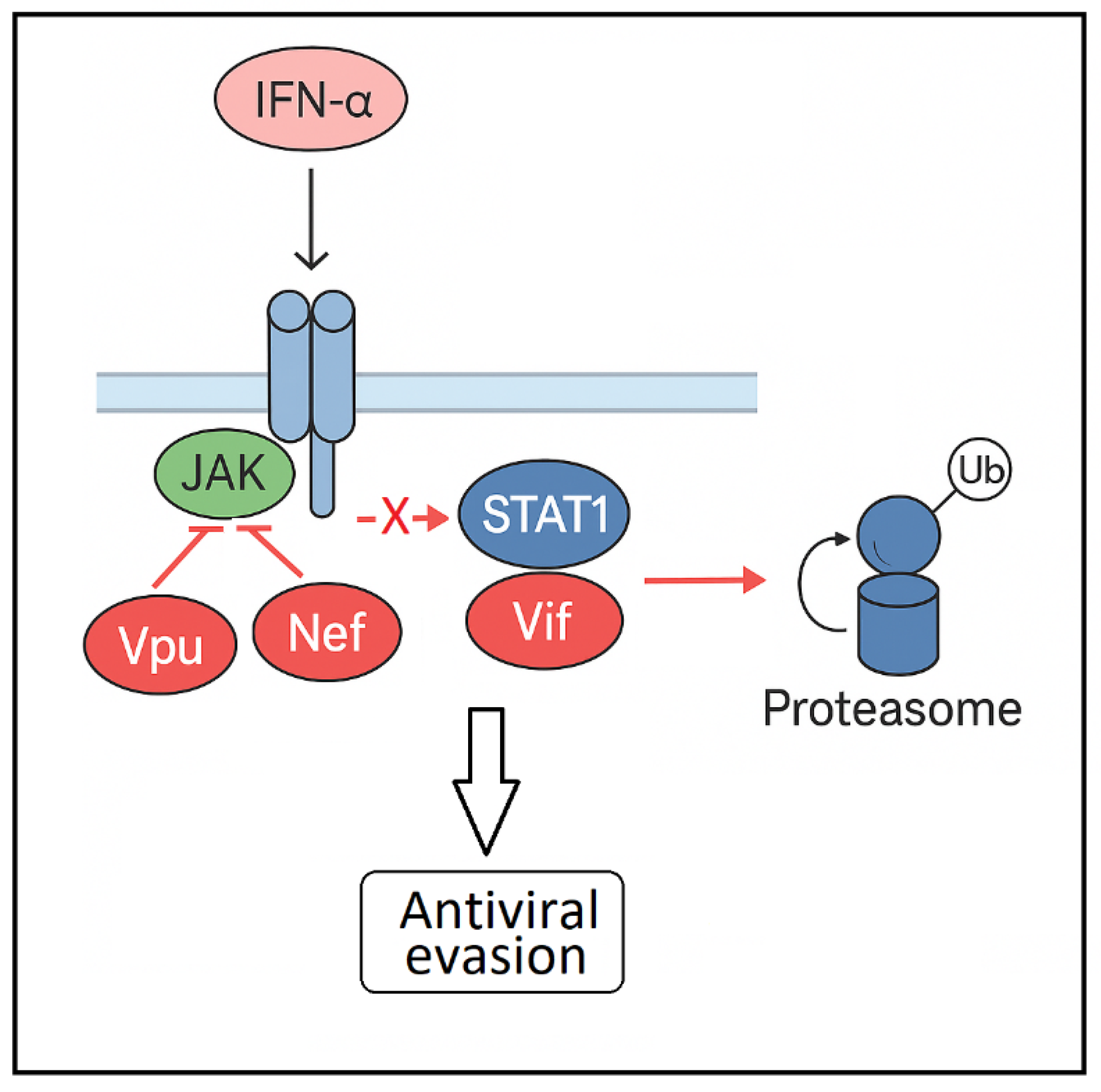
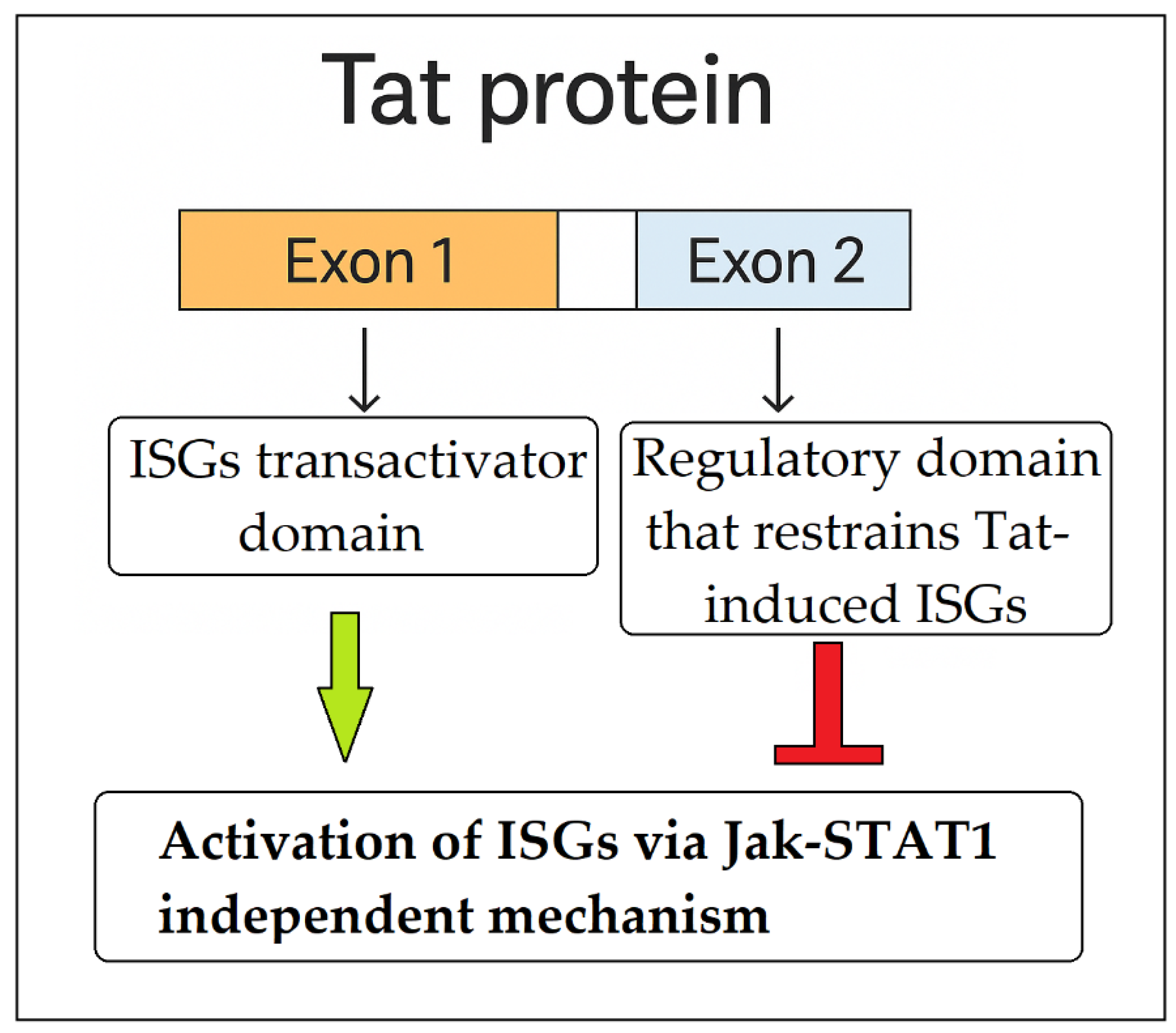
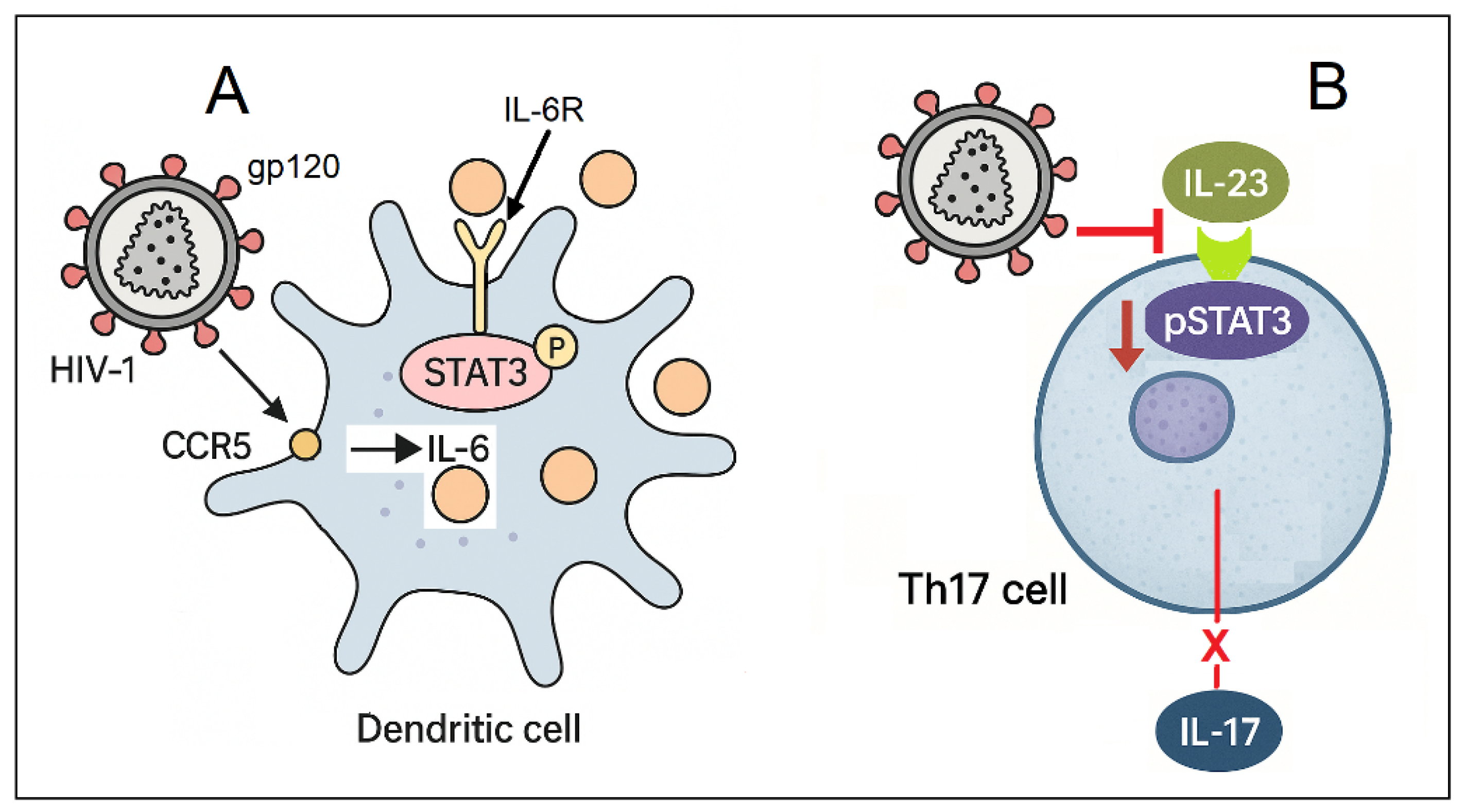
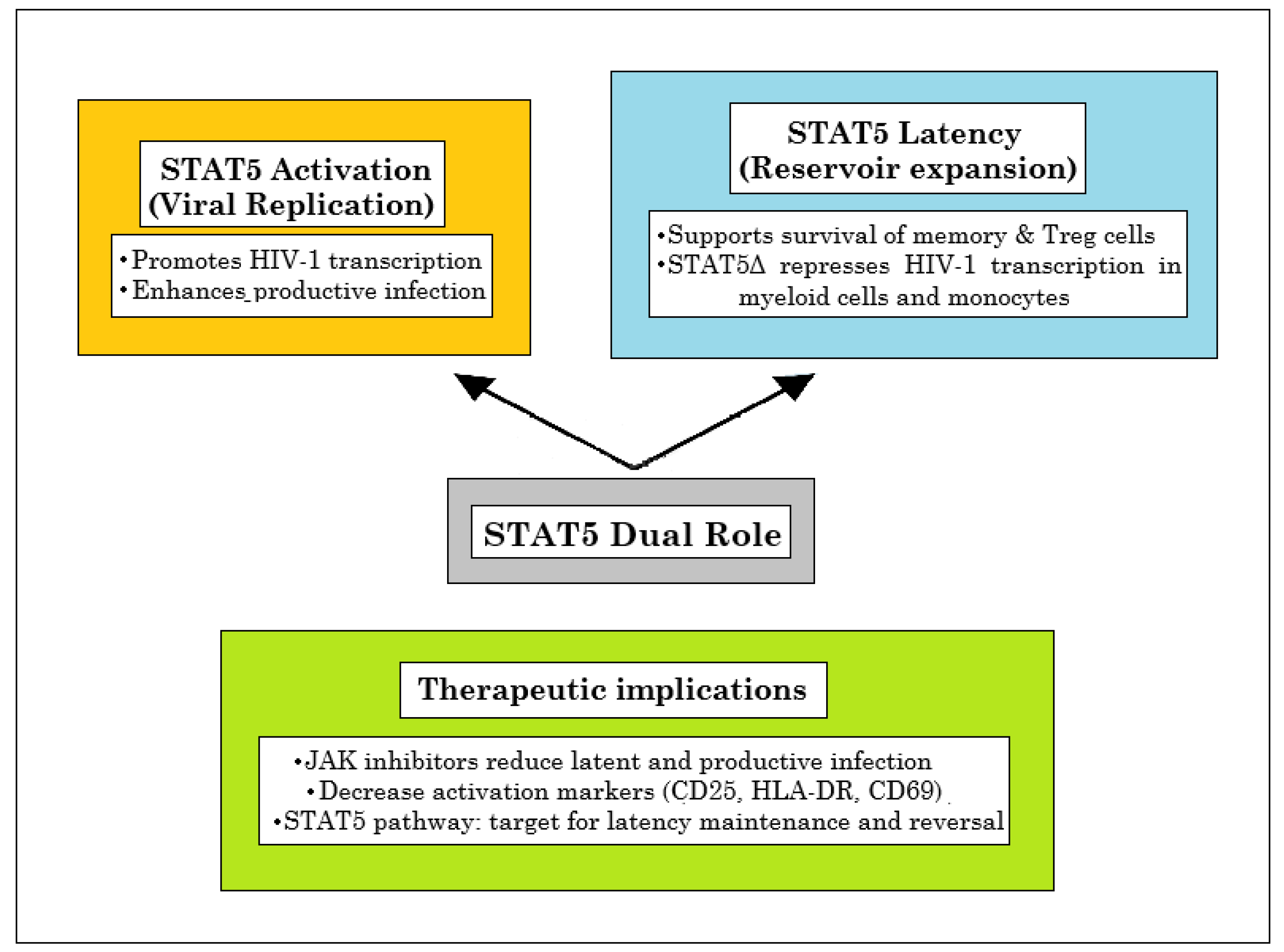
The STAT (Signal Transducer and Activator of Transcription) signaling pathway plays a central role in immune regulation by mediating cytokine responses and orchestrating both innate and adaptive immunity. Although CD4+ T cell depletion is the main driver of HIV-1–induced immunodeficiency, the virus also exerts a significant and often underestimated impact by disrupting the function of STAT family members, thereby exacerbating immune imbalance and accelerating disease progression. Specifically, HIV-1 suppresses STAT1 activation, impairing the induction of antiviral genes; inhibits IL-23–driven STAT3 activation in CD4+ Th17 cells with reduction of IL-17; alters STAT3-dependent functions in antigen-presenting cells; and imposes profound—and at times opposing—dysregulations of STAT5, including the induction of a truncated isoform that contributes to latency. Notably, pharmacological inhibition of the JAK/STAT axis, particularly with JAK2 inhibitors, has been shown to reduce integrated proviral DNA and viral replication in vitro and in early clinical studies. This review provides an updated overview of the roles of individual STAT proteins in HIV-1 infection and pathogenesis, emphasizing the intricate interplay between viral factors and host signaling, highlighting the potential therapeutic implications, and suggesting that immunological assessment in HIV-1 patients should extend beyond CD4+ T cell counts and the CD4/CD8 ratio to include functional analysis of STAT signaling for deeper insights into immune dysfunction and chronic inflammation.
Keywords:
1. Introduction
2. The JAK/STAT Pathway
3. HIV-1 and Host STAT Pathways
4. The Impact of HIV-1 on STAT1 Signaling and Pathway Dysregulation
4.1. HIV-1–Mediated Modulation of STAT1: Context-Dependent Mechanisms
4.2. Atypical Activation of ISG and STAT1 by HIV-1 Tat Protein
5. HIV-1 and STAT3: Molecular Interactions and Pathophysiological Implications
5.1. HIV-1 gp120-Mediated Activation of the STAT3/IL-6 Axis in Dendritic Cells
5.2. Role of STAT3 in Th17 and Treg Differentiation in HIV-1 Infection
5.3. Insertional Mutagenesis and Oncogenesis
5.4. Effects of STAT3 Inhibition in HIV-1 Infected PBMCs
5.5. Conclusive Considerations on the Role of STAT3 in HIV-1 Infection
6. Indirect Evidence for STAT4 in HIV-1 Pathogenesis
7. Dysregulation of STAT5 Signaling in HIV-1 Infection: Implications for Immune Dysfunction and Viral Persistence
7.1. Dual Roles of STAT5 Dysregulation in HIV-1 Infection: From Altered Cytokine Responsiveness to Viral Replication, and Clonal Expansion
7.2. The STAT5–CCR5 Axis: Mechanistic Insights and Implications for HIV-1 Cure Approaches
7.3. STAT5 at the Crossroads of HIV-1 Latency and Persistence
8. STAT6 as a Host Factor Manipulated by KSHV: Implications for Kaposi’s Sarcoma in HIV-1 Infection
9. Conclusions
Funding
Institutional Review Board Statement
Informed Consent Statement
Data Availability Statement
Conflicts of Interest
References
- Hu, X.; Li, J.; Fu, M.; Zhao, X.; Wang, W. The JAK/STAT signaling pathway: from bench to clinic. Signal Transduct. Target. Ther. 2021, 6, 402. [Google Scholar] [CrossRef] [PubMed]
- Bekker, L.G.; Beyrer, C.; Mgodi, N.; Lewin, S.R.; Delany-Moretlwe, S.; Taiwo, B.; Masters, M.C.; Lazarus, J.V. HIV infection. Nat. Rev. Dis. Primers 2023, 9, 42. [Google Scholar] [CrossRef]
- Dufour, C.; Gantner, P.; Fromentin, R.; Chomont, N. The Multifaceted Nature of HIV Latency. J. Clin. Invest. 2020, 130, 3381–3390. [Google Scholar] [CrossRef]
- Petrovas, C.; Mueller, Y.M.; Katsikis, P.D. Apoptosis of HIV-specific CD8+ T cells: an HIV evasion strategy. Cell Death Differ. 2005, 12, 859–870. [Google Scholar] [CrossRef] [PubMed]
- Sandstrom, T. S.; Ranganath, N.; Angel, J. B. Impairment of the Type I Interferon Response by HIV-1: Potential Targets for HIV Eradication. Cytokine Growth Factor Rev. 2017, 37, 1–16. [Google Scholar] [CrossRef]
- Scagnolari, C.; Antonelli, G. Type I interferon and HIV: subtle balance between antiviral activity, immunopathogenesis and the microbiome. Cytokine Growth Factor Rev. 2018, 40, 19–31. [Google Scholar] [CrossRef]
- Masenga, S.K.; Mweene, B.C.; Luwaya, E.; Muchaili, L.; Chona, M.; Kirabo, A. HIV-host cell interactions. Cells 2023, 12, 1351. [Google Scholar] [CrossRef]
- Svanberg, C.; Nyström, S.; Govender, M.; Bhattacharya, P.; Che, K.F.; Ellegård, R.; Shankar, E.M.; Larsson, M. HIV-1 induction of tolerogenic dendritic cells is mediated by cellular interaction with suppressive T cells. Front. Immunol. 2022, 13, 790276. [Google Scholar] [CrossRef]
- Del Cornò, M.; Donninelli, G.; Varano, B.; Da Sacco, L.; Masotti, A.; Gessani, S. HIV-1 gp120 activates the STAT3/interleukin-6 axis in primary human monocyte-derived dendritic cells. J. Virol. 2014, 88, 11045–11055. [Google Scholar] [CrossRef] [PubMed]
- Tugizov, S. Human immunodeficiency virus-associated disruption of mucosal barriers and its role in HIV transmission and pathogenesis of HIV/AIDS disease. Tissue Barriers 2016, 4, e1159276. [Google Scholar] [CrossRef]
- Estes, J.D. Pathobiology of HIV/SIV-associated changes in secondary lymphoid tissues. Immunol. Rev. 2013, 254, 65–77. [Google Scholar] [CrossRef] [PubMed]
- Tolomeo, M.; Cavalli, A.; Cascio, A. Stat1 and its crucial role in the control of viral infections. Int. J. Mol. Sci. 2022, 23, 4095. [Google Scholar] [CrossRef]
- Tolomeo, M.; Cascio, A. The multifaced role of stat3 in cancer and its implication for anticancer therapy. Int. J. Mol. Sci. 2021, 22, 603. [Google Scholar] [CrossRef] [PubMed]
- Tolomeo, M.; Cascio, A. Stat4 and stat6, their role in cellular and humoral immunity and in diverse human diseases. Int. Rev. Immunol. 2024, 43, 394–418. [Google Scholar] [CrossRef]
- Tolomeo, M.; Meli, M.; Grimaudo, S. Stat5 and stat5 inhibitors in hematological malignancies. Anticancer Agents Med. Chem. 2019, 19, 2036–2046. [Google Scholar] [CrossRef]
- Rondanin, R.; Simoni, D.; Maccesi, M.; Romagnoli, R.; Grimaudo, S.; Pipitone, R.M.; Meli, M.; Cascio, A.; Tolomeo, M. Effects of pimozide derivatives on pStat5 in K562 cells. ChemMedChem 2017, 12, 1183–1190. [Google Scholar] [CrossRef]
- Rondanin, R.; Simoni, D.; Romagnoli, R.; Baruchello, R.; Marchetti, P.; Costantini, C.; Fochi, S.; Padroni, G.; Grimaudo, S.; Pipitone, R.M.; et al. . Inhibition of activated Stat5 in Bcr/abl expressing leukemia cells with new pimozide derivatives. Bioorg. Med. Chem. Lett. 2014, 24, 4568–4574. [Google Scholar] [CrossRef]
- Grimaudo, S.; Meli, M.; Di Cristina, A.; Ferro, A.; Pipitone, M.R.; Romagnoli, R.; Simoni, D.; Dieli, F.; Tolomeo, M. The new iodoacetamidobenzofuran derivative TR120 decreases Stat5 expression and induces antitumor effects in imatinib-sensitive and imatinib-resistant Bcr-abl-expressing leukemia cells. Anticancer Drugs 2013, 24, 384–393. [Google Scholar] [CrossRef]
- Villarino, A.V.; Kanno, Y.; O’Shea, J.J. Mechanisms of jak/stat signaling in immunity and disease. J. Immunol. 2015, 194, 21–27. [Google Scholar] [CrossRef] [PubMed]
- O’Shea, J.J.; Holland, S.M.; Staudt, L.M. Jaks and stats in immunity, immunodeficiency, and cancer. N. Engl. J. Med. 2013, 368, 161–170. [Google Scholar] [CrossRef]
- Banerjee, S.; Boucheron, N.; Schuster, M.; Tschurtschenthaler, G.; Sexl, V. Jak/stat signaling as a target for inflammatory and autoimmune diseases: current and future prospects. Int. J. Mol. Sci. 2023, 24, 8123. [Google Scholar] [CrossRef] [PubMed]
- Rawlings, J.S.; Rosler, K.M.; Harrison, D.A. The jak/stat signaling pathway. J. Cell Sci. 2004, 117, 1281–1283. [Google Scholar] [CrossRef] [PubMed]
- Shuai, K.; Liu, B. Regulation of jak-stat signalling in the immune system. Nat. Rev. Immunol. 2003, 3, 900–911. [Google Scholar] [CrossRef]
- Aaronson, D.S.; Horvath, C.M. A road map for those who don’t know jak-stat. Science 2002, 296, 1653–1655. [Google Scholar] [CrossRef]
- Schindler, C.; Levy, D.E.; Decker, T. Jak-stat signaling: from interferons to cytokines. J. Biol. Chem. 2007, 282, 20059–20063. [Google Scholar] [CrossRef]
- Ivashkiv, L.B.; Donlin, L.T. Regulation of type I interferon responses. Nat. Rev. Immunol. 2014, 14, 36–49. [Google Scholar] [CrossRef]
- Platanias, L.C. Mechanisms of type-I- and type-II-interferon-mediated signalling. Nat. Rev. Immunol. 2005, 5, 375–386. [Google Scholar] [CrossRef]
- Yu, H.; Pardoll, D.; Jove, R. Stats in cancer inflammation and immunity: a leading role for stat3. Nat. Rev. Cancer 2009, 9, 798–809. [Google Scholar] [CrossRef]
- Bromberg, J.F. Activation of stat proteins and growth control. BioEssays 2001, 23, 161–169. [Google Scholar] [CrossRef]
- Kaplan, M.H. Stat4: a critical regulator of inflammation in vivo. Immunol. Res. 2005, 31, 231–242. [Google Scholar] [CrossRef] [PubMed]
- Karpathiou, G.; Papoudou-Bai, A.; Ferrand, E.; Dumollard, J.M.; Peoc’h, M. STAT6: A Review of a Signaling Pathway Implicated in Various Diseases With a Special Emphasis in Its Usefulness in Pathology. Pathol. Res. Pract. 2021, 223, 153477. [Google Scholar] [CrossRef]
- Malin, S.; McManus, S.; Busslinger, M. Stat5 in B cell development and leukemia. Curr. Opin. Immunol. 2010, 22, 168–176. [Google Scholar] [CrossRef]
- Yoshimura, A.; Naka, T.; Kubo, M. Socs proteins, cytokine signalling and immune regulation. Nat. Rev. Immunol. 2007, 7, 454–465. [Google Scholar] [CrossRef]
- Deeks, S.G.; Overbaugh, J.; Phillips, A.; Buchbinder, S. Hiv infection. Nat. Rev. Dis. Primers 2015, 1, 15035. [Google Scholar] [CrossRef]
- Tolomeo, M.; Cascio, A. The complex dysregulations of CD4 T cell subtypes in HIV infection. Int. J. Mol. Sci. 2024, 25, 7512. [Google Scholar] [CrossRef] [PubMed]
- Chun, T.W.; Moir, S.; Fauci, A.S. Hiv reservoirs as obstacles and opportunities for an HIV cure. Nat. Immunol. 2015, 16, 584–589. [Google Scholar] [CrossRef] [PubMed]
- Siliciano, R.F.; Greene, W.C. Hiv latency. Cold Spring Harb. Perspect. Med. 2011, 1, a007096. [Google Scholar] [CrossRef] [PubMed]
- Krebs, A.S.; Mendonça, L.M.; Zhang, P. Structural analysis of retrovirus assembly and maturation. Viruses 2021, 14, 54–65. [Google Scholar] [CrossRef]
- Maertens, G.N.; Engelman, A.N.; Cherepanov, P. Structure and function of retroviral integrase. Nat. Rev. Microbiol. 2022, 20, 20–34. [Google Scholar] [CrossRef]
- Grawenhoff, J.; Engelman, A.N. Retroviral integrase protein and intasome nucleoprotein complex structures. World J. Biol. Chem. 2017, 8, 32–44. [Google Scholar] [CrossRef] [PubMed]
- Tolomeo, M.; Tolomeo, F.; Cascio, A. The complex interactions between HIV-1 and human host cell genome: From molecular mechanisms to clinical practice. Int. J. Mol. Sci. 2025, 26, 3184. [Google Scholar] [CrossRef]
- Appay, V.; Sauce, D. Immune activation and inflammation in HIV-1 infection: Causes and consequences. J. Pathol. 2008, 214, 231–241. [Google Scholar] [CrossRef] [PubMed]
- Jadhav, S.; Nema, V. HIV-associated neurotoxicity: the interplay of host and viral proteins. Mediators Inflamm. 2021, 2021, 1267041. [Google Scholar] [CrossRef] [PubMed]
- Garg, H.; Mohl, J.; Joshi, A. HIV-1 induced bystander apoptosis. Viruses 2012, 4, 3020–3043. [Google Scholar] [CrossRef]
- Mouzakis, A.; Petrakis, V.; Tryfonopoulou, E.; Panopoulou, M.; Panagopoulos, P.; Chlichlia, K. Mechanisms of immune evasion in HIV-1: the role of virus-host protein interactions. Curr. Issues Mol. Biol. 2025, 47, 367. [Google Scholar] [CrossRef]
- Zimmerman, M.G.; Bowen, J.R.; McDonald, C.E.; Young, E.; Baric, R.S.; Pulendran, B.; Suthar, M.S. STAT5: a Target of Antagonism by Neurotropic Flaviviruses. J. Virol. 2019, 93, e00665-19. [Google Scholar] [CrossRef]
- Nan, Y.; Wu, C.; Zhang, Y.J. Interferon Independent Non-Canonical STAT Activation and Virus Induced Inflammation. Viruses 2018, 10, 196. [Google Scholar] [CrossRef]
- Roca Suarez, A.A.; Van Renne, N.; Baumert, T.F.; Lupberger, J. Viral manipulation of STAT3: Evade, exploit, and injure. PLoS Pathog. 2018, 14, e1006839. [Google Scholar] [CrossRef] [PubMed]
- Reece, M. D.; Song, C.; Hancock, S. C.; Pereira Ribeiro, S.; Kulpa, D. A.; Gavegnano, C. Repurposing BCL-2 and Jak 1/2 inhibitors: Cure and treatment of HIV-1 and other viral infections. Front. Immunol. 2022, 13, 1033672. [Google Scholar] [CrossRef]
- Gavegnano, C.; Dupuy, F.P.; Talla, A.; Ribeiro, S.P.; Kulpa, D.A.; Cameron, C.; Santos, S.; Hurwitz, S.J.; Marconi, V.C.; et al. Novel mechanisms to inhibit HIV reservoir seeding using Jak inhibitors. PLoS Pathog. 2017, 13, e1006740. [Google Scholar] [CrossRef]
- Dong, Y.; Chen, J.; Chen, Y.; Liu, S. Targeting the STAT3 oncogenic pathway: Cancer immunotherapy and drug repurposing. Biomed. Pharmacother. 2023, 167, 115513. [Google Scholar] [CrossRef]
- Miklossy, G.; Hilliard, T.S.; Turkson, J. Therapeutic modulators of STAT signalling for human diseases. Nat. Rev. Drug Discov. 2013, 12, 611–629. [Google Scholar] [CrossRef] [PubMed]
- Soper, A.; Kimura, I.; Nagaoka, S.; Konno, Y.; Yamamoto, K.; Koyanagi, Y.; Sato, K. Type I interferon responses by HIV-1 infection: Association with disease progression and control. Front. Immunol. 2017, 8, 1823. [Google Scholar] [CrossRef]
- Kane, M.; Zang, T.M.; Rihn, S.J.; Zhang, F.; Kueck, T.; Alim, M.; Schoggins, J.; Rice, C.M.; Wilson, S,J.; Bieniasz, P.D. Identification of interferon-stimulated genes with antiretroviral activity. Cell Host Microbe 2016, 20, 392–405.
- Chang, T.L.; Mosoian, A.; Pine, R.; Klotman, M.E.; Moore, J.P. A soluble factor(s) secreted from CD8(+) T lymphocytes inhibits human immunodeficiency virus type 1 replication through STAT1 activation. J. Virol. 2002, 76, 569–581. [Google Scholar] [CrossRef]
- Federico, M.; Percario, Z.; Olivetta, E.; Fiorucci, G.; Muratori, C.; Micheli, A.; Romeo, G.; Affabris, E. HIV-1 Nef activates STAT1 in human monocytes/ macrophages through the release of soluble factors. Blood 2001, 98, 2752–2761. [Google Scholar] [CrossRef]
- Kohler, J.J.; Tuttle, D.L.; Coberley, C.R.; Sleasman, J.W.; Goodenow, M.M. Human Immunodeficiency virus type 1 (HIV-1) induces activation of multiple STATs in CD4+ cells of lymphocyte or monocyte/ macrophage lineages. Journal of Leukocyte Biology 2003, 73, 407–416. [Google Scholar] [CrossRef]
- Nguyen, N.V.; Tran, J.T.; Sanchez, D.J. HIV blocks type I IFN signaling through disruption of STAT1 phosphorylation. Innate Immun. 2018, 24, 490–500. [Google Scholar] [CrossRef] [PubMed]
- Gargan, S.; Ahmed, S.; Mahony, R.; Bannan, C.; Napoletano, S.; O’Farrelly, C.; Borrow, P.; Bergin, C.; Stevenson, N.J. HIV-1 Promotes the degradation of components of the type 1 IFN JAK/ STAT pathway and blocks anti-viral ISG induction. EBioMedicine 2018, 30, 203–216. [Google Scholar] [CrossRef] [PubMed]
- Sugawara, S.; El-Diwany, R.; Cohen, L.K.; Rousseau, K.E.; Williams, C.Y.K.; Veenhuis, R.T.; Mehta, S.H.; Blankson, J.N.; Thomas, D.L.; Cox, A.L.; et al. People with HIV-1 demonstrate type 1 interferon refractoriness associated with upregulated USP18. Journal of Virology 2021, 95, JVI.01777-20. [Google Scholar] [CrossRef]
- Rivera, L.E.; Kraiselburd, E.; Meléndez, L.M. Cystatin B and HIV regulate the STAT-1 signaling circuit in HIV-infected and INF-β-treated human macrophages. J. Neurovirol. 2016, 22, 666–673. [Google Scholar] [CrossRef]
- Kukkonen, S.; Martinez-Viedma, M.P.; Kim, N.; Manrique, M.; Aldovini, A. HIV-1 Tat second exon limits the extent of Tat-mediated modulation of interferon-stimulated genes in antigen presenting cells. Retrovirology 2014, 11, 30. [Google Scholar] [CrossRef]
- Hirano, T.; Ishihara, K.; Hibi, M. Roles of STAT3 in mediating the cell growth, differentiation and survival signals relayed through the IL-6 family of cytokine receptors. Oncogene 2000, 19, 2548–2556. [Google Scholar] [CrossRef]
- Zhou, Y.; Chen, J.J. STAT3 plays an important role in DNA replication by turning on WDHD1. Cell Biosci. 2021, 11, 10. [Google Scholar] [CrossRef]
- Kuchipudi, S.V. The complex role of STAT3 in viral infections. J. Immunol. Res. 2015, 2015, 272359. [Google Scholar] [CrossRef] [PubMed]
- Ibba, S.V. , Fenizia, C.; Ortega, P.S.; Mercurio, V.; Saulle, I.; Lori, E.M.; Trabattoni, D.; Clerici, M.; Biasin M. Analysing the role of STAT3 in HIV-1 infection. J. Biol. Regul. Homeost. Agents 2019, 33, 1635–1639. [Google Scholar]
- Miller, E.; Bhardwaj, N. Dendritic cell dysregulation during HIV-1 infection. Immunol. Rev. 2013, 254, 170–189. [Google Scholar] [CrossRef] [PubMed]
- Kanwar, B.; Favre, D.; McCune, J.M. Th17 and regulatory T cells: implications for AIDS pathogenesis. Curr. Opin. HIV AIDS. 2010, 5, 151–157. [Google Scholar] [CrossRef] [PubMed]
- Raffatellu, M.; Santos, R.L.; Verhoeven, D.E.; George, M.D.; Wilson, R.P.; Winter, S.E.; Godinez, I.; Sankaran, S.; Paixao, T.A.; Gordon, M.A.; et al. Simian immunodeficiency virus-induced mucosal interleukin-17 deficiency promotes Salmonella dissemination from the gut. Nat. Med. 2008, 14, 421–428. [Google Scholar] [CrossRef]
- Cecchinato, V.; Trindade, C.J.; Laurence, A.; Heraud, J.M.; Brenchley, J.M.; Ferrari, M.G.; Zaffiri, L.; Tryniszewska, E.; Tsai, W.P.; Vaccari, M.; et al. Altered balance between Th17 and Th1 cells at mucosal sites predicts AIDS progression in simian immunodeficiency virus-infected macaques. Mucosal Immunol. 2008, 1, 279–288. [Google Scholar] [CrossRef]
- Christensen-Quick, A.; Lafferty, M.; Sun, L.; Marchionni, L.; DeVico, A.; Garzino-Demo, A. Human Th17 cells lack HIV-inhibitory RNases and are highly permissive to productive HIV infection. J. Virol. 2016, 90, 7833–7847. [Google Scholar] [CrossRef]
- Eyerich, K.; Foerster, S.; Rombold, S.; Seidl, H.-P.; Behrendt, H.; Hofmann, H.; Ring, J.; Traidl-Hoffmann, C. Patients with chronic mucocutaneous candidiasis exhibit reduced production of Th17-associated cytokines IL-17 and IL-22. J. Investig. Dermatol. 2008, 128, 2640–2645. [Google Scholar] [CrossRef]
- Elhed, A.; Unutmaz, D. Th17 cells and HIV infection. Curr. Opin. HIV AIDS 2010, 5, 146–150. [Google Scholar] [CrossRef]
- Singh, A.; Vajpayee, M.; Ali, S.A.; Mojumdar, K.; Chauhan, N.K.; Singh, R. HIV-1 disease progression associated with loss of Th17 cells in subtype ‘C’ infection. Cytokine 2012, 60, 55–63. [Google Scholar] [CrossRef]
- Rocco, J.; Mellors, J.W.; Macatangay, B.J.C. Regulatory T cells: The ultimate HIV reservoir? J. Virus Erad. 2018, 4, 209–214. [Google Scholar] [CrossRef] [PubMed]
- Xu, L.; Kitani, A.; Fuss, I.; Strober, W. Cutting edge: Regulatory T cells induce CD4+CD25−Foxp3− T cells or are self-induced to become Th17 cells in the absence of exogenous TGF-beta. J. Immunol. 2007, 178, 6725–6729. [Google Scholar] [CrossRef]
- Osorio, F.; LeibundGut-Landmann, S.; Lochner, M.; Lahl, K.; Sparwasser, T.; Eberl, G.; Reis e Sousa, C. DC activated via dectin-1 convert Treg into IL-17 producers. Eur. J. Immunol. 2008, 38, 3274–3281. [Google Scholar] [CrossRef] [PubMed]
- Koenen, H.J.; Smeets, R.L.; Vink, P.M.; van Rijssen, E.; Boots, A.M.; Joosten, I. Human CD25highFoxp3pos regulatory T cells differentiate into IL-17-producing cells. Blood 2008, 112, 2340–2352. [Google Scholar] [CrossRef]
- Beriou, G.; Costantino, C.M.; Ashley, C.W.; Yang, L.; Kuchroo, V.K.; Baecher-Allan, C.; Hafler, D.A. IL-17-producing human peripheral regulatory T cells retain suppressive function. Blood 2009, 113, 4240–4249. [Google Scholar] [CrossRef]
- Yang, X.O.; Panopoulos, A.D.; Nurieva, R.; Chang, S.H.; Wang, D.; Watowich, S.S.; Dong, C. STAT3 regulates cytokine-mediated generation of inflammatory helper T cells. J. Biol. Chem. 2007, 282, 9358–9363. [Google Scholar] [CrossRef] [PubMed]
- Tripathi, S.K.; Chen, Z.; Larjo, A.; Kanduri, K.; Nousiainen, K.; Äijo, T.; Ricaño-Ponce, I.; Hrdlickova, B.; Tuomela, S.; Laajala, E.; et al. Genome-wide analysis of STAT3-mediated transcription during early human Th17 cell differentiation. Cell Rep. 2017, 19, 1888–1901. [Google Scholar] [CrossRef]
- Egwuagu, C.E. STAT3 in CD4+ T helper cell differentiation and inflammatory diseases. Cytokine 2009, 47, 149–156. [Google Scholar] [CrossRef] [PubMed]
- Schmetterer, K.G.; Neunkirchner, A.; Wojta-Stremayr, D.; Leitner, J.; Steinberger, P.; Pickl, W.F. STAT3 governs hyporesponsiveness and granzyme B-dependent suppressive capacity in human CD4+ T cells. FASEB J. 2015, 29, 759–771. [Google Scholar] [CrossRef]
- Yero, A.; Bouassa, R.M.; Ancuta, P.; Estaquier, J.; Jenabian, M.A. Immuno-metabolic control of the balance between Th17-polarized and regulatory T cells during HIV infection. Cytokine Growth Factor Rev. 2023, 69, 1–13. [Google Scholar] [CrossRef]
- Renault, C.; Veyrenche, N.; Mennechet, F.; Bedin, A.S.; Routy, J.P.; Van de Perre, P.; Reynes, J.; Tuaillon, E. Th17 CD4+ T cell as a preferential target for HIV reservoirs. Front. Immunol. 2022, 13, 822576. [Google Scholar] [CrossRef]
- Valverde-Villegas, J.M.; Matte, M.C.; de Medeiros, R.M.; Chies, J.A. New insights about Treg and Th17 cells in HIV infection and disease progression. J. Immunol. Res. 2015, 2015, 647916. [Google Scholar] [CrossRef] [PubMed]
- Fernandes, J.R.; Berthoud, T.K.; Kumar, A.; Angel, J.B. IL-23 signaling in Th17 cells is inhibited by HIV infection and is not restored by HAART: Implications for persistent immune activation. PLoS ONE 2017, 12, e0186823. [Google Scholar] [CrossRef]
- Rist, M.; Kaku, M.; Coffin, J.M. In vitro HIV DNA integration in STAT3 drives T cell persistence-A model of HIV-associated T cell lymphoma. PLoS Pathog. 2025, 21, e1013087. [Google Scholar] [CrossRef] [PubMed]
- Adoro, S.; Cubillos-Ruiz, J.R.; Chen, X.; Deruaz, M.; Vrbanac, V.D.; Song, M.; Park, S.; Murooka, T.T.; Dudek, T.E.; Luster, A.D.; et al. IL-21 induces antiviral microRNA-29 in CD4 T cells to limit HIV-1 infection. Nat. Commun. 2015, 6, 7562. [Google Scholar] [CrossRef]
- Vanpouille, C.; Introini, A.; Morris, S.; Margolis, L.; Daar, E.S., Dube, M.P.; Little, S.J.; Smith, D.M.; Lisco, A.; Gianella, S. Distinct cytokine/chemokine network in semen and blood characterize different stages of HIV infection. AIDS 2016, 30, 193–201. [CrossRef]
- O’Shea, J.J.; Lahesmaa, R.; Vahedi, G.; Laurence, A.; Kanno, Y. Genomic views of STAT function in CD4+ T helper cell differentiation. Nat. Rev. Immunol. 2011, 11, 239–250. [Google Scholar] [CrossRef]
- Zhao, K.; Zhang, Q.; Li, X.; Liu, Y.; Shen, Q.; Yang, M.; Wang, C.; Li, N.; Cao, X. Cytoplasmic STAT4 promotes antiviral type I IFN production by blocking CHIP-mediated degradation of RIG-I. J. Immunol. 2016, 196, 1209–1217. [Google Scholar] [CrossRef] [PubMed]
- Miller, E.D.; Smith, J.A.; Lichtinger, M.; Wang, L.; Su, L. Activation of the Signal Transducer and Activator of Transcription 1 signaling pathway in thymocytes from HIV-1-infected human thymus. AIDS 2003, 17, 1269–1277. [Google Scholar] [CrossRef] [PubMed]
- Bovolenta, C.; Camorali, L.; Lorini, A.L.; Ghezzi, S.; Vicenzi, E.; Lazzarin, A.; Poli, G. Constitutive activation of STATs upon in vivo human immunodeficiency virus infection. Blood 1999, 94, 4202–4209. [Google Scholar] [CrossRef] [PubMed]
- Lee, A.W.; Sharp, E.R.; O’Mahony, A.; Rosenberg, M.G.; Israelski, D.M.; Nolan, G.P.; Nixon, D.F. Single-cell, phosphoepitope-specific analysis demonstrates cell type- and pathway-specific dysregulation of Jak/STAT and MAPK signaling associated with in vivo human immunodeficiency virus type 1 infection. J. Virol. 2008, 82, 3702–3712. [Google Scholar] [CrossRef]
- Lawless, V.A.; Zhang, S.; Ozes, O.N.; Bruns, H.A.; Oldham, I.; Hoey, T.; Grusby, M.J.; Kaplan, M.H. Stat4 regulates multiple components of IFN-gamma-inducing signaling pathways. J. Immunol. 2000, 165, 6803–6808. [Google Scholar] [CrossRef]
- Roff, S.R.; Noon-Song, E.N.; Yamamoto, J.K. The significance of interferon-γ in HIV-1 pathogenesis, therapy, and prophylaxis. Front. Immunol. 2014, 4, 498. [Google Scholar] [CrossRef]
- Miller, R.C.; Schlaepfer, E.; Baenziger, S.; Crameri, R.; Zeller, S.; Byland, R.; Audigé, A.; Nadal, D.; Speck, R.F. HIV interferes with SOCS-1 and -3 expression levels driving immune activation. Eur. J. Immunol. 2011, 41, 1058–1069. [Google Scholar] [CrossRef]
- Tamiya, T.; Kashiwagi, I.; Takahashi, R.; Yasukawa, H.; Yoshimura, A. Suppressors of cytokine signaling (SOCS) proteins and JAK/STAT pathways: regulation of T-cell inflammation by SOCS1 and SOCS3. Arterioscler. Thromb. Vasc. Biol. 2011, 31, 980–985. [Google Scholar] [CrossRef]
- Xia, Y.; Xie, Y.; Zhang, H.; Liu, L. STAT4 gene polymorphisms in human diseases. Front. Immunol. 2024, 15, 1479418. [Google Scholar] [CrossRef]
- Madera-Salcedo, I.K.; Ramírez-Sánchez, A.L.; Rodríguez-Rodríguez, N.; García-Quintero, R.; Rubio, R.M.; Morales-Montes de Oca, G.; Dávalos, E.; Cuervo, R.; Furuzawa-Carballeda, J.; Alcocer-Varela, J.; et al. Down-regulation-resistant STAT4 risk haplotype contributes to lupus nephritis through CD4+ T cell interferon-γ production. Arthritis Rheumatol. 2023, 75, 961–972. [Google Scholar] [CrossRef]
- Lamana, A.; López-Santalla, M.; Castillo-González, R.; Ortiz, A.M.; Martín, J.; García-Vicuña, R.; González-Álvaro, I. The minor allele of rs7574865 in the STAT4 gene is associated with increased mRNA and protein expression. PLoS ONE 2015, 10, e0142683. [Google Scholar] [CrossRef] [PubMed]
- Hagberg, N.; Joelsson, M.; Leonard, D.; Reid, S.; Eloranta, M.L.; Mo, J.; Nilsson, M.K.; Syvänen, A.C.; Bryceson, Y.T.; Rönnblom, L. The STAT4 SLE risk allele rs7574865[T] is associated with increased IL-12-induced IFN-γ production in T cells from patients with SLE. Ann. Rheum. Dis. 2018, 77, 1070–1077. [Google Scholar] [CrossRef] [PubMed]
- Buzzelli, A.A.; McWilliams, I.L.; Shin, B.; Bryars, M.T.; Harrington, L.E. Intrinsic STAT4 expression controls effector CD4 T cell migration and Th17 pathogenicity. J. Immunol. 2023, 210, 1667–1676. [Google Scholar] [CrossRef] [PubMed]
- Kryworuchko, M.; Pasquier, V.; Keller, H.; David, D.; Goujard, C.; Gilquin, J.; Viard, J.P.; Joussemet, M.; Delfraissy, J.F.; Theze, J. Defective interleukin-2-dependent STAT5 signalling in CD8 T lymphocytes from HIV-positive patients: restoration by antiretroviral therapy. AIDS 2004, 18, 421–426. [Google Scholar] [CrossRef]
- Warby, T.J.; Crowe, S.M.; Jaworowski, A. Human immunodeficiency virus type 1 infection inhibits granulocyte-macrophage colony-stimulating factor-induced activation of STAT5A in human monocyte-derived macrophages. J. Virol. 2003, 77, 12630–12638. [Google Scholar] [CrossRef]
- Selliah, N.; Zhang, M.; DeSimone, D.; Kim, H.; Brunner, M.; Ittenbach, R.F.; Rui, H.; Cron, R.Q.; Finkel, T.H. The gammac-cytokine regulated transcription factor, STAT5, increases HIV-1 production in primary CD4 T cells. Virology 2006, 344, 283–291. [Google Scholar] [CrossRef]
- Della Chiara, G.; Crotti, A.; Liboi, E.; Giacca, M.; Poli, G.; Lusic, M. Negative regulation of HIV-1 transcription by a heterodimeric NF-κB1/p50 and C-terminally truncated STAT5 complex. J. Mol. Biol. 2011, 410, 933–943. [Google Scholar] [CrossRef]
- Crotti, A.; Lusic, M.; Lupo, R.; Lievens, P.M.; Liboi, E.; Della Chiara, G.; Tinelli, M.; Lazzarin, A.; Patterson, B.K.; Giacca, M.; et al. Naturally occurring C-terminally truncated STAT5 is a negative regulator of HIV-1 expression. Blood 2007, 109, 5380–5389. [Google Scholar] [CrossRef]
- Landires, I.; Bugault, F.; Lambotte, O.; de Truchis, P.; Slama, L.; Danckaert, A.; Delfraissy, J.F.; Thèze, J.; Chakrabarti, L.A. HIV infection perturbs interleukin-7 signaling at the step of STAT5 nuclear relocalization. AIDS 2011, 25, 1843–1853. [Google Scholar] [CrossRef]
- Cesana, D.; Santoni de Sio, F.R.; Rudilosso, L.; Gallina, P.; Calabria, A.; Beretta, S.; Merelli, I.; Bruzzesi, E.; Passerini, L.; Nozza, S.; Vicenzi, E.; et al. HIV-1-mediated insertional activation of STAT5B and BACH2 trigger viral reservoir in T regulatory cells. Nat. Commun. 2017, 8, 498. [Google Scholar] [CrossRef] [PubMed]
- Christian, M.L.; Dapp, M.J.; Scharffenberger, S.C.; Jones H, Song, C.; Frenkel, L.M.; Krumm, A.; Mullins, J.I.; Rawlings, D.J. CRISPR/Cas9-mediated insertion of HIV long terminal repeat within BACH2 promotes expansion of T regulatory-like cells. J. Immunol. 2022, 208, 1700–1710. [CrossRef]
- Ikeda, T.; Shibata, J.; Yoshimura, K.; Koito, A.; Matsushita, S. Recurrent HIV-1 integration at the BACH2 locus in resting CD4+ T cell populations during effective highly active antiretroviral therapy. J. Infect. Dis. 2007, 195, 716–725. [Google Scholar] [CrossRef]
- Liu, R.; Yeh, Y.J.; Varabyou, A.; Collora, J.A.; Sherrill-Mix, S.; Talbot, C.C. Jr.; Mehta, S.; Albrecht, K.; Hao, H.; Zhang, H.; et al. Single-cell transcriptional landscapes reveal HIV-1-driven aberrant host gene transcription as a potential therapeutic target. Sci. Transl. Med. 2020, 12, eaaz0802. [Google Scholar] [CrossRef]
- Gupta, R.K.; Peppa, D.; Hill, A.L.; Gálvez, C.; Salgado, M.; Pace, M.; McCoy, L.E.; Griffith, S.A.; Thornhill, J.; Alrubayyi, A. Evidence for HIV-1 cure after CCR5Δ32/Δ32 allogeneic haemopoietic stem-cell transplantation 30 months post analytical treatment interruption: a case report. Lancet HIV 2020, 7, e340–e347. [Google Scholar] [CrossRef]
- Hütter, G.; Nowak, D.; Mossner, M.; Ganepola, S.; Müßig, A.; Allers, K.; Schneider, T.; Homann, J.; Kücherer, C.; Blau, O. Long-term remission and HIV cure in a patient with a CCR5-delta32/Delta32 mutation after stem cell transplantation. N. Engl. J. Med. 2009, 360, 692–698. [Google Scholar] [CrossRef] [PubMed]
- Wang, X.; Peng, J.; He, J. CCR5 is a prognostic biomarker and an immune regulator for triple negative breast cancer. Aging 2021, 13, 23810–23830. [Google Scholar] [CrossRef] [PubMed]
- Hemmatazad, H.; Berger, M.D. CCR5 is a potential therapeutic target for cancer. Expert Opin. Ther. Targets 2021, 25, 311–327. [Google Scholar] [CrossRef] [PubMed]
- Lin, Y.; Liu, S.; Sun, Y.; Chen, C.; Yang, S.; Pei, G.; Lin, M.; Yu, J.; Liu, X.; Wang, H.; et al. CCR5 and inflammatory storm. Ageing Res. Rev. 2024, 96, 102286. [Google Scholar] [CrossRef]
- Zeng, Z.; Lan, T.; Wei, Y.; Wei, X. CCL5/CCR5 axis in human diseases and related treatments. Genes Dis. 2022, 9, 12–27. [Google Scholar] [CrossRef]
- Deng, H.K.; Liu, R.; Choe, S.; Unutmaz, D.; Burkhart, M.; Di Marzio, P.; Marmon, S.; Sutton, R.E.; Hill, C.M.; Davis, C.B.; et al. Identification of a major co-receptor for primary isolates of HIV-1. Nature 1996, 381, 661–666. [Google Scholar] [CrossRef] [PubMed]
- Wierda, R.J.; van den Elsen, P.J. Genetic and epigenetic regulation of CCR5 transcription. Biology 2012, 1, 869–879. [Google Scholar] [CrossRef] [PubMed]
- Mummidi, S.; VanCompernolle, S.E.; Kalkonde, M.; Camargo, J.F.; Kulkarni, H.; Bellinger, A.S.; Bonello, G.; Tagoh, H.; Ahuja, S.S.; Unutmaz, D.; et al. Production of specific mRNA transcripts, usage of an alternate promoter, and octamer-binding transcription factors influence the surface expression levels of the HIV coreceptor CCR5 on primary T cells. J. Immunol. 2007, 178, 5668–5681. [Google Scholar] [CrossRef]
- Manganaro, L.; Hong, P.; Hernandez, M.M.; Argyle, D.; Mulder, L.C.F.; Potla, U.; Diaz-Griffero, F.; Lee, B.; Fernandez-Sesma, A.; Simon, V. IL-15 regulates susceptibility of CD4(+) T cells to HIV infection. Proc. Natl. Acad. Sci. USA 2018, 115, E9659–E9667. [Google Scholar] [CrossRef]
- Skariah, N.; James, O.J.; Swamy, M. Signalling mechanisms driving homeostatic and inflammatory effects of interleukin-15 on tissue lymphocytes. Discov. Immunol. 2024, 3, kyae002. [Google Scholar] [CrossRef]
- Wang, L.; Yukselten, Y.; Nuwagaba, J.; Sutton, R.E. JAK/STAT signaling pathway affects CCR5 expression in human CD4+ T cells. Sci. Adv. 2024, 10, eadl0368. [Google Scholar] [CrossRef] [PubMed]
- Guo, N.; Chen, Y.; Su, B.; Yang, X.; Zhang, Q.; Song, T.; Wu, H.; Liu, C.; Liu, L.; Zhang, T. Alterations of CCR2 and CX3CR1 on three monocyte subsets during HIV-1/Treponema pallidum coinfection. Front. Med. (Lausanne) 2020, 7, 272. [Google Scholar] [CrossRef]
- Covino, D.A.; Sabbatucci, M.; Fantuzzi, L. The CCL2/CCR2 axis in the pathogenesis of HIV-1 infection: a new cellular target for therapy? Curr. Drug Targets 2016, 17, 76–110. [Google Scholar] [CrossRef]
- Wong, M.E.; Jaworowski, A.; Hearps, A.C. The HIV reservoir in monocytes and macrophages. Front. Immunol. 2019, 10, 2517. [Google Scholar] [CrossRef]
- de Armas, L.R. , Gavegnano C., Pallikkuth S., Pahwa S., Schinazi R.F., Rinaldi T., Banga R., Rinaldi J.C., Bosque A., Stevenson M., et al. The Effect of JAK1/2 Inhibitors on HIV Reservoir Using Primary Lymphoid Cell Model of HIV Latency. Front. Immunol. 2021, 12, 720697. [Google Scholar] [CrossRef]
- Venkatachari, N.J.; Zerbato, J.M.; Jain, S.; Mota, T.; Shao, W.; Halper-Stromberg, A.; Mellors, J.W.; Valente, S.T. Temporal transcriptional response to latency reversing agents identifies specific factors regulating HIV-1 viral transcriptional switch. Retrovirology 2015, 12, 85. [Google Scholar] [CrossRef]
- Janssens, J.; Kim, P.; Kim, S.J.; Wedrychowski, A.; Kadiyala, G.N.; Hunt, P.W.; Deeks, S.G.; Wong, J.K.; Yukl, S.A. Mechanisms and efficacy of small molecule latency-promoting agents to inhibit HIV reactivation ex vivo. JCI Insight 2024, 9, e183084. [Google Scholar] [CrossRef]
- Goenka, S.; Kaplan, M.H. Transcriptional regulation by STAT6. Immunol. Res. 2011, 50, 87–96. [Google Scholar] [CrossRef]
- Wang, W.; Wang, L.; Zha, B. The roles of STAT6 in regulating B cell fate, activation, and function. Immunol. Lett. 2021, 233, 87–91. [Google Scholar] [CrossRef] [PubMed]
- Chen, H.; Sun, H.; You, F.; Sun, W.; Zhou, X.; Chen, L.; Yang, J.; Wang, Y.; Tang, H.; Guan, Y.; et al. Activation of STAT6 by STING is critical for antiviral innate immunity. Cell 2011, 147, 436–446. [Google Scholar] [CrossRef]
- Chiang, H.S.; Liu, H.M. The molecular basis of viral inhibition of IRF- and STAT-dependent immune responses. Front. Immunol. 2018, 9, 3086. [Google Scholar] [CrossRef]
- Mahjoor, M.; Mahmoudvand, G.; Farokhi, S.; Saghabashi, A.; Rostami, S.F.A.; Modarressi, M.H. Double-edged sword of JAK/STAT signaling pathway in viral infections: novel insights into virotherapy. Cell Commun. Signal. 2023, 21, 272. [Google Scholar] [CrossRef] [PubMed]
- Zeng, Y.; Zhang, X.; Huang, Z.; Cheng, L.; Yao, S.; Qin, D.; Chen, X.; Tang, Q.; Lv, Z.; Zhang, L.; Lu, C. Intracellular Tat of human immunodeficiency virus type 1 activates lytic cycle replication of Kaposi’s sarcoma-associated herpesvirus: role of JAK/STAT signaling. J. Virol. 2007, 81, 2401–2417. [Google Scholar] [CrossRef] [PubMed]
- Wang, C.; Zhu, C.; Wei, F.; Gao, S.; Zhang, L.; Li, Y.; Feng, Y.; Tong, Y.; Xu, J.; Wang, B.; Yuan, Z.; Robertson, E.S.; Cai, Q. Nuclear localization and cleavage of STAT6 is induced by Kaposi’s sarcoma-associated herpesvirus for viral latency. PLoS Pathog. 2017, 13, e1006124. [Google Scholar] [CrossRef]
- Marconi, V.C.; Moser, C.; Gavegnano, C.; Deeks, S.G.; Lederman, M.M.; Overton, E.T.; Tsibris, A.; Hunt, P.W.; Kantor, A.; Sekaly, R.P.; et al. Randomized trial of ruxolitinib in antiretroviral-treated adults with human immunodeficiency virus. Clin. Infect. Dis. 2022, 74, 95–104. [Google Scholar] [CrossRef]
- Hurwitz, S.J.; Tao, S.; Gavegnano, C.; Jiang, Y.; Tressler, R.L.; Tsibris, A.; Del Rio, C.; Overton, E.T.; Lederman, M.M.; Kantor, A.; et al. Pharmacokinetics of ruxolitinib in HIV suppressed individuals on antiretroviral agent therapy from the ACTG A5336 study. J. Clin. Pharmacol. 2021, 61, 1555–1566. [Google Scholar] [CrossRef] [PubMed]

| Protein | Antiviral Mechanism Against HIV-1 | References |
|---|---|---|
| APOBEC3G | Cytidine deamination to uracil (hypermutation); inhibition of reverse transcriptase. | [53] |
| Tetherin (BST2) | Blocks release of HIV-1 virions from cell surface | [53] |
| SAMHD1 | Depletes dNTPs, restricting reverse transcription | [53] |
| MX2 (MXB) | Inhibits nuclear import of HIV-1 pre-integration complex | [53] |
| GBP5 | Inhibits HIV-1 envelope processing and infectivity | [53] |
| Schlafen 11 (SLFN11) | Inhibits HIV-1 protein synthesis by tRNA restriction | [53] |
| TRIM56 | Enhances ISG induction, inhibits late HIV-1 gene expression | [54] |
| IDO1 | Depletes tryptophan, suppressing HIV-1 replication | [54] |
| IRF-1 | Transcription factor, suppresses HIV-1 LTR-driven gene expression | [54] |
| ISG15 | Ubiquitin-like modifier, modulates immune signaling and restricts HIV-1 | [12] |
| Aspect | Description | Cell Types Involved | References |
|---|---|---|---|
| STAT5 in HIV-1 infected cells | Increased STAT5 phosphorylation following HIV-1 exposure in vitro. | CD4+ T cells, monocytes. | [57,94] |
| Altered monocyte/macrophage function | Impaired GM-CSF-induced STAT5 phosphorylation and enhanced MAPK signaling contribute to defective antigen presentation. | Monocytes and macrophages. | [95] |
| Impaired cytokine responsiveness | Reduced STAT5 phosphorylation in response to IL-2 (CD8+ T cells) and GM-CSF (macrophages). | CD8+ T cells, macrophages. | [105,106] |
| Role in viral replication | Full-length STAT5, activated by IL-2, IL-7, or IL-15, enhances HIV-1 LTR transcription and viral protein production (e.g., p24+ cells). | CD4+ T cells. | [107] |
| STAT5Δ (truncated isoform) | Constitutively active; binds the HIV-1 LTR and inhibits viral transcription by blocking RNA polymerase II recruitment. | Myeloid cells, monocytes. | [94,108,109] |
| Disrupted IL-7 signaling | Hyperphosphorylation of STAT5 at S726 and Y694, but defective nuclear translocation; correlates with elevated HLA-DR expression. | CD4+ T cells. | [110] |
| Insertional activation of STAT5B | HIV-1 integration in STAT5B and BACH2 driving clonal expansion. | Treg cells, central memory T cells. | [111,112,113,114] |
Disclaimer/Publisher’s Note: The statements, opinions and data contained in all publications are solely those of the individual author(s) and contributor(s) and not of MDPI and/or the editor(s). MDPI and/or the editor(s) disclaim responsibility for any injury to people or property resulting from any ideas, methods, instructions or products referred to in the content. |
© 2025 by the authors. Licensee MDPI, Basel, Switzerland. This article is an open access article distributed under the terms and conditions of the Creative Commons Attribution (CC BY) license (http://creativecommons.org/licenses/by/4.0/).


