
Submitted:
04 August 2025
Posted:
05 August 2025
You are already at the latest version
Abstract
The Circular Economy incorporates materials considered valueless into the waste chain, but which, at a given moment, due to technological advances, changes in uses, customs, or trends, are increasingly considered waste, leaving the name of waste and becoming a secondary good, but linked to Green Technology processes. A group of representative wastes from different sectors, especially primary sector, have been considered which give an idea of the possibilities for their incorporation into the Circular Economy.
Keywords:
waste
; valorization
; Circular Economy
; primary sector
; green technologies
1. Introduction
Since the appearance of humans on Earth, resource exploitation has been practiced, originating in hunter-gatherer societies and transforming into sedentary gathering groups. Archaeology places the use of resources and the waste generated in increasingly ancient times, and these have been utilized by different populations to a greater or lesser extent.
This is intended to say that the seemingly modern premise underlying the Circular Economy is ancient, even though it’s currently fashionable and overvalued. What has developed with modern techniques are the ways of introducing certain waste into the recycling cycle, far surpassing the custom of taking all types of discarded waste to landfills.
One of the points highlighted by the United Nations in its 2030 Agenda for Sustainable Development is ensuring sustainable consumption and production patterns. To reduce waste generation, circular economy strategies such as prevention, reduction, recycling, and reuse are recommended. It is especially important to define the concept of waste, as well as its types, in order to diversify possible utilization alternatives.
The Organisation for Economic Cooperation and Development (OECD) defines waste as materials generated in production and consumption activities that achieve no economic value in the context in which they are produced; this may be due to a lack of appropriate technology for its use or the lack of a market for the recovered products.
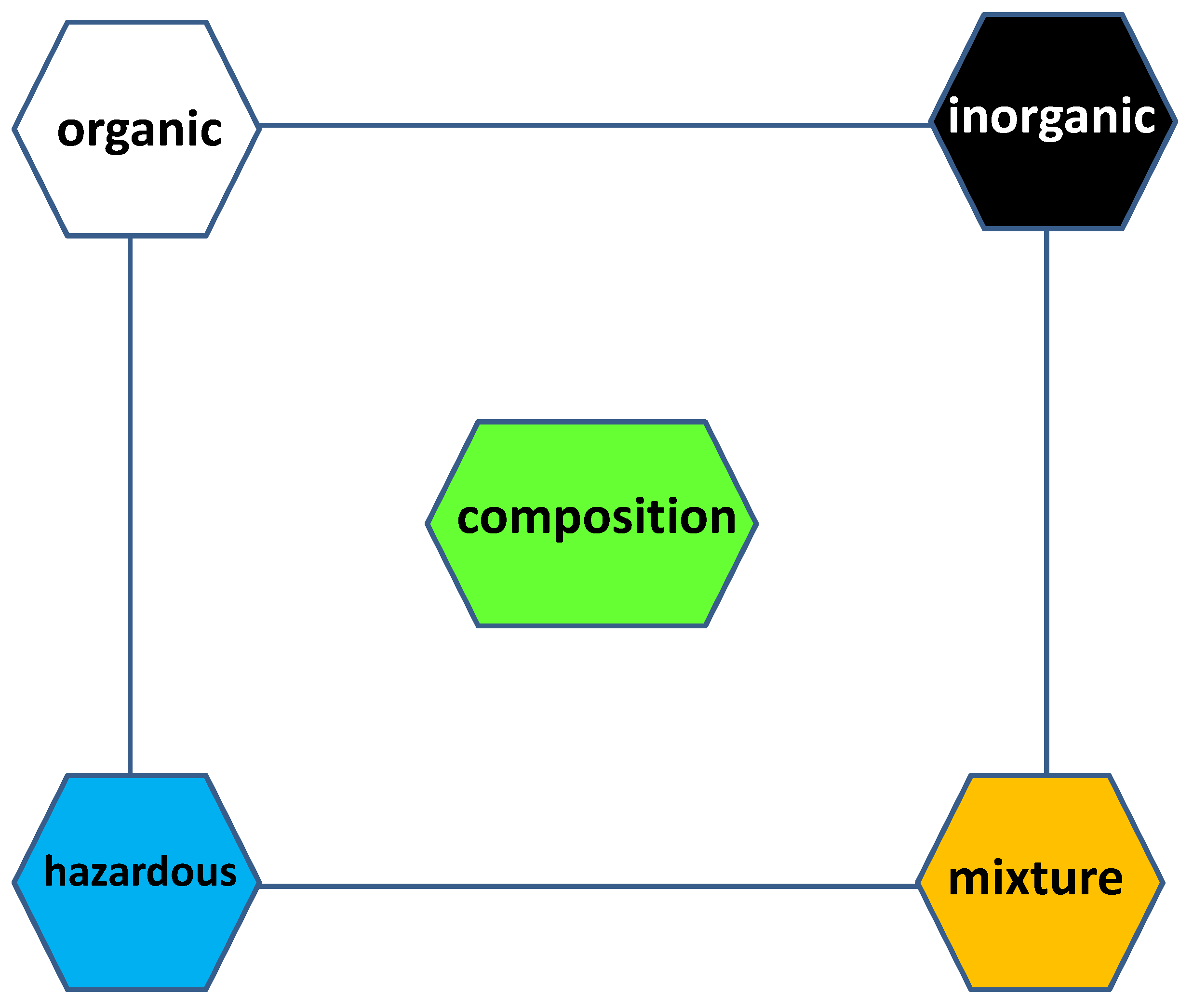
Waste classification is not an easy task. Some criteria are inspired on the origin or activity that produces it, while others focus on its physical and chemical characteristics. The most commonly used criteria consider hazard (Figure 1); origin by the production sector (Figure 2); or composition (Figure 3) [1].
And while classification is difficult, recovery is complicated because it depends on the type of waste. Three categories can be used to classify waste utilization: up cycling or recovery (conversion into higher-value products), recycling (conversion into similar or lower-value products), and reuse (use for the same purpose).
What all researchers agree on is the application of the Circular Economy model, an economic principle that integrates aspects of resource management, manufacturing, energy, supply chain security, environmental management, behavioral science, and policy development. It is based on a philosophical shift from a production-use-dispose model to a model where reuse, rebuilding, and recycling underpin a shift away from dependence on resource extraction. In this more current model, materials are recycled and recirculated during processing, with the economic and environmental value of products being explored as much as possible. This strategy involves, among other actions, replacing primary materials with secondary materials.
This text will select recent examples of the different categories of waste indicated based on the production sector. For example, food waste, which is divided into two main groups: domestic and industrial, refers to disposable materials generated by households or industries, classified into two main groups: hazardous and non-hazardous waste.
2. Energy from Waste
Waste recovery involves converting waste products, especially such as fruits and vegetables, into high-value bio-based products using sustainable methods. The term “biorefinery” refers to a system that, similar to oil refineries, seeks to produce a range of valuable compounds, but instead of fossil-based raw materials, uses biological resources such as agricultural residues and food waste.
The valorization of agro-industrial waste is a step forward in the development of the Circular Economy, as it creates a real path to reducing waste volumes while generating economic and environmental benefits. Polysaccharides and other compounds are useful in the production of bioplastics, biofuels, and bio-based chemicals, which, are often discarded due to waste generation during agro-industrial processes [2]. New biorefinery processes, including the Green Chemistry techniques, enhance “Food Industry 4.0” technologies and make these plant by-products more economical for the production of high-value materials [3] in nanotechnology, food, and pharmaceuticals. Furthermore, valorization processes promote sustainability in different areas by reducing dependence on fossil fuels [4]. Plant polysaccharide derivatives (cellulose, gum, mucilage) represent a significant group of macromolecules with immense biological importance and significance [5]. Plant polysaccharides are beneficial for sustainable development due to their surplus value for biomass and their ability to prevent environmental waste by utilizing agro-industrial by-products [6].
Lignocellulosic biomass is the most abundant and renewable source of organic carbon on the planet, representing the best option for achieving a sustainable biorefinery in the future. Some sectors that can participate in the idea of biorefineries have been studied, such as those that produce lignocellulosic bioethanol [7], attributing the success of future biorefineries to the valorization of lignin, from natural sources such as woody biomass, agricultural residues and energy crops, either as a macropolymer or through its depolymerization into low molecular weight monomers [8].
A significant fraction of biomass waste in the agricultural sector comes from pre-harvest and post-processing activities. These wastes constitute one of the most abundant and renewable resources, including materials such as straw, husk, bagasse, pulp, whey, pomace, feathers, among others, whose accumulation contributes to global pollution and environmental degradation if not properly managed [9] and which in certain cases have been destined for landfill despite their voluminous size.
As biomass is increasingly used as energy source, significant amounts of biomass ash are produced [10], which is of great value as a soil fertilizer. However, its fine structure and the diversity of its composition depending on the original source hinder its wide industrial application [11]. All this must be completed with a pelletizing process [12] that gives these residues a certain mechanical strength, stability under selected environmental conditions, known moisture content, durability during storage, etc. The mandatory step in the pelletizing process is to select a binder with optimal adhesive properties, such as water in the case of powdery substances such as biomass ash, although it can also be an added specific adhesive [13].
3. Industrial Waste and By-Products Linked to Construction and Demolition Waste (CDW)
Waste recovery is widely accepted in the construction industry, which incorporates waste from various sources, for example, the paper industry. This industry consumes large amounts of raw materials (wood and various chemicals) and other resources (water, energy), and generates a large volume of waste, most of which is sent to landfills [14,15,16,17], which should be avoided as it is, in some cases, unpleasant waste.
Paper contains a large amount of clayey materials that act as pozzolans [18,19], which converts paper industry waste into a potential material for use as an additive in cement, after calcining the waste first step. It thus becomes a viable component as a substitute, in varying proportions, for ordinary Portland cement (OPC).
As a substitute for a fraction of cement in OPC, it is worth mentioning inert materials belonging to the construction sector, for example, ballast waste that is added directly to OPC, allowing substitutions of up to 50% [20,21]. Even waste from the mining industry in general [22], or from more specific industries such as marble [23], granite rocks [24], coal [25], gypsum [26], even ash from volcanic eruptions [27], among others, can be added to the OPC.
Glass waste also represents a major environmental problem. The majority of glass production consists of container glass, flat glass, household glassware, reinforcing glass fibers, and specialty glass. A considerable amount of this waste is still sent to landfills, but the production of construction materials such as glass fibers, cellular glass, geopolymers, intumescent materials, and OPC-based paints or mortars and concretes is considered a recycling option [28]. Concretes with the addition of glass waste improve some properties of Portland cement concretes, in particular, greater resistance to acid and sulfate attack, and greater resistance to freeze-thaw cycles [29]. However, the high amount of alkalis present in the composition of waste glass can be detrimental to the mechanical strength of concrete if an alkali-silica reaction occurs between the alkalis and the reactive silica, potentially present in the aggregates used [30].
In addition to the aforementioned CDW waste, cement manufacturers use materials such as slag from the metallurgical industry and fly ash from coal-fired power plants. These wastes are secondary raw materials in the production of Portland clinker or supplementary cementitious materials (SCM). One of the wastes accepted in the cement sector is ceramic waste, some generated during manufacturing stages [31], as well as those from demolition or construction of buildings [32].
Highly valued industries involving aluminum and its alloys feature highly recycled materials, with extensive use in the construction, automotive, packaging, and aerospace industries. The aluminum industry generates solid and non-solid waste, some rich in metal oxides and valuable rare earth elements, which justify the importance of valorizing aluminum production waste for its incorporation and reuse [33].
Rubber is another waste product associated with industrialization, urbanization, economic development, and population growth, driven by the expansion of the automotive sector and the increasing demand for rubber products. Rubber waste is often processed using energy recovery methods such as pyrolysis. However, reusing rubber is difficult due to its degradation over time: its density decreases and energy absorption increases when added to materials such as concrete, requiring a simple grinding process to replace gravel. Rubber and polypropylene fibers can improve the compressive strength of concrete in appropriate proportions [34], making it an ideal component for quiet yet deformable pavements.
4. Textile Waste
After food, housing, and mobility, textiles have the fourth greatest negative impact on the environment throughout their life cycle. The environmental and climate impact is felt throughout the entire life cycle, from fiber production to distribution, use, collection, recycling, and final waste management, meaning that reducing the impacts associated with the textile industry is critical to reducing pollution.
Textile waste includes a wide range of materials, including natural fibers (cotton, wool, silk), synthetic fibers (polyester, nylon, acrylic), and blended fabrics, each of which poses unique challenges in waste management and recycling. Current disposal methods, including open landfills and uncontrolled burning, generate serious environmental problems, such as soil and water pollution, air pollution, and greenhouse gas emissions. Recycling has emerged as a potential alternative, which is complicated by the frequent presence of mixed fibers, synthetic additives and dyes, which limit the quality and use of recycled cotton fibers [35].
An example of this waste is that generated by cotton [36], whose processes involve multiple critical stages, such as opening, carding, drawing, combing, roving, spinning and winding. Each of them improves the alignment and uniformity of the fibers to achieve high quality yarns. Cotton, a natural cellulosic fiber with high volatile content and high calorific value, is well suited for thermochemical conversion processes [37].
Mechanical recycling of cotton, although profitable, results in lower quality fibers, while chemical recycling [38], despite its potential to produce high-value materials, such as functionalized nanomaterials, remains limited by high operating costs, low recovery efficiency, and the need for harsh processing conditions [39].
Among the various types of textile waste, cotton is one of the most susceptible to pyrolysis waste management. Unlike synthetic textile waste, which can release toxic compounds such as dioxins and furans during pyrolysis, cotton is thermally degraded cleanly, generating valuable byproducts such as biochar, bio-oil, and syngas [40]. Tujjohra et al. [36] studied the valorization of cotton waste from the textile industry through direct pyrolysis, converting it into high-quality biochar with greater energy potential and structural stability. The ideal pyrolysis temperature is considered to be the one that incinerates carbon compounds and is between 300 and 500°C, to achieve good yield, as well as the composition and physicochemical properties of the biochar. Within this temperature range, process conditions are optimized and carbon capture and energy efficiency are maximized.
Gracia-Monforte et al. [41] consider that the textile recycling process includes several stages, such as washing, sorting of fibers and accessories, and removal of impurities and additives. However, these processes are costly and time-consuming due to separation and purification difficulties. Furthermore, textile waste washing is a major source of microplastic contamination in the environment [42]. Therefore, textile waste is managed through landfills or incineration for energy generation, which inevitably leads to negative impacts on the environment by emitting the aforementioned dioxins and furans. The method recommended by Gracia-Monforte et al. [41] is the gasification at 900°C, preferring it to the pyrolysis, which requires a lower temperature.
5. Food Waste
The food industry generates a huge amount of waste, both dry and wet, resulting in environmental and economic impacts and raising food security concerns due to global population growth, demographic changes, and the effects of climate change. Most of this waste from this industry is currently disposed of through incineration or landfills, leading to environmental, economic, and social challenges. Furthermore, agro-industrial waste becomes a source of microbial proliferation linked to the production of greenhouse gases, the release of toxic byproducts of degradation, and the growth of pathogenic bacteria and fungi.
However, agro-industrial waste, due to its composition, constitutes a potential additive, which is, they can be used to produce a wide range of products such as biofuels, biopolymers, biofertilizers, enzymes, nutraceuticals or biogas. All this is related to the concept of a biorefinery or facility that integrates processes and equipment for the conversion of biomass fuels, energy and chemicals [4]. The so-called first-generation biorefineries use crops; second-generation accept residues, agro-industrial waste and non-edible crops, and third-generation biorefineries use algae [43].
Food loss and waste also lead to other environmental problems such as water eutrophication, arable land depletion, and biodiversity loss [44]. Based on the waste hierarchy, García-García et al. [45] introduced a range of food waste that covers various options to valorize processed foods, including reusing them as animal feed, extracting valuable compounds, using anaerobic digestion, etc. These options are classified into the categories of reduce, reuse, recycle/recover, and dispose, although Slorach et al. [46] indicate that composting is worse than incineration and landfill due to the food-energy-water nexus, although composting was preferred over incineration and landfill in the food waste hierarchy.
An example of the use of agro-industrial waste is watermelon (Citrullus lanatus Thunb.). This is a flowering plant in the cucurbitaceae family, whose waste is used to feed livestock or sent to landfills. In some cases, solid-state fermentation is used, as it provides a higher product yield compared to liquid-state fermentation and does not involve the use of chemicals that are hazardous to humans, animals, and the environment, as recommended by Ekloh and Yafetto [47].
The valorization of agri-food waste generates volatile fatty acids and the production of bioplastics, such as poly (3-hydroxybutyrate-co-3-hydroxyvalerate), due to its importance as a substitute for fossil-based plastics. All of this produces environmental and economic benefits within a circular bioeconomy model, promoting technological innovation and the sustainable use of residual resources [48].
Coffee, an agricultural and food product widely consumed as a beverage, deserves special attention. Coffee beans have a complex chemical composition related to their origin, cultivation methods and location, soil quality, cleaning methods, and roasting level. Coffee beans can be processed using a dry or wet method, generating four types of waste: pulp, chaff, parchment, and grounds. The latter are the most voluminous, and their disposal could pose an ignition risk. Furthermore, their high content of tannins, caffeine, chlorogenic acid, and phenols can cause environmental pollution. The bioactive substances present can be used in the pharmaceutical, cosmetic, and fuel industries. On the other hand, the residual material remaining after the recovery of valuable active substances serves as fertilizer, fuel additive, or for the production of biodegradable materials [49].
Tobacco closely resembles coffee in terms of habits. Tobacco can be considered an attractive cash crop, but it is currently in decline. While more than 75 tobacco species have been identified worldwide, the tobacco industry currently only cultivates Nicotiana rustical L. and Nicotiana tabacum L. [50,51]. The tobacco industry generates an enormous amount of waste annually during the cultivation and manufacturing of cigarettes/products with enormous negative effects on the environment [52].
In relation to food, the fishing industry contributes to global waste production by disposing of large quantities in terrestrial and aquatic environments. Shellfish and fish waste decompose rapidly at warm temperatures through anaerobic decomposition, during which proteins and other nitrogenous compounds are altered, releasing gases such as carbon dioxide, methane, amines, diamines, ammonia, and hydrogen sulfide. All of this pollutes the environment.
The fishing industry generates waste relevant for its valorization, especially insoluble chitin, a biopolymer present in the exoskeletons of crustaceans. However, deacetylation can transform chitin into chitosan, soluble in dilute acid solutions, making it suitable for use in the cosmetic, pharmaceutical and medical industries, as well as in the food industry, where biodegradable plastics are produced [53].
The marine industry produces a large volume of crustacean shells, which are either discarded in landfills or in the ocean, or which generate environmental problems, such as a strong odor during decomposition, reduced oxygen concentrations in seawater, suffocation or burial of living organisms, excessive growth of plants and algae due to high organic matter content (eutrophication), as well as changes in water salinity, temperature and pH levels; however, the use of chitin in a biorefinery where crustacean shells are sustainably separated into their constituents and then transformed into bio-based chemicals, materials and energy, is directly applicable, leaving the carbonates that make up the shells for use in the pigments, fillers, rubber and plastics industries [54].
Shark fishery waste is of interest, for example, the fins, which are obtained from fishing and consuming the meat, with the blue shark (Prionace glauca) being the most frequently caught. Fin removal used to be done on board fishing vessels. However, although the shark can be decapitated, gutted and frozen on board, fresh catches are also landed whole and processed in land-based facilities, generating a significant amount of waste such as the head and viscera [55]. Methods applied to dispose of waste generated by shark fishing and processing include landfilling or disposal in the ocean, composting, incineration, anaerobic digestion and alkaline hydrolysis to convert fish waste into liquid fertilizer, which are also sources of liver oil, squalene, shark cartilage and chondroitin sulfate [56]. Bioapatite from shark teeth, jaws, and central skeleton has been shown to be a source of this phosphate [57], with potential applications in orthopedic surgery.
In the fruit category, the avocado (Persea americana) [58] should be mentioned, as it is mainly consumed as a fresh product. Its industrialization involves the extraction of oil and the production of guacamole, which only requires the pulp of the fruit, which generates significant amounts of waste, such as gas emissions and water pollution, in addition to the pruning remains typical of all plant species. However, different compounds can be recovered from avocado waste using hydroalcoholic solvents.
The date palm (Phoenix dactylifera L.) is a widely distributed agricultural crop worldwide. Its fruits can be processed to obtain date syrup, alcohol, date powder and paste, among other products. Dates contain fats and proteins, as well as nutraceutical elements (such as phenolic compounds, phenolic acids, cinnamic acid derivatives, flavones, anthocyanidins, isoflavones and volatile compounds) that confer antioxidant, antimicrobial, anti-inflammatory, antimutagenic, hepatoprotective, gastroprotective, anticancer and immunostimulant properties, which have been studied by Oladzad et al. [59] and Shi et al. [60].
Another widely consumed fruit is the banana (Musa paradisiaca). In addition to its fruit, the plant is almost entirely useful. Despite its economic importance and widespread cultivation, banana production faces several obstacles, including pests, diseases, and environmental issues. Innovation in banana cultivation techniques has led to the development of new varieties, biocontrols, and production methods. Banana leaves are used in food processing and packaging. Banana residues have the potential to develop biofilms, especially banana peel flour, which is rich in carbohydrates and fiber and is used for food packaging [61]. Recent research has shown that banana peel flour can create biofilms that improve the mechanical strength and impermeability of packaging, sharing a similar composition with other substances such as polyvinyl alcohol, corn starch, banana starch, cellulose nanocrystals, and tapioca starch.
In general, fruits and vegetables contain a wide variety of bioactive substances, such as carbohydrates, fibers, vitamins, polysaccharides, simple sugars, phenolic acids, flavonoids, and aromatic components, which offers an additional opportunity for their valorization [62]. These compounds possess valuable antioxidant and antiviral properties, making them useful for human nutrition and their valorization for the development of sustainable food packaging materials, in the form of films [63,64].
One of the most typical Mediterranean zone crops is the olive. Metyouy et al. [65] indicate that olive oil extraction processes can be divided into two main categories: the classic pressing process, used for thousands of years with minimal adaptations, and centrifugal processes, which include two centrifugal systems known as triphasic and biphasic systems. However, olive oil production generates large amounts of waste with high phytotoxicity, which can have a significant impact on terrestrial and aquatic habitats [66]. A waste such as olive water or olive pits are widely used in the ceramic industry. The waste is incorporated into the firing process and resulting in very light ceramics due to the combustion of the organic matter that composed them.
Oil cakes are obtained from the oilseed extraction process. These wastes are a source of bioactive compounds (proteins, dietary fiber, antioxidants) with health-promoting properties that can be used in the food, cosmetics, textile, and pharmaceutical industries. They can also serve as substrates for the production of enzymes, antibiotics, biosurfactants, and fungi. Other applications include animal feed and the production of compounds, biofuels, and films [67].
Olive pomace is the solid waste produced during olive oil extraction. It is generally considered a waste product and is often incinerated or disposed of, which can lead to environmental problems. However, olive pomace is rich in carbon and lignocellulose, making its recovery and pyrolytic conversion into activated carbon. Olive pomace activated carbon has physicochemical properties similar to conventional activated carbon: high porosity and high specific surface area, as well as high adsorption capacity [68].
Used cooking oil is a byproduct of culinary processes, where oils are subjected to high temperatures during frying and cooking. It is predominantly composed of long-chain fatty acids: oleic, linoleic, and palmitic, as well as volatile organic compounds. In this sense, its use as a biodiesel feedstock offers a viable solution since its disposal in landfills generated environmental pollution problems [69].
Soybean competes with olive oil in terms of its use. Growing consumer interest in soybean (Glycine max) has led to a significant increase in soybean production in recent decades [70]. The relevance of soybean oil is due to its wide application in various industries, including food, nutraceuticals, biodiesel, polymers, resins, pesticides, and animal feed [71]. Furthermore, a portion of these waste substances are used in the production of biodiesel, ethanol, cosmetics, bioplastics, emulsifiers, adhesives, paints, disinfectants, and other industrial applications [72].
Among the typical Mediterranean zone crops, wine should also be mentioned, adapted to all types of soils [73], hence its widespread use. The production of this product involves a large number of processes that Chetrariu et al. [74] consider in their potential valorization from grape cultivation, harvesting, fermentation, and ripening, in which waste such as wastewater and organic solid waste, also known as wine or grape marc, are generated. These waste, composed of stems, skins, seeds, and yeast cells, are considered potential environmental pollutants and are often disposed of improperly. Wine lees are waste accumulated in containers after fermentation, storage, treatment, filtration, or centrifugation. They consist of a heterogeneous mass that settles after the fermentation of the must and are composed of solid and liquid fractions. The liquid fraction contains ethanol, lactic acid, and acetic acid. The solid fraction is composed of microorganisms (mainly yeasts), cellulosic and hemicellulosic materials, proteins, organic acids, phenolic compounds, and minerals. However, Liu et al. [75] consider grape pomace as the largest fraction of solid waste from winemaking, where cellulose-containing polyphenols are predominant and are related to sugar molecules, which increases their stability to light and oxygen, and their solubility in water [76]. Sugar molecules can be extracted by enzymes [77].
Although glucose can be extracted from wine waste, the sugar industry is the traditional one, whose main products are sugar and molasses, a byproduct used as a raw material for the production of alcoholic beverages, liqueurs, and culinary flavorings [78]. This industry produces a large amount of solid waste, such as bagasse, cachaça, leaf litter, ash, sludge, and press sludge [79], and is considered one of the most important sources of pollution. Due to the use of physical and chemical techniques for obtaining sugar and the use of caustic products [80], waste must have special treatments.
Maize, one of the world’s most important crops, is harvested as a whole plant, but after the cobs are removed, most of the plant becomes waste or animal feed. The carbohydrates in the straw can be hydrolyzed into monosaccharides, which can be used to produce biofuels, while certain compounds can be used directly in industry, such as xylitol as a sugar substitute [81]. Unused parts of the maize plant (corn stover) are rich in lignocellulose (cellulose, hemicellulose, and lignin) and also contain protein [82].
There are some plants that are considered invasive, and they growth creates problems for vegetation. This is the case of marabou, whose growth is exceptional, but which, due to its components, can be used as an excellent substitute for OPC in cements, reaching an addiction rate of 40% [83].
Another curious and little-considered industry is leather dyeing, but one that generates a large volume of waste, some of it hazardous and harmful to human health [84]. The leather industry uses a byproduct of the meat industry whose tanning and finishing processes have a considerable environmental impact. Disposal of leather waste is carried out in landfills or incineration, unsustainable industrial practices, which have led to the development of synthetic leather developed from polyvinyl chloride and polyurethanes. Several biomaterials and technologies have recently been studied to produce leather alternatives, which are reinforced with natural or synthetic fabrics to achieve the mechanical properties of genuine leather, as proposed by Venturelli et al. [84].
As a final example of those wastes included in this text, we will consider those generated in the healthcare sector. The World Health Organization (WHO) defines medical waste as waste generated by healthcare activities, ranging from used needles and syringes to soiled dressings, body parts, diagnostic samples, blood, chemicals, pharmaceuticals, medical devices, and radioactive materials. This type of waste is produced by hospitals, dental clinics, nursing homes, veterinary practices, and community healthcare providers. The majority of this waste is non-hazardous, but a small portion consists of infectious, toxic, or radioactive materials. Medical waste is a candidate for use in the medical waste manufacturing sector; infectious and toxic waste will be treated in an incinerator; and radioactive waste will be treated specifically as such waste [85].
6. Conclusions
Waste has been a valued commodity since ancient times. However, not all waste has had the same value, and it has been necessary to consider it as secondary material for its utilization and, ultimately, its disposal in landfills, as was common in pre-modern times.
The three Rs rule is fundamentally applicable, but depending on the initial classification of the waste, it may respond to various considerations. Classifying the waste as originating from a production sector will allow it to be used in the most responsible way possible, according to Circular Economy criteria, where materials that are considered waste at a given time can be incorporated into the economic chain as secondary materials.
Some of the works cited in this text are of practical application and remove waste from the production cycle. In other cases, they are mere laboratory contributions that require further development, which is encouraged, to achieve “zero waste” within Green technology.
Author Contributions
Santiago Yagüe: Writing – original draft, Methodology, Data curation, Conceptualization. Rosario García-Giménez: Conceptualization, Validation, Supervision, Resources.
Funding
This research was not founding.
Conflicts of Interest
The authors declare that they have no known competing financial interests or personal relationships that could have appeared to influence the work reported in this paper.
References
- García Giménez, R. Los residuos como fuente de contaminación de suelos. Cap. 2. In: Introducción a la contaminación de suelos, 2017, 23-38. Ed. Mundi-Prensa, Asturias, España. ISBN: 978-84-8476-789-3.
- Nesterov, D.; Barrera-Martínez, I.; Martínez-Sánchez, C.; Sandoval-González, A.; Bustos, E. Approaching the circular economy: Biological, physicochemical, and electrochemical methods to valorize agro-industrial residues, wastewater, and industrial wastes. J Environ Chem Eng. 2024, 12 (5), 113335. [CrossRef]
- Omran, B.A.; Baek, K H. Valorization of agro-industrial biowaste to green nanomaterials for wastewater treatment: Approaching green chemistry and circular economy principles. J Environ Manage. 2022, 311, 114806. [CrossRef]
- Prado-Acebo, I.; Cubero-Cardoso, J.; Lu-Chau, T.A.; Eibes, G. Integral multi-valorization of agro-industrial wastes: A review. Waste Manage. 2024, 183, 42-52. [CrossRef]
- Shen, Y.; Song, M.; Wu, S.; Zhao, H.; Zhang, Y. Plant-based dietary fibers and polysaccharides as modulators of gut microbiota in intestinal and lung inflammation: Current State and challenges. Nutrients 2023, 15 (15), 3321. [CrossRef]
- Maqsood, S.; Khalid, W.; Kumar, P.; Benmebarek, I.E.; Rasool, I.F.U.; Trif, M.; Moreno, A.; Esatbeyoglu, T. Valorization of plant-based agro-industrial waste and by-products for the production of polysaccharides: Towards a more circular economy. Appl Food Res. 2025, 5 (1), 100954. [CrossRef]
- Mateo, S.; Fabbrizi, G.; Moya, A.J. Lignin from Plant-Based Agro-Industrial Biowastes: From Extraction to Sustainable Applications. Polymers 2025, 17, 952. [CrossRef]
- Yu, O.; Kim, K.H. Lignin to Materials: A Focused Review on Recent Novel Lignin Applications Appl. Sci. 2020, 10, 4626. [CrossRef]
- Ezeorba, T.P.C.; Okeke, E.S.; Mayel, M.H.; Nwuche, C.O.; Ezike, T.C. Recent advances in biotechnological valorization of agro-food wastes (AFW): Optimizing integrated approaches for sustainable biorefinery and circular bioeconomy. Bioresour Technol Rep. 2024, 26, 101823. [CrossRef]
- Munawar, M.A.; Khoja, A.H.; Naqvi, S.R.; Mehran, M.T.; Hassan, M.; Liaquat, R.; Dawood, U.F. Challenges and opportunities in biomass ash management and its utilization in novel applications. Renew. Sustain. Energy Rev. 2021, 150, 111451. [CrossRef]
- Buneviciene, K.; Drapanauskaite, D.; Mazeika, R.; Tilvikiene, V.; Baltrusaitis, J. Granulated biofuel ash as a sustainable source of plant nutrients. Waste Manage Res. 2021, 39 (6), 806-817. [CrossRef]
- Rostocki, A.; Unyay, H.; Ławinska, K.; Obraniak, A. Granulates based on bio and industrial waste and biochar in a sustainable economy. Energies 2022, 16 (1), 56. [CrossRef]
- Vincevica-Gaile, Z.; Zhylina, M.; Shishkin, A.; Ansone-Bertina, L.; Klavins, L.; Arbidans, L.; Dobkevica, L.; Zekker, I.; Klavins, M. Selected residual biomass valorization into pellets as a circular economy-supported end-of-waste. Clean Mat. 2025, 15, 100295. [CrossRef]
- Monte, M.C.; Fuente, E.; Blanco, A.; Negro, C. Waste management from pulp and paper production in the European Union. Waste Manage. 2009, 29, 293–308. [CrossRef]
- Modolo, R.; Benta, A.; Ferreira, V.M.; Machado, L.M. Pulp and paper plant wastes valorisation in bituminous mixes. Waste Manage. 2010, 30, 685-696. [CrossRef]
- Mandeep Gupta, G.K.; Shukla, P. Insights into the resources generation from pulp and paper industry wastes: Challenges, perspectives and innovations. Bioresour Technol. 2020, 297, 122496. [CrossRef]
- Simões, F.; Rios-Davila, G.J.; Paiva, H.; Morais, M.; Ferreira, V.M. Sustainability Evaluation of a Paper and Pulp Industrial Waste Incorporation in Bituminous Pavements. Appl Sci. 2024, 14, 4846. [CrossRef]
- Vigil, R.; Frías, M.; Sánchez de Rojas, M.I.; Vegas, I.; Garcia, R. Mineralogical and morphological changes of calcined paper sludge at different temperatures and retention in furnace. Appl Clay Sci. 2006, 36 (4), 279-286. [CrossRef]
- García, R.; Vigil, R.; Vegas, I.; Frías, M.; Sánchez de Rojas, M.I. The pozzolanic properties of paper sludge waste. Constr Build Mater. 2008, 22 (7), 1484-1490. [CrossRef]
- Yagüe García, S.; Gonzalez Gaya, C. Durability analysis of pozzolanic cements containing recycled track ballast: Sustainability under extreme environmental conditions. Constr Build Mater. 2020, 242, 117999. [CrossRef]
- Yagüe-García, S.; García-Giménez, R. Microstructure of Mortar with Ballast Waste as a Cement Replacement. Appl. Sci. 2025, 15, 5605. [CrossRef]
- Yu, H.; Fai, C.M.; Liang, D.; Øivind Madsen, D. Mineral waste recycling, sustainable chemical engineering, and circular economy. Results Eng. 2024, 21, 101865. [CrossRef]
- Bellara, S.; Maherzi, W.; Mezazigh, S.; Senouci, A. Mineral waste valorization in road subgrade construction: Algerian case study based on technical and environmental features. Case Stud Constr Mat. 2024, 20, 02764. [CrossRef]
- Medina, G.; Sáez del Bosque, I.F.; Frias, M.; Sánchez de Rojas, M.I.; Medina, C. Granite quarry waste as a future eco-efficient supplementary cementitious material (SCM): Scientific and technical considerations. J. Clean Prod. 2017, 148, 467-476. [CrossRef]
- Yagüe, S.; Sánchez, I.; Vigil de la Villa, R.; García-Giménez, R.; Zapardiel, A.; Frías, M. Coal-Minings Tailings as a pozzolanic Material in Cement Industry. Minerals 2018, 8, 46-59. [CrossRef]
- Ruiz-Martinez, J.D.; Moreno, V.; González-Arias, J.; Peceño Capilla, B.; Baena-Moreno, F.M.; Leiva, C. A Circular Economy Perspective: Recycling Wastes through the CO2 Capture Process in Gypsum Products. Fire Resistance, Mechanical Properties, and Life Cycle Analysis. Fire 2024, 7, 365. [CrossRef]
- Sanjuán, M.A.; Frías, M.; Monasterio, M.; García Giménez, R.; Vigil de la Villa, R.; Álamo, M. Volcanic ash from La Palma (Canary Islands, Spain) as Portland cement constituent. J Build Engin. 2023, 78, 107641-107654. [CrossRef]
- Bădănoiu, A.; Moant, A.; Dumitrescu, O.; Nicoară, A.I.; Trusca, R. Waste Glass Valorization as Raw Material in the Production of Portland Clinker and Cement. Materials 2022, 15, 7403. [CrossRef]
- Vigil de la Villa Mencía, R.; Frías, M.; Martínez-Ramírez, S.; Fernández Carrasco, L.; García-Giménez, R. Concrete/Glass construction and demolition waste (CDW) synergies in ternary eco-cement paste mineralogy. Materials 2022, 15, 4661-4675. [CrossRef]
- Dong, W.; Li, W.; Tao, Z. A comprehensive review on performance of cementitious and geopolymeric concretes with recycled waste glass as powder, sand or cullet. Resour Conserv Recycl. 2021, 172, 105664. [CrossRef]
- Silva, T.H.; Cunha de Resende, M.; Sávio de Resende, D.; Ribeiro Soares Junior, P.R.; da Silva Bezerra, A.C. Valorization of ceramic sludge waste as alternative flux: A way to clean production in the sanitary ware industry. Clean Eng Technol. 2022, 7, 100453. [CrossRef]
- Medina, C.; Frías, M.; Sánchez de Rojas, M.I. Microstructure and properties of recycled concretes using ceramic sanitary ware industry waste as coarse aggregate. Constr Build Mater. 2012, 31, 112-118. [CrossRef]
- Harmaji, A.; Jafari, R.; Simard, G. Valorization of Residue from Aluminum Industries: A Review. Materials 2024, 17, 5152. [CrossRef]
- Miranda, A.; Muñoz, R.; Aedo, C.; Bustos, F.; Tuninetti, V.; Valenzuela, M.; Medina, C.; Oñate, A. High-Performance Concrete from Rubber and Shell Waste Materials: Experimental and Computational Analysis. Materials 2024, 17, 5516. [CrossRef]
- Hamawand, I.; Sandell, G.; Pittaway, P.; Chakrabarty, S.; Yusaf, T.; Chen, G.; Seneweera, S.; Al-Lwayzy, S.; Bennett, J.; Hopf, J. Bioenergy from cotton industry wastes: a review and potential. Renew Sustain Energy Rev. 2016, 66, 435-448. [CrossRef]
- Tujjohra, F.; Hoque, E.; Kader, A. Sustainable valorization of textile industry cotton waste through pyrolysis for biochar production. Chem Clean Engin. 2025, 11, 100161. [CrossRef]
- Esteve-Turrillas, F.A.; Guardia, M. Environmental impact of Recover cotton in textile industry. Resour Conserv Recy. 2017, 116, 107-115. [CrossRef]
- Yu, X.; Wang, S.; Zhang, J. Preparation of high adsorption performance activated carbon by pyrolysis of waste polyester fabric. Polymers 2017, 53, 5458-5466. [CrossRef]
- Haslinger, S.; Hummel, M.; Anghelescu-Hakala, A.; Määttänen, M.; Sixta, H. Upcycling of cotton polyester blended textile waste to new man-made cellulose fibers. Waste Manage. 2019, 97, 88-96. [CrossRef]
- Nanda, S.; Berruti, F. Thermochemical conversion of plastic waste to fuels: a review. Environ Chem Lett. 2021, 19, 123-148. [CrossRef]
- Gracia-Monforte, C.; Zapata, G.; Afailal, Z.; Gea, G.; Arauzo, J. Textile waste valorization via gasification: A comparative experimental study of different gasifying agents. Biomass Bioener. 2025, 199, 107905. [CrossRef]
- Napper, I.E.; Thompson, R.C. Release of synthetic microplastic plastic fibres from domestic washing machines: effects of fabric type and washing conditions. Mar. Pollut. Bull. 2016, 112 (1–2), 39-45. [CrossRef]
- Moncada, J.; Tamayo, J.A.; Cardona, C.A. Integrating first, second, and third generation biorefineries: Incorporating microalgae into the sugarcane biorefinery. Chem Eng Sci. 2014, 118, 126-140. [CrossRef]
- Wei, Y., Rodríguez-Illera, M.; Guo, X.; Vollebregt, M.; Li, X.; Rijnaarts, H.H.M.; Chen, W.S. The complexities of decision-making in food waste valorization: A critical review. J Environ Manage. 2024, 359, 20989. [CrossRef]
- García-García, G.; Woolley, E.; Rahimifard, S.; Colwill, J.; White, R.; Needham, L. A methodology for sustainable management of food waste. Waste Biomass Val. 2017, 8 (6), 2209-2227. [CrossRef]
- Slorach, P.C.; Jeswani, H.K.; Cuellar-Franca, R.; Azapagic, A. Environmental sustainability in the food-energy-water-health nexus: a new methodology and an application to food waste in a circular economy. Waste Manage. 2020, 113, 359-368. [CrossRef]
- Ekloh, E.; Yafetto, L. Fermentation and valorization of watermelon (Citrullus lanatus) rind wastes into livestock feed using Aspergillus niger and Mucor sp. Scientific African 2024, 23, 02035. [CrossRef]
- Arriaga, M.; Pinar, F.J.; Fernández-Morales, F.J.; Izarra, I.; del Amo, J.; Mena, J. Valorization of Agri-Food Waste into PHA and Bioplastics: From Waste Selection to Transformation. Appl. Sci. 2025, 15, 1008. [CrossRef]
- Sidło, W.; Latosínska, J. Reuse of Spent Coffee Grounds: Alternative Applications, Challenges, and Prospects-A Review. Appl. Sci. 2025, 15, 137. [CrossRef]
- Mehmood, F.; Ubaid, Z.; Shahzadi, I.; Ahmed, I.; Waheed, M.T.; Poczai, P.; Mirza,B. Plastid genomics of Nicotiana (Solanaceae): insights into molecular evolution, positive selection and the origin of the maternal genome of Aztec tobacco (Nicotiana rustica). Peer J. 2020, 8, 9552. [CrossRef]
- Zou, X.; Amrit, B.K.; Abu-Izneid, T.; Aziz, A. Devnath,P.; Rauf, A.; Mitra, S.; Bin Emran, T.; Mujawah, A.A.H.; Lorenzo, J.M.; Mubarak, M.S.; Wilairatana, P.; Suleria, H.A.R. Current advances of functional phytochemicals in Nicotiana plant and related potential value of tobacco processing waste: A review. Biomed Pharma. 2021, 143, 112191. [CrossRef]
- Manthos, G.; Tsigkou, K. Upscaling of tobacco processing waste management: A review and a proposed valorization approach towards the biorefinery concept. J Environ Manage. 2025, 387, 125942. [CrossRef]
- Iñiguez-Moreno, M.C.; Santiesteban-Romero, B.; Melchor-Martínez, E.M.; Parra-Saldívar, R.; Berenice González-González. Valorization of fishery industry waste: Chitosan extraction and its application in the industry R. Methods X, 2024, 13, 102892. [CrossRef]
- Vidal, J.L.; Jin, T.; Lam, E.; Kerton, F.; Moores, A. Blue is the new green: Valorization of crustacean waste. Current Res Green Sustainable Chem. 2022, 5, 100330. [CrossRef]
- Valcárcel, J.; Pérez, J.A.; Rodríguez, C.; Durán, S.; Souto-Montero, P.; Vázquez, J.A. Contribution of protein hydrolysates and brain lipids to the integral valorization of blue shark (Prionace glauca) waste. Clean Eng Tech. 2025, 27, 101007. [CrossRef]
- Popa, O.; Babeanu, N.E.; Popa, I.; Nița, S.; Dinu-Parvu, C.E. Methods for obtaining and determination of squalene from natural sources. BioMed Res. Int. 2015, 367202. [CrossRef]
- Vázquez, J.A.; Fraguas, J.; Mirón, J.; Valcárcel, J.; Pérez-Martín, R.I.; Antelo, L.T. Valorisation of fish discards assisted by enzymatic hydrolysis and microbial bioconversion: lab and pilot plant studies and preliminary sustainability evaluation. J Clean Prod. 2020, 246, 119027. [CrossRef]
- Féliz-Jiménez, A.; Sanchez-Rosario, R. Bioactive Compounds, Composition and Potential Applications of Avocado Agro-Industrial Residues: A Review. Appl. Sci. 2024, 14, 10070. [CrossRef]
- Oladzad, S.; Fallah, N.; Mahboubi, A.; Afsham, N.; Taherzadeh, M.J. Date fruit processing waste and approaches to its valorization: A review. Bioresour Tech. 2021, 340, 125625. [CrossRef]
- Shi, L.; Serrano Pinheiro de Souza, T.; Ahmadi, F.; Imran, A.; Dunshea, F.R.; Barrow, C.; Suleria, H.A.R.. Valorization of Date Fruit (Phoenix dactylifera L.) Processing Waste and By-Products: A Review. Appl. Sci. 2023, 13, 12315. [CrossRef]
- Kumari, S.; Debbarma, R.; Habibi, M.; Haque, S.; Suprasanna, P. Banana waste valorisation and the development of biodegradable biofilms. Waste Manage Bul. 2025, 3 (3), 100213. [CrossRef]
- Ganesh, K.S.; Sridhar, A.; Vishali, S. Utilization of fruit and vegetable waste to produce value-added products: Conventional utilization and emerging opportunities. A review. Chemosphere 2022, 287, 132221. [CrossRef]
- Prokic, D.; Curcic, L.; Stepanov, J.;Stojic, N.; Pucarevic, M. The role of circular economy in food waste management in fulfilling the United Nations’ sustainable development goals. Alimentaria 2022, 15, 51-66. [CrossRef]
- Kumar Gupta, R.; Ali, E.A., El Gawad, F.A.; Mecheal Daood, V.; Sabry, H.; Karunanithi, S.; Srivastav, P.P. Valorization of fruits and vegetables waste byproducts for development of sustainable food packaging applications. Waste Manage Bul. 2024, 2, 21-40. [CrossRef]
- Metyouy, K.; Benkirane, L.; Sánchez, M.E.; Cara-Jiménez, J.; Plakas, K.V.; Chafik, T. Valorization of agricultural olive waste as an activated carbon adsorbent for the remediation of water sources contaminated with pharmaceuticals. Sustainable Chem Environ. 2024, 6, 100110. [CrossRef]
- Khdair, A.; Abu-Rumman, G. Sustainable environmental management and valorization options for olive mill by products in the Middle East and North Africa (MENA) region. Processes 2020, 8, 671. [CrossRef]
- Ancuta, P.; Sonia, A. Oil Press-Cakes and Meals Valorization through Circular Economy Approaches: A Review. Appl. Sci. 2020, 10, 7432. [CrossRef]
- Kiełbasa, K.; Bayar, S.; Varol, E.A.; Srénscek-Nazzal, J.; Bosacka, M.; Michalkiewicz, B. Thermochemical conversion of lignocellulosic biomass-olive pomace-into activated biocarbon for CO2 adsorption. Ind Crops Prod. 2022, 187, 115416. [CrossRef]
- Martín-González, J.; Montero-Bullón, J.F.; Muñoz Fernandez, G.; Jiménez, A. Valorization of waste cooking oil for bioproduction of industrially-relevant metabolites in Ashbya gossypii. New Biotechnology, 2025, 88, 32-38. [CrossRef]
- Karim, A.; Osse, E.F.; Khallouf, S. Innovative strategies for valorization of by products from soybean industry: A review on status, challenges, and sustainable approaches towards zero-waste processing systems. Heliyon 2025, 11, 42118. [CrossRef]
- Plamada, D.; Teleky, B.E.; Nemes, S.A.; Mitrea, L.; Szabo, K.; Calinoiu, L.F.; Pascuta, M.S.; Varvara, R.A.; Ciont, C.: Martau, C.A. Plant-based dairy alternatives-a future direction to the milky way. Foods 2023, 12 (9), 1883. [CrossRef]
- Colletti, A.; Attrovio, A.; Boffa, L.; Mantegna, S.; Cravotto, G. Valorisation of by-products from soybean (Glycine max (L.) Merr.) processing. Molecules 2020, 25 (9), 2129. [CrossRef]
- Jiménez-Ballesta, R.; Bravo, S.; Amorós, J.A.; Pérez-de los Reyes, C.; García-Giménez, R.; Higueras, P.; García-Navarro, F.J. Mineralogical and Geochemical Nature of Calcareous Vineyard Soils from Alcubillas (La Mancha, Central Spain). Int J Environ Res Public Health 2020, 17, 6229-6242. [CrossRef]
- Chetrariu, A.; Dabija, A.; Caisin, L.; Agapii, V.; Avrămia, I. Sustainable Valorization of Wine Lees: From Waste to Value-Added Products. Appl. Sci. 2025, 15 (7), 3648. [CrossRef]
- Liu, X.; Maroun, E.R.; Haritos, V.S. Valorization solutions for diverse commercial winery biomass wastes via sustainable processing. Resour Conser Recy. 2025, 215, 108126. [CrossRef]
- Aliakbarian, B.; Fathi, A.; Perego, P.; Dehghani, F. Extraction of antioxidants from winery wastes using subcritical water. J. Supercrit Fluids 2012, 65, 18-24. [CrossRef]
- Gligor, O.; Mocan, A.; Moldovan, C.; Locatelli, M.; Crișan, G.; Ferreira, I.C. Enzyme-assisted extractions of polyphenols–a comprehensive review. Trends Food Sci. Technol. 2019, 88, 302-315. [CrossRef]
- Bano, S.; Singh, K.; Chaudhary, A.; Chandra, R. Innovative methods for the valorisation of solid wastes from sugar mill and refineries for sustainable development: A review. Clean Waste Systems 2025, 10, 100230. [CrossRef]
- Villar-Cocina, E.; Valencia-Morales, E.; Gonzalez-Rodríguez, R.; Hernández-Ruiz, J. Kinetics of the pozzolanic reaction between lime and sugar cane straw ash by electrical conductivity measurement: A kinetic-diffusive model. Cem Concr Res. 2003, 33 (4), 517-524. [CrossRef]
- Iwuozor, K.O.; Chizitere Emenike, E.; Ighalo, J.O.; Eshiemogie, S. Valorizacion of sugar industry’s byproducts: A perspective. Sugar Tech. 2022, 24 (4), 1050-1078. [CrossRef]
- Fu, Y.; Zhang, J.; Guan, T. High-Value Utilization of Corn Straw: from Waste to Wealth. Sustainability 2023, 15, 14618. [CrossRef]
- Spalvins, K.; Ivanovs, K.; Blumberga, D. Single cell protein production from waste biomass: review of various agricultural by-products. Agron Res. 2018, 16, 1493-1508.
- Frías, M.; Moreno de los Reyes, A.M.; Villar-Cociña, E.; García, R.; Vigil de la Villa, R.; Vasic, M. New Eco-Cements Made with Marabou Weed Biomass Ash. Materials 2024, 17 (20), 5012-5022. [CrossRef]
- Venturelli, G.; Petrini, P.; Guida, L.; Fasani, M.G.T; Mantero, S.; Levi, M. 3D-printable circular composites as sustainable leather alternative for the valorization of tanneries solid waste. Appl Mat Today 2025, 44, 102776. [CrossRef]
- Murillo, M.; Manzano, S.; Silva, Y.F.; Burbano-García, C.; Araya-Letelier, G. Valorization of Medical Waste in Cement-Based Construction Materials: A Systematic Review. Buildings 2025, 15, 1643. [CrossRef]
Figure 1.
Classification of waste according to its hazard.
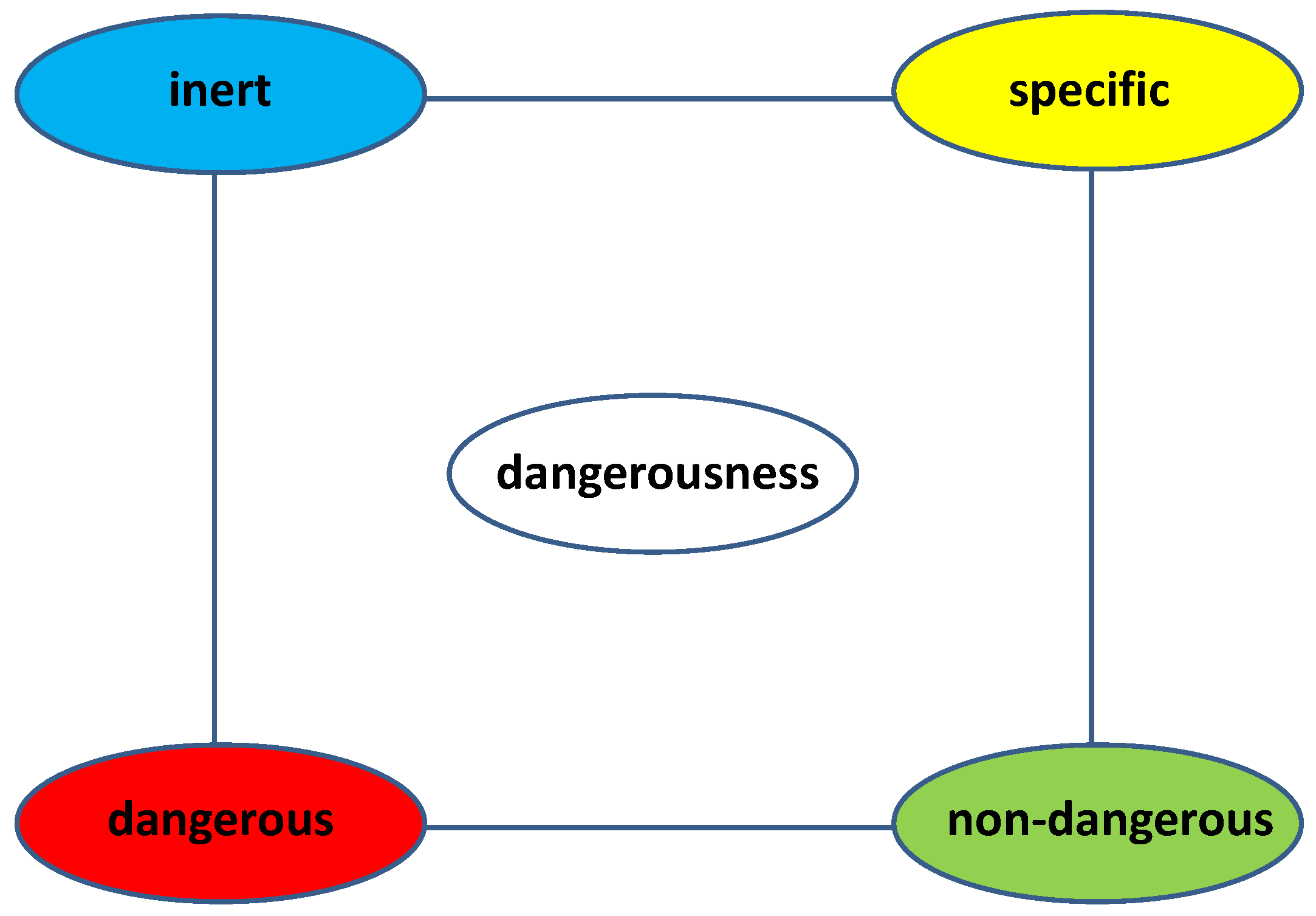
Figure 2.
Classification of waste according to its origin to the materials transformation cycle or production sector.
Figure 2.
Classification of waste according to its origin to the materials transformation cycle or production sector.
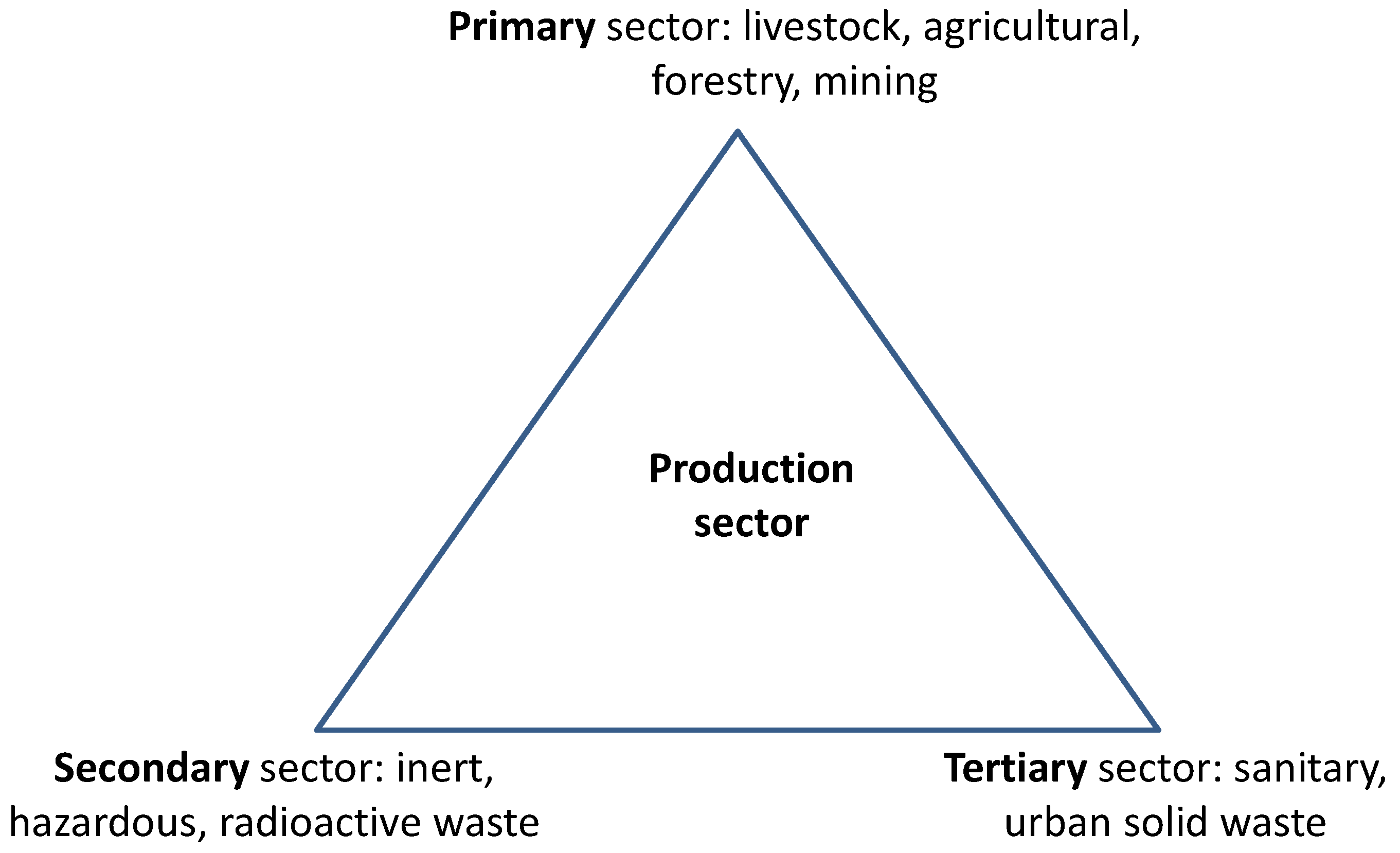
Figure 3.
Classification of waste according to its composition.
Disclaimer/Publisher’s Note: The statements, opinions and data contained in all publications are solely those of the individual author(s) and contributor(s) and not of MDPI and/or the editor(s). MDPI and/or the editor(s) disclaim responsibility for any injury to people or property resulting from any ideas, methods, instructions or products referred to in the content. |
© 2025 by the authors. Licensee MDPI, Basel, Switzerland. This article is an open access article distributed under the terms and conditions of the Creative Commons Attribution (CC BY) license (http://creativecommons.org/licenses/by/4.0/).
Copyright: This open access article is published under a Creative Commons CC BY 4.0 license, which permit the free download, distribution, and reuse, provided that the author and preprint are cited in any reuse.


