

Submitted:
31 March 2025
Posted:
01 April 2025
You are already at the latest version
Abstract
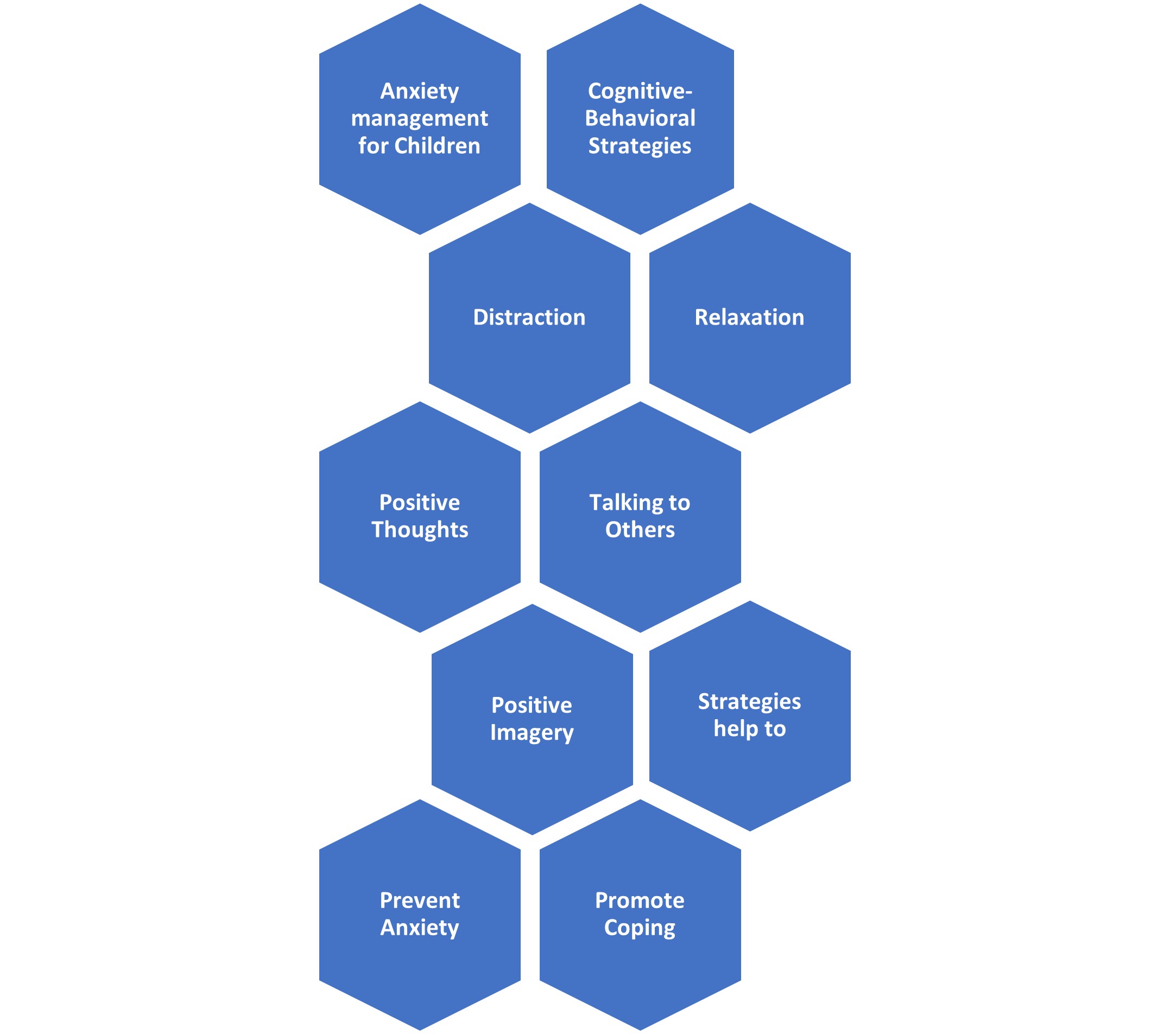
Parents are primary “supporters” for helping their children cope with feelings of anxiety, a significant concern for many young children. The current study examined parents’ perceptions of an anxiety management manual. Parents reviewed an anxiety coping manual for elementary school-aged children. This manual explained how anxiety influences the body and emotions as well as presenting cognitive-behavioral anxiety management strategies. The strategies included breathing, imagery (superhero to fight worries and imagine your favorite place), relaxation, talking to supportive others, and using distraction. Twenty-one parents were interviewed to determine their perceptions of the manual and of worry for today’s children. Qualitative analyses were performed to determine themes in the data. Results indicated that parents would use the manual and learned new strategies for helping their child with worry. Parents felt that today’s children are worrying more about serious things like school performance and family stressors. Future research needs to examine parent implementation of the strategies over time to determine if the use of anxiety management strategies is related to lower levels of worry for young children, if the strategies reduce anxiety-related stress, and if prevention minimizes the impact of anxiety on emotional functioning.
Keywords:
anxiety prevention
; young children
; anxiety management
; cognitive-behavioral strategies
; emotional functioning
1. Introduction
Anxiety is a normal response to stressful experiences, and it is common in children (Kodish et al., 2011; Vallance & Fernandez, 2016). Muris et al. (2000) found that over 70% of children between four and twelve years of age reported some experience of anxiety. Children worry about many things, including school performance, friendships, negative social experiences (like teasing), becoming ill or even dying (Muris et al., 1998). Anxiety may be defined as, “…emotional reactions arising from …(thinking about, anticipating)… a threat to the self” (p. 25, Fonseca & Perrin, 2011). Wehry et al. (2015) found that about 15-20% of children experience anxiety at some point in their lives. Rates vary across studies, and some show lower prevalence rates, about 8% for anxiety disorders in children, and anxiety is typically more common in girls than boys (e.g., Merikangas et al. (2009). If anxiety is not addressed, symptoms may persist into later years (i.e., adulthood, Allan et al., 2014; Ginsburg & Smith, 2023). Prevention strategies or learning coping strategies in the early years may help children cope with feelings of anxiety, which, in turn, sets a positive trajectory for moving through anxiety-provoking situations, improves coping skills, and sets a positive trajectory for being able to cope with worrisome situations. Moreover, anxiety can run “in the family,” so it is important to teach parents coping strategies so that they can teach their children and role model positive coping (McClure et al., 2001).
Children need to learn about how anxiety affects both the body and mind as well as learn coping strategies, and parents who know these things are teachers to improve their children’s abilities to cope with anxious feelings (Kendall, 2012; Rabner et al., 2017). Along with learning coping strategies, young children need to know that anxiety or “worry” about different situations is part of life, and they need to understand how anxiety impacts them physically and mentally (Kendall, 2012; Nabors et al., 2019). Children may experience changes in breathing, heart rate, nausea, and perspiration rate. They may shake or cry. Children also need to understand rumination – reflecting on something that makes them anxious, so that they avoid coping with their stressors (Vallance & Fernandez, 2016). Children also need coping skills, such as cognitive-behavioral strategies (breathing, positive imagery, thinking, distraction, and relaxation), to cope with their worries, de-stress, and continue with their daily routines (Comer et al., 2019; Nabors et al., 2019; Rabner et al., 2017; Scaini et al., 2022). Parents may not seek therapy services or interventions to help children with anxiety (Zhang, 2023), and, as such, having prevention-oriented materials for parents may assist them in helping their children learn to cope.
Evidence-based, prevention-oriented materials that adopt strategies such as cognitive-behavioral coping techniques have proven effective in managing anxiety (Cuijpers et al., 2016). These practical strategies, including deep breathing exercises, positive self-talk, distraction techniques, mindfulness activities, muscle relaxation, and guided imagery, foster anxiety management among children, helping them stay calm in moments of distress and building emotional resilience (Comer et al., 2019; Toussaint et al., 2021). For instance, deep breathing exercises help regulate the nervous system (Obradović et al., 2021). Additionally, positive self-talk and cognitive restructuring encourage children to challenge worrying thoughts and replace them with more balanced perspectives to reduce worry intensity (de Mooij et al., 2023). Further, distraction techniques, such as engaging in hobbies, playing with games or toys, movement-based activities, or sensory grounding, redirect children’s attention from distressing thoughts and promote emotional regulation (Zarra-Nezhad et al., 2023). Muscle relaxation and guided imagery techniques help children recognize body tension and actively practice relaxation (Toussaint et al., 2021).
Parents can support children with effective coping mechanisms that enhance their ability to navigate stress and anxiety by incorporating these cognitive-behavioral strategies into daily routines (Rienks et al., 2025). These foundational skills can be reinforced at home, helping children develop long-term emotional resilience before professional intervention is needed (Carpenter et al., 2014). Studies have shown that involving parents in anxiety interventions for children effectively reduces their children’s anxiety and fosters long-term emotional resilience (Jewell et al., 2022; Rienks et al., 2025). Specifically, training parents equips them with skills to reinforce using strategies at home, creating a consistent support system that improves the child’s ability to internalize coping mechanisms and reduce anxiety over time (Rienks et al., 2025). Parents’ involvement strengthens parent-child relationships, helps them understand the child’s experiences, and promotes a supportive environment where they model effective coping mechanisms themselves, further promoting a positive and adaptive approach to stress management within the family (Carpenter et al., 2014).
This pilot study examined parent perceptions of a children’s book, “Coping Positively with My Worries Book,” featuring cognitive-behavioral strategies for anxiety management for elementary school-age children. Data were collected through virtual and in-person interviews. The virtual interviews were conducted first, and then a second phase of the study, with in-person meetings, using the same interview questions, was used as a validity check on information provided by parents during virtual interviews. Parents provided information about whether the book would be useful for their children as well as providing their opinions about the strategies in the book, such as which strategies they might use with their child. Information about the strategies parents used before the review of the book, as well as their perceptions of worry in today’s children, was also assessed. Results provide information on parent perspectives related to how they perceive and plan to cope with worries for their young children, which is an important of study as prevention of anxiety in children will improve their emotional coping and has the potential to prevent more significant experiences of anxiety for children.
2. Materials and Methods
2.1. Instrumentation
Worry Coping Manual. The Worry Coping Strategies Project is evidence-based, focusing on cognitive behavioral strategies that will work to help prevent anxiety and help as an intervention for those children experiencing anxiety (Nabors et al., 2019; Nabors et al., 2024). The workbook begins with a developmentally appropriate explanation of how worry works in the body and what it can feel like. Then, there are six worry management strategies covered in the workbook include: relaxation (breathing and muscle relaxation), positive imagery, distraction, talking to someone else, using positive self-talk, and challenging worry using your own superhero. The workbook has a developmentally appropriate explanation of how to use each worry management strategy and there are instructions for practicing the strategy with the child (Nabors 2019, 2024). At the end of the workbook there is a coping menu where children can list their favorite strategies.
Interview. Parents provided demographic information on their sex, age range, occupation, and they provided demographic information about their child (e.g., sex, age, grade). Then, parents completed questions to assess their perceptions of the worry manual. These questions addressed their perceptions of the manual, what they thought of the strategies, what strategies they were using before reviewing the manual, what new strategies they learned, and their ideas of strategies they would use (or not use) as well as when/how they would implement anxiety management strategies (Nabors et al., 2024). They also responded to a question about if they thought today’s children were worrying and what they were worrying about (Nabors et al., 2024).
2.2. Participants
Twenty-one parents participated in interviews. Fifteen parents completed virtual interviews and six completed in-person interviews. Participants were from Ohio, Kentucky, Georgia, Alabama, and Colorado. A university-based institutional review board approved this study.
2.3. Procedures
Procedures for Virtual Interviews. Parents received an email explaining the study with a consent form. If they elected to participate, they emailed written consent for study participation to L. N. Participants reviewed the children’s manual. Then, they completed interviews to assess their opinions of the manual via Zoom meeting. Interviewers were L. N. and T. N. A. Parents completed the interview questions, and probes were to tell me more about it, provide an example, and please explain what you mean. Interviews lasted between 15 and 45 minutes, with an average interview lasting about 30 minutes.
Procedures for In-Person Interviews. Parents completed a consent form. They were interviewed by L.N. at two schools, three parents at each school. The same interview questions and probes were used from Study 1. Interviews lasted between 15 to 30 minutes, with an average of about 20 minutes.
Coding Qualitative Data. Three coders (L. N., O. S., and A. R.) used an open coding process, reviewing transcripts and use memos and notes to determine themes in the data (Corbin & Strauss, 2014; Miles & Huberman, 1994). A third coder (A. R.) served as a verification coder (Creswell, 1994). First, coders reviewed data independently to determine categories or themes in the data. Then, coders met over three meetings to develop and verify themes in the data as well as select representative quotes to support these themes. Disagreements were resolved by consensus.
3. Results
3.1. Virtual Interviews with Parents
Demographics. Fifteen parents participated in Zoom interviews, 2 males and 13 females. Parents provided data on age range, and 2 participants (13.3%) were in their 20’s, 9 (60%) were in their 30’s, 3 (20%) were in their 40’s, and 1 (6.7%) one was in her 50’s. Six (40%) were white, 3 (20%) were African American, and 1 was (6.7%) native American. Five parents (33%) did not wish to provide data on their race group. Their children were in the first through fifth grades (all grades in this range were represented). Children were between the ages of 5 and 9 years (Mean = 7 years). There were 8 (53%) boys and 4 (27%) girls. Three of the parents (20%) did not provide information about the sex of their child. Ten of the parents provided data on the race of the child – six (40%) were white, 3 (20%) were African American and 1 (7%) was Native American. Five (33%) of the 15 parents did not wish to specify race group.
Themes for Parent Report. Five themes were discovered in the review of the data: (1) discussion of strategies parents would use with their child, (2) feeling that today’s children were worrying more often than children did in the past, (3) that the manual was useful, (4) new strategies that parents learned from reviewing the manual, and (5) alternative strategies used by parents beyond the manual.
Strategies Parents Would Use. The first theme was parent discussion of strategies they would use. Subthemes for strategies parents would use are presented in Table 1. These strategies were children imagining their happy place, like vacations or parties, (6 parents) used this technique. Additionally, beach ball breathing was used by (9 parents), with the rock and sponge technique applied by (3 parents) which helped with relaxation. Moreover, another (3 parents) used the “Talking to Someone” strategy. As well as (4 parents) used positive thinking as a strategy. Lastly, using a distraction like toys or TV was used by (2 parents).
What Children Worry About. The second theme reflected parents’ comments that today’s children were worrying more than in the past. Fourteen of the parents (93.3%) reported they felt ‘today’s’ children are worrying more. Table 2 presents what parents reported their children were worrying about. According to the interviews (8 parents) thought their child worried about social media, (5 parents) reported they are worried if “Mom and Dad are mad at me”, and (3 parents) said their child worries about their safety. Another (3 parents) found that their children worry about "parental concerns”, like finances and where their next meal will come from. Lastly, (8 parents) reported that their child worries about their friends, or has social concerns, with another (8 parents) stating that their child has academic concerns about school.
Why the Worry Manual is Useful. The third theme focused on parents’ reasons why the manual would be useful for children (see Table 3). All the parents believed that the manual was useful for elementary school-aged children. According to the reports, (5 parents) found the manual to be relatable for children. Another (4 parents) said it was a “Toolbox for parents,” and (6 parents) reported it was a “Good Resource” that was simple and manageable. Lastly, (3 parents) said they like the variety of strategies, (3 parents) said that it encourages emotional regulation, and (3 parents) said that it can be used at school or home.
New Strategies Learned from the Manual. The fourth theme focused on the new strategies parents learned after reviewing the worry strategy manual. Five parents (about 33% of the sample) said they learned a new strategy. Each parent endorsed one new strategy. One parent said they would use the beach ball breathing, one learned about positive thinking, one found the distraction strategy helpful, one said they would use the sponge and rock breathing technique, and one mentioned using the imagination of a happy place with their children in the future. Notably, the parent who learned about distraction stated, “Alone time helps a child to process his or her emotions. So, I like setting (them) up with something like a puzzle to do.”
Use of Strategies Not in the Manual. The fifth theme reflected other strategies that parents mentioned using, specifically strategies they used that were not mentioned in the manual. There were 10 (66.7%) parents who discussed other strategies. Two parents used prayer or reading the Bible with their children as a calming strategy. Two used drawing to help their child feel calm when he or she was worrying. One parent discussed each of the following strategies: reading, yoga (including slow breathing), and journaling (journaling could include drawing and writing about worries). One parent used counting as a calming strategy, stating, “Counting to calm down is a great technique, especially for younger kids. Using numbers as a way to calm down and focus helps children regulate emotions.” Another mother reported that she used to play with toys, often a favorite stuffed animal, to help their child calm down, “Using toys like their favorite stuffed animal or dolls to calm down works well.”
In-Person Interviews with Parents
Six parents were interviewed, including four mothers (67%) and two fathers (33%). All were white. Age ranges for parents were as follows: 3 (50%) were 30-40, 2 (40%) were 40-50, and 1 (10%) was 51 and older. Their children were in kindergarten, first, second, fourth, and fifth grades. There were four (67%) girls and two (33%) boys. Five (83%) were white, and one (17%) was Asian. Children were 5, 6, 7, 8, 9, and 11 years (Mean = 7.7 years).
Parents’ Perceptions of Children’s Worry. Parents reported that their children worried. However, some worried more frequently than others. Four worried "sometimes," and two worried "most of the time." They reported that their children worried mostly about school (n = 5, such as about academic work). Three mentioned that their children worried about getting along with their friends or making friends. All the parents reported that it was normal for children to worry. After reviewing the Worry Strategy Book, three said they would use it "sometimes," and three said they would use it "all the time." All parents viewed the book as helpful for working with their children.
Application of Strategies from the Manual. Parents found the strategies in the manual to be very useful and affirmed the preferred strategies they would practice with their children. Breathing exercises were the most frequently endorsed strategy. Five parents mentioned that they would use this strategy often. Four would help their children think happy thoughts, and four favored "teaching their child to talk to someone else. Other mentioned strategies include rock sponge (4 parents), superheroes (2 parents), and doing something fun (2 parents). The parents also expressed confidence that their children would enjoy and benefit from these strategies. In addition to the strategies from the manual, parents reported strategies they were already using, including fidget toys, art, drawing, snuggles, and body movements "to help get the worries out of their child’s body.”
Parental Preferences for Coping Strategies. All the parents reported their favorite strategies, although two parents found it difficult to choose just one strategy. The strategies mentioned include talking to someone else (2 parents), breathing (3 parents), doing something fun (1 parent), superhero (1 parent), and thinking happy thoughts (1 parent). When asked if the parents would use some strategies for themselves, they mostly favored breathing exercises and talking to someone, with five parents preferring each. Three parents each mentioned they would apply “doing something fun” and “happy thoughts,” and one parent would use the rock sponge technique.
4. Discussion
This pilot study provided information about strategies parents would use to help young children cope with anxiety in their everyday lives, providing critical information for prevention work. Parental perceptions of an anxiety management book for young children revealed their opinions of cognitive-behavioral anxiety management strategies and which ones they would implement with young children. A strength of the study is the verification of information provided in online interviews, with in-person interviews. All parents, irrespective of the method of data collection, thought the manual was useful, had good information, and they stated they were going to implement cognitive-behavioral strategies from the manual with their children. Additionally, parents described the manual as easy to read and thought strategies in the manual could be useful at home or as something that could be used at school if worries occurred in this setting. Studies have shown that active parents’ involvement in reinforcing cognitive-based strategies at home fosters early adoption and sustainability among children, creating a consistent environment for growth (Jewell et al., 2022; Rienks et al., 2025).
Parents reported learning new techniques after reviewing the worry strategy manual, including beach ball breathing, positive thinking, guided imagery, and the sponge and rock technique that can be easily incorporated into daily life. This will allow parents to support their child's emotional regulation and build resilience (Rienks et al., 2025). Parents reported that cognitive-behavioral strategies, including breathing, relaxation, talking to someone else, positive imagery, and distraction, would help children reduce feelings of worry. Therefore, results were consistent with other studies showing that children benefit from using behavioral and cognitive strategies to reduce the experience of anxiety (Comer et al., 2019; Rabner et al., 2017; Scaini et al., 2022). Parents reported that breathing techniques were a strategy they would use to help calm their children. Research has shown that these strategies help children calm themselves and promote relaxation (Obradović et al., 2021). Other strategies mentioned include positive thinking and distraction strategies, such as imagining a happy place with their children; these are core components of cognitive behavioral strategies that have been found effective in managing anxiety (Cuijpers al., 2016). Adopting positive thinking and open conversations, as mentioned by the parents, would foster cognitive restructuring. This will help children reframe negative thoughts and feel better supported (de Mooij et al., 2023). Integrating cognitive-based strategies into daily family routines may equip the children with early coping skills that promote emotional resilience before needing formal intervention (Carpenter et al., 2014).
Parents were using some unique strategies not reviewed in the manual, such as music, prayer and reading the Bible, drawing, playing with stuffies and fidget toys, as well as yoga and body movements. These strategies could be used to expand the manual. Moreover, it will be important to build upon parents “natural” or “typical” strategies so that they feel comfortable in expanding the interventions they use to help their child. Building parental skills and comfort in intervening with their child has the potential to reduce anxiety, which can build and become more serious in later childhood (Ginsburg & Smith, 2023). If parents have greater knowledge of how anxiety works and how to help their child, they may be able to help their child prevent it, and recognize when professional help is needed, which may reduce parental tendencies to avoid treatment for child anxiety (Zhang, 2023). We did not ask when strategies were used, and details on the situations in which children experienced anxiety and which strategies were used in different situations might provide direction for future research to determine strategies parents find most effective in moments of distress.
Parents indicated that their children were worrying about weighty real-world problems, like school success and family stresses, consistent with other research (Muris et al., 1998, 2000). They believed that today’s children are worrying more than in the past and that social media could influence child anxiety (Twenge & Campbell, 2018). Children were worrying about their academic performance, and things like their ability to speak in the classroom at school, and this may be one reason that parents mentioned the manual could be helpful in the school setting. Previous research indicated that teachers also thought the manual could help young children reduce anxiety related to academic performance and other worries while at school (Nabors et al., 2024). Research examining strategies to reduce anxiety about school performance will advance knowledge in the field.
This pilot study had several limitations. For example, the sample size was small, and interviewing more participants may lead to more commonalities in themes, especially regarding favorite strategies. However, results from the in-person interviews served as a type of verification check. The results of these interviews were consistent with those of the online interviews, showing that parents believed the manual was useful and identified strategies they would use with their children, which supported the purpose of developing the manual. Questions in the interviews did not examine how children’s worries evolved over time, and the interview itself occurred at one point in time. Longitudinal data on how children experience and cope with worry over time will provide information to guide interventions. As mentioned, interview questions did not assess how parents apply worry strategies in different situations, and learning whether different strategies work for different concerns will also inform intervention development. Parents were volunteers, and a positive bias may have predominated their response to the manual. The preponderance of participants were white, and obtaining more information from parents of color and learning more about how their own worries impact their own and their child’s lives will be important to address in future studies.
5. Conclusions
Training and equipping parents with developmentally appropriate, evidence-based strategies from the manual has the potential to improve children's access to consistent support in managing anxiety at home. By providing early intervention, parents can foster emotional regulation, reduce anxiety symptoms, and build resilience over time among children. Additionally, recognizing that children respond differently to various techniques emphasizes the need for flexible, individualized approaches incorporated into the manual. As children engage in calming practices such as breathing exercises, guided imagery, or creative play, they internalize coping skills that may benefit them across developmental stages and in future anxiety-provoking situations. In the future, determining what strategies work for different stressors will be important. Moreover, learning how parents use strategies at home will provide information for developing programming that works for them. Also, learning about whether prevention efforts reduce the experience of anxiety in the long-term will indicate whether prevention can reduce symptoms and decrease anxiety disorders in children and adolescents.
Author contributions
Conceptualization, L.N.; Methodology, L.N., T. A.; Validation, A. R. and O. S. Formal Analysis, L. N., A. R., and O. S.; Investigation, L.N. and T. A.; Data Curation, L. N. and T. A.; Writing – Original Draft Preparation, L. N., A. R., O. S.; Writing – Review & Editing, L. N., T. A., A. R., and O. S.; Project Administration, L. N., T. A.
Funding
This project received no external funding.
Conflicts of Interest
The authors have no conflicts of interest to declare.
Institutional Review Board
The study was conducted according to the guidelines of the Declaration of Helsinki, and approved by the Institutional Review Board (or Ethics Committee) of the University of Cincinnati (IRB 2022-0040, date of approval: April 6, 2022).”
Informed Consent Statement
Informed consent was obtained from all subjects involved in the study.
Data Availability Statement
Data are available from the authors.
References
- Allan, N. P., Capron, D. W., Lejuez, C. W., Reynolds, E. K., MacPherson, L., & Schmidt, N. B. (2014). Developmental trajectories of anxiety symptoms in early adolescence: The influence of anxiety sensitivity. Journal of Abnormal Child Psychology, 42(4), 589-600. [CrossRef]
- Carpenter, A. L., Puliafico, A. C., Kurtz, S. M., Pincus, D. B., & Comer, J. S. (2014). Extending parent-child interaction therapy for early childhood internalizing problems: new advances for an overlooked population. Clinical Child and Family Psychology Review, 17(4), 340–356. [CrossRef]
- Comer, J. S., Hong, N., Poznanski, B., Silva, K., & Wilson, M. (2019). Evidence base update on the treatment of early childhood anxiety and related problems. Journal of Clinical Child & Adolescent Psychology, 48(1), 1-15. [CrossRef]
- Corbin J., & Strauss A. (2014). Basics of qualitative research: Techniques and procedures for developing Grounded Theory (4th ed.). Sage Publications.
- Creswell, J. W. (1994). Research design: Qualitative and quantitative approaches. Sage.
- Publications.
- Cuijpers, P., Cristea, I. A., Karyotaki, E., Reijnders, M., & Huibers, M. J. (2016). How effective are cognitive behavior therapies for major depression and anxiety disorders? A meta-analytic update of the evidence. World Psychiatry, 15(3), 245–258. [CrossRef]
- de Mooij, B., Fekkes, M., Miers, A. C., van der Veek, S. M. C., & Westenberg, P. M. (2023). What works in preventing emerging social anxiety: Exposure, cognitive restructuring, or a combination? Journal of Child and Family Studies, 32(2), 498–515. [CrossRef]
- Fonseca, A. C., & Perrin, S. (2011). The clinical phenomenology and classification of child and adolescent anxiety. In W. K. Silverman and A. P. Field (Eds.). Anxiety disorders in children and adolescents: Second Edition (pp. 25-55). Cambridge University Press.
- Ginsburg, G. S., & Smith, I. C. (2023). School-based interventions for students with anxiety. In S. W. Evans, J. Sarno Owens, C. P. Bradshaw, & M. D. Weist (Eds). Handbook of School Mental Health: Innovations in Science and Practice, Third Edition (pp. 21-37). Springer International Publishing. [CrossRef]
- Jewell, C., Wittkowski, A., & Pratt, D. (2022). The impact of parent-only interventions on child anxiety: A systematic review and meta-analysis. Journal of Affective Disorders, 309, 324–349. [CrossRef]
- Kendall, P. C. (2012). Anxiety disorders in youth. In P. C. Kendall (Ed.). Child and adolescent therapy: Cognitive-behavioral procedures. Fourth Edition (pp. 143-189). New York: Guilford Press.
- Kodish, I., Rockhill, C., & Varley, C. (2011). Pharmacotherapy for anxiety disorders in children and adolescents. Dialogues in Clinical Neuroscience, 13(4), 439–452. Y. S., & Guba E. G. (1985). Naturalistic inquiry. Sage Publications.
- McClure, E. B., Brennan, P. A., Hammen, C., & Le Brocque, R. M. (2001). Parental anxiety disorders, child anxiety disorders, and the perceived parent-child relationship in an Australian high-risk sample. Journal of Abnormal Child Psychology, 29(1), 1-10. [CrossRef]
- Merikangas, K. R., Nakamura, E. F., & Kessler, R. C. (2009). Epidemiology of mental disorders in children and adolescents. Dialogues in Clinical Neuroscience, 11(1), 7-20. [CrossRef]
- Miles, M. B., & Huberman, A. M. (1994). Qualitative data analysis: An expanded sourcebook. Sage Publications.
- Muris, P., Meesters, C., Merckelbach, H., Sermon, A., & Zwakhalen, S. (1998). Worry in normal children. Journal of the American Academy of Child & Adolescent Psychiatry, 37(7), 703-710. [CrossRef]
- Muris, P., Merckelbach, H., Gadet, B., & Moulaert, V. (2000). Fears, worries, and scary dreams in 4-to 12-year-old children: Their content, developmental pattern, and origins. Journal of Clinical Child Psychology, 29(1), 43-52. [CrossRef]
- Nabors, L., Odar Stough, C., Combs, A., & Elkins, J. (2019). Implementing the Coping Positively with My Worries Manual: A pilot study. Journal of Child and Family Studies, 28, 2708-2717. [CrossRef]
- Nabors, L., Bauer, A., & Addy, T. N. A. (2024). Development and Implementation of an Anxiety Management Intervention for Young Children. Evidence-Based Practice in Child and Adolescent Mental Health, 1-14. [CrossRef]
- Obradović, J., Sulik, M. J., & Armstrong-Carter, E. (2021). Taking a few deep breaths significantly reduces children's physiological arousal in everyday settings: Results of a preregistered video intervention. Developmental psychobiology, 63(8), e22214. [CrossRef]
- Rabner, J., Mian, N., Langer, D., Comer, J., & Pincus, D. (2017). The relationship between worry and dimensions of anxiety symptoms in children and adolescents. Behavioural and Cognitive Psychotherapy, 45(2), 124-138. [CrossRef]
- Rienks, K., Salemink, E., Laas Sigurðardóttir, L. B., Melendez-Torres, G. J., Staaks, J. P. C., & Leijten, P. (2025). Supporting parents to reduce children's anxiety: A meta-analysis of interventions and their theoretical components. Behaviour Research and Therapy, 185, 104692. [CrossRef]
- Scaini, S., Rossi, F., Rapee, R. M., Bonomi, F., Ruggiero, G. M., & Incerti, A. (2022). The Cool Kids as a school-based universal prevention and early intervention program for anxiety: Results of a pilot study. International Journal of Environmental Research and Public Health, 19(2), 941.
- Toussaint, L., Nguyen, Q. A., Roettger, C., Dixon, K., Offenbächer, M., Kohls, N., Hirsch, J., & Sirois, F. (2021). Effectiveness of Progressive Muscle Relaxation, Deep Breathing, and Guided Imagery in Promoting Psychological and Physiological States of Relaxation. Evidence-based complementary and alternative medicine: eCAM, 2021, 5924040. [CrossRef]
- Twenge, J. M., & Campbell, W. K. (2018). Associations between screen time and lower psychological well-being among children and adolescents: Evidence from a population-based study. Preventive Medicine Reports, 12, 271–283. [CrossRef]
- Vallance, A. K., & Fernandez, V. (2016). Anxiety disorders in children and adolescents: Aetiology, diagnosis, and treatment. BJPsych Advances, 22(5), 335-344. [CrossRef]
- Wehry, A. M., Beesdo-Baum, K., Hennelly, M. M., Connolly, S. D., & Strawn, J. R. (2015). Assessment and treatment of anxiety disorders in children and adolescents. Current Psychiatry Reports, 17(7), 591 (19 pages).
- Zarra-Nezhad, M., Pakdaman, F., & Moazami-Goodarzi, A. (2023). The effectiveness of child-centered group play therapy and narrative therapy on preschoolers’ separation anxiety disorder and social-emotional behaviours. Early Child Development and Care, 193(6), 841–853. [CrossRef]
- Zhang, B. (2023). The Implication of the COVID-19 Lockdown and Quarantine on Child Psychology. Journal of Education, Humanities and Social Sciences, 7, 168-174. [CrossRef]

Table 1.
Strategies Used by Parents .
| Subtheme | Number of Parents Endorsing Subtheme | Parent Perception of the Strategy (how their child could use it) |
|---|---|---|
| Imagination of happy place | 6 | “When he tells me something is bothering him before bed and tell him to think about our vacations.” “The imaginary thought or a cool place (going to your favorite place, like a party.” |
| Beach ball breathing | 9 | “A good one because you have to blow the air out. It can’t be like this its gotta be kind of a longer exhalation.” “I think the belly breath- the deep breathing is very important for the kids to learn how to calm themselves down.” |
| Rock and sponge | 3 | “They understand that sponges can soak and expel water so like there’s something about that visual I think that worked really well.” |
| Talking to someone | 3 | “He was able to identify two people that he could talk to that he has access to.” |
| Distraction | 4 | “I know she’s always inclined towards reading books and playing with toys, she does pretend plays a lot... she can just come up with different characters and then start playing with it and that gets her to calm down.” “There is also watching TV or a movie or doing something fun. It is nice when it is just about something that you already know they like. It is not like a new thing entirely.” |
| Positive thinking | 2 | “Thinking happy thoughts or using imagination helps redirect anxiety. Imagining a happy place is a new technique I’ll try with my child.” |
Table 2.
Things Children are Worrying About/What Children are Worrying About .
| Subtheme | Number of Parents Who Endorsed Subtheme | Representative Quotes |
|---|---|---|
| Social media | 8 | “She wants to also have access to social media like her friends, that everyone has social media, everyone has Instagram. This social media is also affecting kids of this age.” “Like fitting in trends like social media and technology is really big... Meeting those trends and norms can cause a sense of worry in children.” |
| Are mom and dad mad at me | 5 | “So those are some things that makes her worried...Mommy is upset with me because of my behavior...” |
| Environmental concerns | 3 | “She gave me this hug and said I have to hug you now because the earth is gonna break soon.” “Kids worry about gun violence.” “You can’t sugarcoat the fact that no matter what language you use, you’re having children do a drill in case someone tries to come in and put a bullet in their head.” |
| Friends/social concerns/bullying | 8 | “Worried that his friends won’t like him. ...friendship pressure people will be friends with them one day and then not friends with him the next.” “She worried about making friends are her new school when we moved and bullying it happened the first few weeks in her new school.” |
| School/academic achievement concerns | 8 | “When they are in school, and they are given schoolwork to do, and they are having difficulties in getting it done.” “They worry about grades a lot. My 3rd grader worries about workload and keeping track of schoolwork, it causes him a lot of stress.” “He’s already anxious about the sounds that he makes the way that he misuses the language or the way that he’s learning to use it.” |
| Parental stresses | 3 | “Parents struggling financially makes children anxious about meals and home stability. "Mostly, I think he's worried about not going to the swimming pool. I don't swim. I think they are worried about me not being able to swim." "They are worried about their parents. If they have parents who are drug addicts, they could get taken away from their parents." |
Table 3.
Parent Reasons for Why the Worry Strategy Manual Was Useful for Children .
| Reason | Number of Parent Endorsements | Representative Quotes |
|---|---|---|
| Relatable for children | 5 | “I thought the strategies were good ideas that kids could relate to.” |
| Toolbox for parents | 4 | “I didn’t know this type of book exists. I feel l have a good start and I feel assured... I have learned some new things that I can add to what I already know to help my child.” |
| Good resource: Simple and manageable | 6 | “I thought it was really nice. It was- very simple and manageable group of skills.” |
| Variety of strategies | 3 | “It provides multiple strategies, allowing children to choose what works best.” “That’s what I like about the booklet; it gives you a handful of practices, and you can figure out which is most successful.” |
| Encourages emotional regulation | 3 | “The booklet helps children understand and regulate their emotions.” “Having the opportunity to teach and reinforce these skills helps the whole classroom.” |
| Can be used at school and at home | 3 | “The strategies are applicable both at home and in the classroom. It is very good for kids to talk about their worries in the classroom.” |
Disclaimer/Publisher’s Note: The statements, opinions and data contained in all publications are solely those of the individual author(s) and contributor(s) and not of MDPI and/or the editor(s). MDPI and/or the editor(s) disclaim responsibility for any injury to people or property resulting from any ideas, methods, instructions or products referred to in the content. |
© 2025 by the authors. Licensee MDPI, Basel, Switzerland. This article is an open access article distributed under the terms and conditions of the Creative Commons Attribution (CC BY) license (http://creativecommons.org/licenses/by/4.0/).
Copyright: This open access article is published under a Creative Commons CC BY 4.0 license, which permit the free download, distribution, and reuse, provided that the author and preprint are cited in any reuse.