
Preprint
Review

This version is not peer-reviewed.

Using Hydrochar Adsorption Material from Coal Waste and Sewage Sludge to Treat Pharmaceutical Wastewater: Review of Hydrothermal Carbonization

Submitted:

15 March 2025

Posted:

17 March 2025

You are already at the latest version

Abstract

An efficient method for efficiently cleaning pharmaceutical wastewater and eliminating micro-contaminants is the production of hydrochar from coal waste and sewage sludge using hydrothermal carbonization (HTC) techniques. This procedure produces high-quality hydrochar, a potential adsorbent material for pharmaceutical wastewater treatment, by carefully converting coal waste and sewage sludge in proportions. This novel approach dramatically lowers the dangers to environmental health posed by excessive pharmaceutical pollutants. Essential elements include reaction temperature, reaction duration, feedstock qualities, pressure, total solids, solvents, catalyst composition, and a host of other biochemical and physicochemical parameters that all affect the quality of the hydrochar generated during HTC. To effectively remove pharmaceutical wastewater pollutants and lessen environmental concerns, this paper carefully reviews the use of hydrochar, an adsorbent made from particular ratios of sewage sludge (SS) and coal waste (CW).

Keywords: 
;  ;  ;  ;  

1. Introduction

The alarming increase in pharmaceutical wastewater entering waterways globally, particularly from the South African pharmaceutical industry, necessitates immediate and decisive action (Madikizela et al., 2020; Gwenzi et al., 2018; Archer, 2017). Pharmaceutical waste disposal creates severe environmental, economic, and public health repercussions (Karungamye et al., 2022; Noqwala et al., 2020). This waste leads to environmental and ecological damage with significant waterway pollution. It is imperative to focus on extensive research addressing the risks linked to pharmaceutical wastewater (Karungamye et al., 2022; Madikizela et al., 2022). The use of biochar as an adsorbent for treating pharmaceutical wastewater not only demonstrates substantial promise but also promotes sustainability, affordability, and accessibility, owing to its carbon-rich biomass and cutting-edge thermochemical technology (Kacprzak & Kupich, 2021; Bentsen & Felby, 2010).
Pharmaceutical industry effluents are rife with non-biodegradable pollutants threatening aquatic and human life (Patel et al., 2020; Heberer et al., 2002). Pharmaceutical manufacturers are crucial in supplying generic drugs to the global market, valued at billions of dollars (Silva et al., 2019; Focazio et al., 2008; Larsson et al., 2007). However, the urgent need for stricter regulations concerning pharmaceutical waste disposal is evident; inadvertent releases of pharmaceutical products significantly threaten human health and aquatic ecosystems (Nordea, 2016; Sanchez et al., 2011; Kim et al., 2009; Focazio et al., 2008; Larsson et al., 2007).
The impact on the operating conditions, such as the catalyst, reaction temperature, mass ratio for sewage sludge and coal waste, and the composition and properties of hydrochar, were examined (Bardestani et al., 2019; Wang et al., 2018). Therefore, the area adsorption capacity, gas composition and yield, adsorption efficiency, energy density, and retention time of the hydrochar were all taken into consideration while evaluating the hydrochar’s adsorption capacity (Kahilu et al., 2022; Bardestani et al., 2019; Wang et al., 2018; Breulmann et al., 2018). Since little research has been done so far on the removal of micropollutants from pharmaceutical wastewater discharges to water streams, particularly pharmaceutical micropollutants, the effect of hydrothermal treatment on the composite, catalyst, and heating value was therefore taken into consideration (Kahilu et al., 2023; Kahilu et al., 2022a). The development of a low-cost hydrochar adsorbent made from coal waste and sewage sludge for the removal of pharmaceutical micropollutants from pharmaceutical wastewater is another reason for conducting this research (Kahilu et al., 2023; Hoekman et al., 2011; Tasca et al., 2019).
Furthermore, conventional wastewater treatments often fail to remove pharmaceutical drugs from their discharges effectively. The presence of resistant pollutants, active chemicals, and antibiotics in medical wastewater creates substantial challenges for effective treatment (Patel et al., 2020; Yuan, 2011; Madureira et al., 2010). Environmental contaminants from these effluents encompass a wide variety of harmful chemicals, including synthetic ionic and non-ionic dyes known as disperse dyes (Patel et al., 2020; Kyzas & Kotsoglou, 2014; Yuan, 2011; Madureira et al., 2010).
This study asserts its principal objective:
  • To thoroughly review the effectiveness of hydrochar derived from the combined use of sewage sludge and coal waste in removing pharmaceutical contaminants from wastewater.
  • It identifies critical factors affecting operational conditions, including reaction temperature, catalyst selection, and coal waste and sewage sludge mass ratios while examining hydrochar composition and characteristics.
The adsorption capacity of hydrochar is rigorously evaluated in terms of specific surface area, gas composition and yield, adsorption efficiency, energy density, and retention time. This research also focuses on the impact of hydrothermal treatment on composite material, catalyst properties, and overall heating value, filling a significant research gap concerning the removal of micro-pollutants from pharmaceutical wastewater (Kahilu, 2023). This gap underscores the imperative for developing a low-cost hydrochar adsorbent derived from sewage sludge and coal waste for the efficient removal of pharmaceutical micropollutants from wastewater (Kahilu, 2023; Hoekman et al., 2011; Tasca et al., 2011; Akbari et al., 2019).

2. Main Text

2.1. Coal Waste and Sewage Sludge Treatment

2.1.1. Coal as an Adsorbent Material

South Africa (SA) is a leading global coal producer that relies on coal as its primary energy source, generating approximately 65 million tonnes of coal waste CW annually (Abdulsalam et al., 2019; Bohlmann et al., 2018). This abundance of coal waste presents a valuable opportunity to harness its potential as an effective adsorbent material. The disposal of Coal Waste (CW) has an environmental impact due to the standard packing of tailings dumps and sludge dams (Van de Venter et al., 2021). This disposal method poses a significant environmental threat due to the potential dissolution of harmful pollutants such as Sulphur, mercury, and phosphorus, as well as the risk of spontaneous combustion dams (Van de Venter et al., 2021; Borowski et al., 2021; Cui et al., 2020; Bardestani et al., 2019; Mills, 2018; Taha et al., 2018; Chen et al., 2014). As a result, CW disposal poses serious challenges to the environment and the national waste management system (Keefer et al., 2020; Mills, 2018; Taha et al., 2018;).
Coal is a vital natural resource that contains various minerals and plays a role in environmental protection (Kahilu et al., 2022; Abdulsalam et al., 2022). Coal material is primarily composed of a high percentage of carbon as well as various elements, including hydrogen, oxygen, Sulphur, and nitrogen (Kahilu et al., 2022; Barghi et al., 2022; Hlangwani et al., 2021; Afolabi et al., 2020). As an organic matter, coal typically consists of 85–95% (wt/wt) dry biomass due to its complex sedimentary rock structure, mainly composed of plant remains and their derivatives (Kahilu et al., 2022). Furthermore, coal has attractive properties, making it an effective adsorbent for removing various organic pollutants and potentially toxic substances (Kahilu et al., 2022; Barghi et al., 2022).

2.2. Sewage Sludge Treatment

The treatment of sewage sludge (SS) has undergone various processes over the decades, including stabilisation, solidification, dewatering, and drying (Kahilu et al., 2023). SS enrichment methods involve sedimentation, floating, and immersion while dewatering is through centrifugation and filtration (Aragon-Briceno et al., 2021; Russell, 2019; Tasca et al., 2018). These processes aim to reduce water content to a solid-liquid ratio of 15-25% (wt/wt) (Tasca et al., 2019). Sewage sludge solidification is carried out through either aerobic or anaerobic digestion., which improves its breakdown, reduces its volume, and minimises pathogens and odours to prevent or delay decay (Kahilu et al., 2023; Picone et al., 2021; Li et al., 2015; Danso-Boateng et al., 2013; Hoekman et al., 2013). Additionally, hydrothermal carbonisation (HTC) of sewage sludge from wastewater treatment can reduce waste volume and transform the sludge into a valuable product (Kahilu, 2023).
Over the past few decades, South Africa’s population has surged to more than 57.7 million, with over half of the population residing in urban metropolitan areas (Asvat et al., 2018). This rapid population growth and urbanisation have placed increased pressure on existing wastewater treatment plant (WWTP) infrastructure (Figure 1), resulting in a rise in sewage sludge generation (Khanam et al., 2022). SS contains numerous organic and inorganic pollutants that have an impact on health issues, such as asthma and pneumonia, for individuals living near sewage treatment facilities (Kahilu et al., 2022a; Grobelak et al., 2019; Aliakbari et al., 2018; dos Reis et al., 2016). Several studies indicate that current methods of SS deposition are not viable for effective management (Meisel et al., 2019). Present SS management practices, including on-site disposal and treatment, are regarded as unsustainable (Shaddel et al., 2019; Breulmann et al., 2018; Chen et al., 2014; Azadi et al., 2013). Despite the risk of soil and subsurface water contamination, over 80% of wastewater treatment plants experience sewage sludge leakage problems through the walls and fittings, which often enters water streams (Kacprzak et al., 2021; Kacprzak et al., 2017).

2.2.1. Hydrothermal Modification of Sewage Sludge

According to Panel et al. (2019), sewage sludge (SS) derived from wastewater treatment can be either converted into biomass or hydrocarbons through hydrothermal carbonisation (HTC). This conversion occurs at varying temperatures (10 - 320 °C) and for different durations (0.5 – 6 hours). Sewage sludge contains organic matter and nutrients, making it a potential alternative energy source and adsorbent material (Borowski et al., 2021; Kim et al., 2015). Various methods, including chemical, mechanical, biological, and thermal processes, treat sewage sludge to produce Bioenergy and biomass (Panel et al., 2019; Yin et al., 2018; Wang et al., 2016). Multiple techniques, including HTC, facilitate the degradation of water in suitable sludge, transforming SS into hydrochar (Panel et al., 2019; Yin et al., 2018; Wang et al., 2016; Jain et al., 2016).
Additionally, HTC reduces the volume of waste and offers several advantages over dry thermal pre-treatment (Gao et al., 2020; Grobelak et al., 2019; Tasca et al., 2019; Danso-Boateng et al., 2013). Notably, HTC does not require pre-drying while still producing high-quality hydrochar, which can promote energy production, storage, wastewater treatment, and land preparation (Tasca et al., 2019). Managing sludge from wastewater treatment plants remains a significant challenge in South Africa (SA) due to the heterogeneous solid-liquid suspension, typically containing 1- 4% (wt/wt) solids (Cui et al., 2010; Grobelak et al., 2019; Tasca et al., 2019; Reza et al., 2016). This mixture usually includes a non-toxic organic fraction (microorganisms, organic debris), essential nutrients (phosphorus, potassium, nitrogen), and harmful substances such as pathogenic microorganisms, persistent impurities, and heavy metals (Tasca et al., 2019; Lindholm-Lehto et al., 2017).
HTC is gaining increasing attention as a sustainable thermochemical process for converting wet biomass into a dry solid product known as hydrochar (HC) (Jarnerud et al., 2021; Tasca et al., 2019; Goyal et al., 2008). A variety of biological and thermochemical technologies, such as torrefaction, pyrolysis, gasification, anaerobic digestion, and fermentation, are available to enhance the combustion properties of biomass (Li et al., 2020; Silva et al., 2019; Reza et al., 2013), mainly through its conversion into an adsorbent material (Goyal et al., 2008). When processing adsorbent materials, thermochemical treatments often take the spotlight. These methods are favoured for their rapid reaction times and conversion rates, making them popular over traditional biological processes. It is all about efficiency and effectiveness. (Jarnerud et al., 2021; Tasca et al., 2019; Li et al., 2015; Reza et al., 2013; Goyal et al., 2008).

2.2.2. Biomass Transformation to Hydrochar via HTC

Hydrochar can also be obtained through the thermochemical transformation of biomass in a limited oxygen environment, utilising the process of pyrolysis (Tasca et al., 2019; Savage et al., 2010; Mani et al., 2006). HTC operates at temperatures between 180 and 280 °C with controlled pressure (up to 2 MPa), generating hydrochar along with an organic-soluble fraction and primarily gaseous carbon dioxide (CO2) (Li et al., 2020). The cellulose content in primary sludge derived from wastewater treatment is approximately 20%, based on suspended solids (Picone et al., 2021; Keefer, 2020; Russell, 2019; Wang et al., 2018; Honda et al., 2002).
Despite the increase in research activities at the laboratory level, only a few industrial applications of these processes have been developed (Tasca et al., 2019; Kumar et al., 2018; Hitzl et al., 2015; Kambo & Dutta, 2015; Pavlovic et al., 2013; Libra et al., 2011; Funke & Ziegler, 2010; Pavlovic et al., 2005). Biochar production from sewage sludge has been extensively investigated (Paz-Ferreiro et al., 2018; Kambo & Dutta, 2015). Biochar production from sewage sludge has garnered significant attention and research in recent years, as highlighted in studies by Paz-Ferreiro et al. (2018) and Kambo and Dutta (2015). Alongside traditional methods, hydrothermal carbonisation (HTC) has emerged as a promising technique for treating wastewater. Despite its increasing prominence, there remains a notable gap in the available literature regarding crucial aspects such as char yields, the physicochemical properties of the resultant materials, and the specific process parameters involved in HTC (Tasca et al., 2019; Paz-Ferreiro et al., 2018).
Existing studies have begun to unravel the complexities of this method, exploring the intricate dynamics of metal complexes and pharmaceuticals during processing, as well as examining the potential benefits and challenges associated with utilising hydrochar in managing wastewater (Tasca et al., 2019; Paz-Ferreiro et al., 2018; Kambo & Dutta, 2015). Recent comprehensive reviews have delved deeply into the various aspects of the HTC process, providing insights from authors such as Kumar et al. (2018), Kambo and Dutta (2015), Pavlovic et al. (2013), Libra et al. (2011), and Funke and Ziegler (2010). One of the significant advantages of HTC is its ability to generate materials with a high heating value (HHV) while facilitating more excellent water removal from the biomass feedstock (Stemann & Ziegler, 2011).
The HTC process is multifaceted, involving key transformations such as the hydrolysis and decomposition of complex organic materials like cellulose, hemicellulose, and lignin (Stemann & Ziegler, 2015). These biopolymers break down into simpler sugars, including monosaccharides and disaccharides, which are then further processed through hydrolysis and decarboxylation, resulting in the formation of intermediate particles (Fakkaew et al., 2018; Wu et al., 2018; Reza et al., 2016; Tekin et al., 2014). As this process advances, condensation reactions lead to the creation of hydrochar. This carbon-rich material holds promise for various applications, including energy storage, material fabrication (such as activated carbon, electrodes, or composite materials), and agricultural uses (Fakkaew et al., 2018; Wu et al., 2018; Tekin et al., 2014).

2.2.3. Treatment of Sewage Sludge, Operating Conditions, and Benefits

Sewage sludge presents abundant and renewable economic potential (Kahilu et al., 2023; Kacprzak et al., 2021). This complex bio-solid contains a diverse array of organic and inorganic components, with its high carbon content positioning it as an excellent precursor for producing carbonaceous materials (Aliakbari et al., 2018). Over the past two decades, carbon technology has made remarkable strides, introducing innovative production methods such as pyrolysis, high-voltage arc discharge, chemical vapour deposition, hydrothermal carbonisation, and laser ablation for the creation of both amorphous and crystalline nanostructured materials (Picone et al., 2021; Li et al., 2020; Racek et al., 2020; Li et al., 2020 and Kim et al., 2015). Given the different sizes, shapes, and chemical compositions of various carbon materials, there is a growing demand for sustainable, carbon-free alternative technology due to increasing environmental alarm concerns (Bi et al., 2019). Within this context, hydrochar derived from sewage offers a valuable solution thanks to its high availability and renewability (Makhhuzu et al., 2019).
In recent years, hydrothermal carbonisation (HTC) has established itself as a particularly effective method among emerging techniques for producing carbon structures optimised for diverse applications (Hu et al., 2010). The HTC process operates under specific conditions where adequate pressure is uncontrollable, arising spontaneously from the water vapour pressure at a designated temperature. In typical experimental setups, raw sewage sludge is introduced into the reactor while maintaining a constant liquid-to-solid ratio. These operational parameters are crucial in determining the characteristics of the resulting hydrochar (Tasca et al., 2019). It is important to note that the physicochemical properties of hydrochar can vary widely, as can the concentration of toxic compounds, depending on the production methods employed and the nature of the parent materials used (Libra et al., 2011). As such, thorough investigations into the behaviour of heavy metals within the solid matrix and the efficacy of removing organic pollutants from sewage sludge are important to ensure safe and effective outcomes (Tasca et al., 2019; Fakkaew et al., 2018; Danso-Boateng et al., 2015).
Hydrothermal carbonisation (HTC) of sewage sludge is an exciting process that helps recover Energy and creates valuable products while reducing waste. By improving HTC’s efficiency, we can achieve higher solid yields and better recycling outcomes (Stemann & Ziegler, 2011). One effective way to enhance the process is by recycling process water, which allows degraded biomass polymers to dissolve more effectively in the hydrochar pores, ultimately increasing the char yield (Weiner et al., 2014). The HTC system operates at moderate pressure and temperature, transforming sewage sludge into hydrochar while dewatering organic matter and boosting the carbon content up to 60 wt.% (Keefer, 2020; Wang et al., 2018; Reza et al., 2016). This method is a fantastic solution for valorising bio-waste streams, as it produces a carbon-rich hydrochar that can be used for various applications (Ciceri et al., 2021). The characteristics and yield of hydrochar depend on several factors, including the type of feedstock, the reaction medium, and the chosen catalysts and process conditions (Heilmann et al., 2011; Hoekman et al., 2011).
In this process, water serves as the reaction medium. The temperature reaches between 180 to 300 °C, with an unregulated pressure of 2-10 MPa due to the autogenic nature of the process, relying on the saturation vapour pressure of water (Jain et al., 2016; Mumme et al., 2011). A significant advantage of hydrothermal processing is its ability to handle wastewater and slurries directly, which saves Energy compared to conventional thermal treatments (Munir et al., 2018). While hydrothermal processing is a promising method for managing biomass waste, there are still some gaps in understanding mass transport during the process in both theoretical models and practical applications (Heidari et al., 2018). Combining HTC with coal waste and sewage sludge offers exciting possibilities for creating improved carbon materials cost-effectively and environmentally friendly (Krylova et al., 2018; Munir et al., 2018; Heidari et al., 2018). However, a key challenge is the lack of detailed kinetics and heat transfer data for the reactions involved in this process (Krylova et al., 2018). Although there have been advances in laboratory settings, additional research is necessary to develop comprehensive kinetics and thermal reaction models to commercialise HTC (Wilk et al., 2019).
This study highlights that hydrochar can be an excellent technology for treating pharmaceutical waste, helping to prevent these substances from entering our environment and minimising their impact on water quality and the health of humans and animals. Numerous studies have shown that adsorption effectively removes pharmaceutical pollutants from water (Sousa et al., 2022; Silva et al., 2018). Unlike traditional adsorbents such as clays and metal oxides, carbon-based materials have a high adsorption capacity (Xiang et al., 2019; Krylova et al., 2018). Because coal and sewage sludge are high-quality, low-cost materials with suitable characteristics for carbonisation, they serve as excellent starting materials for producing carbon-based media like hydrochar (Kahilu et al., 2022; Maqhuzu et al., 2019; Wilk et al., 2019; Amed et al., 2019; Bardestani et al., 2019; Breulmann et al., 2018; Ahmadpour & Do. 1996).

2.2.4. Hydrothermal Processing of Coal Waste

Hydrothermal processing offers a fascinating thermochemical approach to converting biomass into valuable liquid organic compounds (like furfural and phenol), solid hydrochar products, and small amounts of gas. Further heat treatment (chemical, physical, or combined activation) can convert hydrochar into high-value materials such as activated carbon (AC) (Wüst et al., 2019). This environmentally friendly method reduces energy needs for dehydration compared to traditional thermal processes (Munir et al., 2018). HTC employs hot water as both a reactant and catalyst to enhance the physicochemical properties of various raw materials (Kahilu et al., 2022; Tasca et al., 2019; Zhang et al., 2019 and Hoekman et al., 2011). Research shows that HTC can effectively improve hydrocarbon properties at low carbon yields, with temperatures ranging from 150°C to 270°C (Saveyn et al., 2009; Hoekman et al., 2011; Tasca et al., 2019; Zhang et al., 2019; al., 2022).
Historically, HTC process models assumed that temperature and residence time remained constant, which limited our ability to assess energy balance and overall efficiency within the system (Heidari et al., 2018). To gain a better insight into the kinetics and thermodynamics of HTC in industrial applications, we can benefit from mass balance equations and a thorough description of the stoichiometric transformations involved (Petlovanyi et al., 2018). While physicochemical methods and renewable techniques have evolved, they often lack efficiency and can be expensive and environmentally damaging (Petlovanyi et al., 2018). By improving our understanding and methods, we aim to address waste more effectively and sustainably (Petlovanyi et al., 2018; Wang et al., 2018; Li et al., 2015). Technologies such as physicochemical and renewable methods have improved over time; however, they are often categorised as inefficient, environmentally unfriendly, challenging to implement, and costly (Petlovanyi et al., 2018).
Consequently, the amount of waste generated yearly continues to increase, contributing to existing stockpiles and exacerbating environmental risks (Stolboushkin et al., 2016). In South Africa, wastewater treatment plants are significant sources of solid sewage (SS) wastewater (Grobelak et al., 2019). Research by Akbari et al. (2019) indicated that subcritical water’s high reactivity and nonpolar solvent behaviour could effectively reduce undesirable impurities such as total ash, oxygen, and Sulphur fractions while increasing carbon content. Their findings also revealed that the carbonisation and mass efficiency of Co-HTC treatment of various coal and biomass blends exceed those of HTC treatment applied separately to coal or biomass (Akbari et al., 2019). The compatibility of hydrochar (HC) as an alternative adsorbent for the removal of contaminants from wastewater (Ikram et al., 2022) and its potential applications in the production of activated carbon (AC) for electrochemical uses and hydrogen storage has also been explored (Kahilu, 2023; Hoekman et al., 2011; Tasca et al., 2019).

2.3. HTC Treatment of Sewage Sludge Mixed with Coal Waste

Regarding the HTC treatment of sewage sludge mixed with coal waste, current research lacks sufficient identification and measurement of product structures necessary for understanding process sustainability and the recycling efficiency of sewage sludge (Wang et al., 2020). This project aims to clarify the HTC process of SS in conjunction with coal waste and further characterise the hydrochar products generated. Several studies on HTC have demonstrated that the intermediate process, particularly water, significantly influences mechanism and chemical reaction chains. Key processes such as hydrolysis, decarboxylation, polymerisation, and synthesis operate under particular conditions of severity (Heidari et al., 2018).
Hydrothermal carbonisation (HTC) of sewage sludge (SS) is an exothermic chemical process that transforms organic material into carbon-rich products. During this process, the sewage sludge is in contact with high pressures that develop naturally from the moisture content of the feedstock, along with elevated temperatures ranging from 180 to 250 ℃ (Luciano et al., 2018). This environment facilitates the breakdown of complex organic compounds, producing hydrochar, biogas, and nutrient-rich liquid by-products. The HTC process reduces the volume of waste and enables the recovery of valuable materials, contributing to more sustainable waste management practices. This treatment transforms the sewage sludge into a carbon-rich product while generating by-products in both liquid and gas phases (Luciano et al., 2018).
Critical studies specifically focused on HTC of SS remain limited. Only a handful of published research has concentrated on the general aspects, such as evaluating process parameters, exploring reaction mechanisms, and analysing the chemical characteristics of the produced products by assessing economic advantages (Wang et al., 2019). Furthermore, recent studies have also examined the production of hydrochar products by considering not just waste management but also financial benefits and the potential to capture greenhouse gases as solutions to environmental issues (Kumar et al., 2017; Dube et al., 2001).
Nevertheless, it highlighted the necessity for more research to model the global kinetics related to process parameters, the structure of sewage sludge, life cycle assessment, and the economic feasibility of the technology involved. In HTC of SS, heavy metals and phosphorus are locked in solid form within the hydrochar (HC) product formed from the condensation, polymerisation, and oxidation of furan compounds that result from the dehydration of monosaccharides and nitrogen-containing rings from the Maillard reaction (Wang et al., 2019). However, the mechanisms of the responses remain poorly understood, even with a systematic analysis of the reduced forms of the process products (Tasca et al., 2019). Given previous research on HTC of SS and carbonised waste (CW), it is worth noting that the focus has often been more on managing the processing response. Reliable effects of parameters on yield, product composition, and characteristics were observed across various temperatures and environments (Tasca et al., 2019).
The understood mechanism of the HTC reaction initiates with the direct dissolution of SS, followed by the disintegration of particles from high molecular weight degradation, culminating in the formation of liquid and gas phases (Tasca et al., 2019; Imbierowicz & Chacuk, 2012). As per studies on these precursors, the latest research has outlined a simplified system detailing the chemical makeup of SS HTC, which has two main steps: the dissolution of SS into macromolecular products, particularly polysaccharides and proteins, and the hydrolysis and oxidation conversion of soluble organic products in the liquid phase that leads to end products including acetic acid, ammonia, water, CO2, and more (Yin et al., 2015).
To date, there is insufficient experimental evidence surrounding the HTC of SS; this might stem from a scarcity of data on the technologies that have been developed so far (Imbierowicz & Chacuk, 2012). More recent investigations into the HTC of SS have aimed to determine the kinetics of wastewater transformation based on the previously described reaction mechanism, with the Arrhenius method initially employed to create a kinetic model of the HTC while correlating experimental data to explain the first-class reaction mechanism. According to Yin (2015), proteins and saccharides, as macromolecular products, act as the primary mediators in the early stages of HTC of SS, exhibiting an activation energy of 51 kJ.mol-1 at temperatures spanning from 108℃ to 300℃. The production and carbonisation of the resultant solids yield hydrochar through intermolecular dehydration intertwined with devolatilization, condensation, and decarboxylation processes (Kruse et al., 2015).
The reaction’s intensity can enrich Hydrochar produced by condensation polymerisation (Kruse et al., 2015). During this process, the HTC process involves hydrolysis followed by dehydration and decarboxylation of the products. Phenolic substances from lignin hydrolysis and reactive compounds like alcohols, aldehydes, and organic acids further transform complex materials (Kahilu et al., 2022; Cui et al., 2020; Reza et al., 2014).

2.3.1. HTC Parameters

According to Dube et al. (2001), the amount of volatile fatty acids produced during hydrothermal carbonisation (HTC) depends on the reaction temperature and how saturated the fatty acid chains are (Wang et al., 2019). These factors primarily stem from the complex decomposition reactions of lipids found in the feedstock, such as sewage sludge (SS) (Wang et al., 2019). Research shows that volatile fatty acids mainly come from breaking down lipids when hydrothermal carbonisation (HTC) occurs at temperatures below 220°C (Hovland et al., 2018; Kahilu et al., 2022). Also, when microbes break down organic matter, they create humic substances. These substances are essential to the final products after HTC (Kahilu, 2023). They consist of a mix of aromatic, radical, and carboxyl groups and can be grouped into three main types: humic acid, fulvic acid, and humins (Baig et al., 2020).
The HTC technique is well-documented for improving the physical properties of various raw materials. For example, Liao (2016) showed that HTC of low-carbon coal at temperatures between 150°C and 270°C improved the fuel properties of the resulting hydrochar (HC). Additional studies by Zhang (2015), Liao (2016), and ongoing research by Saba (2019) and Kahilu (2023) found that groundwater’s high reactivity and nonpolar solvent behaviour can lower unwanted impurity levels, such as ash, oxygen, and Sulphur content while also increasing the carbon concentration in the treated materials. Notably, there remains a gap in experimental evidence specifically focused on the HTC of sewage sludge, as acknowledged by Wang et al. (2019) and Kahilu (2023).
Studies by Mumme (2015) and Saba (2017) demonstrate that co-hydrothermal carbonisation (Co-HTC) of mixed coal waste and biomass has significant advantages over HTC treatments in terms of carbon reduction and yields excellent outcomes. This approach, particularly with coal and sewage sludge, significantly boosts carbon-rich content compared to individual treatments. This study aims to address gaps in research by providing experimental insights into the HTC method relevant to managing coal waste and sewage sludge in pharmaceutical wastewater treatment (Kahilu et al., 2023).

2.4. Advantages of Hydrothermal Carbonization

HTC presents multiple advantages compared to traditional dry heat pre-treatment methods (Kahilu et al., 2023; Kahilu et al., 2022). This process has a significant benefit, such as the absence of any pre-drying requirement, which makes the process more efficient. Moreover, the hydrochar produced via HTC technics is of high quality, enhancing its potential for subsequent utilisation in various applications such as adsorption (Kahilu et al., 2023; Kahilu et al., 2022; Heidari et al., 2018). Several carbonisation techniques exist, including pyrolysis, incineration, gasification, and HTC, all aiming to augment the carbon content of diverse carbon material precursors. Among these techniques, HTC stands out as offering the most significant potential to deliver a process that is energy-efficient, environmentally safe, and sustainable (Kahilu et al., 2023; Kahilu et al., 2022).
However, the HTC process necessitates additional research as there remains a considerable lack of data in the existing literature regarding several key aspects, including the ideal duration of the reaction time process, comprehensive kinetic models correlating to process parameters, and the compositional variabilities of the raw materials used in the process (Heidari et al., 2018). Addressing these gaps requires optimising HTC applications and advancing understanding of the promising carbonisation method.

2.5. Pyrolysis and Hydrothermal Carbonization in Waste Treatment

Pyrolysis is a well-established carbonisation method where carbon-rich raw materials undergo thermal treatment at temperatures ranging from 400 to 800 °C in ambient atmospheric conditions (Li et al., 2020). This process separates the feedstock into char, bitumen, and gas (Li et al., 2020). Various factors such as temperature, heating rate, nitrogen flow rate, and residence time can significantly influence the process outcome. Generally, as the process temperature increases, the yield of hydrochar tends to decrease while the yield of bitumen and gas increases (Sulaiman et al., 2018).
In hydrothermal carbonisation, the feedstock’s carbon content rises while oxygen and hydrogen levels decline. This process requires water and has produced activated carbons (ACs) with surface areas comparable to those derived from pyrolyzed materials (Bedin et al., 2018). HTC presents a beneficial alternative for producing hydrochar, particularly regarding carbon emission efficiency, as it generates significantly less gas than pyrolysis. Most products formed during HTC remain in the aqueous phase (Bedin et al., 2018). Previous research shows that using different biomass feedstocks, HTC can produce 50% to 58% solid hydrochar with a carbon percentage content between 58% to 83%. The process improves the carbon quality of hydrochar from coal waste (CW) and sewage sludge (SS) mixture (Lu et al., 2012; Kahilu, 2023).

2.5. Theory and Discussion

The pharmaceutical industry faces significant challenges in treating and disposing of highly polluted wastewater contaminants. When pharmaceutical wastewater effluent is discharged improperly into the environment, these pollutants can compromise groundwater quality, leading to serious health issues and complications, including cancer, skin disorders, reproductive problems, and more. Moreover, there have been verified incidences of fatalities among freshwater fish and increased human antibiotic resistance due to these contaminants (Klavarioti et al., 2009; Hernando et al., 2006; Bertanza et al., 2001).
The conversion of coal waste and sewage sludge into hydrochar through hydrothermal transformation is critical for elucidating hydrochar properties and understanding how these materials interact during the adsorption process in treating pharmaceutical wastewater (Kahilu et al., 2022; Saba et al., 2017). More investigation into the structural and physicochemical properties of hydrochar is needed to establish the relationship between these properties and the conditions of the hydrothermal process, which includes factors such as temperature, particle size, pH, concentration, and catalyst presence. These elements are vital for enhancing the efficacy of hydrochar in adsorption applications (Kahilu et al., 2022; Saba et al., 2017; Wang et al., 2019; Zhang et al., 2015).
Research on utilising hydrothermal carbonisation (HTC) for producing hydrochar from coal waste and sewage sludge remains limited (Munir et al., 2018; Wilk et al., 2019), and the underlying chemical mechanisms at play during the HTC process are not yet fully comprehended (Heidari et al., 2018). This study aims to develop hydrochar from coal waste and sewage sludge to remove pharmaceutical contaminants from its wastewater effectively. Previous investigations have demonstrated that adsorption onto porous carbonaceous materials (CM) provides an efficient, versatile, and cost-effective means of eliminating dissolved pharmaceutical products without generating harmful by-products in the treated wastewater (Sekulic et al., 2019).
Recent research has focused on producing hydrochar that can effectively treat pharmaceutical wastewater, addressing concerns about the environmental impact of contaminants. The hydrothermal carbonisation (HTC) method transforms coal waste and sewage sludge into high-carbon hydrochar materials, offering unique opportunities for low-cost and environmentally friendly pharmaceutical wastewater treatment. However, a significant drawback of the HTC process is the lack of kinetic and heat transfer data for most reactions involving some of the raw materials evaluated (Krylova et al., 2018). The design of the HTC process assumes that temperature and residence time remain constant throughout the operation (Heidari et al., 2018).
This assumption limits the ability to accurately assess the Energy involved in the process and the overall energy balance while still adhering to the mass balance equation. A thorough description of the stoichiometric changes of the raw materials used in the HTC process can enhance our understanding of its kinetics and thermodynamic modelling, focusing on industrial applications. Consequently, this study emphasises the potential of developing a sustainable adsorbent hydrochar to be an effective treatment method for removing impurities from pharmaceutical wastewater, preventing these contaminants from entering the environment, and reducing their impact on water quality and human/mouse health. Several studies have demonstrated the effectiveness of adsorption in removing pollutants from water (Silva et al., 2018; Sousa et al., 2022).
Due to their high availability, low cost, suitability for carbonisation, and large surface area, coal waste (CW) and sewage sludge (SS) are promising precursors for producing carbon-based adsorbents such as hydrocarbons (HC) (Maqhuzu et al., 2020; Xiang et al., 2019). Although previous methods and technologies, such as physico-chemical processes and regeneration, have improved, they are often considered inefficient, environmentally unfriendly, complex, and expensive (Petlovanyi et al., 2018; Maqhuzu et al., 2020). As a result, significant amounts of waste continue to be generated each year, which adds to existing reserves and leads to further environmental risks (Stolboushkin et al., 2016). In South Africa, sewage treatment plants also produce large quantities of waste from sewage and industrial waste treatment (Grobelak et al., 2019). This study focuses on the HTC formulation of hydrochar (HC) from CW and SS to remove pollutant contaminants from pharmaceutical wastewater. Previous studies have shown that incorporating porous carbonaceous materials (CM) is an efficient, versatile, and cost-effective method for removing dissolved pharmaceutical products without leaving residues in treated water (Sekulic et al., 2019).
The potential of hydrochar (HC) as an alternative to traditional adsorbents for removing pollutants from pharmaceutical wastewater has been more attention. This research also delves into the production of activated carbon (AC) to improve the performance of Hydrochar in electrochemical applications (Diantoro et al., 2022). While AC has a well-established role in treating drinking water, its application in tackling environmental pollution within wastewater treatment plants (WWTPs) remains relatively new. There is a significant gap in research on micropollutant removal from pharmaceutical wastewater, which motivates this study to create low-cost hydrochar from sewage sludge and coal waste. Hydrothermal carbonisation (HTC) enhances the physical characteristics of these materials, producing hydrochar (HC) through a thermochemical process that generates liquid, gas, and solid products.

3. Conclusions

The handling and disposal of coal waste pose significant challenges to strategies for managing environmental waste impact. A primary concern is putting harmful toxic substances from coal waste materials, threatening soil and water quality. Moreover, the risk of spontaneous combustion of coal waste further worsens the environmental hazards linked to its disposal. At the same time, wastewater treatment facilities generate large amounts of sewage sludge (SS), a by-product that contains a complicated mix of organic and inorganic pollutants. Contaminants from waste disposal sites can cause health issues, especially respiratory problems like asthma and pneumonia. There is an urgent need for innovative approaches to manage coal waste and sewage sludge to reduce these environmental and health risks.
This study focuses on a ground-breaking pharmaceutical wastewater treatment management approach by successfully developing a hydrochar adsorbent derived from coal waste and sewage sludge. The initial phase of the research concentrated on producing hydrochar (HC) through the incorporation of varying ratios of coal waste (CW) and sewage sludge (SS). Subsequent evaluations assessed the effectiveness of this hydrochar as an adsorbing material in removing pharmaceutical wastewater contaminants.
The findings have significant implications, suggesting reduced waste storage costs, improved energy efficiency in processing, and advancements in wastewater treatment. This innovation could enhance pharmaceutical wastewater treatment, leading to cleaner water sources. Additionally, HC-effective adsorbent products can benefit the pharmaceutical sector while addressing waste disposal challenges and supporting public health and environmental sustainability.

List of Abbreviations

HTC hydrothermal carbonisation
SS sewage sludge
CW coal waste
SA South Africa
wt/wt weight per weight
wt% weight percentage
WWTP wastewater treatment plant
°C degree Celsius
HC hydrochar
CO2 carbon dioxide
HHV high heating value
MPa Mega Pascal
AC activated carbon
Co-HTC co-hydrothermal carbonisation
CM Carbon material
CW carbonised waste
5-HMF 5-hydroxymethylfurfural

Author Contributions

RB identified the research focus, processed and analysed data, drafted and revised the manuscript, and verified analytical methods. JK verified the methods, supervised the work, and contributed to manuscript editing.

Funding

No funding was received.

Data Availability Statement

The data analysed and supporting these findings presented in this review are publicly accessible but not readily available in a public repository; don’t hesitate to get in touch with the corresponding author for reasonable access upon request.

Acknowledgements

I am grateful to everyone who supported my writing this review paper. Special thanks to my wife, Mariska, for her encouragement and my family’s steadfast support. I also appreciate my mentor, Prof. John Kabuba, for his invaluable guidance.

Conflicts of Interest

The authors declare no competing interests.

References

  1. Abdulsalam, J.; Mulopo, J.; Oboirien, B.; Bada, S.; Falcon, R. Experimental evaluation of activated carbon derived from South Africa’s discarded coal for natural gas storage. International Journal of Coal Science & Technology 2019, 6(3), 459–477. [Google Scholar]
  2. Abdulsalam, J.; Onifade, M.; Bada, S.; Mulopo, J.; Genc, B. The spontaneous combustion of chemically activated carbons from South African coal waste. Combustion Science and Technology 2022, 194(10), 2025–2041. [Google Scholar]
  3. Afolabi, O.O.; Sohail, M.; Cheng, Y.L. Optimisation and characterisation of hydrochar production from spent coffee grounds by hydrothermal carbonisation. Renewable Energy 2020, 147, 1380–1391. [Google Scholar]
  4. Ahmadpour, A.; Do, D.D. The preparation of active carbons from coal by chemical and physical activation. Carbon 1996, 34(4), 471–479. [Google Scholar]
  5. Ahmed, M.B.; Johir, M.A.H.; Zhou, J.L.; Ngo, H.H.; Nghiem, L.D.; Richardson, C.; Moni, M.A.; Bryant, M.R. Activated carbon preparation from biomass feedstock: clean production and carbon dioxide adsorption. Journal of Cleaner Production 2019, 225, 405–413. [Google Scholar]
  6. Aliakbari, Z.; Younesi, H.; Ghoreyshi, A. A.; Bahramifar, N.; Heidari, A. Production and characterisation of sewage-sludge-based activated carbons under different post-activation conditions. Waste and biomass valorisation 2018, 9(3), 451–463. [Google Scholar]
  7. Aragón-Briceño, C.I.; Ross, A.B.; Camargo-Valero, M.A. Mass and energy integration study of hydrothermal carbonisation with anaerobic digestion of sewage sludge. Renewable Energy 2021, 167, 473–483. [Google Scholar]
  8. Archer, E. The fate of pharmaceuticals and personal care products (PPCPs), endocrine disrupting contaminants (EDCs), metabolites and illicit drugs in a WWTW and environmental waters. Chemosphere 2017, 174, 437–446. [Google Scholar]
  9. Asvat, R.; Bischoff, C.A.; Botha, C.J. Factors to measure the performance of private business schools in South Africa. Journal of Economics and Behavioral Studies 2018, 10(6 (J)), 50–69. [Google Scholar]
  10. Azadi, P.; Afif, E.; Foroughi, H.; Dai, T.; Azadi, F.; Farnood, R. Catalytic reforming of activated sludge model compounds in supercritical water using nickel and ruthenium catalysts. Applied Catalysis B: Environmental 2013, 134, 265–273. [Google Scholar]
  11. Baig, K.S. Interaction of enzymes with lignocellulosic materials: causes, mechanism, and influencing factors. Bioresources and bioprocessing 2020, 7(1), 1–19. [Google Scholar]
  12. Bardestani, R.; Patience, G.S.; Kaliaguine, S. Experimental methods in chemical engineering: specific surface area and pore size distribution measurements BET, BJH, and DFT. The Canadian Journal of Chemical Engineering 2019, 97(11), 2781–2791. [Google Scholar]
  13. Barghi, B. Process optimisation for catalytic oxidation of dibenzothiophene over UiO-66-NH2 by using a response surface methodology. ACS Omega 2022, 7, 16288–16297. [Google Scholar]
  14. Bedin, K.C.; Cazetta, A.L.; Souza, I.P.; Pezoti, O.; Souza, L.S.; Souza, P.S.; Yokoyama, J.T.; Almeida, V.C. Porosity enhancement of spherical activated carbon: Influence and Optimisation of hydrothermal synthesis conditions using response surface methodology. Journal of Environmental Chemical Engineering 2018, 6(1), 991–999. [Google Scholar]
  15. Bentsen, S.N.; Felby, C. Technical potentials of biomass for energy services from current agriculture and forestry in selected countries in Europe, The Americas, and Asia; N. p.: Denmark: N. p; Denmark, 2010. [Google Scholar]
  16. Bertanza, G.; Collivignarelli, C.; Pedrazzani, R. The Role of Chemical Oxidation in Combined Chemical-Physical and Biological Processes: Experiences of Industrial Wastewater Treatment. Water Science and Technology 2001, 44, 109–116. [Google Scholar] [PubMed]
  17. Bi, P., Zhang, M., Li, S., Lu, H., Wang, H., Liang, X., Liang, H. & Zhang, Y. (2022). Ultra-sensitive and widely applicable strain sensors enabled by carbon nanofibers with dual alignment for human-machine interfaces. Nano Research.
  18. Bohlmann, J.A.; Inglesi-Lotz, R. Analysing the South African residential sector’s energy profile. Renewable and Sustainable Energy Reviews 2018, 96, 240–252. [Google Scholar]
  19. Borowski, G.; Alsaqoor, S.; Alahmer, A. Using agglomeration techniques for coal and ash waste management in the circular economy. Advances in Science and Technology. Research Journal 2021, 15(3). [Google Scholar]
  20. Breulmann, M.; Schulz, E.; van Afferden, M.; Müller, R.A.; Fühner, C. Hydrochar derived from sewage sludge: effects of pre-treatment with water on char properties, phytotoxicity, and chemical structure. Archives of Agronomy and Soil Science 2018, 64(6), 860–872. [Google Scholar]
  21. Chen, J.; Liu, G.; Kang, Y.; Wu, B.; Sun, R.; Zhou, C.; Wu, D. Coal utilisation in China: environmental impacts and human health. Environmental Geochemistry and Health 2014, 36(4), 735–753. [Google Scholar]
  22. Cui, X.; Lu, M.; Khan, M.B.; Lai, C.; Yang, X.; He, Z.; Chen, G.; Yan, B. Hydrothermal carbonisation of different wetland biomass wastes: Phosphorus reclamation and hydrochar production. Waste Management 2020, 102, 106–113. [Google Scholar]
  23. Danso-Boateng, E.; Holdich, R.G.; Shama, G.; Wheatley, A.D.; Sohail, M.; Martin, S.J. Kinetics of faecal biomass hydrothermal carbonisation for hydrochar production. Applied Energy 2013, 111, 351–357. [Google Scholar] [CrossRef]
  24. dos Reis, G.S.; Bin Mahbub, M.K.; Wilhelm, M.; Lima, E.C.; Sampaio, C.H.; Saucier, C.; Pereira Dias, S.L. Activated carbon from sewage sludge for removal of sodium diclofenac and nimesulide from aqueous solutions. Korean Journal of Chemical Engineering 2016, 33(11), 31493161. [Google Scholar] [CrossRef]
  25. Đurđević, D.; Blecich, P.; Jurić, Ž. Energy recovery from sewage sludge: the case study of Croatia. Energies 2019, 12(10), 1927. [Google Scholar] [CrossRef]
  26. Fakkaew, K.; Koottatep, T.; Pussayanavin, T.; Polprasert, C. Faecal sludge treatment and utilisation by hydrothermal carbonisation. Journal of Environmental and Management 2018, 216, 421–426. [Google Scholar] [CrossRef] [PubMed]
  27. Funke, A.; Ziegler, F. Hydrothermal carbonisation of biomass: A summary and discussion of chemical mechanisms for process engineering. Biofuels, Bioproducts and Biorefining 2010, 4, 160–177. [Google Scholar] [CrossRef]
  28. Gani, K.M.; Hlongwa, N.; Abunama, T.; Kumari, S.; Bux, F. Emerging contaminants in South African water environment-a critical review of their occurrence, sources, and ecotoxicological risks. Chemosphere 2021, 269, 128737. [Google Scholar] [CrossRef]
  29. Gao, N.; Kamran, K.; Quan, C.; Williams, P.T. Thermochemical conversion of sewage sludge: A critical review. Progress in Energy and Combustion Science 2020, 79, 100843. [Google Scholar] [CrossRef]
  30. Gong, M.; Nanda, S.; Romero, M.J.; Zhu, W.; Kozinski, J.A. Subcritical and supercritical water gasification of humic acid as a model compound of humic substances in sewage sludge. The Journal of Supercritical Fluids 2017, 119, 130–138. [Google Scholar] [CrossRef]
  31. Goyal, H.B.; Diptendu, S.; Saxena, R.C. Biofuels from thermochemical conversion of renewable resources: A review. Renewable and Sustainable Energy Review, Elsevier 2008, 12(2), 504–517. [Google Scholar]
  32. Grobelak, A.; Grosser, A.; Kacprzak, M.; Kamizela, T. Sewage sludge processing and management in small and medium-sized municipal wastewater treatment plant-new technical solution. Journal of Environmental Management 2019, 234, 90–96. [Google Scholar] [CrossRef]
  33. Gwenzi, W.; Chaukura, N. Organic contaminants in African aquatic systems: Current knowledge, health risks, and future research directions. Science of Total Environment 2018, 619, 1493–1514. [Google Scholar]
  34. Heidari, M.; Salaudeen, S.; Dutta, A.; Acharya, B. Effects of process water recycling and particle sizes on hydrothermal carbonisation of biomass. Energy & fuels 2018, 32(11), 11576–11586. [Google Scholar]
  35. Heinemann, N.; Alcalde, J.; Miocic, J.M.; Hangx, S.J.; Kallmeyer, J.; Ostertag-Henning, C.; Hassanpouryouzband, A.; Thaysen, E.M.; Strobel, G.J.; Schmidt-Hattenberger, C.; Edlmann, K. Enabling large-scale hydrogen storage in porous media–the scientific challenges. Energy & Environmental Science 2021, 14(2), 853–864. [Google Scholar]
  36. Hernando, M. D.; Mezcua, M.; Fernández-Alba, A. R.; Barceló, D. Environmental Risk Assessment of Pharmaceutical Residues in Wastewater Effluents, Surface Waters and Sediments. Talanta 2006, 334–342. [Google Scholar]
  37. Hitzl, M.; Corma, A.; Pomares, F.; Renz, M. The hydrothermal carbonisation (HTC) plant as a decentral biorefinery for wet biomass. Catalyst Today 2015, 257, 154–159. [Google Scholar]
  38. Hlangwani, E.; Doorsamy, W.; Adebiyi, J.A.; Fajimi, L.I.; Adebo, O.A. A modelling method for the development of a bioprocess to optimally produce umqombothi (a South African traditional beer). Scientific Reports 2021, 11(1), 1–15. [Google Scholar]
  39. Hoekman, S.K.; Broch, A.; Robbins, C. Hydrothermal carbonisation (HTC) of lignocellulosic biomass. Energy & Fuels 2011, 25(4), 1802–1810. [Google Scholar]
  40. Hoekman, S.K.; Broch, A.; Robbins, C.; Zielinska, B.; Felix, L. Hydrothermal carbonisation (HTC) of selected woody and herbaceous biomass feedstocks. Biomass Conversion and Biorefinery 2013, 3(2), 113–126. [Google Scholar]
  41. Hovland, M.; Rueslåtten, H.; Johnsen, H.K. Large salt accumulations as a consequence of hydrothermal processes associated with ’Wilson cycles’: A review, Part 2: Application of a new salt-forming model on selected cases. Marine and Petroleum Geology 2018, 92, 128–148. [Google Scholar]
  42. Hu, B.; Wang, K.; Wu, L.; Yu, S.H.; Antonietti, M.; Titirici, M.M. Engineering carbon materials from the hydrothermal carbonisation process of biomass. Advanced materials 2010, 22(7), 813–828. [Google Scholar]
  43. Imbierowicz, M.; Chacuk, A. Kinetic model of excess activated sludge thermohydrolysis. Water Research 2012, 46(17), 5747–5755. [Google Scholar] [PubMed]
  44. Jain, A.; Balasubramanian, R.; Srinivasan, M.P. Hydrothermal conversion of biomass waste to activated carbon with high porosity: A review. Chemical Engineering Journal 2016, 283, 789–805. [Google Scholar]
  45. Kacprzak, M.; Neczaj, E.; Fijałkowski, K.; Grobelak, A.; Grosser, A.; Worwag, M.; Rorat, A.; Brattebo, H.; Almås, Å.; Singh, B.R. Sewage sludge disposal strategies for sustainable development. Environmental Research 2017, 156, 39–46. [Google Scholar]
  46. Kacprzak, M.J.; Kupich, I. The specificities of the circular economy (CE) in the municipal wastewater and sewage sludge sector local circumstances in Poland. Clean Technologies and Environmental Policy 2021, 1–17. [Google Scholar]
  47. Kacprzak, M.J.; Kupich, I. The specificities of the circular economy (CE) in the municipal wastewater and sewage sludge sector—local circumstances in Poland. Clean Technologies and Environmental Policy 2021, 1–17. [Google Scholar]
  48. Kahilu, G. M.; Bada, S.; Mulopo, J. Physicochemical, structural analysis of coal discards (and sewage sludge) (co)-HTC derived biochar for a sustainable carbon economy and evaluation of the liquid by-product. In Scientific Reports; Kruse et al., 2022; Volume 12, 1. [Google Scholar]
  49. Kahilu, G. M.; Bada, S.; Mulopo, J. Coal Discards and Sewage Sludge Derived-Hydrochar for HIV Antiretroviral Pollutant Removal from Wastewater and Spent Adsorption Residue Evaluation for Sustainable Carbon Management. Sustainability 2022a, 14(22), 15113. [Google Scholar]
  50. Kahilu, G. M., Bada, S., & Mulopo, J. (2023). Systematic physicochemical characterisation, carbon balance, and cost of production analyses of activated carbons derived from (Co)-HTC of coal discards and sewage sludge for hydrogen storage applications. Waste Disposal and Sustainable Energy.
  51. Kambo, H.S.; Dutta, A. Strength, storage, and combustion characteristics of densified lignocellulosic biomass produced via torrefaction and hydrothermal carbonisation. Applied Energy 2014, 135, 182–191. [Google Scholar]
  52. Kambo, H.S.; Dutta, A. A comparative review of biochar and hydrochar in terms of production, physico-chemical properties and applications. Renewable and Sustainable Energy Reviews 2015, 45, 359–378. [Google Scholar]
  53. Karungamye, P.; Rugaika, A.; Mtei, K.; Machunda, R. The pharmaceutical disposal practices and environmental contamination: A review in East African countries. HydroResearch 2022, 5, 99–107. [Google Scholar]
  54. Keefer, R.F. Coal ashes industrial wastes or beneficial by-products? In Trace elements in coal and coal combustion residues(3–9); CRC Press, 2020. [Google Scholar]
  55. Khanam, N.; Singh, A.A.; Singh, A.K.; Hamidi, M.K. Water quality characterisation of industrial and municipal wastewater, issues, challenges, health effects, and control techniques. In Recent Trends in Wastewater Treatment; Springer, Cham, 2022; pp. 1–30. [Google Scholar]
  56. Kim, D.; Yoshikawa, K.; Park, K.Y. Characteristics of biochar obtained by hydrothermal carbonisation of cellulose for renewable energy. Energies 2015, 8(12), 14040–14048. [Google Scholar]
  57. Kim, J.W.; Jang, H.S.; Kim, J.G.; Ishibashi, H.; Hirano, M.; Nasu, K.; Ichikawa, N.; Takao, Y.; Shinohara, R.; Arizono, K. Occurrence of pharmaceutical and personal care products (PPCPs) in surface water from Mankyung River, South Korea. Journal of Health Science 2009, 55, 249–258. [Google Scholar]
  58. Klavarioti, M.; Mantzavinos, D.; Kassinos, D. Removal of residual pharmaceuticals from aqueous systems by advanced oxidation processes. Environ. Int. 2009, 35, 402–417. [Google Scholar] [PubMed]
  59. Kruse, A.; Grandl, R. Hydrothermal carbonisation: 3. Kinetic model. Chemie Ingenieur Technik 2015, 87(4), 449–456. [Google Scholar]
  60. Krylova, A.Y.; Zaitchenko, V.M. Hydrothermal carbonisation of biomass: a review. Solid Fuel Chemistry 2018, 52(2), 91–103. [Google Scholar]
  61. Kumar, A.; Samadder, S.R. A review on technological options of waste to Energy for effective management of municipal solid waste. Waste Management 2017, 69, 407–422. [Google Scholar]
  62. Kumar, A.; Oyedun, A.O.; Kumar, M. A review on the current status of various hydrothermal technologies on biomass feedstock. Renewable and Sustainable Energy Reviews.–Elsevier 2018, 81(P2), 1742–1770. [Google Scholar]
  63. Kyzas, G.Z.; Kostoglou, M. Green Adsorbents for Wastewaters: A Critical Review. Materials 2014, 7, 333–364. [Google Scholar] [CrossRef]
  64. Larsson, D.G.J.; de Pedro, C.; Paxeus, N. Effluent from Drug Manufactures Contains Extremely High Levels of Pharmaceuticals. Journal of Hazardous Material 2007, 148, 751–755. [Google Scholar]
  65. Li, C.; Dos Reis, A.A.; Ansari, A.; Bertelli, L.; Carr, Z.; Dainiak, N.; Degteva, M.; Efimov, A.; Kalinich, J.; Kryuchkov, V.; Kukhta, B. Public health response and medical management of internal contamination in past radiological or nuclear incidents: A narrative review. Environment International 2022, 107222. [Google Scholar]
  66. Li, C.; Liu, X.; You, F.; Wang, P.; Feng, X.; Hu, Z. Pore Size Distribution Characterization by Joint Interpretation of MICP and NMR: A Case Study of Chang 7 Tight Sandstone in the Ordos Basin. Processes 2022, 10(10), 1941. [Google Scholar] [CrossRef]
  67. Li, X.; Li, M.F.; Bian, J.; Wang, B.; Xu, J.K.; Sun, R.C. Hydrothermal carbonisation of bamboo in an oxalic acid solution: effects of acid concentration and retention time on the characteristics of products. RSC advances 2015, 5(94), 77147–77153. [Google Scholar]
  68. Li, Y.; Xing, B.; Ding, Y.; Han, X.; Wang, S. A critical review of the production and advanced utilisation of biochar via selective pyrolysis of lignocellulosic biomass. Bioresource Technology 2020, 312, 123614. [Google Scholar]
  69. Liao, J.; Cheng, Z.; Zhou, L. Nitrogen-doping enhanced fluorescent carbon dots: green synthesis and their applications for bioimaging and label-free detection of Au3+ ions. ACS Sustainable Chemistry & Engineering 2016, 4(6), 3053–3061. [Google Scholar]
  70. Libra, J.A.; Ro, K.S.; Kammann, C.; Funke, A.; Berge, N.D.; Neubauer, Y.; Titirici, M.M.; Fühner, C.; Bens, O.; Kern, J.; Emmerich, K.H. Hydrothermal carbonisation of biomass residuals: a comparative review of the chemistry, processes, and applications of wet and dry pyrolysis. Biofuels 2011, 2(1), 71–106. [Google Scholar]
  71. Lu, X.; Jordan, B.; Berge, N.D. Thermal conversion of municipal solid waste via hydrothermal carbonisation: Comparison of carbonisation products to products from current waste management techniques. Waste management 2012, 32(7), 1353–1365. [Google Scholar]
  72. Lucian, M.; Volpe, M.; Gao, L.; Piro, G.; Goldfarb, J.L.; Fiori, L. Impact of hydrothermal carbonisation conditions on the formation of hydrochar and secondary chars from the organic fraction of municipal solid waste. Fuel 2018, 233, 257–268. [Google Scholar]
  73. Madikizela, L.M.; Ncube, S.; Chimuka, L. Analysis, occurrence, and removal of pharmaceuticals in African water resources: A current status. Journal of Environmental Management 2020, 253, 109741. [Google Scholar]
  74. Madikizela, L.M.; Rimayi, C.; Khulu, S.; Ncube, S.; Chimuka, L. Pharmaceuticals and Personal Care Products, in Emerging Freshwater Pollutants. In Elsevier; Amsterdam, The Netherlands, 2022; pp. 71–190. [Google Scholar]
  75. Madureira, T.V.; Rocha, M.J.; Cass, Q.B.; Tiritan, M.E. Development and Optimisation of an HPLC-DAD Method for the Determination of Diverse Pharmaceuticals in Estuarine Surface Waters. Journal of Chromatographic Science 2010, 48, 176–182. [Google Scholar]
  76. Maqhuzu, A.B.; Yoshikawa, K.; Takahashi, F. Stochastic economic analysis of coal alternative fuel production from municipal solid wastes employing hydrothermal carbonisation in Zimbabwe. Science of The Total Environment 2020, 716, 135337. [Google Scholar]
  77. Meisel, K.; Clemens, A.; Fühner, C.; Breulmann, M.; Majer, S.; Thrän, D. Comparative life cycle assessment of HTC concepts valorising sewage sludge for energetic and agricultural use. Energies 2019, 12(5), 786. [Google Scholar]
  78. Mills, S. Combining solar power with coal-fired power plants or cofiring natural gas. Clean Energy 2018, 2(1), 1–9. [Google Scholar]
  79. Mumme, J.; Eckervogt, L.; Pielert, J.; et al. Hydrothermal Carbonization of Anaerobically Digested Maize Silage. Bioresource Technology 2011, 102, 9255–9260. [Google Scholar] [PubMed]
  80. Mumme, J.; Titirici, M.M.; Pfeiffer, A.; Luder, U.; Reza, M.T.; Mä sek, O. Hydrothermal ̌ carbonisation of digestate in the presence of zeolite: process efficiency and composite properties. ACS Sustainable Chemistry & Engineering 2015, 3(11), 2967–2974. [Google Scholar]
  81. Munir, M.T.; Mansouri, S.S.; Udugama, I.A.; Baroutian, S.; Gernaey, K.V.; Young, B.R. Resource recovery from organic solid waste using hydrothermal processing: Opportunities and challenges. Renewable and Sustainable Energy Reviews 2018, 96, 64–75. [Google Scholar]
  82. Ngqwala, N.P.; Muchesa, P. Occurrence of pharmaceuticals in aquatic environments: A review and potential impacts in South Africa. South African Journal of Science 116 2020, 1–7. [Google Scholar]
  83. Nordea. Impacts of Pharmaceutical Pollution on Communities and Environment in India Impacts of Pharmaceutical Pollution on Communities and Environment in India. Nord. Asset Management 2016, Vol 1–33. [Google Scholar]
  84. Panel, C.H.; Rao, Y.; Cao, L.; Shi, Y.; Hao, S.; Luo, G.; Zhang, S. Hydrothermal conversion of sewage sludge: Focusing on the characterisation of liquid products and their methane yields. Chemical Engineering Journal 2019, 367–375. [Google Scholar]
  85. Patel, S.; Mondal, S.; Majumder, S.K.; Das, P.; Ghosh, P. Treatment of a Pharmaceutical Industrial Effluent by a Hybrid Process of Advanced Oxidation and Adsorption. ACS Omega 2020, 50(5), 32305–32317. [Google Scholar]
  86. Pavlovic, I.; Barriga, C.; Hermosín, M. C.; Cornejo, J.; Ulibarri, M. A. Adsorption of acidic pesticides 2, 4-D, Clopyralid, and Picloram on calcined hydrotalcite. Applied Clay Science 2005, 30(2), 125–133. [Google Scholar]
  87. Petlovanyi, M.V.; Medianyk, V.Y. Assessment of coal mine waste dumps development priority. Scientific Bulletin of the National Mining University 2018, (4), 28–35. [Google Scholar]
  88. Picone, A.; Volpe, M.; Messineo, A. Process water recirculation during hydrothermal carbonisation of waste biomass: Current knowledge and challenges. Energies 2021, 14(10), 2962. [Google Scholar]
  89. Picone, A.; Volpe, M.; Messineo, A. Process water recirculation during hydrothermal carbonisation of waste biomass: Current knowledge and challenges. Energies 2021, 14(10), 2962. [Google Scholar]
  90. Racek, J.; Sevcik, J.; Chorazy, T.; Kucerik, J.; Hlavinek, P. Biochar–recovery material from pyrolysis of sewage sludge: a review. Waste and biomass valorisation 2020, 11(7), 36773709. [Google Scholar]
  91. Raheem, P.A.; Sikarwar, V.S.; He, J.; Dastyar, W.; Dionysiou, D.D.; Wang, W.; Zhao, M. Opportunities and challenges in sustainable treatment and resource reuse of sewage sludge: A review. Chemical Engineering Journal 2018, 616–641. [Google Scholar]
  92. Reza, M.T.; Yan, W.; Uddin, M.H.; Lynam, J.G.; Hoekman, S.K.; Coronella, C.J.; Vásquez, V.R. Reaction kinetics of hydrothermal carbonisation of loblolly pine. Bioresource Technology 2013, 139, 161–169. [Google Scholar]
  93. Reza, M.T.; Yang, X.; Coronella, C.J.; Lin, H.; Hathwaik, U.; Shintani, D.; Neupane, B.P.; Miller, G.C. Hydrothermal carbonisation (HTC) and pelletisation of two arid land plants bagasse for energy densification. ACS Sustainable Chemistry & Engineering 2016, 4(3), 11061114. [Google Scholar]
  94. Russell, D.L. Practical wastewater treatment; John Wiley & Sons, 2019. [Google Scholar]
  95. Saba, A.; Saha, P.; Reza, M.T. Co-Hydrothermal Carbonization of coal-biomass blend: Influence of temperature on solid fuel properties. Fuel processing technology 2017, 167, 711–720. [Google Scholar]
  96. Saha, N.; Saba, A.; Reza, M.T. Effect of hydrothermal carbonisation temperature on pH, dissociation constants, and acidic functional groups on hydrochar from cellulose and wood. Journal of Analytical and Applied Pyrolysis 2019, 137, 138–145. [Google Scholar]
  97. Sekulic, M.T.; Boskovic, N.; Slavkovic, A.; Garunovic, J.; Kolakovic, S.; Pap, S. Surface functionalised adsorbent for emerging pharmaceutical removal: adsorption performance and mechanisms. Process Safety and Environmental Protection 2019, 125, 50–63. [Google Scholar]
  98. Shaddel, S.; Bakhtiary-Davijany, H.; Kabbe, C.; Dadgar, F.; Østerhus, S.W. Sustainable sewage sludge management: From current practices to emerging nutrient recovery technologies. Sustainability 2019, 11(12), 3435. [Google Scholar] [CrossRef]
  99. Silva, A.; Delerue-Matos, C.; Figueiredo, S.A.; Freitas, O.M. The use of algae and fungi for removal of pharmaceuticals by bioremediation and biosorption processes: a review. Water 2019, 11(8), 1555. [Google Scholar] [CrossRef]
  100. Sousa, É.M.L.; Otero, M.; Rocha, L.S.; Gil, M.V.; Ferreira, P.; Esteves, V.I.; Calisto, V. Multivariable Optimisation of activated carbon production from microwave pyrolysis of brewery wastes-Application in the removal of antibiotics from water. Journal of Hazardous Materials 2022, 431, 128556. [Google Scholar] [PubMed]
  101. Stemann, J., & Ziegler, F. (2011). Assessment of the energetic efficiency of a continuously operating plant for hydrothermal carbonisation of biomass. World Renewable Energy Congress, Sweden, 125-132.
  102. Stemann, J.; Putschew, A.; Ziegler, F. Hydrothermal carbonisation: Process water characterisation and effects of water recirculation. Bioresource Technology 2013, 143, 139–146. [Google Scholar] [CrossRef] [PubMed]
  103. Stolboushkin, E., Gilliat, J., Hillis, P. & Zuklic, S. (2016). Successful Deployment of Electro-Hydraulic TCP Firing Head Improves Safety and Reduces Rig-Time. In SPE Deepwater Drilling and Completions Conference. OnePetro.
  104. Subramanian, N.; Mahendran, R.; Ahmad, M.; Ahmad, M.; Shafiq, M.; Shafiq, M.; Choi, J. G.; Choi, J. G. Optimization-Driven Machine Learning Approach for the Prediction of Hydrochar Properties from Municipal Solid Waste. Sustainability 2023, 15(7), 6088. [Google Scholar] [CrossRef]
  105. Taha, Y.; Benzaazoua, M.; Edahbi, M.; Mansori, M.; Hakkou, R. Leaching and geochemical behaviour of fired bricks containing coal wastes. Journal of environmental management 2018, 209, 227235. [Google Scholar]
  106. Tasca, A. L., Puccini, M., Gori, R., Corsi, I., Galletti, A. M. R., & Vitolo, S. (2019). Hydrothermal carbonisation of sewage sludge: a critical analysis of process severity, hydrochar properties, and environmental implications. Waste Management, 93, 1-13. Tasca et al., 2011.
  107. Van de Venter, F.F. (2021). Producing briquettes for domestic household fuel applications from coal tailings (Doctoral dissertation).
  108. Wang, D.; Fang, G.; Xue, T.; et al. A melt route for synthesising activated carbon derived from a carton box for high-performance symmetric supercapacitor applications. Journal of Power Sources 2016, 307, 401–409. [Google Scholar] [CrossRef]
  109. Wang, L.; Chang, Y.; Li, A. Hydrothermal carbonisation for energy-efficient processing of sewage sludge: A review. Renewable and Sustainable Energy Reviews 2019, 108, 423–440. [Google Scholar]
  110. Wang, L.; Sun, F.; Hao, F. A green trace K2CO3-induced catalytic activation strategy for developing coal-converted activated carbon as an advanced candidate for CO2 adsorption and supercapacitors. Chemical Engineering Journal 2020, 383, 123205. [Google Scholar] [CrossRef]
  111. Wang, T.; Zhai, Y.; Zhu, Y.; Li, C.; Zeng, G. A review of the hydrothermal carbonisation of biomass waste for hydrochar formation: Process conditions, fundamentals, and physicochemical properties. Renewable and Sustainable Energy Reviews 2018, 90, 223–247. [Google Scholar] [CrossRef]
  112. Weiner, B.; Poerschmann, J.; Wedwitschka, H.; Koehler, R.; Kopinke, F.D. Influence of process water reuse on the hydrothermal carbonisation of paper. ACS Sustainable Chemistry & Engineering 2014, 2(9), 2165–2171. [Google Scholar]
  113. Wilk, M.; Magdziarz, A.; Jayaraman, K.; Szymańska-Chargot, M.; Gökalp, I. Hydrothermal carbonisation characteristics of sewage sludge and lignocellulosic biomass. A comparative study. Biomass and Bioenergy 2019, 120, 166–175. [Google Scholar]
  114. Xiang, Y.; Xu, Z.; Wei, Y.; Zhou, Y.; Yang, X.; Yang, Y.; Yang, J.; Zhang, J.; Luo, L.; Zhou, Z. Carbon-based materials as adsorbent for antibiotics removal: mechanisms and influencing factors. Journal of Environmental Management 2019, 237, 128–138. [Google Scholar] [PubMed]
  115. Yin, L.; Farimani, A.B.; Min, K.; Vishal, N.; Lam, J.; Lee, Y.K.; Aluru, N.R.; Rogers, J.A. Mechanisms for hydrolysis of silicon nanomembranes as used in bioresorbable electronics. Advanced Materials 2015, 27(11), 1857–1864. [Google Scholar] [PubMed]
  116. Yuan, Y.; Chesnutt, B.M.; Haggard, W.O.; Bumgardner, J.D. Deacetylation of chitosan: Material characterisation and in vitro evaluation via albumin adsorption and pre-osteoblastic cell cultures. Materials 2011, 4, 1399–1416. [Google Scholar]
  117. Zhang, J.; Li, Z.; Wu, Y.; Guo, X.; Ye, J.; Yuan, B.; Wang, S.; Jiang, L. Recent advances in the thermal destabilisation of Mg-based hydrogen storage materials. RSC advances 2019, 9(1), 408–428. [Google Scholar]
  118. Zhang, M.; Lv, H.; Kang, H.; Zhou, W.; Zhang, C. A literature review of failure prediction and analysis methods for composite high-pressure hydrogen storage tanks. International Journal of Hydrogen Energy 2019, 44(47), 25777–25799. [Google Scholar]
  119. Zhang, N.; Wang, G.; Yu, C.; Zhang, J.; Dang, H.; Zhang, C.; Ning, X.; Wang, C. Physicochemical structure characteristics and combustion kinetics of low-rank coal by hydrothermal carbonisation. Energy 2022, 238, 121682. [Google Scholar]
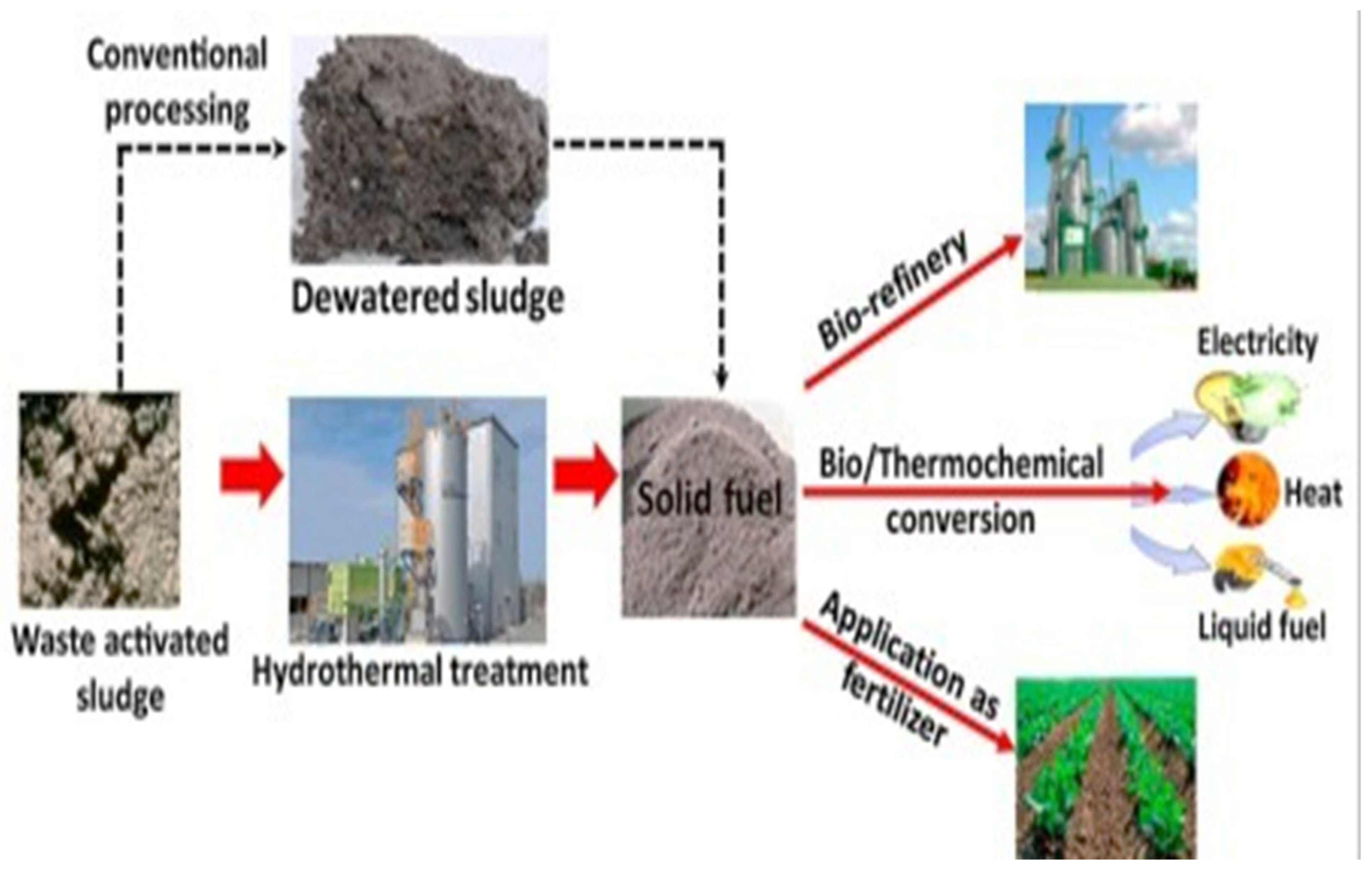
Figure 1. Sewage sludge treatment (Raheem et al., 2018).
Preprints 152521 g001
Disclaimer/Publisher’s Note: The statements, opinions and data contained in all publications are solely those of the individual author(s) and contributor(s) and not of MDPI and/or the editor(s). MDPI and/or the editor(s) disclaim responsibility for any injury to people or property resulting from any ideas, methods, instructions or products referred to in the content.
Copyright: This open access article is published under a Creative Commons CC BY 4.0 license, which permit the free download, distribution, and reuse, provided that the author and preprint are cited in any reuse.
Prerpints.org logo

Preprints.org is a free preprint server supported by MDPI in Basel, Switzerland.

Subscribe

Disclaimer

Terms of Use

Privacy Policy

Privacy Settings

© 2025 MDPI (Basel, Switzerland) unless otherwise stated