

Submitted:
14 March 2025
Posted:
14 March 2025
You are already at the latest version
Preprints on COVID-19 and SARS-CoV-2
Abstract
The COVID-19 pandemic has led to persistent complications beyond the respiratory system, with emerging evidence highlighting the role of gut dysbiosis in long COVID. Given the established gut-skin axis, alterations in gut microbiota post-COVID-19 may contribute to persistent dermatologic conditions such as eczema, acne, and rosacea. This review explores the mechanisms by which SARS-CoV-2 disrupts the gut microbiome, leading to systemic inflammation and skin disease. Furthermore, it examines potential interventions, including probiotics, prebiotics, and dietary modifications, as microbiome-targeted therapeutic strategies for post-COVID dermatologic recovery. Understanding this link may open new avenues for treating chronic inflammatory skin conditions in long COVID patients.
Keywords:
COVID-19
; gut microbiome
; gut-skin axis
; dysbiosis
; long COVID
; eczema
; probiotics
; inflammation
; acne
1. Introduction
The COVID-19 pandemic has resulted in long-term sequelae beyond acute infection. This phenomena is often termed “long COVID,” which encompasses persistent symptoms affecting multiple organ systems, including the gastrointestinal (GI) tract and skin [1]. Increasing evidence suggests that SARS-CoV-2 disrupts gut microbiota composition, leading to gut dysbiosis, which is characterized by not only an increase in pathogenic microbes, but also a loss of beneficial bacteria [2,3].
The gut-skin axis is a well-established concept in dermatology: it acts as a modulator to understanding the relationship between the gut microbiome and inflammatory skin diseases. Given that COVID-19-induced gut dysbiosis triggers systemic inflammation, it is plausible that these changes contribute to persistent - or even worsening - dermatologic conditions such as eczema, acne, and rosacea in long COVID patients.
This paper explores the relationship between COVID-19, gut dysbiosis, and skin conditions, focusing on potential mechanisms and microbiome-targeted interventions.
2. COVID-19 and Gut Dysbiosis
COVID-19 affects the GI tract through multiple mechanisms and leads to significant alterations in gut microbiota composition, a condition is known as “gut dysbiosis”. This disruption arises from direct viral invasion, immune activation, and COVID-19-related treatments, all of which contribute to persistent gastrointestinal and systemic inflammation. Emerging evidence suggests that these microbial imbalances may play a key role in the long-term sequelae of COVID-19, including dermatologic manifestations.
2.1. Direct Effects of SARS-CoV-2 on the Gut Microbiome
SARS-CoV-2 exerts direct effects on the gut by binding to angiotensin-converting enzyme 2 (ACE2) receptors, which are highly expressed in intestinal epithelial cells [3,4]. This interaction allows the virus to invade the gut lining, leading to cell damage, disruption of nutrient absorption, and local inflammation [3,4]. Studies have shown that this process alters the gut microbiota by reducing beneficial bacterial species such as Bifidobacterium and Faecalibacterium prausnitzii, which are essential for maintaining immune balance and intestinal barrier integrity [5,6]. Simultaneously, the loss of these protective bacteria allows the overgrowth of pathogenic microbes like Enterococcus faecalis and Escherichia coli, which further contribute to gut inflammation and increased intestinal permeability [5,6].
In addition to bacterial imbalances, SARS-CoV-2 may also impact the gut virome, which is a collection of viruses that naturally live in the intestine. Viral infections can shift the composition of the virome and potentially influence microbial interactions and immune responses. While research on the gut virome in cases of “long COVID” is still emerging, preliminary findings suggest that viral-induced disruptions could contribute to prolonged dysbiosis and immune dysregulation [7,8].
2.2. Immune Activation and Persistent Inflammation
Beyond direct viral invasion, COVID-19 triggers systemic immune dysregulation, which plays a significant role in gut dysfunction. The infection leads to a surge in pro-inflammatory cytokines, particularly interleukin-6 (IL-6) and tumor necrosis factor-alpha (TNF-α), which disrupt gut homeostasis and contribute to chronic low-grade inflammation [9,10]. This immune response also weakens the intestinal barrier, leading to a phenomenon commonly referred to as “leaky gut,” where bacterial toxins such as lipopolysaccharides (LPS) translocate into the bloodstream [11]. The presence of these microbial byproducts in circulation can trigger widespread systemic inflammation, which has been implicated in the exacerbation of inflammatory skin conditions.
Additionally, the gut-lung axis – which is a bidirectional relationship between gut microbiota and respiratory health – may further complicate post-COVID symptoms. Evidence suggests that gut dysbiosis can worsen pulmonary inflammation, and vice versa, creating a cycle of persistent immune activation that prolongs recovery [7]. This interplay may explain why many patients wwo have had long COVID experience both respiratory and GI symptoms, along with dermatologic issues linked to systemic inflammation.
2.3. The Role of COVID-19 Treatments in Gut Dysbiosis
Moreover, several treatments commonly used for COVID-19 may exacerbate gut microbiome imbalances. For example, broad-spectrum antibiotics are frequently administered to prevent secondary bacterial infections in hospitalized COVID-19 patients and can lead to significant microbial depletion. This is because they reduce bacterial diversity and thus increase one’s susceptibility to opportunistic pathogens [12]. The use of corticosteroids, which help control hyperinflammatory responses in severe COVID-19 cases, has also been associated with alterations in gut microbiota composition, including an increased risk of fungal overgrowth, particularly with Candida species [13].
Additionally, antiviral medications (such as Paxlovid) have been critical in reducing COVID-19 severity, but their impact on the gut microbiome is still under investigation. Some studies suggest that antiviral treatments may alter bacterial metabolism or disrupt microbial diversity, although the long-term consequences of these changes are not yet fully understood [14]. Understanding the role of COVID-19 therapies in shaping the gut microbiome is essential, as interventions aimed at restoring microbial balance may help mitigate some of the persistent symptoms seen in long COVID.
2.4. Clinical Evidence of Gut Dysbiosis in COVID-19 Survivors
Multiple studies have demonstrated that COVID-19 survivors experience persistent alterations in their gut microbiome, even months after recovering from the acute infection [15,16]. Stool analyses have revealed a significant reduction in beneficial bacteria and an increase in markers of intestinal permeability, indicating a compromised gut barrier [15,16]. Many individuals with long COVID report prolonged GI symptoms, such as bloating, diarrhea, constipation, and food sensitivities, which resemble patterns observed in irritable bowel syndrome (IBS) [16,17].
Interestingly, a subset of long COVID patients has also reported worsening skin conditions along with GI symptoms which reinforces the relevance of the gut-skin axis (more on this in Section 3). This connection suggests that the systemic inflammation driven by gut dysbiosis may contribute to dermatologic manifestations such as eczema, acne, and psoriasis. As research into post-COVID gut health continues, identifying strategies to restore microbial balance is important in managing both GI and skin-related complications in long COVID patients.
3. The Gut-Skin Axis and Post-COVID Dermatologic Manifestations
The gut-skin axis is a well-recognized concept in dermatology, describing the bidirectional communication between the gut microbiome and skin health. This connection is primarily mediated through immune regulation, microbial metabolites, and intestinal permeability. In the context of COVID-19, viral-induced gut dysbiosis may contribute to systemic inflammation and immune dysfunction, exacerbating dermatologic conditions [18]. Many long COVID patients have reported persistent or new-onset skin issues, which may be linked to underlying gut microbial imbalances [19]. This section will explore this topic in more detail.
3.1. Mechanisms Linking Gut Dysbiosis to Skin Inflammation
The gut microbiome plays a crucial role in regulating systemic immune responses, and disruptions in microbial balance can contribute to chronic inflammation that manifests in various organs, including the skin. One of the primary mechanisms driving this connection is the production of inflammatory cytokines in response to gut dysbiosis. When beneficial bacteria such as Bifidobacterium and Faecalibacterium prausnitzii are depleted, the gut environment shifts toward a more pro-inflammatory state [20]. This imbalance leads to increased levels of interleukin-6 (IL-6), tumor necrosis factor-alpha (TNF-α), and other cytokines that promote skin inflammation and worsen conditions such as eczema, acne, and psoriasis.
Another important factor is intestinal permeability, often referred to as “leaky gut.” [11]. In a healthy gut, tight junction proteins maintain the integrity of the intestinal barrier, preventing harmful substances from entering the bloodstream [21]. However, in individuals with post-COVID gut dysbiosis, the loss of beneficial bacteria and persistent inflammation weaken this barrier, allowing bacterial endotoxins such as lipopolysaccharides (LPS) to leak into circulation [11]. Once in the bloodstream, these endotoxins activate immune cells, triggering systemic inflammation that can exacerbate dermatologic conditions.
Additionally, the gut microbiome influences sebum production and hormonal balance, both of which play key roles in acne and other inflammatory skin disorders [22]. Certain gut bacteria regulate androgen metabolism, and an imbalance in these microbes may contribute to increased sebum production and clogged pores, leading to acne flares. Dysbiosis also affects short-chain fatty acid (SCFA) production, particularly butyrate, which has anti-inflammatory properties and supports skin barrier function [23]. A reduction in SCFAs due to microbial imbalances may impair skin health, leading to increased dryness, irritation, and susceptibility to conditions like eczema [23].
3.2. Post-COVID Dermatologic Conditions Associated with Gut Dysbiosis
Many dermatologic conditions have been reported in long COVID patients, with emerging evidence suggesting a strong link to underlying gut dysbiosis [24,25]. One of the most common conditions observed is eczema (also known as atopic dermatitis), which is characterized by a heightened Th2-driven inflammatory response [26]. In post-COVID patients, gut microbial imbalances may promote Th2-skewed immunity which can exacerbate eczema symptoms. Studies have shown that individuals with atopic dermatitis often have lower levels of beneficial gut bacteria and increased intestinal permeability, both of which can be worsened by COVID-19-induced dysbiosis [26].
Acne and rosacea have also been reported in long COVID patients [27,28]. Firstly, gut dysbiosis can contribute to acne by increasing systemic inflammation and altering hormonal regulation [29]. Changes in gut bacteria may influence insulin sensitivity and androgen levels, leading to increased sebum production and a higher likelihood of acne breakouts. Similarly, rosacea - a chronic inflammatory skin disorder - has been associated with small intestinal bacterial overgrowth (SIBO), a condition linked to gut dysbiosis [29]. Post-COVID disruptions in gut microbiota may predispose individuals to SIBO, potentially worsening rosacea symptoms.
Another dermatologic condition linked to post-COVID gut dysbiosis is psoriasis, which is an autoimmune disorder characterized by hyperproliferation of skin cells and chronic inflammation [30]. Recent research has highlighted the role of the gut microbiome in modulating immune responses in psoriasis patients [31,32]. Studies have found that individuals with psoriasis often have reduced levels of Akkermansia muciniphila, a beneficial gut bacterium involved in maintaining gut barrier integrity [33]. Post-COVID dysbiosis may further impair gut barrier function, increasing systemic inflammation and triggering psoriasis flares.
Beyond these conditions, some long COVID patients have reported new-onset urticaria (hives), alopecia (hair loss), and vitiligo, suggesting broader immune dysregulation influenced by gut health [34]. While more research is needed to establish definitive links, these findings emphasize the potential role of gut dysbiosis in post-COVID dermatologic manifestations, some of which are outlined in Table 1.
3.3. Clinical Evidence Supporting the Gut-Skin Axis in Long COVID
Several studies have reinforced the connection between gut dysbiosis and skin disorders in long COVID patients [35,36]. Clinical analyses of COVID-19 survivors have consistently shown altered gut microbiome profiles, with reduced bacterial diversity and increased inflammatory markers [37,38]. Many of these individuals experience prolonged GI symptoms, which often correlate with worsening skin conditions.
One study analyzing stool samples from long COVID patients found significantly lower levels of Bifidobacterium and Lactobacillus species, which are known to play protective roles in both gut and skin health [6]. The same study reported increased gut permeability markers, suggesting a direct link between microbial imbalances and systemic inflammation [6]. Another investigation of long COVID patients with dermatologic complaints found that those with persistent acne and eczema had higher levels of circulating LPS, further supporting the role of leaky gut in post-COVID skin inflammation [39].
Moreover, research on pre-existing gut-skin interactions supports the hypothesis that COVID-19-induced dysbiosis may exacerbate dermatologic conditions. Previous studies have demonstrated that individuals with psoriasis, eczema, and acne tend to have distinct gut microbiome signatures, with reduced beneficial bacterial species and increased inflammatory markers. Given that COVID-19 disrupts similar microbial pathways, it is plausible that post-COVID gut disturbances play a significant role in skin health.
3.4. Implications for Treatment and Management
The role of the gut-skin axis in long COVID means there is potential for microbiome-targeted interventions in managing post-COVID dermatologic conditions. Given that gut dysbiosis is a modifiable factor, restoring microbial balance could alleviate both GI and skin symptoms.
Dietary modifications - such as adopting an anti-inflammatory diet rich in fiber, polyphenols, and fermented foods - may support gut microbiome diversity and reduce systemic inflammation [40]. Probiotics, particularly strains from the Lactobacillus and Bifidobacterium genera, have shown promise in improving both gut and skin health. Prebiotics, which serve as nutrients for beneficial bacteria, may further enhance microbiome restoration [41]. Additionally, emerging therapies such as postbiotics (bacterial metabolites) and fecal microbiota transplantation (FMT) are being explored as potential interventions for severe gut dysbiosis [42].
Ultimately, addressing post-COVID gut dysbiosis may offer a novel approach to managing persistent skin conditions in long COVID patients, some of which are outlined in Table 1. Further research is needed to determine optimal treatment strategies, but current findings suggest that interventions targeting the gut microbiome could play a crucial role in dermatologic recovery.
4. Potential Microbiome-Targeted Interventions for Post-COVID Skin Health
Given the emerging evidence linking gut dysbiosis to dermatologic manifestations in long COVID, microbiome-targeted interventions represent a promising avenue for therapeutic development (Table 1 and Table 2). These interventions aim to restore the balance of the gut microbiota, reduce systemic inflammation with the goal of improving skin health. Several approaches, including dietary modifications, probiotics, prebiotics, and emerging therapies like fecal microbiota transplantation (FMT), are being explored as potential treatments for post-COVID skin complications [40,42]. This section delves deeper into the mechanisms, evidence, and potential benefits of these interventions, some of which are outlined in Table 2.
4.1. Dietary Modifications and the Role of Anti-Inflammatory Diets
Diet plays a pivotal role in shaping the gut microbiome, and dietary modifications can be an effective strategy for promoting gut health and alleviating dermatologic symptoms in long COVID patients. An anti-inflammatory diet, rich in fiber, polyphenols, and fermented foods, can help restore gut microbiome balance by supporting the growth of beneficial bacteria as well as reduce inflammation.
The Mediterranean diet, for example, is known for its anti-inflammatory properties and has been shown to promote microbial diversity in the gut. This diet emphasizes the consumption of fruits, vegetables, whole grains, healthy fats (e.g., olive oil), and lean proteins, all of which provide nutrients that support gut health [43]. The Mediterranean diet is also rich in polyphenols—plant compounds found in foods like berries, nuts, and olive oil—that have antioxidant properties and help reduce systemic inflammation. In a study focusing on the Mediterranean diet’s effects on the gut microbiome, participants exhibited higher levels of beneficial bacteria, including Bifidobacterium and Lactobacillus, which are associated with improved immune function and gut barrier integrity [44,45].
Additionally, fiber-rich foods such as whole grains, legumes, and vegetables are essential for maintaining gut health. Fiber serves as a prebiotic, providing nourishment for beneficial gut bacteria. The fermentation of fiber by gut microbes produces short-chain fatty acids (SCFAs), particularly butyrate, which have anti-inflammatory properties and help maintain the integrity of the intestinal barrier [46]. Increased SCFA production may also have direct benefits for skin health, as these metabolites help reduce systemic inflammation that could otherwise exacerbate skin conditions such as eczema, acne, and psoriasis [47].
Conversely, it is important to avoid diets high in processed foods, refined sugars, and high-glycemic index carbohydrates, as these can promote the growth of pathogenic bacteria and increase gut inflammation. Evidence suggests that such diets contribute to microbial imbalances that can worsen both gastrointestinal and dermatologic symptoms [18]. Thus, dietary changes aimed at reducing inflammation and promoting microbial diversity may offer significant benefits for long COVID patients.
4.2. Probiotics and Prebiotics for Restoring Gut Balance
Probiotics and prebiotics are two microbiome-targeted interventions that have shown promise in restoring gut balance and alleviating post-COVID skin conditions. Probiotics are live microorganisms that - when administered in adequate amounts - confer health benefits to the host. Specific strains of probiotics have been shown to modulate immune responses, reduce inflammation, and improve gut barrier function, all of which may help alleviate skin conditions associated with gut dysbiosis [48].
Among the most studied probiotic strains for gut-skin health are Lactobacillus and Bifidobacterium species. Research has demonstrated that these probiotics can help reduce inflammation in individuals with conditions like eczema, acne, and rosacea [48]. For example, a study involving patients with eczema found that supplementation with Lactobacillus rhamnosus GG led to a reduction in skin inflammation and improvement in symptoms [49]. Similarly, Bifidobacterium strains have been shown to promote gut health and reduce systemic inflammation, which could benefit skin conditions driven by immune dysregulation [50].
Prebiotics, on the other hand, are non-digestible food components (often fibers) that selectively stimulate the growth or activity of beneficial gut bacteria. Prebiotics serve as fuel for probiotic bacteria and can promote the growth of protective species that enhance gut health. Common prebiotics include inulin, resistant starch, and fructooligosaccharides (FOS), which have been shown to support the growth of beneficial bacteria such as Bifidobacterium and Lactobacillus. These beneficial bacteria, in turn, help maintain intestinal barrier function and regulate systemic immune responses. In clinical studies, prebiotic supplementation has been shown to improve gut microbiota composition and reduce markers of systemic inflammation, which may have downstream effects on skin health [18,51].
When used together, probiotics and prebiotics can have a synergistic effect, promoting the restoration of a balanced microbiome and reducing the chronic inflammation that often underlies dermatologic conditions in long COVID patients [52]. This combined approach may provide an effective strategy for managing post-COVID skin complications.
4.3. Fecal Microbiota Transplantation (FMT) and Emerging Therapies
Fecal microbiota transplantation (FMT) is an innovative therapy that involves transferring stool from a healthy donor into the gastrointestinal tract of a patient with gut dysbiosis. The goal of FMT is to restore microbial diversity and re-establish a healthy microbiome. While FMT has been primarily used to treat Clostridium difficile infections, there is growing interest in its potential for treating a wide range of diseases, including long COVID and associated dermatologic conditions [53].
In patients with severe gut dysbiosis, FMT has been shown to restore microbiome balance, increase microbial diversity, and improve gut barrier function [54]. Though still in the experimental stage, FMT has demonstrated promising results in individuals with other conditions linked to gut dysbiosis, such as inflammatory bowel disease (IBD) and irritable bowel syndrome (IBS) [55]. Given the growing evidence that COVID-19-induced gut dysbiosis contributes to both gastrointestinal and dermatologic symptoms, FMT may hold potential as a therapeutic intervention for long COVID patients experiencing skin conditions related to gut inflammation. However, more research is needed to determine the safety, efficacy, and optimal protocols for using FMT in post-COVID care.
In addition to FMT, emerging pharmacological therapies that target gut inflammation are also being explored as potential treatments for post-COVID skin health. For example, rifaximin - a non-absorbable antibiotic that targets the gut microbiome - has shown promise in treating conditions like irritable bowel syndrome (IBS) and could potentially benefit long COVID patients with GI symptoms [56]. Butyrate supplements, which are used to increase SCFA production and support gut barrier integrity, are also being investigated for their potential to reduce inflammation and improve skin health [46].
4.4. The Role of Personalized Microbiome-Based Approaches
One of the key challenges in microbiome-based interventions is the variability in individual responses to treatment. Microbial composition is influenced by numerous factors, including genetics, diet, lifestyle, and pre-existing health conditions, meaning that there is no one-size-fits-all solution [57]. As such, personalized microbiome-based approaches offer a more effective means of managing post-COVID skin health.
Precision probiotics tailored to an individual’s specific microbiome profile may optimize the therapeutic effects of probiotics and prebiotics. Advances in microbiome sequencing technologies now allow for the identification of unique microbial signatures, which can inform the selection of targeted probiotics and prebiotics to restore gut balance [58]. In the future, microbiome testing may become a standard part of long COVID treatment protocols, helping to guide personalized interventions for both gut and skin health.
Similarly, dietary interventions could be customized based on an individual’s gut microbiome profile, ensuring that dietary changes are aligned with the specific needs of the patient’s microbiota.
By incorporating personalized nutrition, precision medicine, and microbiome-based therapies, it may be possible to develop highly effective, individualized treatment plans for long COVID patients suffering from dermatologic issues linked to gut dysbiosis (Table 2).
5. Discussion
The available evidence suggests that COVID-19-induced gut dysbiosis is a central factor contributing to persistent dermatologic conditions in long COVID patients, as shown in Figure 1. The gut microbiome plays a critical role in regulating immune function, maintaining intestinal barrier integrity, and modulating systemic inflammation [59]. Disruptions in the gut microbiota caused by SARS-CoV-2 infection, along with the immune response triggered by the virus and its treatments, appear to have long-lasting effects on both gastrointestinal and dermatologic health [60]. The gut-skin axis provides a mechanistic link between these two organ systems, making it a promising target for therapeutic interventions [61].
5.1. Mechanisms Underlying the Gut-Skin Connection in Long COVID
At the heart of the gut-skin axis is the immune system, which is influenced by gut microbial composition. In a balanced microbiome, beneficial bacteria help modulate immune responses, maintaining homeostasis and preventing excessive inflammation. However, in the context of COVID-19, the viral infection disrupts the microbiota, leading to a loss of protective bacteria and an overgrowth of pathogenic species. This imbalance promotes systemic inflammation through the release of pro-inflammatory cytokines such as interleukin-6 (IL-6) and tumor necrosis factor-alpha (TNF-α), which not only contribute to gastrointestinal symptoms but also exacerbate dermatologic conditions [9,10].
Additionally, increased intestinal permeability, or “leaky gut,” is another critical factor that connects the gut to the skin [11]. In the setting of gut dysbiosis, the intestinal barrier becomes weakened, allowing bacterial endotoxins like lipopolysaccharides (LPS) to leak into circulation. These endotoxins trigger widespread inflammation, which may not only persist in the gut but also affect distant organs, including the skin. This systemic inflammatory response has been implicated in the exacerbation of conditions such as eczema, acne, psoriasis, and rosacea, all of which have been observed in long COVID patients [22]. The overactivation of immune pathways, including Th2-driven responses, can further amplify skin inflammation, highlighting the intricate relationship between the gut and the skin in the post-COVID context.
While the gut-skin axis is a well-established concept in dermatology, the understanding of how it specifically relates to long COVID is still evolving. Although much of the current research is based on observational studies, early findings indicate that gut dysbiosis plays a substantial role in driving both gastrointestinal and dermatologic manifestations in long COVID. As research in this area continues, it will be important to establish more definitive causal relationships and explore the potential for targeted therapies that address both the gut and the skin in a comprehensive manner.
5.2. Microbiome-Targeted Therapies and Their Potential in Post-COVID Care
One of the most exciting aspects of understanding the gut-skin connection in long COVID is the potential for microbiome-targeted interventions. These therapies, which include dietary modifications, probiotics, prebiotics, and fecal microbiota transplantation (FMT), offer promising avenues for addressing the underlying gut dysbiosis and reducing the chronic inflammation that contributes to dermatologic issues.
Dietary changes, particularly the adoption of anti-inflammatory diets, have shown positive effects in reducing gut inflammation and promoting microbial balance. The Mediterranean diet, which emphasizes fiber-rich foods, polyphenols, and healthy fats, has been associated with improved gut health and may reduce systemic inflammation that exacerbates skin conditions. Furthermore, probiotic and prebiotic supplementation holds great promise in restoring gut balance. Probiotics, particularly strains like Lactobacillus and Bifidobacterium, have been shown to improve gut barrier function, modulate immune responses, and reduce inflammation in conditions like eczema, acne, and rosacea [6]. These findings suggest that probiotic and prebiotic therapies could be an important part of managing both the gastrointestinal and dermatologic symptoms of long COVID.
FMT, although still an emerging therapy, has shown potential in restoring gut microbiome diversity and has been successfully used in treating conditions such as Clostridium difficile infections and inflammatory bowel disease (IBD). As research continues into the use of FMT for post-COVID gut dysbiosis, it may offer a novel approach for individuals with severe microbiome imbalances. However, the safety and efficacy of FMT for long COVID patients remain to be fully established, and more clinical trials are needed to assess its potential benefits in this population.
In addition to these interventions, pharmacological approaches targeting gut inflammation are also being explored. Rifaximin, a gut-specific antibiotic, has been shown to improve symptoms in conditions like IBS and may help manage gastrointestinal symptoms in long COVID patients [56]. Butyrate supplements, which aim to increase the production of short-chain fatty acids (SCFAs) in the gut, could also provide therapeutic benefits by reducing inflammation and supporting the integrity of the gut barrier [46]. These pharmacological approaches could complement dietary and microbiome-based therapies, offering a multi-faceted approach to managing post-COVID gut and skin health.
5.3. The Need for Personalized and Precision Medicine Approaches
One of the significant challenges in microbiome-based interventions is the inherent individual variability in gut microbiota composition. Factors such as genetics, diet, lifestyle, and pre-existing health conditions all contribute to the unique microbial signature of each individual. As such, personalized and precision medicine approaches will be crucial in optimizing the use of microbiome-targeted therapies for long COVID patients.
Advances in microbiome sequencing technologies are now allowing for the identification of individual microbial profiles, which can guide personalized treatment plans. For example, precision probiotics—carefully selected based on an individual’s unique microbiome composition—may help restore gut balance more effectively than a one-size-fits-all approach. Similarly, personalized dietary interventions that account for specific microbiome imbalances can be tailored to address the particular needs of each patient, improving both gut and skin health.
The integration of personalized microbiome-based therapies into clinical practice for long COVID patients holds significant promise, but further research is needed to refine these approaches and establish clear treatment protocols. As more data becomes available, healthcare providers will be better equipped to offer targeted, individualized interventions that address the complex interplay between the gut and skin in long COVID.
5.4. Limitations and Future Research Directions
Despite the promising potential of microbiome-targeted therapies, there are several limitations to the current body of research. Many studies on the gut-skin axis in long COVID are observational, and controlled clinical trials are still limited. Most studies rely on stool samples to analyze microbiome composition, but the relationship between gut microbiota and dermatologic outcomes remains complex and may be influenced by numerous factors, including genetics, medication use, and pre-existing health conditions.
Furthermore, the exact role of the gut virome and fungal microbiome in post-COVID dysbiosis is still under investigation. While bacterial imbalances have been the primary focus, viral and fungal dysbiosis may also contribute to systemic inflammation and dermatologic manifestations, warranting further exploration. Additionally, long-term studies are needed to assess the durability of microbiome-targeted interventions and their effectiveness in preventing or mitigating long-term dermatologic symptoms in long COVID patients.
Future research should focus on longitudinal studies that track microbiome changes over time in long COVID patients and their relationship to dermatologic outcomes. Additionally, clinical trials investigating the efficacy of probiotics, prebiotics, dietary modifications, and FMT in treating both gastrointestinal and dermatologic symptoms of long COVID will be crucial in developing evidence-based treatment protocols.
As research in this field evolves, it will be important to consider the broader implications of microbiome health, including its impact on other chronic conditions that may co-exist with long COVID. The ultimate goal is to develop integrated, multi-disciplinary treatment approaches that address the interconnected nature of gut, skin, and immune health, offering a more comprehensive and effective strategy for managing long COVID (Figure 1).
6. Conclusions
COVID-19-induced gut dysbiosis has emerged as a key factor in the persistence of gastrointestinal and dermatologic symptoms in long COVID. Disruptions in the gut microbiome contribute to systemic inflammation, increased intestinal permeability, and immune dysregulation, all of which can exacerbate skin conditions such as eczema, acne, rosacea, and psoriasis. Addressing these imbalances through microbiome-targeted therapies—such as dietary interventions, probiotics, prebiotics, and fecal microbiota transplantation (FMT)—may offer a more effective, holistic approach to managing post-COVID complications.
Beyond long COVID, understanding the gut-skin axis has significant implications for other chronic diseases linked to gut dysbiosis. Conditions such as irritable bowel syndrome (IBS), inflammatory bowel disease (IBD), psoriasis, and atopic dermatitis share common pathways of immune dysfunction and microbial imbalance. Research into COVID-19’s impact on the gut may provide valuable insights into these conditions, potentially leading to microbiome-based therapies that can improve both gut and skin health.
Additionally, studying the long-term effects of viral infections on the microbiome could reshape how we approach chronic conditions following illnesses like HIV, hepatitis C, and influenza. Understanding how viruses alter microbial ecosystems and contribute to prolonged inflammation may pave the way for novel therapeutic strategies, including precision probiotics, dietary interventions, and targeted microbiome restoration.
By further exploring the gut-skin axis in long COVID, researchers can develop more personalized and preventative approaches for managing post-viral syndromes and chronic inflammatory conditions, ultimately improving long-term patient outcomes. It turns out, what happens in the gut doesn’t stay in the gut—so maybe the best skincare routine starts with a spoon, not a serum
Funding
This research received no external funding.
Institutional Review Board Statement
Not applicable.
Informed Consent Statement
Not applicable.
Data Availability Statement
Not applicable.
Acknowledgments
Not applicable.
Conflicts of Interest
The author declares no conflicts of interest.
References
- Davis, H.E.; et al. Long COVID: major findings, mechanisms and recommendations. Nat Rev Microbiol, 2023, 21, 133–146. [Google Scholar]
- Righi, E.; et al. Gut Microbiome Disruption Following SARS-CoV-2: A Review. Microorganisms 2024, 12. [Google Scholar] [CrossRef] [PubMed]
- Zhang, F.; et al. Gut microbiota in COVID-19: key microbial changes, potential mechanisms and clinical applications. Nature Reviews Gastroenterology & Hepatology, 2023, 20, 323–337. [Google Scholar]
- Beyerstedt, S.; Casaro, E.B.; Rangel, É.B. COVID-19: angiotensin-converting enzyme 2 (ACE2) expression and tissue susceptibility to SARS-CoV-2 infection. Eur J Clin Microbiol Infect Dis 2021, 40, 905–919. [Google Scholar]
- Hazan, S.; et al. Lost microbes of COVID-19: Bifidobacterium, Faecalibacterium depletion and decreased microbiome diversity associated with SARS-CoV-2 infection severity. BMJ Open Gastroenterol 2022, 9. [Google Scholar]
- Taufer, C.R.; Rampelotto, P.H. The Role of Bifidobacterium in COVID-19: A Systematic Review. Life 2023, 13. [Google Scholar] [CrossRef]
- Pathak, A.; Agrawal, D.K. Role of Gut Microbiota in Long COVID: Impact on Immune Function and Organ System Health. Arch Microbiol Immunol, 2025, 9, 38–53. [Google Scholar]
- Raj, S.T.; et al. COVID-19 influenced gut dysbiosis, post-acute sequelae, immune regulation, and therapeutic regimens. Front Cell Infect Microbiol, 2024, 14, 1384939. [Google Scholar]
- Fekete, R.; et al. Microglia dysfunction, neurovascular inflammation and focal neuropathologies are linked to IL-1- and IL-6-related systemic inflammation in COVID-19. Nature Neuroscience, 2025, 28, 558–576. [Google Scholar] [CrossRef] [PubMed]
- Zollner, A.; et al. The Intestine in Acute and Long COVID: Pathophysiological Insights and Key Lessons. Yale J Biol Med, 2024, 97, 447–462. [Google Scholar]
- Dmytriv, T.R.; Storey, K.B.; Lushchak, V.I. Intestinal barrier permeability: the influence of gut microbiota, nutrition, and exercise. Frontiers in Physiology 2024, 15. [Google Scholar]
- Bernard-Raichon, L.; et al. Gut microbiome dysbiosis in antibiotic-treated COVID-19 patients is associated with microbial translocation and bacteremia. Nat Commun, 2022, 13, 5926. [Google Scholar] [PubMed]
- Li, Z.; Denning, D.W. , The Impact of Corticosteroids on the Outcome of Fungal Disease: a Systematic Review and Meta-analysis. Curr Fungal Infect Rep, 2023, 17, 54–70. [Google Scholar]
- Wallace, V.J.; et al. Bacteria exposed to antiviral drugs develop antibiotic cross-resistance and unique resistance profiles. Communications Biology, 2023, 6, 837. [Google Scholar] [CrossRef]
- Mendes de Almeida, V.; et al. Gut microbiota from patients with COVID-19 cause alterations in mice that resemble post-COVID symptoms. Gut Microbes, 2023, 15, 2249146. [Google Scholar] [PubMed]
- Qiu, Y.; et al. Alterations in microbiota of patients with COVID-19: implications for therapeutic interventions. MedComm (2020), 2024, 5, e513. [Google Scholar]
- Wang, B.; et al. Alterations in microbiota of patients with COVID-19: potential mechanisms and therapeutic interventions. Signal Transduction and Targeted Therapy, 2022, 7, 143. [Google Scholar]
- Mahmud, M.R.; et al. Impact of gut microbiome on skin health: gut-skin axis observed through the lenses of therapeutics and skin diseases. Gut Microbes, 2022, 14, 2096995. [Google Scholar]
- Zhang, J.; et al. Microbiome and intestinal pathophysiology in post-acute sequelae of COVID-19. Genes Dis 2023, 11. [Google Scholar]
- Martín, R.; et al. Faecalibacterium: a bacterial genus with promising human health applications. FEMS Microbiol Rev 2023, 47. [Google Scholar]
- Di Vincenzo, F.; et al. Gut microbiota, intestinal permeability, and systemic inflammation: a narrative review. Intern Emerg Med, 2024, 19, 275–293. [Google Scholar]
- Lee, Y.B.; Byun, E.J.; Kim, H.S. Potential Role of the Microbiome in Acne: A Comprehensive Review. J Clin Med 2019, 8. [Google Scholar] [CrossRef]
- Ikeda, T.; et al. Short-chain fatty acid receptors and gut microbiota as therapeutic targets in metabolic, immune, and neurological diseases. Pharmacology & Therapeutics, 2022, 239, 108273. [Google Scholar]
- Ică, O.M.; et al. Defining the short-term and long-term skin manifestations of COVID-19: insights after more than three years of the pandemic. Rom J Morphol Embryol, 2023, 64, 291–304. [Google Scholar]
- Panda, M.; et al. Dermatological Manifestations Associated with COVID-19 Infection. Indian J Dermatol, 2021, 66, 237–245. [Google Scholar]
- Kim, J.E.; Kim, H.S. Microbiome of the Skin and Gut in Atopic Dermatitis (AD): Understanding the Pathophysiology and Finding Novel Management Strategies. J Clin Med 2019, 8. [Google Scholar]
- Zhang, T.; et al. Effect of COVID-19 and Face Masks on the Condition of Rosacea - A Retrospective Analysis of 87 Patients. Clin Cosmet Investig Dermatol 2023, 16, 2855–2862. [Google Scholar]
- Yang, S.; et al. The relationship of skin disorders, COVID-19, and the therapeutic potential of ginseng: a review. Journal of Ginseng Research, 2023, 47, 33–43. [Google Scholar]
- Zhu, W.; Hamblin, M.R.; Wen, X. Role of the skin microbiota and intestinal microbiome in rosacea. Front Microbiol 2023, 14, 1108661. [Google Scholar]
- Zhao, Q.; et al. Intestinal dysbiosis exacerbates the pathogenesis of psoriasis-like phenotype through changes in fatty acid metabolism. Signal Transduction and Targeted Therapy, 2023, 8, 40. [Google Scholar]
- Bakhshandi, A.K.; et al. Therapeutic potential of microbiota modulation in psoriasis: current evidence and future directions. Archives of Dermatological Research, 2025, 317, 561. [Google Scholar] [CrossRef] [PubMed]
- Buhaș, M.C.; et al. Gut Microbiota in Psoriasis. Nutrients. Nutrients 2022, 14. [Google Scholar] [CrossRef] [PubMed]
- Reali, E.; et al. The Use of Microbial Modifying Therapies to Prevent Psoriasis Exacerbation and Associated Cardiovascular Comorbidity. Inflammation, 2024, 47, 13–29. [Google Scholar] [CrossRef] [PubMed]
- Kim, M.H. Epidemiological insights into chronic urticaria, vitiligo, alopecia areata, and herpes zoster following COVID-19 infection: A nationwide population-based study. J Dermatol, 2025, 52, 499–504. [Google Scholar] [CrossRef]
- Mohseni Afshar, Z.; et al. Dermatological manifestations associated with COVID-19: A comprehensive review of the current knowledge. J Med Virol, 2021, 93, 5756–5767. [Google Scholar] [CrossRef]
- Giannos, P.; Prokopidis, K. , Gut dysbiosis and long COVID-19: Feeling gutted. J Med Virol, 2022, 94, 2917–2918. [Google Scholar] [CrossRef]
- Scher, J.U.; et al. Decreased bacterial diversity characterizes the altered gut microbiota in patients with psoriatic arthritis, resembling dysbiosis in inflammatory bowel disease. Arthritis Rheumatol, 2015, 67, 128–39. [Google Scholar] [CrossRef]
- Manor, O.; et al. Health and disease markers correlate with gut microbiome composition across thousands of people. Nature Communications, 2020, 11, 5206. [Google Scholar] [CrossRef]
- Widhiati, S.; et al. The role of gut microbiome in inflammatory skin disorders: A systematic review. Dermatol Reports, 2022, 14, 9188. [Google Scholar] [CrossRef]
- Leeuwendaal, N.K.; et al. Fermented Foods, Health and the Gut Microbiome. Nutrients 2022, 14. [Google Scholar] [CrossRef]
- Zhou, P.; et al. Unveiling the therapeutic symphony of probiotics, prebiotics, and postbiotics in gut-immune harmony. Front Nutr 2024, 11, 1355542. [Google Scholar] [PubMed]
- Sahle, Z.; et al. Fecal microbiota transplantation and next-generation therapies: A review on targeting dysbiosis in metabolic disorders and beyond. SAGE Open Med, 2024, 12, 20503121241257486. [Google Scholar]
- Abrignani, V.; et al. The Mediterranean Diet, Its Microbiome Connections, and Cardiovascular Health: A Narrative Review. Int J Mol Sci 2024, 25. [Google Scholar]
- Mazziotta, C.; et al. Probiotics Mechanism of Action on Immune Cells and Beneficial Effects on Human Health. Cells 2023, 12. [Google Scholar] [CrossRef]
- Yan, F.; Polk, D.B. Probiotics and immune health. Curr Opin Gastroenterol, 2011, 27, 496–501. [Google Scholar] [CrossRef] [PubMed]
- Shin, Y.; et al. Roles of Short-Chain Fatty Acids in Inflammatory Bowel Disease. Nutrients 2023, 15. [Google Scholar] [CrossRef] [PubMed]
- Xiao, X.; et al. The role of short-chain fatty acids in inflammatory skin diseases. Front Microbiol 2022, 13, 1083432. [Google Scholar]
- Gao, T.; et al. The Role of Probiotics in Skin Health and Related Gut-Skin Axis: A Review. Nutrients 2023, 15. [Google Scholar] [CrossRef]
- Xie, A.; et al. Lactobacillus for the treatment and prevention of atopic dermatitis: Clinical and experimental evidence. Front Cell Infect Microbiol 2023, 13, 1137275. [Google Scholar]
- Zhao, M.a.; et al. Immunological mechanisms of inflammatory diseases caused by gut microbiota dysbiosis: A review. Biomedicine & Pharmacotherapy 2023, 164, 114985. [Google Scholar]
- Chandrasekaran, P.; Weiskirchen, S.; Weiskirchen, R. Effects of Probiotics on Gut Microbiota: An Overview. Int J Mol Sci 2024, 25. [Google Scholar] [CrossRef] [PubMed]
- Markowiak, P.; Śliżewska, K. Effects of Probiotics, Prebiotics, and Synbiotics on Human Health. Nutrients 2017, 9. [Google Scholar] [CrossRef] [PubMed]
- Karimi, M.; et al. Safety and efficacy of fecal microbiota transplantation (FMT) as a modern adjuvant therapy in various diseases and disorders: a comprehensive literature review. Front Immunol 2024, 15, 1439176. [Google Scholar] [CrossRef] [PubMed]
- Gupta, S.; Allen-Vercoe, E.; Petrof, E.O. Fecal microbiota transplantation: in perspective. Therap Adv Gastroenterol, 2016, 9, 229–39. [Google Scholar] [CrossRef]
- Wortelboer, K.; Nieuwdorp, M.; Herrema, H. , Fecal microbiota transplantation beyond Clostridioides difficile infections. EBioMedicine 2019, 44, 716–729. [Google Scholar] [CrossRef]
- Saadi, M.; McCallum, R.W. , Rifaximin in irritable bowel syndrome: rationale, evidence and clinical use. Ther Adv Chronic Dis, 2013, 4, 71–5. [Google Scholar] [CrossRef]
- Conlon, M.A.; Bird, A.R. , The impact of diet and lifestyle on gut microbiota and human health. Nutrients, 2014, 7, 17–44. [Google Scholar] [CrossRef]
- Wensel, C.R.; et al. Next-generation sequencing: insights to advance clinical investigations of the microbiome. J Clin Invest 2022, 132. [Google Scholar] [CrossRef]
- Wu, H.J.; Wu, E. The role of gut microbiota in immune homeostasis and autoimmunity. Gut Microbes 2012, 3, 4–14. [Google Scholar] [CrossRef]
- Álvarez-Santacruz, C.; Tyrkalska, S.D.; Candel, S. , The Microbiota in Long COVID. Int J Mol Sci 2024, 25. [Google Scholar] [CrossRef]
- De Pessemier, B.; et al. Gut-Skin Axis: Current Knowledge of the Interrelationship between Microbial Dysbiosis and Skin Conditions. Microorganisms 2021, 9. [Google Scholar] [CrossRef] [PubMed]
Figure 1.
The Gut-Skin Axis in Long COVID: This diagram illustrates how gut dysbiosis from COVID-19 leads to skin conditions and highlights potential interventions like probiotics, diet, and FMT to restore balance.
Figure 1.
The Gut-Skin Axis in Long COVID: This diagram illustrates how gut dysbiosis from COVID-19 leads to skin conditions and highlights potential interventions like probiotics, diet, and FMT to restore balance.
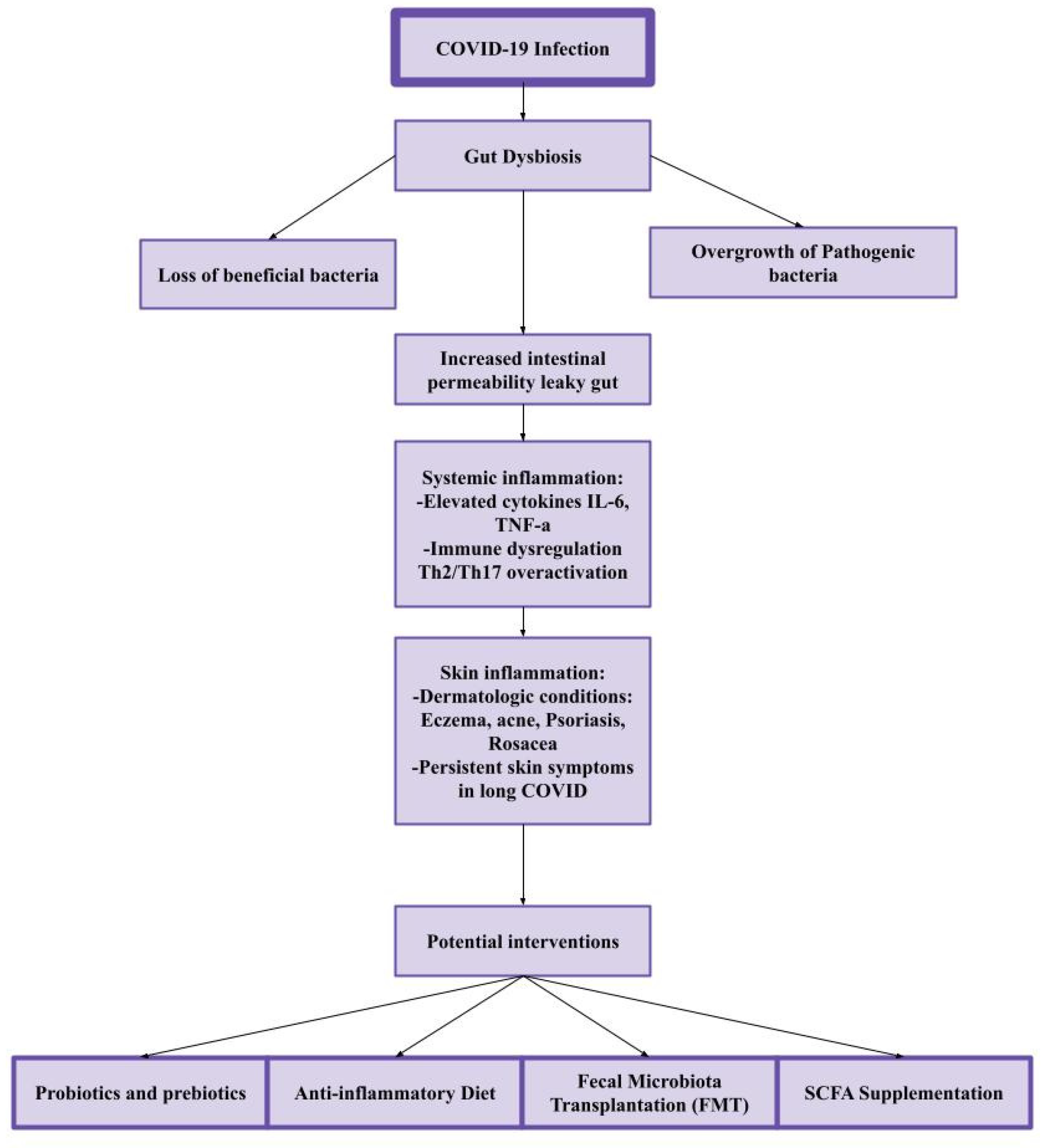

Table 1.
Common Dermatologic Conditions Linked to Post-COVID Gut Dysbiosis.
| Skin Condition | Proposed Mechanism via Gut-Skin Axis | Potential Microbiome-Based Intervention |
|---|---|---|
| Eczema | Th2-driven inflammation worsened by dysbiosis | Probiotics (Lactobacillus, Bifidobacterium), Prebiotic fiber |
| Acne | Increased systemic inflammation, hormonal imbalance | Low-glycemic diet, gut-healing supplements |
| Psoriasis | Increased intestinal permeability | Anti-inflammatory diet, SCFA supplementation |
| Rosacea | Small intestinal bacterial overgrowth (SIBO) | Probiotics (e.g., Lactobacillus), dietary adjustments (e.g., low FODMAP) |
| Urticaria (Hives) | Immune dysregulation due to gut imbalance | Antihistamine therapy, probiotics |
| Alopecia (Hair Loss) | Immune system dysregulation, inflammation | Probiotics, anti-inflammatory diet |
Table 2.
Potential Microbiome-Targeted Interventions for Skin Health.
| Intervention | Mechanism | Evidence for Effectiveness |
|---|---|---|
| Probiotics (Lactobacillus, Bifidobacterium) | Restores gut balance, reduces inflammation | Shown to improve acne, eczema, and rosacea symptoms |
| Prebiotics (inulin, resistant starch) | Promotes beneficial bacterial growth | Supports microbiome restoration, reduces systemic inflammation |
| Fecal Microbiota Transplantation (FMT) | Restores gut microbial diversity | Experimental but promising for treating gut dysbiosis and associated conditions |
| Anti-inflammatory Diet (Mediterranean, Fiber-rich) | Reduces systemic inflammation, supports gut health | Shown to promote gut microbial diversity, improve immune function |
| Butyrate Supplementation | Supports gut barrier function, reduces gut inflammation | Enhances SCFA production, reduces inflammation, supports skin health |
Disclaimer/Publisher’s Note: The statements, opinions and data contained in all publications are solely those of the individual author(s) and contributor(s) and not of MDPI and/or the editor(s). MDPI and/or the editor(s) disclaim responsibility for any injury to people or property resulting from any ideas, methods, instructions or products referred to in the content. |
© 2025 by the authors. Licensee MDPI, Basel, Switzerland. This article is an open access article distributed under the terms and conditions of the Creative Commons Attribution (CC BY) license (http://creativecommons.org/licenses/by/4.0/).
Copyright: This open access article is published under a Creative Commons CC BY 4.0 license, which permit the free download, distribution, and reuse, provided that the author and preprint are cited in any reuse.


