

Submitted:
10 March 2025
Posted:
11 March 2025
You are already at the latest version
Abstract
Snakebite envenoming remains a critical yet underrecognized public health issue, particularly in tropical and subtropical regions, with India bearing nearly half of the global burden of snakebite-related deaths. Despite its significant impact, underreporting, delayed medical intervention, and insufficiently trained healthcare professionals continue to exacerbate the problem. In response, the Government of India launched the National Action Plan for Prevention and Control of Snakebite Envenoming (NAPSE) in March 2024, aiming to halve snakebite-related deaths by 2030. This comprehensive strategy emphasizes strengthening surveillance systems, enhancing the distribution and quality of anti-snake venom (ASV), improving healthcare infrastructure, and promoting community awareness through a One Health approach. The plan also addresses critical challenges such as inadequate training at primary healthcare levels, inconsistent ASV supply, and inefficient emergency referral systems. By fostering multi-sectoral collaboration and targeted interventions, NAPSE aims to reduce mortality and disability associated with snakebite envenoming, aligning with global health objectives and setting an example for regional efforts in South-East Asia.
Keywords:
Snakebite envenoming
; public health
; anti-snake venom
; India
; NAPSE
; healthcare infrastructure
; One Health approach
; surveillance systems
; rural health
; community awareness
1. Introduction
Snakebite envenoming is a significant public health concern, particularly in tropical and subtropical regions[1]. As per the World Health Organization, approximately 5 million people are bitten by Snakes and every year 1.8 to 2.7 million people suffer from Envenoming[1]. It leads to disabilities and psychological consequences in the aftermath of snakebites, particularly in developing regions. Underprivileged and rural communities in tropical and subtropical countries face major consequences [2].
Considering the impact, WHO listed snakebite envenoming as a Priority neglected tropical disease in 2017. It was recognized as developing and tropical countries facing almost 95% of the world’s snakebite related burden. The decision aimed to highlight the urgency and to create opportunities for increased investment in terms of research funding to improve snakebite management in these regions. One of the primary reasons for its earlier removal from the NTD list was the lack of sufficient data from developing countries like India, which made it challenging to fully grasp the extent of the problem[4].
2. Current Scenario in India
Earlier research studies in India shown that snakebite accounts for nearly half of the world’s snakebite-related deaths with approximately 58,000 deaths result from an estimated 3–4 million snakebites annually[5]. It is highlighted in these studies that significant number of snakebite victims do not seek medical attention at clinics or hospitals, leading to a substantial underreporting of cases[2]. The burden of premature deaths due to snakebite envenoming in India is estimated at 2.97 million disability-adjusted life years (DALYs), compared to the global burden of 6.07 million DALYs[6].
Currently, the surveillance of snakebite cases and related deaths in India is conducted through the IDSP-IHIP Portal. Community health workers document snakebite cases using the S (Suspected) form, while Medical Officers report presumptive snakebite cases and fatalities using the P form. Recently, a community reporting tool also launched by IDSP for any outbreak related alert. In year (2024) over 1.20 Lakhs cases were reported with 370 deaths.
This gap in reporting is being addressed through continued IHIP training across all states and sensitization by the programme division to gather snakebite related data from stakeholders at field level i.e., forest department, agriculture department, revenue department mainly documented for compensation/medicolegal requirements.
A dedicated informational and data portal also being developed in IHIP portal as part of recent notification of Snakebite cases and deaths which in turn is expected to improve reporting from all sectors including private sector.
This staggering burden, primarily concentrated in rural and agricultural communities, is exacerbated by factors such as underreporting cases, delayed access to treatment, and a lack of adequately trained healthcare professionals. The bites of the “big four” venomous snake species i.e., the common krait, Indian cobra, Russell’s viper, and saw-scaled viper account for most of these cases.
As per the reported number of Snakebite in IDSP, 46% of cases are being reported in rural areas. However Figure 1 also illustrates that snakebite are now increasingly reported from urban areas likely due to unplanned urbanization, climate change & water logging etc.
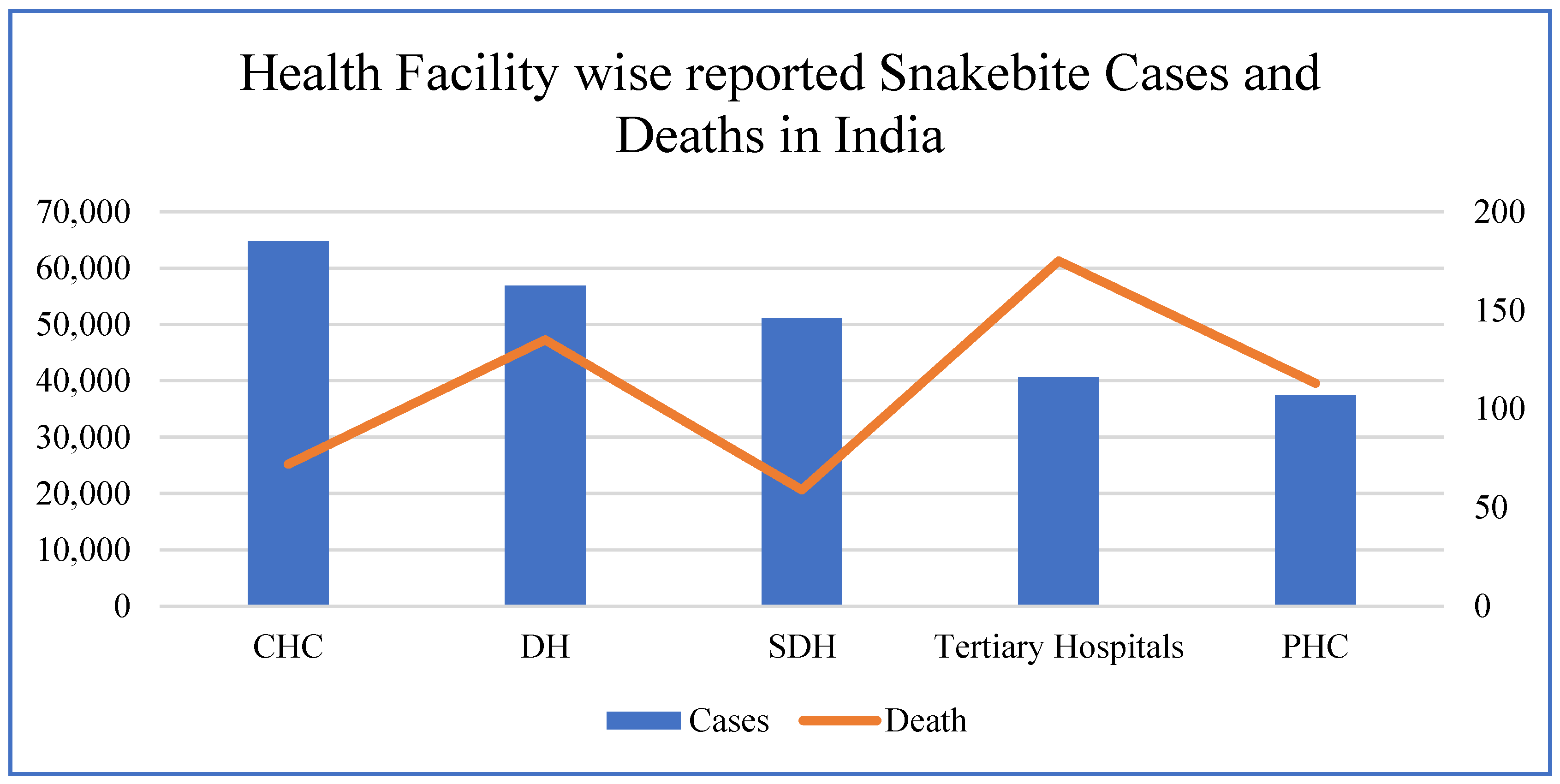
The Figure 2 illustrates the distribution of snakebite cases and related deaths across different health facilities in India, highlighting significant variations in case reporting and fatality rates. Community Health Centers (CHCs) report the highest number of cases, followed by District Hospitals (DHs) and Sub-District Hospitals (SDHs), while Primary Health Centers (PHCs) record the lowest. However, mortality trends show a contrasting pattern, with tertiary hospitals experiencing the highest number of deaths, likely due to delayed referrals and patients arriving in critical condition.
This is also corroborated by research studies undertaken in India e.g. Mohapatra et al. (2011)[7] indicated that CHCs and DHs are the primary points of care for snakebite victims in rural India, whereas higher fatalities at tertiary hospitals suggest inefficiencies in early intervention. Additionally, PHCs report fewer cases but relatively higher mortality, underscoring the lack of adequate treatment facilities at the primary level. Other research studies also emphasize the same findings with urgent need for improved snakebite management, timely referrals, and better-equipped rural healthcare centers to reduce mortality rates. Accordingly, interventions under health system strengthening (HSS) component of NHM, these issues are being addressed through improved & timely transport of patients as part of 108 Ambulance services, ensuring the availability of ASV & other emergency drug e.g., neostigmine till PHC level, upskilling of medical officers at PHC level to manage these cases
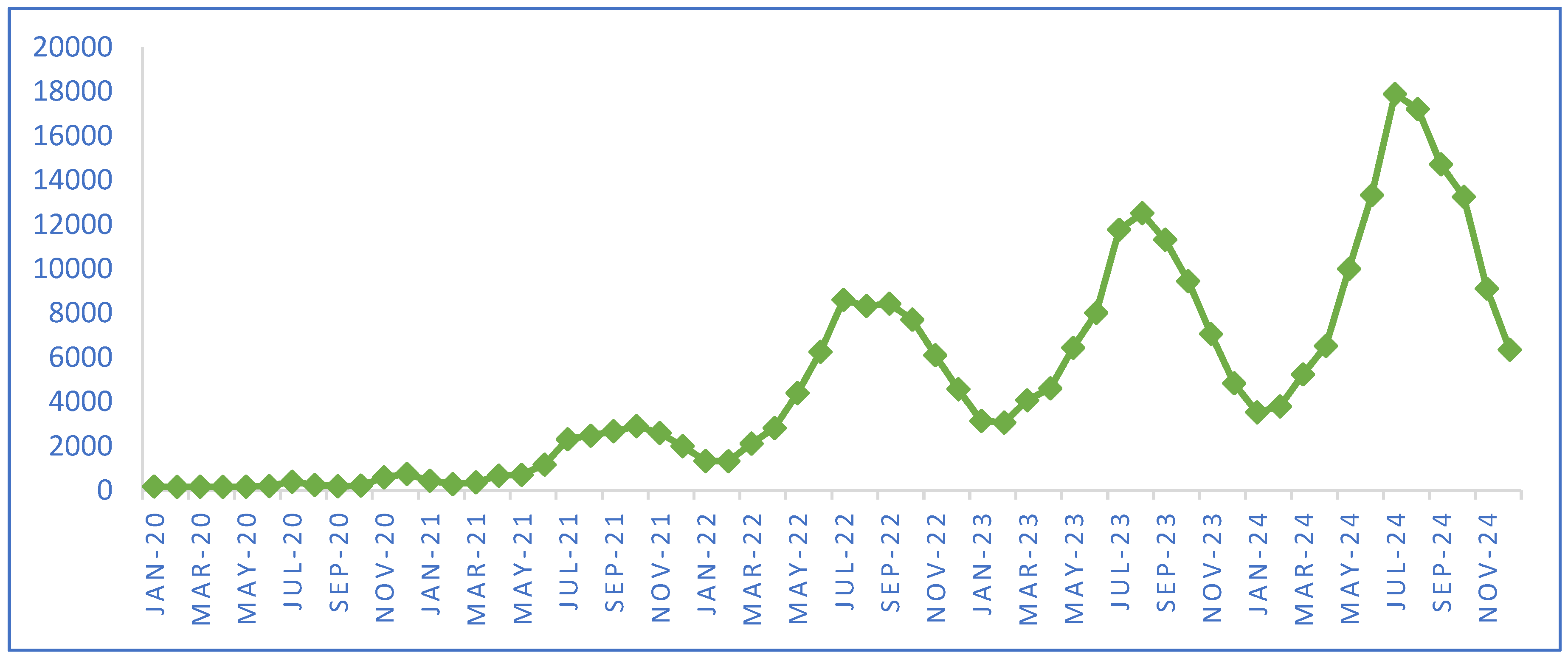
Data from IDSP-IHIP also reveals that snakebite cases typically peak from June and start declining in October, showing a seasonal pattern of increased incidents over the years. Densely populated, low-altitude agricultural regions in states such as Karnataka, West Bengal, Jharkhand, Odisha, Madhya Pradesh account for majority of snakebite deaths, particularly during the rainy season when human-snake encounters are more common both indoors and outdoors. Considering these trend, checklist for ensuring availability of logistic, equipment is prepared and states are advocated to undertake training as part of pre-monsoon preparedness.
Figure 3.
Seasonality under Snakebite cases (Reported from 2020-24 as per IDSP-IHIP).
Addressing the immense burden of snakebite envenoming in India requires a concerted and collaborative efforts to strengthen surveillance, enhance access to timely medical care, and promote community awareness.
3. Journey Towards Development of National Action Plan for Prevention & Control of Snakebite Envenoming (NAPSE) in India
Snakebite envenoming remains a critical yet often overlooked public health concern in India, particularly in rural and underserved regions where timely medical intervention is limited. To address this pressing issue, the Government of India initiated the development of the National Action Plan for Prevention and Control of Snakebite Envenoming in India (NAPSE), a comprehensive framework built through extensive collaboration, expert consultations, and community engagement.
The foundation for NAPSE was laid during a regional consultation on snakebite envenoming in the South-East Asia region, where experts emphasized the need for a structured and strategic plan to tackle the multifaceted challenges of snakebite envenoming, especially among vulnerable populations.
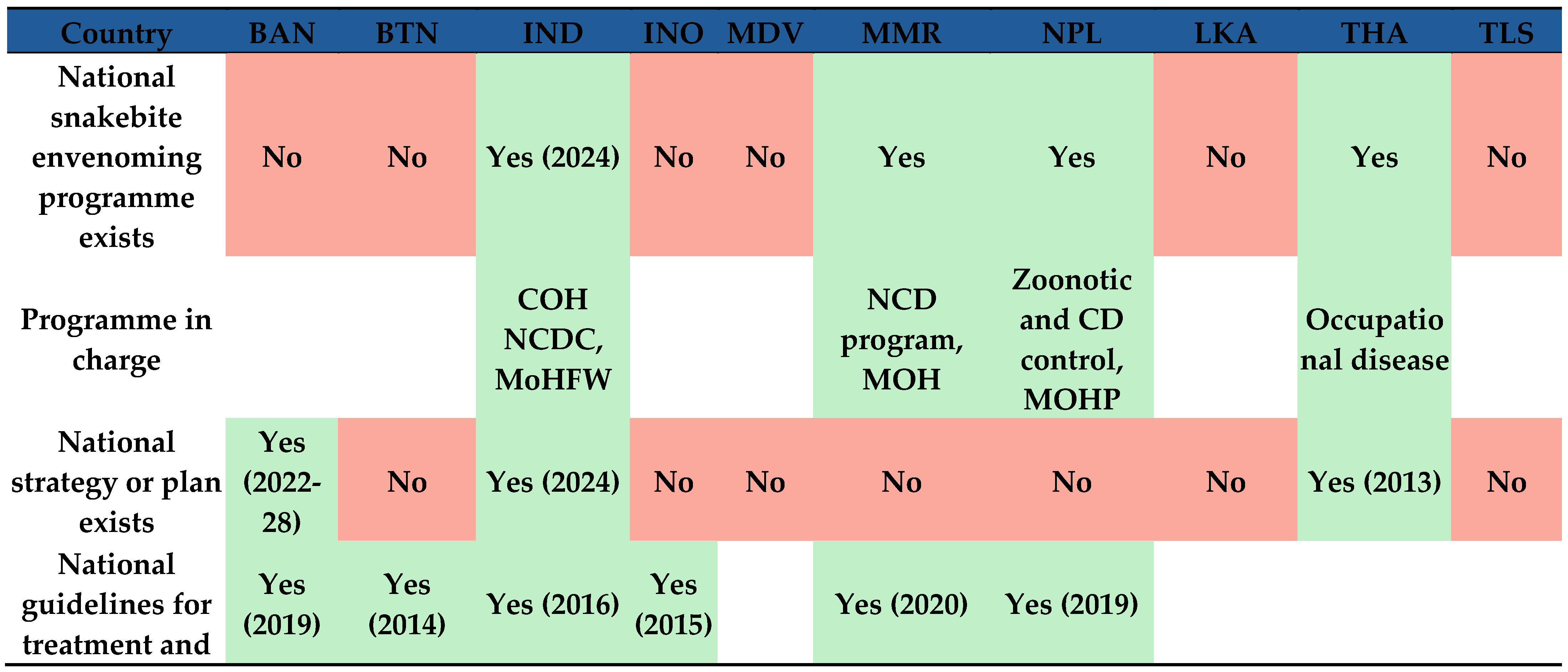
During the consultation it was highlighted that only 30% of SEAR countries have a national program dedicated to the prevention and control of snakebite envenoming. Among these, Myanmar, Nepal, and Thailand have established programs under respective health authorities.
Figure 4.
Regional Action Plan for Prevention & Control of Snakebite Envenoming in South-East Asia Region.
Figure 4.
Regional Action Plan for Prevention & Control of Snakebite Envenoming in South-East Asia Region.
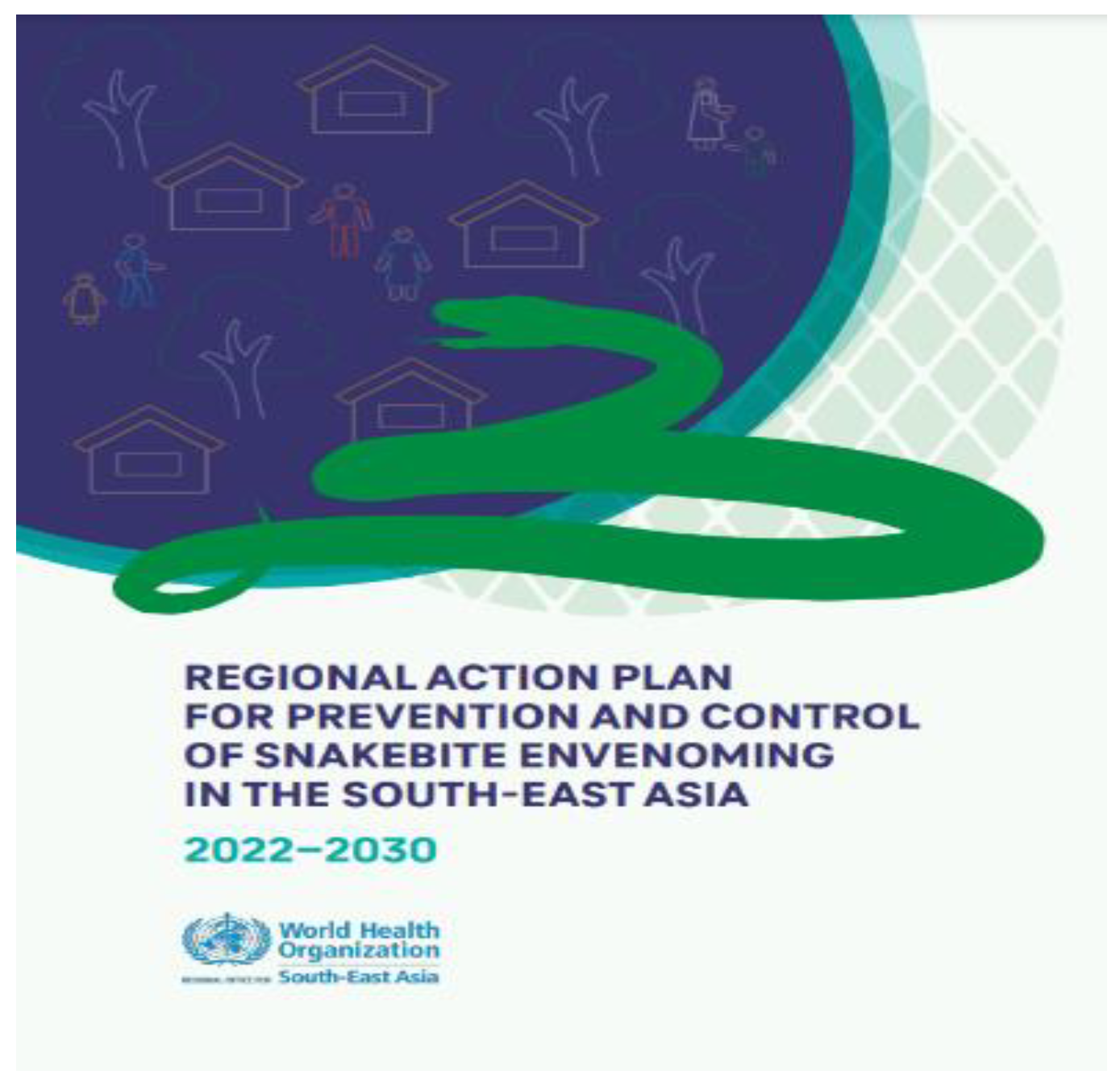
A concerning finding was that only two countries Bangladesh and Thailand had a dedicated national strategy or plan for addressing snakebite envenoming.
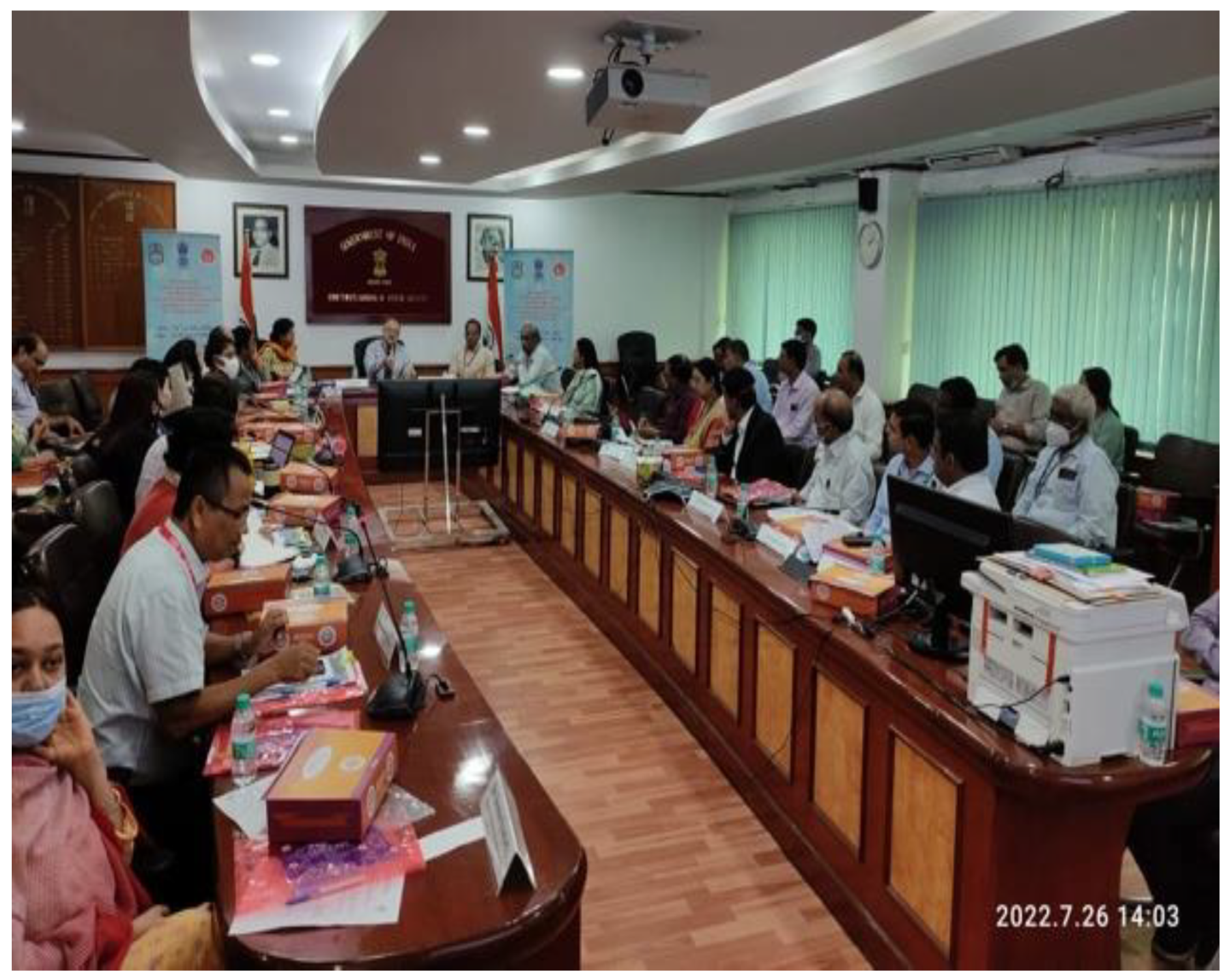
Recognizing the urgency, the first National Consultation on Developing an Action Plan for Prevention and Control of Snakebite Envenoming was convened on July 26, 2022, under the leadership of the Directorate General of Health Services (DGHS), Ministry of Health & Family Welfare. This event marked a pivotal step in solidifying India’s commitment to addressing snakebite envenoming at a national level.
Figure 5.
NAPSE- Core Committee Meeting.
A major outcome of the consultation was the recommendation to establish a dedicated program under the National Health Mission (NHM) to ensure uniform implementation of snakebite prevention and control initiatives across states and union territories. In response, the Centre for One Health, under the National Centre for Disease Control (NCDC), developed a proposal advocating for the inclusion of snakebite prevention activities under NHM. This proposal was subsequently presented at the 9th EPC meeting on August 18, 2022, and received approval from the Mission Steering Group of NHM, marking a significant milestone in integrating snakebite envenoming into India’s national health agenda.
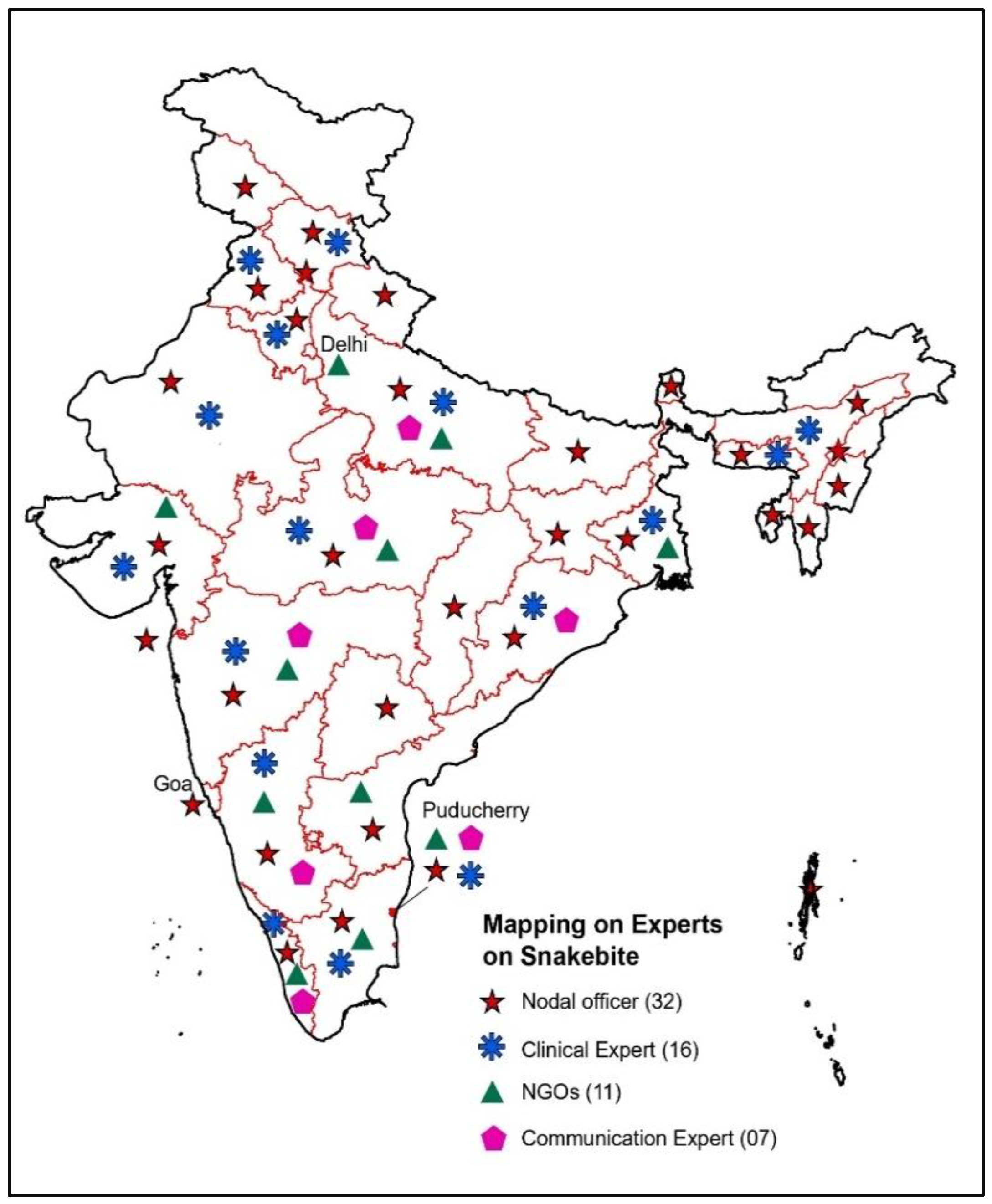
Figure 6.
Mapping of Key experts in States/UTs.
Following this, a core committee was constituted to draft the National Action Plan. Between February and March 2023, multiple consultative meetings were held with key stakeholders, including anti-snake venom manufacturers, NGOs, clinical experts, and communication officers.
The Programme division has mapped experts such as State Nodal Officers, Clinical Experts, NGOs, Communication experts etc. in all States/UTs. Their collective insights ensured that the plan was evidence-based and tailored to real-world challenges.
Figure 7.
Snapshots of Meeting with Experts.
An inter-ministerial meeting on August 28, 2023, further reinforced a collaborative approach by bringing together various government ministries to define their roles and responsibilities under NAPSE. This initiative aimed to facilitate seamless implementation and align efforts across multiple sectors. Furthermore, the drafting process involved direct engagement with communities and healthcare professionals to identify on-ground challenges and ensure that the plan addressed the specific needs of those most affected by snakebites.
Figure 8.
National Action Plan for Prevention & Control of Snakebite Envenoming in India- Launched on 12th March 2024.
Figure 8.
National Action Plan for Prevention & Control of Snakebite Envenoming in India- Launched on 12th March 2024.
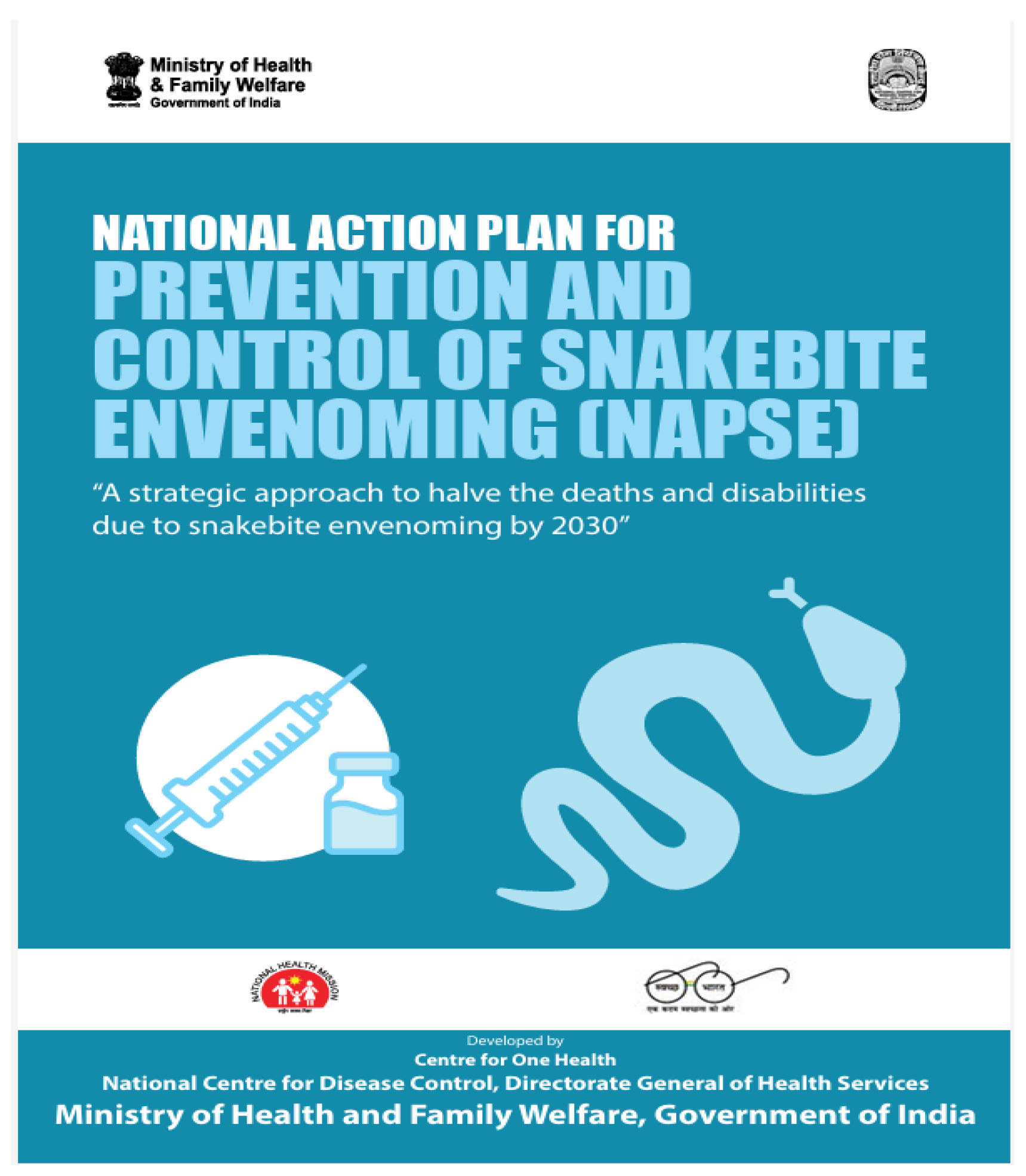
Figure 9.
Inter-ministerial Declaration.
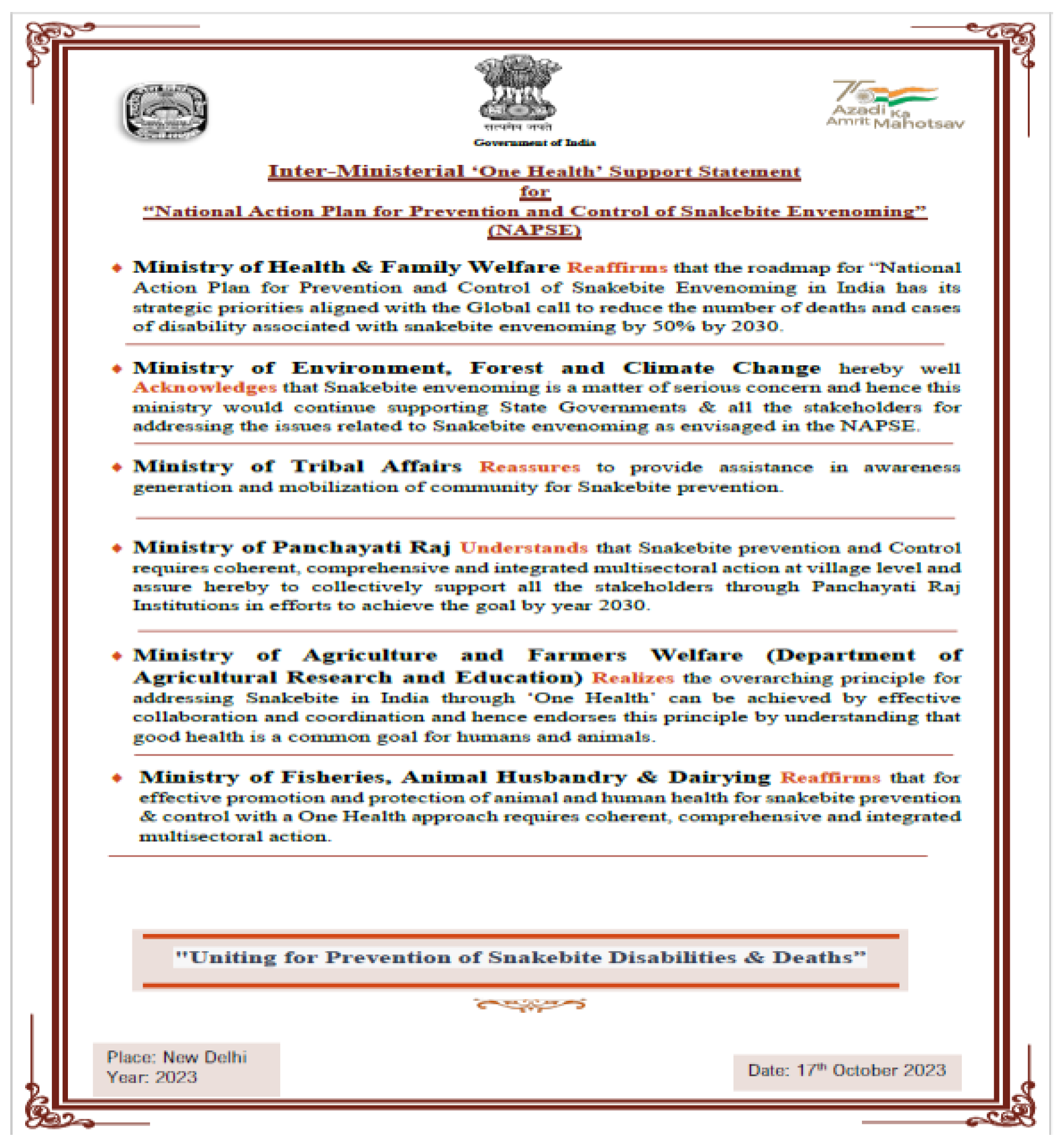
Understanding the importance of grassroots involvement, the drafting process also included community interactions and consultations with clinicians to identify challenges and requirements from the ground level. This ensured that the plan was not only comprehensive but also tailored to address the specific needs of communities most affected by snakebites.
The culmination of these efforts was the official launch of the National Action Plan for Prevention and Control of Snakebite Envenoming in India (NAPSE). The plan is a landmark initiative that aims to halve snakebite-related deaths by 2030, reflecting the government’s commitment to saving lives and improving public health. NAPSE adopts a One Health approach, integrating human, animal, and environmental health strategies to address snakebite envenoming comprehensively.
It focuses on key areas such as strengthening the production and distribution of high-quality anti-venom, building healthcare capacity, enhancing transportation and emergency response systems, raising community awareness, and fostering multi-sectoral collaboration.
With this India aims to lead the efforts in the Southeast Asia region for Snakebite prevention and control efforts and contribute to global goal of WHO for halving deaths by 2030.Summary of initiatives by different countries in this regard is as under
Figure 10.
Status of Snakebite prevention control efforts in South-East Asia region (Source: WHO-SERO).
Figure 10.
Status of Snakebite prevention control efforts in South-East Asia region (Source: WHO-SERO).

With the launch of NAPSE based on scientific finding of research studies across India MOHFW has undertaken effective steps to address this issue in multipronged manner and summary is as under

Table 1.
Status of activities undertaken by Centre for One Health NCDC & stakeholders for Snakebite Prevention & Control.
Table 1.
Status of activities undertaken by Centre for One Health NCDC & stakeholders for Snakebite Prevention & Control.
| Gaps/challenges identified in Research Studies (year 2000-2019) |
Strategies under NAPSE (Year 2022) | Activity undertaken (Year 2021-22 onwards) |
Action under progress |
|---|---|---|---|
| Venom-Related Issues – No Regional Venom Centers, exclusion of regional venom in ASV, reliance on wild snakes, lack of quality testing, unregulated venom pricing, and no research on alternative ASV methods. |
|
|
|
| Surveillance & Legislative Gaps – Snakebite is not a notifiable disease, no standardized ICD coding, lack of structured education, and medico-legal complications delaying treatment. |
|
|
|
| Medical and Diagnostic Challenges – Inadequate training, lack of venom detection kits, absence of standardized treatment protocols, no curriculum integration, missing life support training, no epidemiological study, and exclusion from government health schemes. |
|
|
|
| Public Awareness Deficiencies – Low awareness of snakebite prevention, lack of structured preventive measures, misinformation about ASV, and no dedicated 24/7 helpline. |
|
|
|
| Research and Development Shortfalls – Need to focus on new ASV production technologies, alternative hosts for antibodies, or region-specific venom formulations. |
|
|
|
*MoEF&CC- Ministry of Environment Forest and climate change. ** Pradhan Mantri Jan Arogya Yojana (PM-JAY).
4. Challenges in Implementation of NAPSE
The implementation of the National Action Plan for Prevention and Control of Snakebite Envenoming (NAPSE) faces several challenges that could hinder its implementation. One of the most significant issues is the underreporting of snakebite cases due to inadequate surveillance systems and cultural stigma, which limits the availability of accurate data for informed decision-making. Ensuring consistent access to quality anti-snake venom (ASV) in rural and remote areas remains a logistical challenge. Many healthcare professionals, especially in primary health care, lack adequate training in managing snakebite envenoming, leading to delays or mismanagement in treatment. Poor emergency referral systems, including the lack of ambulances, further exacerbate the problem. Public awareness is another critical gap, as myths and misconceptions about snakebites often drive victims to seek harmful traditional remedies instead of timely medical care.
The success of NAPSE also depends on effective inter-sectoral coordination, which is often hampered by overlapping mandates and poor communication among stakeholders in the human health, wildlife, and veterinary sectors. Moreover, behavioral resistance among communities to adopt preventive measures or seek medical care promptly remains a persistent challenge. Addressing these challenges will require strengthening surveillance systems, ensuring equitable ASV distribution, enhancing healthcare provider training, establishing robust referral mechanisms, fostering inter-sectoral collaboration, and launching sustained awareness campaigns tailored to regional needs. By overcoming these barriers, NAPSE can achieve its mission of reducing snakebite-related deaths and disabilities across India.
5. Way Forward
Research studies over the years from 2000-2019 have identified several critical gaps in snakebite management across venom supply, legislation, medical care, and public awareness. Venom-related gaps include the absence of zonal venom banks, exclusion of region-specific venoms in ASV manufacturing, reliance on wild snakes for venom collection, lack of quality testing, unregulated venom pricing, and insufficient research on alternative ASV production techniques and monovalent ASVs. Legislative gaps involve the lack of mandatory reporting, standardized ICD coding, school-based awareness programs, and the medico-legal classification of snakebites, which delays treatment. Medical and diagnostic gaps include inadequate healthcare worker training, absence of venom detection kits, non-uniform treatment protocols, lack of curriculum integration, and exclusion of snakebite treatment from government health schemes. Public awareness and outreach gaps stem from limited prevention knowledge, absence of large-scale preventive measures, continued belief in traditional remedies, and the lack of a 24/7 snakebite helpline
To address the numerous challenges and achieve the objectives of the National Action Plan for Snakebite Envenoming (NAPSE), a well-rounded, multi-faceted approach is essential. Recognizing the complexity of the issue and the diverse needs across the country, the Ministry has devised a strategic roadmap to ensure no region or community is left behind in the fight against snakebite mortality and morbidity.
A critical step in this direction is the designation of snakebite as a notifiable disease in India, strengthening surveillance and data collection efforts. This measure will enhance the ability to track cases accurately, identify high-risk areas, and allocate resources effectively for prevention and treatment.
Currently the priority is focused on improving the safety and quality of current polyvalent snake venom. A committee on monitoring Antisera is constituted which will review the above issues with manufacturers and regulators. Collaboration is being made with domestic and international stakeholders to support the venom collection centers for improving quality of venom. Further, one of the Important initiatives under the programme is to Strengthen the Institutes as Regional Venom Centers in 5 Regions of India. These Regional Venom Centers will focus on conducting region-specific venom research on the Big Four snake species—Indian cobra, Russell’s viper, common krait, and saw-scaled viper—as well as other venomous species unique to different zones. A key priority will be the development of region-specific ASVs, ensuring that anti-venom formulations effectively neutralize the venoms of species prevalent in specific geographical areas. Studies suggest that region-specific Anti-Snake Venoms (ASVs) significantly improve treatment outcomes compared to generalized ASVs. Research studies [4,8] show that tailored ASVs can enhance neutralization efficiency and reduce treatment-related complications. By strengthening these research and production capabilities, the Regional Venom Centers will play a crucial role in improving snakebite treatment, reducing mortality, and enhancing public health outcomes across India.
In addition to improving access to anti-venom, strengthening Poison Information Centers (PICs) in every State and Union Territory is an important initiative under the programme. These centers will serve as knowledge hubs, equipping healthcare professionals with evidence-based guidelines, training, and support for snakebite management. Standardizing treatment protocols through PICs ensures that snakebite victims receive prompt and effective care, regardless of their location. Current protocol of administrating first dose with at least 10 vials at PHC/CHC level being advocated to ensure that 90% toxins get neutralized in every snakebite victim’s to ensure saving of lives. Investigation of every death reported under system or scanned in media reports using standardized verbal autopsy form is key tool adopted by programme addressing the issues responsible for snakebite deaths
Moreover, upgrading emergency treatment facilities is one of the key priorities. Healthcare providers will undergo specialized and standardized training in snakebite treatment and medical infrastructure will be enhanced to address the high-risk cases of Snakebite Envenoming.
Beyond improving clinical response, focus has also been placed on improving the transportation and referral system, as timely medical intervention is crucial in saving lives. Additionally, the programme division has focused on conducting a community awareness campaigns and educational programs, particularly targeting rural and tribal populations who are most vulnerable to snakebites. Some Information, Education and Communication materials has also been developed. These initiatives will emphasize the importance of seeking immediate medical attention rather than relying on traditional remedies, which often exacerbate the situation. By dispelling myths and misconceptions, these programs will empower communities to respond effectively to snakebite emergencies.
To maximize the impact of these efforts, the MoH&FW has taken significant steps in collaboration among stakeholders. Government agencies, healthcare institutions, non-governmental organizations (NGOs), and community organizations have been roped in a coordinated manner, pooling resources, expertise, and networks to achieve shared objectives. This collective approach will ensure that snakebite envenoming is tackled in a sustainable and effective manner.
Regular monitoring and evaluation mechanisms will also be implemented to assess progress, identify gaps, and make data-driven adjustments to strategies. By maintaining flexibility and responsiveness, the program can adapt to changing circumstances and emerging challenges over time.
Through this comprehensive and concerted effort, the ambitious goal of halving snakebite-related deaths by 2030 becomes both realistic and achievable. These initiatives will not only reduce the burden of snakebite envenoming but will also strengthen public health systems, build community resilience, and save countless lives, ultimately contributing to improved health outcomes and a healthier future for India.
Author Contributions
Conceptualization, A.S & D.M..; writing—original draft preparation, D.M, A.S, N.K.; writing—review and editing, J.K, T.N, S.T, D.M, A.S, N.K.; supervision, S.T. All authors have read and agreed to the published version of the manuscript.
Funding
This research received no external funding.
Institutional Review Board Statement
Not applicable.
Informed Consent Statement
Not applicable.
Data Availability Statement
No new data were created or analyzed in this study. Data sharing is not applicable to this article.
Conflicts of Interest
The authors declare no conflicts of interest.
References
- Snakebite envenoming [Internet]. [cited 2023 Dec 22]. Available from: https://www.who.int/news-room/fact-sheets/detail/snakebite-envenoming.
- NCDC : National Action Plan for Prevention & Control of Snakebite Envenoming In India. New Delhi: NCDC; 2024. [CrossRef]
- Chippaux, JP. Snakebite envenomation turns again into a neglected tropical disease! J Venom Anim Toxins Trop Dis. 2017 Aug 8;23:38. [CrossRef]
- Chakma JK, Menon JC, Dhaliwal RS. White paper on venomous snakebite in India. Indian J Med Res. 2020 Dec;152(6):568–74. [CrossRef]
- Suraweera W, Warrell D, Whitaker R, Menon G, Rodrigues R, Fu SH, et al. Trends in snakebite deaths in India from 2000 to 2019 in a nationally representative mortality study. eLife. 9:e54076. [CrossRef]
- Gutiérrez JM, Calvete JJ, Habib AG, Harrison RA, Williams DJ, Warrell DA. Snakebite envenoming. Nat Rev Dis Primer. 2017 Sep 14;3(1):17063. [CrossRef]
- Mohapatra B, Warrell DA, Suraweera W, Bhatia P, Dhingra N, Jotkar RM, et al. Snakebite mortality in India: a nationally representative mortality survey. PLoS Negl Trop Dis. 2011 Apr 12;5(4):e1018. [CrossRef]
- Vanuopadath M, Rajan K, Alangode A, Nair SS, Nair BG. The Need for Next-Generation Antivenom for Snakebite Envenomation in India. Toxins. 2023 Aug 18;15(8):510. [CrossRef]
Figure 1.
Reported Snakebite Cases in India (Source- IDSP/IHIP).
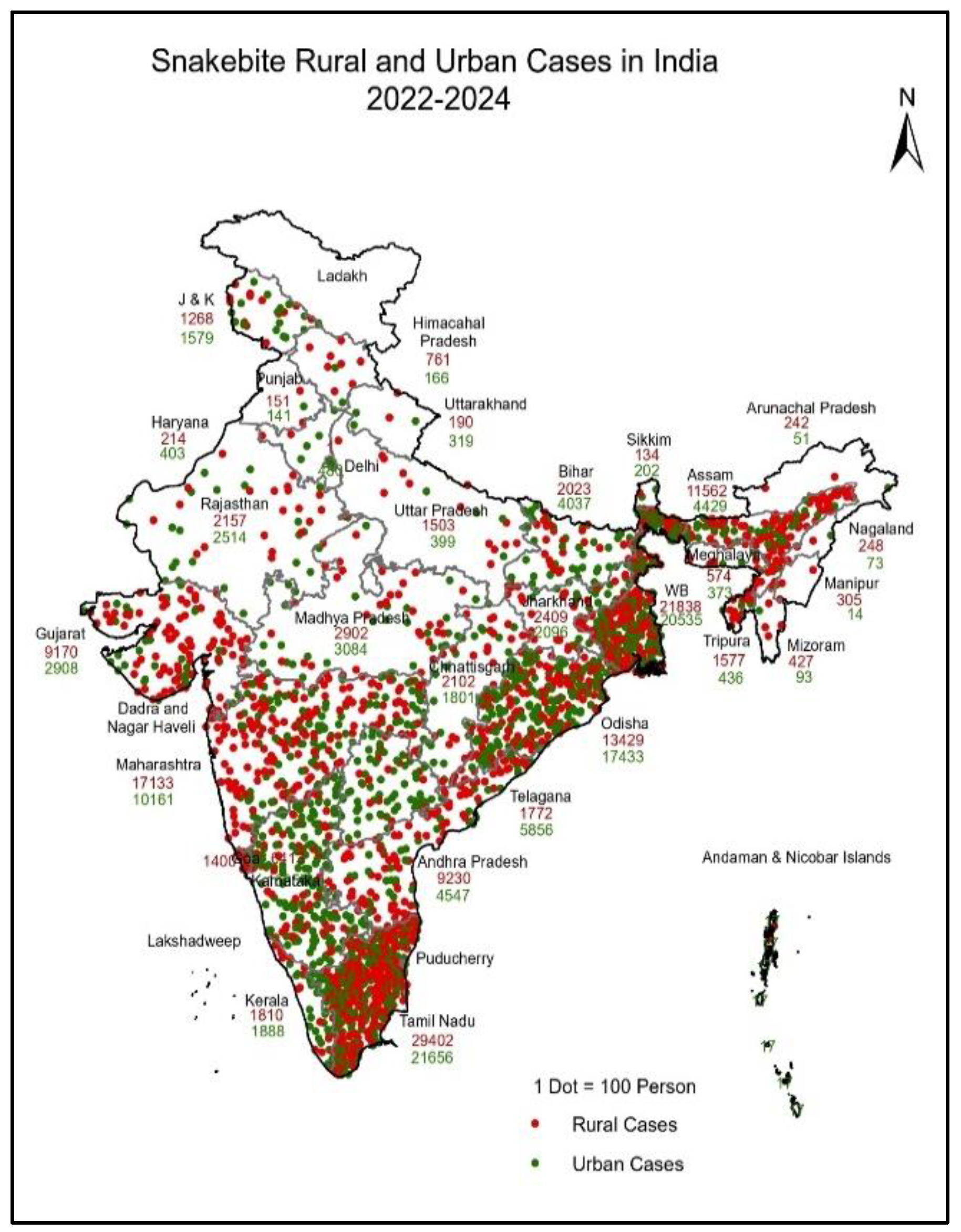
Figure 2.
Health Facility wise reported Snakebite Cases and Deaths from 2020-2024 (Source- IDSP/IHIP).
Figure 2.
Health Facility wise reported Snakebite Cases and Deaths from 2020-2024 (Source- IDSP/IHIP).
Disclaimer/Publisher’s Note: The statements, opinions and data contained in all publications are solely those of the individual author(s) and contributor(s) and not of MDPI and/or the editor(s). MDPI and/or the editor(s) disclaim responsibility for any injury to people or property resulting from any ideas, methods, instructions or products referred to in the content. |
© 2025 by the authors. Licensee MDPI, Basel, Switzerland. This article is an open access article distributed under the terms and conditions of the Creative Commons Attribution (CC BY) license (http://creativecommons.org/licenses/by/4.0/).
Copyright: This open access article is published under a Creative Commons CC BY 4.0 license, which permit the free download, distribution, and reuse, provided that the author and preprint are cited in any reuse.