Preprint
Article

This version is not peer-reviewed.

Deterioration Effects and Microscopic Mechanisms of Solidified/Stabilized Red Mud by CGFPA Binders Under Freeze-Thaw Cycles

A peer-reviewed article of this preprint also exists.

Submitted:

04 January 2025

Posted:

07 January 2025

You are already at the latest version

Abstract

Red mud is a kind of solid waste in the production process of aluminum industry. Long-term stockpiling of red mud not only occupies a large amount of land, but also causes environmental pollution. In order to improve the strength, reduce the alkalinity and toxicity of red mud, and to study its durability under freeze-thaw cycles, this paper CGFPA binders were adopted to solidify/stabilize red mud with calcium carbide residue, ground granulated blast furnace slag, fly ash, phosphogypsum and graphene as components. The effects and the mechanism of freeze-thaw cycling on the unconfined compressive strength, pH value, and toxic leaching of the solidified/stabilized red mud was investigated. The results of the study showed that the mass, unconfined compressive strength, and pH of the solidified/stabilized red mud decreased gradually with the increase in the number of freeze-thaw cycles, while the leaching concentration of pollutants increased gradually. The rate of loss of unconfined compressive strength satisfies an exponential function with the number of cycles, and the logarithm of pollutant concentration satisfies a linear relationship with the number of cycles. The cumulative loss of unconfined compressive strength after 10 freeze-thaw cycles was 50.6%, 47.5%, 32.2%, and 25.3% when the binder mixing ratio was 15%, 20%, 25%, and 30%. The gelling products generated by the hydration reaction of the binders were mainly C-S-H, C-A-S-H, C-A-H, AFm, etc. Under the action of freeze-thaw cycles, the lattice-like structure of the solidified/stabilized red mud was damaged, resulting in the decrease of its unconfined compressive strength and the increase of pollutant leaching concentration. The research results can provide a theoretical basis for the use of red mud in permafrost regions.
Keywords: 
;  ;  ;  ;  ;  

1. Introduction

Red mud is an industrial solid waste produced after the production of alumina or aluminum hydroxide from bauxite ores [1], which is named because of its high iron oxide content and its similarity in appearance to red clay. Red mud is divided into Bayer red mud (hereinafter referred to as red mud), sintered red mud and combined red mud according to the alumina production process. The Bayer method production process is relatively simple, does not require high temperature calcination process, and is suitable for processing higher grade bauxite ores, and more than 95% of the global aluminum industry adopts the Bayer method process [2]. However, the preparation of alumina by the Bayer method requires the use of sodium hydroxide to treat the bauxite ore during the production process, resulting in an alkaline red mud with a pH value of typically 10-14 [2,3,4,5,6,7]. In addition, red mud contains a wide range of contaminants. It is recognized as hazardous waste in countries such as Portugal and India [8,9]. The leaching concentrations of 16 hazardous components of red mud from eight aluminum companies in China [10] are lower than the identification standard of “Hazardous Waste Identification Standard Leaching Toxicity Identification” (GB5085.3-2007). According to the Catalog of Solid Waste Classification and Codes issued by the Ministry of Ecology and Environment in 2024, red mud is classified as general industrial solid waste, and it is mainly based on stockpiling currently [11]. By the end of 2022, the accumulated stockpile of red mud in China has exceeded 1.70 billion tons [12]. Although red mud is not a hazardous waste, high alkalinity and a variety of pollutants are the main problems that limit its utilization. Long-term stockpiling makes the pollutants in red mud migrate through precipitation, irrigation, and groundwater runoff, leading to soil and groundwater contamination [13], and there are safety hazards such as landslides in landfills [14,15,16].
The main methods for the harmless treatment of red mud are physical wrapping [17], chemical reagent improvement [9], and solidification/stabilization [18,19,20,21,22,23]. Among them, solidification/stabilization is widely used due to the advantages of lower cost, convenient construction, and good engineering performance after treatment [24,25]. And cement is the most commonly used binder for solidification/stabilization [26,27]. Studies have shown that cement has an obvious inhibitory effect on the leaching of hazardous substances in red mud [18], and after solidified/stabilized by cement, the leaching concentrations of As, Cd, Cr, Pb, Cu and Ni are lower than 0.01 mg/L, and there is no risk of environmental safety [19], with Cr removal rate reaching 95.6%-99.3% and As removal rate reaching 99.9%, fluoride removal rate reached 84.9% [18,20]. If red mud was solidified/stabilized by cement and fly ash, the leaching concentrations of heavy metals such as As, Cd, Cr, and Pb in the leach solution can be lower than the standard requirements [21,22], in which the removal rates of As, Hg, Pb, Cr, and Cu reach 96.6%, 96.9%, 99.6%, 93.6%, and 82.7%, respectively [23]. However, the production of cement brings problems such as high energy consumption, high pollution and the consumption of large amounts of non-renewable resources, and it is necessary to find a low-carbon and efficient binder to replace cement.
Currently, there have been studies on solidifying/stabilizing Ni, Zn, Cu, Cd, Pb and other heavy metal contaminated soils by using alkaline solid wastes such as calcium carbide residue and alkali slag as alkali exciters, activated silica-alumina solid wastes such as ground granulated blast furnace slag, fly ash, steel slag, rice husk ash as volcanic ash materials, and phosphogypsum as auxiliary materials, and the results showed that all-solid waste binders can effectively increase the strength of heavy metal contaminated soil, reduce the concentration of heavy metal leaching, and improve the strength of heavy metal contaminated soil. and reduce the leaching concentration of heavy metals [28,29,30,31,32,33,34,35,36,37,38,39,40]. In addition, graphene has a high specific surface area and the surface is rich in active oxygen-containing functional groups, which can be physically adsorbed and covalently reacted, and at the same time, it has high hydrophilicity and negative charge density, which is considered to be a highly efficient adsorbent for adsorption of various heavy metal ions [41], and the addition of 0.05-0.1% graphene to the cementitious materials can effectively improve the unconfined compressive strength [42]. The group’s previous research showed that the CGFPA binders prepared with calcium carbide residue (C) as alkali exciter, ground granulated blast furnace slag (G) and fly ash (F) as volcanic ash material, phosphogypsum (P) as auxiliary material, and graphene (A) as external admixture was used for solidifying/stabilizing the red mud, which could effectively increase the unconfined compressive strength of the red mud, and reduce the pH value and pollutant concentration. When the mixing ratio of the binder was 30%, the optimal total water content ratio was 1.4, and the maintenance age was 90 d, the unconfined compressive strength reached 6.9 MPa, the pH value was reduced to 9.47, and the leaching concentrations of Cu, Zn, Cr, Ni, As, Pb, and Cd were reduced to 7.4 μg/L, 87.2 μg/L, 5.2 μg/L, 7.0 μg/L, and 6.9 μg/L, respectively, 3.7 μg/L, and 0.7 μg/L [43].
On the other hand, the properties of red mud vary with hydrogeological and climatic conditions [44]. It has been shown that freeze-thaw cycling increases the porosity of solidified/stabilized red mud [44] and decreases its mechanical properties [45,46]. For example, if lime and fly ash were used to solidify/stabilize red mud, the unconfined compressive strength was reduced from 3.4 MPa to 3.2 MPa after freeze-thaw cycles, with a strength loss of 5.88% [47], while the unconfined compressive strength of solidified/stabilized red mud with ground granulated blast furnace slag was reduced from 9.97 MPa to 6.89 MPa after five freeze-thaw cycles, with a strength loss of 30.89% [48]. The solidification/stabilization of red mud using cement, lime, and phosphogypsum reduced the unconfined compressive strength to 2.63-3.70 MPa after five freeze-thaw cycles, and the strength loss rate reached 54.82%-79.79% [49,50]. Therefore, it is necessary to study the freeze-thaw cycle resistance of solidified/stabilized red mud to guarantee its reliability during service [51].
In this paper, CGFPA binder was used to solidify/stabilize red mud, and the influence of freeze-thaw cycling on the strength, pH value, and pollutant leaching concentration of solidified/stabilized red mud and its mechanism were studied. The research results can provide a theoretical basis for the use of red mud in permafrost regions.

2. Materials and Methods

2.1. Test Materials

The red mud used in the test was the solid waste generated by Aluminum Corporation of China Guangxi Branch-Bayer method red mud (RM). Its gradation curve is shown in Figure 1, the basic physical properties are shown in Table 1, and the chemical composition is shown in Table 2, and the pH value of the red mud is 10.01. The leaching concentrations of common pollutants in red mud measured by ICP-MS are shown in Table 3, in which the leaching concentrations of four pollutants, Ni, As, Pb, and Cd, were higher than the Class III water quality standard in the Groundwater Quality Standard [52].
The binder used in the test is CGFPA binder, and the particle size grading curve of the components is shown in Figure 1, in which the calcium carbide residue is taken from the waste residue after the production of acetylene by Qingdao Industrial Gases Company Limited in Shandong Province; the ground granulated blast furnace slag is taken from the water quenching of S105 granulated blast furnace slag by an iron and steel plant in Jinan, Shandong Province; the fly ash is taken from the Ⅰlevel fly ash of an iron and steel plant in Qingdao, Shandong Province; the phosphogypsum is taken from the industrial by-products of a chemical plant in Linyi, Shandong Province, and the pH value is 4.1, as an auxiliary material to reduce the pH value of red mud; external dopant graphene from a company in Xiamen. Since graphene is a single atomic plane of graphite, it is usually considered to be a monolayer hexagonal honeycomb two-dimensional planar structure with a thickness of only one carbon atom, i.e., 0.335 nm. it was therefore not included in the particle grading curve.

1.2. Test Program

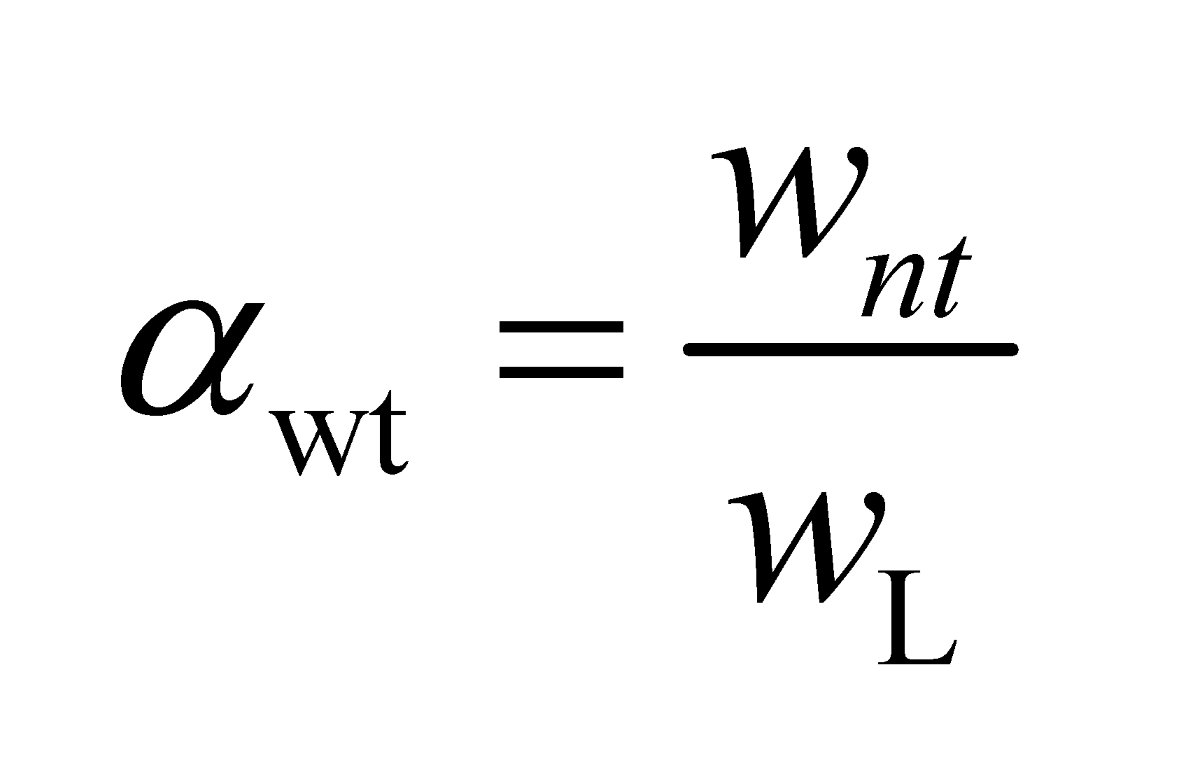
In this paper, the total water content ratio (Equation (1)) is used to characterize the total degree of water content of the solidified/stabilized specimens before mixing.
Preprints 145178 i001
where αwt is the total water content ratio, dimensionless; wnt is the total initial water content, just the ratio of all water in the solidified/stabilized specimen before mixing (including: water in the soil, water in the admixture, and added water) to the mass of the dry soil, %; wL is the liquid limit of the soil, %.
According to the results of a large number of tests, the lowest value of the strength of cured soil generally occurs at about 10 times of freeze-thaw cycles, after which it will be gradually stabilized [53], so the number of freeze-thaw cycles is designed in this chapter as 2, 4, 6, 8 and 10 times.
Table 4. Test program for solidified/Stabilized red mud under freeze-thaw cycle environments.
Test soil Type of binder Mixing ratio of binder (%)a Total water content ratio Curing age (d) Number of cycles Test content Curing environment
Red mud CGFPA 15 1.0 28 0、2、4、6、8、10 Unconfined compressive strength
Acidity and
alkalinity
Toxicity leaching
XRD、SEM-EDS
FT-IRb
Freeze-thaw cycle
20 1.2
25 1.3
30 1.4
Note:a: Binder incorporation ratio is defined as the ratio of the dry mass of binder to dry the mass of red mud. b: XRD, SEM-EDS and FT-IR tests are conducted only for the number of cycles 0 and 10.

1.3. Test Process

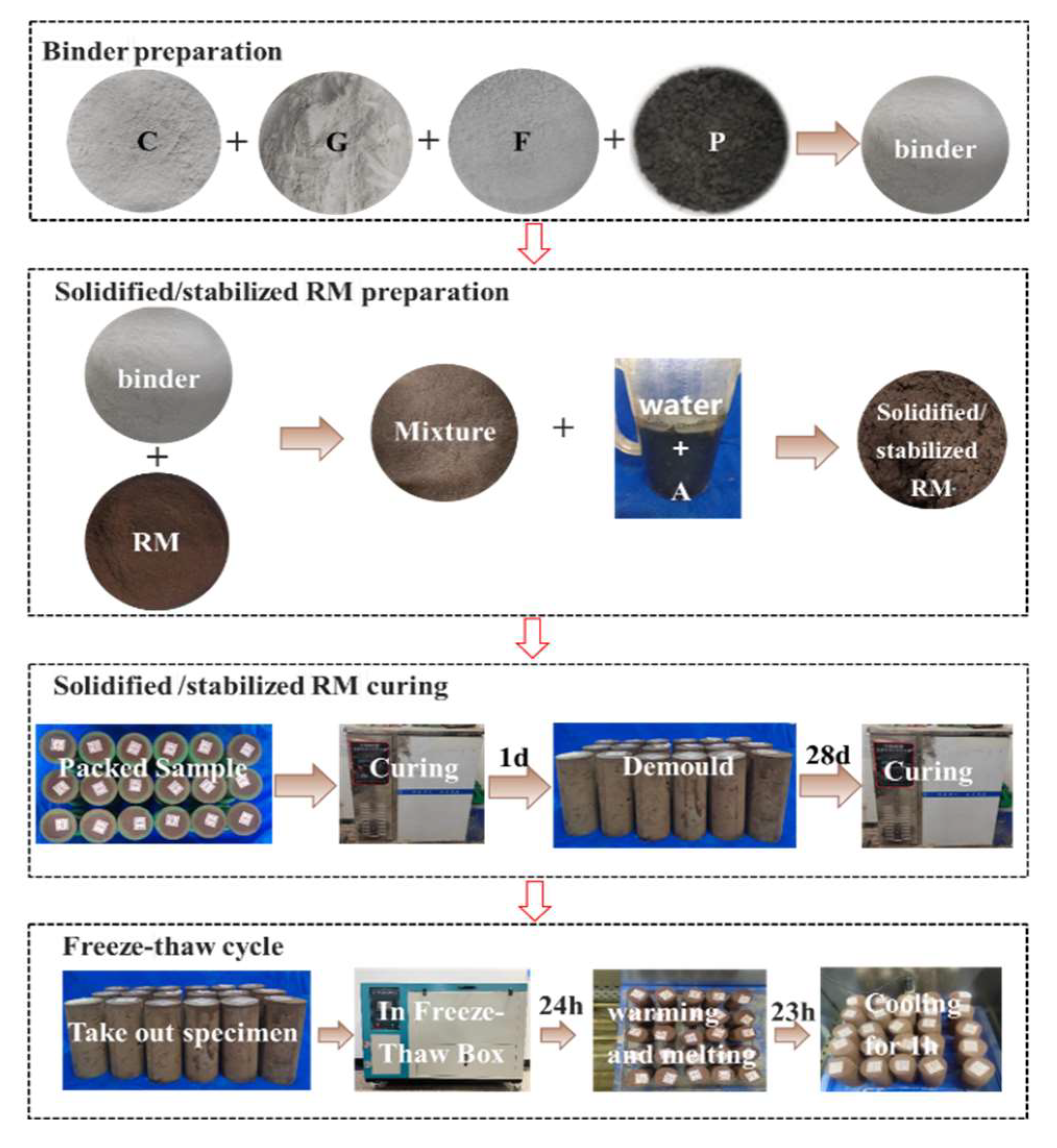
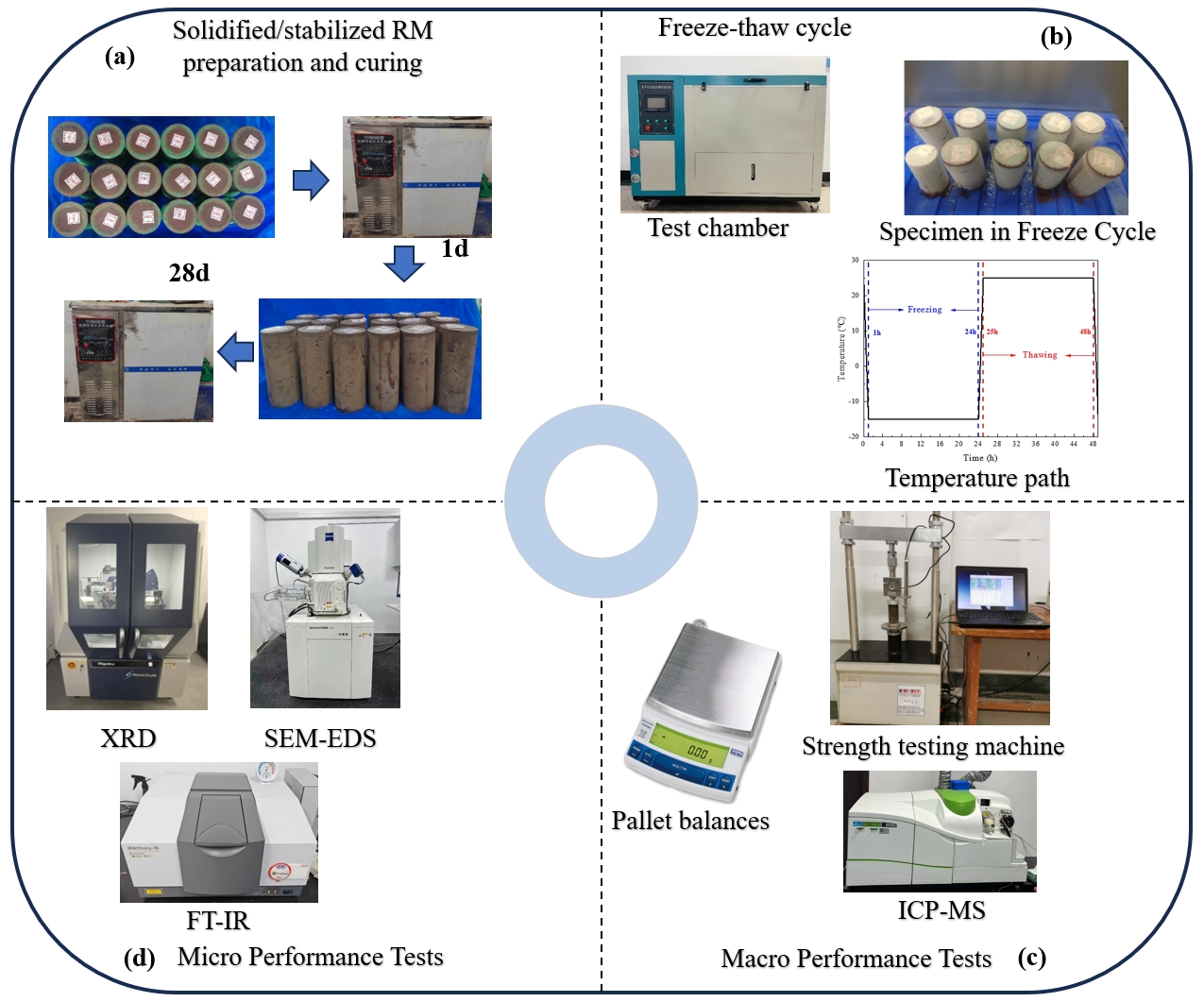
Mix and stir the raw calcium carbide residue (C), ground granulated blast furnace slag (G), fly ash (F), and phosphogypsum (P) in the ratio of 4:4:2:1 by mass and pour it into the red mud and mix it well. Take the graphene (A) slurry with 0.1% of CGFP binder and dilute it with water according to the set total initial water content (water content with graphene), then pour it into the mixture of red mud and binder and mix it well, and then fill it into a standard test mold with a diameter of 50mm and a height of 100mm in 3 layers, scrape each layer, fill the mold, and then scrape it flat after a slight vibration. Each sample preparation of 3 parallel samples, its mass error does not exceed 5 g. The prepared specimen was put into the standard curing box for standard curing, and demolded after 1 d. After demolding, the specimen was put into the standard curing box for continued curing for 27 d and then put into the freeze-thaw box for the freeze-thaw cycle test, and the unconfined compressive strength, acidity and alkalinity, toxicity leaching and microscopic test was carried out after the number of cycles was reached. The test process is shown in Figure 2.

1.4. Test Methods

The freeze-thaw cycle test was conducted with reference to the ASTM-D560-03 standard of the U.S.A. The design temperature of the freeze-thaw cycle was from -20°C to 20°C. After the maintenance of the specimens, the specimens were put into the fully automated freeze-thaw test equipment to conduct the freeze-thaw cycle test. Firstly, the specimens were put into the freezing chamber at -20°C for 24h, and then warmed up to 20°C for melting for 23h and then cooled down to -20°C for 1 freeze-thaw cycle, and 0, 2, 4, 6, 8, 10 freeze-thaw cycles were carried out respectively [54]. After the number of cycles, the specimens were tested for unconfined compressive strength, pollutant leaching concentration and pH value.
The unconfined compressive strength test is of the strain-controlled type, with the vertical displacement rate set at 1% of the height of the specimen per minute, i.e., 1 mm/min.
The pH test was performed using crushed specimens after the unconfined compressive strength test, dried to constant weight at 50°C, crushed, sieved (<2mm) for about 10.00g and mixed with 50mL of distilled water; the pH of the suspension was determined after stirring vigorously for 3min with a magnetic stirrer and standing for 30min.
The pollutant leaching toxicity test was performed using crushed specimens after the unconfined compressive strength test, dried, pulverized and sieved through a 0.5 mm sieve. The acetate leaching solution with pH 2.88 was obtained by adding 5.7 mL of glacial acetic acid to deionized water, and the volume was fixed to 1.0L. Accurately weigh 5.0g of the sample, according to the liquid-solid ratio of 20:1 to add the required extract, placed in a shaking box at 180r/min speed shaking 18h, static 2h, to get the mixture. Select a vacuum filtration pump and a filter membrane with a pore size of 0.22 μm to filter the above mixture, and obtain the filtrate. A small amount of the filtrate was placed in a beaker, and the pH value of the filtrate was tested with a pH meter, and then the remaining filtrate was put into a plastic bottle, and the leaching concentration of pollutants in the leachate was analyzed by inductively coupled plasma mass spectrometry (ICP-MS).
Tests of mineral phase composition were carried out by XRD. x-ray generator 40 kV, 40 mA phototube; current, copper rotating anode target; scanning method: 2θ goniometer, accuracy 0.002°; scanning angle 5-75°.
A scanning electron microscope (SEM-EDS) with a built-in energy spectrometer was used to analyze the microscopic morphology and elemental composition, and the magnification was set to 1000, 5000, and 20000.
Fourier Transform Infrared Spectroscopy (FT-IR): baked in an oven at 50℃ until constant weight, powdered and sieved through a 45μm sieve. 1mg of sample powder was taken and mixed with 100mg of KBr, which was ground using agate mortar and pressed into thin slices. The test method was potassium bromide (KBr) compression method, and the mass ratio of KBr to sample powder was 100:1. The test wave numbers ranged from 600 cm-1 to 400 cm-1, and the respective rates were 4 cm-1.

3. Results and Discussion

3.1. Changes in Physical Indicators

The cumulative rate of mass loss of the specimen is calculated according to Equation (2).
K m = m 0 m n m 0 × 100 %
Where Km is the cumulative rate of mass loss, %; mn is the mass of the specimen after the nth cycle, g; and m0 is the initial mass of the specimen before the freeze-thaw cycles, g.
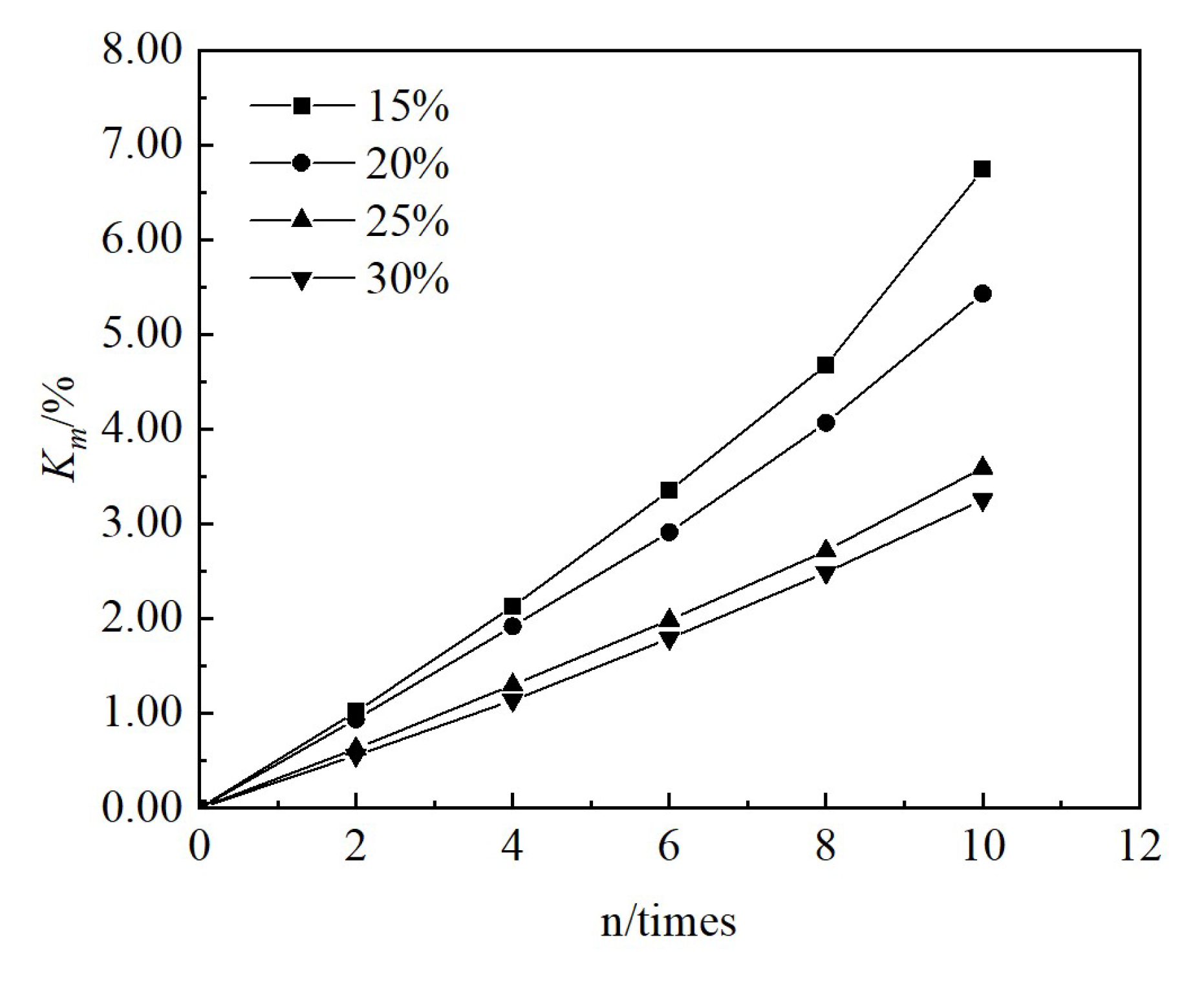
The relationship between the cumulative mass loss rate of solidified/stabilized red mud and the number of cycles is shown in Figure 3. It can be seen that, under the condition of the same binder mixing ratio, the cumulative mass loss rate of solidified/stabilized red mud increases with the increase of the number of freeze-thaw cycles, which indicates that the larger the number of freeze-thaw cycles is, the larger is the loss of its mass. However, under the condition of the same number of cycles, the cumulative mass loss rate of solidified/stabilized red mud decreases with the increase of the dosing ratio, i.e., the curve is shifted to the lower right, which indicates that the larger the mixing ratio is, the smaller the mass loss is.

3.2. Changes in Mechanical Indicators

3.2.1. Stress-Strain Curve

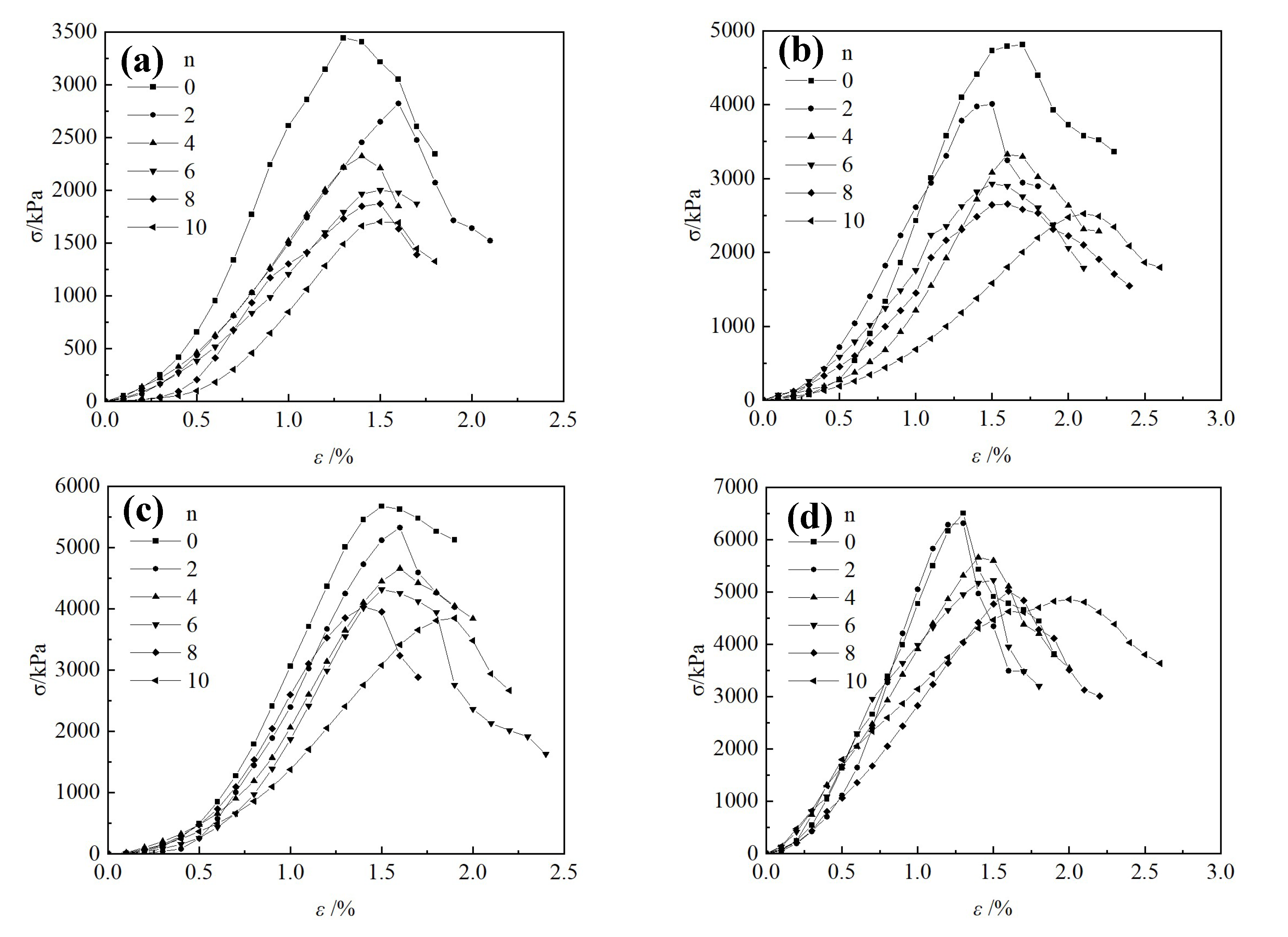
The stress-strain curves of solidified/stabilized red mud with different mixing ratios are shown in Figure 4. As can be seen from the figure, the stress-strain curves of solidified/stabilized red mud show a more pronounced peak stress, which presents the typical brittle deformation characteristics of the strain-softening type, and its destructive strain is between 1.3% and 2.2%.

3.2.2. Unconfined Compressive Strength Test

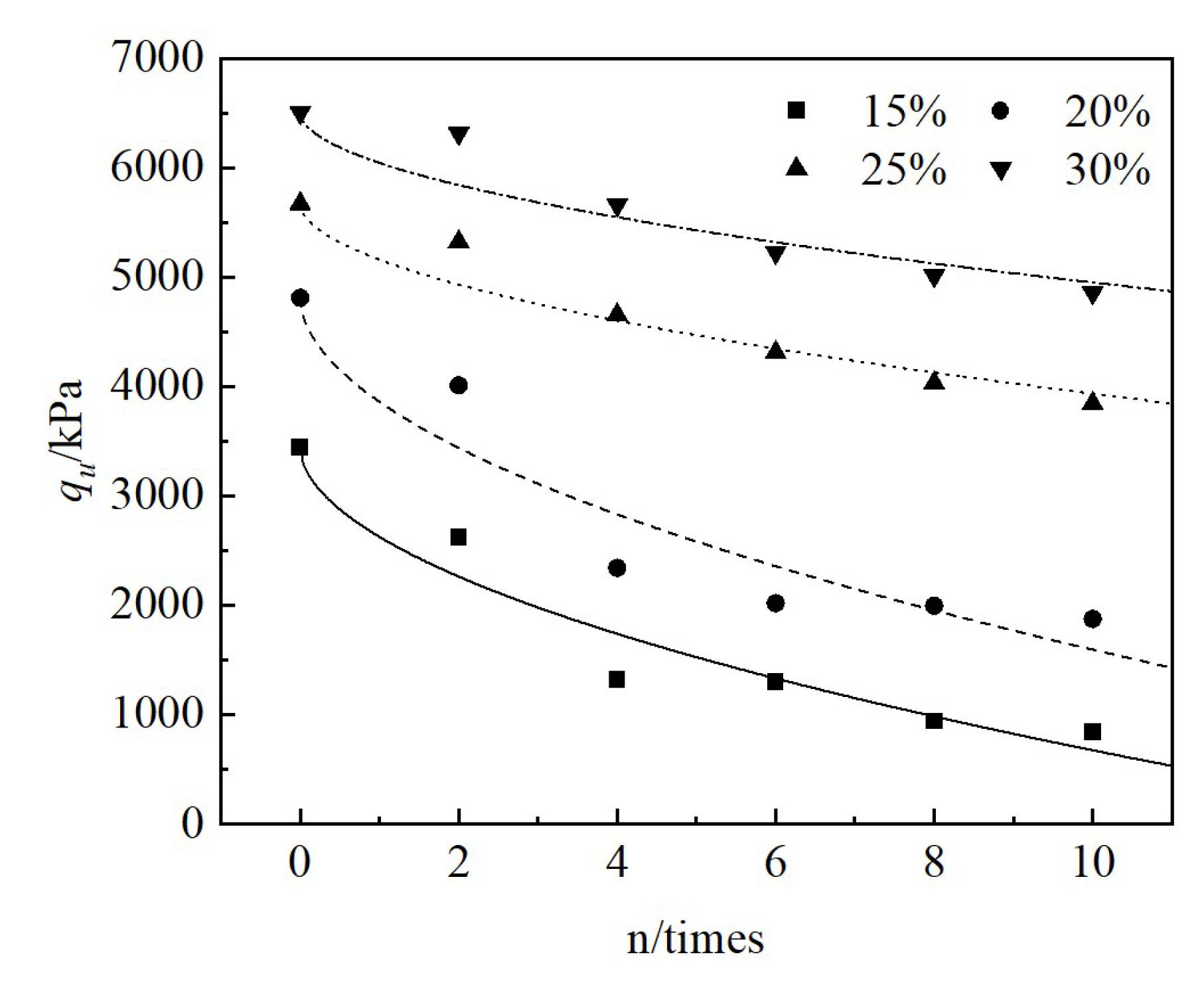
Taking the peak stress as its unconfined compressive strength value, the relationship between the unconfined compressive strength of solidified/stabilized red mud and the number of cycles is shown in Figure 5. It can be seen from the figure that, under the condition of the same binder mixing ratio, with the increase of the number of cycles, the unconfined compressive strength of the solidified/stabilized red mud decreases gradually, and the decreasing trend decreases with the increase of the mixing ratio, i.e., the curve is more gentle. The unconfined compressive strength of the specimens decreased from 3443.2 kPa to 1843.44 kPa, 4810.3 kPa to 2525.1 kPa, 5673.0 kPa to 3847.2 kPa, and 6503.0 kPa to 4856.3 kPa under the conditions of the four kinds of binder mixing ratios, respectively, and the pattern is consistent with the model of the exponential function, and it can be fitted into the Equation (3).
q u = n q u 0 - a × n 0.53
Where, qun is the unconfined compressive strength of the specimen after n times of freeze-thaw cycles, kPa; qu0 is the unconfined compressive strength of the specimen before freeze-thaw cycles, kPa; a is the fitting parameter.
The fitting parameters are shown in Table 5, from which it can be seen that the fitting parameter a is positive and its range is between 457.6-948.6, and the fitting coefficients R2 are all greater than 0.9, which indicates that the correlation of the Equation.
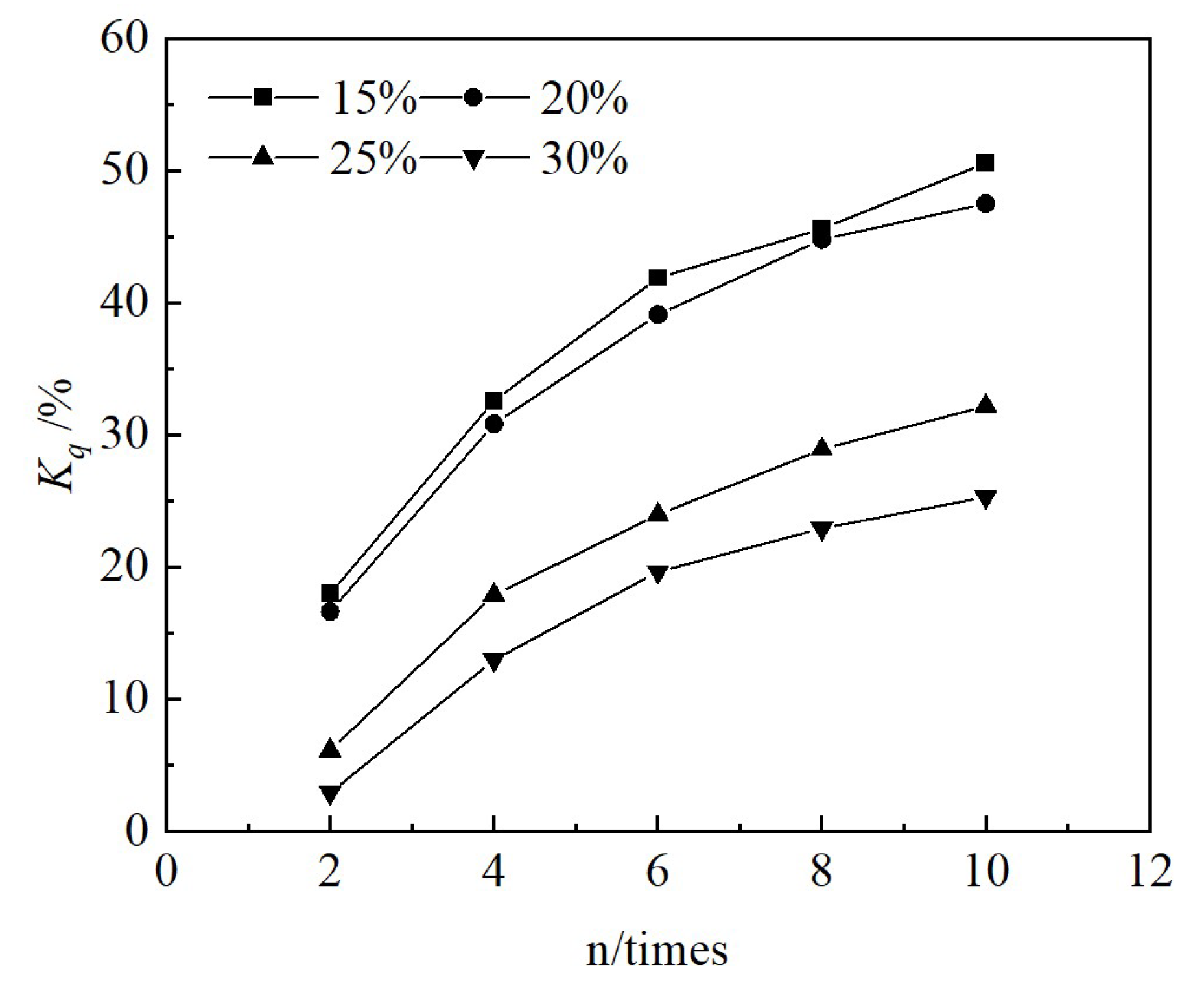
The cumulative rate of loss of strength of the specimen is calculated according to Equation (4).
K q = q u 0 q u n q u 0 × 100 %
Where Kq is the cumulative rate of strength loss, %; qu0 is the strength of the specimen before cycling, kPa; and qun is the strength of the specimen after the nth cycle, kPa.
The smaller Kq is, the more resistant the specimen is to freeze-thaw cycles.
The relationship between the cumulative loss of strength rate and the number of cycles is shown in Figure 6. From the figure, it can be seen that the cumulative loss of strength rate of solidified/stabilized red mud increases gradually with the increase in the number of freeze-thaw cycles. Under the condition of the same number of cycles, the larger the blending ratio, the lower the cumulative loss rate of strength of solidified/stabilized red mud, i.e., the curve shifted downward. After 10 freeze-thaw cycles, the cumulative loss rate of unconfined compressive strength of the specimens at 15%, 20%, 25%, and 30% mixing ratios were 50.6%, 47.5%, 32.2%, and 25.3%, respectively. It shows that the larger the mixing ratio, the smaller the cumulative loss of strength, and the stronger the freeze-thaw cycles of solidified/stabilized red mud.
According to the functional failure evaluation criteria, the solidified/stabilized red mud can be considered to have failed when the strength of the solidified/stabilized red mud is lower than 60% of the strength before freeze-thaw cycles [44], i.e., the solidified/stabilized red mud can be considered to have failed when the qun is lower than 60% of the qu0. According to Equation (3), the number of freeze-thaw cycles at the failure of solidified/stabilized red mud is 2, 3, 16, and 26 times when the blending ratio is 15%, 20%, 25%, and 30%, respectively.

3.3. Changes in Chemical Indicators

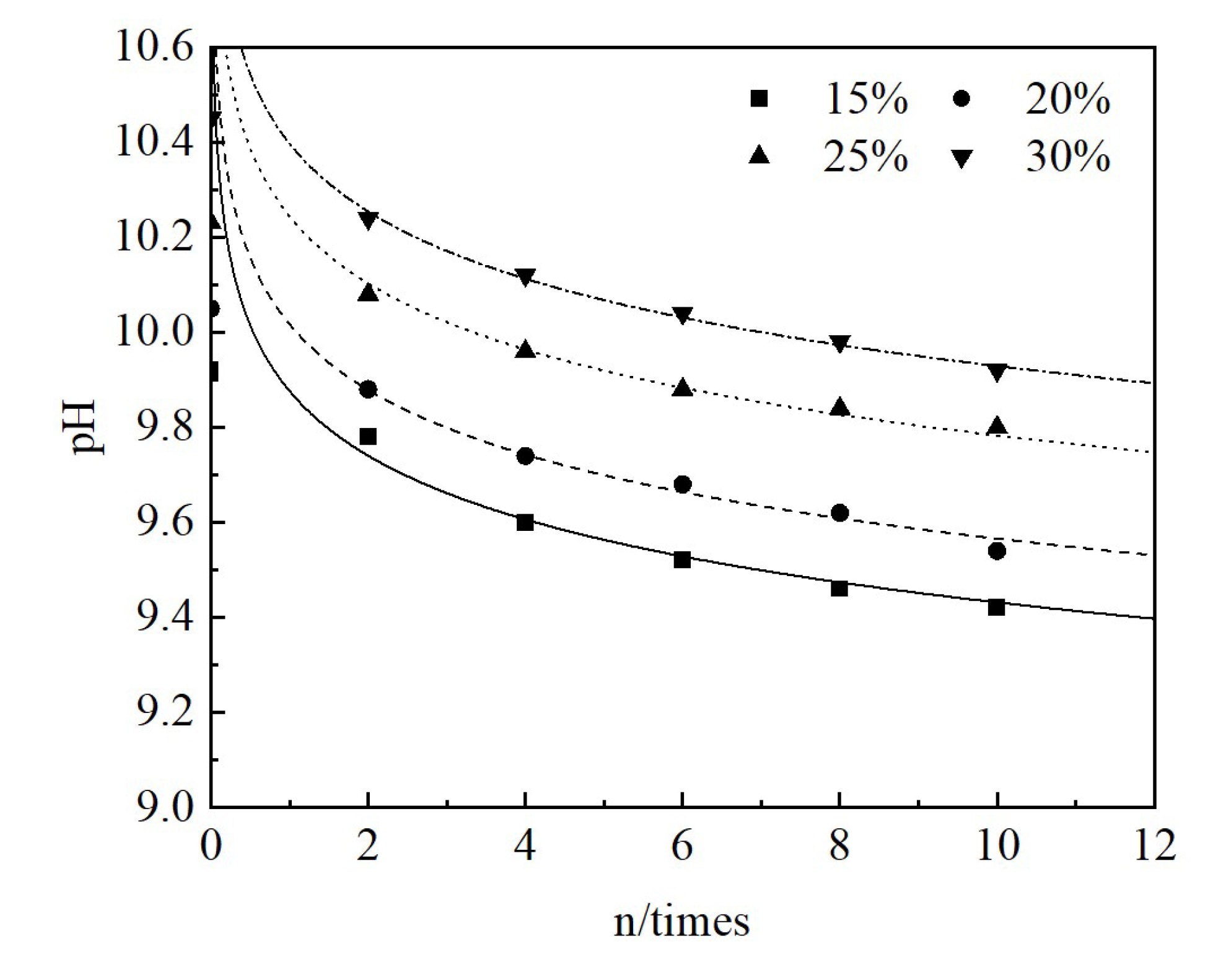
The relationship between the pH value of solidified/stabilized red mud and the number of freeze-thaw cycles is shown in Figure 7. It can be seen from the figure that, under the same conditions, the pH value of the solidified/stabilized red mud gradually increased with the increase of the mixing ratio, i.e., the curve shifted upward. This is due to the fact that the content of calcium carbide residue as alkali exciter in the binder component increases with the increase of the mixing ratio, thus leading to the increase of its pH value. Whereas, with the increase in the number of cycles, the pH value of solidified/stabilized red mud for all the four different mixing ratios gradually decreases, and the decreasing trend gradually becomes slower. This is consistent with the results of Wang et al. [50]. The pH value of solidified/stabilized red mud decreased from 9.92, 10.05, 10.23, 10.45 to 9.42, 9.54, 9.80, 9.92 respectively after 10 freeze-thaw cycles when the mixing ratios were 15%, 20%, 25%, and 30%, the pattern can be fitted as an exponential function, which can be expressed by Equation (5)
p H n = b × n 0.02
Where pHn is the pH value of the specimen after n times freeze-thaw cycles, dimensionless, and b is a fitting parameter related to the type of binder and the number of cycles.
The fitting parameters are detailed in Table 6. From the table, it can be seen that the fitting coefficients are all greater than 0.95, which indicates that the formulae have a good correlation. The fitting parameter b increases with the increase of the mixing ratio and its value ranges from 9.93 to 10.39.
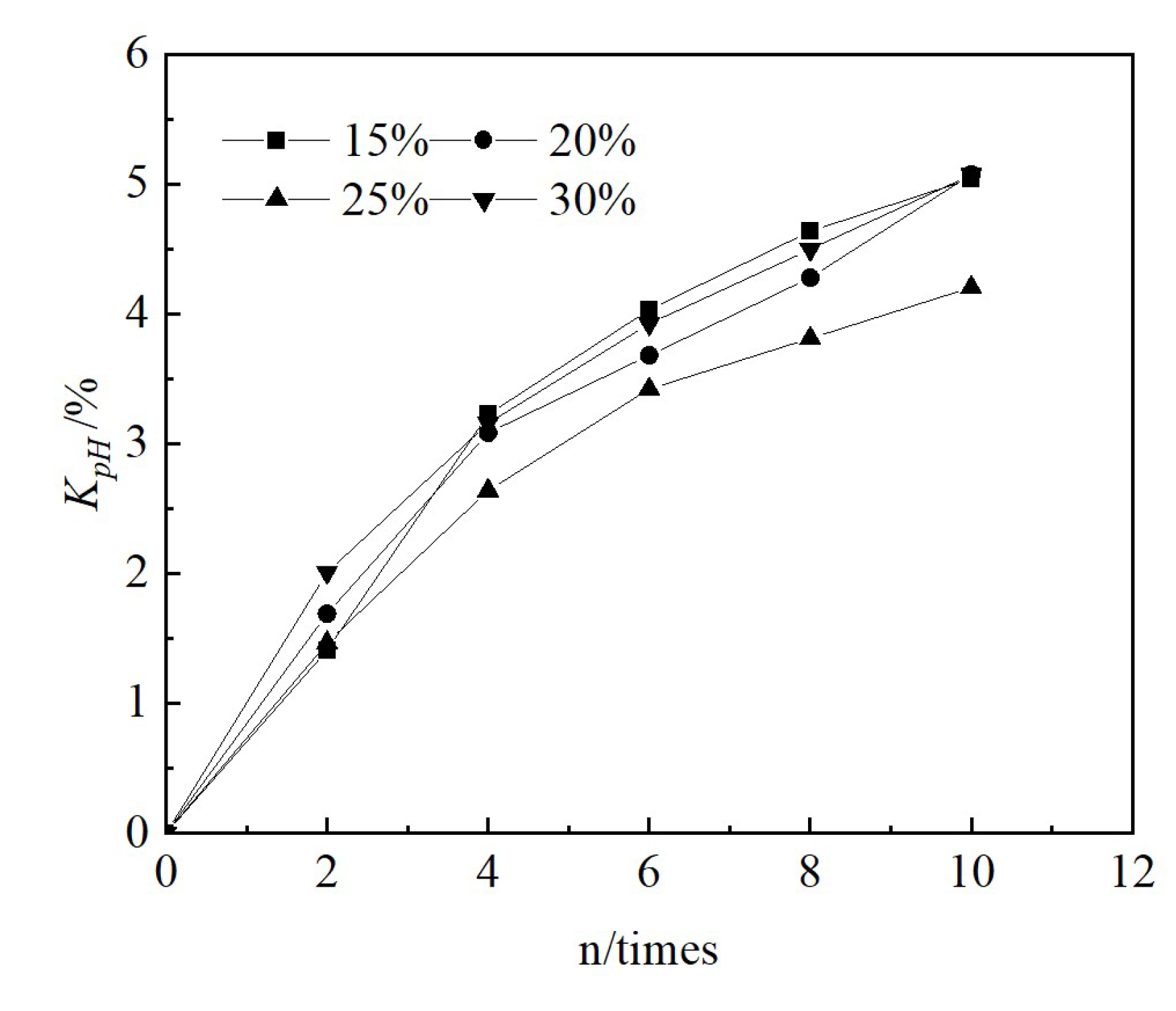
Similar to the rate of loss of mass and rate of loss of strength, the cumulative rate of decrease in pH value of the specimen was calculated according to Equation (6)
K p H = p H 0 p H n p H 0 × 100 %
Where, KpH is the cumulative reduction rate of pH, %; pH0 is the pH value of the specimen before freeze-thaw cycle, dimensionless; pHn is the pH value of the specimen after n times freeze-thaw cycles, dimensionless.
The relationship between the cumulative reduction rate of pH value of the specimen and the number of cycles is shown in Figure 8. It can be seen that, with the increase of the number of freeze-thaw cycles, the cumulative reduction rate of pH value of the solidified/stabilized red mud increases with the increase of the number of cycles, but the trend gradually becomes slower. This is due to the fact that with the freeze-thaw cycle, the pore water inside the specimen is formed into ice by the temperature, and the volume expansion makes the structure of the specimen damaged, and the internal fissures continue to develop with the increase in the number of cycles, and when it enters into the thawing cycle, the internal ice is melted into water, and the OH- flows out to the outside of the specimen along with the pore water, which leads to the decrease in the concentration of OH- in the specimen. However, with the increase in the number of cycles, the structure of the specimen is no longer destroyed, so the decreasing trend becomes slower.

3.4. Changes in Leaching Toxicity

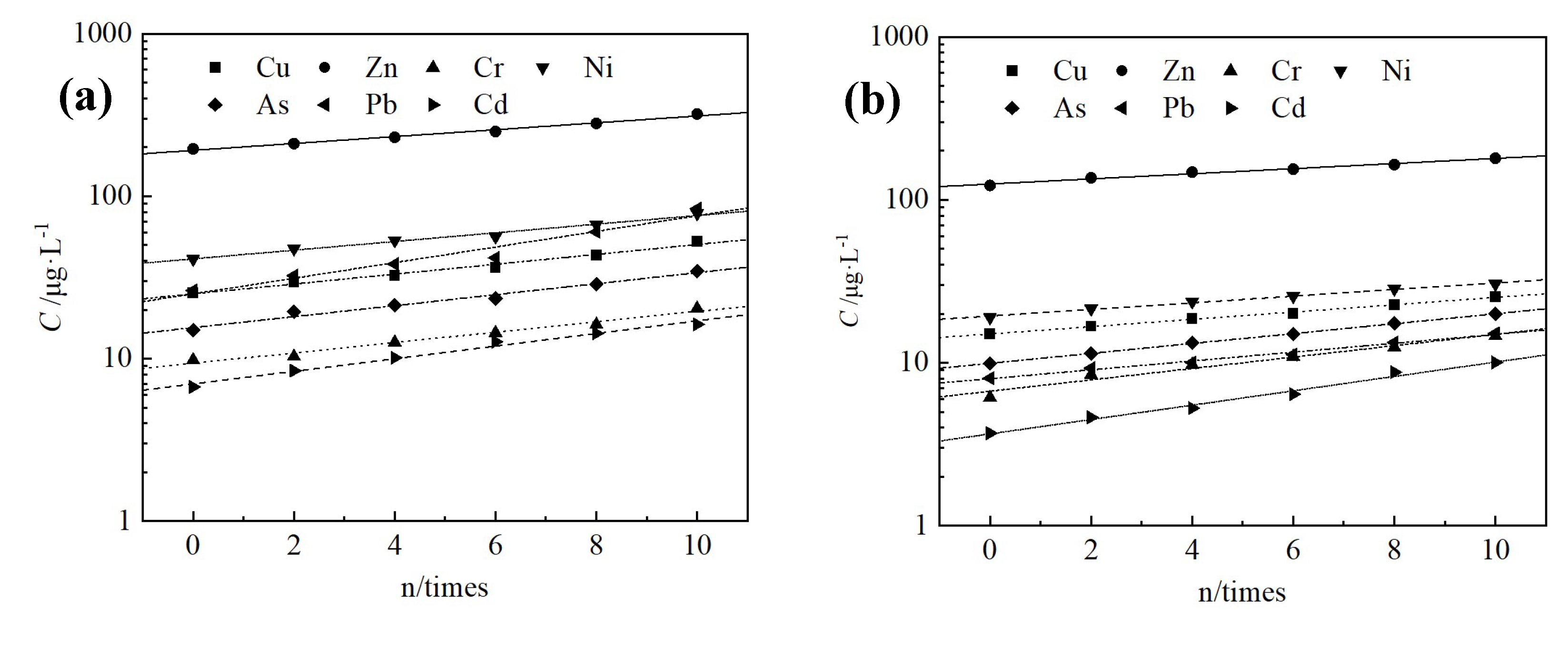
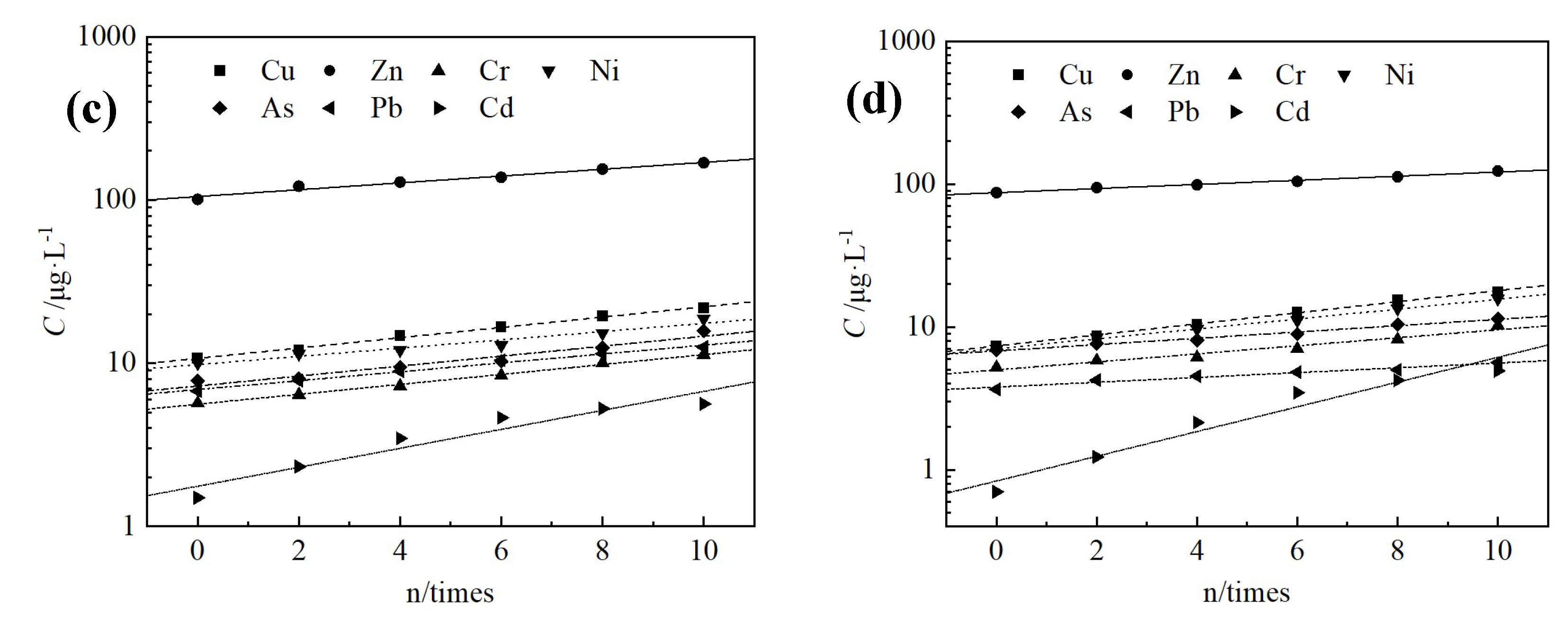
The relationship between the leaching concentration of pollutants from solidified/stabilized red mud and the number of freeze-thaw cycles is shown in Figure 9. It can be seen that the leaching concentration of Cu, Zn, Cr, Ni, As, Pb, and Cd from the solidified/stabilized red mud with four different mixing ratios increased with the increase in the number of cycles. Taking the mixing ratio of 30% as an example, the leaching concentrations of the seven pollutants increased from 7.4 μg/L, 87.2 μg/L, 5.2 μg/L, 7.0 μg/L, 6.9 μg/L, 3.7 μg/L, and 0.7 μg/L to 17.5 μg/L, 123.5 μg/L, 10.2 μg/L, and 15.7 μg/L, respectively, after 10 times of freeze-thaw cycles, 11.4 μg/L, 5.6 μg/L, and 4.9 μg/L. The logarithm of pollutant leaching concentration and the number of cycles satisfy the linear relationship, i.e., Equation (7).
lg C = k × n + c
Where C denotes the leaching concentration of the pollutant, μg/L; n denotes the number of cycles, times; k is the slope of the straight line, and c is the intercept of the straight line.
After 10 times of freeze-thaw cycles, the As in the solidified/stabilized red mud with four binder mixing ratios were higher than the requirements of Class III water quality standards in the Groundwater Quality Standards [45], in which the leaching concentration of As in the solidified/stabilized red mud exceeded the normative limit value when the mixing ratio was 15% before freeze-thaw cycles. When the mixing ratio was 20%, 25% and 30%, the leaching concentration of As exceeded the normative limit after 2, 6 and 8 cycles respectively, indicating that the solidified/stabilized red mud had failed at this time. Therefore, it can be considered that the number of freeze-thaw cycles for the failure of solidified/stabilized red mud under the conditions of 15%, 20%, 25%, and 30% of curing agent is 0, 2, 6, and 8 times, respectively, which is much lower than the above 2, 3, 16, and 26 times.

3.5. Microstructure Analysis and Degradation Mechanism

3.5.1. XRD Results and Analysis

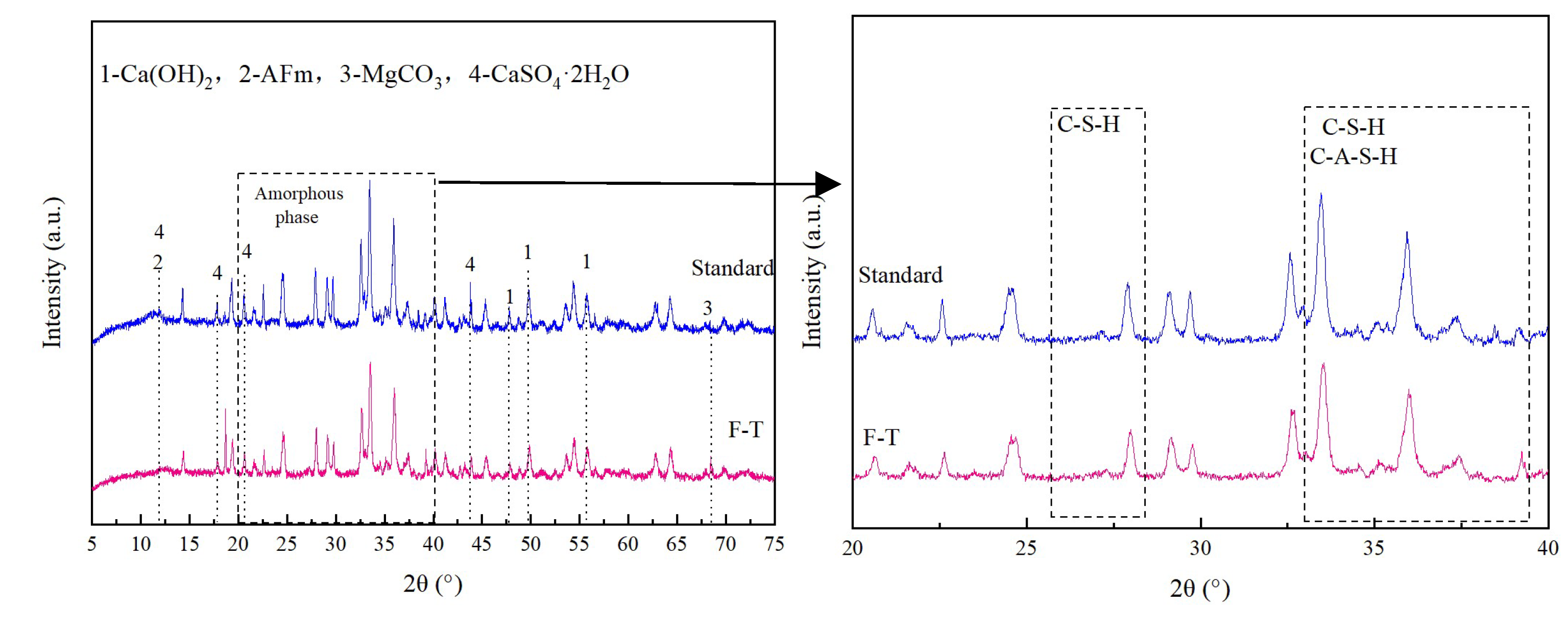
Figure 10 shows the XRD of red mud solidified/stabilized by CGFPA binder after 10 times of freeze-thaw cycles and solidified/stabilized red mud under standard condition. As can be seen from the figure, the products after freeze-thaw cycles are basically the same as those in the standard condition, mainly alkali stimulated hydration products AFm, CaSO4·2H2O, MgCO3, C-A-H, C-S-H, C-A-S-H, Ca(OH)2 and so on. Compared to the solidified/stabilized red mud under standardized conditions, the diffraction peak intensity of the amorphous phase in the region of 2θ ≈ 20-40° was slightly reduced after 10 times of freeze-thaw cycles, indicating that the amorphous phase structure was partially damaged [55], which was attributed to the expansion and contraction forces generated by freeze-thaw cycles, resulting in the formation of whiskers on the surface of the solidified/stabilized red mud and more micropores, thus destroying the gel structure of C-A-H, C-S-H, and C-A-S-H [56], leading to a decrease in their content. And these products are the main factors affecting the strength of solidified/stabilized red mud, and with the decrease of their content, it also leads to the decrease of the strength of solidified/stabilized red mud after freeze-thaw cycle. The increase of MgCO3 peak and the decrease of Ca(OH)2 peak in the figure indicate that OH- reacts with CO2 to produce CO32- during the freeze-thaw cycle, which also confirms the conclusion of pH decrease in section 2.2. The peak value of CaSO4·2H2O also becomes smaller after freeze-thaw cycle, which is due to the continuous loss of H2O in CaSO4·2H2O during freeze-thaw cycle under the influence of temperature change.

3.5.2. SEM-EDS Results and Analysis

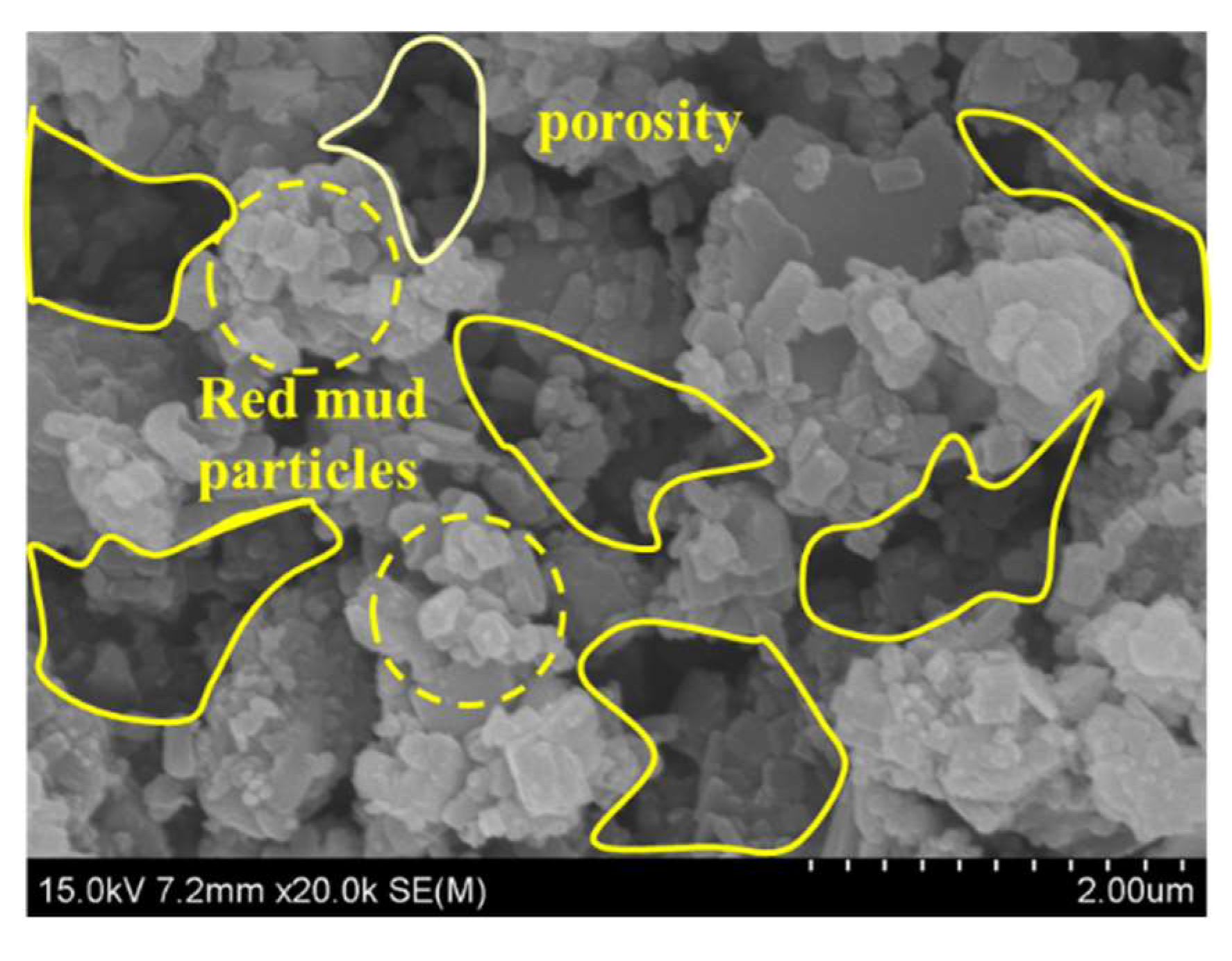
Figure 11 shows the SEM patterns of red mud. As can be seen from the figure, there are a large number of fine particles and pores in the red mud, which is the main reason for the low strength of red mud.
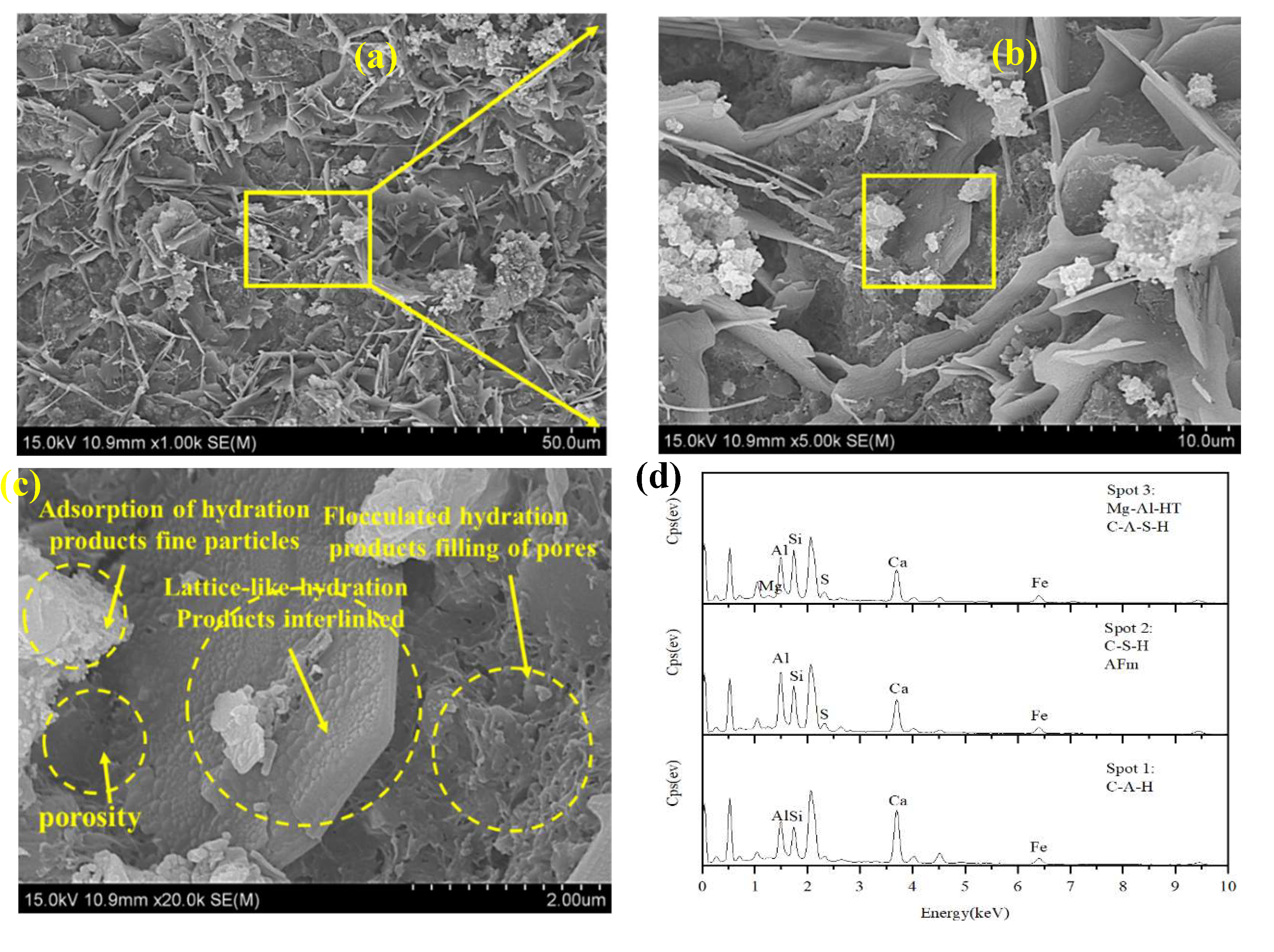
Figure 12 is the SEM-EDS of solidified/stabilized red mud after adding CGFPA binder and standard maintenance for 28d. As can be seen from the figure, compared with red mud, a large number of grid-like hydration products were generated and connected with each other in the solidified/stabilized red mud, while there were also some hydration products gelling and adsorbing the red mud particles, which made the integrity stronger. In addition, a large number of flocculated hydration products fill the pores, making the porosity lower and the structure denser and stronger. Combined with the EDS analysis, the peaks of Al and Ca were higher in point 1, which might be C-A-H. Point 2 was a flaky and lattice-like material and contained elements such as Ca, Si, and Al, indicating that it contained AFm and C-S-H [57]. Point 3 is a flocculated material with high peaks of Mg, Al, and Si elements, indicating the presence of Mg-Al-HT and C-A-S-H. These hydration products solidified/stabilized the red mud by adsorption and cementation, resulting in an increase in strength and a decrease in pollutant concentration.
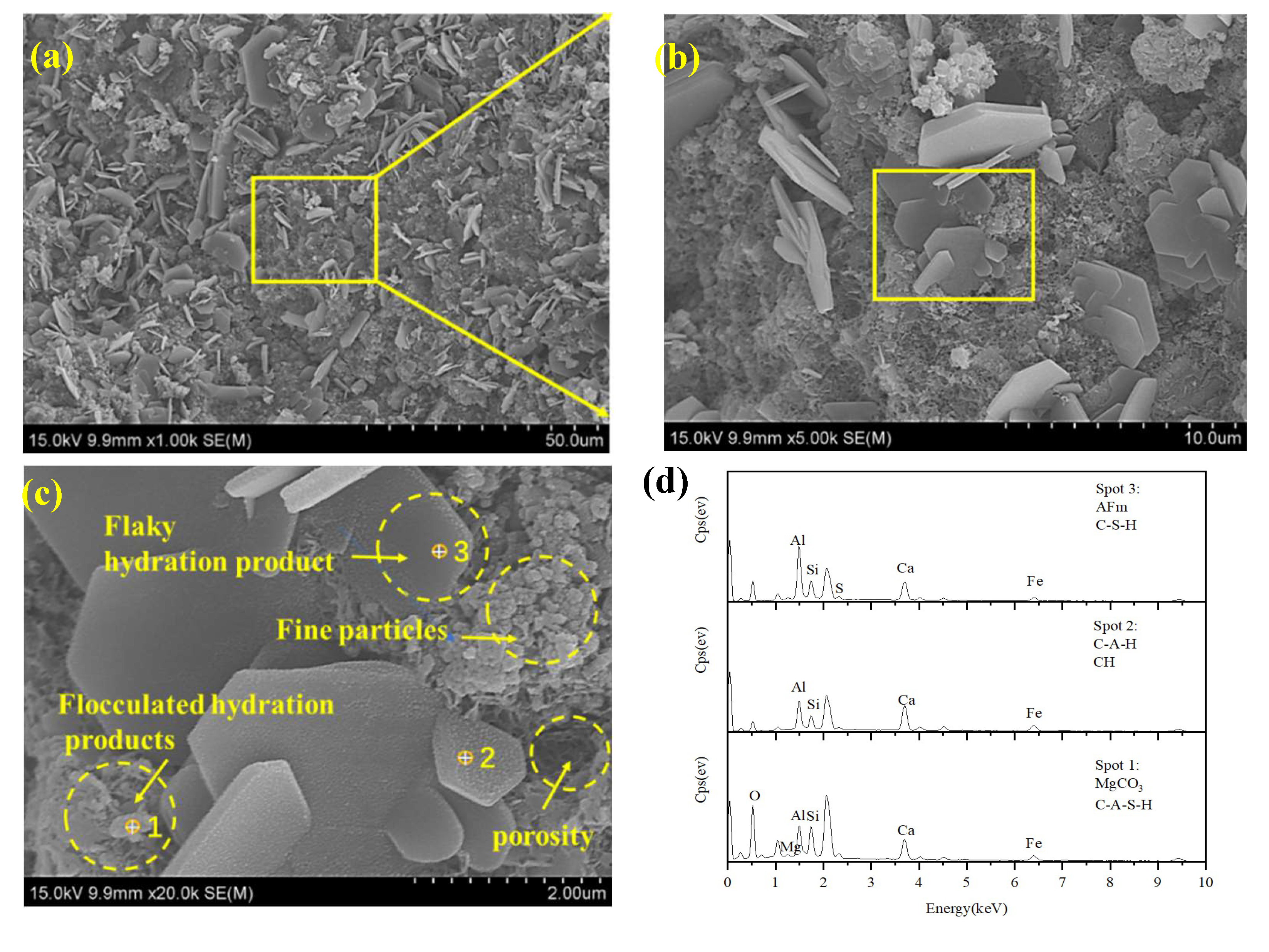
Figure 13 shows the SEM-EDS of solidified/stabilized red mud after 10 times of freeze-thaw cycle. Compared with the specimens of standard maintenance conditions, after freeze-thaw cycle, a large number of grid-like hydration products were transformed into flake and petal-like products, and the number of fine particles and pores increased significantly, and the integrity of the specimens deteriorated. EDS tests were carried out on the three points in the figure, in which the peaks of Mg, Al and Si were higher in point 1, indicating that a large amount of MgCO3 and C-A-S-H were contained, and point 2 was a lamellar and laminar material, and contained elements such as Ca, Si, Al, indicating that Ca(OH)2 and C-A-H were contained in it, and point 3 was also a lamellar and petal-like material, with higher peaks of the element Al and containing S elements, indicating AFm, C-S-H and other substances, which is consistent with the XRD results.

3.5.3. FT-IR Results and Analysis

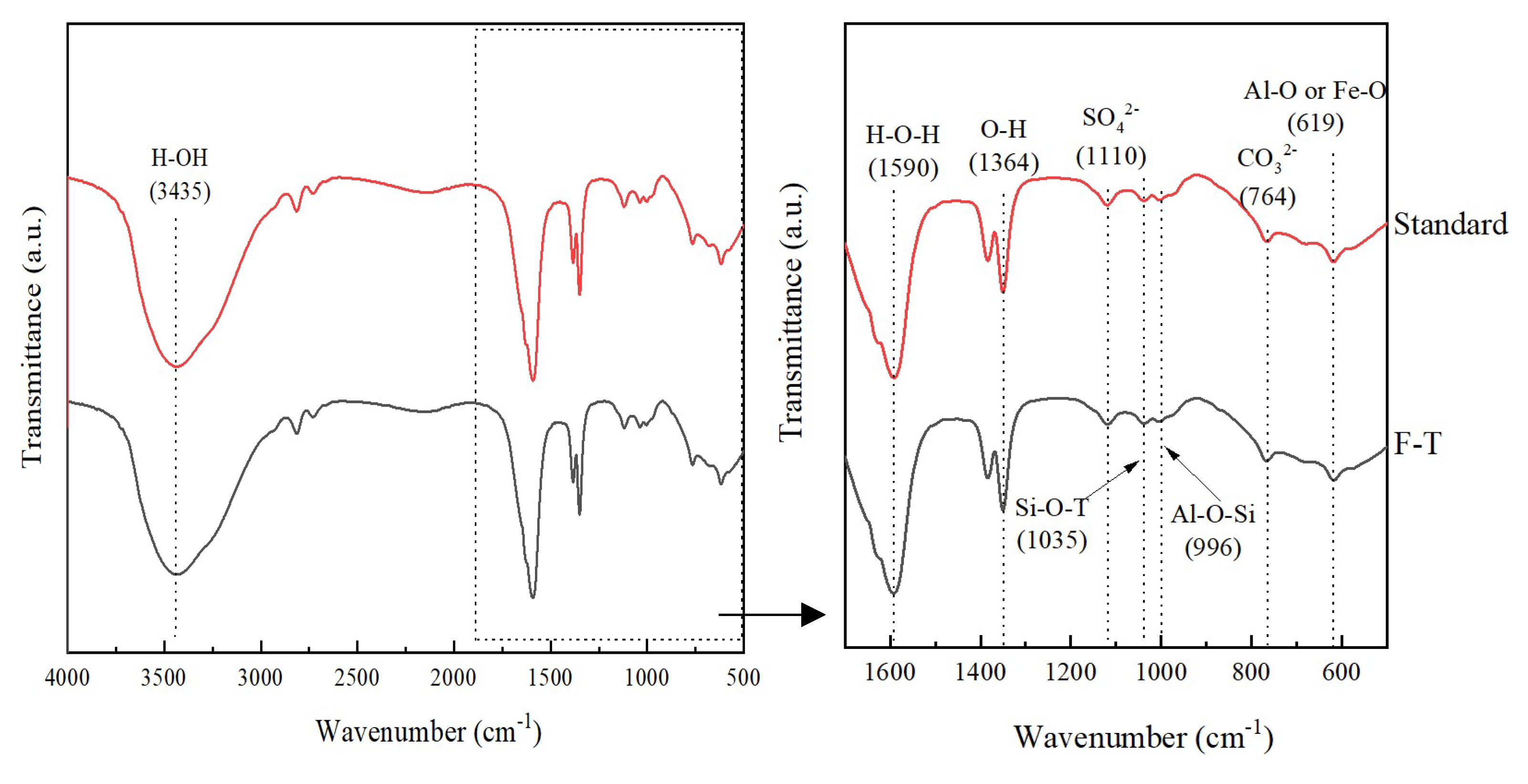
Figure 14 shows the FT-IR of solidified/stabilized red mud under freeze-thaw cycles conditions. 3435 cm-1 is the vibrational band of H2O, and 764 cm-1 is the vibrational band of CO32-, indicating that CaCO3 crystals were generated in the products from the reaction of Ca(OH)2 with CO2 [58], and MgCO3 crystals were generated in the products from the reaction of Mg2+ with CO2, which is consistent with the XRD results. CO2 reaction produced MgCO3 crystals in the product, which is consistent with the XRD results. The decrease in the peak of the stretching vibration near 1590 cm-1 indicates a decrease in the water of crystallization produced by the reaction, which corresponds to a decrease in the alkali-excited hydration product.1035 cm-1 is the vibrational band of Si-O-T (T = Si, Fe) [59,60], the 996 cm-1 is the vibrational band of Si-O-Al [61], which proves the presence of C-A-S-H gel in the products, while the solidified/stabilized red mud after freeze-thaw cycles has reduced peaks and smoother curves compared to the solidified/stabilized red mud with standard maintenance, suggesting that the amount of the C-A-S-H gel products is reduced. This is consistent with the results obtained by XRD and SEM-EDS.

3.5.4. Structural Modeling of Solidified/Stabilized Red Mud

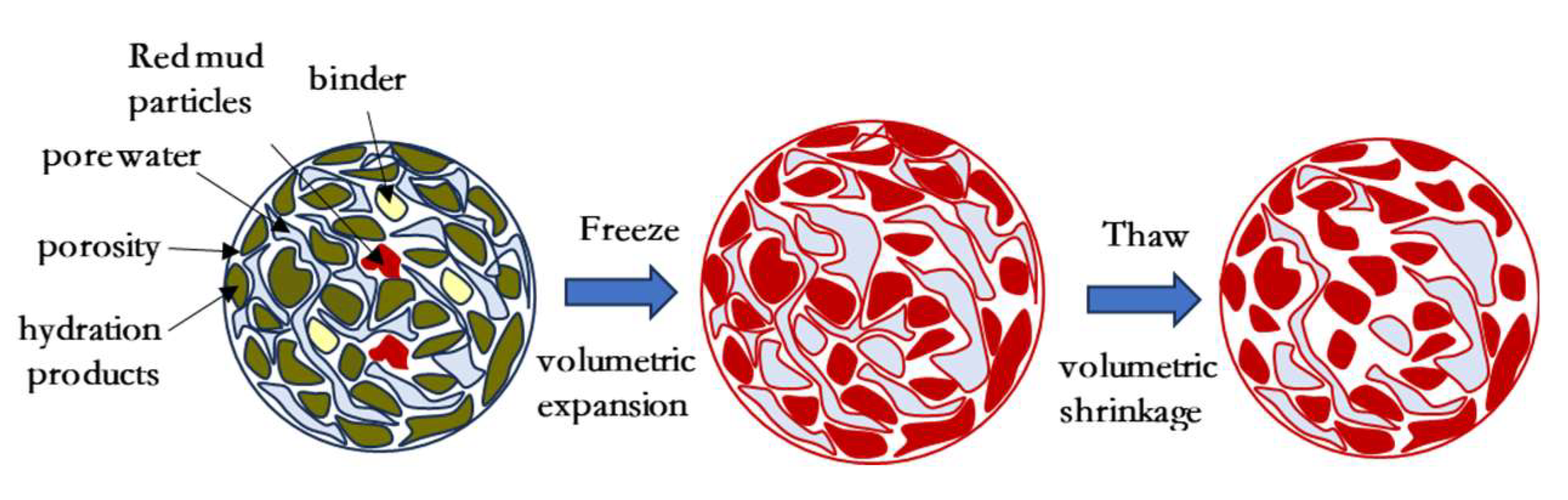
The structural model of solidified/stabilized red mud under the action of freeze-thaw cycles can be generalized as Figure 15. The internal structure of red mud becomes denser after the addition of binders. However, as the freeze-thaw cycle proceeds, ① the freeze-thaw cycle effect inhibits the alkali excitation reaction, which makes the encapsulation weaken. ② The change of temperature caused the desorption of heavy metals adsorbed on the surface of alkali excitation products and red mud particles. ③ The agglomerates of red mud particles in solidified/stabilized red mud are deformed by thermal expansion and contraction under the action of freeze-thaw cycles, which destroys the inter-particle agglomerative structure and leads to the exposure of pollutants enclosed and wrapped inside the agglomerates to the pore water. For the above reasons, the solidifying/stabilizing effect of CGFPA binder on red mud decreases with the increase in the number of cycles, i.e., the unconfined compressive strength and pH value decrease with the increase in the number of freeze-thaw cycles, and the leaching concentration of pollutants increases with the increase in the number of freeze-thaw cycles.

4. Conclusions

In this paper, CGFPA curing agent solidified/stabilized red mud was prepared by using calcium carbide slag (C) as alkali exciter, ground granulated blast furnace slag (G) and fly ash (F) as volcanic ash material, phosphogypsum (P) as auxiliary material, and graphene (A) as external dopant, and the effects of freeze-thaw cycling on the mechanic, chemical, and leaching toxicity of the solidified/stabilized red mud were studied systematically, and the damage mechanism of solidified/stabilized red mud on the macro performance was analyzed by using the microscopic test method. The damage mechanism on the macroscopic properties of solidified/stabilized red mud was analyzed by microscopic test method, and the following conclusions were obtained:
1) Under the action of freeze-thaw cycles, the unconfined compressive strength of solidified/stabilized red mud decreases with the increase in the number of cycles, and the pattern is consistent with the exponential function. When the mixing ratio was 15%, 20%, 25% and 30%, the cumulative loss rate of the solidified/stabilized red mud’s cumulative rate of loss of unconfined compressive strength was 50.6%, 47.5%, 32.2% and 25.3%, and the number of freeze-thaw cycles at the time of its failure was 2, 3, 16, and 26 times, respectively.
2) The pH value of solidified/stabilized red mud under different mixing ratios gradually decreased with the increase of the number of cycles, and the decreasing tendency gradually became slower, and the pattern satisfied the exponential function relationship.
3) With the increase of the number of cycles, the leaching concentration of all seven pollutants increased continuously, and the logarithm of the leaching concentration and the number of cycles satisfied the linear relationship. If the leaching toxicity of the pollutants in red mud is considered, the number of freeze-thaw cycles for the failure of solidified/stabilized red mud at the mixing ratios of 15%, 20%, 25%, and 30% are 0, 2, 6, and 8 times, respectively, when the groundwater quality of Class III is used as the failure criterion.
4) The hydration reaction of CGFPA binder generates products such as C-S-H, C-A-S-H, C-A-H, AFm, etc. On the one hand, these products make the structure of solidified/stabilized red mud stronger by cementing the red mud particles and filling the internal pores, and on the other hand, they make the structure of solidified/stabilized red mud stronger by forming a grid-like structure and interconnecting each other. Under the action of freeze-thaw cycle, the lattice structure of solidified/stabilized red mud is damaged, which leads to the decrease of its strength and the increase of pollutant leaching concentration.

Author Contributions

Lijun Yan: Writing– original draft, Methodology, Investigation, Data curation, Formal analysis. Junjie Yang: Project administration, Funding acquisition, Writing– review & editing. Yalei Wu: Visualization, Validation, Supervision, Writing– review & editing. Fengmin Li: Formal analysis, Conceptualization, Writing– review & editing.

Funding

The National Natural Science Foundation of China (Nos: 52378380, 52078474 and 51779235).

Data Availability Statement

Data will be made available on request.

Acknowledgments

The authors acknowledge the support of the National Natural Science Foundation of China (Nos: 52378380, 52078474 and 51779235).

Conflicts of Interest

It is declared by the authors that they have no conflict of interest.

References

  1. Ministry of Housing and Urban-Rural Development of the People’s Republic of China. Code for design of dry red mud stack, GB50986-2014. Beijing: China Construction Industry Press, 2014. (in Chinese).
  2. J. Wang, X. M. Liu, Z. Q. Zhang, Y. Liu. Synergistic utilization, critical mechanisms, and environmental suitability of bauxite residue (red mud) based multi-solid wastes cementitious materials and special concrete, J. Environ. Manag. 2024, 361, 121255. [CrossRef]
  3. S. Rai, K. L. Wasewar, J. Mukhopadhyay, C. K. Yoo, H. Hslu. Neutralization and utilization of red mud for its better waste management. Arch. Environ. Sci., 2012, 6, 13-33.
  4. J. He, Y. X. Jie, J. H. Zhang, Y. Z. Yu, G. P. Zhang. Synthesis and characterization of red mud and rice husk ash-based geopolymer composites. Cem. Concr. Compos. 2013, 37, 108-118. [CrossRef]
  5. D. Tuazon, G. D. Corder. Life cycle assessment of seawater neutralised red mud for treatment of acid mine drainage. Resour. Conserv. Recy., 2008, 52, 1307-1314. [CrossRef]
  6. C. S. Wu, D. Y. Liu. Mineral phase and physical properties of red mud calcined at different temperatures, J. Nanomater., 2012, 1, 628592. [CrossRef]
  7. E. Mukiza, L. L. Zhang, X. M. Liu, N. Zhang. Utilization of red mud in road base and subgrade materials: A review. Resour. Conserv. Recy., 2019, 141, 187-199. [CrossRef]
  8. R. M. Novais, J. Carvalheiras, M. P. Seabra, R. C. Pullar, J. A. Labrincha. Innovative application for bauxite residue: Red mud-based inorganic polymer spheres as pH regulators. J. Hazard. Mater., 2018, 358, 69-81. [CrossRef]
  9. Kumar, S. Kumar. Development of paving blocks from synergistic use of red mud and fly ash using geopolymerization. Constr. Build. Mater., 2013, 38, 865-871. [CrossRef]
  10. X. Sun. The research on environmental risk assessment system of the typical staple industrial solid wastes, Kunming University of Science and Technology, Kunming. 2016. (in Chinese).
  11. Y. Zhou, Z. F. Li. Composition design and engineering practice of red mud-based polymer cementitious materials. Beijing: Science Press, 2023. (in Chinese).
  12. X. Y. Li, Z. P. Yang, S. Yang, K. S. Zhang, J. Z. Chang. Synthesis process-based mechanical property optimization of alkali-activated materials from red mud: A review. J. Environ. Manage., 2023, 344, 118616. [CrossRef]
  13. X. L. Fu, Y. J. Du, X. Y. You, Y. L Yang, Z. Y. Jiang. Influences of red mud leachates on hydraulic performance of a modified geosynthetic clay liner. Chinese Journal of Geotechnical Engineering, 2021, 43, 706-714. (in Chinese). [CrossRef]
  14. E. Balomenos, I. Gianopoulou, D. Panias, I. Paspaliaris, K. Perry, D. Boufounos. Efficient and complete exploitation of the bauxite residue (red mud) produced in the Bayer process. Proceedings of EMC., 2011, 3, 745-758.
  15. K. Deelwal, K. Dharavath, M. Kulshreshtha. Evaluation of characteristic properties of red mud for possible use as a geotechnical material in civil construction. Int. J. Adv. Eng. Techno., 2014, 7, 1053.
  16. Y. M. Hua, K. V. Heal, W Friesl-hanl. The use of red mud as an immobilizer for metal/metalloid-contaminated soil: A review. J. Hazard. Mater., 2017, 325, 17-30. [CrossRef]
  17. Shandong Province Market Supervision Administration. Technical regulations for the application of red mud (Bayer Method) roadbed in highway engineering, DB 37/T 3559—2019. Beijing: People’s Transportation Press, 2019. (in Chinese).
  18. Z. Y. Sun, H. Wu, J. L. Hou. Study on construction and quality evaluation for subgrade filling of red mud in modified Bayer process. Subgrade Engineering. 2018, 03, 69-72. (in Chinese). [CrossRef]
  19. S. Y. Jin, X. Y. Lou, J. Hu, J. Zhu, H. Chen. Preparation of high-strength permeable bricks with red mud: influencing factors and structure–performance mechanism. Journal of the Chinese Ceramic Society 2024, 52, 3159-3169. (in Chinese). [CrossRef]
  20. J. Qiao. Study on the preparation of environmentally friendly fire-free bricks from red mud of industrial solid waste. Master’s dissertation, University of Jinan, Jinan. 2022. (in Chinese).
  21. K. Sarath Chandra, S. Krishnaiah, S. Kobebe. Utilization of red mud-fly ash reinforced with cement in road construction applications. Adv. Mater. Sci. Eng., 2021, 2021, 1-8. [CrossRef]
  22. Y. T. Xu, B. Yang, X. M. Liu, S. Gao, D. S. Li, E. Mukiza, H. J Li. Investigation of the medium calcium based non-burnt brick made by red mud and fly ash: durability and hydration characteristics. Int. J. Miner. Metal. Mater., 2019, 26, 983-991. [CrossRef]
  23. Z. K. Wang, Y. M. Wang, L. B. Wu, A.X. Wu, Z. E. Ruan, M. Z. Zhang, R. K. Zhao. Effective reuse of red mud as supplementary material in cemented paste backfill: Durability and environmental impact, Constr. Build. Mater. 2022, 328, 127002. [CrossRef]
  24. Q. Y. Chen, M. Tyrer, C. D. Hills, X. M. Yang, P. Carey. Immobilization of heavy metal in cement-based solidification/stabilization: A review. Waste Manage., 2009, 29, 390-403. [CrossRef]
  25. Y. J. Du, N. J. Jiang. Stabilization/solidification of contaminated soils: a case study, Elsevier, Amsterdam, 2022, 75-92.
  26. R. Q. Chang, J. J. Yang, Y. L. Wu, R. F. Lu. Strength and leaching characteristics of CGF solidification/stabilization heavy metal contaminated soil. China Environmental Science, 2024, 44, 2580-2594. (in Chinese). [CrossRef]
  27. Y. L. Wu, J. J. Yang, R. Q. Chang. The design of ternary all-solid-waste binder for solidified soil and the mechanical properties, mechanism and environmental benefits of CGF solidified soil. J. Clean. Prod., 2023, 429, 139439. [CrossRef]
  28. Y. L. Yi, L. Y. Gu, S. Y. Liu, A. J. Puppala. Carbide slag–activated ground granulated blast furnace slag for soft clay stabilization. Can. Geotech J., 2014, 52, 656-663. [CrossRef]
  29. S. Siddiqua, P. N. M. Barreto. Chemical stabilization of rammed earth using calcium carbide residue and fly ash. Constr. Build. Mater. 2018, 2, 169. [CrossRef]
  30. W. T. Li, Y. L. Yi, J. P. Anand. Comparing carbide sludge-ground granulated blastfurnace slag and ordinary Portland cement: Different findings from binder paste and stabilized clay slurry. Constr. Build. Mater. 2022, 321, 126382. [CrossRef]
  31. Y. L. Wu, J. J. Yang, R. Q. Chang, S. C. Li, H. L. Kou. Strength, leaching characteristics and microstructure of CGF+P all-solid-waste binder solidification/stabilization Cu(Ⅱ) contaminated soil. Constr. Build. Mater., 2024, 411, 134431. [CrossRef]
  32. Y. J. Sun, J Ma, Y. G. Chen, B. H. Tan, W. J Chen. Mechanical behavior of copper contaminated soil solidified/stabilized with carbide slag and metakaolin. Environ. Earth Sci., 2020, 79, 1-13. [CrossRef]
  33. Y. S. Feng, Y. J. Du, A. Zhou, M. Zhang, J. S. Li, S. J Zhou, W. Y Xia. Geoenvironmental properties of industrially contaminated site soil solidified/stabilized with a sustainable by-product-based binder. Sci. Total Environ., 2021,765, 142778. [CrossRef]
  34. Y. G. Chen, S. Y. Zhu, B. H. Tan, K. Pan. Leaching characteristic of solidification/stabilization for cu2+ contaminated soils with carbide slag and metakaolin. Journal of Tongji University (natural science), 2018, 46, 182-187. (in Chinese). [CrossRef]
  35. Y. G. Chen, K. Pan, B. H. Tan, W. M. Ye, B Chen. Soaking experimental study on solidification/stabilization of Cu2+ contaminated soils with carbide slag and metakaolin. Journal of Central South University (Science and Technology), 2018, 49, 678-683. (in Chinese). [CrossRef]
  36. X. L. Guo, W. P. Hu, H. S. Shi. Microstructure and self-solidification/stabilization(S/S) of heavy metals of nano-modified CFA–MSWIFA composite geopolymers. Constr. Build. Mater., 2014, 56, 81-86. [CrossRef]
  37. Y. S. Zhang, W Sun, Q. L. Chen, L. Chen. Synthesis and heavy metal immobilization behaviors of slag based geopolymer. J. Hazard. Mater. 2007, 143, 206-213. [CrossRef]
  38. Y. G. Wang, F. L. Han, J. Q. Mu. Solidification/stabilization mechanism of Pb(II), Cd(II), Mn(II) and Cr(III) in fly ash based geopolymers. Constr. Build. Mater., 2018, 160, 818-827. [CrossRef]
  39. L. Chao, F. Q. Zhao. Application of fly ash/granulated blast-furnace slag cementing material for immobilization of Pb2+. MATEC Web of Conferences, 2018, 175, 01020. [CrossRef]
  40. L. H. Li, X. Li, W. T. Li, S. P. Huang. Strength and leaching characteristics of copper contaminated soil solidified with solid waste based material. Nonferrous Metals Engineering, 2023, 13, 136-142. (in Chinese). [CrossRef]
  41. H. Y. Wu, B. Bai. Availability and interfacial energy characteristics of heavy metal ions in soils solidified by graphene oxide. China Environmental Science, 2023, 43, 1277-1287. (in Chinese). 12. [CrossRef]
  42. D. Kang, K. S. Seo, H. Y. Lee, W. Chung. Experimental study on mechanical strength of GO-cement composites.Constr. Build. Mater., 2017, 131, 303-308. [CrossRef]
  43. L. J. Yan, J. J Yang, Y. L. Wu, F. M. Li. Experimental study of multifaceted solid waste synergistic treatment based on harmlessness and resource utilization of red mud. Journal of Civil and Environmental Engineering. 2025.(in Chinese)(accepted).
  44. W. Cui, X. Dong, F. Yang, G. He, & R. Zhao. Damage degradation pattern and life time prediction of solidified red mud under coupled environment of corrosive salt and freeze-thaw cycles. Constr. Build. Mater., 2024, 440, 137455. [CrossRef]
  45. E. Mukiza, L. L. Zhang, X. M. Liu. Durability and microstructure analysis of the road base material prepared from red mud and flue gas desulfurization fly ash. Int. J. Miner, Metal. and Mater., 2020, 27, 555-568. [CrossRef]
  46. H. Wen, C. Suo, Y. Hao, P. Fan, X. Dong. Effect of Freezing-Thawing Cycle on the Mechanical Properties and Micromechanism of Red Mud-Calcium-Based Composite Cemented Soil. Adv. in Civil Eng., 2020, 1, 8825576. [CrossRef]
  47. J. Zhang, & C. Li. Experimental study on lime and fly ash–stabilized sintered red mud in road base. J. of Test. Eval., 2018, 46, 1539-1547. [CrossRef]
  48. . X. M. Liu, B. W. Tang, H. F. Yin, E. Mukiza. Durability and environmental performance of Bayer red mud-coal gangue-based road base material. Chinese Journal of Engineering, 2018, 40, 438-445. [CrossRef]
  49. M. L. Shi, X. Y. Du, C. Y. Yu, R. K. Zhang, Z. H. Yang, X.T. Tian. Experimental research on feasibility and durability of stable red mud in road use. Journal of Engineering Geology, 2022, 06,1974-1985. (in Chinese). [CrossRef]
  50. H. J. Wang, M. L. Shi, X. T. Tian, C. Y. Yu, X. Y. Du. Experimental Study on Phosphogypsum-Amended Red Mud as Road Base Material. Sustainability, 2023, 15, 1719. [CrossRef]
  51. J. S. Li, P. Wang, T. T. Zhang, Z. Z. Li, Q. Xue. Effect of freeze-thaw cycle on engineering properties and microstructure of stabilized/solidified lead contaminated soil treated by cement. Chinese Journal of Geotechnical Engineering, 2016, 38, 2043-205. (in Chinese). [CrossRef]
  52. General Administration of Quality Supervision, Inspection and Quarantine of the People’s Republic of China, Standardization Administration of China. Groundwater quality standards, GBT14848-2017. Beijing: China Standard Press, 2017.
  53. Y. S. Feng. Solidification/stabilization of clay soil contaminated by nickel and zinc: sustainable binder development and performance evaluation. Doctoral dissertation, Southeast University, Nanjing. 2021.(in Chinese).
  54. W. Yang, S. K. Yang, Z. Wang, X. W. Zhang, Y. C. Wang. Long-term mechanical properties of solidified municipal sludge under freeze-thaw cycles. J. of Basic Sci. Eng., 2023, 31, 65-80. (in Chinese). [CrossRef]
  55. T. Y. Liu, M.Y. Cui, C.Y. Zhang. K. P. Zhou, W.C. Shi, P. Cao. Nuclear magnetic resonance analysis of the failure and damage model of rock masses during freeze‒thaw cycles. Bull. Eng. Geol. Environ., 2022, 81, 445. [CrossRef]
  56. J. L. Li, S. J. Tan, C. Yang, H. Chen, Y. Lin. Analysis of Damage Characteristics for Skarn Subjected to Freeze-Thaw Cycles Based on Fractal Theory. Fractal and Fractional, 2023, 7, 354. [CrossRef]
  57. J. X. Liao, J. Wang. X. M. Kong, Z. Z. Xu, P. Y. Zhou. Insights into the effect of aluminum sulfate and sodium aluminateon the compressive strength development of cement mortars, J. Build. Mater., 1-20, http://kns.cnki.net/kcms/detail/31.1764.TU.20240930.1707.016.html. (in Chinese) (in press).
  58. C. M. Li, T. T. Zhang, L. J. Wang. Mechanical properties and microstructure of alkali activated Pisha sandstone geopolymer composites. Constr. Build. Mater., 2014, 68, 233-239. [CrossRef]
  59. N. K. Lee, H. K. Lee. Reactivity and reaction products of alkali-activated, fly ash/slag paste. Constr. Build. Mater., 2015, 81, 303-312. [CrossRef]
  60. J. Zhang, S. Li, Z. F. Li. Investigation the synergistic effects in quaternary binder containing red mud, blast furnace slag, steel slag and flue gas desulfurization gypsum based on artificial neural networks. J. Clean. Prod., 2020, 273, 12297. [CrossRef]
  61. Y. L. Wu. Development of all solid waste binders & stabilization/solidification mechanism of heavy metal and application in contaminated site soil. Doctoral dissertation, Ocean University of China, Qingdao. 2022. (in Chinese).
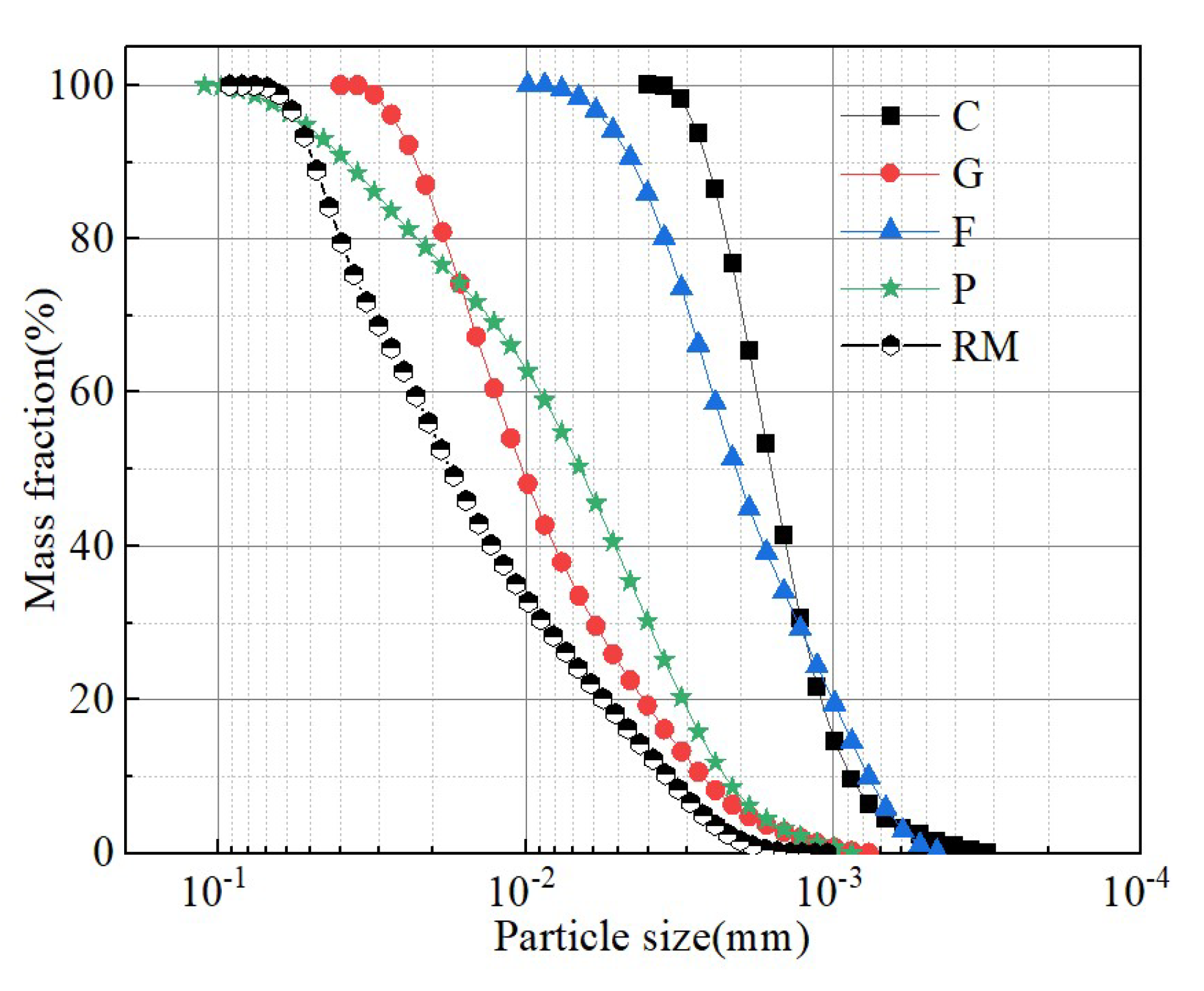
Figure 1. Grading diagram of the materials.
Preprints 145178 g001
Figure 2. Process of test.
Preprints 145178 g002
Figure 3. Relationship between Km and n.
Preprints 145178 g003
Figure 4. Stress-strain curves of solidified red mud with different mixture ratios. (a) as=15%; (b) as=20%; (c) as=25%; (d) as=30%.
Preprints 145178 g004
Figure 5. Relationship between qu and n.
Preprints 145178 g005
Figure 6. Relationship between Kq and n.
Preprints 145178 g006
Figure 7. Relationship between pH and n.
Preprints 145178 g007
Figure 8. Relationship between KpH and n.
Preprints 145178 g008
Figure 9. Relationship between pollutant concentration and Number of Cycles. (a) as=15%; (b) as=20%; (c) as=25%; (d) as=30%.
Preprints 145178 g009aPreprints 145178 g009b
Figure 10. XRD of solidified red mud under freeze-thaw cycle environments.
Preprints 145178 g010
Figure 11. SEM of red mud.
Preprints 145178 g011
Figure 12. SEM-EDS of solidified/stabilized red mud. (a) ×1000; (b) ×5000; (c) ×20000; (d) EDS.
Preprints 145178 g012
Figure 13. SEM-EDS of solidified/stabilized red mud under10 times of freeze-thaw cycle. (a) ×1000; (b) ×5000; (c) ×20000; (d) EDS.
Preprints 145178 g013
Figure 14. FT-IR of solidified/stabilized red mud under10 times of freeze-thaw cycle.
Preprints 145178 g014
Figure 15. Schematic diagram of solidified red mud degradation model in freeze-thaw cycle environments.
Preprints 145178 g015
Table 1. Physical properties of red mud.
Natural moisture content (%) specific gravity Liquid limit (%) Plastic limit (%) Plasticity index
31.9 2.72 37.8 25.2 12.6
Table 2. Chemical composition of red mud (%).
Chemical composition SiO2 Al2O3 Fe2O3 CaO SO3 Na2O TiO2 ZrO2 Other
Percentage 12.66 15.79 36.41 14.98 0.86 9.61 7.34 0.61 1.74
Table 3. Concentration of pollutants in red mud and concentration of water quality standard of groundwater class III (μg/L).
Pollutants Cu Zn Cr Ni As Pb Cd
Red mud 63.7 441.2 30.6 140.0 314.0 418.0 20.6
Water quality standard of groundwater class III 1000 1000 50 20 10 10 5
Table 5. Table of fitted parameters.
Mixing ratio (%) a R2
15 816.4 0.939
20 948.6 0.903
25 512.9 0.934
30 457.7 0.900
Table 6. Table of pH fitting parameter.
Mixing ratio (%) b R2
15 9.93 0.995
20 10.03 0.985
25 10.20 0.999
30 10.39 0.994
Disclaimer/Publisher’s Note: The statements, opinions and data contained in all publications are solely those of the individual author(s) and contributor(s) and not of MDPI and/or the editor(s). MDPI and/or the editor(s) disclaim responsibility for any injury to people or property resulting from any ideas, methods, instructions or products referred to in the content.
Copyright: This open access article is published under a Creative Commons CC BY 4.0 license, which permit the free download, distribution, and reuse, provided that the author and preprint are cited in any reuse.
Prerpints.org logo

Preprints.org is a free preprint server supported by MDPI in Basel, Switzerland.

Subscribe

Disclaimer

Terms of Use

Privacy Policy

Privacy Settings

© 2025 MDPI (Basel, Switzerland) unless otherwise stated