

Submitted:
12 December 2024
Posted:
13 December 2024
You are already at the latest version
Abstract
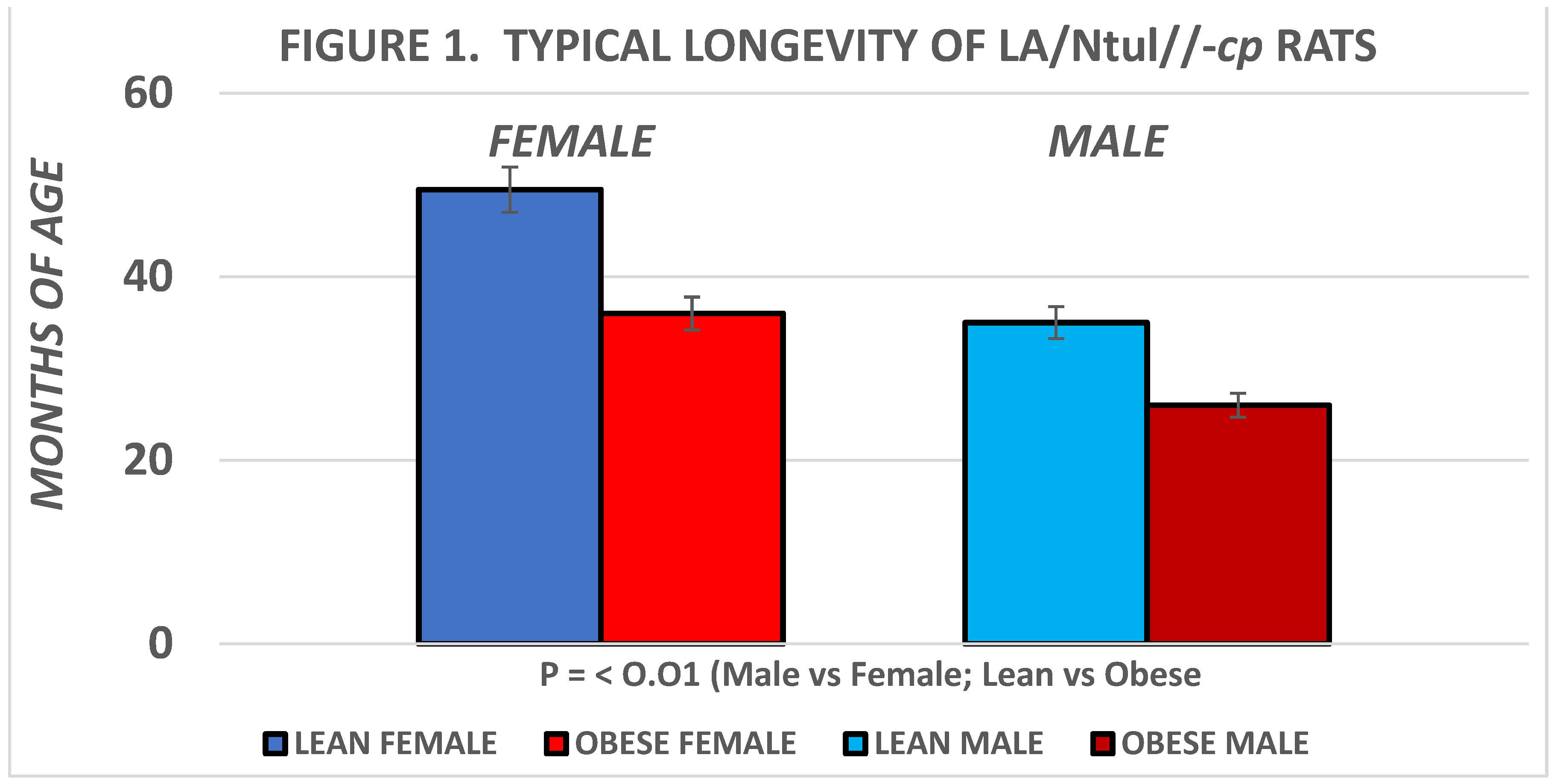
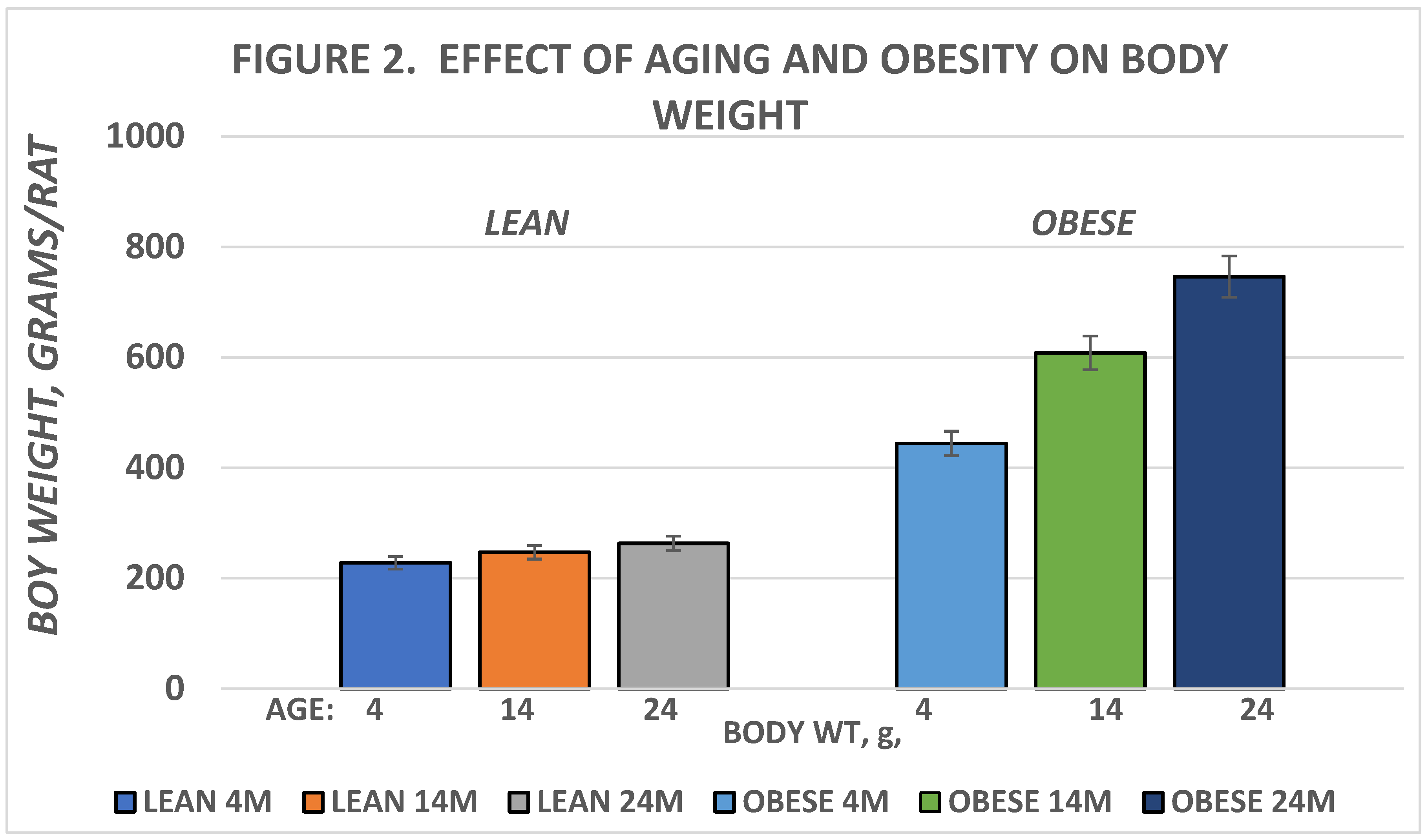
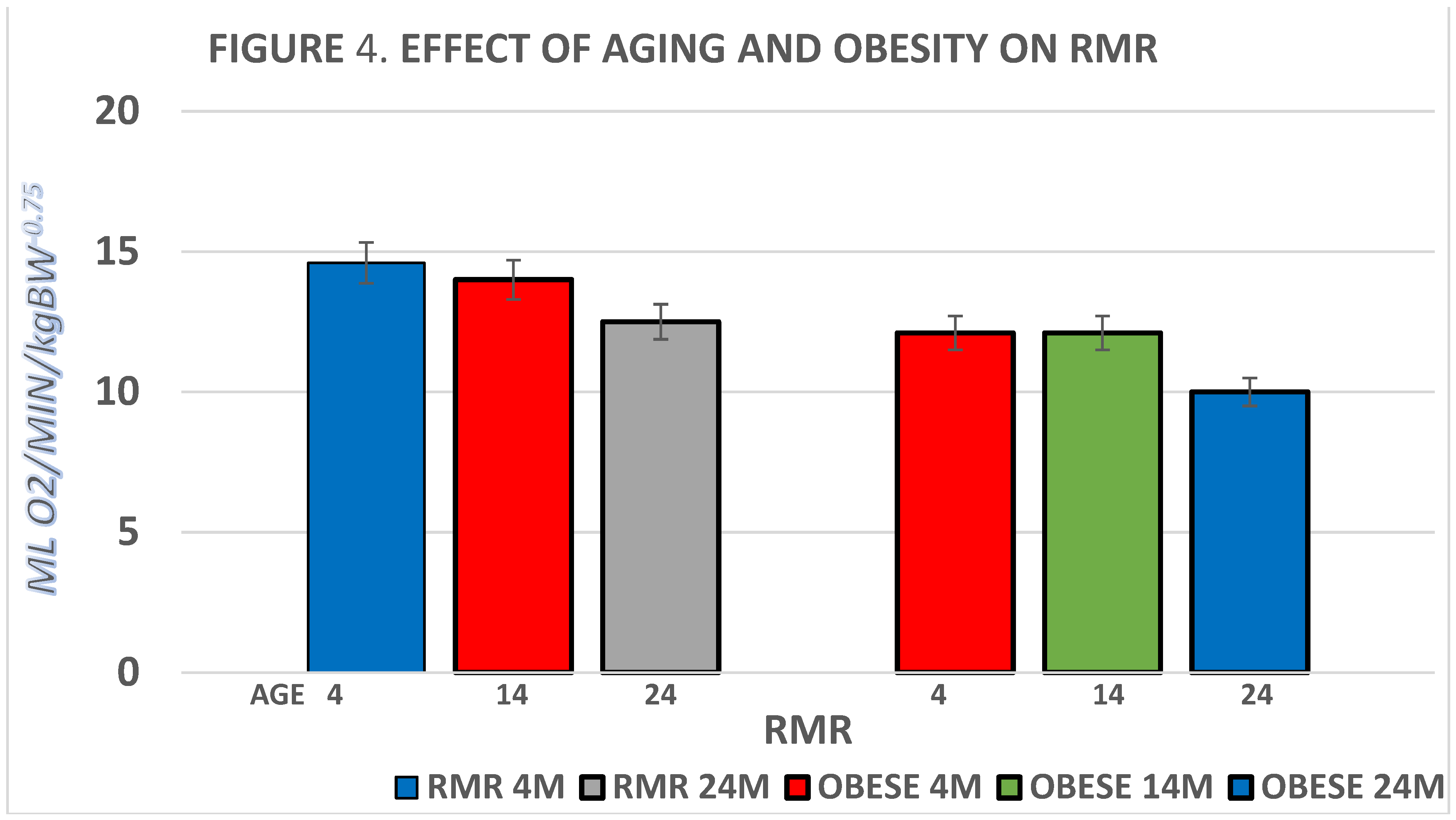
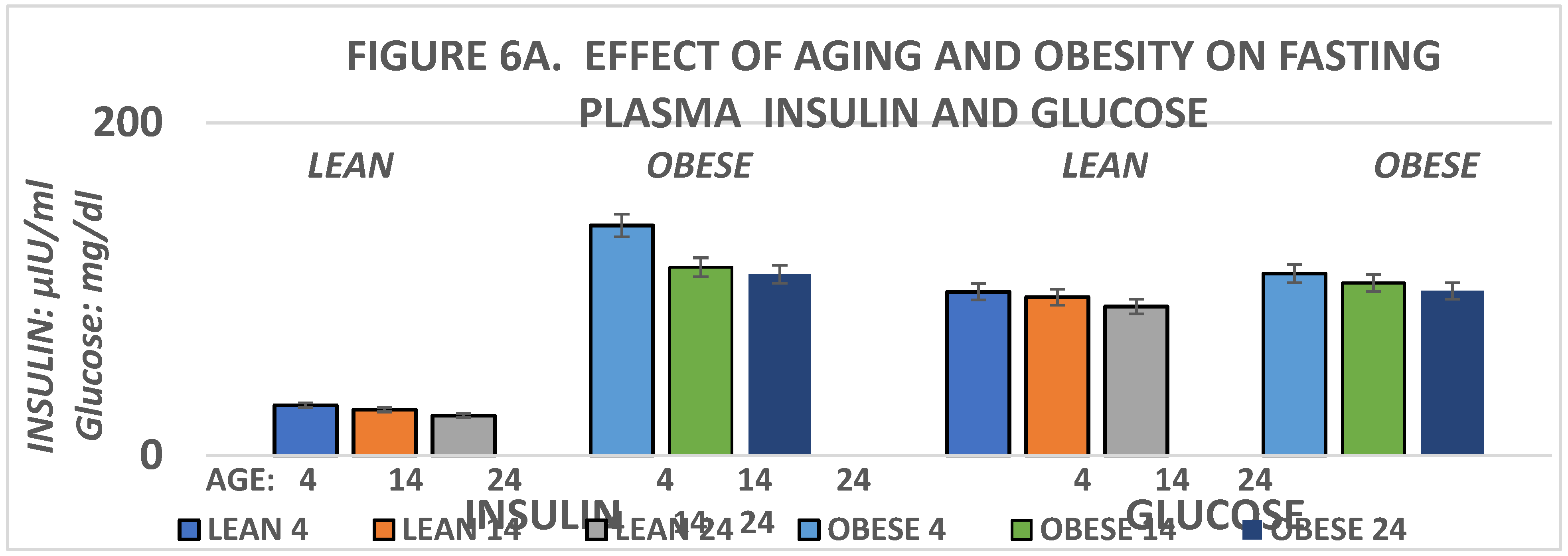
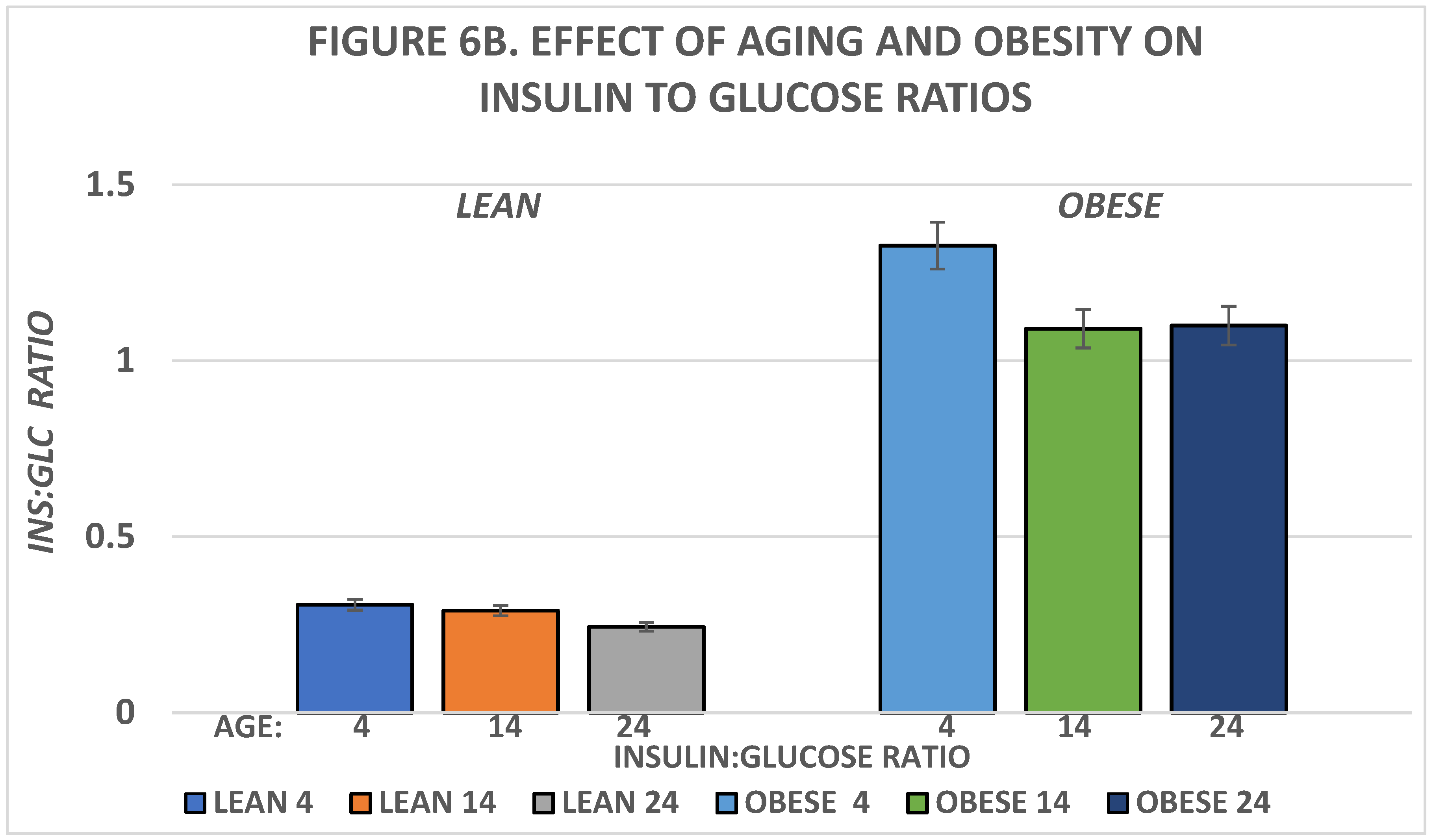
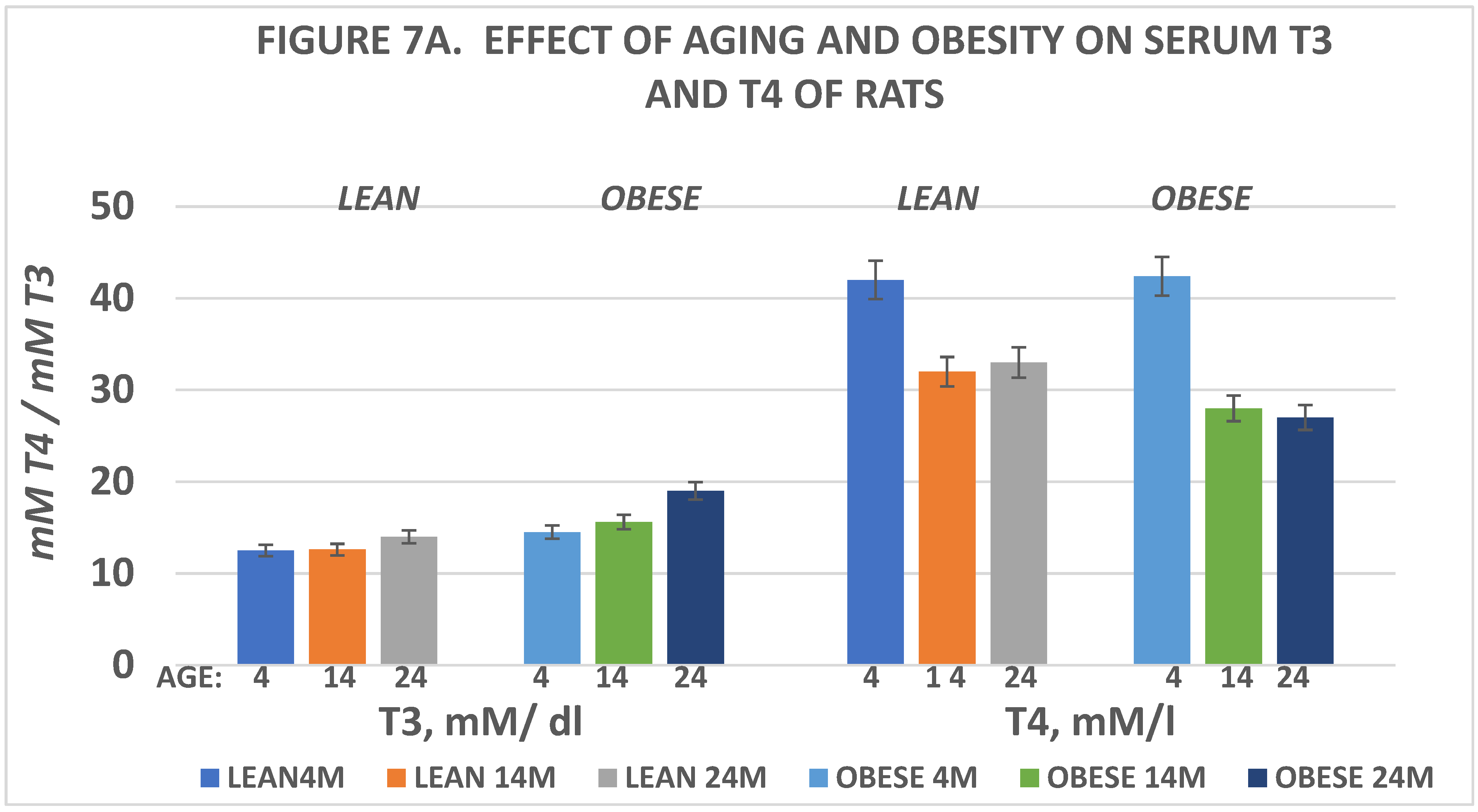
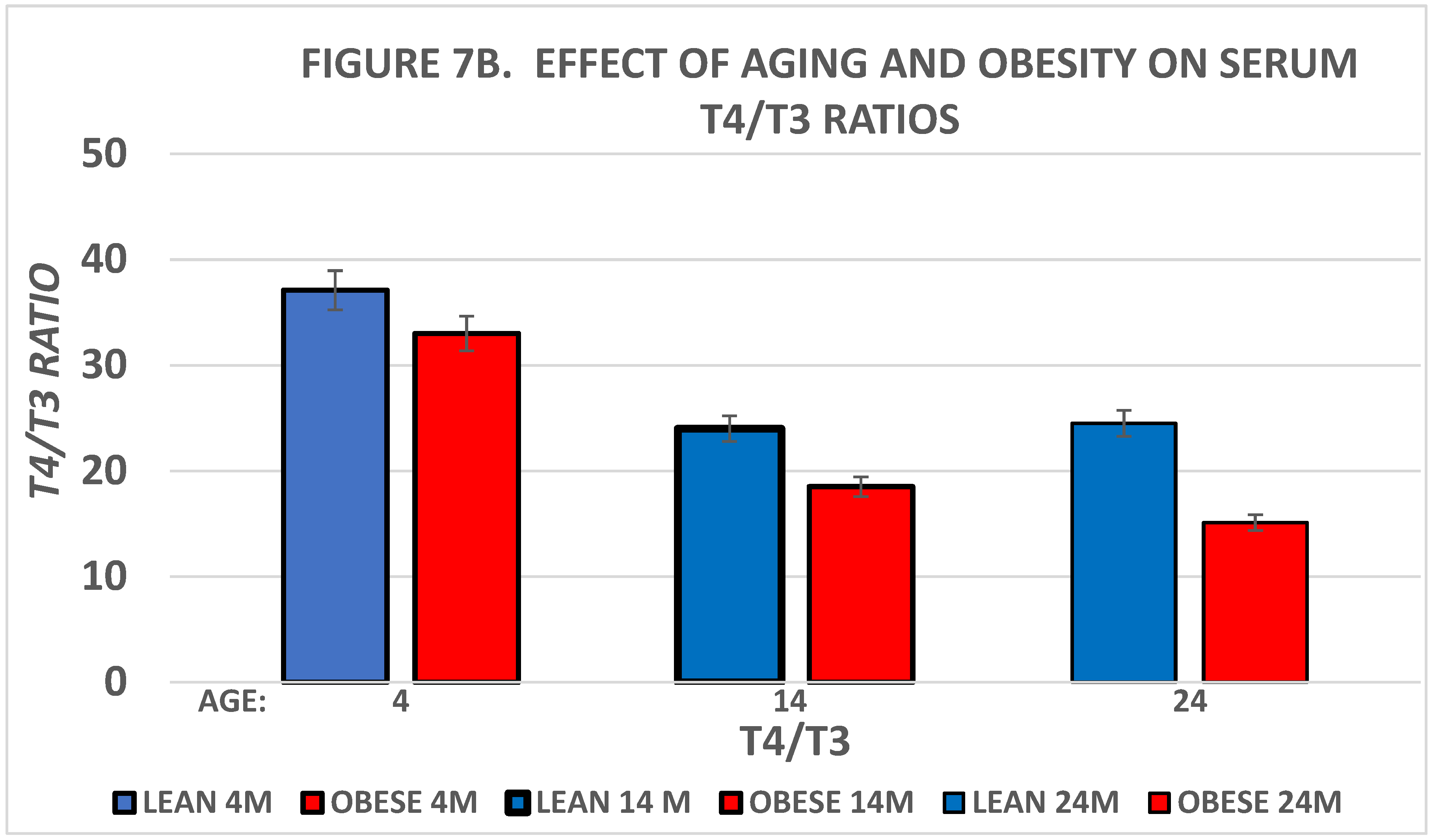
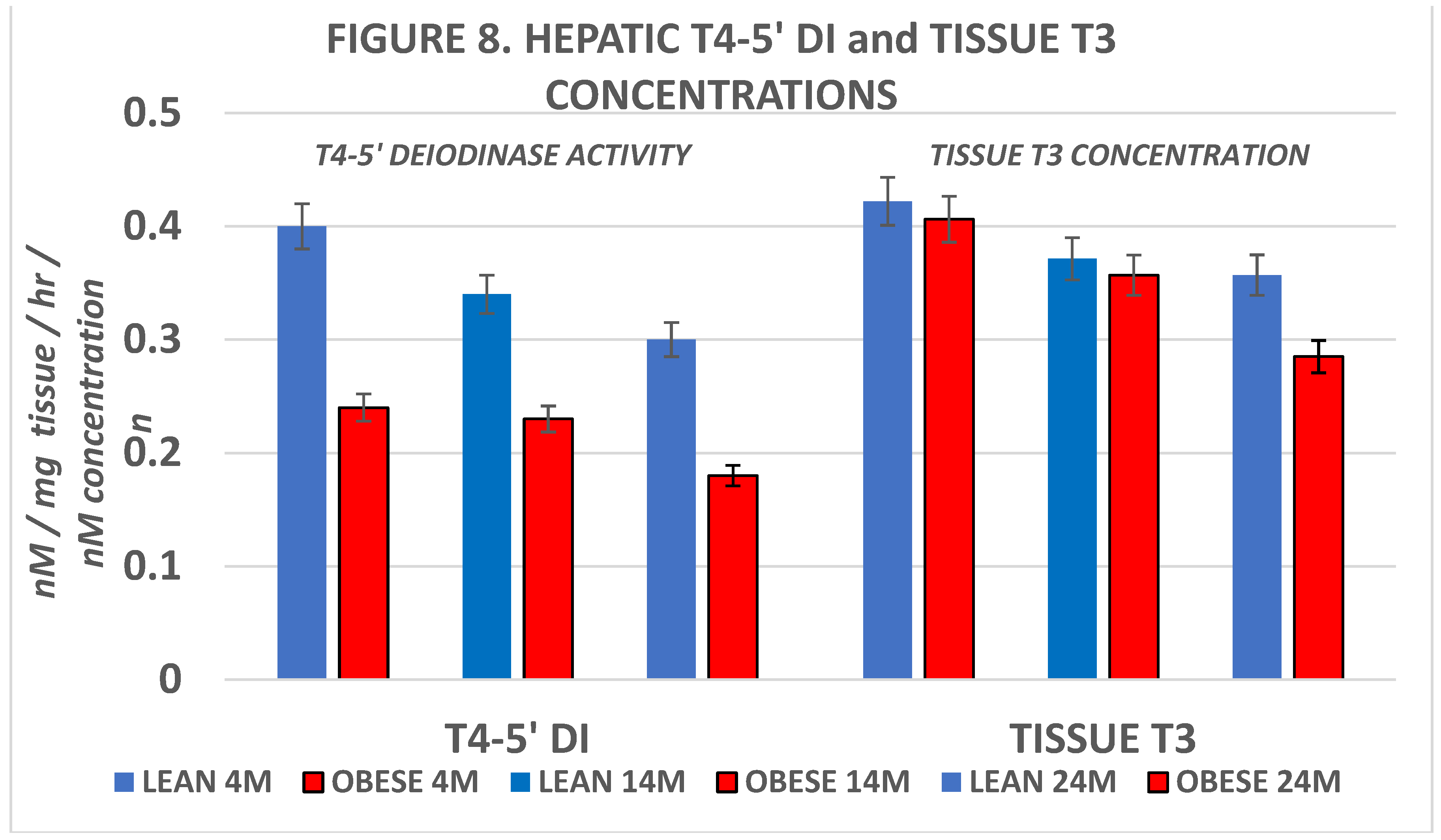
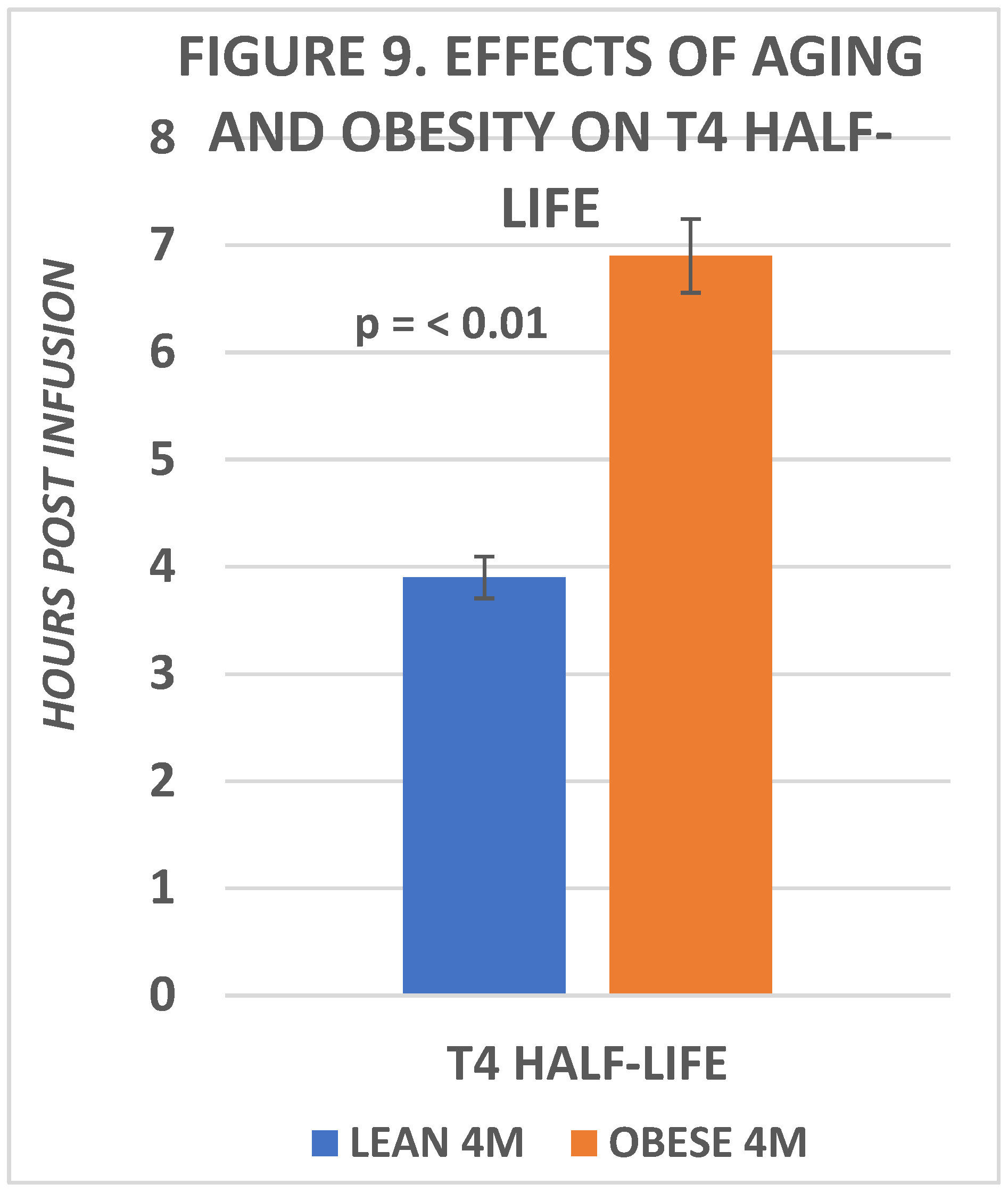
Changes in thyroidal activity occur in aging, where they typically exhibit a U-shaped curve for plasma TSH concentrations, with variable responses in other parameters of thyroidal function and peripheral physiological actions and their pathophysiologic sequelae. The LA/Ntul//-cp rat strain, developed from a cross between a Koletsky Rat and an NIH longevity-prone LA/N strain of unknown origin exhibits one of the longest life spans of the various rodent strains that express a trait for early onset obesity in association with impairments in sympathetic and thyroidal components of non-shivering thermogenesis, insulin resistance and energy metabolism. To determine the effects of aging and obesity from adolescence through much of the projected lifespan of the obese phenotype, groups of congenic lean and obese female LA/Ntul//-cp rats were studied from 4 until 24 months of age. Measures of Resting Metabolic rates (RMR), fasting plasma insulin and glucose, T3, T4, plasma half-life of T4, and computation of T4/T3 ratios were determined as an indication of the capacity for deiodination of T4 to T3 in peripheral tissues and its cumulative effects on RMR. Body weight of obese >>> lean at all ages studied. Plasma Insulin was significantly elevated in the obese phenotype, and decreased with advancing age, while plasma glucose remained within the normal fasting range in all rats of both phenotypes. RMR of lean > obese at all ages studied and decreased with advancing age in both phenotypes. Liver T4-5’ deiodinase activity of lean > obese at all ages studied. Plasma T4/T3 ratios decreased with aging in both phenotypes, with the greatest decrease in the obese phenotype. The T1/2 of 131I-T4 was over 40 % longer in the obese phenotype littermates at 4 months of age (p=< 0.01).These results suggest that conversion of T4 to T3 in peripheral tissues in association with attenuation of hyperinsulinemia contributes to decreases in RMR with aging and is further decreased in the obese phenotype, thereby decreasing the quantifiable availability of tissue T3 mass for thyroidal actions at the genomic level, including decreases in harmful reactive oxygen species (ROS) and other entities as products of intermediary metabolism. Thus, the progressive decreases in plasma insulin and deiodination-mediated activation of T4 may represent a longevity attribute via decreases in resting metabolic rates, and in an associated attenuation of free radical generation and other metabolic factors of aging and longevity in this strain.
Keywords:
INTRODUCTION
METHODS
RESULTS
DISCUSSION
SUMMARY AND CONCLUSIONS
ACKNOWLEDGEMENTS
USE of AI
References
- Taylor, PN., Taylor, PN, Lansdowne, A, Witczak, J, Khan, R, Rees, A, Dayan, C M, and Okosieme, O. Age-related variation in thyroid function – a narrative review highlighting important implications for research and clinical practice. Thyroid Res 2023 April2; 16:7, pp1-36. [CrossRef] [PubMed] [PubMed Central]
- Tulp, O.L., Obidi, O F, Oyesile, TC, Sainvil, F, Branly, R, Sciranka, A., Rizvi, SAA, Awan, A., Anderson, ME and Einstein, G P. Subclinical hypothyroidism in obesity: Review of molecular evidence for impaired thyroid hormone receptor affinity from animal studies. African J. of Int Med 2024 ISSN: 2326-7283 Vol 10(1): 001-004. www.international scholarjournals.org.
- Danforth, E Jr. Hormonal control of thermogenesis. Life Sci. 28:1821-1827. 1981.
- Gavin, L.A., McMahon F.A., and Moeller, M. The mechanism of impaired T3 production in diabetes. Diabetes 1981. 30:694-699. [CrossRef]
- Kleiber, M. The fire of life: an introduction to animal energetics. Wiley Pubs, NY, USA. 1975.
- Wang, ZM, Zhang, J., Ying, Z, and Heymsfield, SB. Organ-Tissue Level Model of Resting Energy Expenditure Across Mammals: New Insights into Kleiber's Law. Int Scholarly Research Network, IBSN Zoology. Vol 2012: Art ID 673050. [CrossRef]
- Anyetei, C.S., Roggero, V.R., and Allison, L.A.. Thyroid hormone receptor localization in target tissues. J. Endocrinol. 2018 Apr; 237(1): R19–R34. NIHMSID: NIHMS944236. [CrossRef] [PubMed] [PubMed Central]
- Danforth, E., Burger, A.G., Wimpfheimer, C. (1978). Nutritionally-Induced Alterations in Thyroid Hormone Metabolism and Thermogenesis. In: Girardier, L., Seydoux, J. (eds) Effectors of Thermogenesis. Experientia Supplementum, vol 32. Birkhäuser, Basel. [CrossRef]
- World Health Organization, Obesity and Overweight, 9 June 2021. https://www.who.int/news-room/fact-sheets/detail/obesity-and-overweight.
- Kelly, T., Wang, W., Chen, C.S. et al. Global burden of obesity in 2005 and projections to 2030. Int J Obes (London). 2008.32(9):1431-1437. [CrossRef]
- Tulp, OL, Frantz Sainvil, Rolando Branly, Michael Anderson, and George P Einstein. Metabolic contributions to subclinical hypothyroidism: does dysregulation of thyroid hormone receptor affinity play a role? AJCIM 4(1) 152-156. (2023). [CrossRef]
- Shrivastava, S., Prakash, J. and Jha, R.K.. To study thyroid dysfunction in patients with metabolic syndrome. IJAR 12(09). 639-644. 2024. [CrossRef]
- Reaven, GM. Syndrome X: A Short History. Ochsner J. 2001 Jul; 1993. 3(3): 124–125. [PubMed Central]
- Anderson, M.E, and Tulp, O.L. The Effects of High Dietary Fructose Consumption on the Development of Gout MOJPH 2023:4(1). 1019 PP1-9. [CrossRef]
- Carter, Su-C., Okamoto, K. Effect of insulin and glucocorticoids on glucose transporters in rat adipocytes. Am J Physiol 1987. 252(4) E441-E453. [CrossRef]
- Kahn, S.E., Hull, R.L and Utzschneider, K.M. Adiposity and Insulin Resistance: Mechanisms linking obesity to insulin Resistance and type 2 diabetes. Nature vol 444, pp 840–846 (2006). [CrossRef]
- Tulp, OL. Characteristics of thermogenesis, obesity, and longevity in the LA/Ntul//-cp rat. ILAR J 32:32-39. [CrossRef]
- Greenhouse, DD. New Models of genetically obese rats for studies of diabetes, heart disease, and complications of obesity. ILAR J 1990;32(3):1-3.
- Hansen, C.T. The development of the SHR/N and LA/N-cp rat strains. In: New models of genetically obese rats for studies in diabetes, heart disease, and complications of obesity. NIH publication, Division of Research Services, Veterinary Resources Branch, NIH, Bethesda MD USA 1988, pp 7-10.
- Tulp, OL, Awan, AR and Einstein, GP. Treatment with α-methylparatyrosine inhibits sympathetic but not thyroidal responses to diet induced thermogenesis in lean cafeteria overfed rats. Curr Trends in Toxicicol Pharma Res 2022:2(1): 1-6. [CrossRef]
- Tulp, O.L. Estimation of the Sympathetic and Thyroidal Partitions to Diet Induced Thermogenesis in the Rat In: New Advances in Medicine and Medical Science Vol. 3, 1 June 2023 , pp 53-66. Published: 2023-06-01. [CrossRef]
- Tatelman, H.M., Tyzbir,R.S., and Tulp, O.L.. Effects of overfeeding on brown adipose tissue (BAT) and liver mitochondrial metabolism and shuttle activity in adult rats. Fed. Proc. 40(3):871, 1981 (Abst no. 3643).
- Cannon, B and Nedergaard, J. Brown Adipose Tissue: Function and Physiological Significance. Physiol Rev 84: 277–359, 2004; 10.1152. [CrossRef]
- Himms-Hagen, J. Thermogenesis in brown adipose tissue as an energy buffer: Implications for obesity N Engl J Med . 1984 Dec 13;311(24):1549-58. [CrossRef] [PubMed]
- Marette, A, Atgie, C, Liu, Z., Bukowiecki, J. and Klip, A. Differential regulation of GLUT1 and GLUT4 glucose transporters in skeletal muscle of a new model of Type II diabetes. Diabetes 42:1195-12:1 1993. [CrossRef]
- Vedula, U, Schnitzer-Polokoff, R and Tulp, O L. The effect of acarbose on the food intake, weight gain, and adiposity in LA/Ntul//-cp rats. Comp Biochem Physiol A> 1991:100:477-482. 1991. [CrossRef]
- Tulp, O.L., Hansen, C.T., McKee, K, and Michaelis OE IV. Effects of diet and phenotype on adipose cellularity and 5’-deiodinase activity of liver and brown adipose tissue of diabetic SHR/N-cp rats. Comp Biochem Physiol Part A: Physiology 99(3), pp 457-462. 1991. [CrossRef]
- Tulp, O.L., Paz Nava, M., Black, D.E. and Young, N.L. Genetic determinants of T3 receptor affinity and thermogenesis in LA/Ntul//-cp rats. Proceedings, XV International Congress of Nutrition, IUNS, p 481, 179A.1983.
- Grabowska, W., Sikora, E and Bielak-Zmijewska, A. Sirtuins, a promising target in slowing down the ageing process. Biogerontology. 2017 Mar 3;18(4):447–476. [CrossRef]
- Cordeiro, A., Lopes de Souza, L., Oliveira, LS, Faustino, LC., Santiago, L., Bloise, FF., Ortiga-Carvalho, TM., Aparecida dos Santos Almeida, N. and Pazos-Moura, C.C. Thyroid hormone regulation of Sirtuin 1 expression and implications to integrated responses in fasted mice. Journal of Endocrinology (2013) 216, 181–19. [CrossRef]
- Boily G., Seifert E.L., Bevilacqua L., He X.H., Sabourin G., Estey C., Moffat C., Crawford S., Saliba S., Jardine K., Xuan J., Evans M., Harper M.E., McBurney M.W. 2008. SirT1 regulates energy metabolism and response to caloric restriction in mice. PLoS One. 3:e1759. [CrossRef]
- Feige J.N., Lagouge M., Canto C., Strehle A., Houten S.M., Milne J.C., Lambert P.D., Mataki C., Elliott P.J., Auwerx J. 2008. Specific SIRT1 activation mimics low energy levels and protects against diet-induced metabolic disorders by enhancing fat oxidation. Cell Metab. 8:347–358. [CrossRef]
- Fulco M., Cen Y., Zhao P., Hoffman E.P., McBurney M.W., Sauve A.A., Sartorelli V. 2008. Glucose restriction inhibits skeletal myoblast differentiation by activating SIRT1 through AMPK-mediated regulation of Nampt. Dev. Cell. 14:661–673. [CrossRef]
- Cantó C., Auwerx J. 2009. Caloric restriction, SIRT1 and longevity. Trends Endocrinol. Metab. 20:325–331. [CrossRef]
- Gonzalo S., Jaco I., Fraga M.F., Chen T., Li E., Esteller M., Blasco M.A. 2006. DNA methyltransferases control telomere length and telomere recombination in mammalian cells. Nat. Cell Biol. 8:416–424. [CrossRef]
- Chan S.R., Blackburn E.H. 2004. Telomeres and Telomerase. Philos. Trans. R. Soc. Lond. B Biol. Sci. 359:109–121. [CrossRef]
- Jose A Palacios 1, Daniel Herranz 2, Maria Luigia De Bonis 1,3, Susana Velasco 2, Manuel Serrano 2, Maria A Blasco SIRT1 contributes to telomere maintenance and augments global homologous recombination J Cell Biol. 2010 Dec 27;191(7):1299–1313. [CrossRef] [PubMed] [PubMed Central]
- Cawthon R.M., Smith K.R., O’Brien E., Sivatchenko A., Kerber R.A. 2003. Association between telomere length in blood and mortality in people aged 60 years or older. Lancet. 361:393–395. [CrossRef]
- Herranz D., Muñoz-Martin M., Cañamero M., Mulero F., Martinez-Pastor B., Fernandez-Capetillo O., Serrano M. 2010. Sirt1 improves healthy ageing and protects from metabolic syndrome-associated cancer syndrome. Nat. Commun. 1:1–8. [CrossRef]
- Fan, W and Luo , J. SIRT1 regulates UV-induced DNA repair through deacetylating XPA. J Mol Cell. 2010 Jul 30;39(2):247-58. [CrossRef] [PubMed]
- Tulp, OL. Effects of aging, phenotype, and carbohydrate feeding on caloric efficiency and adiposity in the LA/Ntul//-cp rat. Adv Obes Weight Control Manag. 2021:11(1):5-11. TWO. [CrossRef]
- Nie, N., Hull, C.H., Jenkins, K., Sternbrunner, K and Bent, D. Statistical Package for the Social Sciences, 2nd Ed., NY: McGraw Hill.
- Page, E.B. Ordered Hypothesis for Multiple Treatments: A significance Test for Linear Ranks. J. Amer Stat Assn;1963:58(301), 216-230.
- Tulp, O.L. Decreased Peripheral Thyroxine (T4) 5’ deiodinase activity: The Thrifty Gene of Survival And Obesity ?”, Invited lecture, Plenary Session, Proceedings, 11th Interamerican Conference on Health Education, Mexico City, Mexico, November 8, 1984.
- Tulp, OL. Impaired Thyroid hormone receptor-mediated actions and obesity in the congenic LA/Ntul//-cp rat Global Congress on Endocrinology, Madrid Spain 18-19 April, 2024.
- Tulp, O. L. (2023). Biometry, Adiposity and Mechanism of Protein Sparing Growth in Congenic Preobese LA/Ntul//-cp rats. British Journal of Healthcare and Medical Research, Vol - 10(3). 364-374. [CrossRef]
- Sabatino, L., Vassalle, C., Del Seppia, C., and Iervasi, G. Deiodinases and the Three Types of Thyroid Hormone Deiodination Reactions. Endocrinol Metab (Seoul).vol 36(5): 952–964. 2021. [CrossRef]
- Tulp OL, Einstein GP. Review: Obesity and its associated inflammatory cytokines pose significant risk factors for COVID-19 outcomes. Advances in Obesity, Weight Management and Control. 2022;12(1):14‒20. [CrossRef]
Disclaimer/Publisher’s Note: The statements, opinions and data contained in all publications are solely those of the individual author(s) and contributor(s) and not of MDPI and/or the editor(s). MDPI and/or the editor(s) disclaim responsibility for any injury to people or property resulting from any ideas, methods, instructions or products referred to in the content. |
© 2024 by the authors. Licensee MDPI, Basel, Switzerland. This article is an open access article distributed under the terms and conditions of the Creative Commons Attribution (CC BY) license (http://creativecommons.org/licenses/by/4.0/).