

Submitted:
01 May 2024
Posted:
02 May 2024
You are already at the latest version
Abstract
In recent years, there has been a growing interest in the use of medicinal plants and phytochemicals as potential treatments for acne vulgaris. This condition, characterized by chronic inflammation, predominantly affects adolescents and young adults. Conventional treatment typically targets the key factors contributing to its development: the proliferation of Cutibacterium acnes and the associated inflammation. However, these treatments often involve the use of potent drugs. As a result, the exploration of herbal medicine as a complementary approach has emerged as a promising strategy. By harnessing the therapeutic properties of medicinal plants and phytochemicals, it may be possible to address acne vulgaris while minimizing the reliance on strong drugs. This approach not only offers potential benefits for individuals seeking alternative treatments but also underscores the importance of natural remedies in dermatological care. The primary aim of this study was to assess the antimicrobial, antioxidant, and anti-inflammatory properties of plants and their phytochemical constituents in the management of mild acne vulgaris. A comprehensive search of scientific databases was conducted from 2018 to September 2023. The findings of this review suggest that medicinal plants and their phytochemical components hold promise as treatments for mild acne vulgaris. However, it is crucial to note that further research employing high-quality evidence and standardized methodologies is essential to substantiate their efficacy and safety profiles.
Keywords:
mild acne vulgaris
; bioactive compounds
; plant extracts
; phytochemicals
; skin diseases
; natural products
; alternative medicine
; adjuvants
1. Introduction
Acne vulgaris (AV) is a common skin disease that mainly affects adolescents and young adults, particularly males. The causes of this disorder are strongly associated with particular factors, including bacterial colonization and inflammation. The main clinical manifestations of AV are non-inflammatory and inflammatory lesions, which occur primarily on the face, neck, trunk, and back [1]. This long-term skin condition is in most cases mild and not considered self-limiting. However, it can have a major impact on individuals’ quality of life and is often associated with the development of psychological disorders [2]. In addition to bacterial infection and inflammatory state, AV is characterized by hyperplasia of sebaceous glands with overproduction of sebum and hyperkeratinization of the sebaceous ducts. Hormonal changes, especially during puberty, with the associated increase in androgen levels, are also considered triggers of the condition [3]. Bacterial colonization and proliferation, mainly by Cutibacterium acnes (formerly known as Propionibacterium acnes), an anaerobic Gram-positive commensal bacterium, stimulates inflammatory and immune responses. Virulence factors released by this bacterium include lipases, proteases and hyaluronidases, as well as porphyrins, which can generate reactive oxygen species (ROS) and stimulate the production of chemokines and prostaglandins by keratinocytes [4].
Multiple mechanisms have been proposed to elucidate how C. acnes exacerbates acne conditions, as illustrated in Figure 1. C. acnes contributes to comedogenesis by producing oxidized squalene and free fatty acids, resulting in qualitative alteration in sebum. In addition, it activates the IGF-1/IGF-1 receptor signaling pathway, increasing filaggrin expression, upregulating integrin-α3, -α6, and vβ6 levels, and influencing keratinocyte proliferation and differentiation, ultimately culminating in comedone formation. C. acnes triggers and exacerbates inflammation by also activating Toll-like receptors (specifically TLR-2 and TLR-4) on keratinocytes, causing activation of MAPK and NF-κB pathways. Subsequently, keratinocytes produce interleukins (IL)-1, IL-6, IL-8, tumor necrosis factor-α (TNF-α), granulocyte-macrophage colony-stimulating factor, human β-defensin-2 and matrix metalloproteinases. Additionally, the surface antigen CD-36 recognizes C. acnes, inducing the production of reactive oxygen species (ROS) by keratinocytes, which eliminate bacteria and induce inflammation. Sebocytes are also involved in the inflammatory response: sebocytes TLR-2 recognize C. acnes and activate the NF-κB pathway, thus promoting inflammation. C. acnes cab be also recognized by TLR-2 expressed on monocyte/macrophage lineage cells, causing production of the inflammatory cytokines IL-8 and IL-12. Additionally, C. acnes stimulates caspase-1 and NLRP3 inflammasome gene expression in monocytes, leading to an excess of IL-1 production. C. acnes also exhibits T cell mitogenic activity, with an induced adaptive immune response involving CD4+ T lymphocytes, particularly T helper (Th)1 and Th17 cells. This leads to the secretion of IL-6, IL-1 and transforming growth factor-β (TGF-β) from peripheral blood mononuclear cells, promoting the differentiation of naive CD4+CD45RA T lymphocytes into Th1 and Th17 cells. As a result, Th effector cytokines, such as IL-17 and interferon-γ, are upregulated [3,5].
According to European guidelines, topical agents are recommended for mild AV; treatment includes retinoids, benzoyl peroxide, azelaic acid, and antibiotics. Retinoids reduce sebum production and normalize epithelial desquamation, as well as having anti-inflammatory activity. Benzoyl peroxide has antibacterial and anti-inflammatory activities and exhibits mild comedolytic activity. Similarly, azelaic acid has antimicrobial, anti-inflammatory, and comedolytic properties and does not give rise to bacterial resistance [6].
Although several therapeutic options exist for topical treatment of mild acne, side effects, insufficient response to therapy, and high costs of some drugs are prompting the scientific community to seek alternative and complementary therapies, particularly those of natural origin [7]. Considering the need to develop alternative therapies for the treatment of AV and taking into account also the mechanisms by which the bacterium carries out its action, numerous studies that have successfully tested medicinal plants and phytochemicals in the treatment of mild AV have emerged; this motivated the writing of this review. In particular, this study focused on reviewing phytotherapy studies conducted in the past 5 years that have significant mild anti-acne potential.
2. Results
2.1. Search Strategy and Inclusion and Exclusion Criteria
- Tree electronic databases (PubMed, Web of Science, and Scopus) were searched from 2018 to September 2023
- The search strategy used for PubMed functioned as an indication for the search strategies in other databases
- The research included the term “acne vulgaris' ' combined with the terms “plants, “extracts,' clinical trial ' using boolean operator tools AND, OR, NOT, studies not included clinical trials
- Overall, 89 articles were found as a result of the search
- A total of 35 studies were considered relevant by us and therefore included in this review
- In these 35 selected studies, the efficacy of herbal medicine in the treatment of AV was evaluated by considering in vitro and ex vivo experiments
In this review, we discussed and reported the main bioactive compounds from natural sources that have shown significant beneficial effects in the treatment of mild AV, highlighting potential mechanisms of action where identified. Studies have mainly considered extracts from natural products and, on some occasions, essential oils (EOs). Their biological activities were tested on different cell lines, mainly keratinocytes, fibroblasts, monocytes, and sebocytes; moreover, cytotoxicity was evaluated to demonstrate the safety of the samples. The antimicrobial activity has often been tested not only on C. acnes but also on other bacterial strains such as S. aureus and S. epidermidis that may significantly contribute to the pathogenesis of AV [8].
Considering the results of these studies and the reliability of the experimental evidence presented, we can state that the botanical species with anti-acne medicinal properties are varied and with different characteristics. The most active natural component is characterized in most cases by a phenolic structure responsible for antioxidant action. However, other molecules have also shown efficacy in anti-acne treatment, especially considering the effects, for example, anti-lipase, anti-tyrosinase, anti-inflammatory, associated with the virulence factors released by the pathogen [4].
Through this review, it was possible to ascertain that a total of 40 medicinal plant species belonging to 25 families (mostly Lamiaceae, Anacardiaceae, Poaceae, Rosaceae but also Apiaceae, Asteraceae, Brassicaceae, Cannabaceae, Caprifoliaceae, Celastraceae, Cistaceae, Fagaceae, Hamamelidaceae, Lauraceae, Meliaceae, Myrtaceae, Musaceae, Papaveraceae, Rubiaceae, Salicaceae, Sapindaceae, Smilacaceae, Theaceae, Urticaceae, Zingiberaceae) have demonstrated an important role in the treatment of AV due to their multiple biological properties.
3. Families and Study
3.1. Lamiaceae
The Lamiaceae are one of the largest families of flowering plants comprising approximately 250 genera and over 7,000 species. Most of the plants in this family are aromatic and are therefore sources of EOs. These plants are widely used as cooking herbs and as medicinal plants in various folk traditions. In the Mediterranean area, oregano, sage, rosemary, thyme and lavender stand out for their geographical spread and variety of uses [9]. Several widely distributed plants are also part of this family, including: Callicarpa americana L., a shrub native to the American Southeast used in traditional medicine, characterized by the presence of biologically active terpenoids ([10]; Plectranthus madagascariensis (Pers.) Benth., a species of aromatic plant indigenous to South Africa traditionally used for the treatment of various dermatological and respiratory ailments. The most interesting varieties are Plectranthus aliciae (Codd) van Jaarsv. & T.J. Edwards, Plectranthus ramosior (Benth.) van Jaarsv. and Plectranthus madagascariensis (Pers.) Benth var. madagascariensis, rich in iridoids and iridoid glycosides, phenylpropanoid glycosides, organic acids, volatile oils, terpenoids, saccharides, flavonoids, sterols, and saponins ([11,12]; Scutellaria baicalensis Georgi, which in China still plays an important role in traditional medicine with functions of clearing away heat and dampness, purging fire and detoxification. This medicinal plant rich in flavonoids, terpenoids, volatile oils and polysaccharides is widely distributed in Russia, Mongolia, North Korea and Japan, as well as in China [13].
Chuang L.-T. et al. (2018) demonstrated that ethanolic extracts of Origanum vulgare L. leaves rich in phenolic compounds exert anti-inflammatory effects in human THP-1 monocytes by suppressing production and over-expression of pro-inflammatory IL-8, IL-1β, and TNF-α, in part by blocking the TLR2-mediated NF-κB signaling pathway. Moreover, these extracts significantly suppressed C. acnes -induced skin inflammation (expressed as ear thickness and biopsy weight) in in vivo mouse ear edema models. Four major compounds were identified as responsible for the aforementioned biological activities, namely rosmarinic acid, quercetin, apigenin and carvacrol [14] (Figure 2).
Taleb M.H. et al. (2018) assessed the potential anti-acne activity of selected EOs obtained from plants used in Mediterranean folk medicine by testing their antimicrobial activity against C. acnes and S. epidermidis. The most effective EOs were obtained from plants of the Lamiaceae family, i.e., oregano and thyme (Thymus vulgaris L.). In both species, the most active and abundant component was identified in the monoterpenoid phenol derivative thymol which showed low MIC (0.70 mg/mL) and MBC (1.40-2.80 mg/mL) values against both bacterial strains. Oregano EO was also formulated and tested as a nanoemulsion in an in vivo acne murine model showing higher efficacy than the reference antibiotic (erythromycin) [15]. An equatable study was carry out more recently by Abdelhamed F.M. et al. (2022), in which five EOs (extracted specifically from tea tree, clove, thyme, mentha, and basil) were taken into analysis and tested for their antimicrobial activities in vitro and, as nanoemulsion, for anti-inflammatory properties in vivo, using the same bacterial strains and mouse model, respectively. In this study, thyme EO, rich in (poly)phenols and terpenoids, proved to be the most effective extract. The in vitro studies displayed its remarkable antimicrobial and antibiofilm activity. Furthermore, thyme EO has been shown to affect cell membrane permeability/integrity (leakage of K+ ions and nucleic acids) and induce morphological changes in both bacterial species. The in vivo experiments evidenced that thyme EO nanoemulsion suppresses the inflammatory response in acne mouse models, decreasing bacterial load and healing ear skin [16].
Oliveira A.S. et al. (2022) studied Thymus × citriodorus (Pers.) Schreb. (TC) (also lemon thyme or citrus thyme), an interspecific hybrid between Thymus pulegioides L. and Thymus vulgaris L. known for its use in folk medicine as a seboregulator with anti-acne effects. In detail, the authors evaluated the anti-acne potential of two TC preparations, EO and hydrolate. The main bioactive compounds present in EO were the monoterpenoids geraniol, followed by eucalyptol (1,8-cineole) and thymol; for hydrolate, the main constituents were also monoterpenoids, namely eucalyptol, followed by linalool and geraniol (Figure 3). EO showed direct antimicrobial activity for C. acnes and S. epidermidis, whereas hydrolate revealed visual MIC only for C. acnes. EO was also effective in preventing biofilm formation and disrupting preformed biofilms even at sub-inhibitory concentrations. In contrast, TC hydrolate showed modest anti-biofilm effects. Regarding the anti-inflammatory activity profile, both TC preparations were able to inhibit NO production at non-cytotoxic concentrations in lipopolysaccharide (LPS)-stimulated mouse macrophages, while showing no NO or ROS scavenging capacity. Hydrolate also showed superior biocompatibility compared to EO assessed using Daphnia magna acute toxicity assay [17].
Pineau R.M. et al. (2019) showed that Callicarpa americana L. ethanol leaf extracts and EOs exhibit antimicrobial, anti-inflammatory and antioxidant activity. The evaluation of the antiproliferative activity of fractions of the extract isolated by flash chromatography (LC-FTMS ESI-positive mode analysis) against a panel of 10 distinct C. acnes isolates brought about MIC and IC50 values in the range 16–32 μg/mL and 4–32 μg/mL, respectively. Noteworthy, the same fractions displayed remarkable selectivity index (up to > 128) evaluated against human adult keratinocytes (HaCaT cells). In these extracts were identified flavonoids such as genkwanin, 5-hydroxy-7,4′-dimethoxyflavone (i.e., genkwanin 4'-methyl ether), and luteolin (Figure 4). The leaf EO contained lipids [e.g., (E)-2-hexenal and 1-octen-3-ol], monoterpenoids (i.e., nopinone, α-pinene, and β-pinene), sesquiterpenoids (i.e., α-cadinol, caryophyllene oxide, 7-epi-α-eudesmol, α-humulene, humulene epoxide II, intermedeol, khusinol, valencene, α-selinene, and 7-epi-α-selinene), and triterpenoids (e.g., euscaphic acid) (Figure 5) [10].
Zhu X. et al. (2020) proved that the flavonoid wogonin present in Scutellaria baicalensis Georgi extracts exerts better anti-acne effects than its glycoside wogonoside (wogonin 7-glucuronide) (Figure 6) in inhibiting the up-regulation of IL-1β and IL-8 levels caused by C. acnes through inactivation of MAPK and NF-κB signaling pathways. Next, they devised an eco-friendly strategy, namely fermentation of plant extracts by the symbiotic fungus Penicillium decumbens f3-1, to convert the glycoside into its aglycone (conversion rate = 91% in 4 days). In contrast, no significant anti-acne potential (IL-1β inhibition rate < 50%) was detected for the second most abundant flavonoid in the extracts and its glycoside, namely baicalein and baicalin [18].
3.2. Anacardiaceae
The Anacardiaceae are a plant family (also known as the cashew family) that includes several species of high economic importance from a nutritional/food standpoint (the best known being cashew, pistachio, mango, and pink pepper), as well as plants of local importance for traditional medicine. Members of this family are known to be particularly rich in polyphenols [19]. Mango (Mangifera indica L.) is widely cultivated in tropical regions, especially in India and Thailand, wherein it has been an important medicinal plant in traditional ayurvedic and indigenous medicine for more than 4,000 years. Its parts (especially the leaves) are still commonly used as remedies to treat burns, scalds, and related infections due to its high content of polyphenols [20]. Cashew (Anacardium occidentale L.) is a tropical plant native to South America (especially widespread in the northeastern region of Brazil) rich in tannins, carotenoids and polyphenols [21]. Extracts from both of these products have recently been studied for possible beneficial effects in the treatment of AV.
Poomanee W. et al. (2018) showed that extracts derived from raw and ripe fruit kernels of M. indica L. grown in Northern Thailand (Kaew-Moragot cultivar) exhibit significant antimicrobial activities against C. acnes and Staphylococci (S. aureus and S. epidermidis), especially the ethanolic fractions and the crude ethanol extracts (MIC values 1.56–3.13 mg/mL). Additionally, these extracts demonstrated potent antioxidant activity and displayed anti-inflammatory properties by inhibiting the secretion of IL-8 in LPS-stimulated RAW 264.7 cells [22].
De Tollenaere M. et al. (2022) demonstrated that leaf extracts at 0.3% M. indica L. have a positive impact on skin microbiota equilibrium and seboregulation of sebocytes. The study was conducted in Caucasian volunteers with AV. In vitro lipogenesis inhibition assays performed on human SEBO662AR sebocyte cell lines displayed a 40% reduction in lipid content after 7 days of treatment with the extract. A lower reduction (22%) was detected using mangiferin (Figure 7), the main phytomarker identified, indicating that other phytochemicals are also involved in the seboregulation. Docking studies were performed with iriflophenone and maclurin, two aglycones of the identified secondary phytomarkers (the fourth was penta-O-galloyl-β-D-glucose; Figure 7), revealing that both compounds bind effectively to the PPARγ transcription factor involved in modulating lipogenesis. Ex vivo experiments (extract at 1%) showed a significant reduction in the production of squalene (- 18%), free fatty acids (- 8%), and porphyrins [20]. Considering that the lipase activity of C. acnes correlates with acne severity, these studies suggest that the use of these extracts may be useful for the preventive and therapeutic treatment of AV.
Cefali L.C. et al. (2020) exploited the recovery of by-products of the food industry as a green strategy to obtain formulations with high anti-acne and anti-aging potential. Specifically, they used peduncle (pulp) extracts of cashew (Anacardium occidentale L.) with high content of flavonoids (mainly rutin). In vitro experiments showed that these extracts, despite the poor antibacterial activity profile against C. acnes, were endowed with skin healing and antioxidant properties without any cytotoxic effects on keratinocytes. The extracts were also incorporated into an oil-in-water emulsion, resulting in a promising topical formulation for use as an anti-acne treatment [23].
3.3. Cannabaceae
The Cannabaceae encompass approximately 117 species found across tropical, subtropical, and temperate regions worldwide. These members are predominantly trees or shrubs, with occasional occurrences of vines (genus Humulus) or erect grasses (genus Cannabis), showing significant diversity in both morphology and habitat. Economically important plants in this family include marijuana or hemp (Cannabis sativa L.) and hops (Humulus lupulus L.). Hemp, believed to be one of the earliest domesticated plants, probably dates back to early Neolithic times in China and has been a vital source of fiber, food and medicine for millennia. Female inflorescences of hops have been an integral part of brewing since the early Middle Ages. Another notable economic species is the wingceltis (Pteroceltis tatarinowii Maxim.), prized for its bark fiber, which serves as the primary material in the production of traditional Chinese Xuan paper [24].
Jin S. et al. (2018) showed that Cannabis sativa L. seed hexane extracts, besides the direct bactericidal effect on C. acnes, are able to suppress expression of inflammatory enzymes such as iNOS and COX-2 (assessed by western blot analysis performed on with C. acnes-infected HaCaT cells) and reduce the levels of the related products NO and PGE2. The expression of the pro-inflammatory cytokines IL-1β and IL-8 was also reduced after treatment the infected cells with the extracts. These extracts, which contain high levels of polyunsaturated fatty acids including linoleic acid, oleic acid, cis-11-eicosenoic acid, and palmitic acid, γ-linolenic acid, arachidic acid, palmitoleic acid and heneicosanoid acid, turned out to be effective also in reducing the lipogenesis in IGF-1-induced sebocytes via regulating the AMPK and AKT/FoxO1 signaling pathways and inhibiting the 5-lipoxygenase activity. They also promoted collagen biosynthesis in vitro by inhibiting the gelatinase MMP-9 in C. acnes-infected Hs68 cells [25].
Weber N. et al. (2019) studied the antibacterial, antioxidant and anti-inflammatory properties of a hop-CO2 extract derived from flowers of Humulus lupulus L. on human primary keratinocytes [26]. The antibacterial activity of this hop extract was assessed against four strains of C. acnes and four strains of S. aureus providing noteworthy MIC values of 3.1 µg/mL and 9.4 µg/mL, respectively. Superior antibacterial effects were obtained with a gel formulation (0.3% hop extract w/w). The hop extract, rich in humulnones (humulone, adhumulone and cohumulone) and lupulones (n-lupulone, adlupulone and colupulone) (Figure 8), was standardized to ~ 50% content of these bioactive components by adding sunflower oil before biological assessments. Surprisingly, this extract did not contain xanthohumol, a compound that has been shown to possess strong inhibitory activity against C. acnes in previous studies [27]. The bactericidal properties of these acidic derivatives have been attributed mainly to the presence of the isoprenoid side-chains which enable disruption of the bacterial membrane integrity causing leakage and inhibiting the transport of nutrients [28]. These hop compounds are also endowed with proton ionophore activity and strong redox reactivity, resulting in oxidative damage to cellular structures. Some of them, especially lupulone and xanthohumulone, have the capability to penetrate biofilms formed by Staphylococcus species, including methicillin-resistant strains, and reduce bacterial populations within these biofilms. The extract showed also good antioxidant activity (IC50 = 29.43 µg/mL) and anti-inflammatory properties (IC50 = 0.8 µg/mL) by reducing IL-6 expression.
3.4. Poaceae
The Poaceae (or Gramineae) are the most economically important plant family because of their fundamental role as the main source of food for humans (staple) and animals (grasses). In general, these plants contain a wide array of chemical classes of compounds endowed with biological activity. Although several phytochemicals derived from plants of this family have been isolated and their therapeutic benefits proven, the pharmacological and cytotoxic profile of the Poaceae remain still uncertain if compared to other plant families due to limited scientific evidences [29].
Kim C. et al. (2022) conducted a comparative study on the anti-AV potential of lemongrass (Cymbopogon citratus Stapf.) extracts. From this study emerged that the ethyl acetate extract has superior ROS- and nitric oxide-scavenging properties compared to the 80% methanol, n-hexane, n-butanol and water extracts. This extract also showed the highest elastase and collagenase inhibitory activity which makes it suitable for cosmeceutical applications (anti-aging properties). Its tyrosinase inhibitory activity (whitening properties) instead was comparable to those of the other extracts. The ethyl acetate fraction displayed higher lipase and antimicrobial (C. acnes) activities among extracts in line with its higher content of phenolic acids (cinnamic acid, caffeic acid, salicylic acid, p-hydroxybenzoic acid, gallic acid, ferulic acid, protocatechuic acid) and flavonoids (isovitexin, luteolin, catechin, tricin, chrysoeriol 7-O-glucoside) (Figure 9) [30].
Rodríguez-López J. et al. (2022) highlighted the enormous potential in anti-AV formulations of a biosurfactant extract obtained from corn (Zea mays L.) steep water, a by-product of the milling industry. This biosurfactant extract (0-5%) has been employed as an ingredient in formulations along with antimicrobial ZnO (0-2%) and anti-inflammatory salicylic acid (0-2%). In this study, a clear synergistic antimicrobial effect was detected between ZnO and biosurfactant extract in the absence of salicylic acid. Interestingly, in addition to its own antimicrobial activity, biosurfactant extract in formulations with an intermediate concentration of ZnO (1%) showed inhibitory activity against C. acnes that was higher than ZnO alone and similar to that of formulations containing ZnO (1%) and salicylic acid (1%) [31].
3.5. Rosaceae
The Rosaceae are a family (known as the rose family) of medium-sized flowering plants comprising more than one hundred genera and more than 3000 recognized species, including fruit, nut, ornamental, aromatic, herbaceous, and woody plants. Numerous bioactive compounds that offer important health benefits have been identified in these plants. Therefore, the study of the phytochemical composition of these species, particularly the less economically used Rosaceae, may prove to be of crucial importance for drug development [32]. The medicinal use of these plants is widely described in the scientific literature. The genus Cotoneaster, one of the most representative of the Rosaceae family, encompasses about 500 species with distribution and habitat in the Eurasian region. Their greatest biodiversity is found in the mountains of China and the Himalayas, where these plants have taken on a primary role in traditional medicine. This genus, which includes mainly shrubs and small trees, provides ornamental plants used for landscaping due to their diversity of forms, glossy green leaves, abundant flowers and attractive fruits [33].
Krzemińska B. et al. (2022) studied plants of this genus in depth, highlighting their healing potential in skin diseases. In their first work they evaluated the chemical composition and biological activity profile of Cotoneaster nebrodensis (Guss.) K. Koch and Cotoneaster roseus Collett extracts (from fruits and leaves). In vitro cell-based experiments have shown that both plant extracts possess notable antimicrobial activity without any toxicity towards skin fibroblasts. The antimicrobial potential of these extracts also depended on the solvent (or mixture of solvents) used for the extraction. These extracts also showed significant antioxidant and anti-inflammatory properties, the latter assessed as lipoxygenase, hyaluronidase, COX-1 and COX-2 inhibition. The most abundant flavonoids present in both species were quercetin derivatives (in order of quantity: quercitrin, astragalin and isoquercitrin). Rare flavonoids (sissotrin and 5-methyl-genistein-4’-O-glucoside) were also detected in significant amounts (Figure 10). Among phenolic acid derivatives, apart from the most abundant and common chlorogenic acid, atypical compounds in leaf extracts were the aromatic esters cotonoate A and horizontoate A, and the sphingolipid horizontoate C. Scopoletin was the most abundant coumarin derivative found in these species (Figure 11) [34]. In a second work conducted in parallel the authors studied other two species of the genus Cotoneaster, namely C. hsingshangensis J.Fryer & B.Hylmö and C. hissaricus Pojatk for which they came up with similar results [35].
3.6. Asteraceae
The Asteraceae (formerly known as Compositae) are a family of flowering plants of great economic importance, providing food staples, garden plants and herbal medicines, characterized by the presence of numerous clustered inflorescences, which have the appearance of a single compound flower. It is estimated that this family accounts for about 10% of all flowering species. It is also considered one of the most evolved and biodiverse plant families (~ 32,000 species) among the dicotyledons, found in almost every environment on the planet except Antarctica [36]. Miazga-Karska M. et al. highlighted the anti-bacterial, anti-biofilm and antioxidant effects of low molecular weight (< 5,000 Da) peptides isolated from burdock (Arctium lappa L.) roots. These peptides were shown to be active against two strains of C. acnes and two strains of Staphylococcus (S. aureus and S. epidermidis) without cytotoxic effects on human fibroblasts (SI = 160–320). Their antioxidant potential was found to be much higher in acne treatment dressing materials obtained by cross-linking polysaccharides (chitosan and alginate) with the aglycone genipin. The antioxidant mechanism of these biomolecules can be exerted through free radicals scavenging, chelation of pro-oxidative transition metals, and reduction of hydroperoxides) [37].
3.7. Caprifoliaceae
The Caprifoliaceae family (or honeysuckle family) is represented by approximately 960 species, most of which are distributed in temperate regions of the northern hemisphere. This family is widely used in traditional Chinese medicine as well as in Japanese medicine to cure febrile illnesses, upper respiratory tract infections, sores, swellings, and pneumonia [38].
Chrząszcz M. et al. conducted an analytical and comparative study between extracts of two plants of the genus Cephalaria, namely C. uralensis (Murray) Roem. & Schult and C. gigantea (Ledeb.) Bobrov. Analysis of the extracts revealed the presence of about 40 bioactive compounds, including chlorogenic acid (see Figure 11), swertiajaponin (a well-known skin-whitening flavonoid derivative which inhibits both activity and protein expression levels of tyrosinase) [39], and isoorientin (the 6-C-glucoside of luteolin) (Figure 12), those most present and to which the antioxidant, anti-inflammatory, antibacterial, and anti-acne activities are presumably attributed. In particular, the ethanolic extract of the aerial parts of C. uralensis showed the best biological activity profile (i.e., substantial inhibition of COX-1 and COX-2, good radical scavenging properties, and, most importantly, no toxicity on normal skin fibroblasts), although the antibacterial activity against all tested bacterial strains tested (S. aureus, S. epidermidis, and C. acnes) was moderate [40].
3.8. Cistaceae
The Cistaceae are a relatively small plant family (also known as the rock-rose or rock rose family) with beautiful shrubs covered by flowers at the time of blossom. This family consists of about 170-200 species distributed mainly in the temperate areas of Europe and the Mediterranean basin, also found in North America; a limited number of species are found in South America. The genus Cistus includes fragrant species with a high content of flavonoids and bioactive terpenes, which are widely used in folk medicine for the treatment of various pathologic conditions [41]. Bouabidi M. et al. investigated the bioactivity of extracts of C. laurifolius L. and C. salviifolius L. Analysis of the chemical composition of these extracts revealed the presence of several polyphenols (especially flavonoids such as myricetin, quercetin and kaempferol; Figure 13) and ellagitannins (mainly terflavin A and cistusin; Figure 13). The extracts also showed a good antimicrobial profile, particularly against S. aureus, S. epidermidis, and C. acnes [42].
3.9. Fagaceae
The Fagaceae family includes eight genera and approximately 927 species of flowering plants. The leaf features of Fagaceae can closely resemble those of Rosaceae. The Fagaceae stand out as a crucial family of woody plants in the Northern Hemisphere, playing a pivotal role in the temperate forests of North America, Europe and Asia, particularly due to oaks, which serve as a vital food source for wildlife. The genus Quercus is the one mainly associated with traditional medicine to treat and prevent various human disorders ranging from asthma to gastrointestinal diseases [43].
Kim M. et al. elucidated the anti-AV potential of a Quercus mongolica Fisch. leaf extract and its primary bioactive compound, namely the ellagitannin pedunculagin (Figure 14). The medicinal potential of the Q. mongolica Fisch. leaf extract is also related to its high content of flavonoids, tannins, triterpenoids and phenols, which are known for their antioxidative, anti-inflammatory, antitumor, antimicrobial and antiallergic properties. However, in this study, the authors demonstrated that both the leaf extract and the pure bioactive component exhibit significant anti-inflammatory activity, related to inhibition of NO production and reduction in the levels of inflammatory cytokines such as IL-6 and IL-8. Furthermore, both Q. mongolica Fisch. leaf extract and pedunculagin displayed potent inhibitory activity against 5α-reductase type 1, the isoform of 5α-reductase most related to sebum production. No toxicity was detected on RAW 264.7 macrophages and HaCaT cells [44].
3.10. Hamamelidaceae
The witch-hazel family, Hamamelidaceae, comprises approximately 30 genera and 140 species distributed mainly in subtropical and temperate regions. While their distributions are typically restricted, the genus Hamamelis and Liquidambar exhibit a disjunct intercontinental distribution in the North Temperate zone [45].
In 2022, Piazza S. et al. assessed the biological activity profile of the glycolic extract of witch hazel (Hamamelis virginiana L.) bark against C. acnes-induced inflammation. Phytochemical analysis of the extract revealed that hamamelitannin and oligomeric proanthocyanidins were the most abundant compounds (Figure 15). This extract showed inhibition of C. acnes-induced IL-6 release, partially impairing NF-κB activation, although it lacked antibacterial and antibiofilm activity. In addition, this extract showed greater anti-inflammatory activity related to inhibition of IL-8 release than hamamelitannin, evidently due to its high proanthocyanidins content and partially mediated by antioxidant mechanisms [46].
3.11. Lauraceae
Lauraceae (or the laurels) are a family of plants with worldwide distribution, found abundantly in tropical and subtropical regions. Due to its unique ecosystem, Taiwan is a country particularly rich in plants of this family (which form the renowned forests of Taiwan), where they have played a significant role in economics and folk medicine since ancient times. The phytochemicals of the Lauraceae are quite numerous and varied, as is their range of bioactivities, including anti-tubercular, anti-inflammatory, cytotoxic, and antiplatelet properties, which are attracting the attention of pharmaceutical research [47].
In a recent study, Yang C.L. et al. (2020) isolated for the first time from the stem of Cinnamomum validinerve a new dibenzocycloheptene derivative and a butanolide derivative (named validinol and validinolide, respectively, Figure 16) alongside other 17 known compounds. Among the isolates, three compounds, namely isophilippinolide A, secosubamolide, and cinnamtannin B1 (Figure 16), were reported as effective in vitro against C. acnes with MIC values range of 16–500 µg/mL, whereas lincomolide A, secosubamolide and cinnamtannin B1 (Figure 16) exhibited potent inhibition of superoxide anion generation (IC50 range = 2.20–4.37 µM) and elastase release (IC50 range = 3.04–4.64 µM) by human neutrophils. Furthermore, cinnamtannin B1 (the major component) exerted anti-inflammatory properties after intraperitoneal injection in an in vivo ear C. acned-infected murine model by reducing the levels of pro-inflammatory cytokines (TNF-α and IL-6) and immune cell infiltration [48].
3.12. Meliaceae
The Meliaceae family, commonly known as mahogany family (Swietenia Jacq.), is renowned for its diverse applications, including cosmetics, medicinal use (antifungal, antiviral and antibacterial), and even as a source of poisons such as insecticides. With approximately 48 genera and 700 species, Meliaceae are widely distributed throughout tropical regions and are also found in some temperate areas [49].
Kola-Mustapha A.T. et al. in 2023 carried out a computational study on bioactive compounds present in neem oil in order to speculate on their possible mechanisms of action for the anti-acne activity. First they performed extraction from neem (Azadirachta indica A. Juss.) leaves by steam distillation method. Then, they examined the phytochemical components of the extract by GC-MS. Ten compounds met the drug-likeness requirements (Lipinski’s rule) and therefore underwent molecular docking on four selected targets for the treatment of AV. From this integrated study emerged that three of the main components of the neem oil, namely (2-(1-adamantyl)-N-methylacetamide), (N-benzyl-2-(2-methyl-5-phenyl-3H-1,3,4-thiadiazol-2-yl)acetamide) and (N-(3-methoxyphenyl)-2-(1-phenyltetrazol-5-yl)sulfanylpropanamide), PubChem ID_610088, PubChem ID_600826 and PubChem ID_16451547 (Figure 17), respectively, possess high binding affinity towards the genes STAT1, CSK, CRABP2 and SYK [50].
3.13. Musaceae
The Musaceae are a family of flowering plants that holds significant economic importance comprising approximately 90 species. Originating from the hot, tropical regions of Southeast Asia, Musaceae plants have also spread widely throughout the tropical areas of Africa. The largest genus of this family is Musa, to which bananas and plane trees belong. Cultivated bananas, including Musa acuminata Colla and Musa balbisiana Colla, are significant commercial members of the family, while many others are cultivated for ornamental purposes [51].
As the antimicrobial and anti-inflammatory properties of banana peels have been exhaustively assessed in previous studies, Savitri D. et al. determined to explore the skin protective effects of banana peel extracts from M. balbisiana in the case of AV. This study was conducted on an in vivo murine model and underlined remarkable antimicrobial and anti-inflammatory properties (via suppression of pro-inflammatory cytokines production, IL-1α, IFN-γ, IL-8 and TNF-α) by M. balbisiana extracts. Significant phytochemicals identified in these extracts were trigonelline, salsolinol, vanillin, isovanillic acid, ferulic acid and rutin (Figure 18). Molecular docking revealed that the latter (rutin) possess the highest binding affinity towards both TLR2 and NF-κB [52].
3.14. Papaveraceae
The family Papaveraceae (known as the poppy family) is also of considerable economic importance, boasting some 42 genera and approximately 775 known species of flowering plants within the order Ranunculales. This family is widely distributed in temperate and subtropical regions, predominantly in the Northern Hemisphere, encompassing areas such as East Asia and California in North America, with minimal occurrence in tropical regions. Although most members of this family are herbaceous plants, there are also shrubs and small trees. In particular, the Papaveraceae family is renowned for its isoquinoline alkaloids, such as berberine, tetrahydroberberine, protopine, and benzophenanthridine in the Papaveroideae sub-family, and spirobenzylisoquinoline and cularine in the Fumarioideae sub-family. These alkaloids, together with aporphine, morphinan, pavine, isopavine, narceine, and rhoeadine, contribute to the pharmacological properties of the plants in the family. The characteristic compounds of Papaveraceae also include meconic acid and chelidonic acid, as well as cyanogenic glycoside compounds derived from tyrosine, such as dhurrin and triglochinin, which are mainly found in the Fumarioideae sub-family. The Chelidonieae tribe contains the free amino acid δ-acetylornithine. In addition, flavonols such as kaempferol and/or quercetin are commonly found in these plants [53].
Meconopsis quintuplinervia Regel a perennial herb utilized in traditional Tibetan folk medicine across China. It is employed to treat a wide range of conditions, such as headache, hepatitis, pneumonia and edema. This plant grows mainly in Qinghai, Shanxi, Tibet, Gansu, and other regions of China. It was recently studied by Xie M. et al. (2023) regarding its potential for the treatment of AV. They evaluated the antibacterial properties of a M. quintuplinervia Regel extract against C. acnes and S. aureus. The study also entailed analysis of cell morphology, cell membrane/wall integrity, protein and biofilm production. The extract was contained various bioactive components, including alkaloids, flavonoids and volatile oils. Of particular note were the antibacterial substances quercetin and luteolin, which are known to possess a broad-range antibacterial activity (e.g., E. coli, B. subtilis, S. typhi and E. faecalis). The findings of this study indicated that the extract exhibits significant antibacterial activity against both P. acnes and S. aureus and induces notable morphological changes in bacterial cells. Furthermore, leakage of alkaline phosphatase and nucleic acids confirmed that the bactericidal mechanisms occurred via disruption of the integrity of the bacterial membrane. Protein analysis revealed that the extract inhibits total protein expression and reduces adenosine triphosphatase activity. The bacterial biofilm production was also significantly suppressed and adhesive capacity of bacterial cells compromised [54].
3.15. Rubiaceae
Rubiaceae, commonly known as the madder family and classified under the order Gentianales, encompasses about 13,500 species in 619 genera of herbs, shrubs, and trees. Its distribution is predominantly in tropical regions across the globe. Many species within this family hold economic significance due to their provision of valuable phytochemicals, while others are cultivated for their ornamental value. Extracts obtained from plants of this family have been used to treat various high impact non-communicable diseases such as cancer, diabetes mellitus, acute hypertension, ischemia and liver diseases. They may also cure asthma, cough, fever, gastric hyperacidity, jaundice and peripheral edemas[55].
By exploiting a network pharmacological method, Seo G. and Kim K. investigated the anti-AV potential of bioactive compounds contained in Hedyotis diffusa Willd. In detail, they identified seven hit compounds (Figure 19) that meet the drug-likeness requirements using the Traditional Chinese Medicine Systems Pharmacology database. Molecular targets were collected from using the Swiss Target Prediction platform to perform comparative docking analyses (the anti-acne isotretinoin and standard antibiotics were used as reference compounds). From this study emerged that the mechanisms of action of these compound involve mainly the regulation of lipid metabolism; to follow, adhesion of inflammatory cells, migration, ROS- and NO-production, and apoptosis. Overall, they hypothesized that H. diffusa Willd may exert anti-acne effects by directly or indirectly suppressing sebum secretion and inflammation [56].
3.16. Salicaceae
Salicaceae comprises approximately 650 plant species worldwide, classified into three genera: Chosenia Nakai, Populus L. and Salix L. Members of this family are known for their rapid growth and are mainly used for various economic purposes such as timber production, papermaking, fencing, shelter construction, snowshoe crafting, arrow shafts, fish traps, whistles, nets and rope. They also serve as a source of biomass fuel, contributing to renewable energy, and find applications in ornamental, architectural, and horticultural landscaping. Additionally, they play a significant role in environmental conservation by aiding in soil erosion control. The genus Salix, commonly known as “the willow”, encompasses 330–500 species and over 200 hybrids. These species are predominantly distributed in the Northern Hemisphere, although a limited number are also found in the Southern Hemisphere. Plants of the genus Salix are widespread in Africa, North America, Europe and Asia. With a rich history of medicinal use dating back to antiquity, Salix species have been associated with the discovery of salicylic acid and aspirin. They contain a wide range of flavonoids, including flavones, flavonols, flavanones, dihydroflavonols, isoflavones, chalcones, dihydrochalcones, flavan-3-ols and anthocyanins, and have traditionally been employed to relieve painful conditions of musculoskeletal joints, inflammation and fever. Salicin, a major pharmacologically active metabolite present in Salix species, contributes to its therapeutic properties [57].
Bassino E. et al. (2018) conducted a comparative study to investigate the protective effects of white willow (Salix alba L.) bark (standardized for its salicin content) and 1,2-decanediol (an alkanediol that acts as a regulator of the skin homeostasis) on LPS-stressed HaCaT cells in the context of perifollicular inflammation associated with C. acnes infection. They found that preincubation of HaCaT cells with the willow bark extract and 1,2-decanediol, either alone or in combination, effectively mitigated LPS-induced cell damage. These effects included the regulation of growth factors (IGF, EGF, VEGF), cytokine production (IL-1α, IL-6, IL-8), and expression of the transcription factor FOXO-I. Additionally, the compounds partially restored the impaired wound repair caused by LPS. These findings suggest that both natural compounds exhibit distinct effects on various functions of LPS-stressed keratinocytes, indicating their potential for the prevention of Av without adverse effects. Salicin (Figure 20), the primary constituent of white will bark extract, is metabolized to salicylic acid in vivo and it is known for its anti-inflammatory properties. Moreover, other ingredients in the extracts, such as salicylates, polyphenols, and flavonoids, may also contribute to their therapeutic efficacy [58].
3.17. Sapindaceae
The Sapindaceae family, also known as the soapberry family, boasts over 1,000 species belonging to 125 genera, with a widespread distribution in tropics and warm subtropics. Although most species are native to Asia, there are also representatives in South America, Africa, and Australia. These plants possess therapeutic potential due to the presence of compounds of pharmaceutical interest such as saponins, which are responsible for their biological activities [59].
Wei M.-P. et al. evaluated the freckle-removing and skin-whitening activities (anti-lipase and anti-tyrosinase assays) of Sapindus mukorossi Gaertn. extracts, whose saponin fractions were purified by semi-preparative HPLC and tested against C. acnes for their antibacterial activity. The saponin fraction F4, purified from the fermentation liquid-based water extract and rich in four oleanane-type triterpenoids (i.e., Mukurozisaponin E1, Rarasaponin II, Mukurozisaponin G, and Rarasaponin V; Figure 21), showed superior antibacterial activity against C. acnes compared to the aqueous crude extract with a MIC value of 0.06 mg/mL and 2.0 mg/mL, respectively. The anti-AV potential of the four major compounds was predicted by means of a network pharmacology analysis which indicated the protein coding genes PTGS2 (prostaglandin-endoperoxide synthase 2) and F2RL1 (coagulation factor II receptor-like 1) as main targets, with no toxicity to rats. Both saponin fraction F4 and crude extract were applied to facial masks with no significant influence on their physicochemical properties suggestion a potential as additives for cosmetic applications [60].
3.18. Smilacaceae
The Smilacaceae family (or the greenbriers) includes herbaceous to woody vines (e.g., lianas, shrubs) and is widely distributed mainly in tropical and subtropical regions, extending into the temperate zones of both the Southern and Northern Hemispheres. The Smilax genus is the only in the family, and the use of roots of S. china L. is still popular in traditional Korean medicine [61].
Joo J.-H. et al. [62], published a study on chemical composition and anti-AV properties of extracts derived from the roots of S. china L. This study highlighted that among the primary components found in the ethyl acetate-soluble fraction of the plant extracts, resveratrol exhibited superior efficacy in inhibiting the growth of two C. acnes strains (KCTC 3314 and KCTC 3320), followed by oxyresveratrol and quercetin (Figure 22), with MIC values of 31.25, 125 and 250 µg/mL, respectively. Besides, these phenolic derivatives are among the most studied compounds as active ingredients in cosmetics for the treatment of skin pathologies [63,64].
3.19. Zingiberaceae
The family Zingiberaceae, known as the ginger family, encompasses flowering plants and is the largest family in the order Zingiberales. It includes about 56 genera and about 1,300 species. These aromatic herbs thrive in moist regions of the tropics and subtropics, including some areas with seasonal dryness. Renowned for their exceptional biodiversity, the Zingiberaceae include some of the most significant and economically valuable plants, characterized by a wide range of colors, shapes and sizes. Furthermore, they have been used for various purposes and their use has been passed down from generation to generation in human cultures, particularly in Southeast Asia [65]. Prominent members of this family include ginger (Zingiber officinale Roscoe), turmeric (Curcuma longa L.), Javanese ginger (Curcuma zanthorrhiza Roxb.) and Thai ginger (Alpinia galanga L.). The main chemical classes of bioactive compounds that can be found in these plants are gingerols, curcuminoids and flavonoids, which are known for their remarkable antioxidant anti-inflammatory, antidiabetic, hepatoprotective, neuroprotective, antimicrobial and anticancer properties [66].
Sitthichai P. et al. (2022) assessed the antimicrobial and anti-inflammatory activity profile of six different rhizome extracts of Kaempferia parviflora Wall., commonly known as black ginger. Among the extracts, nine flavones were detected as main bioactive compounds with 5,7-dimethoxyflavone being the predominant one in of them but the n-hexane extract which contained 3,5,7-4’-tetramethoxyflavone as a major component (Figure 23). All extracts were effective against C. acnes with MICs in the range 15–30 µg/mL, whereas only the ethyl acetate extract displayed antimicrobial activity against S. epidermidis probably due to its higher content of total flavonoids. The latter extract was selected for further biological assessments showing efficacy in inhibiting NO production (IC50 = 12 59 µg/mL) with no significant toxicity on fibroblasts. Furthermore, this extract was tested on volunteers in a 0.02% gel-cream formulation showing notable decrease in acne severity index (36–52%) and skin erythema (~ 18%) [67].
4. Miscellaneous
Kılıç S. et al. reported the anti-AV efficacy of two mixed plant extracts by assessing their antimicrobial activity against two strains of C. acnes (i.e., the reference strain ATCC 51277 and the clinical isolate from a patient), cytotoxicity against human keratinocytes, and performing gene expression analyses with RT-qPCR. Anti-AV extract 1 (AE1) consisted of Juglans regia L. (walnut husk), Myrtus communis L. (myrtle leaves), Matricaria chamomilla L. (chamomilla flowers), Urtica dioica L. (stinging nettle leaves), and Rosa damascena Herrm. (rose flowers). Anti-acne extract 2 (AE2) contained Brassica oleracea var. botrytis L. (broccoli) and Brassica oleracea var. italica L. (cauliflower). Both mixed extracts showed outstanding antimicrobial (MICs < 1/2048 µg/mL) anti-inflammatory activity realistically due to the synergistic effects of the (poly)phenolic constituents with coumarins, tannins, polyacetylenes and alkaloids. AE1 increased the expression level of TNF-α and suppressed the expression level of IL-1α and SRD5A1 (3-oxo-5α-steroid 4-dehydrogenase 1), whereas AE2 suppressed gene expression level of all those three [68].
Cohen G. et al. (2023) investigated the anti-AV potential of different plant extracts and plant extract combinations with addition of cannabidiol, a phytocannabinoid from Cannabis sativa that exhibits promising spectrum of therapeutic actions for the treatment of acne [69]. The objective of this study that of exploring a possible synergistic effect between the plant extracts and the added active component by targeting different pathogenic factors of acne and minimizing side effects at the same time. The initial phase of the study entailed the capacity of these combinations to inhibit C. acnes growth and reduce IL-1β and TNF-α secretion from U937 cells. Results revealed that a combination of Centella asiatica triterpene extract, rich in madecassoside, asiaticoside, madecassic acid and asiatic acid (Figure 24), and silymarin (a standardized extract from Silybum marianum fruits) exhibited significantly higher antimicrobial and anti-inflammatory activity when combined with cannabidiol than each component alone. Moreover, in an ex vivo experimental model (human skin organ cultures) these three ingredients combined in a topical formulation showed efficacy in reducing pro-inflammatory cytokines IL-6 and IL-8 hypersecretion without hampering epidermal viability. The formulation turned out to be effective in a preliminary clinical study reducing significantly acne lesions and porphyrin levels [70].
Another study on miscellaneous natural products was carried out by Mias C. et al. [71]. The authors evaluated the single and combined pharmacological properties of Myrtacine®, an extract from Myrtus communis L. (Celastraceae), and celastrol (a triterpenoid secondary metabolite isolated from the roots of Tripterygium wilfordii Hook. f. and Tripterygium regelii Sprague & Takeda) enriched plant cell culture extracts (CEE) against C. acnes phenotype IA1, and investigated the pathways linked to acne on Th17 lymphocytes by means of a 2D model of C. acnes-stimulated sebocytes integrated in a 3D skin model. The obtained results indicated that both Myrtacine® and CEE significantly inhibit the production of pro-inflammatory cytokines such as IL-6, IL-8, IL-12p40 and TNF-α) in C. acnes-stimulated monocytes-derived dendritic cells and that the effect is enhanced when they act in combination. The 2D/3D experiments indicated that CEE, in solution or 0.3% formulation, inhibits IL-17 release by Th17 cells suggesting that one or more these pathways are affected.
In the study of Oliveira A.S. et al. (2023) study, two Portuguese autochthonous plant species traditionally used in folk medicine for skin applications were investigated, i.e., Thymus mastichina (L.) L. and Cistus ladanifer L. The main components identified in the EOs of T. mastichina and C. ladanifer were 1,8-cineole (see Figure 3) and α-pinene (see Figure 5), respectively. In the corresponding hydrolates instead, 1,8-cineole and (E)-pinocarveol were the predominant compounds. C. ladanifer EO exhibited the strongest anti-inflammatory potential (NO production assay) and broad-spectrum antimicrobial (including C. acnes) activity although associated with significant cytotoxicity on RAW 264.7 and L929 cell lines. T. mastichina preparations also displayed significant anti-inflammatory properties with better biocompatibility. Both EO and hydrolate of C. ladanifer increased fibroblasts’ migration, while T. mastichina hydrolate, although less potent than C. ladanifer hydrolate, still promoted wound healing by increasing cell migration. Limited antioxidant capacity was detected for all extracts [72].
Sonyot W. et al. (2020) reported the antibacterial and anti-inflammatory effects of components derived from the entomopathogenic fungus Polycephalomyces phaothaiensis. This fungus, upon cultivation in potato dextrose agar broth, was extracted to provide four crudes from which were isolated two known tropolone derivatives, namely cordytropolone and stipitalide, and five known compounds, namely (+)-piliformic acid, D-mannitol, methyl linoleate, linoleic acid and ergosterol. The anti-C. acnes activity of the extracts and individual compounds was evaluated using both agar diffusion and broth dilution assays. Results revealed that the ethyl acetate extract and the two tropolone derivatives displayed considerable antibacterial activity against C. acnes (MICs 8–64 µg/mL). In contrast, (+)-piliformic acid exhibited weaker inhibitory effects. Subsequently, the anti-inflammatory properties of the ethyl acetate extract and compounds cordytropolone, stipitalide and (+)-piliformic acid (Figure 25) were assessed by quantifying pro-inflammatory cytokines IL-1β, IL-6, and TNF-α in THP-1 cells stimulated with heat-killed C. acnes. The findings demonstrated a significant and potent inhibitory effect of the extract and its constituents on the production of C. acnes-induced pro-inflammatory cytokines in THP-1 cells. These results suggest, for the first time, the therapeutic potential of P. phaothaiensis and its constituents cordytropolone and stipitalide as coadjuvants in the treatment of AV [73].
3. Discussion
Plants and their extracts have a long history in medical folk tradition by virtue of the many bioactive components they contain. In relation to the anti-AV properties of phytochemicals, numerous studies have reported that their antimicrobial activity is associated with different mechanisms of action, such as induction of ROS production, inhibition of cell wall synthesis which eventually causes cell lysis, inhibition of biofilm formation, block of DNA replication, inhibition of energy production, and inhibition of synthesis of bacterial toxins to the host (Figure 26). In addition, these compounds can prevent antibiotic resistance and/or have synergistic effects with antibiotics [74].
From what has been presented in this review, it is evident that (poly)phenolic compounds play a primary role in performing all these biological activities. Their properties of scavenging ROS, antimicrobial, antiproliferative, photoprotective, activating antioxidant enzymes, chelating metals, inhibiting oxidases, attenuating oxidative stress caused by NO, and enhancing the antioxidant properties of low molecular weight antioxidants have been extensively documented in recent scientific literature. In particular, (poly)phenolic compounds (especially flavonoids) have shown anti-inflammatory properties and have been shown to ameliorate acute or chronic inflammation by reducing oxidative stress and pro-inflammatory states [3]. Their anti-inflammatory effects can be exerted through several mechanisms: they can affect cellular signaling pathways, including NF-κB, MAPK, and PI3K/Akt, or inhibit several key regulators of the inflammatory immune response, such as TNF-α, IL-1β, and IL-6. In addition, their anti-inflammatory activity can be carried out at the molecular level through the inactivation of pro-inflammatory enzymes such as LOX and COX [75]. The issues of pharmacokinetics (e.g., rapid first pass metabolism) and poor bioavailability of this type of compounds are also well documented, a fact that has led to extensive studies into the development of effective topical delivery systems [76,77,78]. Similarly, compounds in EOs have shown intriguing activity against AV. Indeed, several studies have attempted to elucidate the mechanisms of action of EOs; however, these mechanisms still remain unclear. Mainly, it has been observed that some constituents of EOs penetrate the peptidoglycan layer, disrupting the cytoplasmic membrane of bacteria, and causing the cytoplasmatic contents to leak out. Their action thus results mainly in bactericidal and anti-biofilm action and is related to the high lipophilicity of the bioactive compounds [16,79].
Because acne is a skin condition with a multifactorial etiology, its therapeutic treatment is quite complex and often requires combination therapies that are still evaluated according to the severity of the disease or skin lesions [80]. These treatments have advantages and disadvantages: for example, oral isotretinoin, the use of which is recommended in cases of severe nodulocystic acne, is teratogenic; some antibiotics (e.g., clindamycin and erythromycin) are effective, but with the spread of bacterial resistance there is a risk of progressive loss of efficacy, so they are often used in combination therapy to reduce their dosage and decrease the possibility of the emergence of bacterial resistance. This review has shown that several natural plant-derived compounds are quite effective for the treatment of mild AV or can be used in combination with conventional therapy as adjuvants. However, although many of them have demonstrated efficacy and safety profile through clinical trials, they cannot yet be called replacement therapies, so scientific research interest in this area remains keen [81].
Table yyyy. Main characteristics of the included studies in this review.
| Natural Substance | Common Name | Part Used | Active Compounds | Reported Biological Activity | Ref. |
| Origanum vulgare L. Lamiaceae |
Oregano | Leaves (extracts) | Rosmarinic acid Quercetin Luteolin Apigenin Carvacrol Thymol |
Anti-inflammatory | [14] |
| Origanum vulgare L. Lamiaceae |
Oregano | Essential oil | Thymol | Antimicrobial Anti-inflammatory |
[15] |
| Thymus vulgaris L. Lamiaceae |
Thyme | Essential oil (Nanoemulsion) | Thymol Caryophyllene Phenolic compounds Terpenoid compounds |
Antimicrobial Anti-inflammatory |
[16] |
| Thymus × citriodorus (Pers.) Schreb. (hybrid Thymus pulegioides L. and Thymus vulgaris L. Lamiaceae |
Lemon Thyme | Essential oil Hydrolate |
Geraniol 1,8-cineole Thymol Linalool |
Antimicrobial Anti-biofilm Anti-inflammatory |
[17] |
| Callicarpa americana L. Lamiaceae |
American Beautyberry | Leaves (extracts) | Six clerodane diterpenes Genkwanin 5-hydroxy-7,4′-dimethoxyflavone Luteolin |
Antimicrobial Anti-inflammatory |
[10] |
| Plectranthus aliciae (Codd) van Jaarsv. & T.J. Edwards Lamiaceae |
AuNP of Leaves and soft twigs (extracts) | Rosmarinic acid | Antimicrobial and Wound healing potential | [11] | |
| Scutellaria baicalensis Georgi Lamiaceae |
Chinese skullcap | Aereal part (extract) |
Baicalin Wogonoside, Lincomolide A Secosubamolide Cinnamtannin B1 Isophilippinolide A Secosubamolide Cinnamtannin B1 |
Anti-inflammatory Antimicrobial | [18] |
| Mangifera indica L. Anacardiaceae |
Mango | Raw and ripe fruits (extracts) | Gallic acid | Antioxidant Anti-inflammatory |
[22] |
| Mangifera indica L. Anacardiaceae |
Mango | Leaf (extract) |
Mangiferin (glucosylxanthone -xanthonoid) Penta-O-galloyl-beta-D-glucose Iriflophenone-3-C-beta-glucoside Maclurin-3-C-beta-glucoside |
Sebo regulation Antimicrobial | [20] |
| Anacardium occidentale L. Anacardiaceae |
Cashew | Peduncle pulp (extract) | Rutin | Antioxidant Antimicrobial | [23] |
| Cannabis sativa L. Cannabaceae |
Hemp | Seed (extracts) | Linoleic acid Oleic acid cis-11-Eicosenoic acid Palmitic acid γ-linolenic acid Arachidic acid, Palmitoleic acid Heneicosanoic acid |
Anti-inflammation Anti-lipogenesis |
[25] |
| Humulus lupulus L. Cannabaceae |
Hop | Hop-CO2-extract | Humulones Lupulones |
Antioxidant Anti-inflammatory Antimicrobial |
[26] |
| Cymbopogon citratus Stapf Poaceae |
Lemongrass | Aereal part (extracts) | Caffeic acid Salicylic acid p-Hydroxybenzoic acid, Gallic acid Ferulic acid Isovitexin Luteolin Catechin Tricin Protocatechuic acid, Chrysoriol 7-O-glucoside Catechin k Isovitexin |
Antioxidative, Antimicrobial Anti-anging Anti-whitening |
[30] |
| Zea mays L. Poaceae |
Corn | Biosurfactant extract obtained from corn milling industry (named BS-CSW) | Salycilic acid | Antimicrobial | [31] |
| Cotoneaster hsingshangensis J.Fryer & B.Hylmö and Cotoneaster issaricus Pojatk Rosaceae |
Leaves (extracts) | Isoquercitrin Rutin hyperoside Quercitrin Chlorogenic acid Gentisic acid 2-O-glucoside Scopoletin |
Antioxidant Anti-cyclooxygenase Anti-lipoxygenase Anti-hyaluronidase Antimicrobial |
[35] | |
| Cotoneaster nebrodensis (Guss.) K. Koch and Cotoneaster roseus Coll Rosaceae | Brickberry Cotoneaster, Madagascar periwinkle |
Leaves and fruits (extract) |
Flavonoids (quercetin derivatives) | Anti-lipoxygenase, Anti-hyaluronidase, Anti-cyclooxygenase Antimicrobial | [34] |
| Arctium lappa L. Asteraceae |
Burdock | Roots (extract) | Peptides (Br-p) isolated | Antimicrobial Antioxidant | [37] |
| Cephalaria uralensis Roem. & Schult. and Cephalaria gigantea (Ledeb.) Bobrov Caprifoliaceae |
Murray and Giant scabious | Aerial parts and flowers of Murray and the aerial parts of Giant scabious (extract) |
5-O-Caffeoylquinic acid Isoorinetin Swertiajaponin |
Antioxidant Anti-inflammatory Antimicrobial |
[40] |
| Cistus laurifolius L. and Cistus salviifolius L. Cistaceae |
Aereal part (extracts) |
Myricetin Quercetin Kaempferol Terflavin A Cistusin |
Antioxidant Anti-Inflammatory Antimicrobial |
[42] | |
| Quercus mongolica Fisch. Fagaceae |
Mongolian oak | Leaves (extract) | Pedunculagin | Anti-inflammatory 5α-Reductase inhibition |
[44] |
| Hamamelis virginiana L. Hamamelidaceae |
American witchhazel | Bark (extract) |
Hamamelitannin Gallotannins Flavonols Proanthocyanidins |
Antioxidant Anti-inflammatory Antimicrobial |
[46] |
| Cinnamomum validinerve Hance Lauraceae |
Cinnamomum | Stem (extract) |
Validinol Validinolide Butanolide Tannins |
Anti-inflammatory Antimicrobial | [48] |
| Azadirachta indica A.Juss. Meliaceae |
Neem | Leaves (oil) | 2-(1-Adamantyl)-N-methylacetamide N-benzyl-2-(2-methyl-5-phenyl-3H-1,3,4-thiadiazol-2-yl)acetamide) N-(3-methoxyphenyl)-2-(1-phenyltetrazol-5-yl)sulfanylpropanamide PubChem ID_610088, PubChem ID_600826 PubChem ID_16451547 |
Anti-inflammatory | [50] |
| Musa balbisiana Colla Musaceae |
Weet wild banana |
Banana peels (extract) | Rutin | Anti-inflammatory Antimicrobial |
[52] |
| Meconopsis quintuplinervia Regel Papaveraceae | (extract) | Alkaloids Flavonoids (quercetin and luteolin) Volatile oils |
Antimicrobial | [54] | |
| Hedyotis diffusa Willd Rubiaceae | Snake-needle grass | (extract) | 2-Methoxy-3-methyl-9,10-anthraquinone 2; ,3-Dimethoxy-6-methyanthraquinone Quercetin Beta-sitosterol Poriferasterol Stigmasterol 3-epioleanolic acid |
Sebo reducent Anti-inflammatory |
[56] |
| Salix alba L. Salicaceae |
White willow |
Bark (extract) |
Salicilin 1,2-Decanediol (beta glucoside) |
Anti-inflammatory | [58] |
| Sapindus mukorossi Gaertn. Sapindaceae |
Chinese soapberry |
Peel (extract) | Saponin fraction (F4): Mukurozisaponin E1 Rarasaponin II Mukurozisaponin G Rarasaponin VI |
Antimicrobial | [60] |
| Smilax china L. Smilacaceae |
China root |
Root (extract) | Quinic acid Caffeic acid Polydatin Quercetin Oxyresveratrol Catechin Resveratrol |
Antimicrobial | [62] |
| Kaempferia parviflora Wall. Zingiberaceae |
Thai ginseng | Rhizomes (extracts) | 5-hydroxy-7-methoxyflavone, 5-hydroxy-3,7-methoxyflavone 5,7-dimethoxyflavone 5-hydroxy-3,7,40-methoxyflavone |
Antimicrobial Anti-inflammatory |
[67] |
| Juglans regia L., Juglandaceae; Myrtus Communis L., Myrtaceae; Matricaria chamomilla L., Asteraceae; Urtica dioica L., Urticaceae; Rosa damascena Herrm., Rosaceae; Brassica oleracea var. botrytis L. Brassicaceae, and Brassica oleracea var. italica L. Brassicaceae |
Walnut husk Myrtle, Chamomilla, Stinging nettle, Rose; Broccoli, Cauliflower | Anti-acne extract 1 (AE1): walnut husk, myrtle leaves, chamomilla flowers, stinging nettle leaves and rose flowers; Anti-acne extract 2 (AE2): broccoli and cauliflower |
Main in AE1: Chlorogenic acid Caffeic acid Ferulic acid Vanillic acid catechin Juglone herbaceous (naftalenedione) Apigenin Rutin Coumarins Polyacetylenes Bisabolol Present in AE2: Alkaloids Carbohydrates Glycosides Tannins Quercetin Kaempferol |
Antimicrobial Anti-inflammatory |
[68] |
| Centella asiatica Apiaceae and Silybum marianum L. Asteraceae), Lonicera japonica flower Caprifoliaceae, Salvia miltiorrhiza Lamiaceae and Camellia sinensis L. Theaceae; Salix babylonica L. Salicaceae |
Gotu kola, Milk thistle, Hhoney suckle; Red sage, Green tea, White willow bark | C. asiatica triterpene leaf (extract); S. marianum fruit (extract); S. miltiorrhiza root (extract); C. sinensis (extract); S. babylonica (extract) |
Cannabidiol Asiaticoside Asiatic acid Madecassic acid; Silymarin (as silibinin: silicristin, silibinin A and B and isosilibinin A and B); Caffeine |
Anti-inflammatory Antimicrobial |
[70] |
| Myrtus communis L. Myrtaceae and Tripterygium wilfordii Celastraceae | Myrtle and Thunder god vine | M. communis L. (extract) (Myrtacin®) Celastrol (enriched extract) |
Myrtucummulones Ursolic acid Terpenoids Alkaloids Steroids |
Anti inflammatory | [71] |
| Thymus mastichina L. Lamiaceae and Cistus ladanifer L. Cistaceae |
White thyme and Gum rockrose | Essential oil Hydrolated |
CL EO: α-pinene and camphene; TM EO: 1,8-cineole, p-cymene; In both EO: sesquiterpene hydrocarbons and oxygen-containing sesquiterpenes |
Antioxidant Anti-inflammatory Wound healing Antimicrobial |
[72] |
| Polycephalomyces phaothaiensis | Fungi | extracts | Cordytropolone Stipitalide (+)-piliformic acid |
Anti-inflammatory, Antimicrobial | [73] |
Funding
This research received no external funding. The APC was not applied as the article was written by Editor’s invitation.
Institutional Review Board Statement
Not applicable.
Informed Consent Statement
Not applicable.
Data Availability Statement
Data sharing is not applicable to this article.
Conflicts of Interest
The authors declare no conflict of interest.
References
- Sutaria, A.H.; Masood, S.; Saleh, H.M.; Schlessinger, J. Acne Vulgaris. In StatPearls; StatPearls Publishing: Treasure Island (FL), 2024. [Google Scholar]
- Dabash, D.; Salahat, H.; Awawdeh, S.; Hamadani, F.; Khraim, H.; Koni, A.A.; Zyoud, S.H. Prevalence of Acne and Its Impact on Quality of Life and Practices Regarding Self-Treatment among Medical Students. Sci Rep 2024, 14, 4351. [Google Scholar] [CrossRef] [PubMed]
- Cong, T.-X.; Hao, D.; Wen, X.; Li, X.-H.; He, G.; Jiang, X. From Pathogenesis of Acne Vulgaris to Anti-Acne Agents. Arch Dermatol Res 2019, 311, 337–349. [Google Scholar] [CrossRef] [PubMed]
- Proença, A.C.; Luís, Â.; Duarte, A.P. The Role of Herbal Medicine in the Treatment of Acne Vulgaris: A Systematic Review of Clinical Trials. Evidence-Based Complementary and Alternative Medicine 2022, 2022, 1–22. [Google Scholar] [CrossRef] [PubMed]
- Lee; Byun; Kim Potential Role of the Microbiome in Acne: A Comprehensive Review. JCM 2019, 8, 987. [CrossRef] [PubMed]
- Reynolds, R.V.; Yeung, H.; Cheng, C.E.; Cook-Bolden, F.; Desai, S.R.; Druby, K.M.; Freeman, E.E.; Keri, J.E.; Stein Gold, L.F.; Tan, J.K.L.; et al. Guidelines of Care for the Management of Acne Vulgaris. Journal of the American Academy of Dermatology 2024, 90, e1–e1006. [Google Scholar] [CrossRef] [PubMed]
- Cao, H.; Yang, G.; Wang, Y.; Liu, J.P.; Smith, C.A.; Luo, H.; Liu, Y. Complementary Therapies for Acne Vulgaris. Cochrane Database of Systematic Reviews 2015, 2016. [Google Scholar] [CrossRef] [PubMed]
- Dreno, B.; Martin, R.; Moyal, D.; Henley, J.B.; Khammari, A.; Seité, S. Skin Microbiome and Acne Vulgaris : Staphylococcus , a New Actor in Acne. Experimental Dermatology 2017, 26, 798–803. [Google Scholar] [CrossRef] [PubMed]
- Napoli, E.; Siracusa, L.; Ruberto, G. New Tricks for Old Guys: Recent Developments in the Chemistry, Biochemistry, Applications and Exploitation of Selected Species from the Lamiaceae Family. Chemistry & Biodiversity 2020, 17, e1900677. [Google Scholar] [CrossRef]
- Pineau, R.M.; Hanson, S.E.; Lyles, J.T.; Quave, C.L. Growth Inhibitory Activity of Callicarpa Americana Leaf Extracts Against Cutibacterium Acnes. Front. Pharmacol. 2019, 10, 1206. [Google Scholar] [CrossRef]
- Lambrechts, I.A.; Thipe, V.C.; Katti, K.V.; Mandiwana, V.; Kalombo, M.L.; Ray, S.S.; Rikhotso, R.; Janse Van Vuuren, A.; Esmear, T.; Lall, N. Targeting Acne Bacteria and Wound Healing In Vitro Using Plectranthus Aliciae, Rosmarinic Acid, and Tetracycline Gold Nanoparticles. Pharmaceuticals 2022, 15, 933. [Google Scholar] [CrossRef]
- Lambrechts, I.A.; Lall, N. Traditional Usage and Biological Activity of Plectranthus Madagascariensis and Its Varieties: A Review. Journal of Ethnopharmacology 2021, 269, 113663. [Google Scholar] [CrossRef] [PubMed]
- Zhao, T.; Tang, H.; Xie, L.; Zheng, Y.; Ma, Z.; Sun, Q.; Li, X. Scutellaria Baicalensis Georgi. (Lamiaceae): A Review of Its Traditional Uses, Botany, Phytochemistry, Pharmacology and Toxicology. Journal of Pharmacy and Pharmacology 2019, 71, 1353–1369. [Google Scholar] [CrossRef] [PubMed]
- Chuang, L.-T.; Tsai, T.-H.; Lien, T.-J.; Huang, W.-C.; Liu, J.-J.; Chang, H.; Chang, M.-L.; Tsai, P.-J. Ethanolic Extract of Origanum Vulgare Suppresses Propionibacterium Acnes-Induced Inflammatory Responses in Human Monocyte and Mouse Ear Edema Models. Molecules 2018, 23, 1987. [Google Scholar] [CrossRef] [PubMed]
- Taleb, M.; Abdeltawab, N.; Shamma, R.; Abdelgayed, S.; Mohamed, S.; Farag, M.; Ramadan, M. Origanum Vulgare L. Essential Oil as a Potential Anti-Acne Topical Nanoemulsion—In Vitro and In Vivo Study. Molecules 2018, 23, 2164. [Google Scholar] [CrossRef] [PubMed]
- Abdelhamed, F.M.; Abdeltawab, N.F.; ElRakaiby, M.T.; Shamma, R.N.; Moneib, N.A. Antibacterial and Anti-Inflammatory Activities of Thymus Vulgaris Essential Oil Nanoemulsion on Acne Vulgaris. Microorganisms 2022, 10, 1874. [Google Scholar] [CrossRef] [PubMed]
- Oliveira, A.S.; Rolo, J.; Gaspar, C.; Cavaleiro, C.; Salgueiro, L.; Palmeira-de-Oliveira, R.; Ferraz, C.; Coelho, S.; Pastorinho, M.R.; Sousa, A.C.; et al. Chemical Characterization and Bioactive Potential of Thymus × Citriodorus (Pers.) Schreb. Preparations for Anti-Acne Applications: Antimicrobial, Anti-Biofilm, Anti-Inflammatory and Safety Profiles. Journal of Ethnopharmacology 2022, 287, 114935. [Google Scholar] [CrossRef] [PubMed]
- Zhu, X.; Mao, Y.; Guo, M.; Yu, H.; Hao, L.; Hua, Q.; Lu, Z.; Hong, M.; An, F. Enhancement of Anti-Acne Effect of Scutellaria Baicalensis Extract by Fermentation with Symbiotic Fungus Penicillium Decumbens. Journal of Bioscience and Bioengineering 2020, 130, 457–463. [Google Scholar] [CrossRef] [PubMed]
- Schulze-Kaysers, N.; Feuereisen, M.M.; Schieber, A. Phenolic Compounds in Edible Species of the Anacardiaceae Family – a Review. RSC Adv. 2015, 5, 73301–73314. [Google Scholar] [CrossRef]
- Tollenaere, M.D.; Boira, C.; Chapuis, E.; Lapierre, L.; Jarrin, C.; Robe, P.; Zanchetta, C.; Vilanova, D.; Sennelier-Portet, B.; Martinez, J.; et al. Action of Mangifera Indica Leaf Extract on Acne-Prone Skin through Sebum Harmonization and Targeting C. Acnes. Molecules 2022, 27, 4769. [Google Scholar] [CrossRef]
- Bhat, M.G.; Nagaraja, K.V.; Rupa, T.R. Cashew Research in India. J. Hortic. Sci. 2010, 5, 1–16. [Google Scholar] [CrossRef]
- Poomanee, W.; Chaiyana, W.; Mueller, M.; Viernstein, H.; Khunkitti, W.; Leelapornpisid, P. In-Vitro Investigation of Anti-Acne Properties of Mangifera Indica L. Kernel Extract and Its Mechanism of Action against Propionibacterium Acnes. Anaerobe 2018, 52, 64–74. [Google Scholar] [CrossRef]
- Cefali, L.C.; Vazquez, C.; Ataide, J.A.; Figueiredo, M.C.; Ruiz, A.L.T.G.; Foglio, M.A.; Lancellotti, M.; Mazzola, P.G. In Vitro Activity and Formulation of a Flavonoid-Containing Cashew Pulp Extract for the Topical Treatment of Acne and the Protection of Skin against Premature Aging. Natural Product Research 2021, 35, 5243–5249. [Google Scholar] [CrossRef] [PubMed]
- Fu, X.; Liu, S.; Van Velzen, R.; Stull, G.W.; Tian, Q.; Li, Y.; Folk, R.A.; Guralnick, R.P.; Kates, H.R.; Jin, J.; et al. Phylogenomic Analysis of the Hemp Family (Cannabaceae) Reveals Deep Cyto-nuclear Discordance and Provides New Insights into Generic Relationships. J of Sytematics Evolution 2023, 61, 806–826. [Google Scholar] [CrossRef]
- Jin, S.; Lee, M.-Y. The Ameliorative Effect of Hemp Seed Hexane Extracts on the Propionibacterium Acnes-Induced Inflammation and Lipogenesis in Sebocytes. PLoS ONE 2018, 13, e0202933. [Google Scholar] [CrossRef]
- Weber, N.; Biehler, K.; Schwabe, K.; Haarhaus, B.; Quirin, K.-W.; Frank, U.; Schempp, C.M.; Wölfle, U. Hop Extract Acts as an Antioxidant with Antimicrobial Effects against Propionibacterium Acnes and Staphylococcus Aureus. Molecules 2019, 24, 223. [Google Scholar] [CrossRef] [PubMed]
- Yamaguchi, N.; Satoh-Yamaguchi, K.; Ono, M. In Vitro Evaluation of Antibacterial, Anticollagenase, and Antioxidant Activities of Hop Components (Humulus Lupulus) Addressing Acne Vulgaris. Phytomedicine 2009, 16, 369–376. [Google Scholar] [CrossRef] [PubMed]
- Schmalreck, A.F.; Teuber, M.; Reininger, W.; Hartl, A. Structural Features Determining the Antibiotic Potencies of Natural and Synthetic Hop Bitter Resins, Their Precursors and Derivatives. Can. J. Microbiol. 1975, 21, 205–212. [Google Scholar] [CrossRef]
- Bhatt, P.; Thaker, V. A Comparative Study on 193 Plastomes of Poaceae for Validity and Implications of Individual Barcode Genes and Concatenated Protein Coding Sequences with Selected Plastomes of Grasses from the Desert of India. Meta Gene 2021, 29, 100921. [Google Scholar] [CrossRef]
- Kim, C.; Park, J.; Lee, H.; Hwang, D.-Y.; Park, S.H.; Lee, H. Evaluation of the EtOAc Extract of Lemongrass ( Cymbopogon Citratus ) as a Potential Skincare Cosmetic Material for Acne Vulgaris. J. Microbiol. Biotechnol. 2022, 32, 594–601. [Google Scholar] [CrossRef]
- Rodríguez-López, L.; Rincón-Fontán, M.; Vecino, X.; Cruz, J.M.; Moldes, A.B. Study of Biosurfactant Extract from Corn Steep Water as a Potential Ingredient in Antiacne Formulations. Journal of Dermatological Treatment 2022, 33, 393–400. [Google Scholar] [CrossRef]
- Ramabulana, T.; Ndlovu, M.; Mosa, R.A.; Sonopo, M.S.; Selepe, M.A. Phytochemical Profiling and Isolation of Bioactive Compounds from Leucosidea Sericea (Rosaceae). ACS Omega 2022, 7, 11964–11972. [Google Scholar] [CrossRef] [PubMed]
- Kicel, A. An Overview of the Genus Cotoneaster (Rosaceae): Phytochemistry, Biological Activity, and Toxicology. Antioxidants 2020, 9, 1002. [Google Scholar] [CrossRef] [PubMed]
- Krzemińska, B.; Dybowski, M.P.; Klimek, K.; Typek, R.; Miazga-Karska, M.; Ginalska, G.; Dos Santos Szewczyk, K. Can Extracts from the Leaves and Fruits of the Cotoneaster Species Be Considered Promising Anti-Acne Agents? Molecules 2022, 27, 2907. [Google Scholar] [CrossRef] [PubMed]
- Krzemińska, B.; Dybowski, M.P.; Klimek, K.; Typek, R.; Miazga-Karska, M.; Dos Santos Szewczyk, K. The Anti-Acne Potential and Chemical Composition of Two Cultivated Cotoneaster Species. Cells 2022, 11, 367. [Google Scholar] [CrossRef] [PubMed]
- Darqui, F.S.; Radonic, L.M.; Beracochea, V.C.; Hopp, H.E.; López Bilbao, M. Peculiarities of the Transformation of Asteraceae Family Species: The Cases of Sunflower and Lettuce. Front. Plant Sci. 2021, 12, 767459. [Google Scholar] [CrossRef] [PubMed]
- Miazga-Karska, M.; Michalak, K.; Ginalska, G. Anti-Acne Action of Peptides Isolated from Burdock Root—Preliminary Studies and Pilot Testing. Molecules 2020, 25, 2027. [Google Scholar] [CrossRef] [PubMed]
- Wang, H.-X.; Liu, H.; Moore, M.J.; Landrein, S.; Liu, B.; Zhu, Z.-X.; Wang, H.-F. Plastid Phylogenomic Insights into the Evolution of the Caprifoliaceae s.l. (Dipsacales). Molecular Phylogenetics and Evolution 2020, 142, 106641. [Google Scholar] [CrossRef] [PubMed]
- Lee, B.; Moon, K.M.; Lee, B.-S.; Yang, J.-H.; Park, K.I.; Cho, W.-K.; Ma, J.Y. Swertiajaponin Inhibits Skin Pigmentation by Dual Mechanisms to Suppress Tyrosinase. Oncotarget 2017, 8, 95530–95541. [Google Scholar] [CrossRef] [PubMed]
- Chrząszcz, M.; Miazga-Karska, M.; Klimek, K.; Granica, S.; Tchórzewska, D.; Ginalska, G.; Szewczyk, K. Extracts from Cephalaria Uralensis (Murray) Roem. & Schult. and Cephalaria Gigantea (Ledeb.) Bobrov as Potential Agents for Treatment of Acne Vulgaris: Chemical Characterization and In Vitro Biological Evaluation. Antioxidants 2020, 9, 796. [Google Scholar] [CrossRef]
- Tomou, E.-M.; Lytra, K.; Rallis, S.; Tzakos, A.G.; Skaltsa, H. An Updated Review of Genus Cistus L. since 2014: Traditional Uses, Phytochemistry, and Pharmacological Properties. Phytochem Rev 2022, 21, 2049–2087. [Google Scholar] [CrossRef]
- Bouabidi, M.; Salamone, F.L.; Gadhi, C.; Bouamama, H.; Speciale, A.; Ginestra, G.; Pulvirenti, L.; Siracusa, L.; Nostro, A.; Cristani, M. Efficacy of Two Moroccan Cistus Species Extracts against Acne Vulgaris: Phytochemical Profile, Antioxidant, Anti-Inflammatory and Antimicrobial Activities. Molecules 2023, 28, 2797. [Google Scholar] [CrossRef] [PubMed]
- Taib, M.; Rezzak, Y.; Bouyazza, L.; Lyoussi, B. Medicinal Uses, Phytochemistry, and Pharmacological Activities of Quercus Species. Evidence-Based Complementary and Alternative Medicine 2020, 2020, 1–20. [Google Scholar] [CrossRef] [PubMed]
- Kim, M.; Yin, J.; Hwang, I.H.; Park, D.H.; Lee, E.K.; Kim, M.J.; Lee, M.W. Anti-Acne Vulgaris Effects of Pedunculagin from the Leaves of Quercus Mongolica by Anti-Inflammatory Activity and 5α-Reductase Inhibition. Molecules 2020, 25, 2154. [Google Scholar] [CrossRef] [PubMed]
- Shi, S.; Chang, H.T.; Chen, Y.; Qu, L.; Wen, J. Phylogeny of the Hamamelidaceae Based on the ITS Sequences of Nuclear Ribosomal DNA. Biochemical Systematics and Ecology 1998, 26, 55–69. [Google Scholar] [CrossRef]
- Piazza, S.; Martinelli, G.; Vrhovsek, U.; Masuero, D.; Fumagalli, M.; Magnavacca, A.; Pozzoli, C.; Canilli, L.; Terno, M.; Angarano, M.; et al. Anti-Inflammatory and Anti-Acne Effects of Hamamelis Virginiana Bark in Human Keratinocytes. Antioxidants 2022, 11, 1119. [Google Scholar] [CrossRef]
- Damasceno, C.S.B.; Fabri Higaki, N.T.; Dias, J.D.F.G.; Miguel, M.D.; Miguel, O.G. Chemical Composition and Biological Activities of Essential Oils in the Family Lauraceae: A Systematic Review of the Literature. Planta Med 2019, 85, 1054–1072. [Google Scholar] [CrossRef] [PubMed]
- Yang, C.-L.; Wu, H.-C.; Hwang, T.-L.; Lin, C.-H.; Cheng, Y.-H.; Wang, C.-C.; Kan, H.-L.; Kuo, Y.-H.; Chen, I.-S.; Chang, H.-S.; et al. Anti-Inflammatory and Antibacterial Activity Constituents from the Stem of Cinnamomum Validinerve. Molecules 2020, 25, 3382. [Google Scholar] [CrossRef]
- Khoo, M.D.Y.; Tiong, N.J.L.; Li, T.; Lim, W.; Ng, D.J.J.; Nyanasengeran, M.; Yeo, D.C.J.; Cai, Y. The Freshwater Decapod Crustaceans of Bukit Timah Nature Reserve, Singapore. GBS 2019, 71, 575–581. [Google Scholar] [CrossRef]
- Kola-Mustapha, A.T.; Raji, M.A.; Adedeji, O.; Ambrose, G.O. Network Pharmacology and Molecular Modeling to Elucidate the Potential Mechanism of Neem Oil against Acne Vulgaris. Molecules 2023, 28, 2849. [Google Scholar] [CrossRef]
- Inta, W.; Traiperm, P.; Ruchisansakun, S.; Janssens, S.B.; Viboonjun, U.; Swangpol, S.C. Evolution and Classification of Musaceae Based on Male Floral Morphology. Plants 2023, 12, 1602. [Google Scholar] [CrossRef]
- Savitri, D.; Wahyuni, S.; Bukhari, A.; Djawad, K.; Hatta, M.; Riyanto, P.; Bahar, B.; Wahab, S.; Hamid, F.; Rifai, Y. Anti-Inflammatory Effects of Banana (Musa Balbisiana) Peel Extract on Acne Vulgaris: In Vivo and in Silico Study. Journal of Taibah University Medical Sciences 2023, 18, 1586–1598. [Google Scholar] [CrossRef] [PubMed]
- Butnariu, M.; Quispe, C.; Herrera-Bravo, J.; Pentea, M.; Sarac, I.; Küşümler, A.S.; Özçelik, B.; Painuli, S.; Semwal, P.; Imran, M.; et al. Papaver Plants: Current Insights on Phytochemical and Nutritional Composition Along with Biotechnological Applications. Oxidative Medicine and Cellular Longevity 2022, 2022, 1–23. [Google Scholar] [CrossRef] [PubMed]
- Xie, M.; Pu, Z.; Gao, L.; Yuan, R.; Dongzhi, Z.; Dikye, T.; Huang, S.; Li, B. Antibacterial Activity and Underlying Mechanism of Meconopsis Quintuplinervia Regel Extract against the Acne-Causing Bacteria Propionibacterium Acnes and Staphylococcus Aureus. Pak J Pharm Sci 2023, 36, 71–80. [Google Scholar]
- Davis, A.P.; Govaerts, R.; Bridson, D.M.; Ruhsam, M.; Moat, J.; Brummitt, N.A. A Global Assessment of Distribution, Diversity, Endemism, and Taxonomic Effort in the Rubiaceae 1. Annals of the Missouri Botanical Garden 2009, 96, 68–78. [Google Scholar] [CrossRef]
- Seo, G.; Kim, K. Exploring the Mechanism of Action of Hedyotis Diffusa Willd on Acne Using Network Analysis. Medicine 2023, 102, e33323. [Google Scholar] [CrossRef]
- Tawfeek, N.; Mahmoud, M.F.; Hamdan, D.I.; Sobeh, M.; Farrag, N.; Wink, M.; El-Shazly, A.M. Phytochemistry, Pharmacology and Medicinal Uses of Plants of the Genus Salix: An Updated Review. Front. Pharmacol. 2021, 12, 593856. [Google Scholar] [CrossRef]
- Bassino, E.; Gasparri, F.; Munaron, L. Pleiotropic Effects of White Willow Bark and 1,2-Decanediol on Human Adult Keratinocytes. Skin Pharmacol Physiol 2018, 31, 10–18. [Google Scholar] [CrossRef] [PubMed]
- Buerki, S.; Callmander, M.W.; Acevedo-Rodriguez, P.; Lowry, P.P.; Munzinger, J.; Bailey, P.; Maurin, O.; Brewer, G.E.; Epitawalage, N.; Baker, W.J.; et al. An Updated Infra-familial Classification of Sapindaceae Based on Targeted Enrichment Data. American J of Botany 2021, 108, 1234–1251. [Google Scholar] [CrossRef]
- Wei, M.; Qiu, J.; Li, L.; Xie, Y.; Yu, H.; Guo, Y.; Yao, W. Saponin Fraction from Sapindus Mukorossi Gaertn as a Novel Cosmetic Additive: Extraction, Biological Evaluation, Analysis of Anti-Acne Mechanism and Toxicity Prediction. Journal of Ethnopharmacology 2021, 268, 113552. [Google Scholar] [CrossRef]
- Qi, Z.; Cameron, K.M.; Li, P.; Zhao, Y.; Chen, S.; Chen, G.; Fu, C. Phylogenetics, Character Evolution, and Distribution Patterns of the Greenbriers, Smilacaceae (Liliales), a near-Cosmopolitan Family of Monocots: Phylogenetics of Smilacaceae. Bot J Linn Soc 2013, 173, 535–548. [Google Scholar] [CrossRef]
- Joo, J.-H.; Han, M.-H.; Kim, J.-I.; Kim, J.-E.; Jung, K.-H.; Oh, H.S.; Chung, Y.S.; An, H.J.; Lee, J.D.; Moon, G.-S.; et al. Antimicrobial Activity of Smilax China L. Root Extracts against the Acne-Causing Bacterium, Cutibacterium Acnes, and Its Active Compounds. Molecules 2022, 27, 8331. [Google Scholar] [CrossRef] [PubMed]
- Ratz-Łyko, A.; Arct, J. Resveratrol as an Active Ingredient for Cosmetic and Dermatological Applications: A Review. Journal of Cosmetic and Laser Therapy 2019, 21, 84–90. [Google Scholar] [CrossRef] [PubMed]
- Micale, N.; Molonia, M.S.; Citarella, A.; Cimino, F.; Saija, A.; Cristani, M.; Speciale, A. Natural Product-Based Hybrids as Potential Candidates for the Treatment of Cancer: Focus on Curcumin and Resveratrol. Molecules 2021, 26, 4665. [Google Scholar] [CrossRef] [PubMed]
- Boonma, T.; Saensouk, S.; Saensouk, P. Diversity and Traditional Utilization of the Zingiberaceae Plants in Nakhon Nayok Province, Central Thailand. Diversity 2023, 15, 904. [Google Scholar] [CrossRef]
- Alolga, R.N.; Wang, F.; Zhang, X.; Li, J.; Tran, L.-S.P.; Yin, X. Bioactive Compounds from the Zingiberaceae Family with Known Antioxidant Activities for Possible Therapeutic Uses. Antioxidants 2022, 11, 1281. [Google Scholar] [CrossRef] [PubMed]
- Sitthichai, P.; Chanpirom, S.; Maneerat, T.; Charoensup, R.; Tree-Udom, T.; Pintathong, P.; Laphookhieo, S.; Sripisut, T. Kaempferia Parviflora Rhizome Extract as Potential Anti-Acne Ingredient. Molecules 2022, 27, 4401. [Google Scholar] [CrossRef] [PubMed]
- Kılıç, S.; Okullu, S.Ö.; Kurt, Ö.; Sevinç, H.; Dündar, C.; Altınordu, F.; Türkoğlu, M. Efficacy of Two Plant Extracts against Acne Vulgaris: Initial Results of Microbiological Tests and Cell Culture Studies. J of Cosmetic Dermatology 2019, 18, 1061–1065. [Google Scholar] [CrossRef] [PubMed]
- Ferreira, I.; Lopes, C.M.; Amaral, M.H. Treatment Advances for Acne Vulgaris: The Scientific Role of Cannabinoids. Cosmetics 2024, 11, 22. [Google Scholar] [CrossRef]
- Cohen, G.; Jakus, J.; Baroud, S.; Gvirtz, R.; Rozenblat, S. Development of an Effective Acne Treatment Based on CBD and Herbal Extracts: Preliminary In Vitro, Ex Vivo, and Clinical Evaluation. Evidence-Based Complementary and Alternative Medicine 2023, 2023, 1–8. [Google Scholar] [CrossRef]
- Mias, C.; Chansard, N.; Maitre, M.; Galliano, M.F.; Garidou, L.; Mengeaud, V.; Bessou-Touya, S.; Duplan, H. Myrtus Communis and Celastrol Enriched Plant Cell Culture Extracts Control Together the Pivotal Role of Cutibacterium Acnes and Inflammatory Pathways in Acne. Acad Dermatol Venereol 2023, 37, 12–19. [Google Scholar] [CrossRef]
- Oliveira, A.S.; Rolo, J.; Gaspar, C.; Ramos, L.; Cavaleiro, C.; Salgueiro, L.; Palmeira-de-Oliveira, R.; Teixeira, J.P.; Martinez-de-Oliveira, J.; Palmeira-de-Oliveira, A. Thymus Mastichina (L.) L. and Cistus Ladanifer L. for Skin Application: Chemical Characterization and in Vitro Bioactivity Assessment. Journal of Ethnopharmacology 2023, 302, 115830. [Google Scholar] [CrossRef] [PubMed]
- Sonyot, W.; Lamlertthon, S.; Luangsa-ard, J.J.; Mongkolsamrit, S.; Usuwanthim, K.; Ingkaninan, K.; Waranuch, N.; Suphrom, N. In Vitro Antibacterial and Anti-Inflammatory Effects of Novel Insect Fungus Polycephalomyces Phaothaiensis Extract and Its Constituents against Propionibacterium Acnes. Antibiotics 2020, 9, 274. [Google Scholar] [CrossRef] [PubMed]
- Mickymaray Efficacy and Mechanism of Traditional Medicinal Plants and Bioactive Compounds against Clinically Important Pathogens. Antibiotics 2019, 8, 257. [CrossRef] [PubMed]
- Liu, W.; Cui, X.; Zhong, Y.; Ma, R.; Liu, B.; Xia, Y. Phenolic Metabolites as Therapeutic in Inflammation and Neoplasms: Molecular Pathways Explaining Their Efficacy. Pharmacological Research 2023, 193, 106812. [Google Scholar] [CrossRef] [PubMed]
- Micale, N.; Citarella, A.; Molonia, M.S.; Speciale, A.; Cimino, F.; Saija, A.; Cristani, M. Hydrogels for the Delivery of Plant-Derived (Poly)Phenols. Molecules 2020, 25, 3254. [Google Scholar] [CrossRef]
- Nagula, R.L.; Wairkar, S. Recent Advances in Topical Delivery of Flavonoids: A Review. Journal of Controlled Release 2019, 296, 190–201. [Google Scholar] [CrossRef] [PubMed]
- Ma, E.Z.; Khachemoune, A. Flavonoids and Their Therapeutic Applications in Skin Diseases. Arch Dermatol Res 2022, 315, 321–331. [Google Scholar] [CrossRef]
- Bungau, A.F.; Radu, A.-F.; Bungau, S.G.; Vesa, C.M.; Tit, D.M.; Purza, A.L.; Endres, L.M. Emerging Insights into the Applicability of Essential Oils in the Management of Acne Vulgaris. Molecules 2023, 28, 6395. [Google Scholar] [CrossRef]
- Nast, A.; Dréno, B.; Bettoli, V.; Bukvic Mokos, Z.; Degitz, K.; Dressler, C.; Finlay, A.Y.; Haedersdal, M.; Lambert, J.; Layton, A.; et al. European Evidence-based (S3) Guideline for the Treatment of Acne – Update 2016 – Short Version. Acad Dermatol Venereol 2016, 30, 1261–1268. [Google Scholar] [CrossRef]
- Mohsin, N.; Hernandez, L.E.; Martin, M.R.; Does, A.V.; Nouri, K. Acne Treatment Review and Future Perspectives. Dermatologic Therapy 2022, 35. [Google Scholar] [CrossRef]
Figure 1.
A proposed model of the primary pathological processes induced by C. acnes involves the interplay between sebocytes, keratinocytes, and monocytes in acne vulgaris. CAMP: cyclic adenosine monophosphate; CD36: cluster of differentiation 36; EPS: extracellular polymeric substances; GM-CSF: granulocyte-macrophage colony stimulating factor; hBD: human β-defensin; IL: interleukin; LTB: leukotriene B; MMPs: matrix metalloproteinases; TLR: toll like receptor; TNF: tumor necrosis factor.
Figure 1.
A proposed model of the primary pathological processes induced by C. acnes involves the interplay between sebocytes, keratinocytes, and monocytes in acne vulgaris. CAMP: cyclic adenosine monophosphate; CD36: cluster of differentiation 36; EPS: extracellular polymeric substances; GM-CSF: granulocyte-macrophage colony stimulating factor; hBD: human β-defensin; IL: interleukin; LTB: leukotriene B; MMPs: matrix metalloproteinases; TLR: toll like receptor; TNF: tumor necrosis factor.
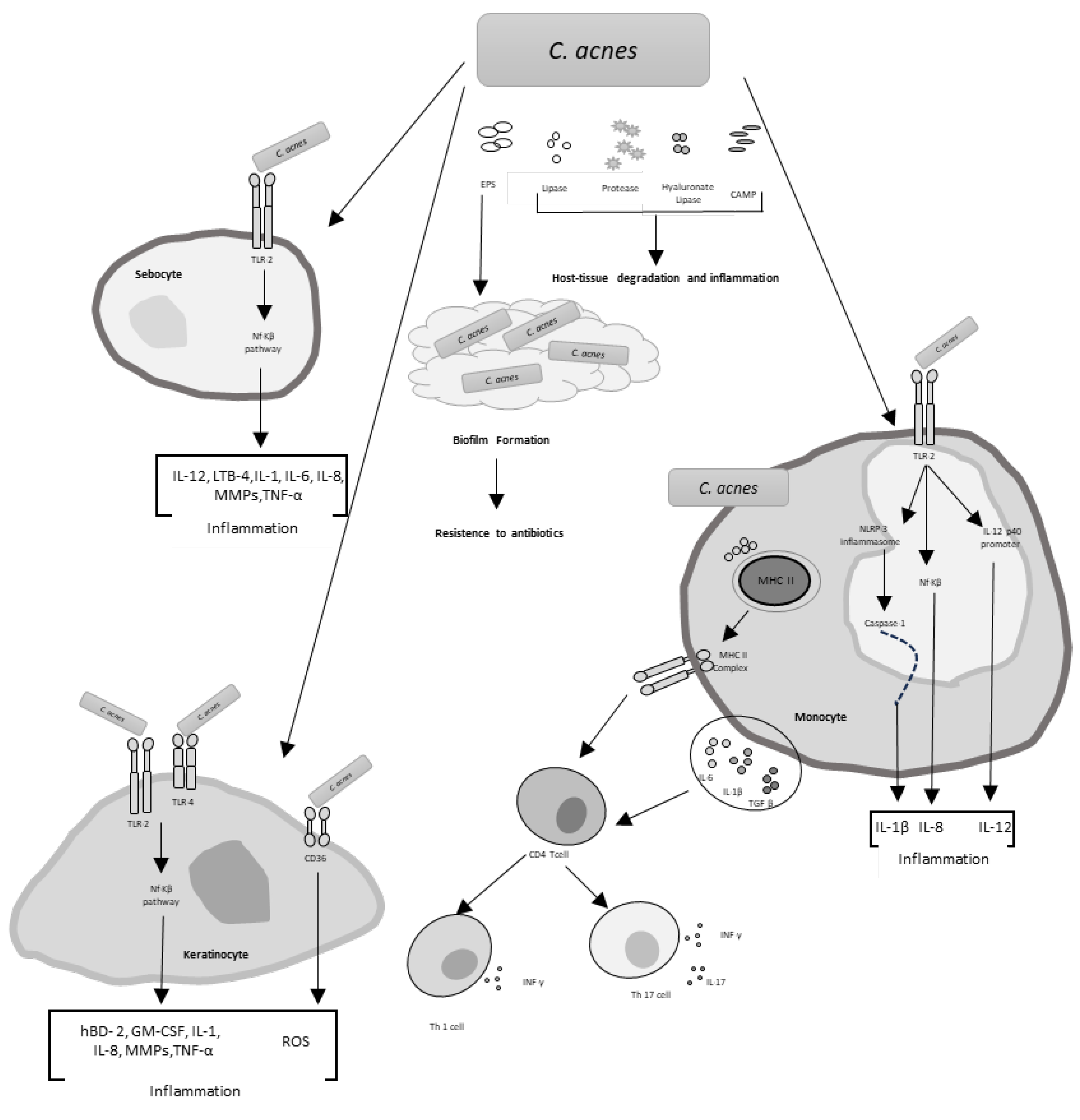
Figure 2.
The four major bioactive compounds identified by Chuang L.-T. et al. from Origanum vulgare L. leaf extracts.
Figure 2.
The four major bioactive compounds identified by Chuang L.-T. et al. from Origanum vulgare L. leaf extracts.
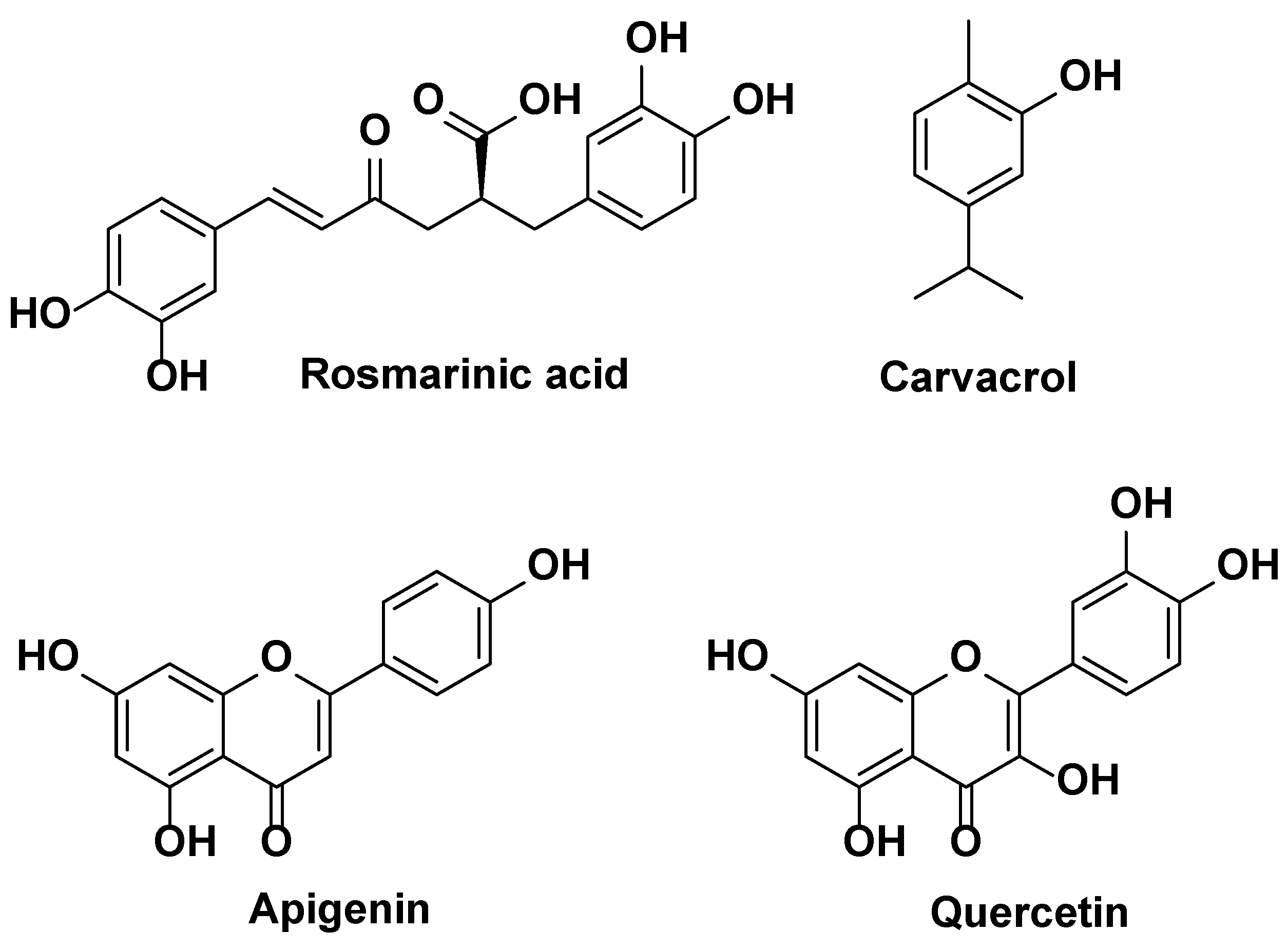
Figure 3.
The four major bioactive monoterpenoids identified by Oliveira A.S. et al. from EO and hydrolate of Thymus × citriodorus (Pers.) Schreb.
Figure 3.
The four major bioactive monoterpenoids identified by Oliveira A.S. et al. from EO and hydrolate of Thymus × citriodorus (Pers.) Schreb.
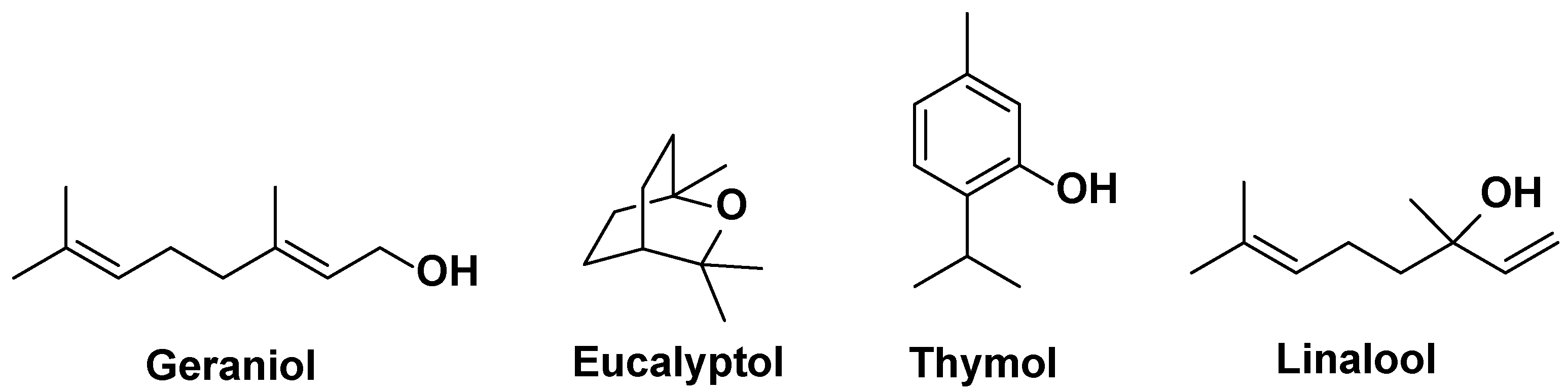
Figure 4.
The main flavonoids isolated by Pineau R.M. et al. from ethanol leaf extracts of Callicarpa americana L.
Figure 4.
The main flavonoids isolated by Pineau R.M. et al. from ethanol leaf extracts of Callicarpa americana L.
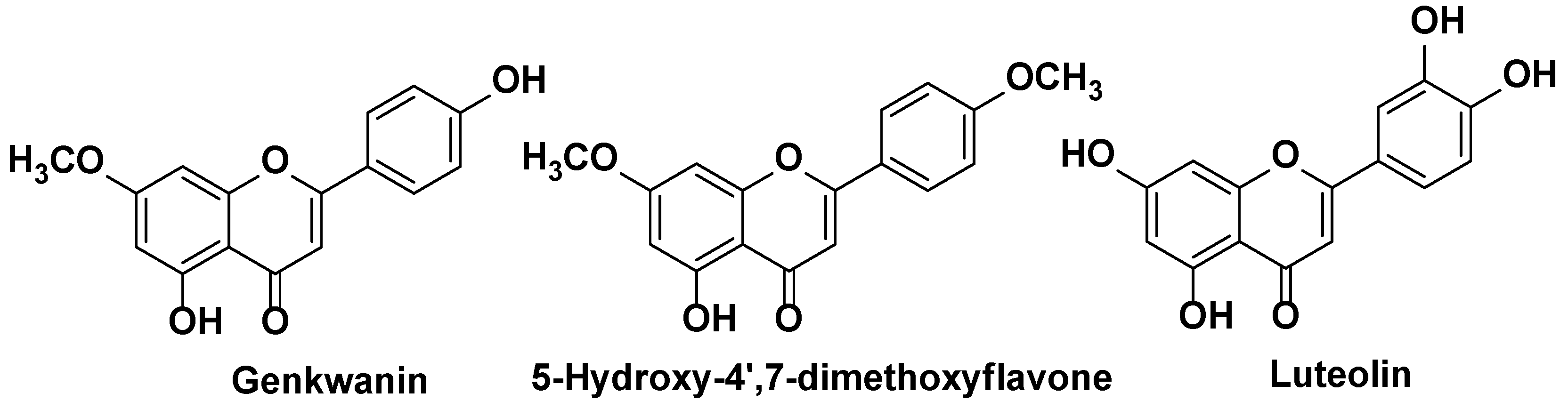
Figure 5.
The main bioactive compounds isolated by Pineau R.M. et al. from leaf EOs of Callicarpa americana L.
Figure 5.
The main bioactive compounds isolated by Pineau R.M. et al. from leaf EOs of Callicarpa americana L.
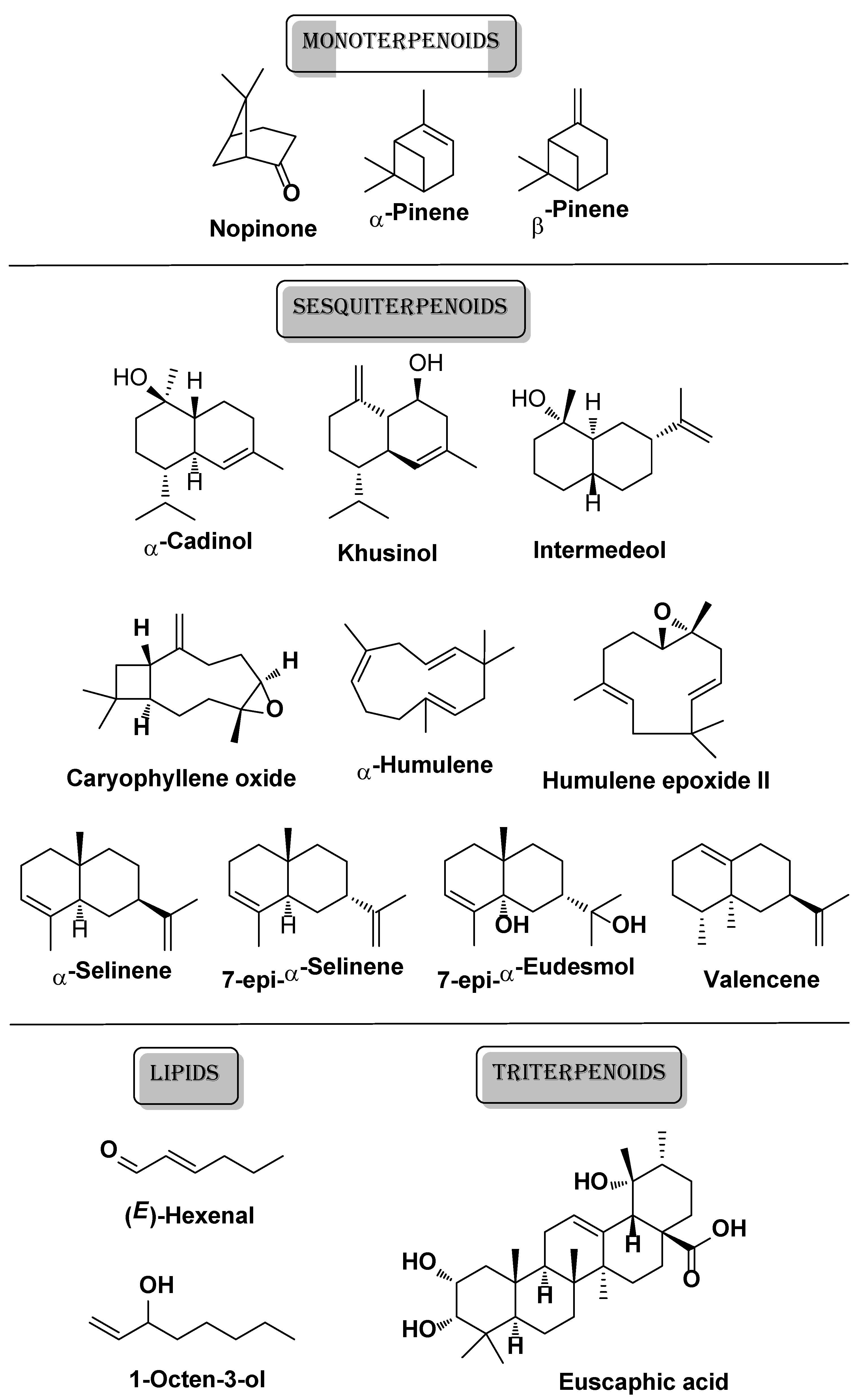
Figure 6.
Chemical structure of the flavonoid wogonin and its glycoside (wogonoside) identified Zhu X. et al. from Scutellaria baicalensis Georgi.
Figure 6.
Chemical structure of the flavonoid wogonin and its glycoside (wogonoside) identified Zhu X. et al. from Scutellaria baicalensis Georgi.
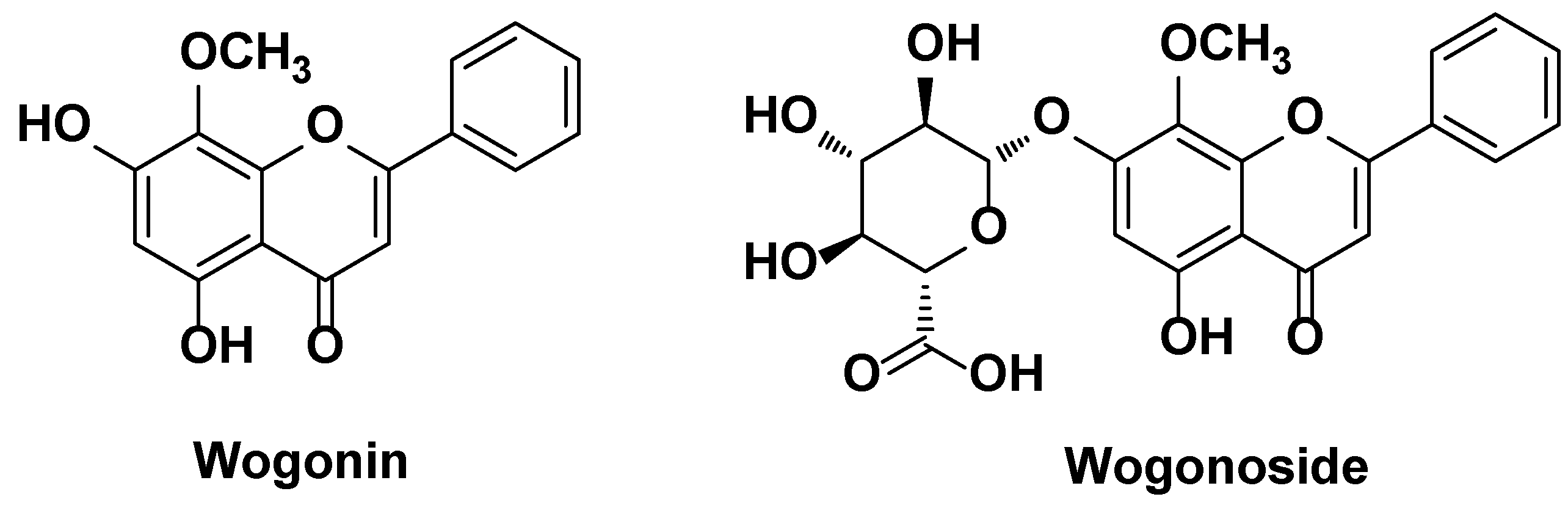
Figure 7.
The four main bioactive compounds isolated by De Tollenaere M. et al. from Mangifera indica L. leaf extracts.
Figure 7.
The four main bioactive compounds isolated by De Tollenaere M. et al. from Mangifera indica L. leaf extracts.
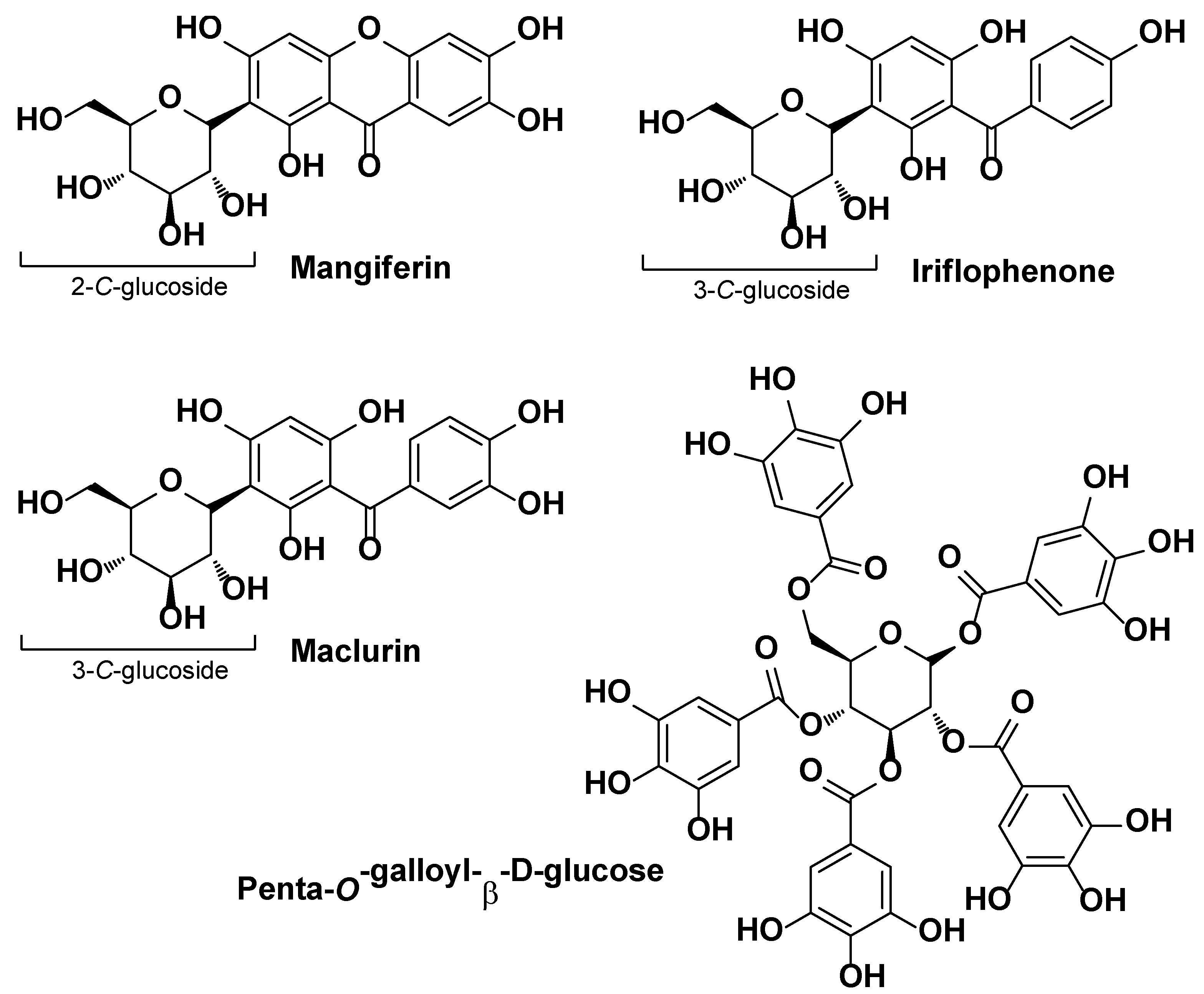
Figure 8.
Main bioactive compounds detected by Weber N. et al. in a hop-CO2 extract derived from flowers of Humulus lupulus.
Figure 8.
Main bioactive compounds detected by Weber N. et al. in a hop-CO2 extract derived from flowers of Humulus lupulus.
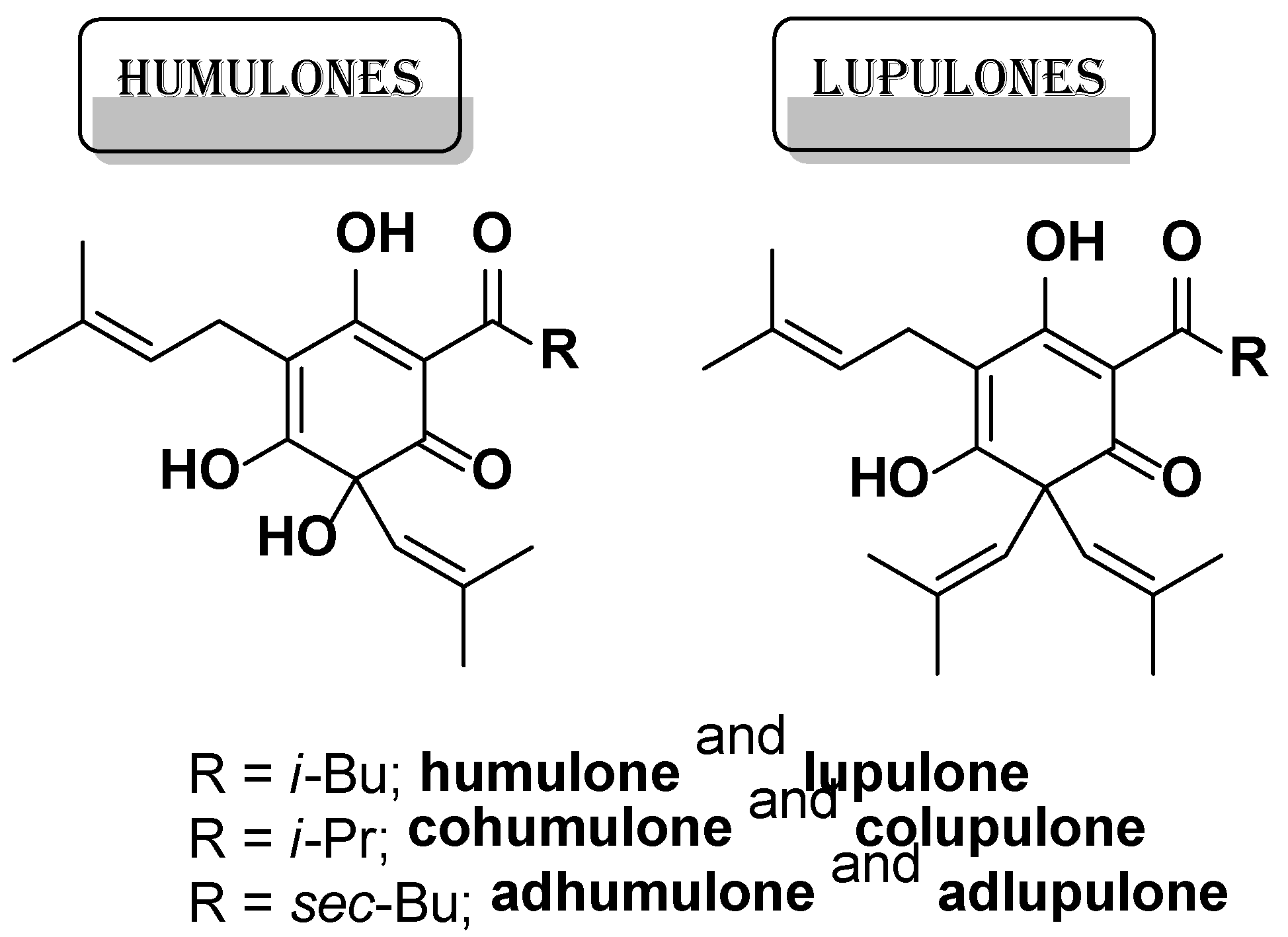
Figure 9.
Some of the main bioactive compounds isolated by Kim C. et al. from Cymbopogon citratus Stapf. extracts.
Figure 9.
Some of the main bioactive compounds isolated by Kim C. et al. from Cymbopogon citratus Stapf. extracts.
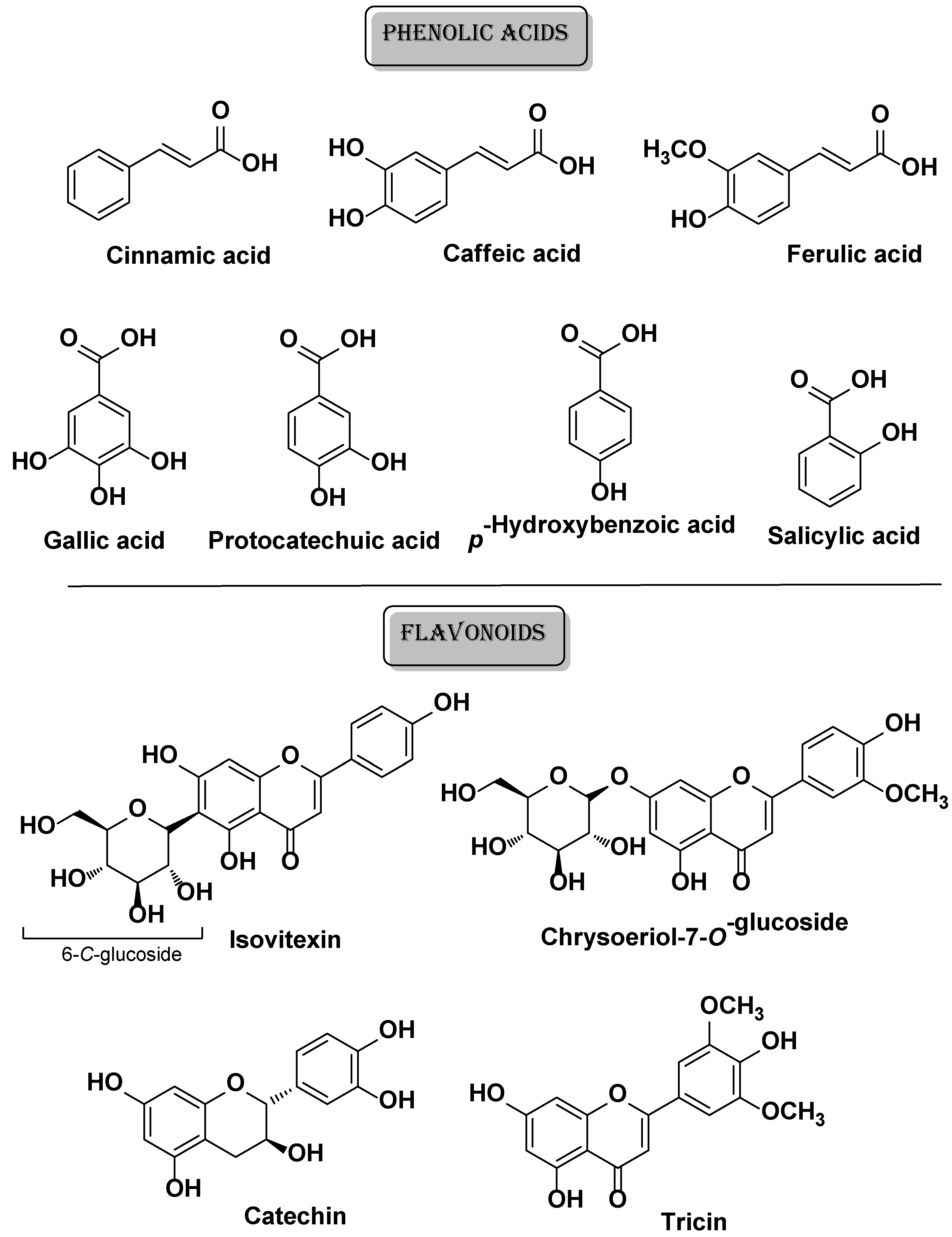
Figure 10.
The most abundant flavonoids identified by Krzemińska B. et al. from Cotoneaster nebrodensis and Cotoneaster roseus Collett extracts.
Figure 10.
The most abundant flavonoids identified by Krzemińska B. et al. from Cotoneaster nebrodensis and Cotoneaster roseus Collett extracts.
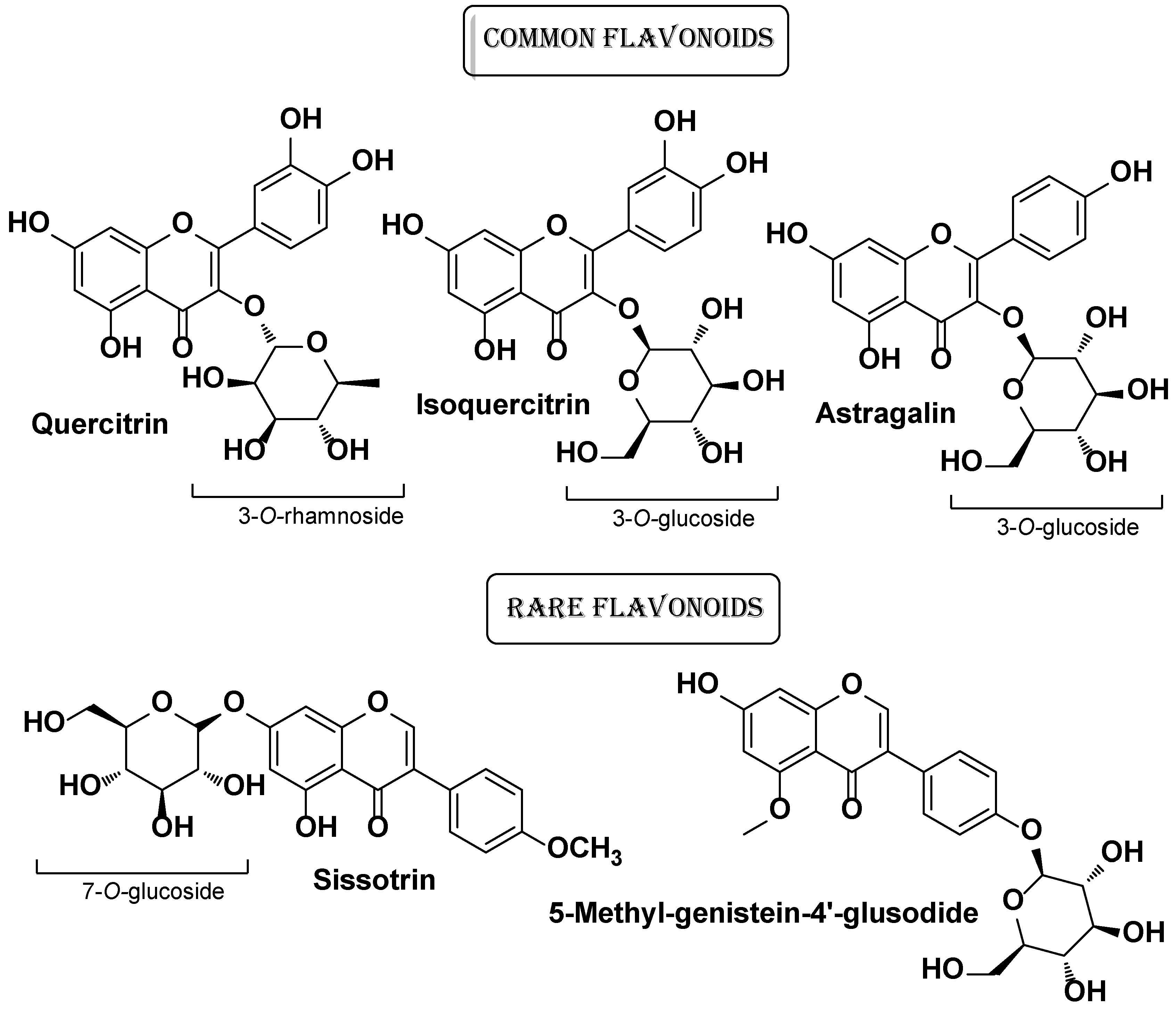
Figure 11.
The most abundant bioactive compounds (flavonoids aside) identified by Krzemińska B. et al. et al. from Cotoneaster nebrodensis (Guss.) K. Koch and Cotoneaster roseus Collett extracts.
Figure 11.
The most abundant bioactive compounds (flavonoids aside) identified by Krzemińska B. et al. et al. from Cotoneaster nebrodensis (Guss.) K. Koch and Cotoneaster roseus Collett extracts.
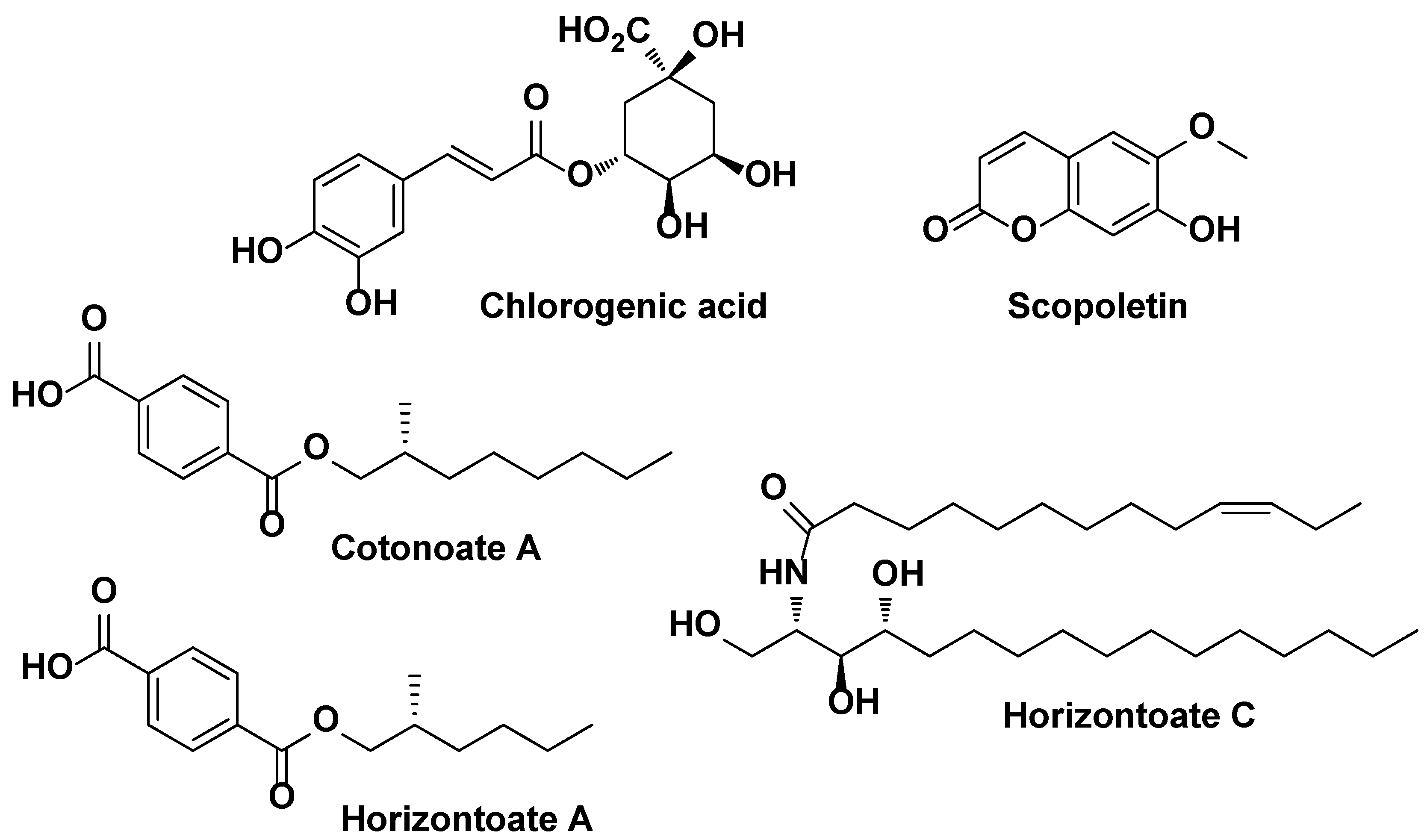
Figure 12.
Two of the most abundant bioactive flavonoids identified by Chrząszcz M. et al. from Cephalaria uralensis (Murray)Roem. & Schult and Cephalaria gigantea (Ledeb.) Bobrov extracts.
Figure 12.
Two of the most abundant bioactive flavonoids identified by Chrząszcz M. et al. from Cephalaria uralensis (Murray)Roem. & Schult and Cephalaria gigantea (Ledeb.) Bobrov extracts.
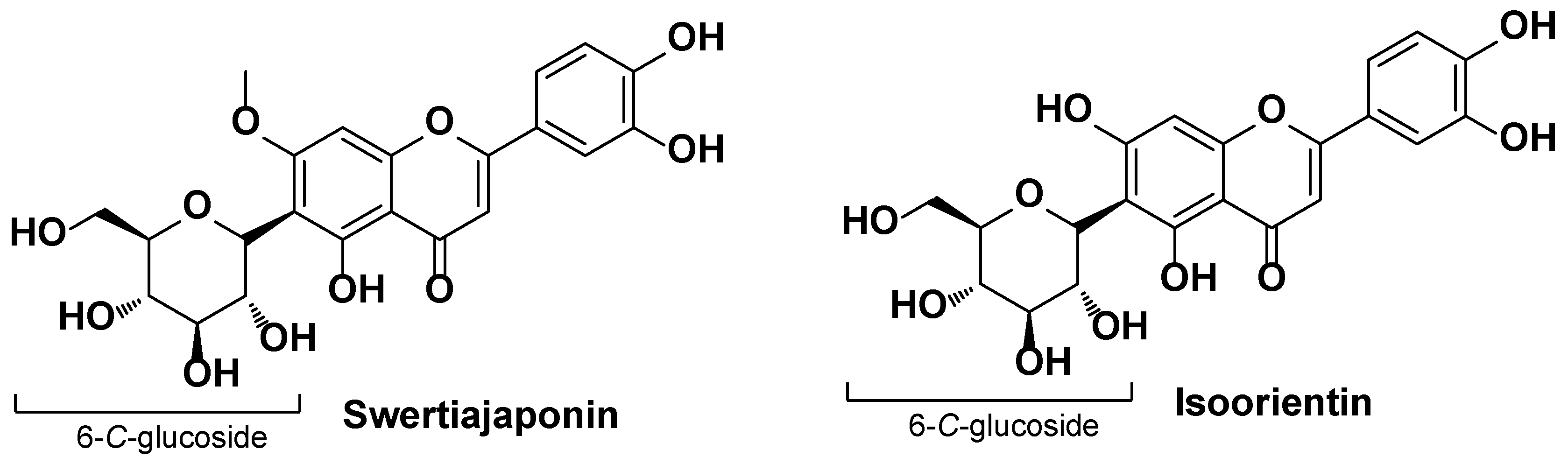
Figure 13.
Four of the most abundant bioactive compounds identified by Bouabidi M. et al. from Cistus laurifolius L. and Cistus salviifolius L.
Figure 13.
Four of the most abundant bioactive compounds identified by Bouabidi M. et al. from Cistus laurifolius L. and Cistus salviifolius L.
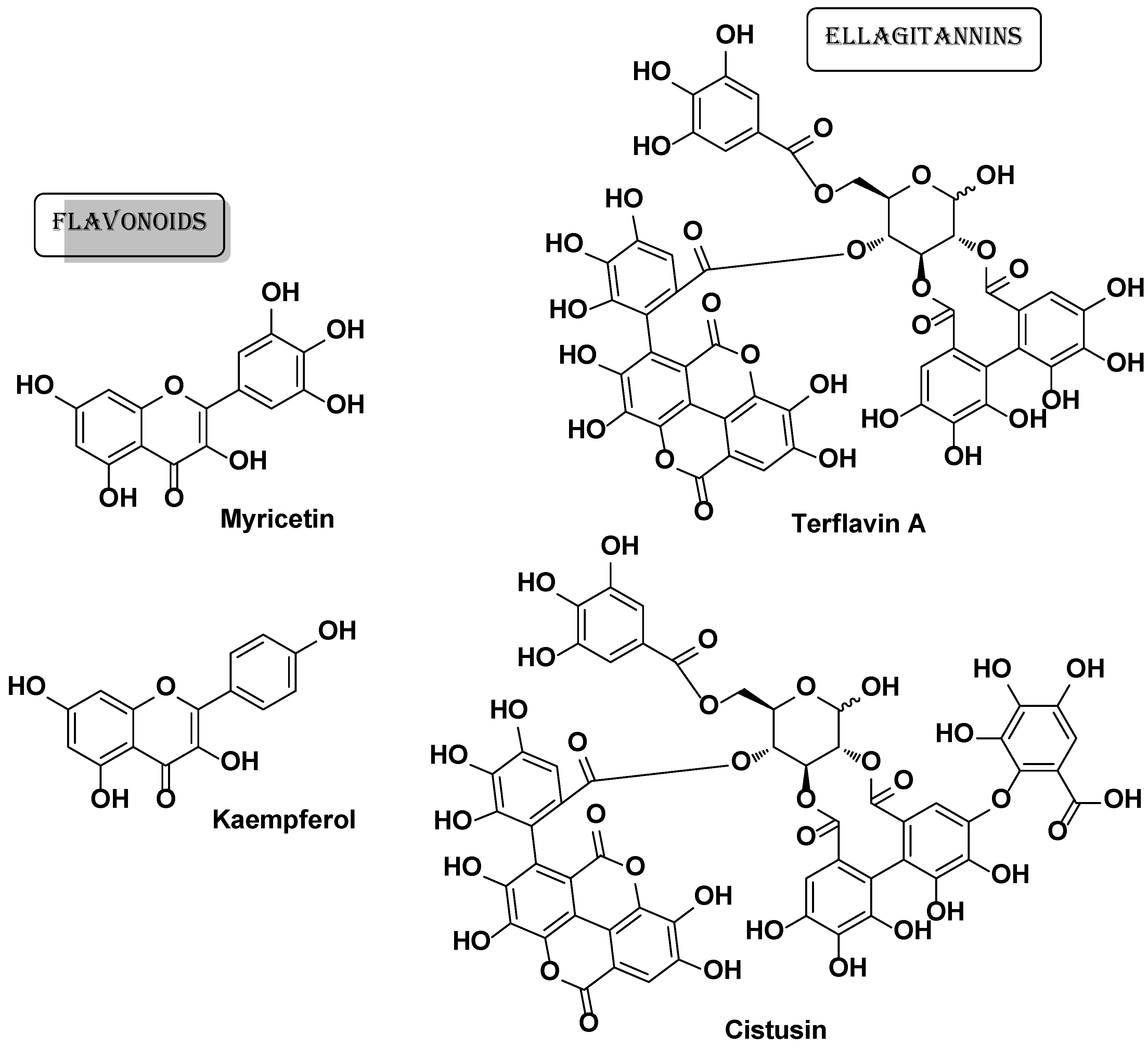
Figure 14.
Chemical structure of pedunculagin, the main bioactive compound identified by Kim M. et al. from Quercus mongolica Fisch.
Figure 14.
Chemical structure of pedunculagin, the main bioactive compound identified by Kim M. et al. from Quercus mongolica Fisch.
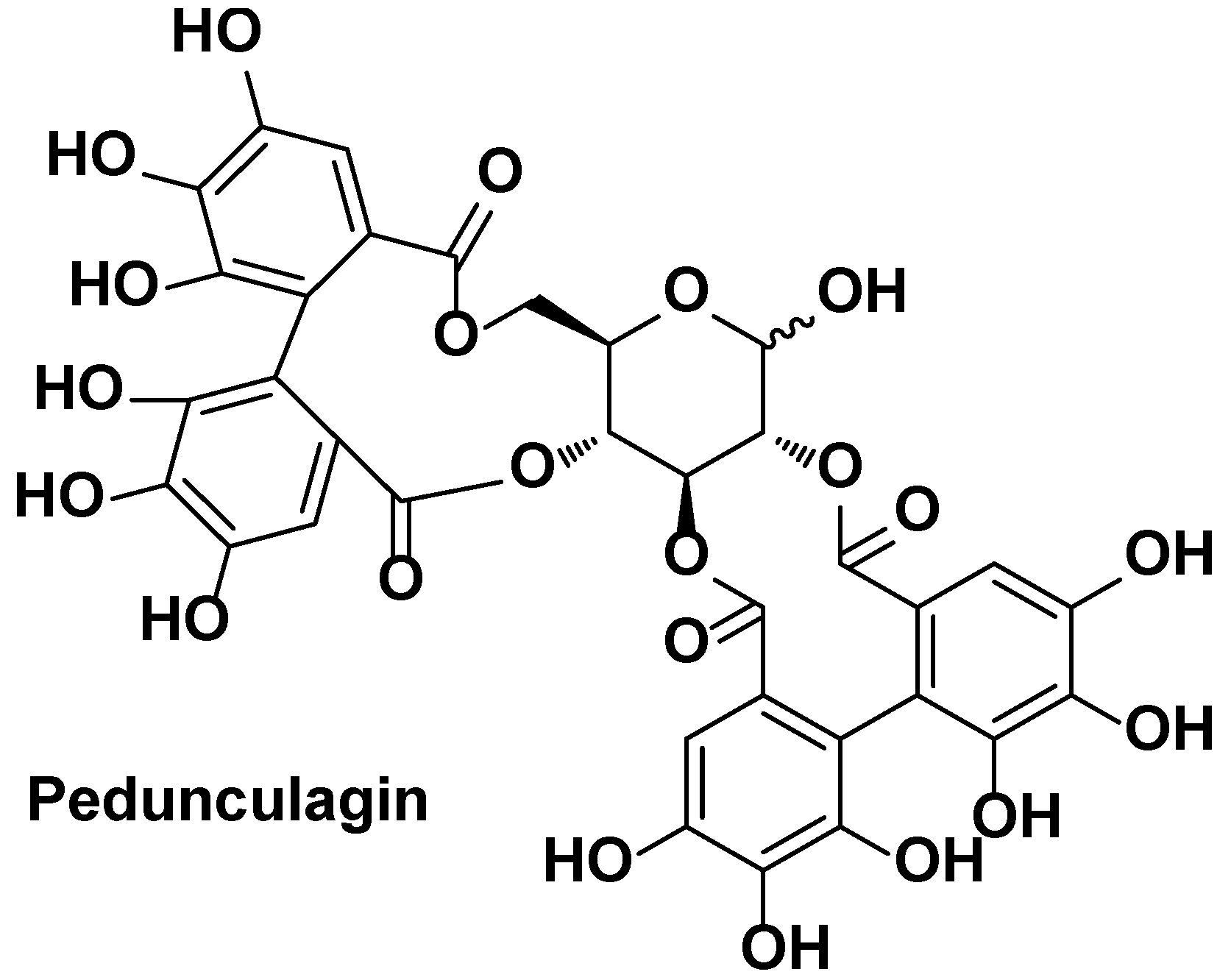
Figure 15.
Most abundant phytochemicals identified by Piazza S. et al. in the glycolic extract of Hamamelis virginiana L. bark (n = 0–7).
Figure 15.
Most abundant phytochemicals identified by Piazza S. et al. in the glycolic extract of Hamamelis virginiana L. bark (n = 0–7).
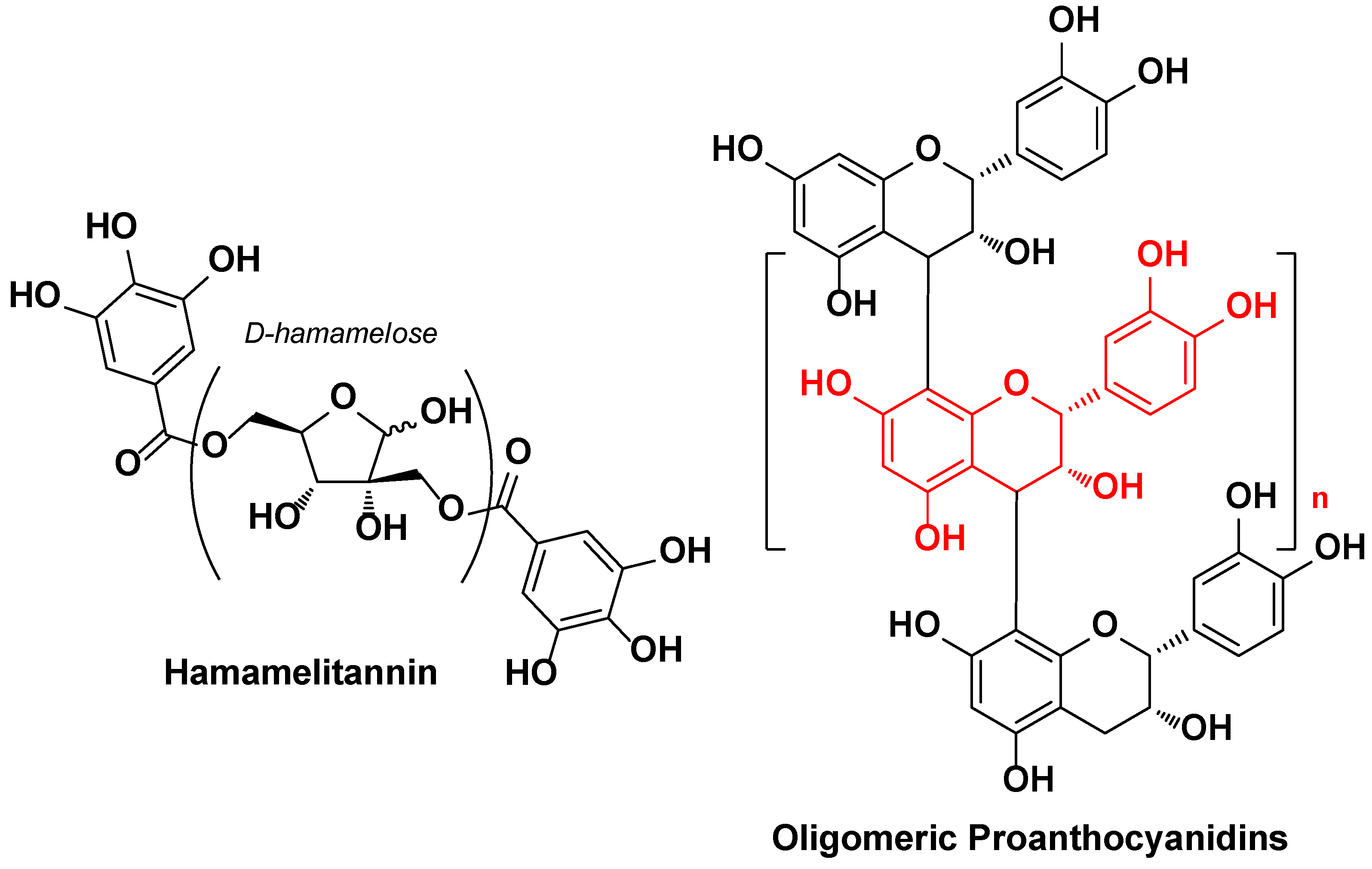
Figure 16.
The six most active derivatives isolated from the stem of Cinnamomum validinerve and characterized by Yang C.L. et al.
Figure 16.
The six most active derivatives isolated from the stem of Cinnamomum validinerve and characterized by Yang C.L. et al.
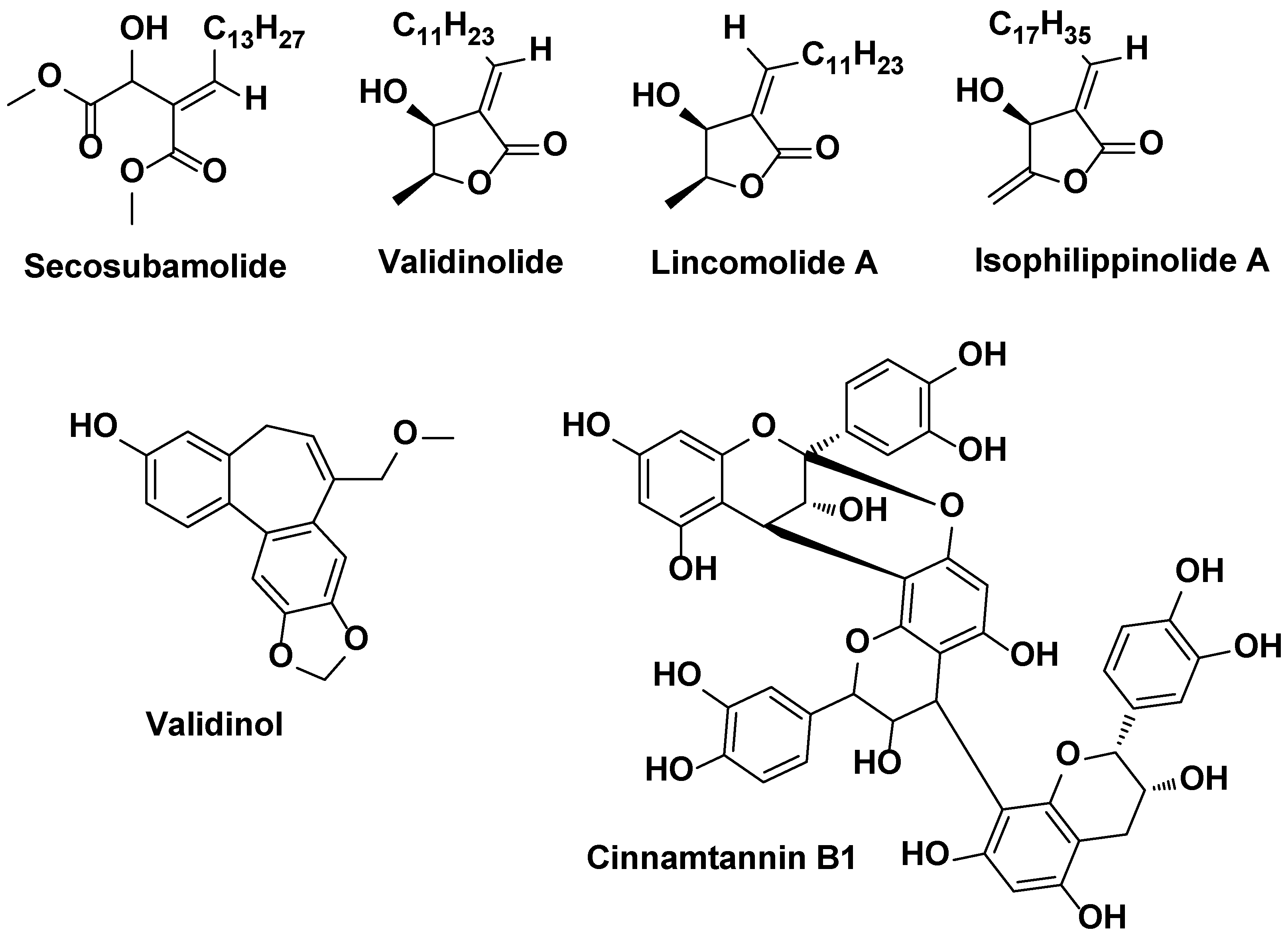
Figure 17.
The three bioactive components identified by Kola-Mustapha A.T. et al. in the extract of Azadirachta indica A. Juss. that may target genes in the treatment of AV.
Figure 17.
The three bioactive components identified by Kola-Mustapha A.T. et al. in the extract of Azadirachta indica A. Juss. that may target genes in the treatment of AV.
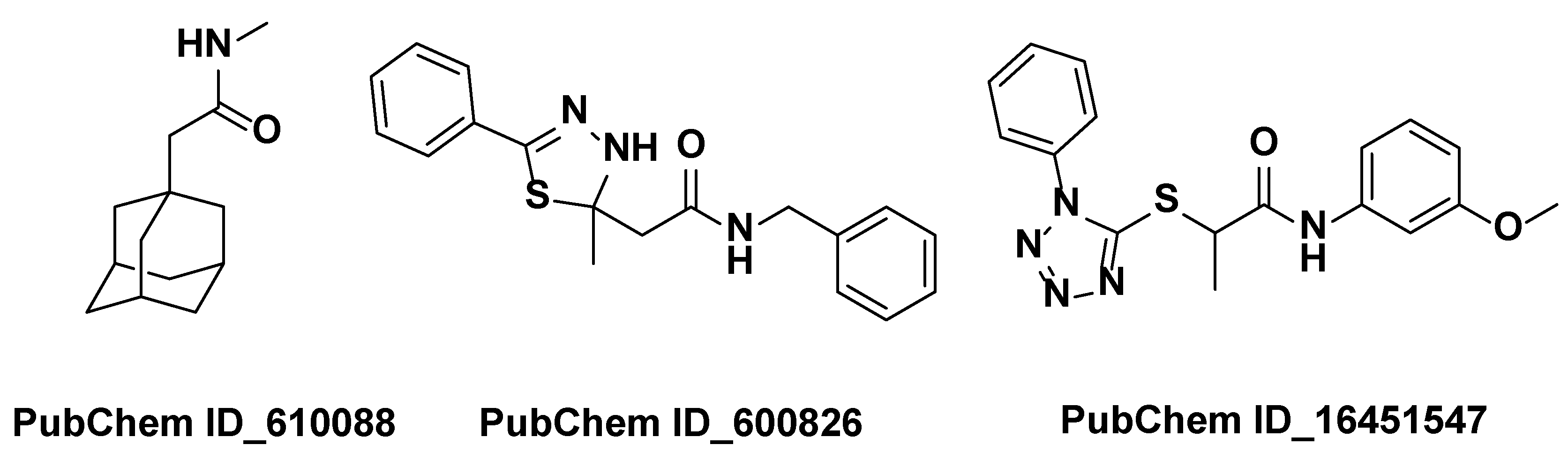
Figure 18.
Some of the main bioactive compounds isolated by Savitri D. et al. from M. balbisiana Colla peel extracts. .
Figure 18.
Some of the main bioactive compounds isolated by Savitri D. et al. from M. balbisiana Colla peel extracts. .
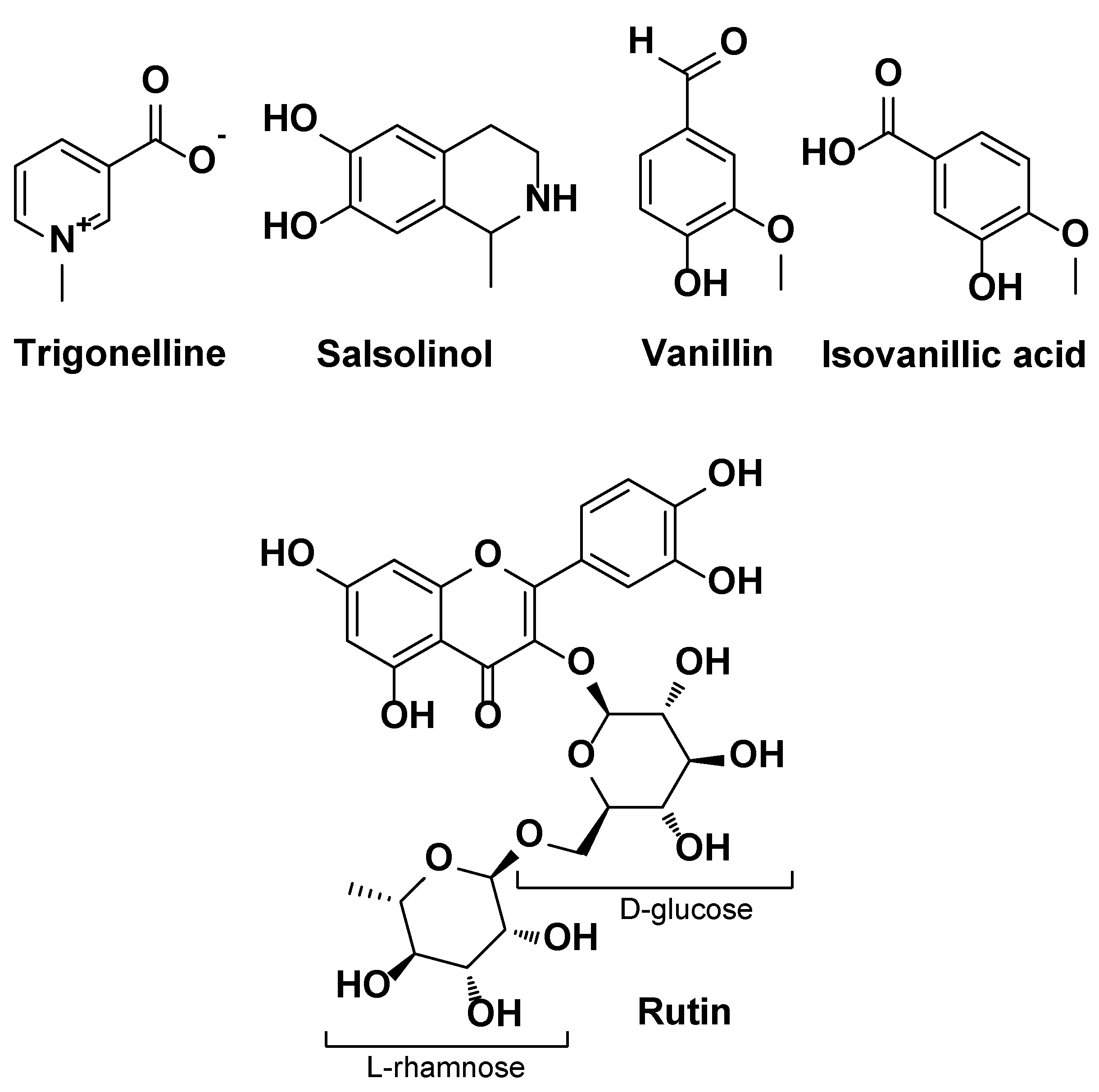
Figure 19.
Six out the seven hit compounds identified by Seo G. and Kim K. in Hedyotis diffusa Willd (the other being quercetin already depicted in Figure 2) using network analysis.
Figure 19.
Six out the seven hit compounds identified by Seo G. and Kim K. in Hedyotis diffusa Willd (the other being quercetin already depicted in Figure 2) using network analysis.
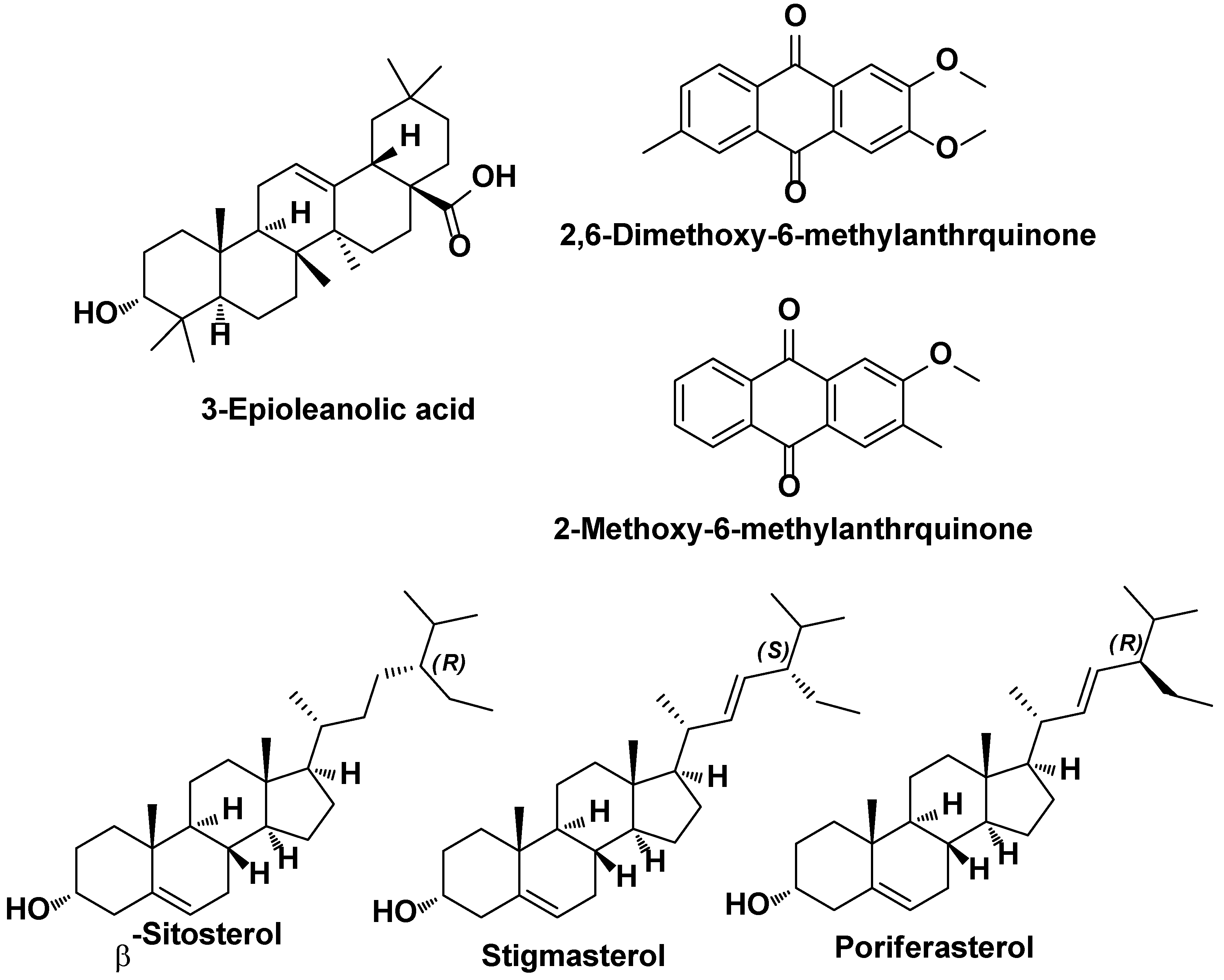
Figure 20.
Chemical structure of salicin, the major bioactive component white willow (Salix alba L.) bark.
Figure 20.
Chemical structure of salicin, the major bioactive component white willow (Salix alba L.) bark.
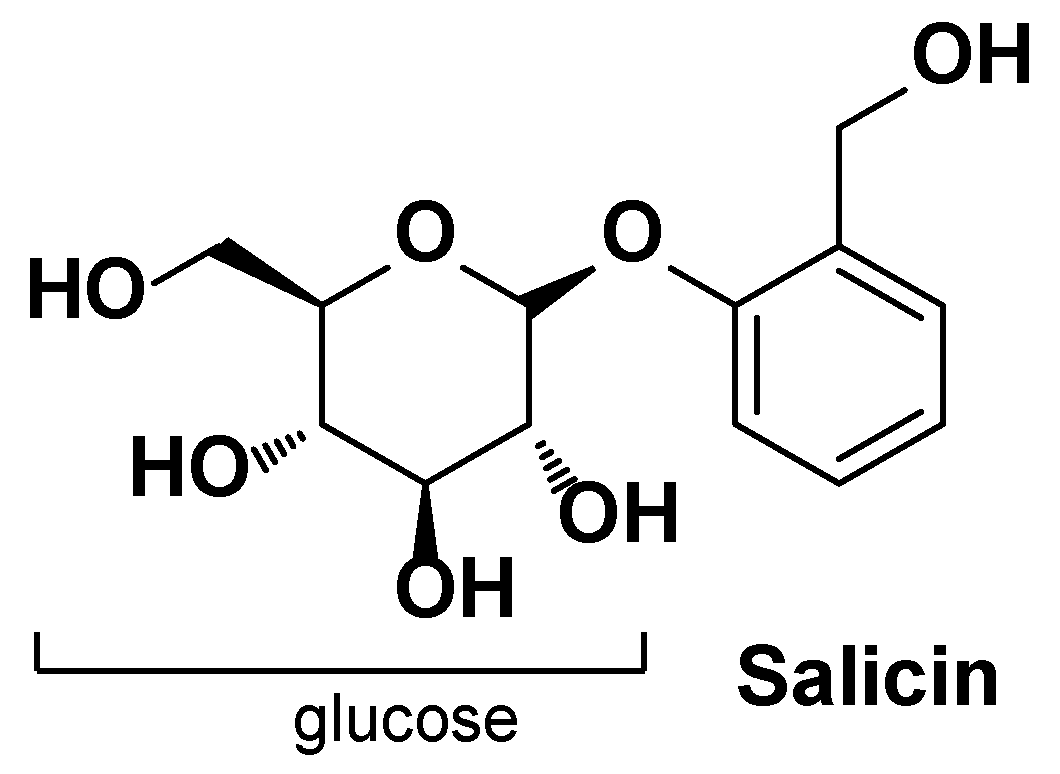
Figure 21.
Chemical structure of the most saponins identified by Wei et al. in Sapindus mukorossi Gaertn. extracts.
Figure 21.
Chemical structure of the most saponins identified by Wei et al. in Sapindus mukorossi Gaertn. extracts.
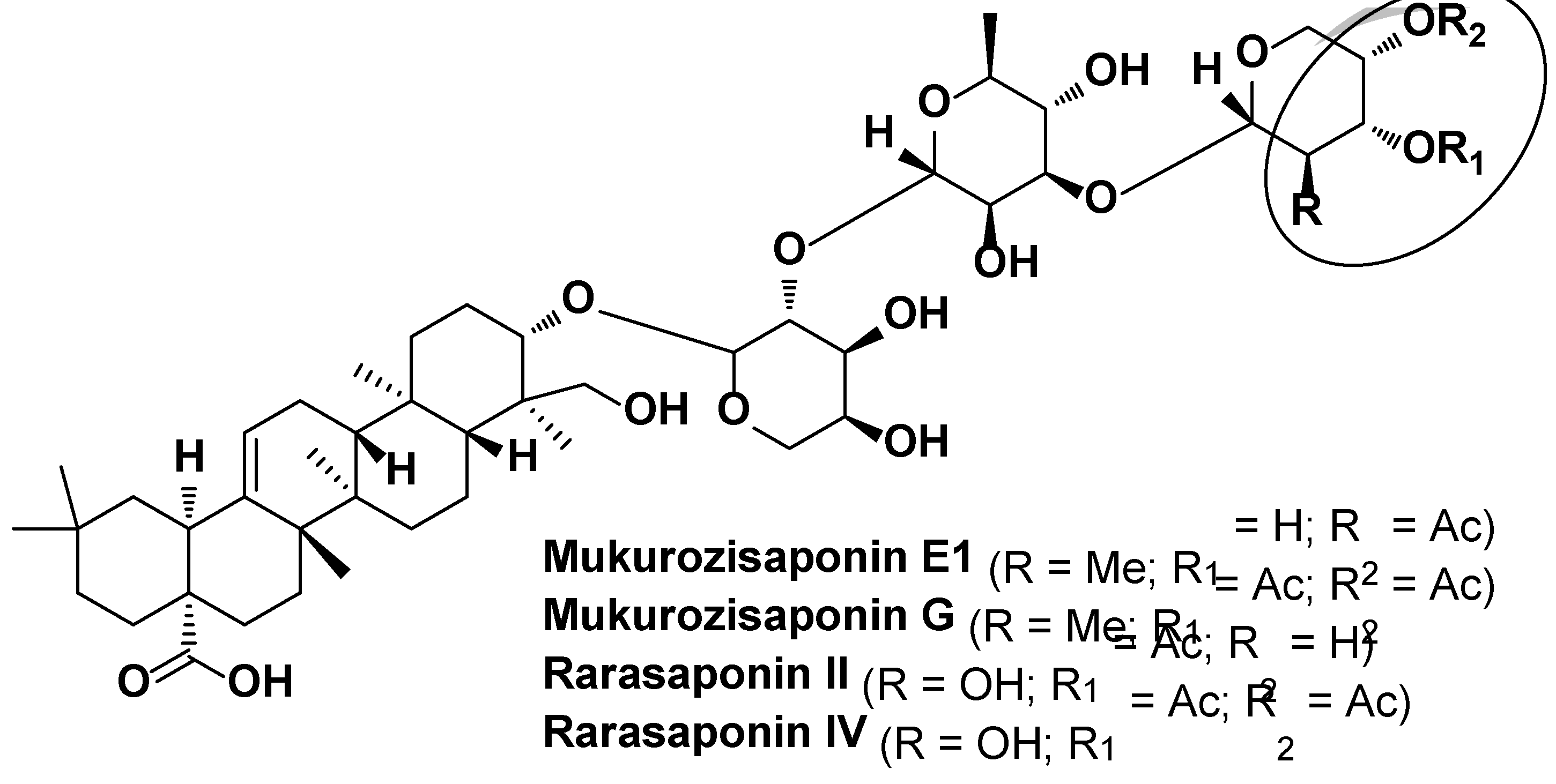
Figure 22.
Chemical structure of two of the most active compounds identified by Joo J.-H. et al. in Smilax china L. root extracts (the third most abundant being quercetin already depicted in Figure 2).
Figure 22.
Chemical structure of two of the most active compounds identified by Joo J.-H. et al. in Smilax china L. root extracts (the third most abundant being quercetin already depicted in Figure 2).
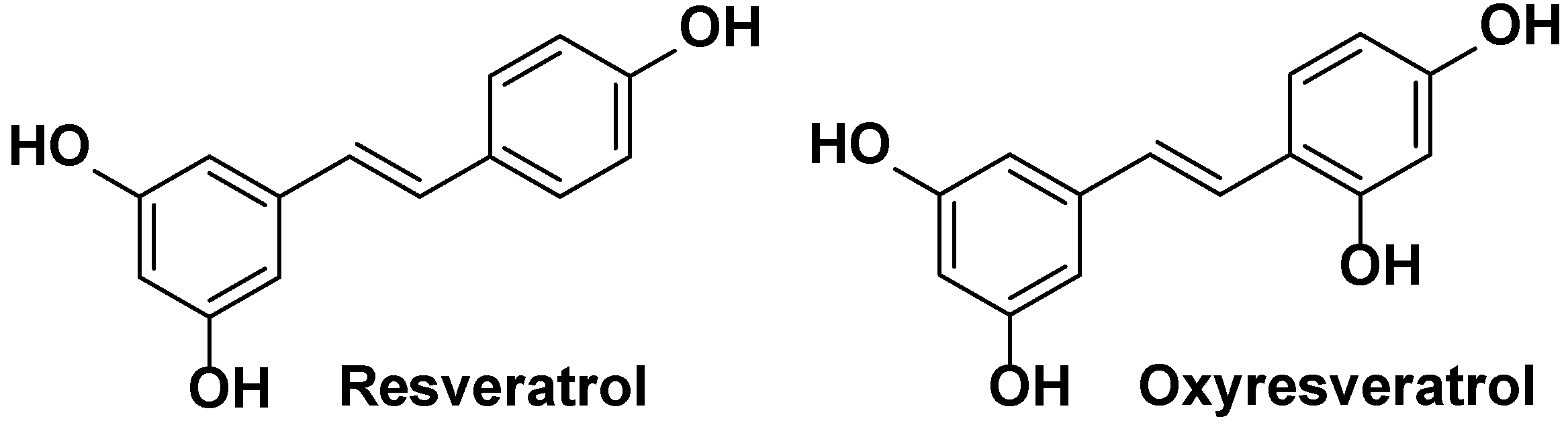
Figure 23.
Chemical structure of two of main compounds identified by Sitthichai P. et al. in Kaempferia parviflora Wall. rhizome extracts.
Figure 23.
Chemical structure of two of main compounds identified by Sitthichai P. et al. in Kaempferia parviflora Wall. rhizome extracts.
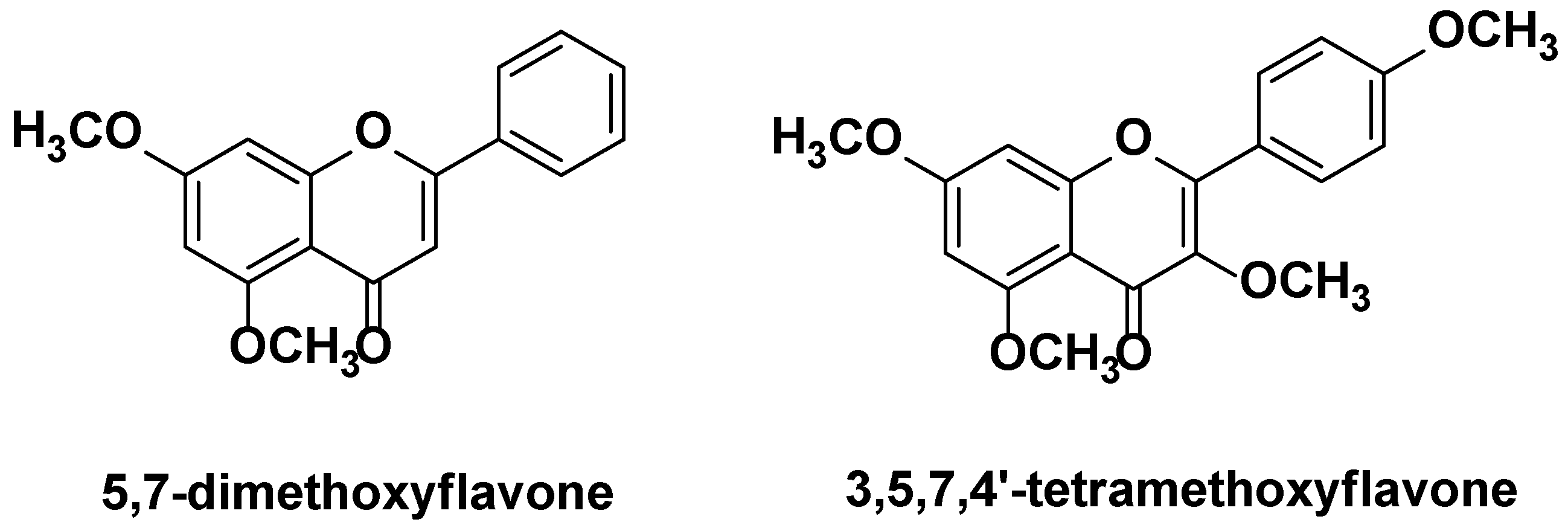
Figure 24.
Main triterpenoids identified by Cohen G. et al. in Centella asiatica triterpene extract.
Figure 24.
Main triterpenoids identified by Cohen G. et al. in Centella asiatica triterpene extract.
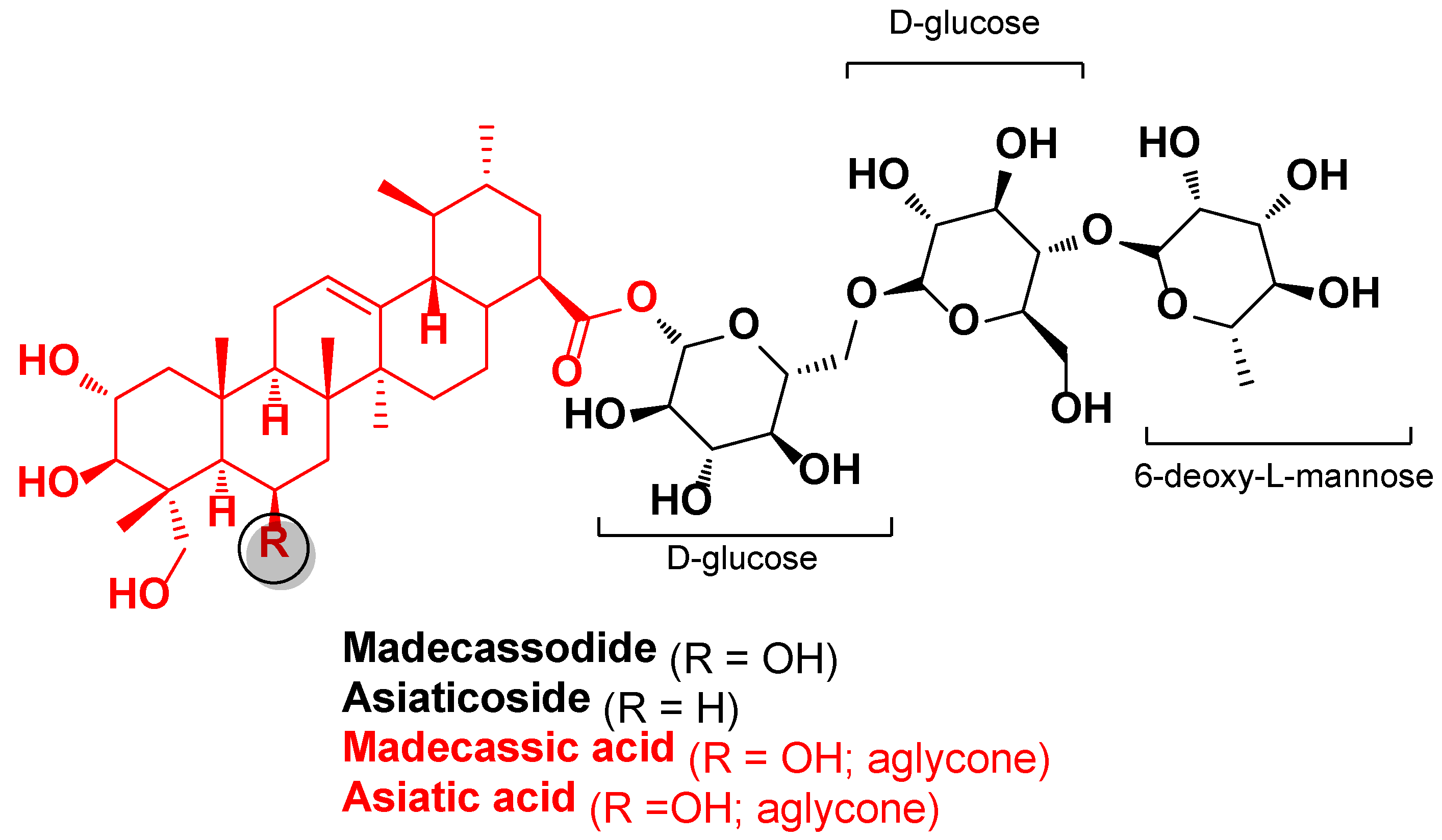
Figure 25.
Chemical structure of the most bioactive compounds identified by Sonyot W. et al. in the culture broth extract of the fungus Polycephalomyces phaothaiensis.
Figure 25.
Chemical structure of the most bioactive compounds identified by Sonyot W. et al. in the culture broth extract of the fungus Polycephalomyces phaothaiensis.
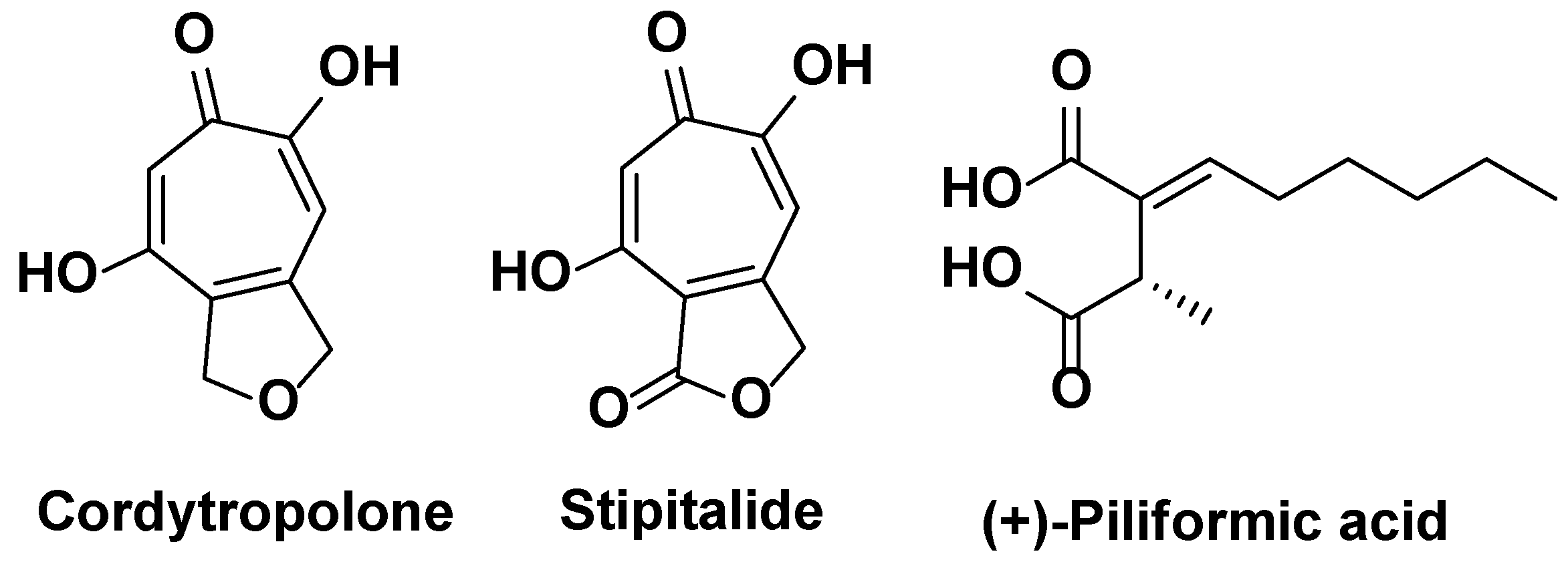
Figure 26.
Mechanisms of antimicrobial activity of compounds from natural sources.
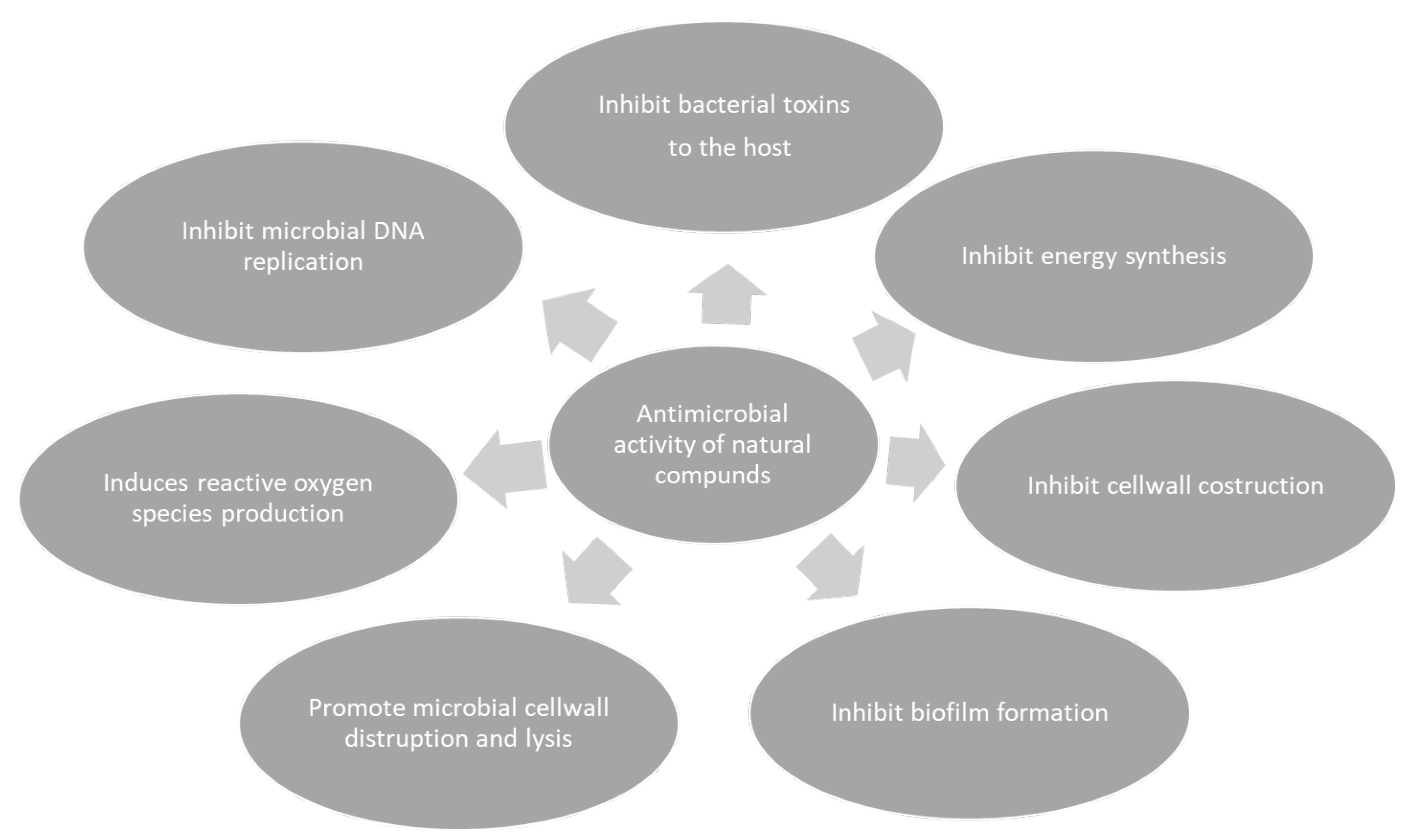
Disclaimer/Publisher’s Note: The statements, opinions and data contained in all publications are solely those of the individual author(s) and contributor(s) and not of MDPI and/or the editor(s). MDPI and/or the editor(s) disclaim responsibility for any injury to people or property resulting from any ideas, methods, instructions or products referred to in the content. |
© 2024 by the authors. Licensee MDPI, Basel, Switzerland. This article is an open access article distributed under the terms and conditions of the Creative Commons Attribution (CC BY) license (http://creativecommons.org/licenses/by/4.0/).
Copyright: This open access article is published under a Creative Commons CC BY 4.0 license, which permit the free download, distribution, and reuse, provided that the author and preprint are cited in any reuse.