

Submitted:
30 December 2023
Posted:
03 January 2024
You are already at the latest version
Abstract
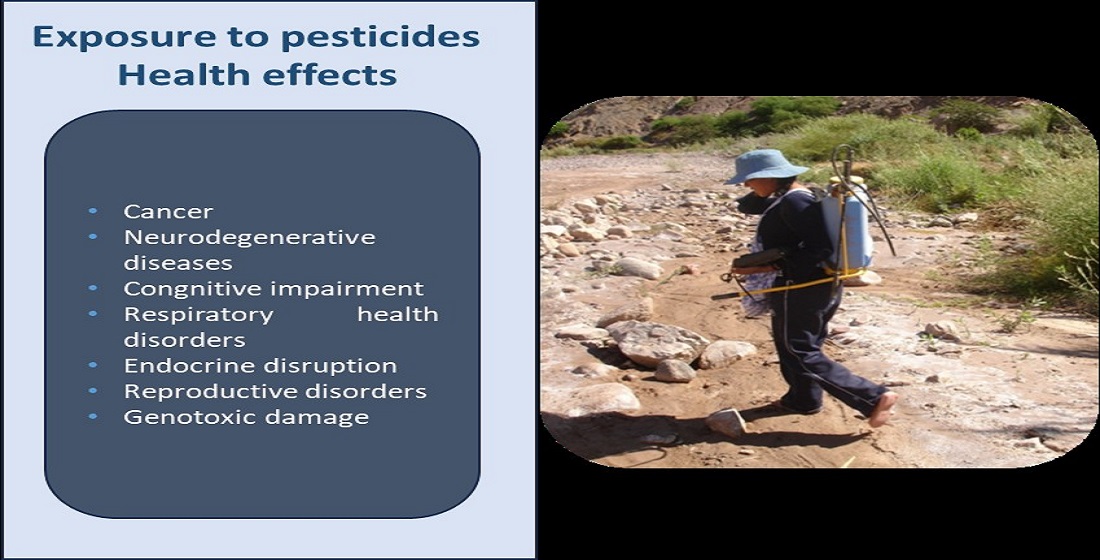
Numerous studies have shown that pesticide exposure is linked to adverse health outcomes. Nevertheless, in Bolivia, where there is an increasing use of pesticides, including those restricted or banned in industrialized nations, the literature is spare. To address knowledge gaps and guide future research in Bolivia, we conducted a scoping review crossing 22 years (January 2000 to December 2022). Our search identified 37 peer-reviewed articles and 27 reports/documents on Bolivian regulations. Most studies focused on farmers and revealed high pesticide exposure levels, assessed through biomarkers of exposure, susceptibility, and effect. Literature explored a range of health effects due to pesticide exposure, spanning acute to chronic conditions. Many studies highlighted the correlation between pesticide exposure and genotoxic damage, measured by DNA strand breaks and/or micronuclei formation, particularly in farmers without personal protection equipment (PPE), which increases the risk of developing chronic diseases, including cancer. Recent findings also showed the alarming use of banned or restricted pesticides in Bolivian crops. Despite existing Bolivian regulations, the uncontrolled use of pesticides persists, evidencing the harmful health effects on the population and increasing land and water pollution. These findings underscore the need for stringent enforcement of regulations and provide a scientific foundation for decision-making by relevant authorities.
Keywords:
Pesticides exposure
; health effects
; Bolivia
; farmers
; Bolivian regulations
1. Introduction
Pesticides are the most used chemicals globally in agriculture, public health, and in domestic applications; consequently, a great part of the population may be exposed to these compounds. Due to their potential toxicity, the use and handling of pesticides entails various risks for exposed workers, the general population, and the environment. The associated negative human health effects of pesticides can be both short and long term, and according to the World Health Organization (WHO) these chemicals are responsible for nearly one million accidental acute poisonings per year, of which 70% are occupational(1).
Since the late 1940s, when the “green revolution” was introduced in the Latin America and the Caribbean (LAC) region, which was an industrialized agricultural exploitation model based on the application of synthetic agrochemicals, the utilization of agrochemicals including pesticides has increased dramatically in parallel with increased population and agricultural production(2). Today, it is estimated that the LAC region account for 20% of worldwide consumption of pesticides and that more pesticides are used in Central and South America on a per capita basis compared to other regions in the world(3). In addition, there is a lack of regulation (and its implementation) and education on safe pesticide use and handling to prevent severe adverse effects in pesticide users, consumers, and the environment, which together results in environmental pollution and risks to human health in this region.
In Bolivia, the use of agrochemicals began in the 1950s, promoted by North American food security aid programs, with donations of large quantities of chemical inputs, mainly organochlorines, substances that due to their environmental and health effects today are prohibited. It has been estimated that in the last 20 years the pesticide import increased from 30 million kg in 2000 to 174 million in 2020(4). Most of the legally and illegally imported pesticides which entry into Bolivia come from China, representing a value of around $97 million USD in 2019. The Bolivian Ministry of Health confirms that “Pesticides, currently, are the dominant way to combat pests and diseases in the agricultural sector”. As in other LAC the intensive and indiscriminate use of pesticides in Bolivia has likely resulted in widespread chronic human exposure (5).
Elevated exposure levels are of special concern for Bolivian agricultural workers who apply pesticides and thereby are exposed to different pesticides e.g., organophosphates and organochlorines with established adverse health effects together with e.g., herbicides like glyphosate for which long-term health effects is not as well established (6,7). As in many other low-to-middle income countries, Bolivian farmers may mix many different pesticides when spraying their crops, and most of the time without the necessary PPE (7–10). However, Bolivian farmers who receive training on use of PPE, proper pesticide handling, and integrated pesticide management (IPM) are less frequently poisoned by pesticides and report fewer symptoms after pesticide handling (11,12).
A recent scoping review of health effects of pesticide exposure in LAC populations concluded that there is evidence that exposure to pesticides may cause health effects in LAC populations (3). However, the authors also emphasized that most of the evidence was based on research performed in Brazil and Mexico, and that efforts should be made to support more widespread investments in research capacities in this region to better characterize the situation in other countries of the LAC region. A similar conclusion was made in a recent critical review on occurrence and levels of legacy and emerging pollutants in the environment of the LAC region (13). To address existing gaps of knowledge and to guide future research needs in Bolivia, we conducted a scoping review of the current available research on health effects of pesticide exposure in Bolivian populations and regulations.
2. Materials and Methods
The literature search was conducted in PubMed, Web of Science, Scielo and Google Scholar using the following keywords: “pesticide”, “herbicide”, “insecticide”, “fungicide”, “Bolivia” using the Boolean operator “AND”, and for studies published between January 2000 and December 2022. To identify literature in Spanish the keywords: “plaguicidas”, “herbicidas”, “insecticidas”, “fungicidas”, “agroquímicos” were used for the above sources in the same manner. Studies were included if they presented data related to human use, handling, and exposure to pesticides as well as resulting human health effects. Additional relevant literature was identified by looking at the references of the initially identified literature. In total, 37 peer-reviewed articles were included and served as information sources. In addition, 27 reports and documents related to Bolivian regulations and international conventions concerning agrochemicals were identified by targeted manual searches of websites of Bolivian and international institutions.
3. Results
3.1. Pesticides in Bolivia
3.1.1. International and local regulations and agreements
In order to guarantee its safe and responsible use of pesticides, Bolivia follows various international standards and agreements, such as the Rotterdam and Stockholm conventions(14–16), as well as guidelines and principles established by the Food and Agriculture Organization of the United Nations (FAO) for the safe and effective handling of pesticides(17,18), the World Health Organization (WHO) list of highly hazardous pesticides(19), and the Codex Alimentarius Commission related to food safety and quality, including levels of pesticides in food(20). Furthermore, pesticide short-term intake ought to not exceed the acute reference doses, and pesticide long-term intake should be below the acceptable daily intake limits recommended by the FAO/WHO Joint Meetings on Pesticide Residues to avoid negative health effects (21). Moreover, the Bolivian Political Constitution article 16 says that the State must guarantee diet security through healthy, adequate, and sufficient foods for the entire population.
In 2005, a government resolution marked a significant step forward with the publication of a list of prohibited pesticides to safeguard against the deleterious effects these substances can have. The list comprised ten pesticides including several organochlorine pesticides (OCPs), selected based on their potential to pose risks and cause harm to human health due to their persistence and propensity for bioaccumulation within the environment, i.e., Persistent Organic Pollutants (POPs). Most of them were banned in 2002, but DDT was banned before in 1996. Later on, in 2015, Endosulfan, Monocrotophos and Methamidophos were banned, and Methomyl was restricted (Table 1) (22). Surprisingly these last two pesticides were recently reported as the most commonly used in some studies performed in Bolivian populations by Jors et al (23). and Barrón et al (9).
With the objective of monitoring and further regulating the import of pesticides, the National Pesticide Technical Committee for the Registration and Control of Chemical Pesticides for Agriculture was established in 2016(24). To further improve the regulation, the National Service for Agricultural Health and Food Safety (SENASAG) approved an administrative resolution in 2018 pertaining to the “Regulations for the Registration and Control of Pesticides for Agricultural Use” that was based on provisions outlined in Decision 804 of the Andean Community of Nations and the Andean Technical Manual for the Registration and Control of Chemical Pesticides for Agricultural Use (25). This new regulation introduced a three-tier evaluation process by various state entities for the import of pesticides into the country. This process encompasses several criteria, including an agronomic assessment conducted by SENASAG, a toxicological evaluation performed by the Ministry of Health, and an ecotoxicological evaluation carried out by the Ministry of Environment and Water.
In April 2022, through Supreme Decree No. 4702, the tariff tax was temporarily suspended, setting it at a zero percent (0%) rate for a span of around 7 months, up until December 31, 2022(26). This measure was introduced with the explicit goal of facilitating accessibility to agrochemicals for farmers and producers who were affected by the outbreak of the Covid-19 pandemic. By making agrochemicals more affordable, this initiative aimed to fortify food security while upholding national sovereignty, and additionally, to stabilize prices of essential goods within the family basket.
3.1.2. Non-governmental organizations engaged in pesticide management
In Bolivia there are several NGOs that are responsible for promoting and executing programs or projects that provide advice on agroecology and in this way reduce the existence of possible risks of damage to human health and the environment.
- Plagbol: a Bolivian Non-Governmental Organization whose purpose is to work on the problem of the use and management of pesticides and other chemical contaminants. From 2005 to 2010 Plagbol performed research projects with the support of Danida Danish cooperation together with researchers at Universidad Mayor de San Andrés related to occupational exposure to pesticides looking for health effects due to the exposure (23,27–29). The NGO has provided training and advice on integrated pest management, and adequate use of personal protection equipment to farmers. Nowadays Plagbol provides training also in production and marketing of quality fruit and vegetable products, and evaluations of social and productive projects (30).
- GTCCJ: Working Group on “Climate Change and Justice”. In one of its thematic axes, it works together with other institutions in actions that contribute towards sustainable food alternatives, such as agroecological production, food education, solidarity economy and responsible consumption. GTCCJ developed a study on the Use and Management of Agrochemicals in Agricultural Production, under the auspices of MISEREOR and Pan for the World, managed by the NGO INCADE together with the Research Institute of the Faculty of Humanities INIFH and the Gabriel René Moreno Autonomous University. The results revealed an excessive use of agrochemicals, including red label ones. Also, the use of others that are prohibited in the national and world market (31).
- Probioma: Productivity Biosphere Environment is a private social development institution based in Santa Cruz, Bolivia. Founded in 1990, it has extensive experience in the areas of agroecology, biodiversity management, biotechnology, strengthening the capacities of local organizations, training of socio-environmental monitors, political advocacy and citizen information. Probioma promoted and supported the bill to promote the manufacture and use of agroecological bio inputs in food production and environmental bioremediation, establishing the guidelines of the National Agricultural Bio inputs Policy to guarantee the sovereignty and food security of the country (32).
- Agrecol Andes: Foundation that has been working for more than 20 years, promoting and executing a proposal for sustainable productive development, which is framed in various agroecological plans, programs and projects. Agrecol’s work area is focused on rural, urban and peri-urban areas of the department of Cochabamba, which is divided into two territorial programs: Metropolitan and Southern Cone; but through networks and platforms, it promotes actions in other departments of the country, including the Andean-Amazon region, together with other partners and target groups. Some relevant work strategies of Agrecol are: Contribute to a healthy and responsible diet, with organic products accredited by the Participatory Guarantee System (SPG), which is covered by the National Technical Standard of Law 3525 and other forms of ecological guarantee alternatives. Develop research processes, systematization and dissemination of the ancestral knowledge of the original indigenous peoples, on issues of agroecological development, comprehensive management of water resources, management and care of water, healthy eating, short marketing circuits, generating knowledge to share with different people. Development actors: community organizations, rural, urban and peri-urban families, authorities of autonomous territorial entities and private sector development organizations (33).
- Solon Foundation: works with the research and production of audiovisual, printed and digital materials on different subject areas such as: nature, energy, law and regulations, economy among others, in the nature area the topics of forests are included, livestock, transgenics, agrochemicals, water and climate change. The materials referring to the topic of agrochemicals include reviews of import regulations for pesticides, banned pesticides, agroindustry, health effects of pesticides (34–37). All the production described is available on the foundation's website (38).
3.1.3. Current use and import of pesticides
Agriculture plays a pivotal role in Bolivia, constituting the second most significant source of income after mining. The Bolivian Andes region, situated at elevations exceeding 2000 meters above sea level with temperatures ranging from 17º to 27ºC, provides favorable conditions for cultivating a variety of vegetables such as lettuce, tomatoes, pumpkins, broccoli, as well as fruits like pears, apples, figs, and coca leaves, among others. Conversely, the eastern part of the country, situated at elevations between 500 to 700 meters above sea level, experiences higher temperatures ranging from 28º to 35ºC or more, which allows the cultivation of crops such as citrus fruits, watermelons, pineapples, soybeans, corn, and sugar cane, among others. The broad range in elevations and temperatures allows for year-round harvests of diverse crops, albeit contributing to an increased reliance on pesticides for crop protection (39).
Since Bolivia does not produce but only imports pesticides, not only large-scale but also the small-scale farmers have become target clients of massive marketing campaigns from the pesticide importing companies. Indeed, according to FAO statistics Bolivia’s pesticide usage per unit of cultivated area doubled from 1.86 kg/ha in 1997 to 3.29 kg/ha in 2017(40). Other data of total pesticides use measured in tones shows that Bolivia used in 2020 19,295 t, more than Perú 10,631 t and Chile 9,831 t, but less than Argentina 241,294 t and Brazil 377,176(41). Bolivia depends entirely on pesticides imported from other countries, mainly from China, Uruguay, Paraguay, Brazil, Argentina and Peru (36). This importation is carried out both legally and illegally. It is estimated that between 14 and 35% of pesticides sold nationally are smuggled (42). Thus, this large number of illegal pesticides means that there is significant under-recording, so official import and use data represent just a fragment of the status of pesticides in the country. Besides the legal imports around a third of the utilized pesticides originate from illegally imported pesticides due to very deficient and poor public control at the borders and on markets, as well as poor sanctioning of illegal sales (5).
Recent data on pesticide import and use are available from SENASAG. In 2019, the government permitted the import of more than 7000 tons of various agrochemical products, glyphosate and its various formulations being the most imported pesticides (35). In 2020, 82 companies were registered to be engaged in import of pesticides and related chemical substances with most of the agrochemicals imported from China (42). The same year, SENASAG registered 2,120 agricultural input products throughout the country, of which 1,863 were chemical pesticides for agricultural use. These pesticides were mainly represented three categories: herbicides (35.5%), insecticides (33.3%) and fungicides (27.8%) (43).
According to Administrative Resolution (RA) No. 055/2002 of SENASAG that regulates the toxicological classification of pesticides based on the Recommended Classification of Pesticides for their Dangerousness of the WHO (2010) in Bolivia there are five classification categories, according to the pesticide hazard: Extremely Dangerous (Ia), Highly Dangerous (Ib), Moderately Dangerous (II), Slightly Dangerous (III) and those that Normally do not offer danger (IV). Of these, pesticides categorized as Extremely Dangerous (Ia) are restricted by RA No. 055/2002 Article 30 but not prohibited, and may still be subject to risk-benefit studies by the registrant company (7). Of the 1,863 chemical pesticides registered by SENASAG in 2020, 43.4% corresponded to category II, 30.9% to category IV and 23.7% to category III. The remaining 2% (37 records) belonged to category Ib pesticides (Figure 1). The five active ingredients with the highest number of registrations until the end of 2020 were glyphosate, azoxystrobin, thiamethoxam, imidacloprid and paraquat, all belonging to category II. The large use of category II pesticides was also observed in a survey on the use of pesticides in Bolivia in 2018 and in 2020(9,10).
A detailed review of the Senasag database indicates the presence of about 200 active ingredients. Of all of these, the most recurrent is glyphosate, which had 121 different registered products. In second place is azoxystrobin with 77 records; followed by thiamethoxam, imidacloprid and paraquat with 71, 65 and 54 registered products respectively. (Senasag 2020) Table 2.
Adapted from Tunupa 2021 (Radiografía de los agroquímicos en Bolivia). Solon Foundation (34)
3.2. Human exposure in Bolivia
Few studies have measured exposure levels in Bolivian populations, which to some degree probably relates to the advanced methodology required (3). Human biomonitoring of pesticide exposure is done in e.g., urine or blood where either the parent chemical or its metabolites are measured by liquid or gas chromatography (44). Similarly, few environmental monitoring studies performed in Bolivia were found, which can be performed in e.g., air, water and food to assess levels in possible sources of exposure.
3.2.1. The general population
Although the use of organochlorine pesticides (OCPs, e.g., DDT) is banned in Bolivia since many years, due to their persistence they can bioaccumulate in humans and be a potential health concern. The analysis of 112 breast milk samples from pregnant women visiting a hospital in the city of El Alto showed that 62 samples contained detectable levels of dieldrin, HCB, lindane, and DDT (measured as p,p′-DDT, o,p′-DDE, and p,p′-DDE) and 13 samples exceed the maximum permitted total concentration of OCPs of 0.2 µg/g, while 5 samples exceed the same limit value for total DDT(45). Similarly, DDT (measured as o,p′-DDT, and p,p′-DDE) was detected in >80% of cord serum samples in a Bolivian birth cohort in the city of Santa Cruz (n = 200) with mean concentrations of 39.5 and 196.7 ng/g lipid(46). Presence of DDT (measured as p,p′-DDT and p,p′-DDE) and HCB was also found in serum and adipose tissue collected from an adult cohort from the city of Santa Cruz(47,48). p,p′-DDE showed the highest geometric mean adipose tissue concentration (386.6 ng/g lipid) and highest serum concentration (267.4 ng/g lipid). In comparison, HCB mean concentrations in adipose tissue and serum were 26.3 and 22.1 ng/g lipid, respectively. These concentrations were similar to those reported from countries that have completely banned the use of OCPs. Combining questionnaire data and concentration data by multiple linear regression models age, diet, and smoking habit were identified as main exposure predictors of p,p′-DDE.
In terms of environmental monitoring, measurements of air concentrations of new and legacy POPs, including OCPs, have been performed in Bolivia within the Global Atmospheric Passive Sampling network (49,50). Measurements performed on the east side of the Andean Mountain range of Bolivia for one year consistently detected insecticide hexachlorocyclohexanes and endosulfans while for example p,p´-DDT only was detected twice. Highest concentrations were found for endosulfans (up to 1751 pg/m3) between Feb-June, which coincides with the period of high agricultural activity. Based on the chemical analysis, the authors concluded that both local and regional emissions contribute to air levels of OCPs and that such air pollution could be a likely source of exposure for populations in Bolivia. The general trend for the entire LAC region is however decreasing air levels of these two groups of pesticides (50).
Levels of pesticides have also been investigated in food. A study carried out in Omereque and Rio Chico detected 6 banned organochlorine (e.g., aldrin and heptachlor) and 5 organophosphate (e.g., chlorpyrifos and methyl parathion) pesticides in tomatoes (51). Of the OCPs, only heptachlor was consistently detected, and up to 63 µg/kg. Organophosphates were found at much higher amounts, with for example methyl parathion and malathion at above 1 mg/kg. Washing and peeling the tomatoes was also shown to reduce pesticide levels very efficiently (50-100%). Results from this case study revealed a risk associated with the consumption of Bolivian tomatoes, particularly for children, and mostly associated with the organophosphate residues while the risk linked to organochlorines was minor. Of most concern was the amounts of methyl parathion that were above the maximum permitted limit (0.2 mg/kg) (52). This pesticide is extremely hazardous according to the WHO (class Ia), which may cause sweating and involuntary contractions in contact with the skin and affect the central nervous system in case of acute poisoning. A follow up study analyzed almost 300 pesticides in 10 potatoes, onions, and lettuce obtained from different markets in the city of La Paz. No pesticides were found in the two former vegetables and only cypermethrin, chlorpyrifos, difenoconazole, and λ-cyhalothrin were detected in 5 lettuce samples, and up to 2 mg/kg. Only levels of chlorpyrifos exceed the maximum allowed limit, and the authors concluded that these levels were not associated with increased acute or chronic health effects (53).
3.2.2. Agricultural workers
In efforts to characterize human exposure to pesticides in Bolivia from different perspectives and extending the above described studies by Arrebola et al (46–48), serum concentrations of p,p’-DDE were analyzed in 70 agricultural workers from three rural communities (Algodonal, Aguas Claras, and La Junta) in Santa Cruz(54). The results showed detectable levels of p,p’-DDE in all samples with median concentrations of 19.7 ng/mL (4789 ng/g lipid) which was comparable to levels found in populations with an ongoing exposure to DDT. As expected, the serum levels were substantially higher (around 20-fold) than those found previously by the same group in urban Santa Cruz populations. Since no data indicated current use of DDT in these communities, the authors concluded that the high serum concentrations likely was due to a contaminated environment due to historical use in this region. This was further supported by a strong association between serum levels and time of residence in the study area.
Since several questionnaire-based studies had indicated poor handling of pesticides as well as poor use of PPE among Bolivian agricultural workers, Barrón Cuenca et al performed a cross-sectional study in three rural communities to better assess the impact of these behaviors on level of pesticide exposure (9). The study included 275 active farmers in Sapahaqui, Department of La Paz, Villa Bolivar and Villa 14 de Septiembre in Chapare-Cochabamba. The handling, use of PPE and pesticide exposure were assessed by a questionnaire and measurements of 10 urinary pesticide metabolites (UPMs). Methamidophos, paraquat, and glyphosate were the most frequently used pesticides and most of the farmers combined several pesticides while spraying their crops which agreed with previous Bolivian surveys (7,55). The low number of farmers who used recommended PPEs (17%) was also in accord with what has been reported previously among Bolivian agricultural workers (55–57). Highest mean urinary concentrations were detected for 3,5,6-trichloro-2-pyridinol, a metabolite of chlorpyrifos (17.6 ng/ml), and 2,4-dichlorophenoxyacetic acid (2,4-D, 15.8 ng/ml), although maximum concentrations could reach 100-fold higher. In general, men had higher urinary concentrations of pyrethroids and 2,4-D compared to women (p < 0.05). Regression analysis revealed that farmers who were better at following recommendations for pesticide handling and use of PPE had a significantly lower risk of having high UPM levels of pyrethroids.
By measuring biomarkers of exposure, the studies by Mercado et al (54) and Barrón Cuenca et al (9) were the first studies showing that agricultural workers in Bolivia are exposed to high levels of pesticides. Moreover, the latter study extended and confirmed previous qualitative Bolivian studies and emphasized the importance of training in proper protection and pesticide handling to reduce exposure levels in these populations.
3.2.3. Health workers in vector control programs
In Bolivia, Chagas disease remains a major public health risk (58). Chagas is caused by the parasite Trypanosoma Cruzi and transmitted by triatomine bugs and may cause congestive heart failure if left untreated. To combat this disease, indoor residual spraying, which since the 1980s mainly involves pyrethroids (e.g., cypermethrin), is conducted by health workers in a public vector control program (59,60). Such programs are conducted globally to minimize spreading of several tropical diseases including malaria and dengue. Spraying workers may spend long hours indoors applying large quantities of pesticides using handheld equipment. It is thus of high importance to follow national and international guides and regulations for proper pesticide handling and use of PPE to reduce the level of exposure (18,61). Hansen et al, assessed the exposure and spraying practices of 120 workers of the Bolivian vector control program using questionnaire data (27,28). The median number of years employed as a pesticide sprayer was 10 years, and the number of hours spraying per week ranged from 21 to 56 h. About half of the workers had only sprayed with pyrethroids in their occupation. Notably, the results showed that 26% had not received any training in pesticide handling, and only 18% had taken a course in the last year. The low level of training was reflected in their spraying practices; >85% of the sprayers never wore boots with high shafts, apron, or rubber gloves and 43% sometime ate or drank during spraying. Around a third of the workers only sometimes washed themselves and changed clothes after spraying. Although the situation of the vector control sprayers in Bolivia has not been extensively studied, these results indicate that not only agricultural workers but also other occupations that use pesticides would benefit from improved training.
3.3. Health effect in Bolivian population
Based on the above studies it is clear that some Bolivian populations handle and may be exposed to complex mixtures of pesticides. Our literature search identified a number of studies that studied health effects due to pesticide exposure, encompassing a spectrum of issues ranging from acute to chronic health effects.
3.3.1. Acute pesticide poisoning (APP) due to suicide attempts
In a one-year descriptive study conducted at the Emergency Department of the Hospital de Clínicas in La Paz, a total of 300 cases involving intentional ingestion of organophosphate or carbamate pesticides were examined. Among these cases, 97% were identified as suicide attempts or suicides. This phenomenon was more prevalent in females than males, with a ratio of 2:1. The most common health symptom reported when they arrived to the emergency unit was abdominal pain (83%), followed by nausea/vomiting (79%), and miosis (72%), among other symptoms. The study concludes that although the mortality rate was only 6%, complications such as aspiration, cardiopulmonary arrest, and seizures were the most frequent outcomes (62).
Similar findings emerged from a five-year study that conducted a comparative analysis of suicide attempts and completed suicides concerning age and gender in relation to pesticide ingestion. The study drew upon four distinct sources of information: emergency room and psychiatric records, national crime statistics, and newspaper articles, yielding a comprehensive dataset comprising 1124 cases. It was found that suicide attempts displayed a higher incidence among young women (61%) as compared to men (39%) (p < 0.05). However, for completed suicides a larger proportion of men (70.5%) were involved. Notably, the data underscored that adolescents constituted the age group with the highest frequency of suicide attempts but that completed suicides were more prevalent within the older age group (63).
3.3.2. Occupational acute pesticide poisonings
A study conducted across three agricultural communities in Bolivia revealed direct correlation between the improper use of PPE during pesticide spraying and the heightened risk of exposure and associated APP incidents. An evident gender disparity emerged in PPE utilization, with significantly fewer women conforming to adequate protective measures compared to their male counterparts (p < 0.01). This gender-specific discrepancy was mirrored in the prevalence of APP symptoms during pesticide application. Alarming findings revealed that 80% of farmers experienced signs or symptoms of APP, with women notably more affected than men (p < 0.05). The most commonly reported symptoms among women included headache, nausea, vomiting, and fasciculations. In contrast, men predominantly experienced symptoms such as dizziness (p < 0.05) and red eyes(9). Moreover, about 44% of the population reported symptoms associated with pesticide use in a cross-sectional study conducted within a total of 50 families from Punata, Cochabamaba(64). Both studies emphasize the urgency of addressing gender-related discrepancies in PPE compliance and APP occurrences within these communities.
A separate investigation highlighted the evident influence of gender disparities, knowledge levels, and pesticide handling practices on the prevalence of APP symptoms among women farmers from La Paz. These outcomes were accentuated by lower educational backgrounds (56). This phenomenon was further underlined by a parallel study conducted by the same group of researchers. This study unveiled that the absence of PPE, inadequate knowledge, and unsatisfactory hygienic and hazardous practices while dealing with pesticides exerted a substantial impact on the heightened likelihood of APP symptoms manifestation. However, these factors did not correlate with serum cholinesterase levels during pesticide handling (55).
3.3.3. Genotoxic effects
Numerous studies have been published concerning the correlation between pesticide exposure and the potential for genotoxic damage across different Bolivian populations. Most studies report either levels of DNA strand breaks (by the Comet assay) and/or formation of micronuclei (by the Micronuclei assay) in peripheral blood lymphocytes and/or oral mucosa.
As part of PLAGBOL, an investigation was conducted to assess the genotoxic effects of pesticides among a cohort of 81 volunteers from La Paz. This group encompassed 48 farmers with direct pesticide exposure and 33 non-exposed individuals serving as controls. The findings showed a significative increase in genetic damage among pesticide-exposed farmers when compared to the control group (p < 0.001), and claimed that living altitude seemed to be an independent risk factor for DNA damage in lymphocytes. Additionally, a positive correlation between the intensity of pesticide exposure and the frequency of chromosomal aberrations was observed, particularly evident in the male participants (23).
In a Bolivian thesis, genotoxic damage was measured in 118 occupationally exposed farmers and 80 non-farmers. Significant increased levels of genotoxic damage (p < 0.05) were observed in farmers exposed to pesticides, particularly those working with only organophosphates and those who combined pyrethroids and organophosphates (classes II and III of toxicity), compared to the control population. The increased damage was most prominent among farmers who lacked PPE, had insufficient knowledge regarding pesticide handling, and accumulated more years of pesticide use (6). In agreement, another study showed that farmers exposed to pesticides lacking proper protection and safety measures were 1.49 times more likely to experience genotoxic damage, yielding an odds ratio (OR) of 2.49 (IC: 1.48 – 4.20) (65). Another research team discovered instances of genotoxic damage among children under three years of age afflicted with chronic malnutrition. These children encountered pesticide exposure through direct contact with their mothers. Despite statistical insignificance, the researchers inferred that these children exhibited a heightened vulnerability to develop chronic, and degenerative illnesses in the future (66).
Moreover, in a study performed in 297 participants from three agricultural Bolivian communities, levels of genotoxic damage were subject to various influencing factors, including gender, years of experience, and the role of use of PPE were investigated. The outcomes indicated a greater frequency of micronuclei (MN) in women and men engaged in farm activities for a time more or equal to 8 years, compared to their respective counterparts (p < 0.05). Additionally, their investigation revealed an elevated incidence of genotoxic damage in individuals with heightened exposure to specific pesticides such as tebuconazole, 2,4-D, or cyfluthrin (p < 0.05–0.001). Moreover, those researchers conducted a measurement of ten urinary pesticide metabolites and employed logistic regression techniques. This analysis revealed a notable increase in the risk of DNA strand breaks for individuals with substantial exposure to 2,4-D, yielding an OR of 1.99 (p < 0.05). In a reflection of the common practice among Bolivian farmers to combine multiple pesticides in a single application, the same study observed that heightened exposure to specific pesticide mixtures, primarily containing 2,4-D or cyfluthrin, correlated significantly with heightened levels of genotoxic damage and associated increased risk (p < 0.05). Also, to investigate the impact of PPE used and handling of pesticides on the risk of having increased UPM concentrations, those researchers created a "protection and handling index" (PHI score) for each participant based on the guidelines provided by the Food and Agriculture Organization of the United Nations (FAO). Even though, the findings revealed a protective effect in farmers who were good at following advice about how to use pesticides safely and wear protective equipment had a lower chance of having high levels of pyrethroid metabolites (3PBA and DCCA) in their urine (ORs of 0.44 (95%CI: 0.24–0.81) and 0.52 (95%CI: 0.28–0.97) respectively) (9), PHI score did not show an association with reduced levels of genotoxic damage (67).
Furthermore, it's crucial to emphasize that key enzymes involved in the metabolic processes of carcinogenic compounds belong to the cytochrome P450 and glutathione S-transferase families. These enzymes play vital roles in both activating and detoxifying substances with the potential to act as either risk factors or protective agents in cancer development. To support these points, relevant Bolivian publications on this topic were identified. In this sense, the impact of polymorphisms in the cytochrome P450 gene (CYP1A1) on DNA damage was explored in 92 farmers exposed to pesticides in a Bolivian thesis. The study found that CYP1A1 genotypes labeled as risk (m1wt) are not directly associated with cancer. However, a significant association emerged in individuals who smoked or consumed alcohol, indicating higher risk values than those attributed to individual factors. This underscores the importance of considering environmental factors in risk assessment. Notably, despite alcohol not being a substrate for CYP1A1, a connection was found, possibly due to overlapping habits among smokers and alcohol consumers, creating a complicating autocorrelation effect. Additionally, the authors noted that alcohol enhances the formation of benzo(a)pyrene adducts, offering a partial explanation for the observed association (68).
In a study involving 142 individuals from two small agricultural communities in La Paz (99 exposed farmers and 43 controls), the impact of GSTM1 and GSTT1 polymorphisms on cholinesterase exposure biomarkers, sister chromatid exchanges, and micronuclei frequency in binucleated cells was explored. The GSTM1 (-) genotype showed lower micronuclei frequency compared to GSTM1 (+), though not statistically significant (p=0.075). The GSTT1 (-) genotype exhibited a micronuclei frequency similar to GSTT1 (+). Evaluating the association between GST polymorphisms and genotoxic damage, it was found that the GSTM1 (-) population carries a 0.38 times higher risk of experiencing genotoxic damage compared to individuals with the gene (69). Similar to this, in the Barron J. et al. study (67), the majority (54%) exhibited the GSTM1 null genotype, while a significant portion (69%) showed the GSTT1 positive genotype. Individuals with GSTM1 null genotype had higher DNA strand break levels compared to positive genotypes (p < 0.05 for Tail moment, p = 0.067 for %DNA in tail). Similarly, for GSTT1, DNA strand break levels were higher in the null group, though not statistically significant. Those null for both GST genotypes displayed elevated DNA strand break levels, particularly in tail moment (P < 0.05). Notably, individuals with positive GSTM1 showed a higher MN frequency (P < 0.05), aligning with Tirado N. et al. study (69).
In summary, genotoxicity studies carried out in the country demonstrate the great increase in the risk of suffering chronic health effects in the future in children and women, but especially in farmers who do not use complete protective equipment to avoid exposure to pesticides.
3.3.4. Other health effects
One of the main health concerns of OCP exposure is developmental effects such as fetal growth impairment due to their endocrine disrupting properties. The association between prenatal DDT exposure and birth outcomes was investigated in a birth cohort from Santa Cruz (46). The study included 200 mothers and their newborns. DDT exposure was assessed by cord blood serum levels of o,p′-DDT and p,p′-DDE and birth outcomes by anthropometric measurements and gestational length. Based on multivariable regression analyses, opposite associations with birth weight were found for p,p′-DDE (β = 0.012, p = 0.006) and o,p′-DDT (β = -0.014, p = 0.039). In addition, higher cord blood of p,p′-DDE was negatively associated with gestation time (β = -0.004, p = 0.012). These mixed associations are in agreement with those reported from other LAC countries (3).
Pyrethroids, which are among the most used insecticides in Bolivia and globally, are less toxic to humans compared to organochlorine insecticides but regardless associated with neurotoxicity and reproductive toxicity (70). In the Bolivian population, potential chronic health effects of pyrethroids have only been studied in spraying workers in the public health vector control program which mainly uses pyrethroids (see above section III). To assess the risk of developing diabetes in this occupational group, the association between cumulative pyrethroid exposures and levels of glycosylated hemoglobin was studied in 116 pesticide sprayers and 92 non-exposed controls (28). Duration, intensity, and cumulative exposures were assessed from questionnaire data. The results showed no clear dose-dependent correlation between pyrethroid exposure and abnormal glucose regulation. However, a statistically significant trend was observed between cumulative exposure and odds ratio of abnormal glucose regulation for sprayers who had only used pyrethroids (p = 0.01). The authors cautioned the interpretation of these results since the control group was quite different from the sprayers (e.g., age, BMI, tobacco use).
The same sprayer population was also assessed for occurrence of neurological deficits (27). The endpoints included neuromotor and neurocognitive performance and subjective CNS symptoms (blurred vision, headache etc.). A significant increased prevalence of subjective CNS symptoms was reported by workers with higher spraying intensity and higher cumulative exposure compared to lower quintiles of exposure (OR = 1.92 and 2.01, respectively). No associations were observed with effects on neuromotor performance, but higher spraying intensity correlated with significantly reduced neurocognitive performance (adjusted β per quintile = −0.405). The authors concluded that the pyrethroid exposure of these workers may cause chronic health effects and that education and training of sprayers in the public health vector control program in proper handling of pesticides is important to reduce these health risks. This is in accordance with a recent systematic review which concluded that a majority of the studies included showed an increased risk of neurological effects from pyrethroid exposure in agricultural workers and their children (71).
4. Future challenges and research needs in Bolivia
The findings from the reviewed studies provide strong evidence supporting the assertion that pesticide exposure leads to adverse health effects, including genotoxic damage and degenerative diseases. Addressing this issue requires a focus on biomonitoring, a crucial foundation for effective medical surveillance. This approach aids in evaluating potential risks from both occupational and accidental exposures, facilitating early identification of health risks.
To avoid the illegal importation of pesticides, it is imperative to strengthen legislation and enhance border controls, monitoring local fairs and retail stores. This proactive strategy aims to prevent the use of highly toxic, restricted, and unauthorized pesticides. Additionally, a comprehensive review of legislation is necessary, aligning it with current recommendations from reputable organizations such as the World Health Organization (WHO), the Pesticide Action Network (PAN), Greenpeace, and the International Code of Conduct for Pesticide Management by WHO and FAO.
Prioritizing organic agriculture in Bolivia requires concerted efforts in training, research, and agricultural guidance. Supporting organic ventures within diversified production systems and ensuring compliance with Law 3525, which outlines responsibilities for promoting and controlling organic production, is crucial.
Raising awareness and adopting responsibility among corporations and individual farmers in pesticide management and proper waste disposal are essential. Farmers adhering to these principles could obtain certifications validating their adherence to established standards for healthy agricultural production.
Introducing agricultural practices that minimize pesticide use, such as crop rotation, cover crops, polycultures, and integrated pest management, is essential. Encouraging the use of protective clothing and equipment, supported by educational campaigns, serves as a potent tool to raise awareness about the acute and chronic health risks associated with pesticide exposure, particularly with highly toxic pesticides.
The insights drawn from various studies conducted in Bolivia lay the scientific basis for authorities to fund rigorous ecological and epidemiological studies. This approach aims to enhance surveillance systems' understanding of the detrimental effects of these substances on health and the environment. Ultimately, these efforts aim to empower the government to make informed decisions that improve the quality of life and food security for Bolivians.
5. Conclusions
This scoping review provides some evidence that exposure to pesticides may adversely impact the health of Bolivian populations and allows establishing the scientific bases for the corresponding authorities to make the correct decisions, emphasize respecting, safeguarding, and advancing human rights related to health, nutrition, and a clean environment constitutes an essential ethical and legal commitment for all Bolivians.
Considering the aforementioned information, it is important to introduce safer and ecological agricultural practices that reduce the use of pesticides. In addition, the use of protective measures for workers should be recommended, to reduce direct contact with these products.
More studies related to pesticide use and its consequences are still needed-
Finally, we concluded that prioritizing organic agriculture in training, research, and agricultural guidance is of utmost significance. This shift toward organic agriculture can substantially contribute to food security, public health, and environmental conservation, while concurrently reducing reliance on injurious chemical inputs not only in Bolivian agriculture but also in worldwide agriculture.
Author Contributions
J.B.C., K.D., and T.N. conceived the scoping review and contributed equally to all aspects of preparing and finalizing the manuscript.
Funding
The research reported in this publication was funded by the Swedish International Development Cooperation Agency [grant number 7500055309], the Swedish Research Council [grant number 2016-05799], and Instituto Genética, Universidad Mayor de San Andrés, La Paz, Bolivia.
Institutional Review Board Statement
Not applicable.
Informed Consent Statement
Not applicable.
Acknowledgments
The research reported in this publication was supported by the Swedish International Development Cooperation Agency [grant number 7500055309], the Swedish Research Council [grant number 2016-05799], and Instituto Genética, Universidad Mayor de San Andrés, La Paz, Bolivia.
Conflicts of Interest
The authors declare no conflicts of interest.
References
- Hassaan, M.A.; El Nemr, A. Pesticides pollution: Classifications, human health impact, extraction and treatment techniques. Egypt J Aquat Res [Internet] 2020, 46, 207–220. [Google Scholar] [CrossRef]
- Gómez Arroyo, S.; Martínez-Valenzuela, C.; Carbajal-López, Y.; et al. Riesgo genotoxico por la exposición ocupacional a plaguicidas en América Latina. Rev Int Contam Ambient. 2013, 29, 159–180. [Google Scholar]
- Zúñiga-Venegas, L.A.; Hyland, C.; Muñoz-Quezada, M.T.; Quirós-Alcalá, L.; Butinof, M.; Buralli, R.; et al. Health Effects of Pesticide Exposure in Latin American and the Caribbean Populations: A Scoping Review. Environ Health Perspect. 2022, 130, 927. [Google Scholar] [CrossRef]
- INSTITUTO NACIONAL DE ESTADÍSTICA (INE). Encuesta de Demografía y Salud EDSA 2016. Estado Plurinacional de Bolivia, editor. Septiembre 2017. La Paz - Bolivia; 2017.
- United Nations Environment Programme. Eastern and Western South America “Regional report”. Regionally Based Assessment of Persistent Toxic Substances. Alternatives. Switzerland; 2002.
- Larrea Poma, M.; Tirado Bustillos, N.; Ascarrunz, M.E. Daño genotóxico por exposición a plaguicidas en agricultores del Municipio de Luribay. Vol. 18, Biofarbo. Universidad Mayor de San Andres; 2010.
- Bascopé Zanabria, R.; Bickel, U.; Jacobi, J. Plaguicidas químicos usados en el cultivo de soya en el Departamento de Santa Cruz, Bolivia: riesgos para la salud humana y toxicidad ambiental. Acta Nov. 2019, 9, 386–416. [Google Scholar]
- Bolaños Gamarra, J.E. Determinantes del uso de plaguicidas entre los productores del sector agrícola de Bolivia: una aplicación de modelos de respuesta binaria. Rev Latinoam Desarro Económico. 2023, 21, 0–2. [Google Scholar] [CrossRef]
- Barrón Cuenca, J.; Tirado, N.; Vikström, M.; Lindh, C.H.; Steinus, U.; Leander, K.; et al. Pesticide exposure among Bolivian farmers: associations between worker protection and exposure biomarkers. J Expo Sci Env Epidemiol. 2019, 30, 730–742. [Google Scholar] [CrossRef]
- Bickel, U. Uso de plaguicidas por productores familiares en Bolivia. 2018.
- Jørs, E.; Konradsen, F.; Huici, O.; Morant, R.C.; Volk, J.; Lander, F. Impact of Training Bolivian Farmers on Integrated Pest Management and Diffusion of Knowledge to Neighboring Farmers. J Agromedicine. 2016, 21, 200–208. [Google Scholar] [CrossRef] [PubMed]
- Jørs, E.; Aramayo, A.; Huici, O.; Konradsen, F.; Gulis, G. Obstacles and Opportunities for Diffusion of Integrated Pest Management Strategies Reported by Bolivian Small-Scale Farmers and Agronomists. Environ Health Insights. 2017, 11. [Google Scholar] [CrossRef] [PubMed]
- Souza, M.C.O.; Rocha, B.A.; Adeyemi, J.A.; Nadal, M.; Domingo, J.L.; Barbosa, F. Legacy and emerging pollutants in Latin America: A critical review of occurrence and levels in environmental and food samples. Sci Total Environ. 2022, 848. [Google Scholar] [CrossRef] [PubMed]
- Secretariat of the Rotterdam Convention (SRC). Annex III Chemicals (Rotterdam Convention). Food and Agriculture Organization of the United Nations,. 2004.
- Secretaría del Convenio de Estocolmo (SCE). Stockholm Convention on persistent organic pollutants (POPS) - Texts and Annexes. Secretariat of the Stockholm Convention (SSC). 2019. p. 79.
- Secretariat of the Stockholm Convention (SCE) Stockholm Convention - Chemicals listed in Annex, A. Food and Agriculture Organization of the United Nations,. 2004.
- World Health Organization (WHO), Food and Agriculture Organization of the United Nations (FAO). The International Code of Conduct on Pesticide Management. 4th versio. CHEMICALS II-OPFORTHESMOF, editor. Rome: FAO and WHO; 2014. 52 p.
- FAO; WHO Guidelines for personal protection when handling and applying pesticides. Who. 2020. 75 p.
- Pesticide Action Network International. PAN International List of Highly Hazardous Pesticides. Hamburg, Germany: Pesticide Action Network International; 2018.
- CNCA (Comite Nacional del Codex Alimentarius de Bolivia). Codex Alimentarius de Bolivia. 2023.
- JMPR Food and Agriculture Organization of the United Nations World Health Organization JOINT FAO / WHO MEETING ON PESTICIDE RESIDUES AND SUPERVISED TRIALS MEDIAN RESIDUE VALUES RECORDED BY THE 2014 MEETING. 2014;2.
- Estado Plurinacional de Bolivia. Lista de plaguicidas prohibidos y lista de plaguicidas en vigilancia. Vol. 1, Versión 1.0. 2015. p. 18.
- Jørs, E.; Gonzáles, A.R.; Ascarrunz, M.E.; Tirado, N.; Takahashi, C.; Lafuente, E.; et al. Genetic Alterations in Pesticide Exposed Bolivian Farmers An evaluation by analysis of chromosomal aberrations and the comet assay. Biomark Insights. 2007, 2, 117727190700200. [Google Scholar] [CrossRef]
- SENASAG Resolucion administrativa, No. 07/2017. MDRyT. 2017.
- LA SECRETARIA GENERAL DE LA COMUNIDAD ANDINA. RESOLUCIÓN N° 2075 Manual Técnico Andino para el Registro y Control de Plaguicidas Químicos de Uso Agrícola. Vol. 26. 2018.
- Estado Plurinacional Bolivia. Ley 4702 Gravamen Arancelario a cero por ciento para importación de plaguicidas. Gaceta Oficial Estado Plurinacional de Bolivia. La Paz, Bolivia; 2022. p. 2.
- Hansen, M.R.H.; Jørs, E.; Lander, F.; Condarco, G.; Debes, F.; Tirado Bustillos, N.; et al. Neurological Deficits After Long-term Pyrethroid Exposure. Environ Health Insights. 2017, 11. [Google Scholar] [CrossRef]
- Hansen, M.R.; Jørs, E.; Lander, F.; Condarco, G.; Schlünssen, V. Is Cumulated Pyrethroid Exposure Associated With Prediabetes? A Cross-sectional Study. J Agromedicine [Internet]. 2014, 19, 417–426. [Google Scholar] [CrossRef]
- PLAGBOL Memorias 2005 - 2010 Segunda Fase. 1st ed. Vol. 1, Memorias Plagbol. La Paz - Bolivia: Fundación PLAGBOL; 2010.
- PLAGBOL Fundación Plagbol. La Paz - Bolivia; 2017.
- Amalia Yunia Rahmawati. Uso y manejo de agroquimicos en la producción agrícola. 2020. 80 p.
- PROBIOMA Productividad Biosfera y Medio Ambiente. 2023.
- Fundación AGRECOL Andes. AGRECOL Andes. 2023.
- Villalobos, G. Los agroquímicos más usados en Bolivia: entre toxicidad y prohibiciones internacionales. Fundación Solón. 2021.
- Villalobos, G. ¿Quiénes controlan el negocio de los agroquímicos en Bolivia? Fundación Solón. 2021.
- Villalobos, G. Radiografia de los agroquimicos en Bolivia. Fundación Solón. 2021;28.
- Más allá de la agroindustria : Uso de plaguicidas en la agricultura familiar en Bolivia. :1–12.
- Fundación Solon. 2023.
- Barrón Cuenca, J.X. Genotoxic effects among Bolivian farmers exposed to mixtures of pesticides : population and in vitro based studies. [Karolinska Institutet]: Institutet för miljömedicin / Institute of Environmental Medicine; 2020.
- Food and Agriculture Organization of the United Nations. FAOSTAT. 2020.
- Our World In Data. Interactive charts on Pesticides. 2023.
- Instituto Boliviano de Comercio Exterior. Cifras del Comercio Exterior Boliviano 2019. IBCE. 2020.
- Senasag. Ministerio de Desarrollo Rural y de Tierras de Bolivia - SENASAG.
- Goodman JE, Prueitt RL, Boffetta P, Halsall C, Sweetman A. “Good Epidemiology Practice” Guidelines for Pesticide Exposure Assessment. Int J Environ Res Public Health. 2020, 17, 1–15. [Google Scholar]
- Ávila, R.; Gemio, R. Residuos de Plaguicidas Organoclorados en leche materna. Rev Boliv Química. 2011, 28, 22–27. [Google Scholar]
- Arrebola, J.P.; Cuellar, M.; Bonde, J.P.; González-Alzaga, B.; Mercado, L.A. Associations of maternal o,p′-DDT and p,p′-DDE levels with birth outcomes in a Bolivian cohort. Environ Res [Internet]. 2016, 151, 469–477. [Google Scholar] [CrossRef]
- Arrebola, J.P.; Cuellar, M.; Claure, E.; Quevedo, M.; Antelo, S.R.; Mutch, E.; et al. Concentrations of organochlorine pesticides and polychlorinated biphenyls in human serum and adipose tissue from Bolivia. Environ Res [Internet]. 2012, 112, 40–47. [Google Scholar] [CrossRef]
- Arrebola, J.P.; Mutch, E.; Cuellar, M.; Quevedo, M.; Claure, E.; Mejía, L.M.; et al. Factors influencing combined exposure to three indicator polychlorinated biphenyls in an adult cohort from Bolivia. Environ Res. 2012, 116, 17–25. [Google Scholar] [CrossRef]
- Estellano, V.H.; Pozo, K.; Harner, T.; Franken, M.; Zaballa, M. Altitudinal and seasonal variations of persistent organic pollutants in the Bolivian Andes mountains. Environ Sci Technol. 2008, 42, 2528–2534. [Google Scholar] [CrossRef]
- Rauert, C.; Harner, T.; Schuster, J.K.; Eng, A.; Fillmann, G.; Castillo, L.E.; et al. Air monitoring of new and legacy POPs in the Group of Latin America and Caribbean (GRULAC) region. Environ Pollut. 2018, 243, 1252–1262. [Google Scholar] [CrossRef]
- Reiler, E.; Jørs, E.; Bælum, J.; Huici, O.; Alvarez Caero, M.M.; Cedergreen, N. The influence of tomato processing on residues of organochlorine and organophosphate insecticides and their associated dietary risk. Sci Total Environ 2015, 527–528, 262–269. [Google Scholar] [CrossRef]
- Bascope Zanabria, R.; Bickel, U.; Jacobi, J.; Delgado, F. Documento preliminar : Plaguicidas altamente toxicos en Bolivia. Dialogos Textos breves sobre Desarro Rural solicitados por el IPDRS. 2018;1–5.
- Skovgaard, M.; Renjel Encinas, S.; Jensen, O.C.; Andersen, J.H.; Condarco, G.; Jørs, E. Pesticide Residues in Commercial Lettuce, Onion, and Potato Samples From Bolivia—A Threat to Public Health? Environ Health Insights. 2017;11(May).
- Mercado, L.A.; Freille, S.M.; Vaca-Pereira, J.S.; Cuellar, M.; Flores, L.; Mutch, E.; et al. Serum concentrations of p,p’-dichlorodiphenyltrichloroethane (p,p’-DDE) in a sample of agricultural workers from Bolivia. Chemosphere [Internet]. 2013, 91, 1381–1385. [Google Scholar] [CrossRef]
- Jørs, E.; Morant, R.C.; Aguilar, G.C.; Huici, O.; Lander, F.; Baelum, J.; et al. Occupational pesticide intoxications among farmers in Bolivia: a cross-sectional study. Environ Health. 2006, 5, 10. [Google Scholar] [CrossRef]
- Jørs, E.; Hay-Younes, J.; Condarco, M.A.; Condarco, G.; Cervantes, R.; Huici, O.; et al. Is Gender a Risk Factor for Pesticide Intoxications Among Farmers in Bolivia? A Cross-Sectional Study. J Agromedicine. 2013, 18, 132–139. [Google Scholar] [CrossRef]
- Haj-Younes, J.; Huici, O.; Jørs, E. Sale, storage and use of legal, illegal and obsolete pesticides in Bolivia. Cogent Food Agric. 2015, 1, 1008860. [Google Scholar] [CrossRef]
- Pinazo, M.-J.; Rojas-cortez, M.; Saravia, R.; Garcia-ruiloba, W. PLOS NEGLECTED TROPICAL DISEASES Results and evaluation of the expansion of a model of comprehensive care for Chagas disease within the National Health System : The Bolivian Chagas network. PLoS Negl Trop Dis 2022, 871, 1–14. [Google Scholar]
- Gonçalves, R.; Logan, R.A.E.; Ismail, H.M.; Paine, M.J.I.; Bern, C.; Courtenay, O. Indoor residual spraying practices against Triatoma infestans in the Bolivian Chaco: contributing factors to suboptimal insecticide delivery to treated households. Parasites and Vectors. 2021, 14, 1–13. [Google Scholar] [CrossRef]
- Gonçalves, R.; Landivar, D.; Grover Sañez Liendo, E.; Mamani Fernandez, J.; Ismail, H.M.; Paine, M.J.I.; et al. Improving houses in the Bolivian Chaco increases effectiveness of residual insecticide spraying against infestation with Triatoma infestans, vector of Chagas disease. Trop Med Int Heal. 2021, 26, 1127–1138. [Google Scholar] [CrossRef]
- Food Agriculture Organization of the United Nations, F.A.O. Guidelines for personal protection when working with pesticides in tropical climates. 1st ed. FAO, editor. Rome: 1990; 1990. p. 21.
- Exner, C.J.; Ayala, G.U. Organophosphate and Carbamate Intoxication in La Paz, Bolivia. J Emerg Med. 2009, 36, 348–352. [Google Scholar] [CrossRef]
- Jørs, E.; Christoffersen, M.; Veirum, N.H.; Aquilar, G.C.; Morant, R.C.; Konradsen, F. Suicide attempts and suicides in Bolivia from 2007 to 2012: Pesticides are the preferred method - Females try but males commit suicide! Int J Adolesc Med Health. 2014;26(3).
- Bustamante, S.; Segales, D.; Zurita, L.; Fernadez, M.; Torrico, S.; Jarro, R. Uso inadecuado de plaguicidas y sus consecuencias en la salud de la población de La Villa, Punata, Cochabamba, Bolivia, 2013. Gac Med Bol. 2014, 37, 11–14. [Google Scholar]
- Ascarrunz, M.E.; Tirado, N.; Gonzáles, A.R.; Cuti, M.; Huici, O. Evaluación de riesgo genotóxico : biomonitorización de trabajadores agrícolas de Caranavi, Guanay, Palca y Mecapaca, expuestos a plaguicidas. Cuad Hosp Clin. 2006, 51, 7–18. [Google Scholar]
- Barrón Cuenca, J.; Aguilar Mercado, X.; Navia Bueno, P. Exposición a plaguicidas, desnutrición crónica y daño genotóxico en menores de tres años. Luribay. Cuad Hosp Clínicas. 2015, 56, 9–17. [Google Scholar]
- Barrón Cuenca, J.; Tirado, N.; Barral, J.; Ali, I.; Levi, M.; Stenius, U.; et al. Increased levels of genotoxic damage in a Bolivian agricultural population exposed to mixtures of pesticides. Sci Total Environ. 2019, 695, 133942. [Google Scholar] [CrossRef]
- Monrroy, O. Polimorfismos del gen del citocromo p450 (CYP1A1) y su relacion con el daño al DNA en agricultores expuestos a plaguicidas. Universidad Mayor de San Andres; 2011.
- Tirado Bustillos, N.; Ascarrunz, M.E.; Aguilar, X.; Rada, A. Polimorfismos genéticos de la GSTM1 y GSTT1 como modificadores de riesgo mutagénico en agricultores bolivianos expuestos a plaguicidas. Biofarbo. 2012, 20, 30–40. [Google Scholar]
- Ahamad, A.; Kumar, J. Pyrethroid pesticides: An overview on classification, toxicological assessment and monitoring. J Hazard Mater Adv. 2023, 100284. [Google Scholar] [CrossRef]
- Lucero, B.; Muñoz-Quezada, M.T. Neurobehavioral, Neuromotor, and Neurocognitive Effects in Agricultural Workers and Their Children Exposed to Pyrethroid Pesticides: A Review. Front Hum Neurosci. 2021. [CrossRef]
Figure 1.
Pesticides registered by SENASAG in 2020, divided by toxicity category.
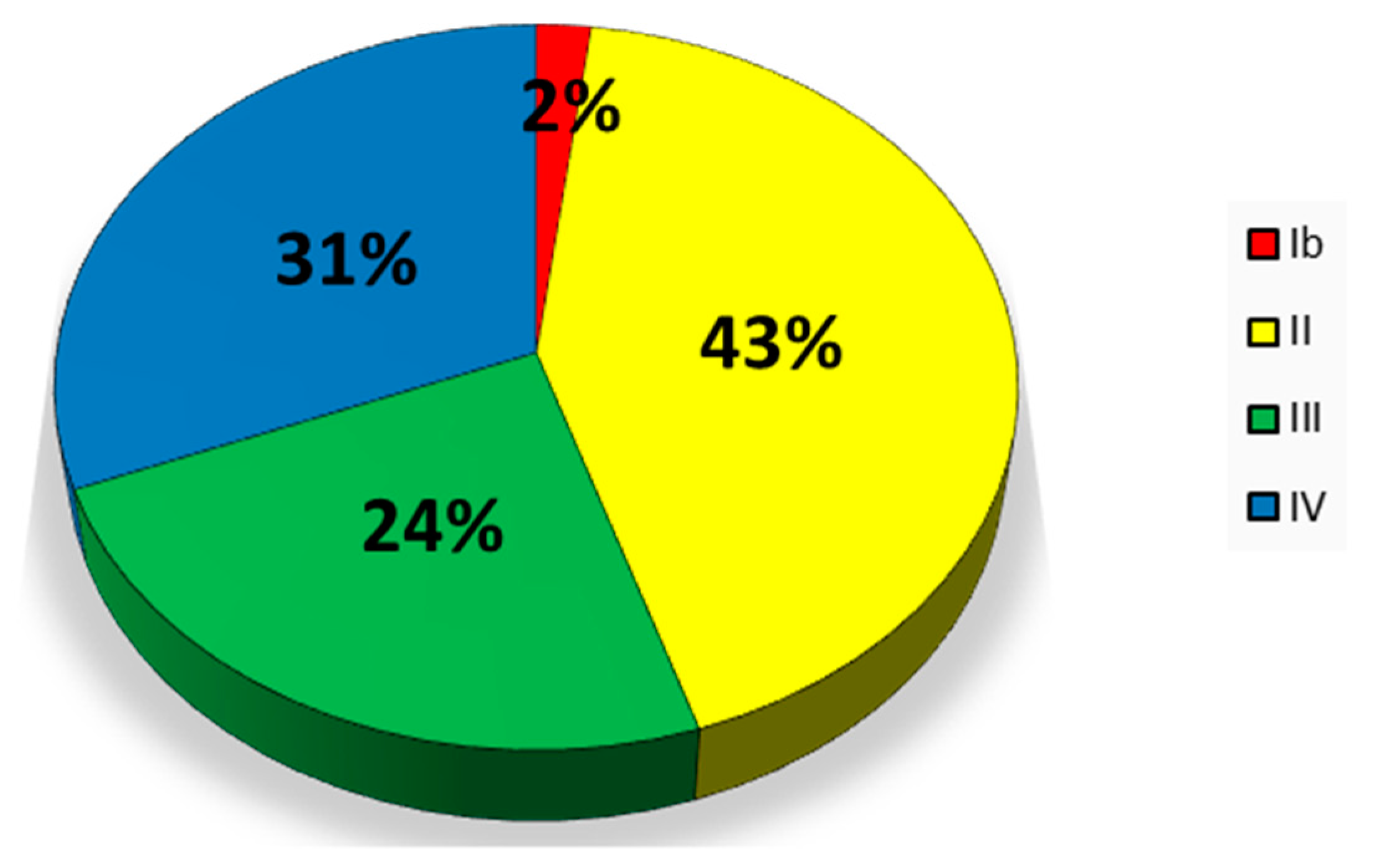

Table 1.
Pesticides that are prohibited or restricted in Bolivia and their technical justifications.
Table 1.
Pesticides that are prohibited or restricted in Bolivia and their technical justifications.
| PESTICIDES PROHIBITED | TECHNICAL JUSTIFICATIONS | ||
|---|---|---|---|
| Dieldrin | Prohibited since they are POPs, their use can cause risk and damage to human health and the environment because their high persistence and bioaccumulation properties. | ||
| Endrin | |||
| Toxaphene | |||
| Mirex | |||
| Dichlorodiphenyltrichloroethane (DDT) | |||
| Chlordane | |||
| Hexachlorobenzene (HCB) | |||
| Aldrin | |||
| Heptachlor | |||
| 2,4,5-Trichlorophenoxyacetic acid | |||
| Endosulfan | |||
| Monocrotophos | For being highly toxic to human health and for causing damage to the environment. Included in Annex III of the Rotterdam Convention. | ||
| Methamidophos | |||
| PESTICIDES RESTRICTED | TECHNICAL JUSTIFICATIONS | ||
| Methomyl | Harmful to health and the environment. Its import, commercialization, and use are authorized under a prescription prescribed by an Agronomist accredited by SENASAG. |
Table 2.
Active ingredients in pesticides registered by the SENASAG, 2020.
| N° | Active ingredient | N° Registered Products | Percentage | Activity | Crop to be apply | Toxicity range classification | N° Countries where are banned |
|---|---|---|---|---|---|---|---|
| 1 | Glyphosate | 121 | 6,5% | Herbicide | Soy, fallow | II, III, IV | 3 |
| 2 | Azoxystrobin | 77 | 4,1% | Fungicide | Other oleaginous, rice | II, III, IV | - |
| 3 | Thiamethoxam | 71 | 3,8% | Insecticide | Soy, sorghum, corn | II, III, IV | 28 |
| 4 | Imidacloprid | 65 | 3,5% | Insecticide | Soy, sorghum, corn | II, III, IV | 28 |
| 5 | Paraquat | 54 | 2,9% | Herbicide | Soy, Fallow | Ib, II, III | 48 |
| 6 | Emamectin benzoate | 54 | 2,9% | Insecticide | Soy, corn, rice | II, III, IV | - |
| 7 | Mancozeb | 50 | 2,7% | Fungicide | Tomato, potato, soy and wheat | III and IV | 29 |
| 8 | Abamectin | 45 | 2,4% | Insecticide/Acaricide | Soy bean | Ib, II | - |
| 9 | Atrazine | 44 | 2,4% | Herbicide | Corn, sugar cane | II, III, IV | 41 |
| 10 | 2,4 D | 42 | 2,3% | Herbicide | Fallow, soybeans, rice, sugar cane | II; III | 3 |
| 11 | Tebuconazole | 42 | 2,3% | Fungicide | Soybean, rice, corn | II, III, IV | 1 |
| 12 | Lambda Cyhalothrin | 40 | 2,2% | Insecticide | Soybean, corn | Ib, II, III, IV | 28 |
| 13 | Carbendazim | 35 | 1,9% | Fungicide | Soybean, corn and | III, III, IV | 32 |
| 14 | Fipronil | 35 | 1,9% | Fungicide | Soybeans, beans, corn | II, III | 37 |
| 15 | Chlorpyrifos | 33 | 1,9% | Insecticide | Soybean, corn, tomatoes | Ib, II | 35 |
| 16 | Clethodim | 31 | 1,7% | Herbicide | Soybean, sunflower and fallow | II, III, IV | - |
| 17 | Lufenuron | 26 | 1,4% | Insecticide | Soybean, corn and wheat | II, III, IV | 28 |
| 18 | Chlorantraniliprole | 25 | 1,4% | Insecticide | Soybean, corn, raise | II, III, IV | - |
| 19 | Cyproconazole | 22 | 1,2% | Fungicide | Soybean, corn and rice | II, III, IV | - |
| 20 | Bifenthrin | 20 | 1,1% | Insecticide | Soybean, rice | Ib, III | 29 |
Disclaimer/Publisher’s Note: The statements, opinions and data contained in all publications are solely those of the individual author(s) and contributor(s) and not of MDPI and/or the editor(s). MDPI and/or the editor(s) disclaim responsibility for any injury to people or property resulting from any ideas, methods, instructions or products referred to in the content. |
© 2024 by the authors. Licensee MDPI, Basel, Switzerland. This article is an open access article distributed under the terms and conditions of the Creative Commons Attribution (CC BY) license (https://creativecommons.org/licenses/by/4.0/).
Copyright: This open access article is published under a Creative Commons CC BY 4.0 license, which permit the free download, distribution, and reuse, provided that the author and preprint are cited in any reuse.


