

Submitted:
18 September 2026
Posted:
20 September 2026
You are already at the latest version
Abstract
Background: Mepivacaine hydrochloride is commonly used for digital anaesthesia in United Kingdom podiatric practice, although representative prevalence data are lacking. Published maximum recommended doses vary, and the evidential base of exact mg/kg limits is often unclear. Dose limits remain important safeguards, but they are not individual toxicity thresholds. Methods: This structured narrative review updates a 2021 preprint. The original review searched MEDLINE, Embase, CINAHL and AMED. For this revision, the authors reassessed the earlier evidence base and updated searches of PubMed, reference lists, regulatory sources, product information, and professional guidance through to September 2026. Priority was given to current United Kingdom legislation and product information, systematic reviews, practice advisories and primary pharmacokinetic or clinical studies. This was not a systematic review; formal risk-of-bias appraisal and meta-analysis were therefore not undertaken. Results: Mepivacaine is an intermediate-acting amino-amide local anaesthetic with relatively limited vasodilator activity. Recommended adult doses differ between product information, formularies and textbooks. Treat these limits as conservative population-level safeguards rather than precise toxicity thresholds. Systemic exposure is influenced by total dose, concentration, injection site and speed, accidental intravascular administration, concurrent local anaesthetics and patient factors. Historical paediatric rules based on fractions of an adult dose are unsuitable for contemporary clinical dosing. Safe practice requires the lowest effective dose, incremental injection, dose calculation across all local anaesthetics, readiness to recognise local anaesthetic systemic toxicity and immediate access to an emergency plan. Conclusion: 3% mepivacaine remains a practical option for digital anaesthesia, but neither customary podiatric practice nor a single mg/kg figure is sufficient evidence of safety. Clinicians should follow current product information and legislation, individualise dosing conservatively and maintain competence and preparedness for local anaesthetic systemic toxicity.
Keywords:
mepivacaine
; local anaesthesia
; podiatry
; digital nerve block
; dose calculation
; local anaesthetic systemic toxicity
; LAST
1. Introduction
Local anaesthetics reversibly inhibit action potential propagation in excitable tissues, principally through blockade of voltage-gated sodium channels. Their use permits otherwise painful procedures to be undertaken without loss of consciousness and has transformed nail and skin surgery for United Kingdom (UK) podiatrists over the last 50 years. Mepivacaine hydrochloride is an amino-amide local anaesthetic. Its 3% plain presentation provides 30 mg/mL of the active drug and is familiar to many United Kingdom podiatrists undertaking digital blocks to manage onychocryptosis [1,2,3,4,5].
The original 2021 preprint examined the chemistry, pharmacology and calculation of mepivacaine doses and questioned the precision of maximum safe dose recommendations typically taught. That question remains legitimate. Recommended maxima vary between jurisdictions and sources, and many values are based on animal experiments, volunteer studies, case reports and accumulated clinical experience rather than trials designed to identify a toxicity threshold. Nevertheless, uncertainty in deriving a limit does not mean that exceeding standard maxima is without risk. Local anaesthetic systemic toxicity can follow an inadvertent intravascular injection or susceptible-patient exposure even when the calculated dose is below a published maximum [6,7,8,9,10].
This revision therefore reframes the paper. It aims to summarise clinically relevant mepivacaine pharmacology; explain dose and volume calculations; distinguish a maximum recommended dose (MRD) from an individual toxicity threshold; identify patient-, drug-, and procedure-related modifiers; and set dosing within a contemporary framework for preventing, recognising, and managing local anaesthetic systemic toxicity (LAST).
2. United Kingdom Legal and Professional Context
A small number of chiropodists in the United Kingdom used local anaesthesia during the 1960s. Borthwick’s historical account identifies the Croydon Postgraduate Group as a pivotal practitioner-led influence in this early development, helping to advance local anaesthetic knowledge and training within the profession at a time when formal recognition remained limited. Progress was constrained by concerns about education, competence and the medicines legislation introduced under the Medicines Act 1968. The Chiropodists Board of the Council for Professions Supplementary to Medicine (CPSM) approved the use of local anaesthesia by appropriately trained practitioners in 1972. Formal statutory exemptions followed in 1980 through the Prescription Only Medicines (Human Use) Order 1980, the Medicines (Sale or Supply) (Miscellaneous Provisions) Regulations 1980 and the Medicines (Pharmacy and General Sale-Exemption) Order 1980. These instruments established the legislative foundation for chiropodists’ access to and administration of specified local anaesthetics.
Maher et al. (2008) note that the Department of Health (DoH) expressed concerns regarding the non-medical administration of local anaesthetics when access was first granted, and placed restrictions on the maximum dosage that could be administered in a 24-hour period. They go on to summarise earlier papers stating that the Society of Chiropodists successfully fought this restriction and that, in 1980, the DoH lifted it, allowing podiatrists to use their clinical judgement in deciding dose [15]. However, the authors note that this 24-hour ‘rule’ remains in the current lexicon [5].
The exemptions were subsequently amended and expanded before being consolidated within the Human Medicines Regulations (HMR) 2012 [5,11,12,13,14]. HMR 2012 exempts specified prescription-only medicines for chiropodists and podiatrists registered with the Health and Care Professions Council (HCPC) and annotated to confirm the relevant competence [17]. HMR 2012 Schedule 17 Part 3 includes mepivacaine hydrochloride among medicines for parenteral administration, subject to the stated conditions and use in the course of professional practice.
The statutory exemption should not be described simply as ‘access’ to local anaesthetics. Administration, prescribing, sale and supply are legally distinct activities, and POM-A annotation does not confer independent prescribing authority [16,17,18,19]. Statutory permission also does not remove requirements for scope of practice, appropriate education, competence, consent, documentation, clinical governance and adherence to current product information [17,20]. Under HMR 2012 Schedule 17 Part 3, where a medicinal product contains a combination of listed substances, those substances must not have been combined by the chiropodist or podiatrist [16]. A practitioner relying only on the POM-A exemption should therefore not extemporaneously add adrenaline to mepivacaine or otherwise create a combination. Conversely, an independently prescribing podiatrist should not assume that prescribing authority alone resolves the legal and governance position on extemporaneous mixing. Before combining medicines, the practitioner must consider the precise lawful mechanism, product status, prescribing and administration authority, professional competence, organisational policy, and a clear evidence-informed rationale [19,20,21,38].
2.1. Licensed Indication and Off-Label Podiatric Use
Scandonest 3% Plain is an authorised medicinal product in the United Kingdom, but its Summary of Product Characteristics (SmPC) limits the therapeutic indication to local and locoregional anaesthesia in dental surgery. Using it for a digital toe block, nail surgery, or another foot procedure is therefore off-label because the clinical indication falls outside the authorised dental indication. Although the HMR 2012 permits appropriately annotated podiatrists to administer mepivacaine hydrochloride in professional practice, that statutory exemption does not extend the authorised indication in the product licence. Off-label use should normally be supported by a documented clinical rationale, evidence-informed decision-making, practitioner competence, local governance and valid informed consent. The extent to which these governance measures are consistently documented in UK podiatric practice is unknown, but the authors do not believe that this is custom and practice in the UK. The Royal College of Podiatry (RCoP) guidance states that the College and the Medicines and Healthcare Regulatory Agency (MHRA) consider off-label use of 3% plain mepivacaine for digital anaesthesia in children to be acceptable professional practice among suitably qualified, HCPC-registered podiatrists, with the appropriate POM-A annotation. [4,16,21,22].
2.2. Medicines Mechanisms and Governance
Professional exemptions, independent prescribing, patient group directions, and patient-specific directions are distinct legal mechanisms (see Table 1).
The exemption permits an appropriately annotated podiatrist to administer the medicines specified in the legislation in the course of professional practice; it does not itself confer prescribing or general supply authority. Independent prescribing requires the separate HCPC annotation and must remain within the practitioner’s competence. A patient group direction is an organisational mechanism for defined groups of patients, whereas a patient-specific direction concerns an individually identified patient [16,18,19]. HCPC guidance states that registrants using medicines mechanisms should follow employer policies and ensure their professional indemnity arrangements cover the activity.
3. Methods
This structured narrative review updates the evidence and interpretation presented in the 2021 preprint. The original review searched MEDLINE, Embase, CINAHL and AMED. For this revision, the authors reassessed the previous source set and conducted targeted update searches in PubMed through 16 September 2026, supplemented by reference-list searching and direct checks of United Kingdom legislation, product information, regulatory documents and professional guidance. The PubMed search combined (mepivacaine OR Carbocaine OR Scandonest), as appropriate, with (local anaesthetic OR digital block OR peripheral nerve block OR podiatr* OR dose OR maximum recommended dose OR toxicity OR local anaesthetic systemic toxicity OR pharmacokinetic* OR child* OR obes*). The database collection from the Royal Society of Medicine combined (local anaesthetic) AND (foot surgery) AND (toxicity), with (local anaesthetic) AND (adverse reaction) AND (foot surgery) AND (mepivacaine) interchangeably. The authors checked regulatory and product sources against their issuing organisations and, where available, the exact preparation. Sources were selected for direct relevance to mepivacaine pharmacology, dose calculation, digital anaesthesia, patient risk or LAST prevention and management. This was a targeted narrative update; a formal duplicate screening, risk-of-bias appraisal or meta-analysis was not undertaken.
Eligible material included human pharmacology and pharmacokinetic studies, clinical studies of mepivacaine, systematic reviews, safety surveillance, and case reports relevant to toxicity, as well as current summaries of product characteristics, legislation, and authoritative practice guidance. Evidence on other local anaesthetics was considered where it informs general mechanisms, LAST prevention, or emergency management. Because the article is explanatory rather than an effect estimation, no meta-analysis was planned.
4. Clinically Relevant Pharmacology
4.1. Molecular Structure and Ionisation
A typical local anaesthetic contains a lipophilic aromatic group, an intermediate linkage and a hydrophilic amine. Mepivacaine is an amino-amide: metabolism occurs predominantly in the liver, whereas amino-esters are mainly hydrolysed by esterases. Commercial mepivacaine (see Figure 1) is formulated as a water-soluble hydrochloride salt. In solution and tissue, it exists in equilibrium between an uncharged base (B) and a protonated cation (BH+): B + H+ ⇌ BH+. The salt formation can be represented as C15H22N2O + HCl → [C15H23N2O]+ Cl−. The Henderson-Hasselbalch relationship describes the proportion in each form [1,2,24,25].
The uncharged form crosses lipid membranes more readily. Within the axoplasm, reprotonation permits the cationic form to bind to the intracellular portion of voltage-gated sodium channels, with greater affinity for open and inactivated states (see Figure 2). This state- and use-dependent block reduces sodium conductance and prevents action-potential propagation. Lower tissue pH shifts the equilibrium toward the protonated form and can contribute to slower or unreliable anaesthesia in inflamed tissue, although inflammation, altered perfusion, and distance from the nerve also matter [1,2,24,25,26].
4.2. Action Potentials
The resting membrane potential reflects selective membrane permeability, particularly potassium leak conductance, together with ionic gradients maintained by the sodium-potassium adenosine triphosphatase. During depolarisation, voltage-gated sodium channels open and sodium ions enter the axon. Sodium-channel inactivation and opening of voltage-gated potassium channels contribute to repolarisation. The sodium-potassium pump maintains ionic gradients over time but does not directly repolarise the membrane after each individual action potential. Threshold values vary between fibre types and physiological conditions; a single value such as -55 mV is an educational approximation rather than a universal constant [27].
4.3. Distribution, Metabolism and Elimination
After injection, some drug enters the target nerve, and some is absorbed into the circulation. The rate of systemic absorption depends on tissue vascularity, total dose, concentration, injection technique, blood flow and any vasoconstrictor. In plasma, mepivacaine binds principally to alpha-1-acid glycoprotein. It undergoes hepatic metabolism, including oxidative pathways, and metabolites and a small proportion of unchanged drug are excreted in urine. Reduced hepatic blood flow, severe hepatic dysfunction, low cardiac output, extremes of age, and repeated administration may increase exposure or delay elimination. Acidosis, hypoxia and hypercarbia can increase the clinical consequences of toxicity [2,9,15,28,29].
Mepivacaine has relatively limited vasodilator activity and can provide useful anaesthesia without adrenaline. Its onset and duration vary with dose, concentration, injection site, proximity to the nerve and the outcome being measured. Statements that it is categorically less toxic than lidocaine should be avoided unless the comparison specifies route, dose, outcome and population [3,30,31,32,33].
5. Dose: Concentration and Volume
A 1% solution contains 1 g per 100 mL, equivalent to 10 mg/mL. Therefore, 3% mepivacaine contains 30 mg/mL. The administered dose is calculated as follows:
Dose (mg) = volume (mL) × concentration (mg/mL)
For example, 4 mL of 3% mepivacaine contains 120 mg. Conversely, if a patient-specific recommended maximum is 300 mg, the corresponding volume of 3% solution is 300 mg ÷ 30 mg/mL = 10 mL. Use the lower of the weight-derived amount and the product-specific absolute maximum. This calculation establishes an upper boundary, not the injection volume. The clinical objective remains the lowest dose and volume that provide an adequate block [4,34], see Table 2.
5.1. Cartridge-Based Calculations
The Scandonest 3% Plain presentation listed by Septodont UK is a 2.2 mL dental cartridge. At 30 mg/mL, its nominal mepivacaine content is 66 mg. The UK Summary of Product Characteristics (SmPC) also describes a 1.7 mL cartridge containing 51 mg; clinicians must confirm the volume printed on the cartridge and packaging rather than assume a standard capacity. For a 2.2 mL cartridge, four cartridges contain 264 mg; five cartridges therefore contain 330 mg, so a 300 mg recommended maximum is reached before a fifth full cartridge. Calculate, administer, and document the dose in milligrams and millilitres, not by cartridge count alone. These illustrative calculations do not determine the required block volume; a lower weight-derived limit may apply, and the planned clinical dose should remain the smallest quantity needed for the block [4,35].
5.2. Product and Formulation Checks
Scandonest 3% plain contains 30 mg/mL and no vasoconstrictor. It should not be confused with mepivacaine products of another strength or with formulations containing a vasoconstrictor. Dose recommendations, contraindications and administration instructions cannot be transferred between formulations without checking the current SmPC for the exact product. Before use, the clinician should check the name, strength, presentation, expiry date, batch number, container integrity and storage history. Best practice is not to retain a cartridge intended for single-patient use for another patient [4].
6. Maximal Recommended Dose
Published mepivacaine recommendations have ranged across approximately 4.4-6.6 mg/kg, with differing absolute maxima and different recommendations for formulations containing a vasoconstrictor. Some sources concern dental cartridges, others peripheral nerve block or regional anaesthesia, and some reproduce earlier values without identifying the original evidence. Such figures should not be pooled without context. Importantly, the United Kingdom Scandonest 3% SmPC was revised to state 4.4 mg/kg, a change highlighted by the Royal College of Podiatry in December 2021. The current product information for the exact preparation in use must therefore be the principal dosing reference [4,6,7,36,37,38].
Rosenberg and colleagues argued that maximum-dose recommendations are multifactorial and must be interpreted in relation to the block and patient. That criticism remains persuasive. It does not justify routine departure from licensed limits. A recommended maximum is a conservative safety boundary; it neither guarantees safety below the value nor defines inevitable toxicity above it. Intravascular injection can create a high arterial concentration after a modest total dose, while slow extravascular absorption may allow a larger cumulative dose to be tolerated in a monitored setting [7,8,9,39].
Reports of large, repeated doses during continuous catheter techniques cannot be translated directly to a single outpatient injection. Those techniques involve different concentrations, absorption intervals, monitoring and rescue capability. If practice outside a product recommendation is contemplated, the clinical rationale, evidence, consent, governance, monitoring and emergency arrangements require explicit consideration [40].
6.1. International and Inter-Source Variation in Recommended Doses
The variation identified in the 2021 preprint persists, although the comparison requires care. A figure printed in a dental cartridge monograph does not automatically transfer to a 1% regional-anaesthesia preparation, continuous catheter technique, or podiatric digital block. Some sources state a weight-based maximum, some an absolute maximum, some both, and others provide a usual procedural volume rather than a general maximum. The European Scandonest reference is especially important because it harmonised previously divergent national product information across the European Economic Area. It adopted 4.4 mg/kg with an absolute adult maximum of 300 mg and a paediatric maximum of 3 mg/kg for children aged at least four years. The RCoP notified members of this on 16 December 2021, when the previous value was thought to be 6 mg/kg. In contrast, current and historical North American sources include limits from 4.5 to 6.6 mg/kg, while US regional anaesthesia labelling records that 7 mg/kg or 550 mg has been administered in exceptional circumstances but explicitly states that these amounts are not routinely recommended [36,41,42,43,44].
Table 3 and Table 4 reproduce the stated values rather than selecting a universal number. Values are shown only where the source gives an identifiable dose or volume. They demonstrate why every recommendation must be considered with its jurisdiction, preparation, route and date. The European and UK product information for the exact Scandonest 3% preparation used in practice should take precedence over a foreign label or secondary textbook.
Taken together, the sources do not support the claim that there is one internationally accepted mepivacaine MRD. The defensible clinical approach in United Kingdom podiatry is to use the current UK SmPC for the actual product, apply the lower of its weight-based and absolute limits, reduce the planned dose when patient or procedural risk is increased, and regard foreign or speciality-specific values as explanatory comparisons rather than alternative permissions [4,7].
7. Individualising Drug Doses
LAST is influenced by patient, drug, procedural and system-related factors. Patient risks include extremes of age, frailty, pregnancy, severe hepatic impairment, low cardiac output, marked obesity, acidosis and hypoxia; these warrant conservative dosing, optimisation of the patient’s physiology, appropriate monitoring and, where necessary, specialist advice [9,53]. Drug-related risks include high concentrations or doses, rapid redosing, combining local anaesthetics and interactions with other medicines. Therefore, calculate the total dose of each agent, treat toxic effects as additive, and avoid unnecessary mixtures [9,54]. Procedural risks include injection into a vascular site, inadvertent intravascular administration, rapid injection, large volumes and uncertainty about needle position. Incremental injection, repeated aspiration, continuous communication with the patient, and appropriate monitoring can reduce risk [23]. System-related risks include the absence of an emergency plan, unavailable oxygen or lipid emulsion, and delayed recognition of toxicity. A current LAST checklist should be used, the clinical team appropriately trained, and all necessary emergency equipment and medicines made immediately accessible [55], see Figure 3.
7.1. Body Size and Obesity
The Septodont UK SmPC for Scandonest 3% Plain (mepivacaine) states that for adults, the maximum recommended dose is 4.4 mg/kg of body weight, with an absolute maximum recommended dose of 300 mg for individuals above 70 kg of body weight [4]. In marked obesity, actual body weight should not be assumed to scale linearly with the capacity to distribute or clear a local anaesthetic. Ideal body weight, lean body weight and adjusted body weight are different constructs, and evidence directly validating one scalar for 3% mepivacaine digital blocks is limited. Contemporary anaesthetic literature commonly recommends lean body weight as a cautious basis for local anaesthetic dosing in obesity, but this is not a validated rule for 3% mepivacaine digital blocks. Consider a conservative dosing scalar, the product-specific recommended maximum, and the anticipated block requirements [9,53].
The following illustration uses ideal body weight solely to show why total body weight can be misleading in marked obesity; it is not a validated dosing rule for mepivacaine or a substitute for product information, conservative clinical judgement, or the lowest effective block dose. Consider two men who each weigh 100 kg, one measuring 5 feet (152.4 cm) and the other 6 feet (182.9 cm). The Devine formula estimates ideal body weight rather than lean body weight [56]:
Male IBW (kg) = 50 kg + 2.3 kg for each inch over 5 feet
5-foot man: IBW = 50 + (2.3 × 0) = 50 kg
6-foot man: IBW = 50 + (2.3 × 12) = 77.6 kg
At the recommended maximum mepivacaine dose of 4.4 mg/kg, the calculations are:
5-foot man: 50 kg × 4.4 mg/kg = 220 mg; 220 mg / 30 mg/mL = 7.3 mL
6-foot man: 77.6 kg × 4.4 mg/kg = 341.4 mg, reduced to the absolute adult maximum of 300 mg
300 mg / 30 mg/mL = 10 mL
Using actual body weight would produce the same calculation of 440 mg for both men, exceeding the absolute UK 300 mg maximum and failing to account for their markedly different body composition. The absolute 300 mg ceiling applies irrespective of whether body weight above this level reflects adiposity, muscularity or greater stature. Thus, under the current SmPC, a healthy non-obese adult weighing 100 kg does not have a recommended maximum dose of 440 mg, and clinicians should always use the smallest effective dose [4]. This illustration should not be interpreted as endorsing ideal body weight as the universal dosing scalar for local anaesthetics, but as noted above, maximal doses vary between jurisdictions. Where a greater volume of anaesthesia is required, other drugs with a higher total safe volume, such as levobupivacaine, are available to UK podiatrists.
7.2. Organ Dysfunction, Age and Pregnancy
Severe hepatic disease and conditions that reduce hepatic blood flow may impair clearance. Advanced age, frailty and low cardiac output may reduce physiological reserve. Renal impairment is usually less influential on clearance of the parent amino-amide than hepatic or circulatory dysfunction, although metabolite accumulation and acid-base disturbance can still be relevant. Pregnancy may alter maternal physiology and protein binding, potentially modifying local-anaesthetic exposure and response. Practitioners should consult current product information and specialist pregnancy and breastfeeding advice when making individual decisions. The Scandonest SmPC states that “clinical studies were not performed in pregnant women, and no reported cases involving mepivacaine 30 mg/mL were identified. Animal studies did not indicate direct or indirect reproductive harm. Therefore, as a precaution, it is preferable to avoid mepivacaine during pregnancy unless necessary”. [4,9,29]. The authors ask: what is ‘necessary’? If a pregnant woman with an advanced case of onychocryptosis presents early in her pregnancy, is it reasonable for her to wait many months to perform nail surgery, given the strong safety profile of local anaesthetics noted elsewhere in the medical literature? In practice, an individual assessment is needed of the severity and progression of the condition, the consequences of delaying treatment, available alternatives, gestational stage, and the minimum effective anaesthetic dose.
8. Paediatric Dosing
Clark’s rule (based on the child’s weight) and Young’s rule (based on the child’s age) estimate a child’s dose as a fraction of an adult dose for a given drug. They were designed to estimate a paediatric dose from a known adult dose when no specific paediatric dose was available. They are now considered historical approximations and should not be used to calculate a paediatric mepivacaine dose. Their divergent results do not demonstrate flexibility; they demonstrate why adult-fraction rules are unreliable [50,57].
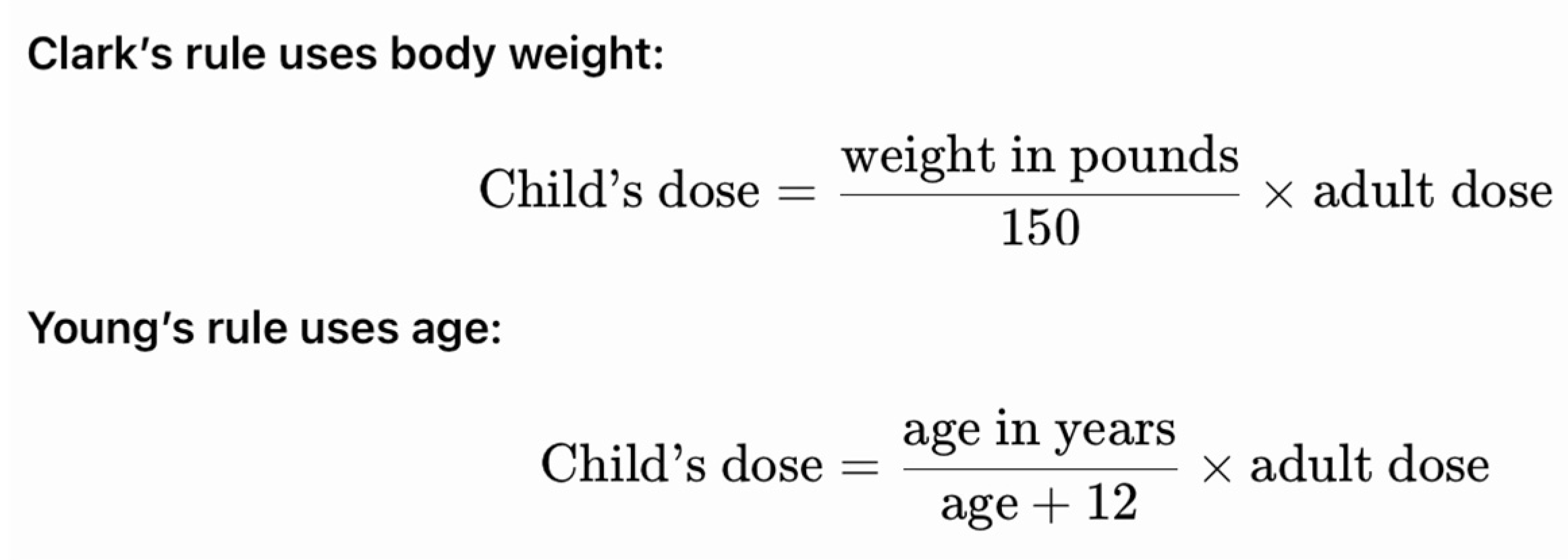
Paediatric dosing should use current product-specific information and an authoritative paediatric formulary or speciality guideline. The clinician should confirm whether the formulation is authorised for the child’s age, calculate the dose directly in mg/kg, apply the stated maximum, and reduce the planned dose where patient or procedural factors increase risk. Children have less margin for arithmetic or cartridge-volume errors, so independently check and document the planned dose in milligrams and millilitres before injection [4,57].
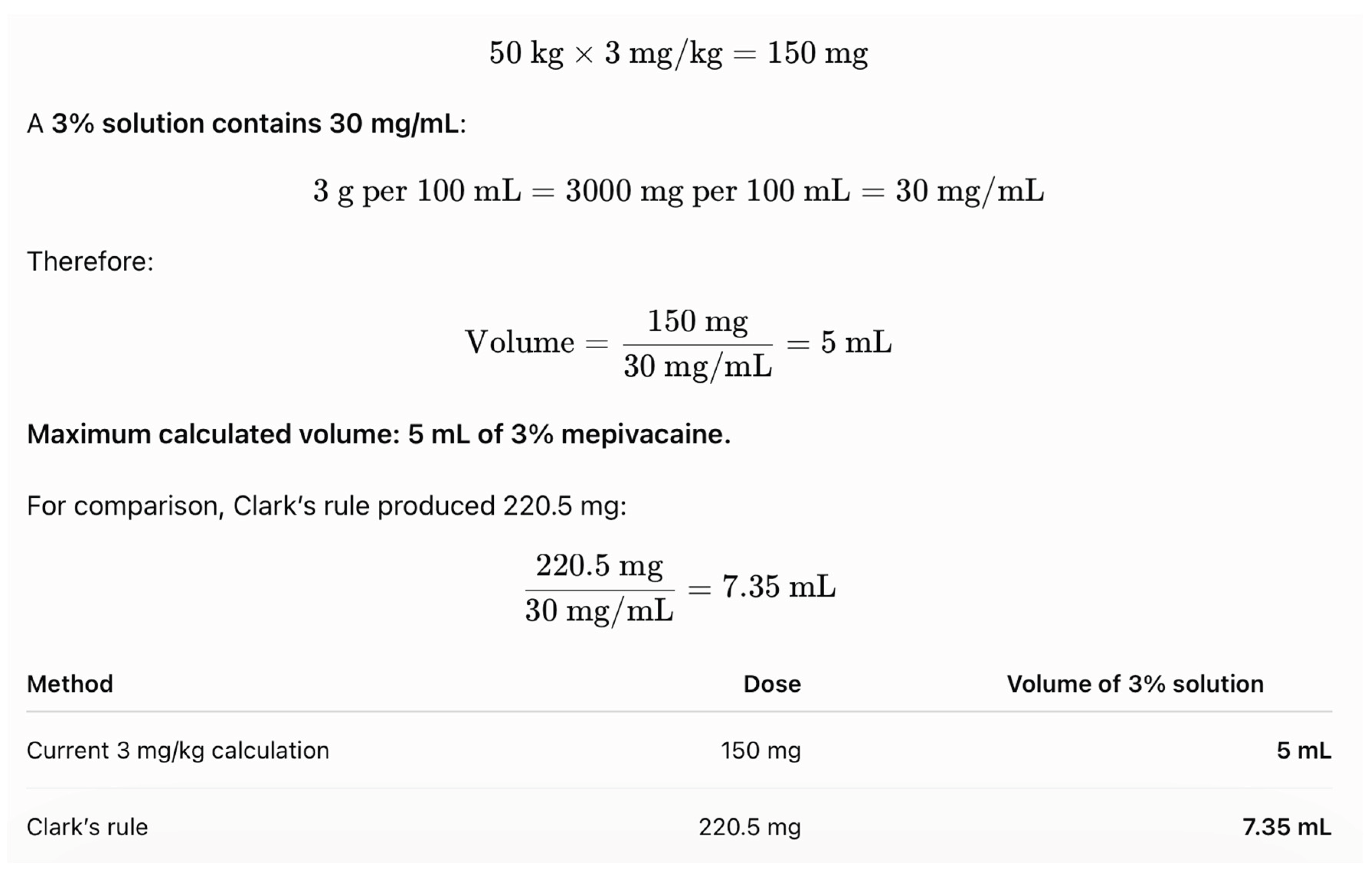
The current European harmonised product information gives a paediatric maximum of 3 mg/kg for children aged four years and older. As noted above, this does not create a licensed podiatric indication: use for a foot procedure is off-label and remains outside the authorised dental indication in adults and children. Use below the product’s stated age range would require still greater caution, a clear clinical justification and consideration of specialist advice or an alternative approach [41,42]. A worked example for a 50 kg child would be:
9. Digital Blocks and Adrenaline
This section concerns evidence for commercially prepared lidocaine-adrenaline combinations in digital blocks; it is not evidence for adding adrenaline to plain mepivacaine. The traditional assertion that adrenaline must never be used in a finger or toe has been challenged. A 2015 literature review found no digital necrosis attributable to adrenaline at concentrations of 1:100,000-1:200,000 among at least 2,797 reported blocks. A Cochrane review nevertheless judged the randomised evidence insufficient to recommend routine use or avoidance, and a 2023 systematic review found longer anaesthesia and apparent safety in healthy adults while noting limitations and risk of bias. Most studies excluded patients with materially impaired peripheral circulation [58,59,60].
The appropriate conclusion is not that adrenaline is universally safe in every digit. It is that the historical absolute prohibition is poorly supported for healthy digits, while evidence is less secure in patients with peripheral arterial disease, vasospastic disorders or other threats to digital perfusion. United Kingdom podiatrists must also remain within the precise statutory, product and governance provisions applying to the particular adrenaline-containing preparation. Evidence about lidocaine with adrenaline does not authorise extemporaneous addition of adrenaline to mepivacaine [16,58,59,60].
10. Combined Local Anaesthetics
Where more than one local anaesthetic has been administered, clinicians should assume additive systemic toxicity and should not administer the maximum recommended dose of each agent independently. A fractional-dose calculation is sometimes used as a conservative educational aid, but it has not been clinically validated as a safety threshold and should not be used to justify higher total dosing. It does not account for differences in absorption, protein binding or organ toxicity and cannot substitute for use of the lowest effective total dose [9,54,61].
10.1. Incomplete Blocks and Repeat Dosing
An incomplete block should prompt reassessment rather than automatic reinjection. The clinician should allow an appropriate onset interval, reconsider needle placement, anatomy, tissue inflammation and the planned procedure, and calculate the total dose already administered before giving any supplement. Failure of anaesthesia does not imply that the first dose was not absorbed. Include every additional injection in the cumulative milligram total and document it. If you cannot obtain adequate anaesthesia within a conservative dose and a safe setting, postponing, changing the anaesthetic plan, or arranging treatment in a more appropriate environment may be safer than repeated dosing [9,23].
11. Prevention, Recognition and Management of LAST
LAST is uncommon but potentially fatal. It may follow accidental intravascular injection, rapid absorption or cumulative exposure. Classic early neurological symptoms include circumoral paraesthesia, metallic taste, tinnitus, auditory change, dizziness, agitation, dysarthria and altered mental status. Progression may include seizures, loss of consciousness and respiratory arrest. Cardiovascular features include hypotension, conduction disturbance, ventricular arrhythmia and cardiac arrest. Presentations may be atypical, delayed or predominantly cardiovascular [8,9,10,23].
Prevention begins before injection. The clinician should confirm the preparation and concentration, record the planned maximum in milligrams and millilitres, count all local anaesthetic already given, use the lowest effective dose, inject incrementally with repeated aspiration, maintain verbal contact where possible and observe appropriately after administration. Ultrasound may improve needle placement for selected proximal blocks but does not eliminate LAST [23,55].
Aspiration performance depends on the syringe mechanism rather than on a simple distinction between dental and Luer syringes. A conventional Luer syringe and a harpoon-type dental cartridge syringe permit active plunger withdrawal. Passive self-aspirating cartridge systems instead depend on elastic rebound of the cartridge diaphragm. No identified study provided a direct contemporary head-to-head comparison between a conventional Luer syringe, and all commonly used dental cartridge syringe mechanisms.
In an older clinical comparison involving 2,348 dental injections, positive aspiration was recorded in 4.7% of manually aspirated injections but in 1.1% with the self-aspirating system [62]. A laboratory study subsequently compared traditional and self-aspirating dental cartridges under simulated arterial conditions and found that aspiration capability depended on the cartridge mechanism and test conditions [63]. A separate clinical study of inferior alveolar nerve blocks confirms that positive aspiration remains a practical occurrence during dental injection, but it did not compare dental cartridges with Luer syringes [64].
The evidence therefore does not establish that dental cartridge syringes as a class are less effective than conventional Luer syringes. It does show that passive self-aspiration should not be assumed to perform equivalently across products or conditions. A negative aspiration cannot exclude intravascular needle placement because the bevel may lie partly outside the vessel, the vessel may collapse or become occluded against the needle, insufficient negative pressure may be generated, or the needle may move after aspiration. Slow incremental injection with repeated aspiration remains appropriate [62,63,64].
If LAST is suspected, stop injecting and call for emergency help. Priorities are airway management, 100% oxygen, adequate ventilation, seizure control and circulatory support. Hypoxia, hypercarbia and acidosis should be avoided because they potentiate toxicity. Severe or progressing LAST requires early consideration of 20% intravenous lipid emulsion according to the current locally adopted protocol. Resuscitation for LAST differs in important respects from routine advanced life support, so the current checklist should be immediately available. This article does not replace local emergency policy, resuscitation training, clinical judgement or the locally adopted LAST algorithm. A podiatric service administering injectable high volume local anaesthetic should consider their access to oxygen, monitoring, emergency medicines, lipid emulsion, trained assistance and emergency transfer [23,55], see Table 5.
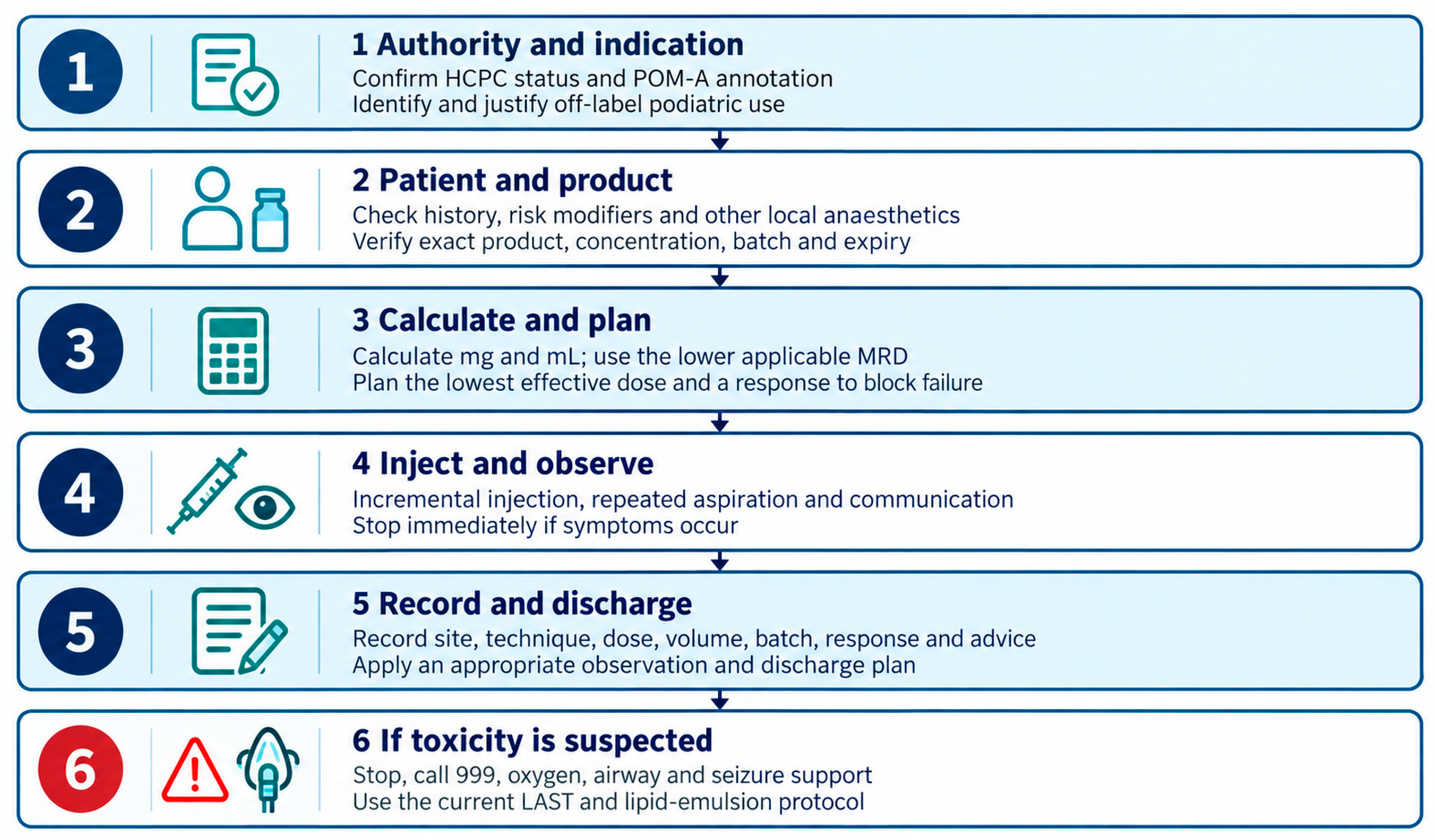
11.1. UK Practice Pathway
Figure 4.
Decision-support pathway for mepivacaine administration in UK podiatric practice. Author-created schematic based on the legal, product and clinical sources cited in the text; it does not replace individual clinical judgement or local emergency policy.
Figure 4.
Decision-support pathway for mepivacaine administration in UK podiatric practice. Author-created schematic based on the legal, product and clinical sources cited in the text; it does not replace individual clinical judgement or local emergency policy.
11.2. Incident Reporting and Follow-Up
After suspected toxicity, an unexpected adverse reaction, a medication error or a suspected product defect, the record should preserve the product name, concentration, volume, total dose, batch number, expiry date, injection sites, timing, symptoms, observations, treatment and outcome. Enter the event into the organisation’s significant-event or incident-reporting process. Report suspected adverse drug reactions and relevant medication errors or product-quality concerns through the MHRA Yellow Card scheme, where applicable. Retain the cartridge and packaging when safe and relevant to the investigation and review practice before further administration [65].
12. Implications for Podiatric Practice
The calculated MRD is a source-specific upper limit, not a target dose for the block. The planned clinical dose is the smallest quantity likely to produce adequate anaesthesia for the intended procedure [4,7,23]. The authors suggest that practitioners:
- Confirm the legal mechanism for administration, current HCPC annotation, indemnity cover and relevant local medicines policy,
- Use the current SmPC for the exact mepivacaine preparation as the primary dose reference,
- Record the indication, off-label rationale where relevant, consent, product, concentration, volume, total milligrams, batch, expiry, site, technique and clinical response; avoid documenting only a number of cartridges,
- Use the lower of the weight-derived dose and the product-specific absolute maximum.
- In marked obesity or significant comorbidity, calculate conservatively and use only the volume required for the block
- Do not use Clark’s rule or Young’s rule for children,
- Count other local anaesthetics as contributing to a cumulative, additive toxic burden,
- Do not infer that a distal block is intrinsically safe: intravascular injection can occur at any site,
- Maintain an immediately accessible LAST protocol, appropriate emergency equipment and a rehearsed transfer pathway,
13. Evidence Gaps and Research Priorities
Direct evidence from podiatric practice remains sparse. Priority questions include the dose-volume requirements of common digital-block techniques; plasma mepivacaine concentrations after 3% digital and ankle blocks; the effect of tourniquets on the timing of systemic absorption; comparative effectiveness of lower concentrations; dosing in older and obese patients; and prospective surveillance of adverse events. A national survey could establish current United Kingdom practice, including preparation, volume, dose calculation, monitoring and LAST preparedness. Formal representative prevalence data are currently lacking, despite professional guidance describing mepivacaine as commonly used [5].
14. Conclusion
The current UK Scandonest 3% Plain SmPC specifies 4.4 mg/kg, subject to an absolute adult maximum of 300 mg. This ceiling applies irrespective of whether a patient’s weight above approximately 70 kg reflects adiposity, muscularity or greater stature. It is a recommended upper boundary, not a dose target or an individual toxicity threshold. Safe podiatric use requires the lowest effective dose, product-specific calculation in milligrams and millilitres, consideration of patient and procedural risk, incremental injection and preparedness to recognise and manage LAST. Clinicians must therefore continue to exercise professional caution when considering local anaesthesia and consider the patient factors highlighted in this article. Used judiciously, they remain a safe and effective clinical tool.
Author Contributions
Ian Reilly conceived the original review. Nicola Burt undertook the original literature search and prepared the first draft. All authors contributed to the 2021 preprint. Ian Reilly completed the update, but all authors have reviewed and agreed to the 2026 update. Generative AI was used for formatting.
Funding
The original and updated work received no external funding.
Ethics
Ethical approval is not normally required for a narrative review that does not involve human participants, identifiable data or animals. Journal-specific wording should be followed.
Data availability
This narrative review did not generate a new dataset.
Conflicts of interest
None.
Revision note
This manuscript is a major revision of Reilly et al., “An update on the chemistry, pharmacology and dose calculations of mepivacaine hydrochloride for podiatrists in the United Kingdom”, originally posted as a non-peer-reviewed preprint in January 2021 (https://doi.org/10.20944/preprints202012.0555.v2). We have substantially revised the structure, interpretation, safety discussion, paediatric dosing section, and references. This version replaces the expression “maximum safe dose” with “maximum recommended dose” because no single dose separates safe from toxic administration in every patient or block.
References
- Becker, D.E.; Reed, K.L. Essentials of local anesthetic pharmacology. Anesth. Prog. 2006, 53, 98–109. [Google Scholar] [CrossRef]
- Becker, D.E.; Reed, K.L. Local anesthetics: review of pharmacological considerations. Anesth. Prog. 2012, 59, 90–102. [Google Scholar] [CrossRef] [PubMed]
- Brockmann, W.G. Mepivacaine: a closer look at its properties and current utility. Gen. Dent. 2014, 62, 70–75. [Google Scholar] [PubMed]
- Septodont Ltd. Scandonest 3% Plain, solution for injection: Summary of Product Characteristics. 16 Sep 2026. Available online: https://www.septodont.co.uk/wp-content/uploads/sites/12/2022/12/PI-Scandonest-3-percent-plain-UK.pdf.
- Locke, J. Local Anaesthetic Update Royal College of Podiatry. 16 Sep 2026. Available online: https://rcpod.org.uk/api/documentlibrary/download?documentId=1176.
- Reynolds, F. Maximum recommended doses of local anesthetics: a constant cause of confusion. Reg. Anesth. Pain Med. 2005, 30, 314. [Google Scholar] [CrossRef] [PubMed]
- Rosenberg, P.H.; Veering, B.T.; Urmey, W.F. Maximum recommended doses of local anesthetics: a multifactorial concept. Reg. Anesth. Pain Med. 2004, 29, 564–575. [Google Scholar] [CrossRef]
- El-Boghdadly, K.; Pawa, A.; Chin, K.J. Local anesthetic systemic toxicity: current perspectives. Local Reg. Anesth. 2018, 11, 35–44. [Google Scholar] [CrossRef] [PubMed]
- Macfarlane, A.J.R.; Gitman, M.; Bornstein, K.J.; El-Boghdadly, K.; Weinberg, G. Updates in our understanding of local anaesthetic systemic toxicity. Anaesthesia 2021, 76 Suppl 1, 27–39. [Google Scholar] [CrossRef] [PubMed]
- Manassero, A.; Bossolasco, M.; Ugues, S.; Bailo, C. An atypical case of two instances of mepivacaine toxicity. J. Anaesthesiol. Clin. Pharmacol. 2014, 30, 582–583. [Google Scholar] [CrossRef] [PubMed]
- Borthwick, A.M. ‘In the Beginning’: local anaesthesia and the Croydon Postgraduate Group. Br. J. Podiatry 2005, 8(3), 87. Available online: https://eprints.soton.ac.uk/17804/.
- UK Government. Prescription Only Medicines (Human Use) Order SI 1980 No. 16 Sep 2026. Available online: https://www.legislation.gov.uk/uksi/1980/1921/contents/made.
- UK Government. Medicines (Sale or Supply) (Miscellaneous Provisions) Regulations SI 1980 No. 16 Sep 2026. Available online: https://www.legislation.gov.uk/uksi/1980/1923/contents/made.
- UK Government. Medicines (Pharmacy and General Sale—Exemption) Order SI 1980 No. 16 Sep 2026. Available online: https://www.legislation.gov.uk/uksi/1980/1924/contents/made.
- Maher, A.J.; Metcalfe, S.A.; Parr, S. Local anaesthetic toxicity. Foot 2008, 18, 192–197. [Google Scholar] [CrossRef] [PubMed]
- UK Government. Human Medicines Regulations 2012, Schedule 17, Part 3, as amended. 16 Sep 2026. Available online: https://www.legislation.gov.uk/uksi/2012/1916/schedule/17/part/3.
- Health and Care Professions Council. Sale, supply and administration of medicines by chiropodists and podiatrists. 16 Sep 2026. Available online: https://www.hcpc-uk.org/standards/meeting-our-standards/scope-of-practice/medicines-and-prescribing-rights/sale-supply-and-administration/.
- Royal College of Podiatry. Medicines legislation: what does it mean for podiatrists? 16 Sep 2026. Available online: https://rcpod.org.uk/the-college/medicines/medicines-legislation.
- UK Government. Rules for the sale, supply and administration of medicines for specific healthcare professionals. Updated 16 May Available from: https://www.gov.uk/government/publications/rules-for-the-sale-supply-and-administration-of-medicines/rules-for-the-sale-supply-and-administration-of-medicines-for-specific-healthcare-professionals. 16 Sep 2026. [Google Scholar]
- College of Podiatry; Institute of Chiropodists and Podiatrists. Good Practice in Prescribing and Medicines Management for Podiatrists, 3rd edition; College of Podiatry: London, 2018; Available online: https://rcpod.org.uk/api/documentlibrary/download?documentId=665.
- Medicines and Healthcare products Regulatory Agency. Off-label or unlicensed use of medicines: prescribers’ responsibilities. Drug Safety Update. 16 Sep 2026. Available online: https://www.gov.uk/drug-safety-update/off-label-or-unlicensed-use-of-medicines-prescribers-responsibilities.
- Royal College of Podiatry. Nail Surgery Guidelines; Royal College of Podiatry: Version London, July; Available online: https://rcpod.org.uk/document-library.
- Neal, J.M.; Barrington, M.J.; Fettiplace, M.R.; et al. The Third American Society of Regional Anesthesia and Pain Medicine Practice Advisory on local anesthetic systemic toxicity. Reg. Anesth. Pain Med. 2018, 43, 113–123. [Google Scholar] [CrossRef] [PubMed]
- Taylor, A.; McLeod, G. Basic pharmacology of local anaesthetics. BJA Educ. corrigendum 2020;20:140. 2020, 20, 34–41 20:140. [Google Scholar] [CrossRef] [PubMed]
- Pope, R.L.; Brown, A.M. A primer on tissue pH and local anesthetic potency. Adv. Physiol. Educ. 2020, 44, 305–308. [Google Scholar] [CrossRef] [PubMed]
- Tsuchiya, H.; Mizogami, M.; Ueno, T.; Takakura, K. Interaction of local anaesthetics with lipid membranes under inflammatory acidic conditions. Inflammopharmacology 2007, 15, 164–170. [Google Scholar] [CrossRef] [PubMed]
- Hodgkin, A.L.; Huxley, A.F. A quantitative description of membrane current and its application to conduction and excitation in nerve. J. Physiol. 1952, 117, 500–544. [Google Scholar] [CrossRef] [PubMed]
- Columb, M.O.; MacLennan, K. Local anaesthetic agents. Anaesth. Intensive Care Med. 2007, 8, 159–162. [Google Scholar] [CrossRef]
- Meffin, P.J.; Long, G.J.; Thomas, J. Clearance and metabolism of mepivacaine in the human neonate. Clin. Pharmacol. Ther. 1973, 14, 218–225. [Google Scholar] [CrossRef] [PubMed]
- Af Ekenstam, B.; Egner, B.; Ulfendahl, L.R.; Dhunér, K.G.; Oljelund, O. Trials with Carbocaine: a new local anaesthetic drug. Br. J. Anaesth. 1956, 28, 503–506. [Google Scholar] [CrossRef] [PubMed]
- Gordon, R.A.; Kerr, J.H.; Taylor, R. A laboratory and clinical evaluation of mepivacaine. Can. Anaesth. Soc. J. 1960, 7, 290–296. [Google Scholar] [CrossRef] [PubMed]
- Fenten, M.G.E.; Schoenmakers, K.P.W.; Heesterbeek, P.J.C.; Scheffer, G.J.; Stienstra, R. Effect of local anesthetic concentration, dose and volume on duration of single-injection ultrasound-guided axillary block with mepivacaine. BMC Anesthesiol. 2015, 15, 130. [Google Scholar] [CrossRef] [PubMed]
- López, M.; Calvo, M.; Sancho, A.; Brogly, N.; Guasch, E.; Gilsanz, F. Effective volumes of 1.5% mepivacaine with different sodium concentration for ultrasound-guided popliteal block. J. Clin. Anesth. 2017, 37, 139–144. [Google Scholar] [CrossRef] [PubMed]
- Williams, D.J.; Walker, J.D. A nomogram for calculating the maximum dose of local anaesthetic. Anaesthesia 2014, 69, 847–853. [Google Scholar] [CrossRef] [PubMed]
- Septodont. Pain Control: Scandonest 3% product and dose information [educational brochure]; Septodont: Saint-Maur-des-Fossés, 2013. [Google Scholar]
- Royal College of Podiatry. Update to the maximum safe dosage of mepivacaine hydrochloride. 16 Sep 2026. Available online: https://rcpod.org.uk/news/update-to-the-maximum-safe-dosage-of-mepivacaine-hydrochloride.
- DeLuke, D.M.; Cannon, D.; Carrico, C.; Byrne, B.E.; Laskin, D.M. Is maximal dosage for local anesthetics taught consistently across US dental schools? J. Dent. Educ. 2018, 82, 621–624. [Google Scholar] [CrossRef] [PubMed]
- Joint Formulary Committee. Mepivacaine hydrochloride. In British National Formulary; BMJ Group and Pharmaceutical Press: London, 16 Sep 2026; Available online: https://bnf.nice.org.uk/drugs/mepivacaine-hydrochloride/.
- Moore, D.C.; Bridenbaugh, L.D.; Thompson, G.E.; Balfour, R.I.; Horton, W.G. Factors determining dosages of amide-type local anesthetic drugs. Anesthesiology 1977, 47, 263–268. [Google Scholar] [CrossRef] [PubMed]
- Buettner, J.; Hoppe, U.; Klose, R.; Wresch, P. Serum levels of mepivacaine hydrochloride during continuous axillary brachial plexus block. Reg. Anesth. 1989, 14, 124. [Google Scholar] [CrossRef] [PubMed]
- European Medicines Agency. Scandonest and associated names: Article 30 referral assessment report. EMA/CHMP/246764/2018. 31 May. Available online: https://www.ema.europa.eu/en/documents/referral/scandonest-article-30-referral-chmp-assessment-report_en.pdf.
- European Commission Scandonest associated names: harmonised product information Annex, I.I.I. Commission Decision of 2 August. 16 Sep 2026. Available online: https://ec.europa.eu/health/documents/community-register/2018/20180802141679/anx_141679_en.pdf.
- US National Library of Medicine. Polocaine-MPF (mepivacaine hydrochloride injection): Structured Product Label. DailyMed. 16 Sep 2026. Available online: https://dailymed.nlm.nih.gov/dailymed/drugInfo.cfm?setid=a27d0815-ae6b-4a21-a8f5-564c01e83814.
- US National Library of Medicine. Scandonest 3% Plain (mepivacaine hydrochloride injection): Structured Product Label. DailyMed. 16 Sep 2026. Available online: https://dailymed.nlm.nih.gov/dailymed/drugInfo.cfm?setid=af6ff5f6-7221-421b-9b7c-8fcee4a47772.
- Metcalfe, S.A.; Reilly, I.N. Local Anaesthetics. In Foot and Ankle Injection Techniques: A Practical Guide; Churchill Livingstone Elsevier; ISBN -13: 978-0-7020-3107-6.
- Australian Therapeutic Goods Administration. Scandonest 3% mepivacaine 54 mg/1.8 mL injection cartridge: Product Information. ARTG entry. 16 Sep 2026. Available online: https://www.tga.gov.au/resources/artg/49310.
- Australian Commission on Safety and Quality in Health Care. Scandonest 3% medicines-information record. 16 Sep 2026. Available online: https://www.safetyandquality.gov.au/medicine-finder/scandonest-3.
- New Zealand Medicines and Medical Devices Safety Authority. Scandonest 3% New Zealand Data Sheet. 16 Sep 2026. Available online: https://www.medsafe.govt.nz/Profs/Datasheet/s/Scandonestinj.pdf.
- University of Iowa. Maximum recommended doses and duration of local anesthetics. Iowa Head and Neck Protocols. 16 Sep 2026. Available online: https://iowaprotocols.medicine.uiowa.edu/protocols/maximum-recommended-doses-and-duration-local-anesthetics.
- Malamed, S.F. Handbook of Local Anesthesia, 7th ed.; Elsevier; ISBN 978-0-323-58207-0.
- Mathison, M.; Pepper, T. Local anesthesia techniques in dentistry and oral surgery. StatPearls. StatPearls Publishing; updated Table 2: Maximum dosage for anesthetic solutions commonly used in dentistry. 16 Sep 2026. Available online: https://www.ncbi.nlm.nih.gov/books/NBK580480/table/article-131876.table1/.
- Crawford, M.E. Anesthesia. In Lower Extremity Soft Tissue and Cutaneous Plastic Surgery, 2nd ed.; Dockery, G.D., Crawford, M.E., Eds.; Elsevier; ISBN -13: 978-0-7020-3136-6.
- Ingrande, J.; Lemmens, H.J.M. Dose adjustment of anaesthetics in the morbidly obese. Br. J. Anaesth. 2010, 105 Suppl 1, i16–i23. [Google Scholar] [CrossRef] [PubMed]
- Hartrick, C.T.; Dirkes, W.E.; Coyle, D.E.; Raj, P.P.; Denson, D.D. Influence of bupivacaine on mepivacaine protein binding. Clin. Pharmacol. Ther. 1984, 36, 546–550. [Google Scholar] [CrossRef] [PubMed]
- Neal, J.M.; Neal, E.J.; Weinberg, G.L. American society of regional anesthesia and pain medicine local anesthetic systemic toxicity checklist: 2020 version. Reg. Anesth. Pain Med. 2021, 46, 81–82. [Google Scholar] [CrossRef] [PubMed]
- Devine, B.J. Gentamicin therapy. Drug Intell. Clin. Pharm. 1974, 8, 650–655. [Google Scholar]
- Saraghi, M.; Moore, P.A.; Hersh, E.V. Local anesthetic calculations: avoiding trouble with pediatric patients. Gen. Dent. 2015, 63, 48. [Google Scholar] [PubMed]
- Ilicki, J. Safety of epinephrine in digital nerve blocks: a literature review. J. Emerg. Med. 2015, 49, 799–809. [Google Scholar] [CrossRef] [PubMed]
- Prabhakar, H.; Rath, S.; Kalaivani, M.; Bhanderi, N. Adrenaline with lidocaine for digital nerve blocks. Cochrane Database Syst. Rev. 2015, (3), CD010645. [Google Scholar] [CrossRef] [PubMed]
- Arp, A.S.; Multani, J.K.; Yen, R.W.; et al. The anesthetic effects of lidocaine with epinephrine in digital nerve blocks: a systematic review. J. Am. Podiatr. Med. Assoc. 2023, 113(4), 21–066. [Google Scholar] [CrossRef] [PubMed]
- Eng, H.C.; Ghosh, S.M.; Chin, K.J. Practical use of local anesthetics in regional anesthesia. Curr. Opin. Anaesthesiol. 2014, 27, 382–387. [Google Scholar] [CrossRef] [PubMed]
- Lehtinen, R.; Aarnisalo, T. Aspiration in local anesthesia: comparison between disposable self-aspirating and usual syringes. Acta Odontol. Scand. 1977, 35(1-3), 9–11. [Google Scholar] [CrossRef] [PubMed]
- Meechan, J.G.; Czachur, K.J.; Blair, G.S.; McCabe, J.F. The ability of traditional and self-aspirating dental local anaesthetic cartridges to aspirate blood under simulated arterial conditions. Br. Dent. J. 1986, 160(7), 239–241. [Google Scholar] [CrossRef] [PubMed]
- Vasconcelos, B.C.E.; Freitas, K.C.M.; Canuto, M.R. Frequency of positive aspirations in anesthesia of the inferior alveolar nerve by the direct technique. Med. Oral Patol. Oral Cir. Bucal 2008, 13(6), E371. [Google Scholar] [PubMed]
- Medicines and Healthcare products Regulatory Agency. The Yellow Card scheme: guidance for healthcare professionals, patients and the public. 16 Sep 2026. Available online: https://www.gov.uk/guidance/the-yellow-card-scheme-guidance-for-healthcare-professionals-patients-and-the-public.
Figure 1.
Chemical structure of mepivacaine. Author-created schematic based on standard chemical information and pharmacological sources.
Figure 1.
Chemical structure of mepivacaine. Author-created schematic based on standard chemical information and pharmacological sources.
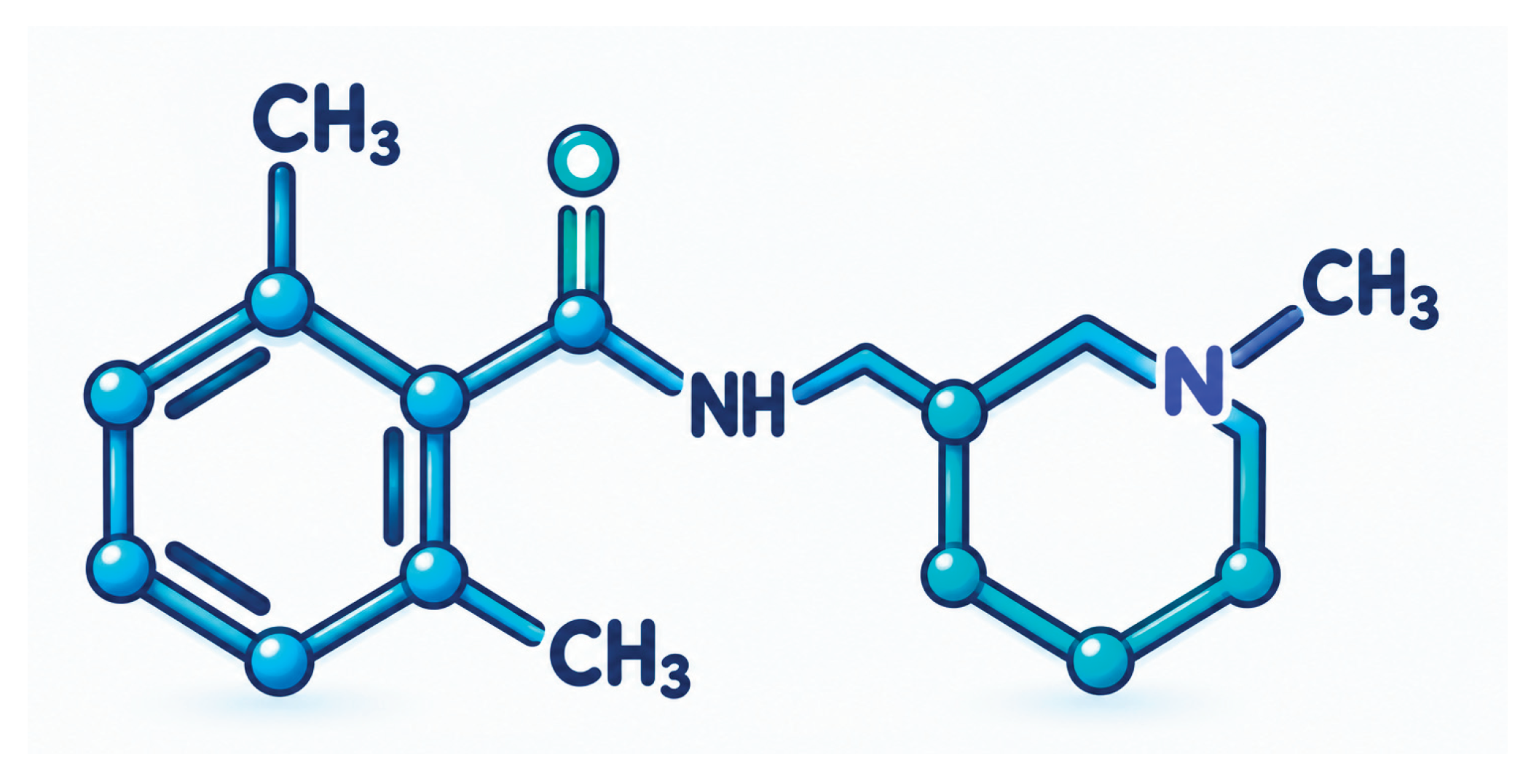
Figure 2.
Simplified mechanism of mepivacaine membrane passage and sodium-channel block. Author-created schematic.
Figure 2.
Simplified mechanism of mepivacaine membrane passage and sodium-channel block. Author-created schematic.
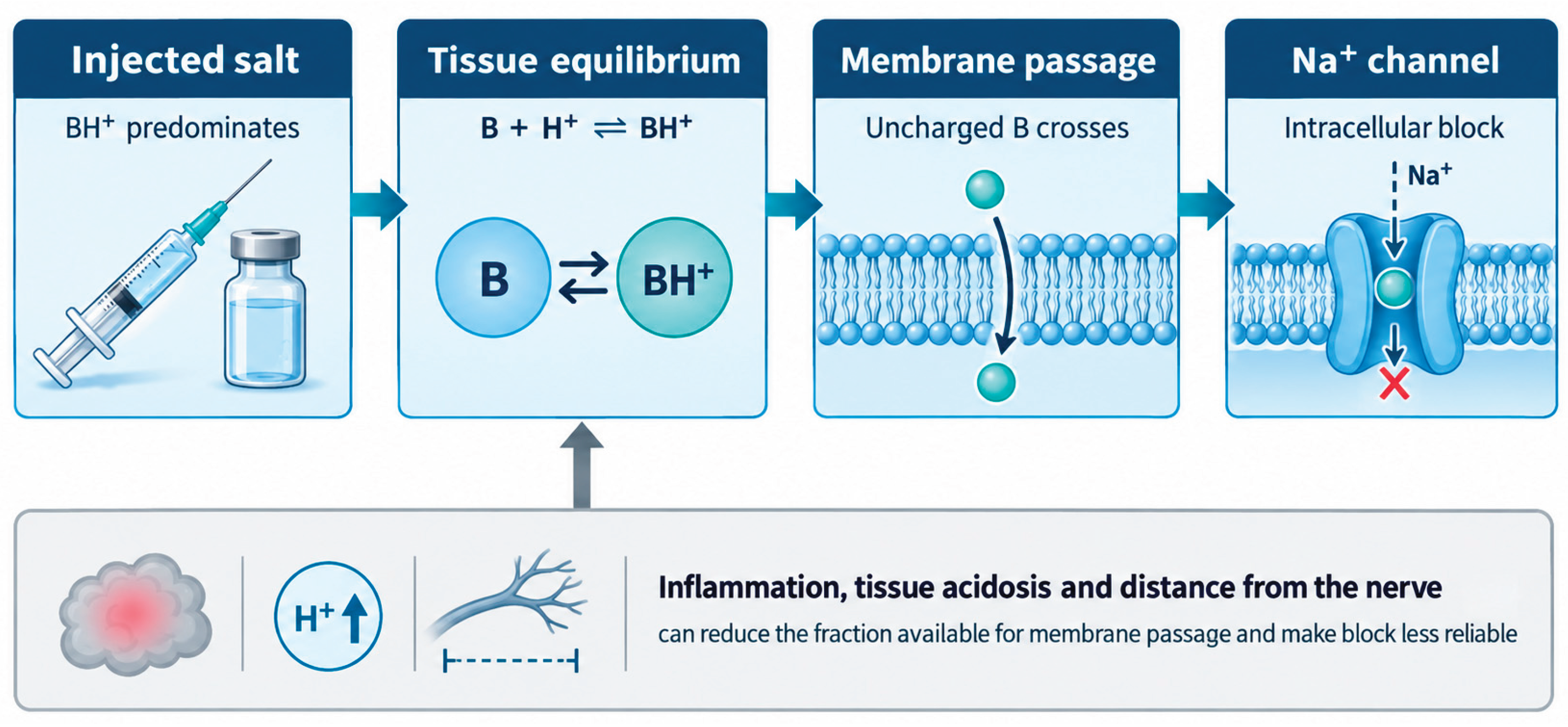
Figure 3.
Determinants of systemic exposure and the clinical risk of LAST. Author-created schematic based on the clinical sources cited in the text.
Figure 3.
Determinants of systemic exposure and the clinical risk of LAST. Author-created schematic based on the clinical sources cited in the text.
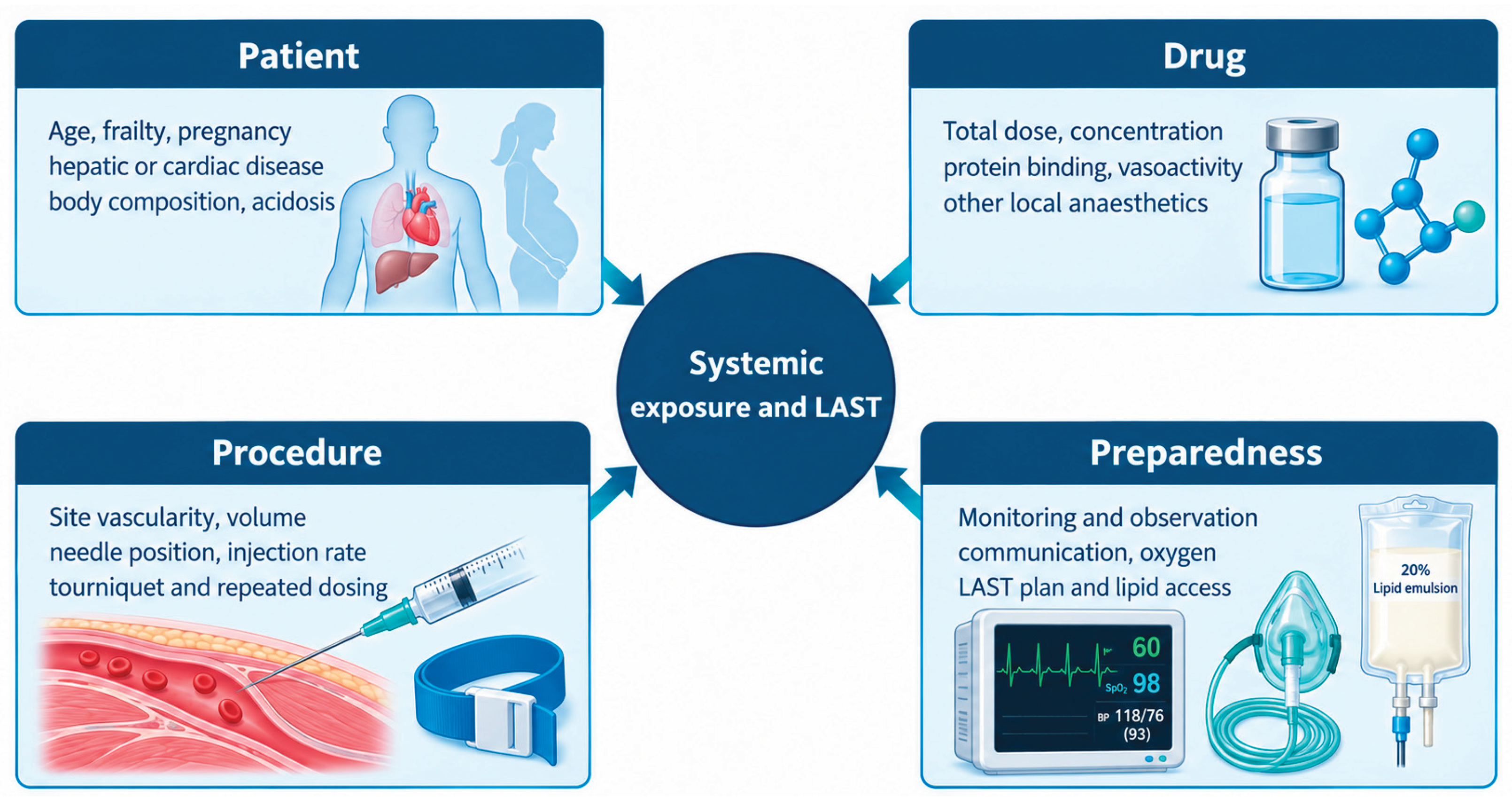

Table 1.
mechanisms to access prescription-only drugs.
| Mechanism | Practical meaning | Important limitation |
|---|---|---|
| POM-A exemption [16,17] | An appropriately annotated podiatrist may administer specified medicines, including mepivacaine hydrochloride, in professional practice. | It is not independent prescribing authority and does not create unrestricted supply rights. |
| Independent prescribing [17,19] | A separately annotated podiatrist independent prescriber may prescribe within lawful scope and competence. | The POM-A annotation alone is insufficient. |
| Patient group direction [19] | An authorised organisational direction permits defined supply or administration to eligible patients. | It does not make the practitioner an independent prescriber. |
| Patient-specific direction [19] | An authorised prescriber directs administration to an individually identified patient. | It is patient-specific and must be validly authorised. |
Table 2.
dosage calculations.
| Calculation | Expression | Example using 3% mepivacaine |
|---|---|---|
| Concentration | 3% = 30 mg/mL | 30 mg in every 1 mL |
| Dose administered | volume × 30 mg/mL | 4 mL × 30 = 120 mg |
| Weight-based MRD | weight × stated mg/kg limit | 50 kg × 4.4 mg/kg = 220 mg [4] |
| Volume represented by recommended maximum | recommended maximum in mg ÷ 30 mg/mL | 220 ÷ 30 = 7.3 mL |
| Final recommended maximum | lower of the applicable weight-based limit and stated absolute maximum | Check current SmPC before use [4] |
Table 3.
Mepivacaine regulatory and product-information recommendations. Source-specific comparative values; not stand-alone prescribing guidance or interchangeable permissions.
Table 3.
Mepivacaine regulatory and product-information recommendations. Source-specific comparative values; not stand-alone prescribing guidance or interchangeable permissions.
| Jurisdiction and source | Preparation and setting | Weight-based value | Absolute or volume limit | Important qualification |
|---|---|---|---|---|
| United Kingdom: current Septodont SmPC and RCPod safety update, 2021 [4,36] | Scandonest 3% plain dental cartridges | 4.4 mg/kg | 300 mg or 10 mL in adults at or above 70 kg | The RCPod notice records that the UK SmPC value changed from the earlier 6 mg/kg figure. |
| European Economic Area: European Commission and EMA Article 30 referral, 2018 [41,42] | Scandonest 3% dental injection | Adults 4.4 mg/kg; children aged at least 4 years 3 mg/kg | Adults 300 mg, equivalent to 10 mL; paediatric limit remains weight based | Harmonised European product information; children below 4 years or about 20 kg are contraindicated. |
| United Kingdom: historical podiatric textbook value reflecting earlier product information [45] | Scandonest 3% plain | 6 mg/kg in 24 hours | 400 mg; local guidance translated this to approximately 13.3 mL | Historical UK podiatric value retained to document the former convention; it should not replace the current SmPC. |
| United States: Pfizer Carbocaine or Polocaine regional-anaesthesia labelling [43] | 1% to 2% mepivacaine for infiltration or peripheral/central blocks | Usual maximum commonly expressed as 5-6 mg/kg; 7 mg/kg reported exceptionally | Usually no more than 400 mg in a single procedure; 550 mg only exceptionally; not more than 1,000 mg in 24 hours | The label explicitly says 7 mg/kg or 550 mg is not routinely recommended. This is not a 3% dental-cartridge instruction. Note this counters the 24 hour rule mentioned in section 2. |
| United States: DailyMed dental mepivacaine label [44] | 3% plain or 2% with levonordefrin for dental infiltration or nerve block | 3 mg/lb, approximately 6.6 mg/kg | Adult total should not exceed 400 mg per dental sitting; 270 mg of the 3% solution is described as usually adequate, not as the maximum | This is United States dental labelling and is not a permission to exceed the current UK product-specific limit. |
| Australia: TGA product information and Australian medicines-information record [46,47] | Scandonest 3%, 54 mg in 1.8 mL, dental use | No single general adult mg/kg value displayed in the procedural directions retrieved | Usual adult dose 1.35 mL; generally no more than 2.7 mL in usual cases; age-specific limits are also given | A usual procedural volume is not synonymous with a systemic-toxicity threshold. |
| New Zealand: Medsafe data sheet [48] | Scandonest 3% dental injection | Dose individualised; paediatric advice is age and weight dependent | Children aged 3-6 years: do not exceed 1.8 mL; not for children below 3 years | This older national wording differs from the harmonised European age threshold and illustrates label variation. |
Table 4.
Values in formularies, textbooks and clinical compilations. Source-specific comparative values; not stand-alone prescribing guidance or interchangeable clinical permissions.
Table 4.
Values in formularies, textbooks and clinical compilations. Source-specific comparative values; not stand-alone prescribing guidance or interchangeable clinical permissions.
| Source | Plain mepivacaine | With vasoconstrictor | Absolute maximum | Context |
|---|---|---|---|---|
| University of Iowa Head and Neck Protocols [49] | 4.5-5 mg/kg | 6.6 mg/kg with levonordefrin; higher recommended maximum with epinephrine | 400 mg per dose plain; 400 mg with levonordefrin; 500 mg with epinephrine; 1,000 mg/24 h plain | US infiltration and subcutaneous compilation; not specific to podiatric digital block. |
| Malamed, Handbook of Local Anesthesia, 7th ed., 2019 [50] | 6.6 mg/kg | 6.6 mg/kg | 400 mg | Dental textbook value commonly taught in North America. |
| Mathison and Pepper, StatPearls dental table, updated 2023 and hosted in 2026 edition [51] | 6.6 mg/kg | 6.6 mg/kg | 400 mg | Secondary dental teaching source; reproduces the higher North American value. |
| Taylor and McLeod, BJA Education, 2020 [24] | 5 mg/kg | 7 mg/kg | Not specified in the table | General anaesthetic pharmacology review; corrigendum should be read with the article. |
| Crawford, lower-extremity soft-tissue and cutaneous surgery text, 2012 [52] | 5 mg/kg | 7 mg/kg | 300 mg | Foot and lower-extremity surgical text; differs from both current European labelling and US dental teaching. |
| Metcalfe and Reilly, Foot and Ankle Injection Techniques, 2010 [45] | 6 mg/kg | Not stated for mepivacaine | 400 mg | UK podiatric text reflecting the former UK convention; the 2021 preprint noted that the original evidential source was unclear. |
| Septodont UK educational material, 2013 [35] | 4.4 mg/kg | Not applicable to the 3% plain product | 300 mg | Earlier manufacturer educational source, consistent with the later European harmonised value. |
| Rosenberg, Veering and Urmey, 2004 comparison of national recommendations [7] | Values varied by referenced country and route | Values varied with added vasoconstrictor | Published maxima included 300, 350, 400, 500 and 550 mg | The comparison demonstrates that national and manufacturer tables were already inconsistent two decades ago. |
Table 5.
LAST algorithm.
| Stage | Actions |
|---|---|
| Before injection | Check patient, drug, concentration and cumulative dose; calculate mg and mL; obtain consent; ensure an emergency plan, oxygen and trained assistance are immediately accessible; select monitoring appropriate to the patient, dose, procedure and setting [23,55]. |
| During injection | Use the lowest effective dose; inject incrementally; aspirate repeatedly; maintain communication; stop if symptoms occur [23,55]. |
| Suspected LAST | Stop injection; call for help; secure airway; give 100% oxygen; ventilate; treat seizures and support circulation; use the current LAST checklist [23,55]. |
| Severe or progressing LAST | Administer 20% lipid emulsion according to the current protocol; modify resuscitation as recommended for LAST; arrange emergency transfer and extended observation [55]. |
| After the event | Document dose, timing, symptoms, treatment and outcome; report through appropriate governance and pharmacovigilance systems; review practice [65]. |
Disclaimer/Publisher’s Note: The statements, opinions and data contained in all publications are solely those of the individual author(s) and contributor(s) and not of MDPI and/or the editor(s). MDPI and/or the editor(s) disclaim responsibility for any injury to people or property resulting from any ideas, methods, instructions or products referred to in the content. |
© 2026 by the authors. Licensee MDPI, Basel, Switzerland. This article is an open access article distributed under the terms and conditions of the Creative Commons Attribution (CC BY) license (http://creativecommons.org/licenses/by/4.0/).
Copyright: This open access article is published under a Creative Commons CC BY 4.0 license, which permit the free download, distribution, and reuse, provided that the author and preprint are cited in any reuse.