Preprint
Article

This version is not peer-reviewed.

Alcohol Use as a Precipitant of Acute-on-Chronic Liver Failure in Non-Alcoholic Chronic Liver Disease

Submitted:

24 September 2025

Posted:

25 September 2025

You are already at the latest version

Abstract

Background: Acute-on-chronic liver failure (ACLF) is characterized by acute deterioration in chronic liver disease (CLD), leading to organ failures. Alcohol is a major cause and trigger of ACLF, particularly in alcoholic liver disease (ALD). However, the impact of acute alcohol consumption in patients with non-alcoholic CLD (CLD-Others) is less well understood. Results: We retrospectively analyzed 623 ACLF patients, evaluating alcohol use as a sole in 19% or contributing precipitant in 39% among patients with primary CLD attributed to chronic alcohol use and those with CLD-other etiologies. Among drinkers, 225 had ALD and 134 had CLD-Others. Alcohol alone was identified as a precipitant in patients with CLD stemming from both alcoholic (ALD) and non-alcoholic etiologies (CLD-Others), and was associated with lower mortality rates at both 28 and 365 days compared to other precipitants. However, when stratified by underlying liver disease, the mortality risk associated with alcohol alone as a precipitant was significantly higher in patients with CLD-Others than in those with ALD and active alcohol use. Furthermore, when alcohol was present in conjunction with other precipitants, particularly gastrointestinal bleeding (GIB) and infections, the mortality risk was substantially elevated compared to alcohol alone, irrespective of the underlying etiology. Notably, the combination of alcohol and GIB was more frequently observed in patients with CLD-Others. Conclusions: Active alcohol use, alone or with other precipitants, increases short and long-term mortality in ACLF, with worse outcomes in CLD-Others than ALD. Distinguishing underlying liver disease etiology and precipitant patterns is vital for treatment and prognosis.

Keywords: 
;  ;  ;  ;  

1. Introduction

The term “acutely decompensated cirrhosis” is widely recognized to refer to patients with cirrhosis who are urgently admitted to the hospital due to recent ascites, gastrointestinal hemorrhage, newly emerged hepatic encephalopathy, bacterial infections, or any combination of these conditions [1,2,3,4,5]. Recently, the term acute-on-chronic liver failure (ACLF) has been introduced to describe a syndrome observed in patients suffering from acutely decompensated cirrhosis, which is marked by a high 28-day mortality rate. Additional features of ACLF include a strong correlation with a significant systemic inflammatory response, its standard links to precipitating conditions (such as infections or alcoholic hepatitis), and its relationship with single or multiple organ failures (OFs) [6].
Recent statistics on morbidity and mortality indicate that people with acute-on-chronic liver failure (ACLF) account for 5% of all cirrhosis hospitalizations. Compared to other leading causes of hospitalization in the United States, ACLF patients create a notably higher healthcare burden. Specifically, the average cost of hospitalization for those with ACLF is three times higher than that of patients hospitalized for cirrhosis and five times more than hospitalizations related to congestive heart failure. According to the European Association for the Study of Liver-Chronic Liver Failure (EASL-CLIF consortium), the global mortality rate ranges between 30% and 50%. In the United States, data from the North American Consortium for the Study of End-Stage Liver Disease (NACSELD) reveal that the mortality rates for infected decompensated patients are 27%, 49%, 64%, and 77% for individuals with 1, 2, 3, or 4 organ failures, respectively. Moreover, patients discharged after treatment for ACLF experience a 30-day readmission rate of around 30% [7,8].
Almost any kind of chronic liver disease (CLD) can significantly increase the risk. In Western countries, alcoholic cirrhosis accounts for 50% to 70% of acute-on-chronic liver failure (ACLF) cases, while chronic viral infections contribute to 10% to 30%. Conversely, in Eastern countries, the hepatitis B virus (HBV) is responsible for 70% of cases, with alcohol only at 15% [9,10]. Metabolic dysfunction-associated steatohepatitis (MASH), metabolic liver diseases, and cholestatic liver disorders further elevate ACLF risk. Chronic liver dysfunction increases vulnerability to pro-inflammatory conditions due to elevated serum cytokines, which impair the immune system, significantly affecting the reticuloendothelial system and weakening defenses against bacterial translocation [11].
The CANONIC study found that spontaneous bacterial peritonitis (SBP) and pneumonia were the most frequently associated infections with ACLF. Among non-infective causes, alcoholic hepatitis significantly impacts patients, with active alcoholism noted in around 25% of ACLF cases in the prior three months. Less common precipitating factors (8%) could include acute toxic hepatitis, major surgical interventions, or transjugular intrahepatic portosystemic shunt (TIPS) placement. Additionally, paracentesis performed without appropriate albumin replacement has been recognized as a contributing factor. Notably, in 40% of cases, no identifiable precipitating factor is found [12].
Immune dysfunction in cirrhosis is multifactorial and reflects a complex interaction between many systems, predisposing these patients to infections. It is thought that this susceptibility is not due to a sole responsible factor, but instead to the concomitant presence of various facilitating mechanisms such as portal hypertension with porto-systemic shunting (thus impairing detoxification and reticuloendothelial system phagocytic activity), increased gut permeability and bacterial overgrowth (all of which increase the risk of bacteremia and the occurrence of endotoxemia), albumin and lipoprotein dysfunction, or aberrant toll-like receptor expression in Kupffer cells [13,14,15,16,17].
Alcohol consumption is a leading cause of liver disease worldwide, resulting in both acute liver injury and chronic damage. Severe alcohol-associated hepatitis (AAH) significantly contributes to acute-on-chronic liver failure (ACLF) by triggering the systemic inflammatory response syndrome (SIRS) and subsequent multi-organ failure. ACLF induced by AAH is associated with a high mortality rate, making early diagnosis and intervention critical. For those with pre-existing live conditions, excessive alcohol intake can invoke ACLF through severe liver inflammation, oxidative stress, and systemic inflammatory responses.
Alcohol directly damages hepatocytes, leading to conditions such as steatosis, fibrosis, and cirrhosis. In chronic drinkers, even a single episode of heavy drinking can result in alcoholic hepatitis (AH), a severe inflammatory condition that significantly raises the risk of ACLF. It disrupts the gut-liver axis, promoting bacterial translocation and endotoxemia. This boost in systemic inflammation increases the likelihood of infections, a notable trigger for ACLF. The ethanol metabolism generates reactive oxygen species (ROS), leading to oxidative damage and impairment of mitochondria. This escalation in damage magnifies hepatocyte apoptosis and necrosis, consequently reducing liver function. Alcohol-related liver dysfunction also disturbs coagulation pathways and alters vascular tone, contributing to circulatory failure and a worse prognosis for ACLF patients [18,19]. Patients suffering from severe AH frequently exhibit signs of ACLF, such as jaundice, coagulopathy, and multi-organ failure. Research indicates that about 30% to 40% of patients with severe AH develop ACLF, facing a significantly increased mortality rate compared to those without AH. The major clinical features linking AH and ACLF comprise:
  • Significant increases in serum bilirubin and INR, indicative of severe liver dysfunction.
  • Greater vulnerability to bacterial infections due to immune dysregulation.
  • High incidence of renal failure, often requiring renal replacement therapy.
  • Elevated need for intensive care and consideration for early liver transplantation.
Early identification and risk stratification are crucial for managing alcohol-induced ACLF. Patients with alcohol-related liver disease should be closely monitored for signs of ACLF, as timely intervention can improve outcomes. Scoring systems such as the Model for End-Stage Liver Disease (MELD) and the Chronic Liver Failure Consortium ACLF (CLIF-C ACLF) score help stratify risk and guide therapeutic decisions [20,21].
Alcohol is a major precipitating factor for ACLF, acting through direct hepatotoxicity, systemic inflammation, and immune dysfunction. The progression from alcohol-induced liver injury to ACLF is associated with poor prognosis, necessitating early identification and aggressive management. In this study, we therefore reanalyzed our cohort to focus on the clinical importance and outcome of acute alcohol intake among those whose primary liver disease is viral, autoimmune, or metabolic. We compare their presentation, organ failure patterns, and mortality rates to those of patients with alcoholic liver disease (ALD), including acute alcoholic hepatitis precipitating ACLF. By highlighting these differences, we aim to underscore the unique management challenges and poor prognosis of acute alcohol precipitants in non-alcoholic chronic liver disease.

2. Methodogy

2.1. Study Design and Patient Selection

This was a retrospective, single-center study conducted in Arizona. Data was collected according to the pre-defined protocol by Internal Medicine and Gastroenterology residents at the University of Arizona. Using International Classification of Diseases (ICD)-9/10 codes, we identified 1,865 hospitalized patients with potential cirrhosis or advanced liver disease over 10 years. Inclusion criteria were age ≥18 years, a documented diagnosis of chronic liver disease (including viral hepatitis B or C, autoimmune liver disease, metabolic conditions, or alcoholic liver disease), and evidence of acute decompensation consistent with acute-on-chronic liver failure (ACLF). Patients with malignancies, chronic kidney disease, or incomplete data were excluded, resulting in a final cohort of 623 patients. Patients meeting criteria for ACLF as defined by the European Association for the Study of the Liver-Chronic Liver Failure (EASL-CLIF) consortium (≥1 organ failure and/or elevated creatinine 1.5–1.9 mg/dL), North American Consortium for the Study of End-Stage Liver Disease (NACSELD), and/or other criteria (Asian Pacific Association for the Study of the Liver [APASL] or Model for End-Stage Liver Disease [MELD] >21) were included (Supplementary table 1).
Definition of Underlying Etiology
Alcoholic liver disease (ALD) was defined as a documented history of long-term alcohol use, alcoholic hepati-tis, or histological confirmation of alcoholic liver injury. Non-alcoholic chronic liver disease (CLD) included vi-ral hepatitis (HBV, HCV), autoimmune liver disease, and metabolic liver diseases such as non-alcoholic fatty liver disease (NAFLD), non-alcoholic steatohepatitis (NASH), hemochromatosis, and Wilson's disease. Within each category, patients were further subclassified based on whether they had an active alcohol precipitant, defined as consuming ≥4 drinks on a single occasion or ongoing heavy alcohol use prior to admission. Pa-tients with non-alcoholic CLD who presented with alcohol as a precipitant were labelled as CLD+EtOH.

2.2. Acute Precipitants

The study focused on four primary acute precipitants: (1) active alcohol use, (2) infection, (3) gastrointestinal bleeding (GIB), and (4) drug-induced liver injury (DILI). Patients were further categorized into groups with no precipitant or a combination of ≥2 precipitants.

2.3. Ethical Considerations

The Institutional Review Board of the University of Arizona approved the study protocol, and the requirement for informed consent was waived due to the study's retrospective nature.

2.4. Clinical and Laboratory Variables

Data were abstracted within 24 hours of admission, including Demographics: Age, sex, and comorbidities (e.g., diabetes mellitus, smoking status). Laboratory Tests: Complete blood count (hemoglobin, WBC), liver function tests (AST, ALT, ALP, bilirubin, albumin), coagulation parameters (INR), kidney function (creatinine), lactate, and other relevant biomarkers. Indices and Scores: Systemic Inflammatory Response Syndrome (SIRS), MELD, Child-Turcotte-Pugh (CTP) score, aspartate aminotransferase-to-platelet ratio index (APRI), Fib-4, and cholestasis indices as defined initially. Organ Failures: Evaluated based on EASL-CLIF definitions, including liver, kidney, brain, coagulation, circulatory, and respiratory failure.
The primary outcomes were short-term (28-day) and long-term (365-day) mortality. Secondary outcomes included the pattern of organ failures and the hospital course in two key groups: (1) patients with underlying ALD, including acute alcoholic hepatitis, and (2) patients with non- alcoholic CLD who had alcohol as a precipitant (CLD+EtOH).

2.5. Data Extraction Process:

Supplementary Figure 1 describes the data extraction and handling process. IT-assisted data extraction was conducted by ICD-9/ICD-10 codes using the following diagnoses: alcoholic hepatitis, alcoholic cirrhosis, hepatitis, cirrhosis, liver failure, ascites, encephalopathy, NASH, autoimmune hepatitis, primary biliary cirrhosis, Wilson’s disease, gastrointestinal bleeding, and hemochromatosis. Each patient's chart was reviewed, and data were collected on parameters including demographics, history (e.g., alcohol ingestion, co-morbid conditions, anti-diabetic medications, anti-dyslipidemia medications, and anti-hypertensive medications), cirrhosis complication status such as ascites, encephalopathy, variceal status, and variceal vs. non-varicealGI hemorrhage. Laboratory test results obtained within 24 hours of admission, including Hb, WBC, MCV, platelet, sodium, LFTs, INR, prothrombin time (PT), and lactate level, were considered. All imaging, including chest X-ray, abdominal ultrasound, CT, and MRI scans, were reviewed to assess the diagnosis of cirrhosis or chronic liver disease, portal hypertension, air space disease, or stroke if brain CT was performed. Primary Liver Disease (PLD) categories included ‘alcoholic,’ ‘viral,’ ‘NASH (non-alcoholic steatohepatitis),’ and ‘others. The presence of acute precipitants is a significant factor in the acute deterioration of stable cirrhosis patients with or without prior decompensation. Four precipitants were defined as follows: infections, drugs or toxins, alcohol consumption, and GI bleeding. Alcohol was considered a precipitant if the patient had been drinking heavily in the weeks prior to admission. Drug-induced liver injury (DILI) was considered a precipitant if medications or toxins were taken up to three months prior to admission. In addition, hospital courses such as diagnosis and type of infection, antibiotic treatment, prednisone treatment for alcoholic hepatitis, living status at the time of discharge, and discharge date were included. The living status of the entire final cohort was assessed using the Social Security database. Other information, such as supplements and herbs, antimicrobials, antibiotics, and other toxins consumed, was also included.

2.6. Statistical Analysis:

We explored the impact of active alcohol drinking as a precipitant in regards to clinical characteristics and mortality risks in two steps: 1) in entire cohort (n 623), active alcohol drinking alone vs. other precipitants, and ALD with active alcohol drinking vs. CLD-Others with active alcohol drinking, and 2) in the cohort limited to those patients with active alcohol drinking only (n 359) and compared between the groups based on etiology of underlying chronic liver disease (ALD vs. CLD-others). We also performed a subgroup analysis limited to high-risk patients meeting EASLACLF (minimum) criteria.
Clinical characteristics were compared using the Chi-square test with Fisher’s exact test, which had a 2-sided significance. We used an ANOVA test with the assumption of evaluating continuous variables. Logistic regression analysis was performed to identify clinical and laboratory predictors of active alcohol precipitants in the overall cohort and to compare CLD+EtOH patients with other precipitant groups. Cox regression analysis was conducted for survival outcomes (30-day and 365- day mortality), with a particular focus on the interaction between underlying etiology (ALD vs. non-ALD) and active alcohol use. Statistical significance was set at P < 0.05.RESULTS:
Step 1: Entire Cohort Analysis: Evaluation of Active Alcohol Drinking as a Precipitant
General Characteristics of the Entire Cohort
A total of 1865 patients were identified from the database, after excluding those with malignancies, chronic kidney disease, and incomplete data, 623 patients remained in the final analysis. Clinical characteristics of the study cohort are shown in Table 1.
Baseline clinical, biochemical, and outcome characteristics of patients with liver disease, including primary diagnosis, comorbidities, laboratory parameters, organ failure assessments, and discharge status. Abbreviations: EtOH – Alcohol-related liver disease; Hep C – Hepatitis C; Hep B – Hepatitis B; SH – Steatohepatitis; AIH – Autoimmune hepatitis; WBC – White blood cell count; Hb – Hemoglobin; ALP – Alkaline phosphatase; AST – Aspartate aminotransferase; ALT – Alanine aminotransferase; UNL – Upper normal limit; APRI – AST to Platelet Ratio Index; Fib-4 – Fibrosis-4 Index; SIRS – Systemic inflammatory response syndrome; TIPS – Transjugular intrahepatic portosystemic shunt; CTP – Child-Turcotte-Pugh score; MELD – Model for End-Stage Liver Disease; UTI – Urinary tract infection; SBP – Spontaneous bacterial peritonitis; GIB – Gastrointestinal bleeding; DILI – Drug-induced liver injury; ACLF – Acute-on-chronic liver failure; APASL – Asian Pacific Association for the Study of the Liver; NACSLED – North American Consortium for the Study of End-Stage Liver Disease; EASL – European Association for the Study of the Liver.
The mean age was 53.35 years (SD = 11.68), and 34.51% were female. A significant proportion had a history of alcohol use (74.34%), and 18.61% reported hepatotoxin intake prior to admission. Other notable comorbidities included diabetes mellitus (27.28%) and smoking (37.88%). The mean white blood cell (WBC) count was 9.43 (SD = 6.39), hemoglobin was 11.49 g/dL (SD = 2.87), and platelet count was 132.72 ×10³/μL (SD = 94.57). Key liver function markers included a mean total bilirubin of 7.41 mg/dL (SD = 18.42) and albumin of 3.37 g/dL (SD = 10.23). Notably, 76.24% had albumin levels <3.5 g/dL. The mean Model for End-Stage Liver Disease (MELD) score was 16.94 (SD = 11.41), with 28.14% of patients having a MELD score >21.
Alcohol -related liver disease (45.58%) was the most common primary diagnosis, followed by hepatitis C (33.54%). 339 (54.4%) had non-alcoholic underlying chronic liver disease (viral, autoimmune, metabolic). Patients meeting EASL-CLIF criteria for ACLF (including ≥ one organ failure and/or elevated creatinine 1.5–1.9 mg/dL), NACSELD, and/or other criteria (APASL, MELD>21) were included. The most met ACLF criteria was EASL-CLIF minimum criteria; one organ failure and Cr 1.5-1.9, in 199 patients (32%).
Distribution of ACLF Precipitants with Focus on Alcohol
Alcohol was considered active drinking and precipitant if the last drink was within 90 days of admission. Four main precipitants were studied (Infection, Alcohol, GIB, and DILI) together with no precipitants and a combination of precipitants (Table 2). The prevalence of the four studied precipitant factors was as follows: infection (63%), active alcohol consumption (58%), gastrointestinal bleeding (GIB) (26%), and hepatotoxin intake (22%). When categorized strictly by “principal precipitant,” 19% of the entire cohort were labelled “active alcohol only,” and another 50% had a combination of ≥2 precipitants, many of which included alcohol plus infection.
Association between precipitating factors and severity of acute-on-chronic liver failure (ACLF) as defined by MELD score and various diagnostic criteria (APASL, EASL-CLIF, NACSELD), stratified by precipitant type. Abbreviations: GIB – Gastrointestinal bleeding; DILI – Drug-induced liver injury; MELD – Model for End-Stage Liver Disease; APASL – Asian Pacific Association for the Study of the Liver; EASL-CLIF – European Association for the Study of the Liver – Chronic Liver Failure Consortium; NACSELD – North American Consortium for the Study of End-Stage Liver Disease.
A combination of active alcohol drinking and infection was seen in 38% of the cohort.
Active alcohol drinking was reported in 58% (n=359) of the entire cohort; among them, 225 had alcohol liver disease as the primary etiology of chronic liver disease, whereas 134 had chronic liver disease due to viral, metabolic (MASLD, hemochromatosis, Wilson, and Alpha 1 antitrypsin deficiency, autoimmune, or other etiologies. Fifty-nine (21%) of patients with primary alcohol liver disease reported abstinence for more than 3 months. Within non-alcoholic chronic liver disease, active alcohol was found in 42% as either the sole or a combined precipitant.
Characterization of Alcohol as a Precipitant:
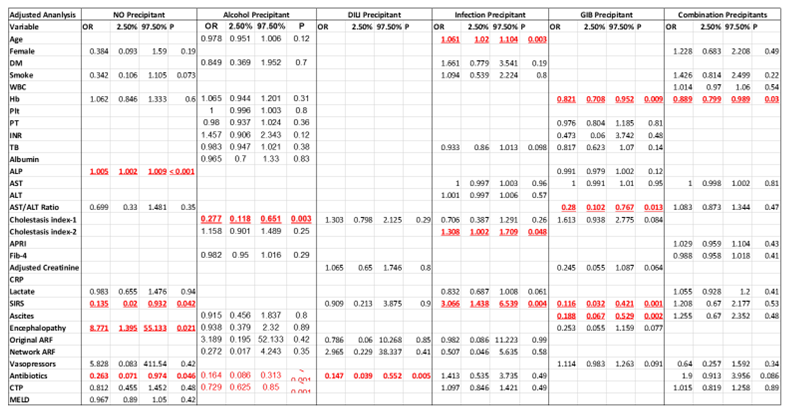
In the logistic regression analysis, unadjusted and adjusted, several clinical and laboratory variables were studied. The variables that were significant in unadjusted analysis were used in adjusted analysis (Table 3). Cholestasis index I, antibiotic use, and higher CTP score were associated with alcohol use. Cholestasis index I was defined by: (AST/UNL of ALT)/(ALP/UNL of ALP). AST/ALT did not correlate with alcohol as a precipitant. However, it correlates significantly with GIB (OR 0.4, CI 0.2, 0.6, p 0.002). The distribution of precipitants among those who met EASL-CLIF criteria was 58%, 21%, and 14% in the combination of precipitants, infection, and alcohol groups, respectively (Table 2). The distribution of organ failure by EASL-CLIF criteria in the entire cohort was liver failure 12%, renal failure 17%, brain failure 23%, circulatory failure 11%, coagulation failure 10%, and respiratory failure 15%. Alcohol alone (17%) or in combination (with infection, 19%, or with others, 15%) has resulted in a higher rate of liver failure. The prevalence of renal failure in the alcohol group was low at 12%, as opposed to a higher prevalence of renal failure in the DILI group, followed by infection and DILI group, 33% and 31%, respectively.
Mortality Risk Assessment with a Focus on Alcohol as Precipitant:
Upon univariable analysis, only active alcohol drinking and infection were significantly associated with mortality at 28 days (p 0.051, HR 1.685, CI 0.998, 2.843, and p 0.009, HR 1.966, CI 1.181, 3.273, respectively). Infection was the only precipitant associated with mortality at 365 days (p 0.003, HR 1.641, CI 1.184, 2.27). When precipitants were analyzed as stratified alone or in combination, active alcohol drinking had the lowest mortality compared to other precipitants, including no precipitants and combination groups. However, the difference did not reach statisticalsignificance. In comparison to alcohol alone as a precipitant, the combination of precipitants had significantly higher mortality at 365 days (p 0.027, HR 1.712, CI 1.064, 2.753). However, infection was associated with high mortality at 365 days but did not reach statistical significance (p 0.063, HR 1.712, CI 0.972, 3.015). Others, DILI, GIB, and no precipitants had lower mortality risk at 365 days, like active alcohol drinking alone.
Cox regression analysis adjusted for age, gender, DM, smoking, MELD, CTP score, and EASL- CLIF status, revealed that alcohol alone had a lower risk of mortality at both 28 days and 365 days, at 3% and 20%, respectively (Figure 1). Which marginally rose to 4% and 23% at 28 days and 365 days, respectively, among those meeting EASL-CLIF ACLF criteria. Nonetheless, alcohol alone has the lowest mortality compared to other precipitants, independent of the severity of liver disease at the time of presentation. Patients with a combination of precipitants and no precipitants have the highest mortality at 28 days and 365 days, respectively.
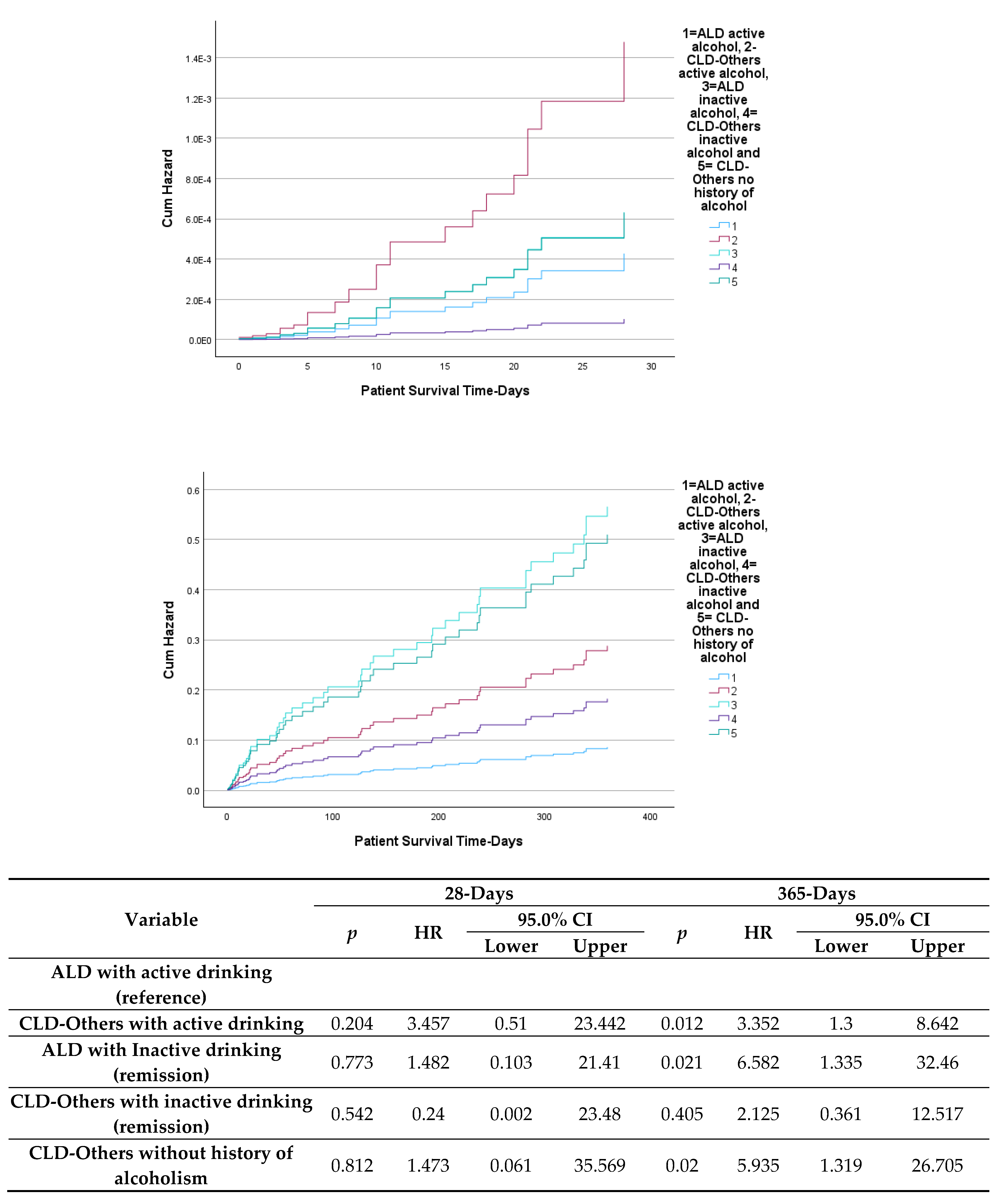
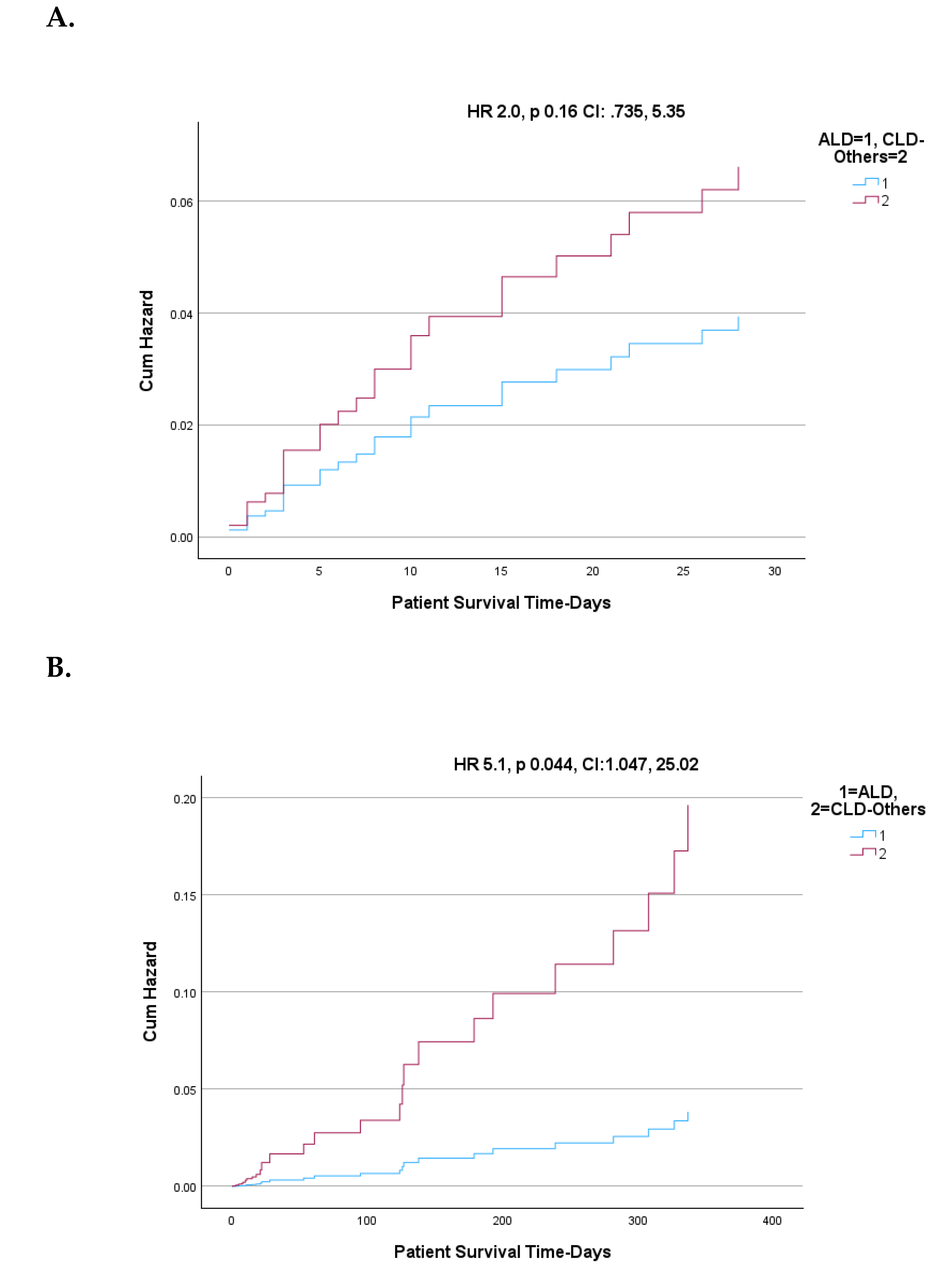
To better understand the impact of active alcohol about etiology of underlying chronic liver disease, as a first step, the etiology was categorized in four groups: 1) ALD (reference) 281 (45.7%), 2) viral 221 (35.9%), 3) MASLD/metabolic 51 (8.3%), and 4) others 62 (10.1%). On univariable analysis, there was no difference in mortality risk based on etiologic categories as defined above at 28 days and 365 days. The relationship between precipitants and primary liver disease etiology is shown in Table 4. Finally, we categorized the primary etiology of CLD into two categories to analyze the significant impact of active alcohol drinking: 1) ALD, 2) CLD-Others. Secondly, we subcategorized both groups based active alcohol drinking resulting into five groups: 1) ALD-active alcohol (n 227, 38.3%), it served as reference, 2) CLD-others with active alcohol (n 134, 22.6%), 3) ALD with inactive alcohol (n 41, 6.9%), 4) CLD-Others with inactive alcohol (n 47, 7.9%), and lastly 5) CLD-others without alcohol history (n 143, 24.2%).
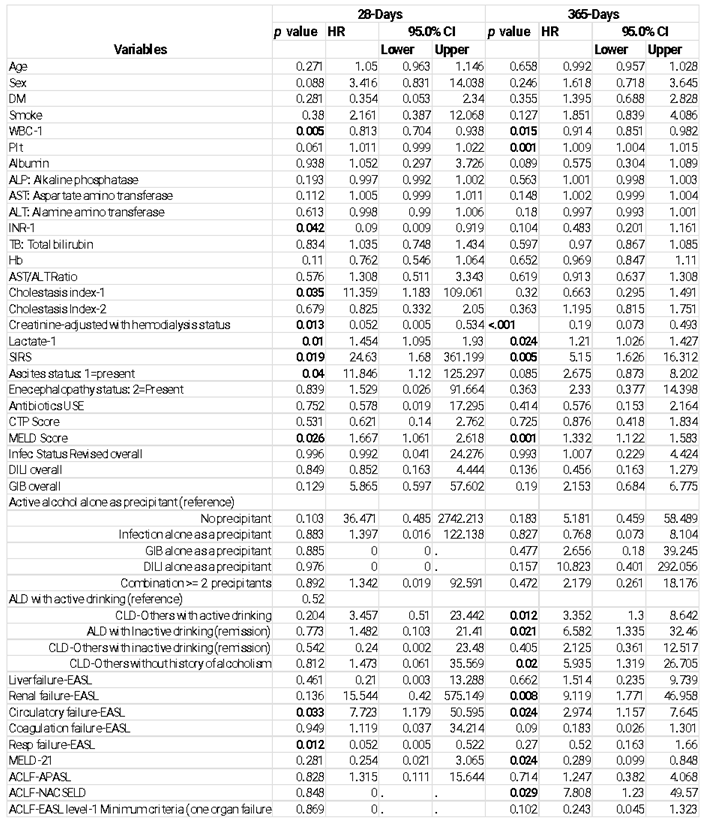
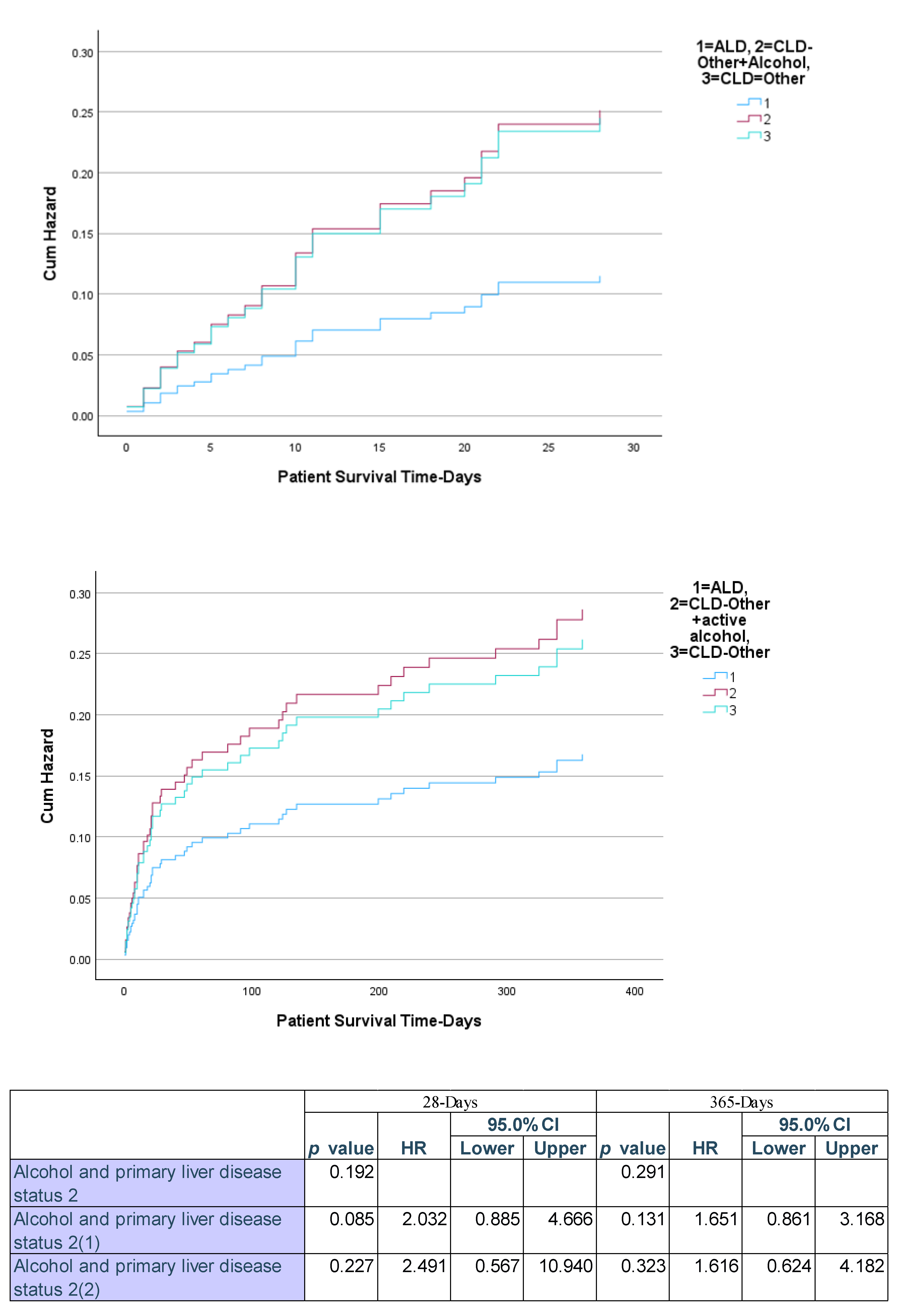
The Cox regression model was used to evaluate the mortality risk of active alcohol drinking based on the underlying etiology. We included all the clinical and laboratory parameters (complete model) for adjusted analysis at 28 days and 365 days. At 365 days, compared to ALD with active alcohol drinking, CLD-Others with active alcohol drinking had the highest mortality (Table 5, Figure 2). Whereas in the short term, at 28 days, there is a trend of higher mortality among those with CLD-Others with active alcohol drinking, but it did not reach statistical significance (Table 5 and Figure 2). When analyzed in the cohort of ACLF EASL-CLIF only (n=199), statisticalsignificance is lost, but the trend of mortality risk of the studied precipitants compared to alcohol remained the same (Figure 3).
Table 5. Cox regression adjusted analysis: Predictors of mortality at 28-days and 365-days.
Preprints 178131 i002
Abbreviations: DM - diabetes mellitus; WBC - white blood cell count; Hb - hemoglobin; Plt - platelet; INR - International Normalized Ratio; TB - total bilirubin; ALP - alkaline phosphatase; AST - aspartate aminotransferase; ALT - alanine aminotransferase; APRI - AST to platelet index ratio; Fib-4 - fibrosis 4; CRP - C reactive protein; SIRS - systemic inflammatory response syndrome; CTP - Child Turcotte Pugh score; MELD - Model for End Stage Liver Disease; DILI - drug induced liver injury; GIB - gastrointestinal bleed; ALD - alcoholic liver disease; CLD - chronic liver disease; EASL - the European Association for the Study of the Liver; ACLF - Acute-on-Chronic Liver Failure; APASL - the Asia-Pacific Association for the Study of the Liver; NACSELD - the North American Consortium for the Study of End-Stage Liver Disease.
Figure 2. Mortality risk based on underlying etiology of chronic liver disease with or without alcohol drinking in entire cohort (n 623). Adjusted using all clinical and laboratory variables (full model).A. Mortality risk at day-28, B Mortality risk at day-365.
Preprints 178131 g002
Figure 3. Mortality risk based on primary liver disease in the cohort of ACLF (n=199) at 28-days and 365-days. Adjusted for age, gender, DM, smoking, albumin, cholestasis 1, MELD, CTP score, active alcohol drinking, DILI, GIB, and infection status.
Preprints 178131 g003
Step 2 Analysis Limited to Active Alcohol Cohort: Evaluation of Active Alcohol Drinking as a Precipitant Based on Underlying Etiology: ALD vs. CLD-Others
Among 623 patients, 359 (58%) had been drinking alcohol actively within 90 days before admission; 225 (62.7%) in ALD and 134 (37.3%) in CLD-other groups. Comparison of clinical characteristics of active alcohol drinking based on underlying etiology is shown inTable 6. Patients with active alcohol drinking in the CLD-other group were more likely (p <0.05) to have DM, smoking history, or GIB. On the other hand, patients in the ALD group were more likely (p<0.05) to have higher levels of INR > 1.7, young age, and high AST/ALT ratio. Similarly, patients with ALD were more likely to have a MELD score > 21 (p <0.05). The Extent of liver enzyme elevation was not different between the two groups when analyzed as continuous or categorical variables. Nonetheless, there was a trend (p 0.06) of lower cholestasis-1 index and higher AST/ALT ratio (p 0.02) in the ALD group compared to CLD-others. The two groups had a similar distribution of ACLF by EASL-CLIF or NACSELD criteria. Upon analyzing the distribution of organ failures as defined by EASL-CLIF minimum criteria between the two groups, liver failure was associated with the ALD group on univariable analysis. When analyzed by logistic regression, only a higher AST/ALT ratio was independently associated with active alcohol drinking in the ALD group. On the other hand, DM and smoking were independently associated with CLD-others (Table 7). We analyzed the unadjusted and adjusted (complete model, including all clinical and laboratory variables) mortality risk of active alcohol drinking between the two groups. Patients with active alcohol drinking with CLD-others had significantly higher mortality at 365 days (Figure 4), independent of ACLF status. When the analysis is limited to ACLF criteria by EASL- CLIF (n=108), the difference between ALD and CLD-others widened. Nonetheless, patients with primary ALD and active drinking despite a high MELD score or meeting ACLF criteria have significantly lower mortality risk compared to those with CLD-others and active alcohol drinking (Table 8). Other predictors of higher mortality at 365 days were WBC count, platelet count, lactate level, circulatory failure with vasopressor use, and incidence of GIB during the index admission. At 28 days of index admission, the risk of mortality at a mean of covariates was very low, and thus, the reliability of the results was considered low.
Alcohol in conjunction with other precipitants:
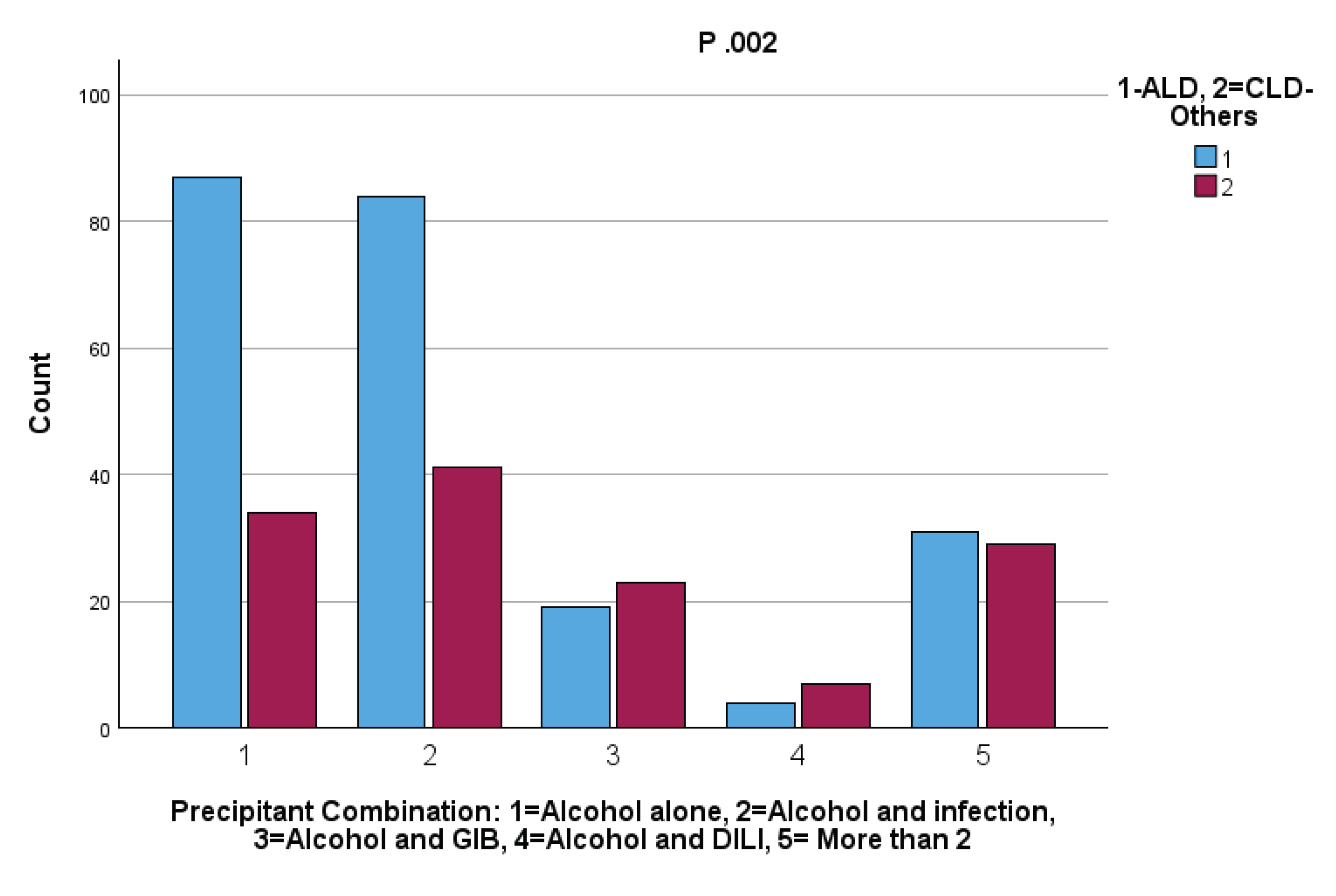
Among the cohort of active alcohol, 38 (18.2%), 91 (27.2%), and 181 (50.7%) had additional factors of DILI, GIB, and infection, respectively. Active alcohol was the only single precipitant in 120 (33.34%) of the cohort, whereas the remaining 239 (66.64% had a combination of precipitants. The distribution of GIB, DILI, and infection was indifferent between the groups ALD and CLD- Others. Alcohol alone was proportionally high among ALD vs. CLD-Others (38.7% vs. 24.6%), whereas the combination of precipitants was higher in CLD-Others compared to ALD (75.4% vs. 61.3%). The correlation between precipitants and etiology of liver disease was significant (Fisher's exact test, 2-sided p 0.008).
Among the combination of precipitant groups, significant overlap is infection followed by GIB (Figure 5). Unadjusted analysis revealed the lowest mortality in the alcohol alone group, both at 28 days and 365 days, and the highest mortality was seen in the combination group of more than 2 factors. However, adjusted (complete model) analysis, combination of alcohol and GIB was independently associated with higher mortality at 365 days (p 0.31, HR 8.1, CI 1.1, 56.4) and this combination was more prevalent in CLD-Other group (Figure 5). Additionally, the combination of alcohol and infection as precipitants was also associated with an increased mortality risk (HR = 1.641, 95% CI: 1.004–2.682, p = 0.048). In contrast, alcohol as the sole precipitant did not significantly increase mortality risk (HR = 1.324, 95% CI: 0.805–2.178, p = 0.269). While alcohol consumption plays a role in disease progression, it does not appear to be an independent predictor of short-term mortality in this cohort.
Figure 5. caption.
Figure 5. caption.
Preprints 178131 g005

3. Discussion

This study sheds important light on the impact of ethanol-related liver disease in cases of acute- on-chronic liver failure (ACLF) and decompensated cirrhosis. The average age of participants was 53.35 years (SD = 11.68), with females making up 34.51%. Ethanol-related liver disease emerged as the most prevalent primary diagnosis, occurring in 45.58% of cases. Additionally, a considerable 74.34% of patients had a history of alcohol use. In a separate study by Idalsoaga et al. [22] which involved 320 patients, the median age was 65.3 ± 11.7 years, and 48.4% were women. Notably, active alcohol consumption was reported in 27.7% of participants, even among those previously diagnosed with non-alcoholic fatty liver disease (NAFLD) (16.2%).

3.1. Alcohol as an Etiology and Precipitant of ACLF.

Our research revealed that active alcohol consumption contributed to 19.3% of cases, with alcohol linked to 22% of ACLF instances. This finding is consistent with earlier studies highlighting alcohol's significant impact on ACLF. Idalsoaga et al. [22] noted that active alcohol intake was prevalent at 27.7%, even among patients previously diagnosed with NAFLD (16.2%). Similarly, Garad [23] identified alcohol as the primary cause in 69% of ACLF cases, underscoring its crucial role in advancing liver disease. Narayanasamy [24] also indicated that alcohol was the second most common precipitating factor, occurring in 32% of cases. The notable percentage of ethanol-related liver disease in our study suggests that early screening and alcohol cessation interventions could be vital in lowering the incidence of ACLF.

3.2. Precipitant Factors and Organ Failure Patterns

In our study of patients with ACLF, infections were identified as the most frequent trigger (55.32%), with urinary tract infections (13.2%) and pneumonia (9.48%) being the most common. Additionally, combinations of alcohol and infections were linked to a higher mortality risk (HR = 1.641, p = 0.048), aligning with findings from Katoonizadeh et al [25], which indicated that infections were the primary cause of ACLF-related deaths (58%).
Our research further established a connection between systemic inflammatory response syndrome (SIRS) and infection-related ACLF (OR = 3.066, p = 0.004), underscoring the critical role of systemic inflammation in the pathogenesis of ACLF. A study by Wang et al. [26] reinforced this idea by validating a predictive model that combines systemic inflammation, organ injury, and precipitants for predicting ACLF development, achieving impressive predictive accuracy (C-index 0.90). These findings highlight the necessity for proactive infection management in patients suffering from alcohol-related liver disease.

3.3. Mortality and Risk Stratification

In the current research, Cox regression analysis showed that infection by itself presented the highest risk of mortality (HR = 1.798, 95% CI: 1.086–2.978, p = 0.023), while the combination of alcohol and infection also notably heightened the risk of mortality (HR = 1.641, 95% CI: 1.004– 2.682, p = 0.048). Nevertheless, alcohol on its own was not a significant indicator of mortality (HR = 1.324, 95% CI: 0.805–2.178, p = 0.269). This aligns with the results reported byNarayanasamy [24], where infection (41%) exhibited a stronger correlation with ACLF compared to alcohol (32%).
Furthermore, our results imply that alcohol does not independently drive mortality but instead interacts with infections to exacerbate outcomes. This was further corroborated by Idalsoaga et al. [22] which found that ACLF patients engaging in active alcohol consumption experienced significantly reduced survival times (TR 0.214–0.027, p < 0.004).
Our results emphasize the necessity of distinguishing between alcohol as a long-term risk factor and its function as a sudden trigger in ACLF. Although alcohol alone was not an independent predictor of short-term mortality, its combination with infections significantly raised the mortality risk. This highlights the importance of focused screening for alcohol use and proactive management of infections in patients with cirrhosis.
The incorporation of predictive models, like those suggested by Wang et al. [26] into clinical workflows may facilitate the early detection of patients at high risk. Future studies should investigate the long-term effects of alcohol-associated ACLF, mainly how continuous abstinence influences disease progression and mortality rates.
The research supports the existing body of literature highlighting the significant role of alcohol in the development of ACLF. Although liver disease related to ethanol remains a major cause, alcohol on its own does not significantly contribute to short-term mortality. Instead, infections appear to be the deadliest trigger, particularly when combined with alcohol consumption. These results indicate that a combined strategy focusing on both alcohol cessation and infection prevention could be crucial for enhancing outcomes in patients with ACLF.
Summary of findings
Alcohol alone serves as a precipitant in patients with chronic liver disease either due to ALD or CLD-Other and is associated with lowest mortality risk at 28 days and 365 days compared to other precipitants.
The mortality risk of alcohol alone as a precipitant in CLD-Others is higher compared to ALD with active drinking and without other precipitants.
Alcohol in conjunction with other precipitants especially with GIB and infections has higher mortality compared to alcohol alone as a precipitant independent of underlying etiology, though combination of alcohol and GIB is more prevalent in CLD-Others.Overall, the risk of death associated with alcohol liver disease is significantly lower compared to chronic liver disease of other etiologies.
Patients with alcohol liver disease are more likely to be young and have liver failure as defined by EASL-CLIF, elevated INR, high MELD score, and preserved platelet count.
On the other hand, patients with CLD-Others are more likely to have DM, smoking history, and higher frequency of GIB.
Among patients meeting EASL-CLIF minimal ACLF criteria, the mortality risk of alcohol as a precipitant is higher in those with underlying CLD-others compared to those with ALD and active alcohol drinking.

4. Conclusions

Alcohol alone was identified as a precipitant in patients with chronic liver disease (CLD) stemming from both alcoholic (ALD) and non-alcoholic etiologies (CLD-Others) and was associated with lower mortality rates at both 28 and 365 days compared to other precipitants. However, when stratified by underlying liver disease, the mortality risk associated with alcohol alone as a precipitant was significantly higher in patients with CLD-Others than in those with ALD and active alcohol use. Furthermore, when alcohol was present in conjunction with other precipitants, particularly gastrointestinal bleeding (GIB) and infections, the mortality risk was substantially elevated compared to alcohol alone, irrespective of the underlying etiology. Notably, the combination of alcohol and GIB was more frequently observed in patients with CLD-Others. Overall, patients with ALD exhibited a lower risk of mortality relative to those with CLD-Others. Clinically, ALD patients tended to be younger and presented characteristics such as higher MELD scores, elevated INR, preserved platelet counts, and a higher incidence of liver failure as defined by EASL-CLIF. In contrast, patients with CLD-Others demonstrated a greater burden of comorbidities, including diabetes mellitus and a history of smoking, along with an increased prevalence of GIB. Among those who met the EASL-CLIF minimal criteria for acute on chronic liver failure (ACLF), the mortality risk associated with alcohol as a precipitant remained higher in the CLD-Others group compared to the ALD group with active drinking, thereby underscoring the differential prognostic impact of alcohol based on the underlying liver disease etiology.
Abbreviations:
ACLF Acute on Chronic Liver Failure
AD Acute Decompensation
APASL Asian Pacific Association for the Study of the Liver
APRI AST (Aspartate-amino Transferase) to Platelet Ratio Index
CRP C-Reactive Protein
CT Computed Tomography
CTP Child-Turcott-Pugh
DILI Drug-Induced Liver Disease
DM Diabetes Mellitus
DDLT Deceased Donor Liver Transplantation
EASL-CLIF European Association for the Study of the Liver-Chronic Liver Failure Consortium
GI Gastro-Intestinal
Hb Hemoglobin
ICD International Classification of Diseases
INR International Normalized Ratio
IRB Institutional Review Board
IT Information Technology
LFT Liver Function Tests
LT Liver Transplantation
LDLT Living Donor Liver Transplantation
MAFLD Metabolic dysfunction-associated fatty Liver Disease
MASH Metabolic dysfunction Associated Steatohepatitis
MCV Mean Corpuscular Volume
MELD Model for End Stage Liver Disease
MRI Magnetic Resonance Imaging
NACSELD North American Consortium for the Study of End-Stage Liver Disease
NASH Non-Alcoholic Steatohepatitis
OF Organ Failure
PLD Primary Liver Disease
PT Prothrombin Time
ROC Receiver Operating Characteristic
SIRS Systemic Immune Response Syndrome
SOFA Sequential Organ Failure Assessment
TIPS Transjugular Intrahepatic Portosystemic Shunt
UNOS United Network of Organ Sharing
WBC White Blood Cell

Author’s Contributions

Shahid Habib: Principal investigator, idea, hypothesis, design, data analysis, & manuscript writing; Joseph Ahn: idea, hypothesis, design, data analysis, & manuscript writing; Traci Murakami: Data collection and study design; Nihali Patel: Study design and data collection; Sandeep Yarlagadda: Study design and data collection; Sara Patel: Study design and data collection; Courney Walker: Study design and data collection Chiu-Hsieh Hsu: Statistical analysis; Varun Takyar: Data collection; Krunal Patel: Data collection Christian Dominguez: Data collection; Garvita Singhal: Manuscript writing; Vijay Shah: Senior investigator, idea, hypothesis, study design, and manuscript review.

Financial support and sponsorship

It was supported by Liver Institute PLLC®.

Institutional Review Board Statement

This study was approved by the University of Arizona Institutional Review Board, and consent requirement was waived.

Informed Consent Statement

The requirement for informed consent was waived due to the study's retrospective nature.

Data Availability Statement

The data supporting the findings of this study are available from the corresponding author upon reasonable request.

Acknowledgments

Not applicable.

Conflicts of Interest

There is none to declare.

References

  1. Arroyo V, Moreau R, Jalan R. Acute-on-chronic liver failure. N Engl J Med 2020; 382:2137–2145.
  2. Moreau R, Jalan R, Ginès P, Pavesi M, Angeli P, Cordoba J, et al. Acute-on chronic liver failure is a distinct syndrome that develops in patients with acute decompensation of cirrhosis. Gastroenterology 2013; 144:1426 1437.
  3. Bajaj JS, O’Leary JG, Reddy KR, Wong F, Biggins SW, Patton H, et al. Extrahepatic organ failures define survival in infection-related acute-on-chronic liver failure. Hepatology 2014; 60:250–256.
  4. Wu T, Li J, Shao L, Xin J, Jiang L, Zhou Q, et al., on behalf of the Chinese Group on the Study of Severe Hepatitis B (COSSH). Development of diagnostic criteria and a prognostic score for hepatitis B virus-related acute-on-chronic liver failure. Gut 2018; 67:2181–2191.
  5. Sarin SK, Choudhury A, Sharma MK, Maiwall R, Al Mahtab M, Rahman S, et al. Acute- on-chronic liver failure: consensus recommendations of the Asian Pacific Association for the Study of the Liver (APASL): an update. Hepatol Int 2019; 13:353–390.
  6. Moreau R, Jalan R, Ginès P, Pavesi M, Angeli P, Cordoba J, et al. Acute-on chronic liver failure is a distinct syndrome that develops in patients with acute decompensation of cirrhosis. Gastroenterology 2013; 144:1426 1437.
  7. Avolio AW, Gaspari R, Teofili L, Bianco G, Spinazzola G, Soave PM, Paiano G, Francesconi AG, Arcangeli A, Nicolotti N, Antonelli M. Postoperative respiratory failure in liver transplantation: Risk factors and effect on prognosis. PLoS One. 2019;14(2): e0211678.
  8. Mattos ÂZ, Mattos AA. Letter to the Editor: Acute-on-Chronic Liver Failure: Conceptual Divergences. Hepatology. 2019 Sep;70(3):1076.
  9. Jalan R, Gines P, Olson JC, Mookerjee RP, Moreau R, Garcia-Tsao G, Arroyo V, Kamath PS. Acute-on chronic liver failure. J Hepatol. 2012; 57:1336–1348.
  10. Sarin SK, Kumar A, Almeida JA, Chawla YK, Fan ST, Garg H, de Silva HJ, Hamid SS, Jalan R, Komolmit P, et al. Acute-on-chronic liver failure: consensus recommendations of the Asian Pacific Association for studying the liver (APASL) Hepatol Int. 2009;3:269–282.
  11. Kim TY, Kim DJ. Acute-on-chronic liver failure. Clin Mol Hepatol. 2013; 19:349–359.
  12. Moreau R, Jalan R, Gines P, Pavesi M, Angeli P, Cordoba J, Durand F, Gustot T, Saliba F, Domenicali M, Gerbes A, Wendon J, Alessandria C, Laleman W, Zeuzem S, Trebicka J, Bernardi M, Arroyo V; CANONIC Study Investigators of the EASL-CLIF Consortium. Acute-on-chronic liver failure is a distinct syndrome that develops in patients with acute decompensation of cirrhosis. Gastroenterology. 2013; 144: 1426–1437, 1437. [Google Scholar]
  13. Bajaj JS, Reddy KR, Tandon P, et al. Prediction of fungal infection development and their impact on survival using the NACSELD cohort. Am J Gastroenterol. 2018;113(4):556– 563.
  14. Mahmud N, Fricker Z, Hubbard RA, et al. Novel risk prediction models for post-operative mortality in patients with cirrhosis. Hepatology. 2020;73(1):204–218.
  15. Berres ML, Lehmann J, Jansen C, et al. Chemokine (C-X-C motif) ligand 11 levels predict survival in cirrhotic patients with transjugular intrahepatic portosystemic shunt. Liver Int. 2016; 36:386–392.
  16. Berres ML, Asmacher S, Lehmann J, et al. CXCL9 is a prognostic marker in patients with liver cirrhosis receiving transjugular intrahepatic portosystemic shunt. J Hepatol. 2015; 62:332–339.
  17. Canbay A, et al. Overweight patients are more susceptible for acute liver failure. Hepatogastroenterology. 2005; 52:1516–1520.
  18. Choudhury A, Jindal A, Maiwall R, et al. Liver failure determines the outcome in patients of acute-on-chronic liver failure (ACLF): Comparison of APASL ACLF research consortium (AARC) and CLIF SOFA models. Hepatol Int. 2017; 11:461–471.
  19. Gustot T, Jalan R. Acute-on-chronic liver failure in patients with alcohol-related liver disease. J Hepatol. 2019; 70:319–327.
  20. Singal AK, Bataller R, Ahn J, et al. ACG clinical guideline: Alcoholic liver disease. Am J Gastroenterol. 2018; 113:175–194.
  21. Crabb DW, Im GY, Szabo G, et al. Diagnosis and treatment of alcohol-associated liver diseases: 2019 practice guidance from the American Association for the Study of Liver Diseases. Hepatology. 2020; 71:306–333.
  22. Idalsoaga F, Díaz LA, Fuentes-López E, et al. Active alcohol consumption is associated with acute-on-chronic liver failure in Hispanic patients. Gastroenterol Hepatol (Engl Ed). 2024;47(6):562–573.
  23. Garad, N. To elucidate precipitating factors, clinical profile and outcome of acute-on- chronic liver failure in cirrhotic patients. Br J Med Health Res. 2020;7(12):1–8.
  24. Narayanasamy, K. Prevalence of acute on chronic liver failure, underlying etiology and precipitating factors. Int Arch Integr Med. 2019;6(4).
  25. Katoonizadeh A, Laleman W, Verslype C, et al. Early features of acute-on-chronic alcoholic liver failure: a prospective cohort study. Gut. 2010;59(11):1561–1569.
  26. Wang T, Tan W, Wang X, et al. Role of precipitants in transition of acute decompensation to acute-on-chronic liver failure in patients with HBV-related cirrhosis. JHEP Rep. 1: 2022;4(10), 2022.
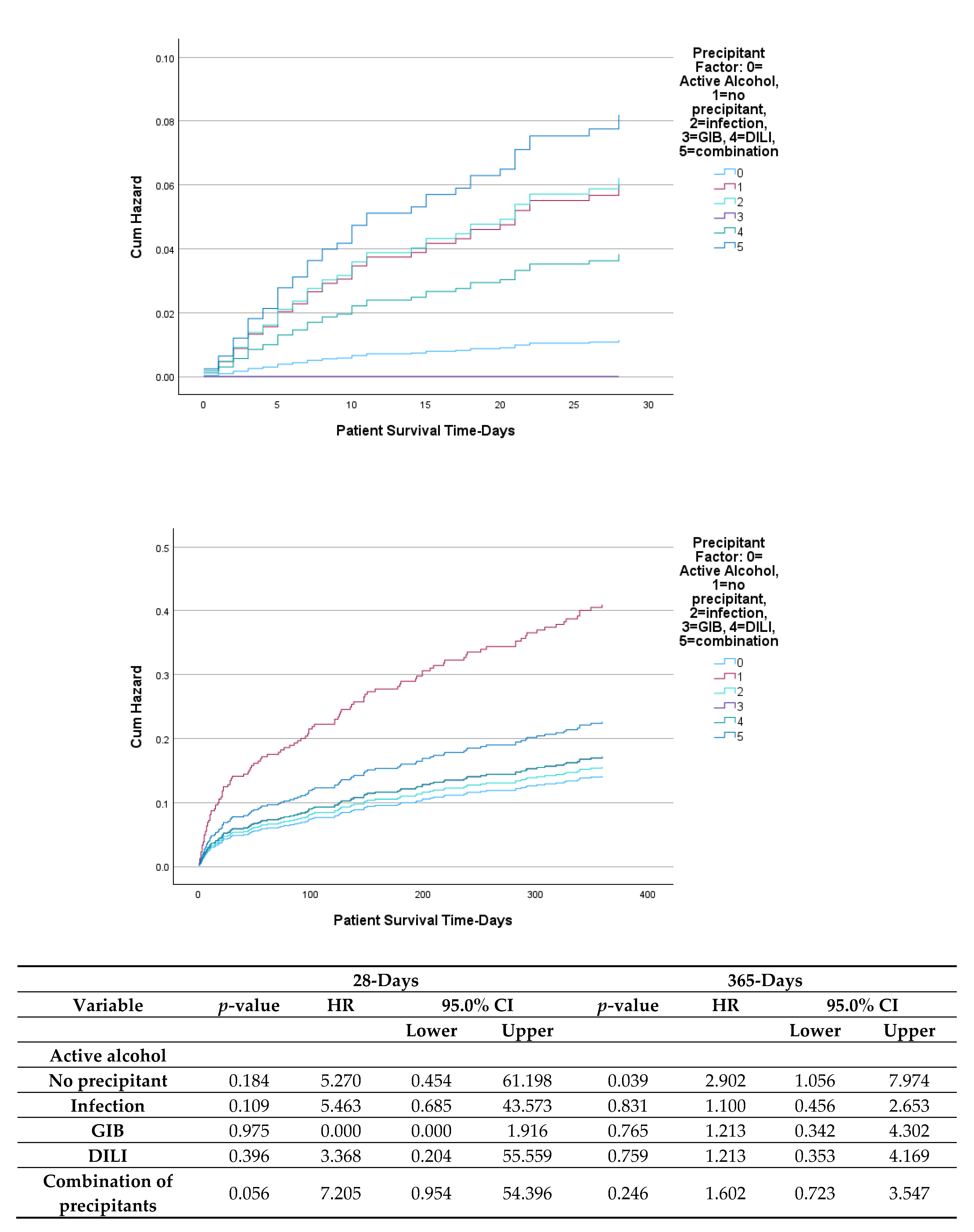
Figure 1. Mortality risk active alcohol drinking in comparison to other precipitants in entire cohort (n=623) at 28-days and 365-days. Adjusted for age, gender, DM, smoking, albumin, MELD, CTP score, and ACLF EASL-CLIF minimum criteria.
Preprints 178131 g001
Figure 4. Mortality risk based on primary liver disease in the cohort of active alcohol drinking (n=359) at 28-days and 365-days. Adjusted using all clinical and laboratory variables (full model).
Preprints 178131 g004
Table 1. Baseline Demographic, Clinical, and Laboratory Characteristics of the Entire Cohort (N = 623).
Primary diagnosis
EtOH 284 (45.58%)
Hep C 209 (33.54%)
Hep B 12 (1.92%)
SH 51 (8.18%)
AIH 10 (1.58%)
Other 1 (0.01%)
Unknown 56 (8.89%)
Age (mean +/-SD) 53.35±11.681
Female 215 (34.51%)
Current/former alcohol use 452 (74.34%)
Hepato-toxins intake before admission 116 (18.61%)
Use of supplements and herbs 59 (9.47%)
Use of antimicrobials 50 (8.02%)
Use of other toxins 7 (1.12%)
Current/former smoker 236 (37.88%)
Diabetes mellitus 170 (27.28%)
WBC (mean +/-SD) 9.43±6.39
Hb 11.49±2.87
Platelet (mean +/-SD) 132.72±94.57
Prothrombin time (mean +/-SD) 24.15±31.93
Creatinine (mean +/-SD) 1.49±1.57
Creatinine status
<1.5 461 (74.12%)
1.5-2.0 53 (8.52%)
>2.0 108 (17.36%)
INR (mean +/-SD) 1.91±2.37
INR >1.7 143 (22.29%)
Total bilirubin 7.41±18.42
Albumin 3.37±10.23
Albumin <3.5 475 (76.24%)
ALP 162.11±125.91
AST 166.40±511.64
ALT 84.05±209.88
AST/ALT ratio 2.28±1.91
Cholestasis index-1 (AST*UNL/AP*UNL) (mean +/-SD) 0.90±0.83
Cholestasis index-2 (ALT*UNL/AP*UNL) (mean +/-SD) 1.76±1.76
APRI 5.94±23.61
Fib-4 11.75±26.07
Lactate 3.39±2.94
SIRS criteria met (n=455) 189 (41.53%)
Ascites 255 (40.93%)
Encephalopathy 143 (22.95%)
TIPS 54 (8.70%)
CTP score (mean +/-SD) 10.71±2.22
MELD (mean +/-SD) 16.94±11.41
MELD >21 175 (28.14%)
Infection identified 343 (55.32%)
Infection type
Unknown status 85
No 197 (36.62%)
UTI 71 (13.20%)
Pneumonia 51 (9.48%)
Sepsis 25 (4.65%)
SBP 15 (2.79%)
Other 179 (33.27%)
GIB 155 (26.05%)
Precipitant Factor -defined
None 48 (7.70%)
Active alcohol 120 (19.26%)
Infection 96 (15.41%)
GIB 34 (5.46%)
DILI 15 (2.41%)
Combination 310 (49.76%)
Hemodialysis 30 (5.03%)
ACLF definition by criteria
ACLF-APASL 97 (15.56%)
ACLF-NACSLED 135 (21.66%)
ACLF-EASL (>=2 organ failures) 135 (21.66%)
ACLF-EASL (one organ failure and Cr 1.5-1.9) 184 (29.53%)
MELD >21 175 (28.09%)
Organ failures-(missing info n=80; excluded)
Liver failure-APASL 139 (22.35%)
Kidney failure-APASL 161 (25.88%)
Liver failure-EASL 76 (12.22%)
Kidney failure-EASL 106 (17.04%)
Brain failure-EASL 143 (23.25%)
Circulatory failure-EASL 67 (11.22%)
Coagulation failure-EASL 62 (9.95%)
Respiratory failure-EASL 94 (15.09%)
Total # of organ failures-EASL
0 246 (45.30%)
1 162 (29.83%)
2 83 (15.29%)
3 37 (6.81%)
4 8 (1.47%)
5 5 (0.92%)
6 2 (0.37%)
>= 3 52 (9.58%)
Length of hospital stay 7.77±8.77
Discharge condition
Alive 555 (89.37%)
Dead 63 (10.14%)
Transplanted 3 (0.48%)
Table 2. Association between ACLF and precipitants.
Variable None
(N = 48)
Active alcohol (N = 120) Infection (N = 96) GIB
(N = 34)
DILI
(N = 15)
Combination (N = 310) p-value1
MELD>=21 11 (22.92%) 30 (25.00%) 32 (33.33%) 1 (2.94%) 5 (33.33%) 96
(31.07%)
0.012
APASL 4 (8.51%) 18 (15.25%) 13 (13.83%) 0 (0.00%) 2 (13.33%) 60
(19.87%)
0.031
EASL-CLIF 0 (0.00%) 0 (0.00%) 2
(2.08%)
0 (0.00%) 0 (0.00%) 182
(79.13%)
<0.001
NACSELD 4 (9.09%) 20 (21.98%) 27 (32.93%) 0 (0.00%) 1 (7.69%) 83
(29.75%)
<0.001
EASL 2 organ failures 0 (0.00%) 0 (0.00%) 0
(0.00%)
0 (0.00%) 0 (0.00%) 135
(58.70%)
<0.001
Table 3. Clinical factors associated with precipitants of Acute on Chronic Liver Failure.
Preprints 178131 i001
Abbreviations: DM - diabetes mellitus; WBC - white blood cell count; Hb - hemoglobin; Plt - platelet; INR - International Normalized Ratio; TB - total bilirubin; ALP - alkaline phosphatase; AST - aspartate aminotransferase; ALT - alanine aminotransferase; APRI - AST to platelet index ratio; Fib-4 - fibrosis 4; CRP - C reactive protein; SIRS - systemic inflammatory response syndrome; CTP - Child Turcotte Pugh score; MELD - Model for End Stage Liver Disease.
Table 4. Association between primary liver disease and precipitants.
Variable None
(N = 48)
Active alcohol (N = 120) Infection (N = 96) GIB
(N = 34)
DILI
(N = 15)
Combination (N = 310) p-value1
Primary liver disease <0.001
Alcohol 13 (27.08%) 87 (72.50%) 19 (20.21%) 5 (16.13%) 2 (13.33%) 155
(50.49%)
Viral 20 (41.67%) 27 (22.50%) 43 (45.74%) 17 (54.84%) 7 (46.67%) 107
(34.85%)
SH 6 (12.50%) 3
(2.50%)
13 (13.83%) 4 (12.90%) 1 (6.67%) 24
(7.82%)
Other 9 (18.75%) 3
(2.50%)
19 (20.21%) 5 (16.13%) 5 (33.33%) 21
(6.84%)
1derived from chi-square test. Distribution of primary liver disease etiology across different precipitating factors of acute decompensation in patients with chronic liver disease. Abbreviations: GIB – Gastrointestinal bleeding; DILI – Drug-induced liver injury; SH – Steatohepatitis.
Table 6. Comparison of Active Alcohol Users With ALD vs. CLD-Others.
Variables Active Alcohol Users
ALD CLD-Others
N % or mean N % or mean P value
Female 83 36.9% 40 29.9% NS
DM 31 13.8% 34 25.4% 0.007
Smokers 55 51.9% 68 68.0% 0.02
SIRS 51 47.2% 39 38.6% NS
INR >=1.7 49 45.4% 29 28.7% 0.015
Ascites 92 40.9% 53 40.2% NS
HE None 23 10.3% 0 0.0% NS
HE Grade 1-2 162 72.3% 100 76.3% NS
HE Grade 3-4 39 17.4% 31 23.7% NS
MELD >=15 111 49.3% 62 46.3% NS
Infection 113 50.2% 68 51.5% NS
DILI 17 15.7% 21 20.8% NS
GIB 45 22.4% 46 34.6% 0.017
MELD >=21 72 32.0% 30 22.6% 0.05
NACSELD ACLF 51 27.6% 29 23.6% NS
EASL-CLIF ACLF 70 31.1% 38 28.6% NS
Age 225 48.97 133 52.5 0.004
WBC-1 225 10.3633 133 9.113 NS
Hb 224 11.587 134 11.61 NS
Plt 225 151.768 134 123.146 0.012
PT 206 26.455 126 26.087 NS
INR-1 225 2.265 134 1.947 NS
TB: Total bilirubin 225 11.671 133 7.838 NS
Albumin 210 3.62 127 4.272 NS
ALP: Alkaline phosphatase 216 161.51 129 150.84 NS
AST: Aspartate amino transferase 225 231.04 134 221.1 NS
ALT: Alamine amino transferase 225 101.96 134 120.64 NS
AST/ALT Ratio 225 2.728819 134 2.191896 0.028
Cholestasis index-1 225 0.601507 134 0.718054 NS
Cholestasis Index-2 225 1.511861 134 1.439278 NS
New Index 225 4.94506 134 3.248123 NS
APRI: AST/Platelet ratio index 225 8.004345 134 6.202302 NS
Fib-4 225 13.80806 134 11.13231 NS
Creatinine-adjusted with hemodialysis status 225 1.437 133 1.331 NS
Creatinine unadjusted 225 1.39 133 1.286 NS
CRP level 20 8.25 7 20.2714 NS
Lactate-1 91 4.3675 72 3.7194 NS
MELD Score 225 18.35869 133 15.99158 NS
LOS: length of stay in hospital 224 7.66 133 7.86 NS
Comparison of demographic, clinical, laboratory, and outcome variables between active alcohol users with alcohol-associated liver disease (ALD) and those with chronic liver disease of other etiologies (CLD-Others). Abbreviations: ALD – Alcohol-associated liver disease; CLD – Chronic liver disease; DM – Diabetes mellitus; SIRS – Systemic inflammatory response syndrome; INR – International normalized ratio; HE – Hepatic encephalopathy; MELD – Model for End-Stage Liver Disease; DILI – Drug-induced liver injury; GIB – Gastrointestinal bleeding; NACSELD – North American Consortium for the Study of End-Stage Liver Disease; EASL-CLIF – European Association for the Study of the Liver – Chronic Liver Failure Consortium; WBC – White blood cell count; Hb – Hemoglobin; Plt – Platelet count; PT – Prothrombin time; TB – Total bilirubin; ALP – Alkaline phosphatase; AST – Aspartate aminotransferase; ALT – Alanine aminotransferase; APRI – AST to Platelet Ratio Index; Fib-4 – Fibrosis-4 Index; CRP – C-reactive protein; LOS – Length of stay; NS – Not significant.
Table 7. Logistic regression analysis: Predictors of underlying liver disease among active alcohol drinkers (n 359).
Univariable Multivariable
Variable p value HR 95% C.I p value HR 95% CI
Lower Upper Lower Upper
Age 0.004 1.030 1.009 1.051
DM 0.006 2.128 1.236 3.663 0.042 2.055 1.025 4.121
WBC 0.081 0.969 0.935 1.004
Platelet 0.013 0.997 0.995 0.999
AST/ALT Ratio 0.027 0.845 0.729 0.981 0.008 0.733 0.583 0.922
Cholestasis index 0.063 1.427 0.980 2.076
MELD Score 0.091 0.985 0.967 1.002
CTP Score 0.003 1.151 1.049 1.264
Smoking 0.019 1.970 1.117 3.475 0.011 2.159 1.189 3.922
INR >= 1.7 0.013 0.485 0.273 0.861
GIB 0.015 1.833 1.126 2.984
Bilirubin status Total bilirubin ≥5 mg/dL 0.087 0.677 0.432 1.059
MELD-21 0.057 0.619 0.378 1.014
EASL Liver Failure 0.028 0.504 0.273 0.930
Univariable and multivariable Cox regression analysis for factors associated with mortality in patients with chronic liver disease. Abbreviations: HR – Hazard ratio; CI – Confidence interval; DM – Diabetes mellitus; WBC – White blood cell count; AST – Aspartate aminotransferase; ALT – Alanine aminotransferase; MELD – Model for End-Stage Liver Disease; CTP – Child-Turcotte-Pugh score; INR – International normalized ratio; GIB – Gastrointestinal bleeding; EASL – European Association for the Study of the Liver.
Table 8. Cox regression analysis: Predictors of mortality among active alcohol drinking (n 359) at 28-days and 365-days.
Variables 28-Days 365-Days
p value HR 95.0% CI p value HR 95.0% CI for Exp(B)
Lower Upper Lower Upper
Age 0.000 1.113 1.058 1.170 0.000 1.069 1.033 1.107
CTP Score 0.000 2.186 1.517 3.149 0.000 1.553 1.231 1.960
MELD score 0.001 1.088 1.037 1.142
GIB 0.000 5.595 2.305 13.578 0.000 2.989 1.695 5.272
Infections 0.026 2.972 1.140 7.749
Albumin 0.005 0.461 0.268 0.795
Cholestasis index 0.001 3.511 1.719 7.172
INR >= 1.7 0.032 3.591 1.116 11.556 0.026 2.005 1.089 3.692
Cox regression analysis of predictors of 28-day and 365-day mortality in patients with chronic liver disease. Abbreviations: HR – Hazard ratio; CI – Confidence interval; CTP – Child-Turcotte-Pugh score; MELD – Model for End-Stage Liver Disease; GIB – Gastrointestinal bleeding; INR – International normalized ratio.
Disclaimer/Publisher’s Note: The statements, opinions and data contained in all publications are solely those of the individual author(s) and contributor(s) and not of MDPI and/or the editor(s). MDPI and/or the editor(s) disclaim responsibility for any injury to people or property resulting from any ideas, methods, instructions or products referred to in the content.
Copyright: This open access article is published under a Creative Commons CC BY 4.0 license, which permit the free download, distribution, and reuse, provided that the author and preprint are cited in any reuse.
Prerpints.org logo

Preprints.org is a free preprint server supported by MDPI in Basel, Switzerland.

Subscribe

Disclaimer

Terms of Use

Privacy Policy

Privacy Settings

© 2025 MDPI (Basel, Switzerland) unless otherwise stated