
Submitted:
01 June 2025
Posted:
02 June 2025
You are already at the latest version
Abstract
Food security and sustainable agriculture rely heavily on the timely detection and classification of plant diseases. In this study, we investigate the performance of the You Only Look Once (YOLO) object detection algorithm—specifically versions v5, v7, and v8—for identifying seven common tomato leaf diseases: Mosaic Virus, Leaf Miner, Septoria, Spider Mites, Early Blight, Yellow Leaf Curl Virus, and Late Blight. We trained and validated each YOLO variant using a comprehensive dataset comprising annotated images of diseased tomato leaves. YOLOv8 achieved the highest performance, with a mean Average Precision (mAP) of 85%, followed by YOLOv7 (84.7%) and YOLOv5 (83%). Additionally, YOLOv8 demonstrated the fastest inference time, indicating its suitability for real-time or near real-time disease detection applications. Our findings emphasize YOLOv8’s potential in enhancing agricultural productivity through accurate and efficient disease identification. The proposed framework offers practical implications for precision farming by aiding early disease management, optimizing crop yield, conserving resources, and promoting sustainable agricultural practices through advanced deep learning techniques.
Keywords:
tomato leaf diseases
; objection detection
; computer vision
; deep learning
1. Introduction
Tomatoes are one of the most important crops for the world's food supply and farmland because of their widespread production and usage. Sadly, several illnesses may hurt tomato plants and lower their output and quality. An early identification is still important to properly treat and reduce these illnesses. Agricultural disease detection has lately seen a change thanks to deep learning algorithms, which provide faster and more accurate results than older methods. Among the most widely used methods for accurately finding and naming tomato leaf diseases is the You Only Look Once version 8 (YOLO v8) algorithm. One of the main uses of field robots in precise agriculture is disease identification. The aim of this work was to identify the detecting accuracy, complexity, and performance measures of a deep learning-based model for farming disease identification. The model was influenced by the deep learning model when it came to performing high-level vision tasks (Ahmed, & S. 2023). YOLO (You Only Look Once), a new application of object recognition technology, is used in the suggested method to identify plant diseases. At 45 frames per second, YOLO studies leaf shots in real time and beats current object recognition methods. The picture is split into several grid units before editing. Bounding boxes and class odds are forecast by a single neural network, which also performs a review. This successfully improves the recognition of illness both in terms of speed and accuracy (Morbekar et al., 2020).
The most widely traded farm product from the country these days is tomatoes. To raise farming output, therefore, more work is needed. One factor that might have a major effect on farming output is the frequency of illnesses brought on by bacteria, fungus, and viruses. Still, identifying a patient may be expensive and take a while. Plant diseases are being identified using deep learning methods, and the results seem good. This study uses YOLO v8, YOLO v7, and YOLO v5 to correctly identify and group the following seven common tomato leaf diseases: Leaf Miner, Mosaic Virus, Septoria, Spider Mites, Early Blight, Late Blight, and Yellow Leaf Curl Virus. The goal is to build an accurate early diagnosis system by fully training on big data sets that include captioned pictures of ill tomato leaves. These technologies are meant to protect the purity of the food supply chain and maintain steady tomato output by giving farms proactive disease control capabilities.
2. Literature Review
Researchers (Liu, et al., 2020) is the first group. Make benefit of Yolo V3, which identifies pests and tomato diseases using a better convolutional neural network. In order to improve the Yolo V3 model's feature layer and achieve multi-scale feature recognition, this project aims to create a real-world collection of tomato diseases and pests. Additionally, the model's speed and detection accuracy will be improved, and tomato disease and pest types and places will be quickly and precisely found. The aforementioned work has greatly improved the field of tomato pest picture recognition in natural settings and given a model for the clever identification and engineering application of plant illnesses and pest detection (Ahmed & S, 2023). An study of tomato plant disease recognition using YOLO models. Computer Vision and Machine Learning in Agriculture. In this study, the YOLO-5 showed better selection scores in terms of recognition accuracy, precision, memory, and F-1 score. Conversely, YOLO-5 tiny has a longer detection time but a better recognition accuracy. This study made use of the freely available Tomato Disease Multiple Sources data collection. Within the Second Group of researchers is (Wang, X et al., (2021). Use YOLO-Dense to spot anomalies in tomatoes grown in greenhouses. According to the testing results, a single picture of the YOLO-Dense network may show the mAP of 96.41% and the detecting time of 20.28 ms, respectively. In a difficult natural setting, the YOLO- Dense model beat SSD, Faster R-CNN, and the original YOLOv3 network in tomato anomaly recognition. (Lawal, &M. O., 2021). Additionally, identify tomatoes using the updated YOLOv3 framework. It was found that the YOLO-Tomato models beat other state-of-the-art methods. With an AP of 98.3% and a detection time of 48 ms, the YOLO-Tomato-A model, the YOLO-Tomato-B model, and the YOLO-Tomato-C model each had an AP of 99.3% and a detection time of 44 ms and 52 ms, respectively. (Zeng et al., 2023). used YOLO and mobile deployment to provide a quick, low-cost way of tomato identification in real time. The testing results showed that, in comparison to the original YOLOv5s, the better model's mAP was 0.969 and its number of parameters and floating-point operations per second (FLOPs) were squeezed by 78% and 84.15%, respectively. In comparison, the CPU platform showed a 64.88% boost in performance with a detecting speed of 42.5 ms. An Android-based real-time tomato monitoring application (app) was built in this study after the quantization of the better model with the use of the Nihui convolutional neural network (NCNN) framework. According to testing data, the 16-bit quantized model did 268% better on the mobile side with less math power than the original YOLOv5s, hitting a 93% correct detection rate and an average detection frame rate of 26.5 frames per second (fps). Furthermore, the model size dropped by 51.1%. The Third Group is made up of experts (Pham et al., 2021). Make use of AI-powered methods to find and detect tomato leaf disease. The majority of the leaves that could be seen were recognized and sorted using this leaf identification method. When it came to disease recognition, the model did best when it found healthy leaves (F1-score: 0.97) and Yellow Leaf Curl sickness (F1-score: 0.93). Using a two-class identification model that included the sickness class (illness) and the non-disease class (healthy) in the real trials showed the viability of the suggested models. 88% of the sick patients and 86% of the healthy cases were properly spotted by the model. This poor result stems from the failure to intentionally cause the expected disease in the tomato plant in order to build a big enough dataset. (Li et al., 2022) Implement Yolo-JD: An Image-Based Deep Learning Network for Jute Disease and Pest Identification YOLO-JD, a deep learning network, is presented in this study to identify jute diseases from photos. To easily extract picture features, we updated the core design of the YOLO-JD platform with three new modules: the Sand Clock Feature Extraction Module (SCFEM), the Deep Sand Clock Feature Extraction Module (DSCFEM), and the Spatial Pyramid Pooling Module (SPPM). We have made a brand-new, extensive picture library with ten groups for jute pests and sicknesses. YOLO- JD offers the best recognition accuracy among other cutting-edge tests, with an average mAP of 96.63%. Numerous inspectors Use YOLO methods to improve identification (Leng et al., 2023). Effective Model for Detecting Maize Leaf Blight in a Range of Complicated Field Circumstances: CEMLB-YOLO. Experimental results based on the NLB dataset show that the proposed model gets 87.5% mAP@0.5 accuracy, which is 5.4% higher than the original model. Among others, (Rajamohanan, & Latha, 2023) Classify Tomato Leaf Disease Using an Enhanced Yolo v5 Model with a Field Dataset. The goal of this work was to use both publicly available and private data to find the best hyperparameters for the classification and identification of parts of healthy and sick leaves. Testing the model on the test dataset, the YOLO v5 model showed an amazing 93% success rate. By using this method, farmers will be able to spot damaged leaves more quickly and take fast action to stop the spread of viruses that harm tomato plants. Furthermore, a number of scientists (Mohandas et al., 2021). The YOLOv4-tiny allows for the real-time discovery and identification of plant leaf diseases. The goal of this work is to show the use of a personalized model known as YOLOv4-tiny for the identification and analysis of plant leaf diseases, as well as the offering of a preventive strategy for their avoidance. People may now interact with the technology and quickly identify leaf sickness thanks to an Android app that links to it (Anjanadevi et al., 2020). A deep learning model may be used to identify plant diseases. Preventing illnesses and spotting them early are key to improving farming output. We trained datasets from Plant Village and Plant Doc using the updated and modified improved-detect DCNN model. The potato, corn, and tomato plants acted as our main training and testing areas for the models. A collection of plant shots, including both healthy and broken tomato leaves, was used for our tests. The results of the tests are compared with the most advanced models, such as ResNet-101, Mobile Net, and Dark Net-19. The suggested method works better at finding and localizing plant diseases. yields ideal and exact computational results. We have included the findings and relevant models in the parts below.

| Author(s) and Year | Dataset/Topic | Accuracies | Contributions |
|---|---|---|---|
| Lyu et al. (2022 | Citrus psylli d detection in natural environments |
mAP@0.5 of 97.18% for citrus psyllids detection | Lightweight YOLO- SCL model for citrus psyllid detection |
| Qiu et al. (2022) | Citrus HLB detection from digital images | Micro F1-scores of 85.19% for recognizing five HLB symptoms | YOLOv5l-HLB2 model and ‘HLBdetector’ app development |
| Aswini & Vijayakumaran (2023 | Citrus greening disease diagnosis in citrus leaves and fruits | Overall F1 score of 92% for YOLOv7 | YOLOv7 for diagnosing citrus greening disease |
| Chen et al. (2020) | Detection of citrus in orchard environment using YOLOv4 | Accuracy increase of 3.15% over original YOLOv4 | Improved YOLOv4 for citrus detection in orchards |
| Qadri et al. (2023) | Detection and segmentation of plant leaf disease using YOLOv8 | Precision: 99.8%, Recall: 99.3%, mAP50: 99.5%, F1-score: 0.999 for bounding box | YOLOv8 for increased detection speed and accuracy in plant disease segmentation |
3. Materials and Methods
3.1. Dataset Collection
For this farming study, data was gathered through a mix of field trips and online sources. I began by visiting nearby gardens and farms to watch tomato plants directly and gather relevant information on leaf diseases. These field visits offered useful insights into the physical signs and differences of tomato leaf illnesses.
In addition to these trips, I utilized various online tools to boost my knowledge of common farming practices and the challenges associated with tomato production. This helped in finding and recognizing disease trends more effectively.
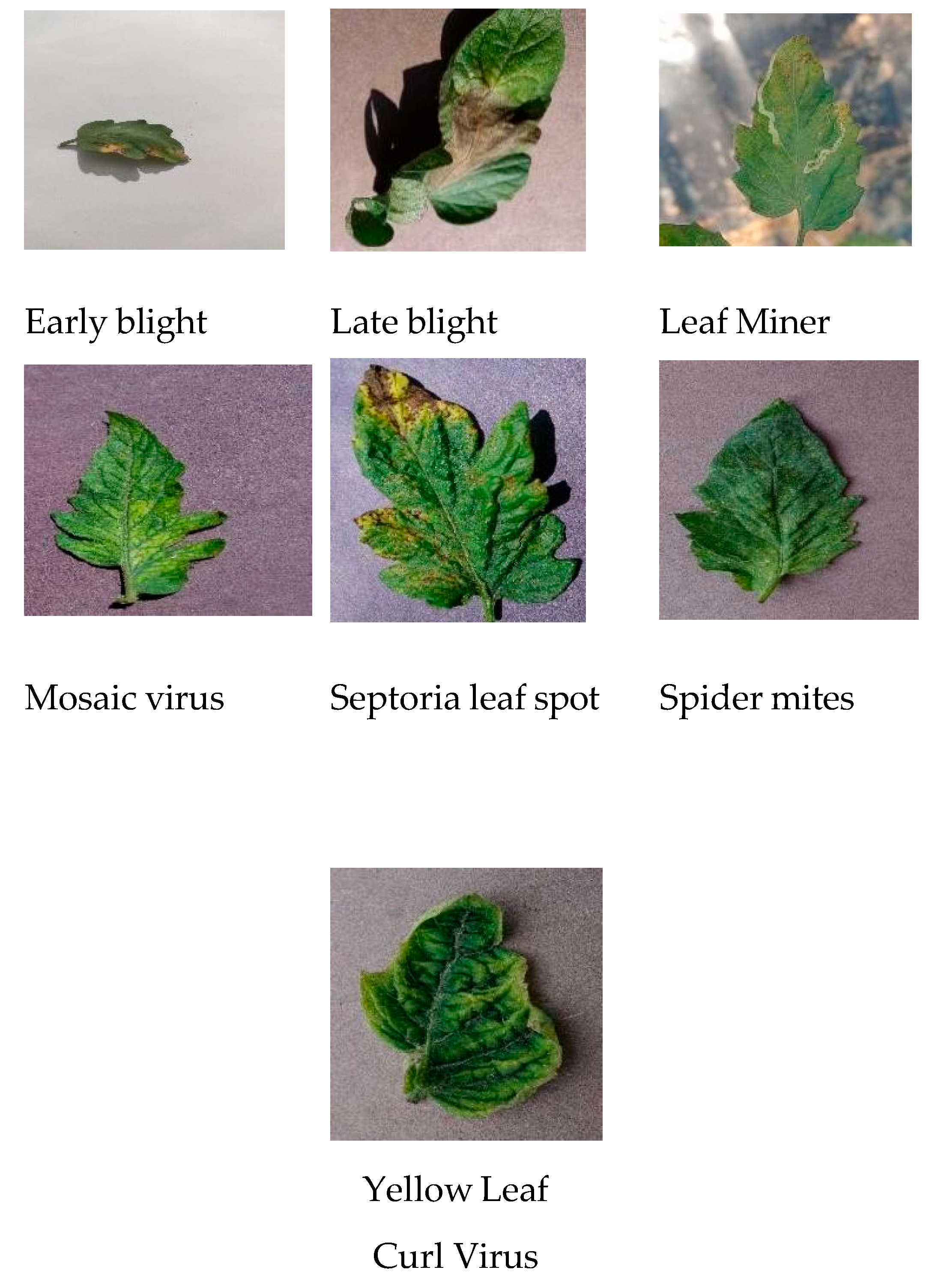
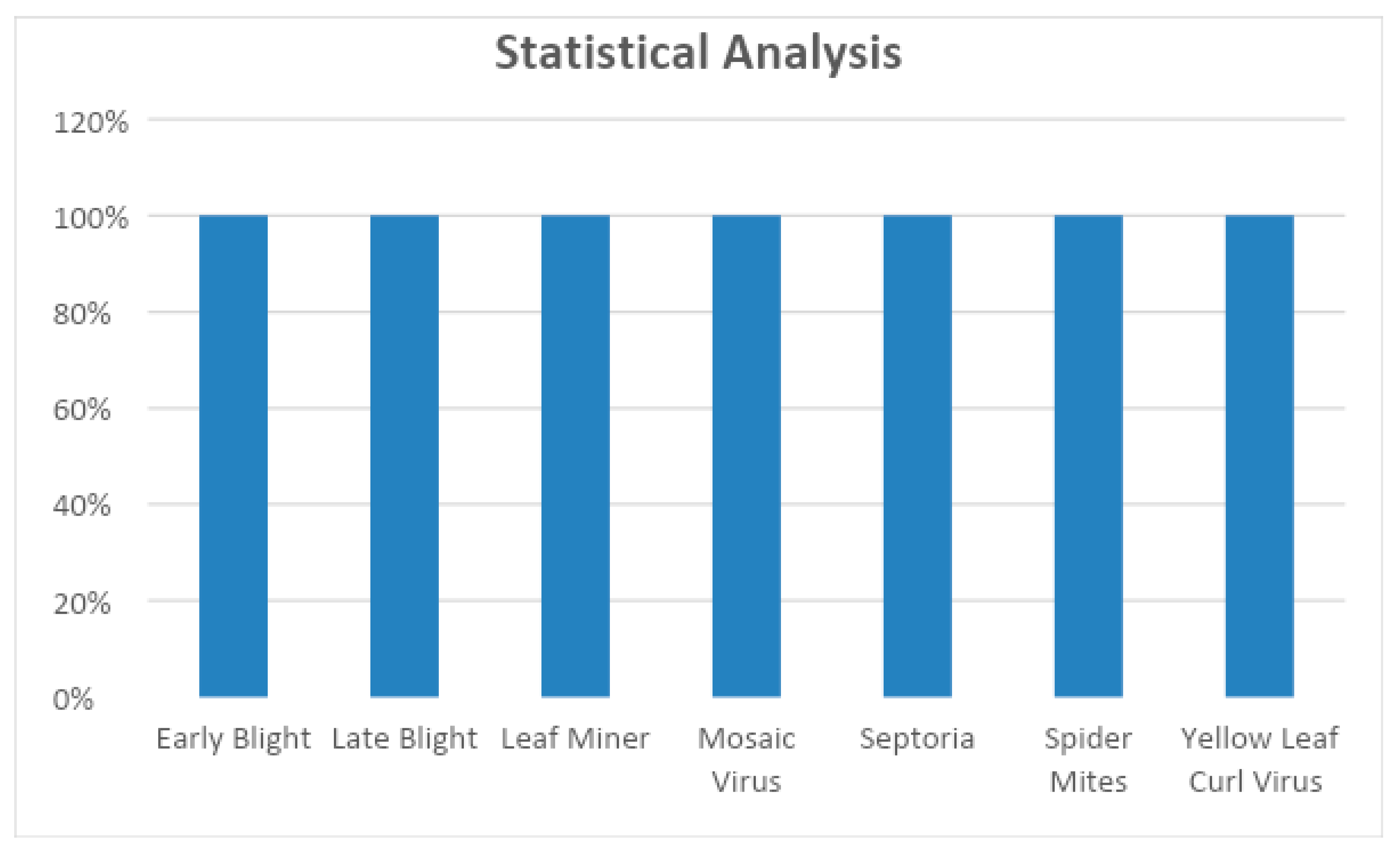
The final collection consists of 700 pictures of tomato leaf diseases, gathered from both field notes and confirmed online sources. All photos were saved in JPG file for ease of access and efficient use of storage. The pictures were then divided into specific disease types to allow a more organized and thorough analysis in the later steps of the study.
The sample of leaf diseases image dataset is shown Below:
Figure 3.1.
Sample of dataset.
Analyzing data patterns, trends, and connections in a dataset using statistical analysis allows for the extraction of useful insights and the making of well-informed decisions.
Table 3.1.
Details of dataset.
| Serial No | Class name | No of Images | Format |
|---|---|---|---|
| 1 | Early Blight | 100 | JPG |
| 2 | Late Blight | 100 | JPG |
| 3 | Leaf Miner | 100 | JPG |
| 4 | Mosaic Virus | 100 | JPG |
| 5 | Septoria | 100 | JPG |
| 6 | Spider Mites | 100 | JPG |
| 7 | Yellow Leaf Curl Virus | 100 | JPG |
Figure 3.2.
Statistical view of dataset.
3.2. General Methodological Outlook
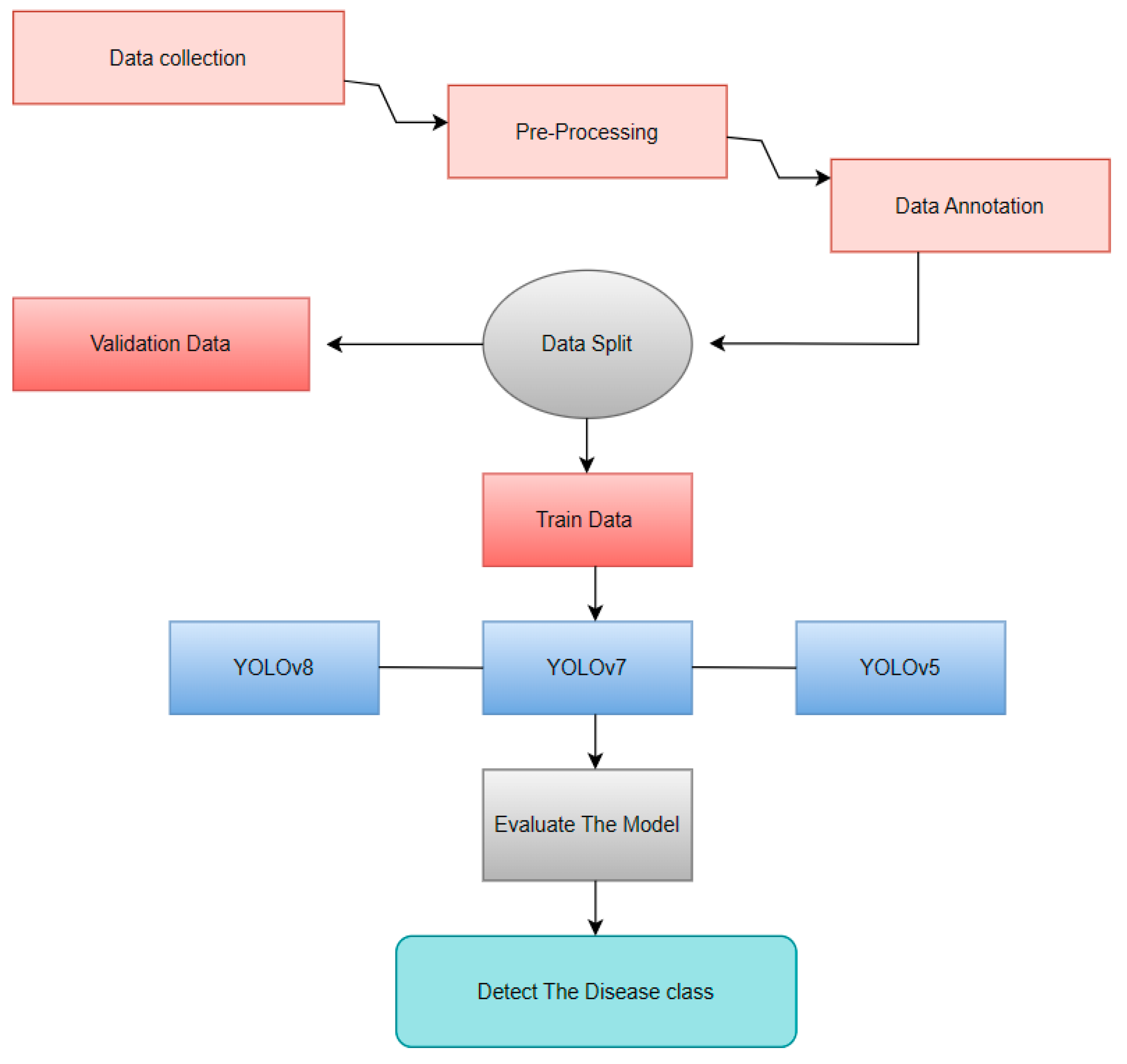
To spot tomato leaf disease, the suggested approach aims to carefully evaluate and compare the YOLOv5, YOLOv7, and YOLOv8 methods using an organized way. Gathering, planning, training, and analyzing the model's performance using known measures like Mean Average Precision (mAP) and Intersection over Union (IoU) are all part of the process. Additionally, optimization methods like regularization and fine- tuning will be used to enhance the model's effectiveness and accuracy. Practical evaluation in farming situations and with respect to social problems provide complete insights, proven models, and improvements in using deep learning for sustainable agriculture and food security.
Figure.
Proposed Methodology.
3.2.1. Data Annotation
In machine learning and computer vision, annotation refers to the process of labeling or tagging images or datasets to offer ground truth information. This is especially useful for evaluating and training models such as YOLOv5, YOLOv7, and YOLOv8. This entails locating and labeling particular items or features within an image, such as diseased tomato leaves—for example, those infected by Leaf_Miner, Mosaic_Virus, Early_Blight, Yellow_Leaf_Curl_Virus, Late_Blight, Spider_Mites and Septoria. An important stage in supervise learning is annotation, which helps algorithms understand and identify patterns, forms, and traits linked to various tomato leaf disease classes.
Figure 3.6.
Number of instances Annoted class.
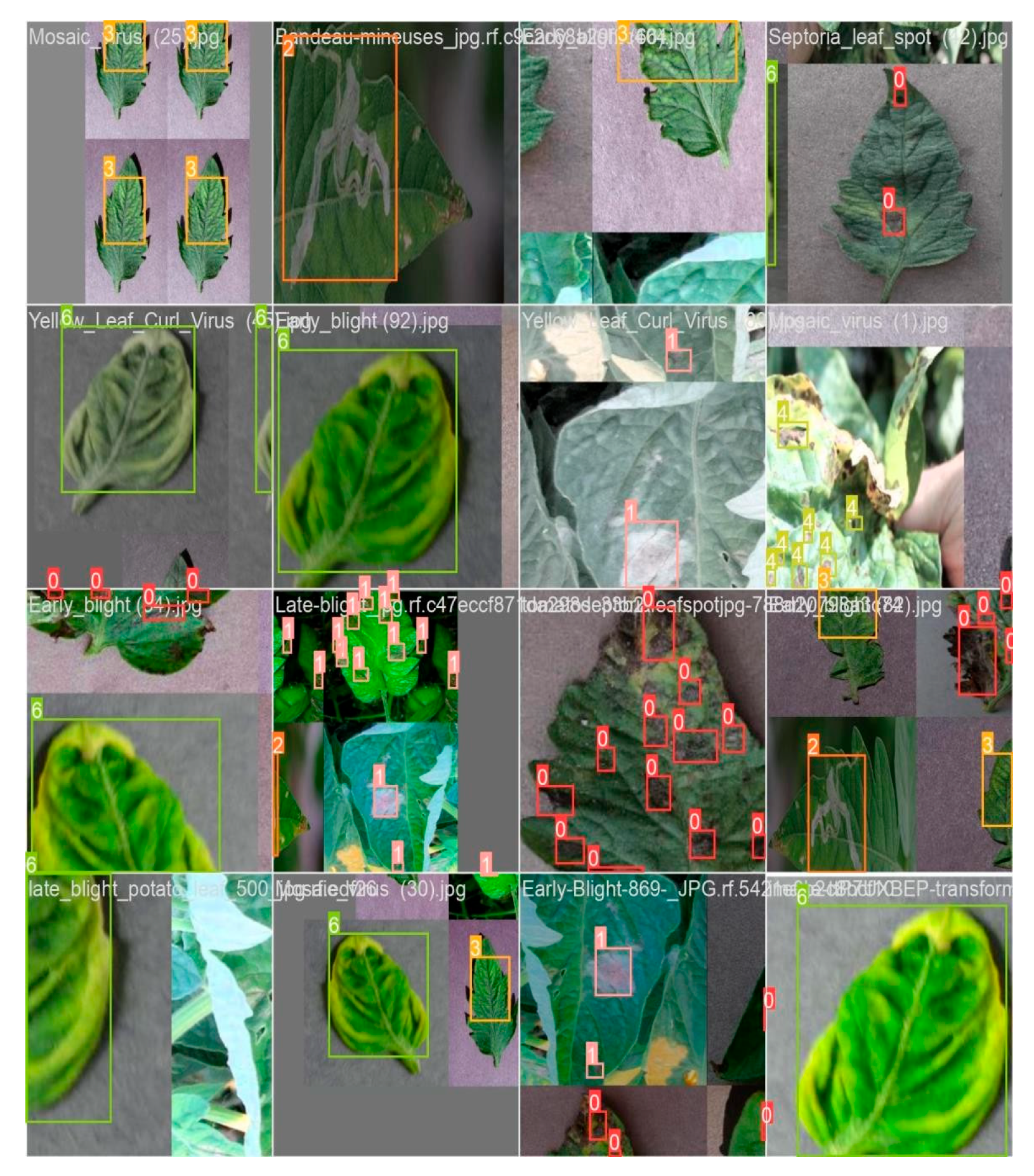
Figure 3.7.
Image annotation result.
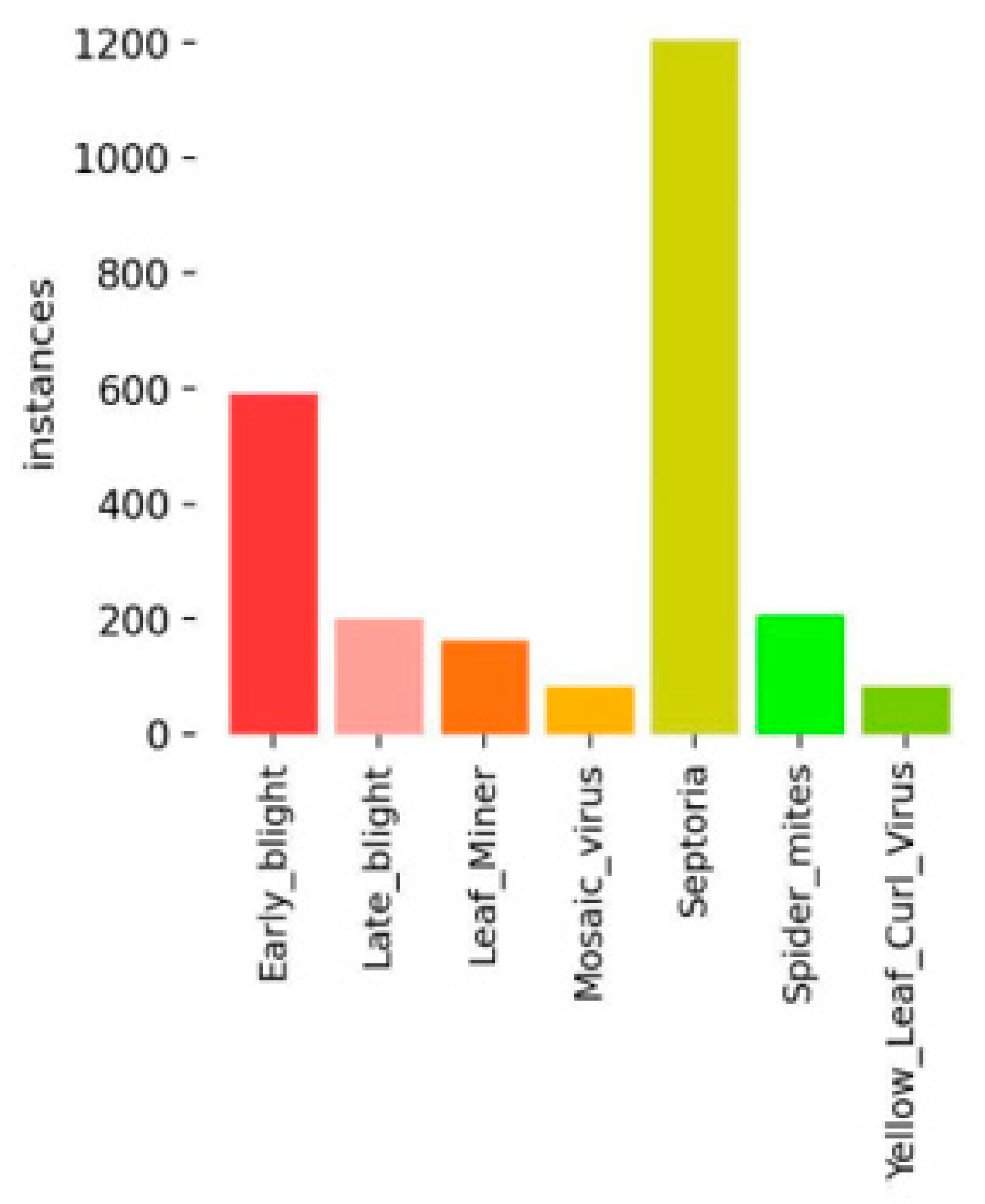
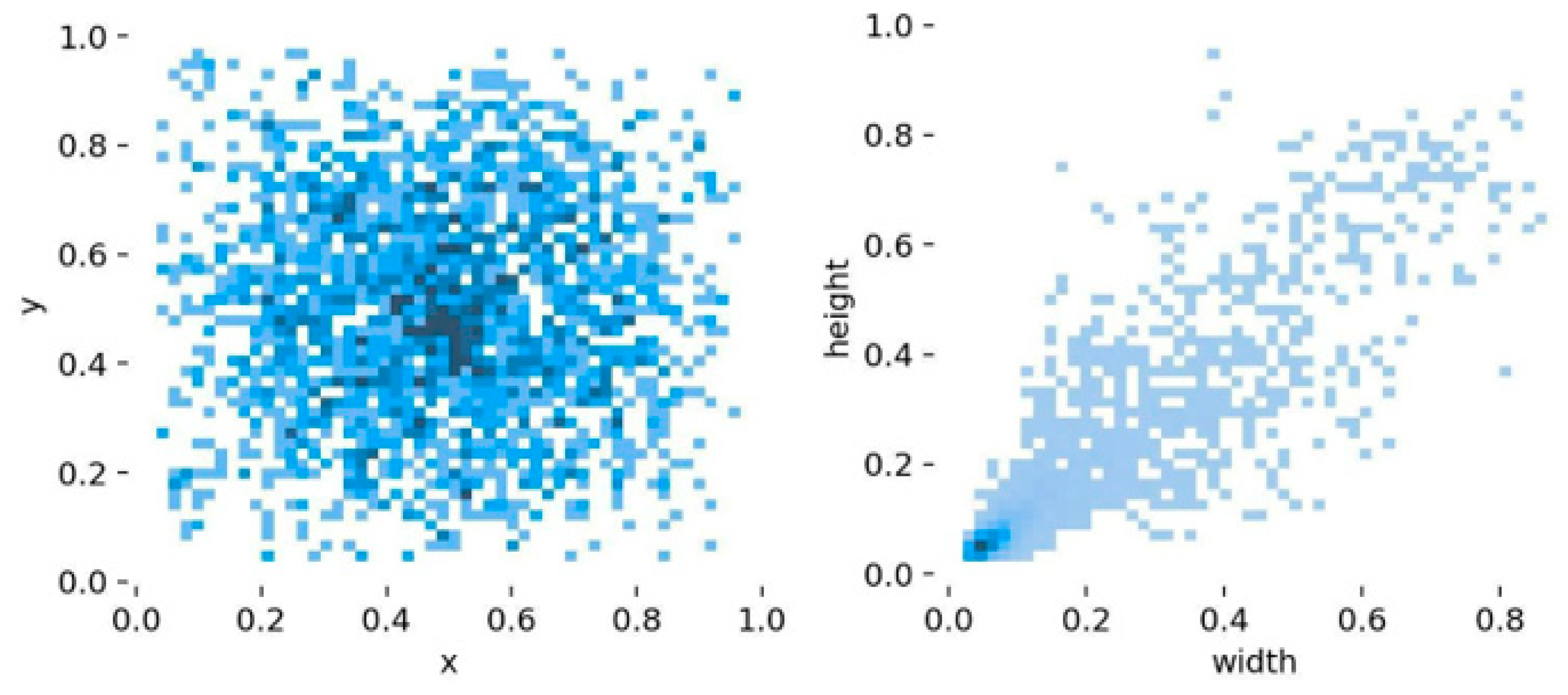
Figure.
Labeling instances.
3.2.2. Implementation Architecture
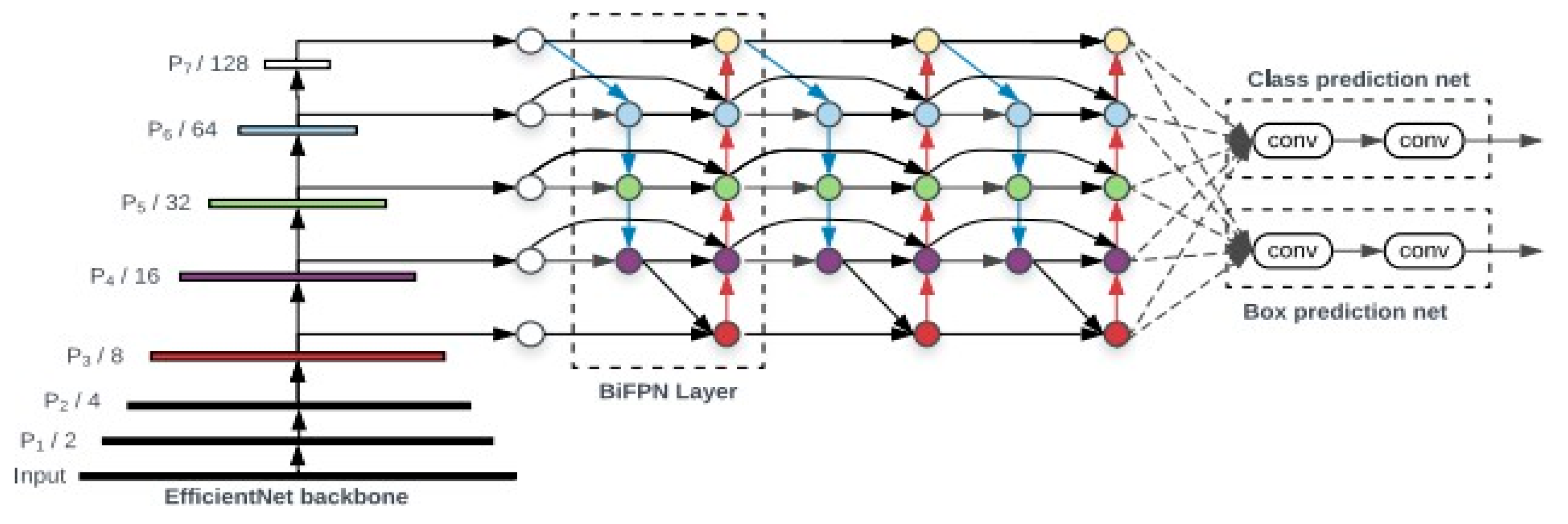
YOLOv5
The You Only Look Once (YOLO) family of computer vision models includes the YOLOv5 model. YOLOv5 is often used in object identifying apps. With accuracy rates ranging from small (s), medium (m), large (l), to extra-large (x), YOLOv5 is offered in four main versions. Furthermore, every version has a different exercise time.
Figure.
YOLOv5 architecture.
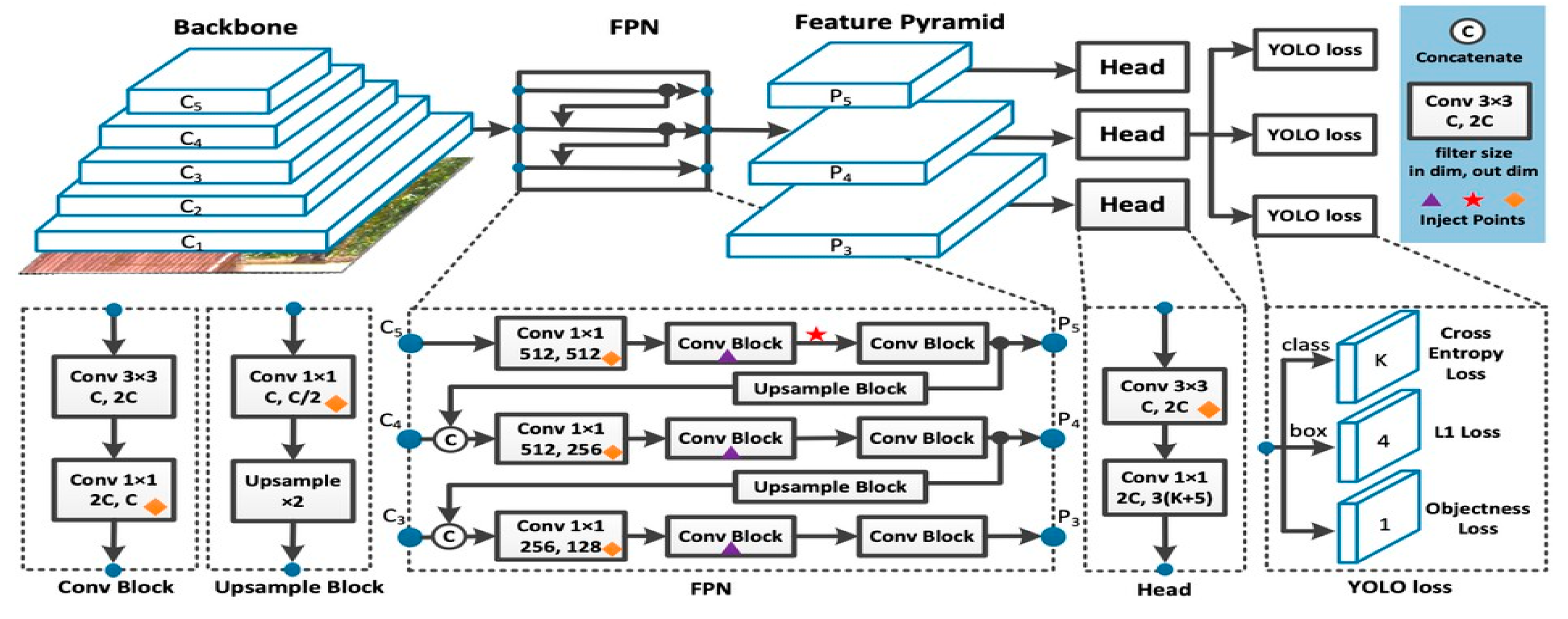
YOLOv7
The YOLO (You Only Look Once) v7 is the most current model in the lineup. YOLO models are single stage object scanners. To combine visible frames, a YOLO model uses a backbone. After mixing and combining in the neck, these traits are sent to the head of the network. YOLO predicts what kinds of items should have bounding boxes drawn around them, as well as their places.
Figure.
YOLOv7 architecture.
YOLOv8
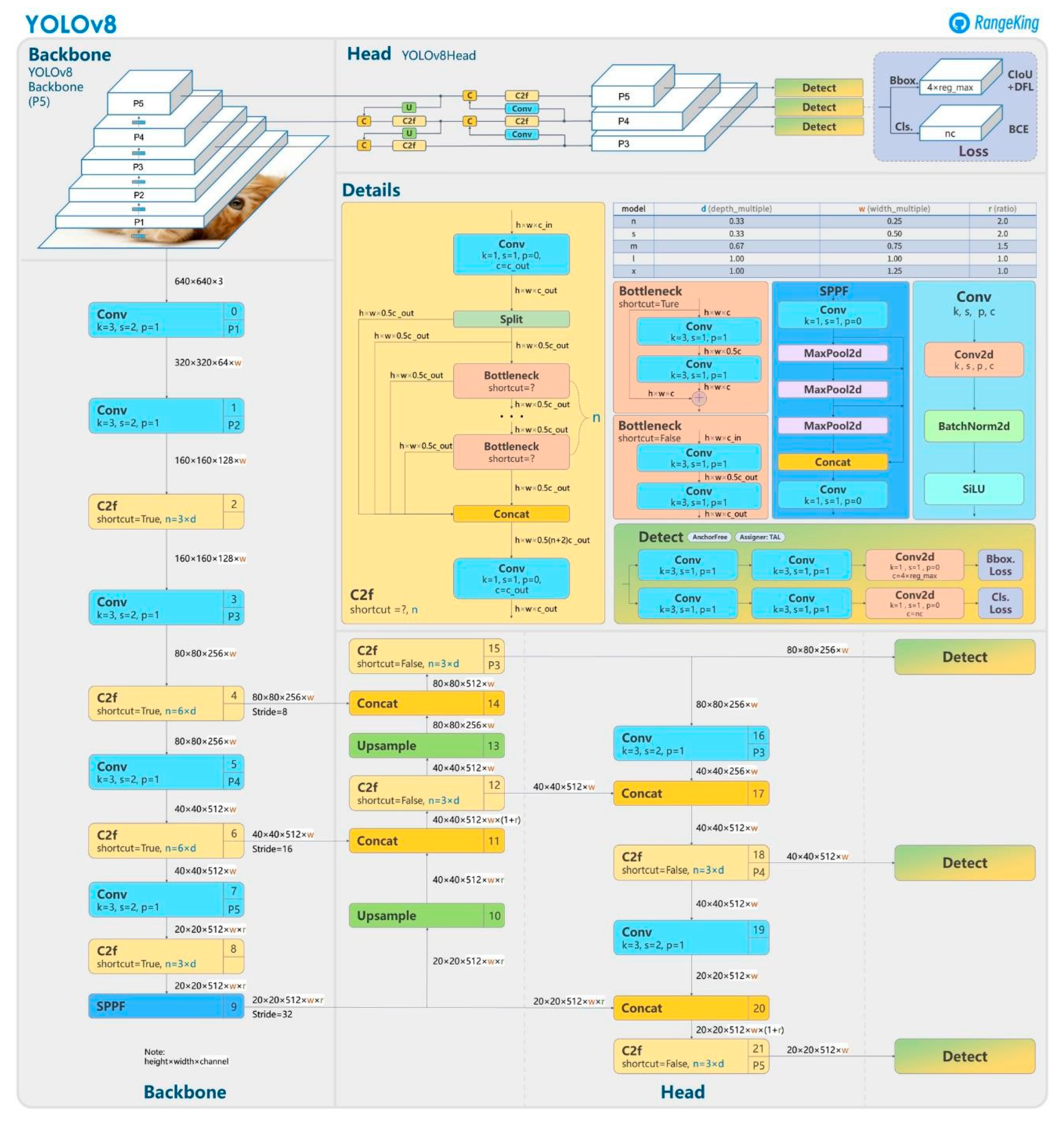
For tasks including instance segmentation, object recognition, and picture classification, the most recent and advanced YOLO model, YOLOv8, is useful. YOLOv8 was made by the same company that created the famous and industry defining YOLOv5 model, Ultralytics. YOLOv8 has a lot of improvements and changes over YOLOv5 in terms of design and developer experience.
Figure.
YOLOv8 architecture.
4. Results and Discussion
4.1. Result Analysis
After training the model the results are plotted in the table.
| Class | Precision | Recall | mAP50 | mAP50-90 |
| Early_blight | 77% | 62% | 70% | 29% |
| Late_blight | 79% | 75% | 81% | 36% |
| Leaf_Miner | 96% | 93% | 94% | 53% |
| Mosaic_virus | 86% | 94% | 95% | 54% |
| Septoria | 63% | 54% | 55% | 17% |
| Spider_mites | 97% | 97% | 98% | 59% |
| Yellow_Leaf_Curl_Virus | 96% | 92% | 97% | 65% |
4.2. Validation Graphs from YOLOv8
After training with 100 epochs this result graph given:
Figure 4.1.
Displaying the progress of training and the metrics for model evaluation over 100 epochs.
Figure 4.1.
Displaying the progress of training and the metrics for model evaluation over 100 epochs.
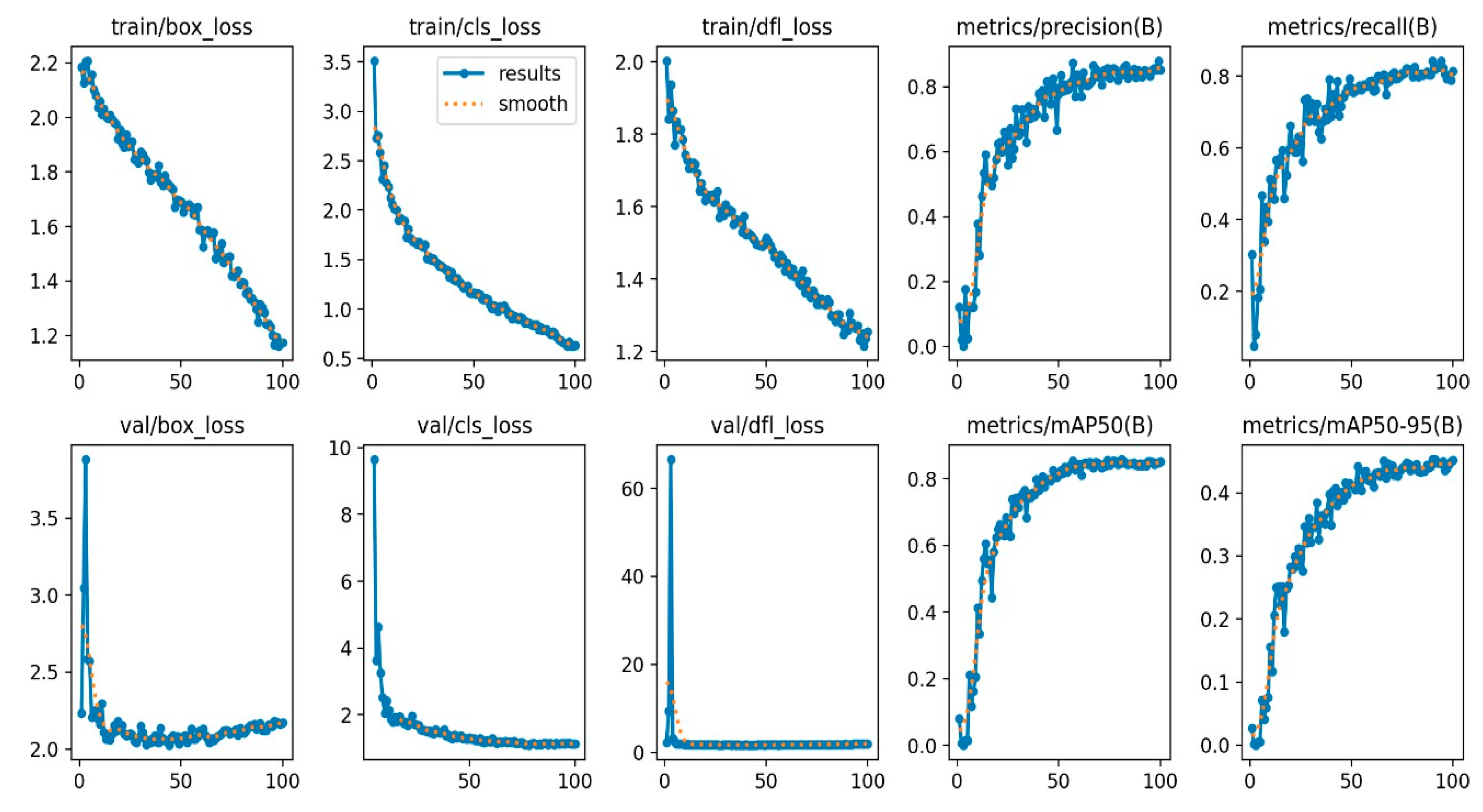
After completing 100 Epochs result. But In this fig showing the 1st 20 Epoch for training the Model and Results.
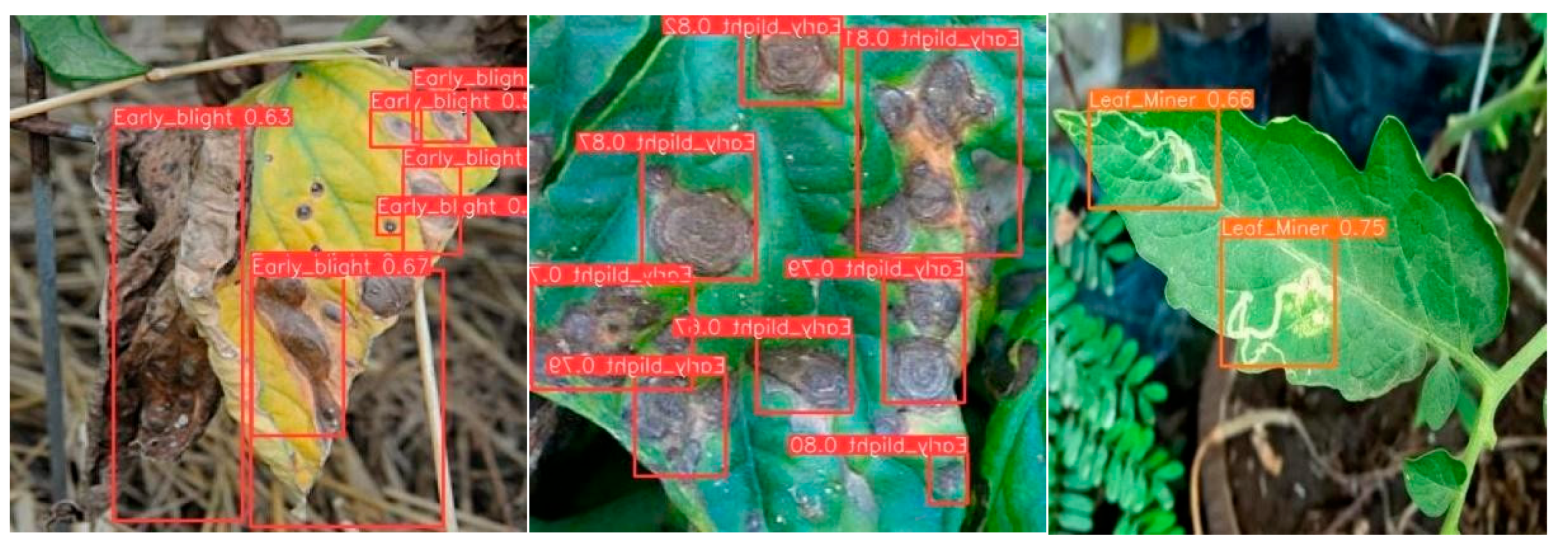
Figure 4.2.
Disease detection after training the model.
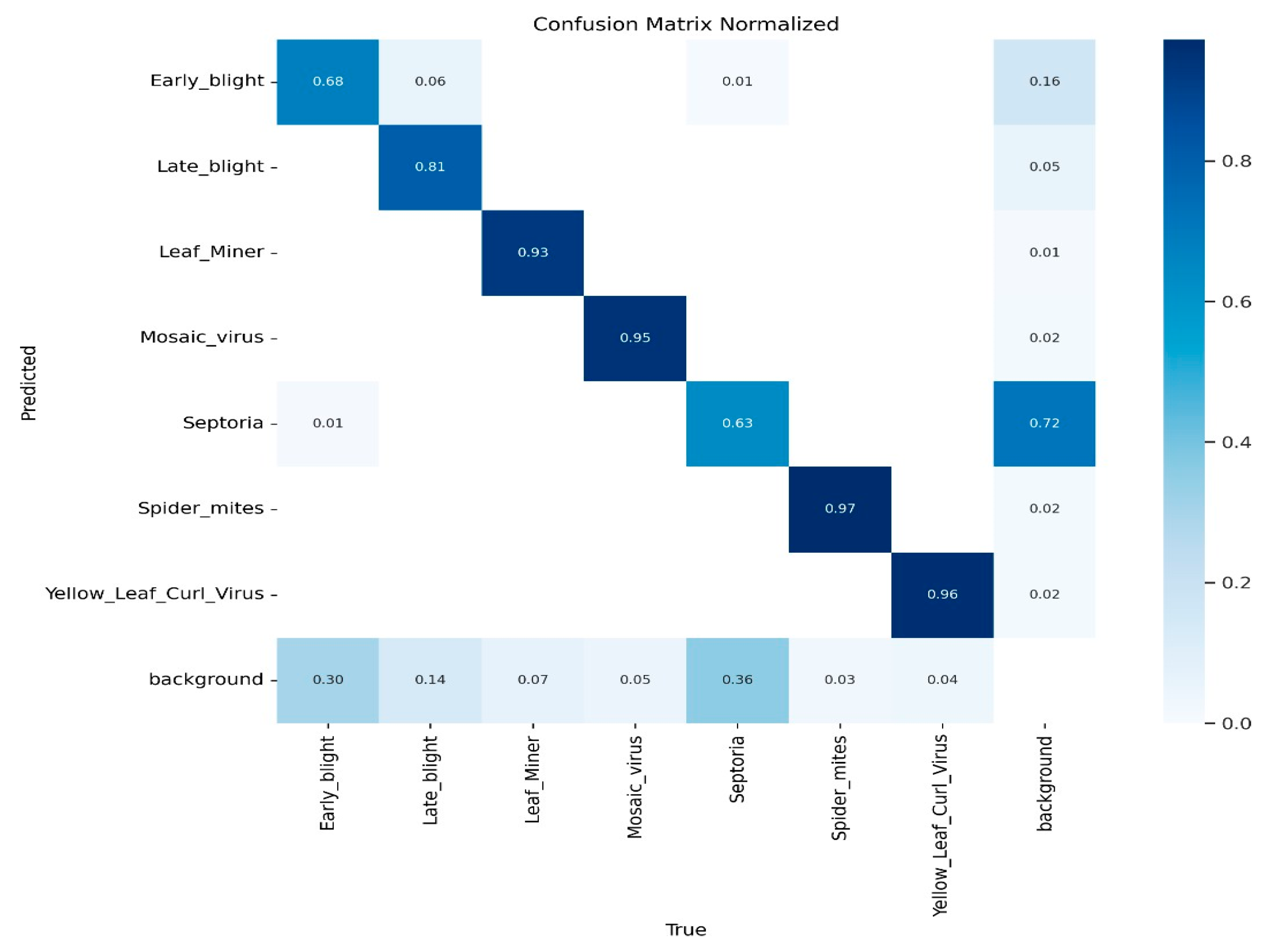
A confusion matrix works similarly to a scoreboard, showing the accuracy with which, a model predicts events. Let's say you want a machine to be able to distinguish between a bunch of apples and oranges. You can see how many times the machine got it right and wrong by looking at the confusion matrix. This is Figure 4.3 shows misunderstanding of YOLOv8 Model After Completing the Training process:
Figure 4.3.
Confusion matrix for the trained YOLOv8m model.
To determine the weighted good average of a classifier's precision and recall value, the F1 score is an essential metric. All Curve Shown in bellow:
Figure 4.4.
F1, Precision-Recall Curve.
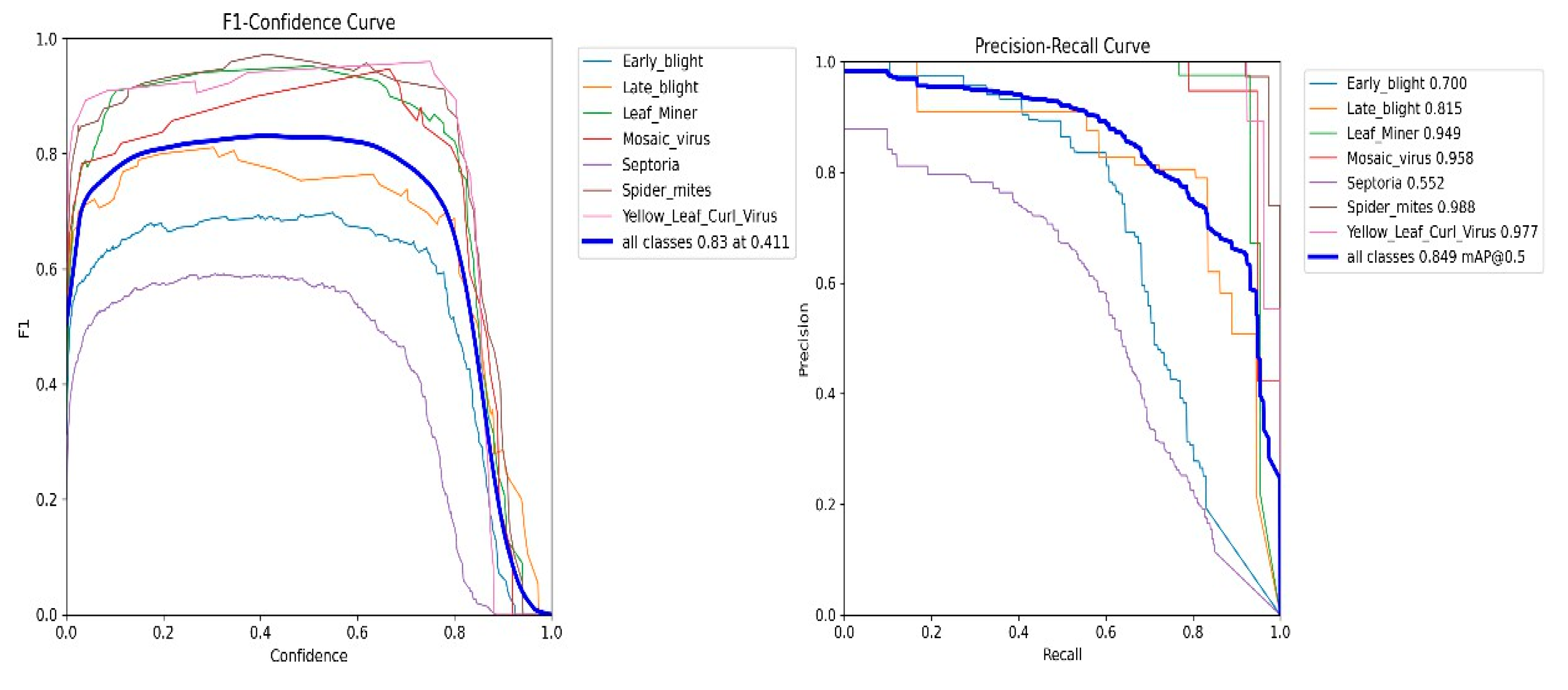
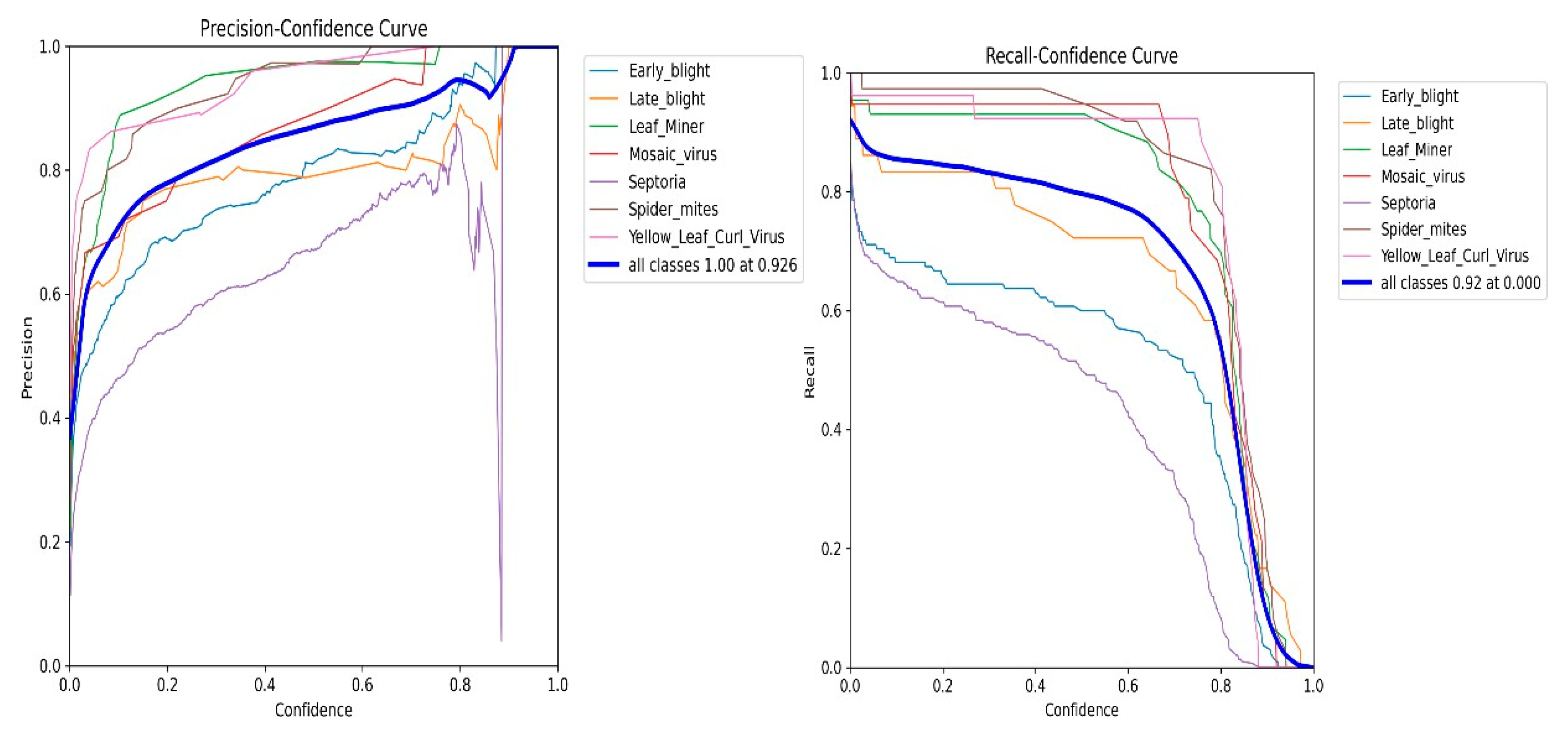
Figure 4.5.
Precision, Recall Curve.
5. Limitations
Despite hopeful results, this study has several drawbacks. The model was trained on a specific dataset, which may limit its performance on unknown pictures with different lighting, backgrounds, or camera qualities. The system currently works only on tomato leaf diseases and does not allow cross-crop identification. Additionally, while YOLOv8 is efficient, its real-time performance on low-powered mobile or edge devices has not yet been fully tried. Finally, the model does not currently measure the intensity level of diseases, which could be important for treatment choices.
6. Future Work
In future work, we plan to apply the YOLOv8 model on mobile and edge devices to allow real-time disease identification in the field. Expanding the collection with varied pictures under different situations will help improve model stability. We also aim to expand the system to spot diseases in other crops and measure disease intensity levels. Integrating the system with IoT tools like drones or sensors could further support automatic, large-scale tracking. These improvements will make the system more useful and powerful for sustainable agriculture.
7. Conclusion
This study shows the usefulness of YOLO-based deep learning models in correctly finding and labeling tomato leaf illnesses. Among the tested versions, YOLOv8 beat YOLOv7 and YOLOv5 in terms of both precision and processing speed, getting a mean Average Precision (mAP) of 85%. Its better speed and processing efficiency make YOLOv8 highly suitable for real-time farming uses. By giving farmers with a fast and accurate tool for early disease identification, this study adds to better food management, reduced costs, and more sustainable farming practices. The suggested framework has the potential to be applied in mobile or edge devices, allowing approachable and low-cost options for disease tracking in the field. Future work will study model application in real-world settings and the merging of additional plant species to expand its usefulness across various farming contexts.
References
- Liu, J., & Wang, X. (2020). Tomato diseases and pests detection based on improved Yolo V3 convolutional neural network. Frontiers in plant science, 11, 898. [CrossRef]
- Ahmed, S. (2023). Analysis of the Performance of YOLO Models for Tomato Plant Diseases Identification. In Computer Vision and Machine Learning in Agriculture, Volume 3 (pp. 115-129). Singapore: Springer Nature Singapore.
- Liu, J., & Wang, X. (2020). Early recognition of tomato gray leaf spot disease based on MobileNetv2- YOLOv3 model. Plant Methods, 16, 1-16.
- Liu, G., Nouaze, J. C., Touko Mbouembe, P. L., & Kim, J. H. (2020). YOLO-tomato: A robust algorithm for tomato detection based on YOLOv3. Sensors, 20(7), 2145.
- Wang, X., & Liu, J. (2021). Tomato anomalies detection in greenhouse scenarios based on YOLO- Dense. Frontiers in Plant Science, 12, 634103.
- Lawal, M. O. (2021). Tomato detection based on modified YOLOv3 framework. Scientific Reports, 11(1), 1447.
- Zeng, T., Li, S., Song, Q., Zhong, F., & Wei, X. (2023). Lightweight tomato real-time detection method based on improved YOLO and mobile deployment. Computers and Electronics in Agriculture, 205, 107625.
- Lyu, S., Li, R., Zhao, Y., Li, Z., Fan, R., & Liu, S. (2022). Green citrus detection and counting in orchards based on YOLOv5-CS and AI edge system. Sensors, 22(2), 576.
- Qiu, R. Z., Chen, S. P., Chi, M. X., Wang, R. B., Huang, T., Fan, G. C., ... & Weng, Q. Y. (2022). An automatic identification system for citrus greening disease (Huanglongbing) using a YOLO convolutional neural network. Frontiers in Plant Science, 13, 1002606.
- Aswini, E., & Vijayakumaran, C. (2023, July). Auto Detector for Huanglongbing Citrus Greening Disease using YOLOV7. In 2023 World Conference on Communication & Computing (WCONF) (pp. 1-6). IEEE.
- Chen, W., Lu, S., Liu, B., Li, G., & Qian, T. (2020). Detecting citrus in orchard environment by using improved YOLOv4. Scientific Programming, 2020, 1-13.
- Qadri, S. A. A., Huang, N. F., Wani, T. M., & Bhat, S. A. (2023, August). Plant Disease Detection and Segmentation using End-to-End YOLOv8: A Comprehensive Approach. In 2023 IEEE 13th International Conference on Control System, Computing and Engineering (ICCSCE) (pp. 155 160). IEEE.
- Pham, D. H., Pham, T. T. H., Le, N. B., & Le, T. H. (2021, December). AI Powered Tomato Leaf Disease Detection and Diagnostic. In International Conference on Artificial Intelligence and Big Data in Digital Era (pp. 627-640). Cham: Springer International Publishing.
- Li, D., Ahmed, F., Wu, N., & Sethi, A. I. (2022). Yolo-JD: A Deep Learning Network for jute diseases and pests detection from images. Plants, 11(7), 937.
- Leng, S., Musha, Y., Yang, Y., & Feng, G. (2023). CEMLB-YOLO: Efficient Detection Model of Maize Leaf Blight in Complex Field Environments. Applied Sciences, 13(16), 9285.
- Morbekar, A., Parihar, A., & Jadhav, R. (2020, June). Crop disease detection using YOLO. In 2020 international conference for emerging technology (INCET) (pp. 1-5). IEEE.
- Mohandas, A., Anjali, M. S., & Varma, U. R. (2021, July). Real-Time Detectionand Identification of Plant Leaf Diseases using YOLOv4-tiny. In 2021 12th international conference on computing communication and networking technologies (ICCCNT) (pp. 1-5). IEEE.
- Thangaraj, R., Anandamurugan, S., Pandiyan, P., & Kaliappan, V. K. (2022). Artificial intelligence in tomato leaf disease detection: a comprehensive review and discussion. Journal of Plant Diseases and Protection, 129(3), 469-488.
- Vijayalakshmi, L., & Sornam, M. (2022). Tomato Disease Detection Using Convolutional Neural Network and Fuzzy Logic. In Artificial Intelligence and Evolutionary Computations in Engineering Systems: Computational Algorithm for AI Technology, Proceedings of ICAIECES 2020 (pp. 367-374). Springer Singapore.
- Anjanadevi, B., Charmila, I., Ns, A., & Anusha, R. (2020). An improved deep learning model for plant disease detection. Int. J. Recent Technol. Eng.(IJRTE), 8(6), 5389-5392.
- Rajamohanan, R., & Latha, B. C. (2023). An Optimized YOLO v5 Model for Tomato Leaf Disease Classification with Field Dataset. Engineering, Technology & Applied Science Research, 13(6), 12033- 12038.
- Rajasree, R., & Latha, C. B. C. (2023). Improved YOLO-X Model for Tomato Disease Severity Detection using Field Dataset. International Journal of Advanced Computer Science and Applications, 14(9).
Disclaimer/Publisher’s Note: The statements, opinions and data contained in all publications are solely those of the individual author(s) and contributor(s) and not of MDPI and/or the editor(s). MDPI and/or the editor(s) disclaim responsibility for any injury to people or property resulting from any ideas, methods, instructions or products referred to in the content. |
© 2025 by the authors. Licensee MDPI, Basel, Switzerland. This article is an open access article distributed under the terms and conditions of the Creative Commons Attribution (CC BY) license (http://creativecommons.org/licenses/by/4.0/).
Copyright: This open access article is published under a Creative Commons CC BY 4.0 license, which permit the free download, distribution, and reuse, provided that the author and preprint are cited in any reuse.


