

Submitted:
03 December 2025
Posted:
04 December 2025
You are already at the latest version
Abstract
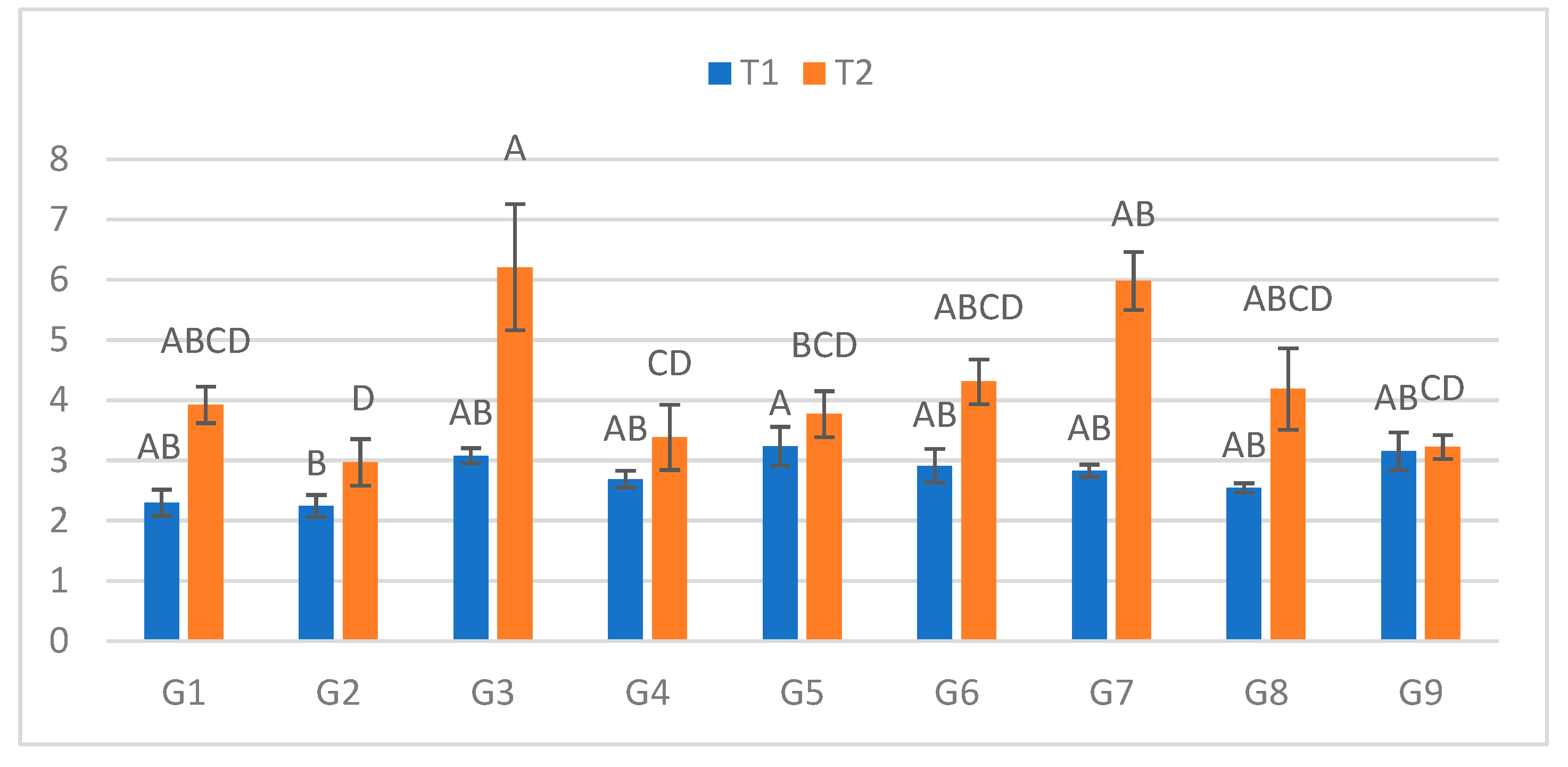
This study investigated the susceptibility of early-vegetation cold-stress soybean to Charcoal Rot (Macrophomina phaseolina (Tassi) Goid) previously isolated from industrial hemp (Cannabis sativa cv. Fibranova). Nine soybean cultivars were subjected to three-day cold stress in a walk-in growth chamber starting when the soybean had a fully developed first trifoliate, i.e. 20 days after sowing (DAS). The infection was performed on cold-stressed soybeans and soybeans grown in optimal conditions at 30 DAS. The infection lesion length was measured every three to four days. Cold stress significantly affected the intensity of the symptoms compared to soybeans grown in optimal conditions for all except the S9 cultivar. There were also significant differences between cultivars in their infection response.
Keywords:
1. Introduction
2. Results
2.1. Overall Effects of Treatment and Genotype
2.2. First Measurement
2.3. Second Measurement
2.3. Third Measurement
2.4. Fourth Measurement
2.5. Fifth Measurement
3. Discussion
3.1. Cold Stress as a Predisposing Factor for Infection
3.2. Temporal Patterns of Lesion Development
3.3. Genotype-Specific Responses to Cold Stress and M. phaseolina
3.4. Implications Under Changing Climatic Conditions
3.5. Methodological Considerations and Limitations
3.6. Future Research and Breeding Perspectives
- Validate genotypic responses under field conditions, using multilocation trials that include environments with documented early-season cold spells and mid- to late-season drought.
- Characterize physiological and molecular responses of contrasting genotypes (e.g. G9 vs. highly susceptible lines) to combined cold stress and M. phaseolina infection, focusing on ROS metabolism, lignification, and expression of defense-related genes.
- Integrate resistance screening with marker-assisted or genomic selection, using the identified tolerant genotypes as potential sources of alleles conferring stable performance across variable environments.
- Develop predictive models that incorporate early-season cold stress, soil inoculum levels, and temperature–moisture patterns to improve charcoal rot risk assessment in regions affected by climate change.
4. Material and Methods
4.1. Plant Material and Experimental Design
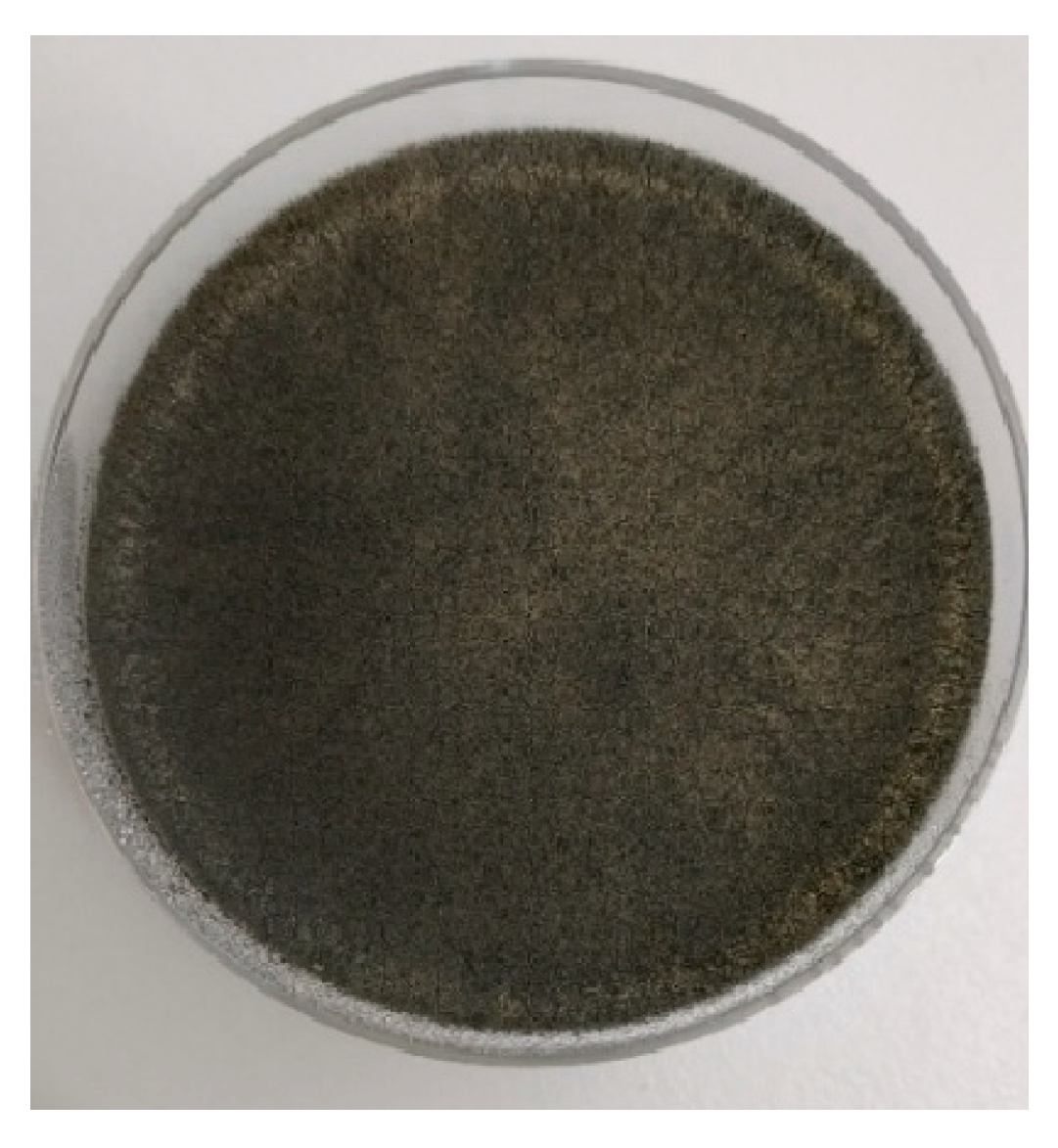
4.2. Fungal Isolate and Inoculum Preparation
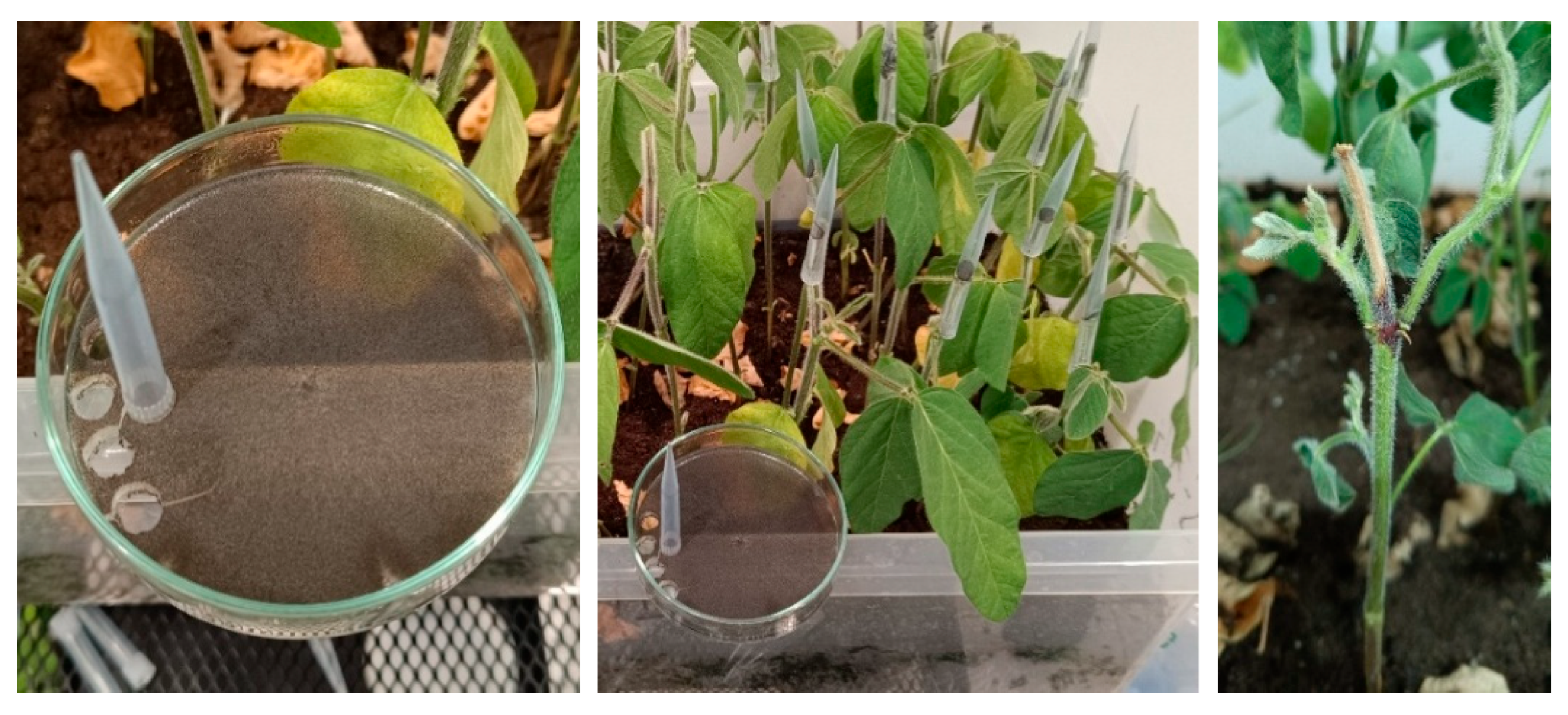
4.3. Inoculation Procedure
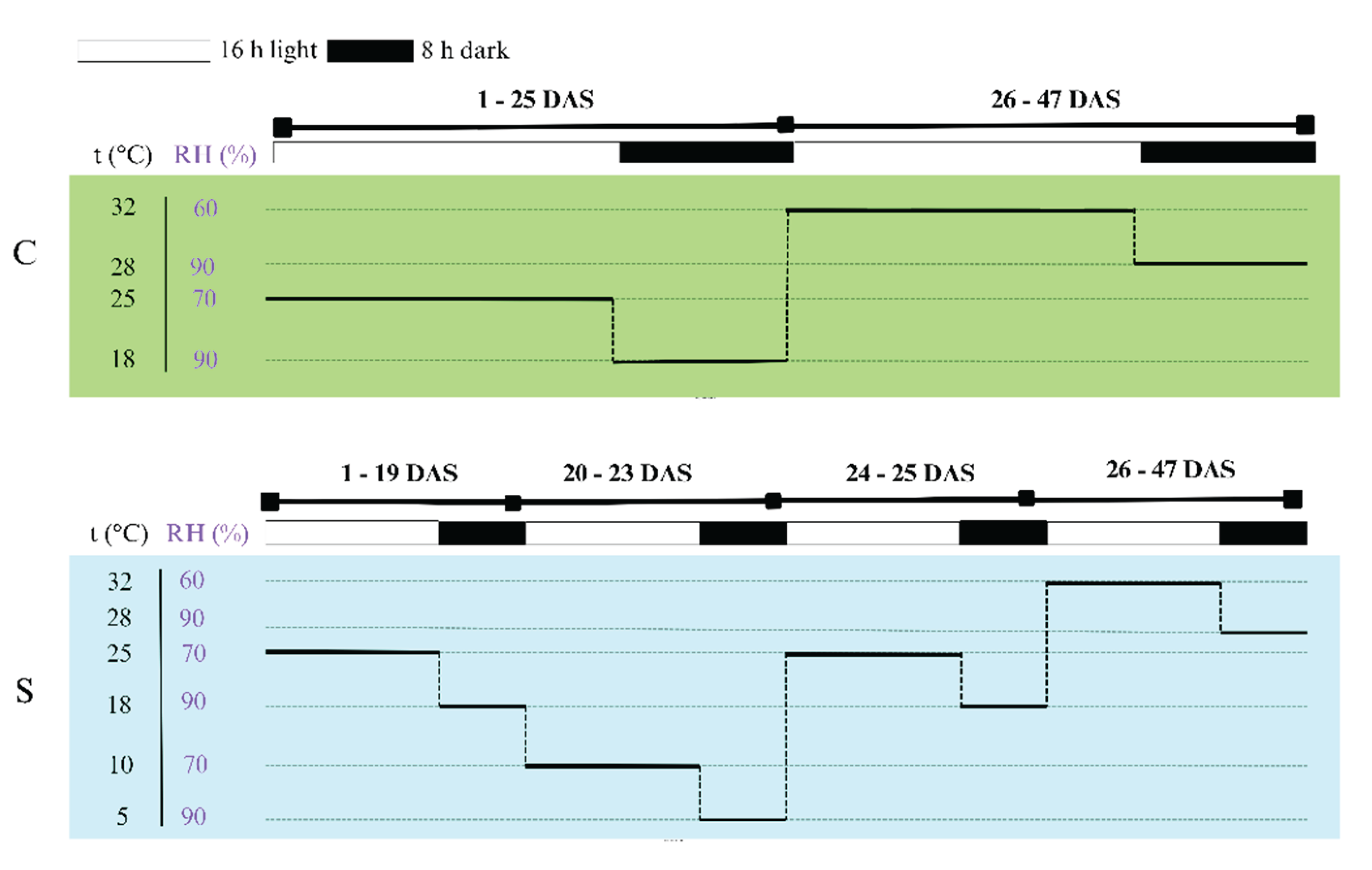
4.4. Growth Conditions and Treatments
4.5. Data Collection and Statistical Analysis
5. Conclusions
Author Contributions
Funding
Data Availability Statement
Conflicts of Interest
References
- Šućur Elez, J.; Petrović, K.; Crnković, M.; Krsmanović, S.; Rajković, M.; Kaitović, Ž.; Malenčić, Đ. Susceptibility of the Most Popular Soybean Cultivars in South-East Europe to Macrophomina phaseolina (Tassi) Goid. Plants 2023, 12, 2467. [Google Scholar] [CrossRef]
- Galić Subašić, D.; Rapčan, I.; Jurišić, M.; Petrović, D.; Radočaj, D. The Effect of Irrigation on the Yield and Soybean (Glycine max L. Merr.) Seed Germination in the Three Climatically Varying Years. Agriculture 2024, 30, 17–24. [Google Scholar] [CrossRef]
- FAOSTAT. Crops and livestock products. FAO Statistics, 2022. (Online: https://www.fao.org/faostat.
- Pospišil, A.; Pospišil, M. Soybean Yield and Yield Components Depending on a Sowing Rate and Sowing Date. Agriculture 2024, 30, 10–16. [Google Scholar] [CrossRef]
- Karges, K.; Bellingrath-Kimura, S. D.; Watson, C. A.; Stoddard, F. L.; Halwani, M.; Reckling, M. Agro-economic Prospects for Expanding Soybean Production Beyond its Current Northerly Limit in Europe. European Journal of Agronomy 2022, 133, 126415. [Google Scholar] [CrossRef]
- FAOSTAT. FAO crops database. FAO Statistics, 2025. (Online: https://www.fao.org/faostat).
- Goidanich, G. Revisione del genere Macrophomina Petrak. Annali della sperimentazione Agraria 1947, 1, 449–461. [Google Scholar]
- Dhingra, O. D.; Sinclair, J. B. Biology and Pathology of Macrophomina phaseolina. Universidade Federal de Viçosa, 1978.
- Ghosh, T.; Biswas, M. K.; Guin, C.; Roy, P. A Review on Characterization, Therapeutic Approaches and Pathogenesis of Macrophomina phaseolina. Plant Cell Biotechnology and Molecular Biology 2018, 19, 72–84. [Google Scholar]
- Reznikov, S.; Vellicce, G. R.; Mengistu, A.; Arias, R. S.; Gonzalez, V.; Lisi, V. D.; Ploper, L. D. Disease Incidence of Charcoal Rot (Macrophomina phaseolina) on Soybean in North-Western Argentina and Genetic Characteristics of the Pathogen. Canadian Journal of Plant Pathology 2018, 40, 423–433. [Google Scholar] [CrossRef]
- Wyllie, T. D. Charcoal Rot of Soybeans—Current Status. In: Wyllie, T. D.; Scott, D. H. (Eds.), Soybean Diseases of the North Central Region. APS Press, St. Paul, MN, 1988, 106–113.
- Farr, D. F.; Rossman, A. Y. Fungal Databases. USDA ARS, 2014.
- Marquez, N.; Giachero, M. L.; Declerck, S.; Ducasse, D. A. Macrophomina phaseolina: General Characteristics of Pathogenicity and Methods of Control. Frontiers in Plant Science 2021, 12, 634397. [Google Scholar] [CrossRef]
- Iqbal, U.; Mukhtar, T. Morphological and Pathogenic Variability Among Macrophomina phaseolina Isolates Associated with Mungbean from Pakistan. Scientific World Journal, 2014, 950175. [Google Scholar] [CrossRef]
- Short, G. E.; Wyllie, T. D.; Ammon, V. D. Quantitative Enumeration of Macrophomina phaseolina in Soybean Tissues. Phytopathology 1978, 68, 736–741. [Google Scholar] [CrossRef]
- Sinclair, J. B.; Backman, P. A. Compendium of Soybean Diseases. 3rd ed.; APS Press, St. Paul, MN, 1989.
- Smith, G. S.; Carvil, O. N. Field Screening of Commercial and Experimental Soybean Cultivars for Their Reaction to Macrophomina phaseolina. Plant Disease 1997, 81, 363–368. [Google Scholar] [CrossRef]
- Gupta, G. K.; Sharma, S. K.; Ramteke, R. Biology, Epidemiology and Management of Macrophomina phaseolina (Tassi) Goid with Special Reference to Charcoal Rot of Soybean. Journal of Phytopathology 2012, 160, 167–180. [Google Scholar] [CrossRef]
- Hartman, G. L.; Rupe, J. C.; Sikora, E. J.; Domier, L. L.; Davis, J. A.; Steffey, K. L. (Eds.) . Compendium of Soybean Diseases and Pests. 5th ed.; APS Press, St. Paul, MN, 2015.
- Lodha, S.; Mawar, R. Population Dynamics of Macrophomina phaseolina in Relation to Disease Management: A Review. Journal of Phytopathology 2020, 168, 1–17. [Google Scholar] [CrossRef]
- Purkayastha, S.; Kaur, B.; Dilbaghi, N.; Chaudhury, A. Characterization of Macrophomina phaseolina, the Charcoal Rot Pathogen of Cluster Bean, Using Conventional Techniques and PCR-Based Molecular Markers. Plant Pathology 2006, 55, 106–116. [Google Scholar] [CrossRef]
- Short, G. E.; Wyllie, T. D.; Bristow, P. R. Survival of Macrophomina phaseolina in Soil and in Residue of Soybean. Phytopathology 1980, 70, 13–17. [Google Scholar] [CrossRef]
- Lodha, S.; Mathur, B. K.; Solanki, K. R. Factors Influencing Population Dynamics of Macrophomina phaseolina in Arid Soils. Plant and Soil 1990, 125, 75–80. [Google Scholar] [CrossRef]
- Gray, F. A.; Kolp, B. J.; Mohamed, M. A. A Disease Survey of Crops Grown in the Bay Region of Somalia, East Africa. FAO Plant Production and Protection Division Bulletin 1990, 38, 39–47. [Google Scholar]
- Diourte, M.; Starr, J. L.; Jeger, M. J.; Rosenow, D. T.; Stack, J. P. Charcoal Rot Resistance and Effects of Water Stress on Disease Development in Sorghum. Plant Pathology 1995, 44, 196–202. [Google Scholar] [CrossRef]
- Wrather, A.; Shannon, G.; Balardin, R.; Carregal, L.; Escobar, R.; Gupta, G. K.; Tenuta, A. Effect of Diseases on Soybean Yield in the Top Eight Producing Countries in 2006. Plant Health Progress 2010, 11, 29. [Google Scholar] [CrossRef]
- Kaur, S.; Dhillon, G. S.; Brar, S. K.; Vallad, G. E.; Chand, R.; Chauhan, V. B. Biology, Economic Importance and Current Diagnostic Trends. Critical Reviews in Microbiology 2012, 38, 136–151. [Google Scholar] [CrossRef]
- Mengistu, A.; Smith, J. R.; Ray, J. D.; Bellaloui, N. Seasonal Progress of Charcoal Rot and Its Impact on Soybean Productivity. Plant Disease 2011, 95, 1159–1166. [Google Scholar] [CrossRef]
- Sharma, R. C.; Bhowmik, T. P. Estimation of Yield Losses in Groundnut Due to Macrophomina phaseolina. Indian Journal of Plant Pathology 1986, 4, 108–112. [Google Scholar]
- Luna, M. P. R.; Mueller, D.; Mengistu, A.; Singh, A. K.; Hartman, G. L.; Wise, K. Advancing Our Understanding of Charcoal Rot in Soybeans. Journal of Integrated Pest Management 2017, 8, 1–8. [Google Scholar] [CrossRef]
- Hemmati, P.; Zafari, D.; Mahmoodi, S. B.; Hashemi, M.; Gholamhoseini, M.; Dolatabadian, A. Histopathology of Charcoal Rot Disease (Macrophomina phaseolina) in Resistant and Susceptible Cultivars of Soybean. Rhizosphere 2018, 7, 27–34. [Google Scholar] [CrossRef]
- Mengistu, A.; Arelli, P. A.; Bond, J. P.; Shannon, G. J.; Wrather, A. J.; Rupe, J. B.; Chen, P.; Little, C. R.; Canaday, C. H.; Newman, M. A.; et al. Evaluation of Soybean Genotypes for Resistance to Charcoal Rot. Plant Health Progress 2011, 12, 1. [Google Scholar] [CrossRef]
- Bowen, C.; Schapaugh, W. Relationships Among Charcoal Rot Infection, Yield, and Stability Estimates in Soybean Blends. Crop Science 1989, 29, 42–46. [Google Scholar] [CrossRef]
- Bristow, P.; Wyllie, T. Reaction of Soybean Cultivars to Macrophomina phaseolina as Seedlings in the Growth Chamber and Field. Transactions of the Missouri Academy of Science 1984, 18, 5–10. [Google Scholar]
- Croatian Meteorological and Hydrological Service (DHMZ). Climate Assessments – Temperature and Precipitation Anomalies for Central and Eastern Croatia. Climate Monitoring Reports, 2025. (Online: https://meteo.hr).
- Velasquez, A. C.; Castroverde, C. D. M.; He, S. Y. Plant–Pathogen Warfare Under Changing Climate Conditions. Current Biology 2018, 28, 619–634. [Google Scholar] [CrossRef]
- Cohen, S. P.; Leach, J. E. High Temperature–Induced Plant Disease Susceptibility: More Than the Sum of Its Parts. Current Opinion in Plant Biology 2020, 56, 235–241. [Google Scholar] [CrossRef]
- Singh, B. K.; Delgado-Baquerizo, M.; Egidi, E.; Guirado, E.; Leach, J. E.; Liu, H.; Trivedi, P. Climate Change Impacts on Plant Pathogens, Food Security and Paths Forward. Nature Reviews Microbiology 2023, 21, 640–656. [Google Scholar] [CrossRef]
- Cook, J.; Oreskes, N.; Doran, P. T.; Anderegg, W. R. L.; Verheggen, B.; Maibach, E. W.; Carlton, J.; Lewandowsky, S.; Skuce, A. G.; GreenShow, S. A. Consensus on Consensus: A Synthesis of Consensus Estimates on Human-Caused Global Warming. Environmental Research Letters 2016, 11, 048002. [Google Scholar] [CrossRef]
- Moullec, F.; Barrier, N.; Drira, S.; Guilhaumon, F.; Marsaleix, P.; Somot, S.; Ulses, C.; Velez, L.; Shin, Y. J. An End-to-End Model Reveals Losers and Winners in a Warming Mediterranean Sea. Frontiers in Marine Science 2019, 6, 345. [Google Scholar] [CrossRef]
- Ebi, K. L.; Ziska, L. H.; Yohe, G. W. The Shape of Impacts to Come: Lessons and Opportunities for Adaptation from Uneven Increases in Global and Regional Temperatures. Climatic Change 2016, 139, 341–349. [Google Scholar] [CrossRef]
- Devendra, C. Climate Change Threats and Effects: Challenges for Agriculture and Food Security. Academy of Sciences Malaysia 2012, Kuala Lumpur.
- Lahlali, R.; Taoussi, M.; Laasli, S. E.; Gachara, G.; Ezzouggari, R.; Belabess, Z.; Aberkani, K.; Assouguem, A.; Meddich, A.; El Jarroudi, M.; Barka, E. A. Effects of Climate Change on Plant Pathogens and Host–Pathogen Interactions. Crop and Environment 2024, 3, 159–170. [Google Scholar] [CrossRef]
- Allen, L. H.; Boote, K. J. Crop Ecosystem Responses to Climate Change: Soybean. In: Reddy, K.; Hodges, H. (Eds.), Climate Change and Global Crop Productivity. CAB International 2000, 133–160. [CrossRef]
- Hodges, D. M.; Lester, G. E.; Munro, K. D.; Toivonen, P. M. A. Oxidative Stress: Importance for Postharvest Quality. HortScience 2004, 39, 924–929. [Google Scholar] [CrossRef]
- Prabhu, S. A.; Nemali, K. S.; Senthil-Kumar, M. Abiotic Stress–Mediated Modulation of Defense Signaling Against Biotic Stress in Plants. Frontiers in Plant Science 2019, 10, 617. [Google Scholar]
- Barka, E. A.; Nowak, J.; Clément, C. Enhancement of Chilling Resistance of Inoculated Grapevine Plantlets with a Plant Growth–Promoting Rhizobacterium, Burkholderia phytofirmans Strain PsJN. Applied and Environmental Microbiology 2006, 72, 7246–7252. [Google Scholar] [CrossRef]
- Smith, G. S.; Wyllie, T. D. Charcoal Rot. In: Hartman, G. L.; Sinclair, J. B.; Rupe, J. C. (Eds.), Compendium of Soybean Diseases. 4th ed.; APS Press, St. Paul, MN 1999, 29–31.
- Casano, S.; García, A.; Tello, M. L.; et al. First Report of Macrophomina phaseolina on Hemp in Argentina. Plant Disease 2018, 102, 1665. [Google Scholar] [CrossRef]
- Twizeyimana, M.; Hill, C. B.; Pawlowski, M.; Paul, C.; Hartman, G. L. A Cut-Stem Inoculation Technique to Evaluate Soybean for Resistance to Macrophomina phaseolina. Plant Disease 2012, 96, 1210–1215. [Google Scholar] [CrossRef]
- PAAFRD (Paying Agency for Agriculture, Fisheries and Rural Development). Agronet. 2025. (Online: https://www.apprrr.hr/agronet).
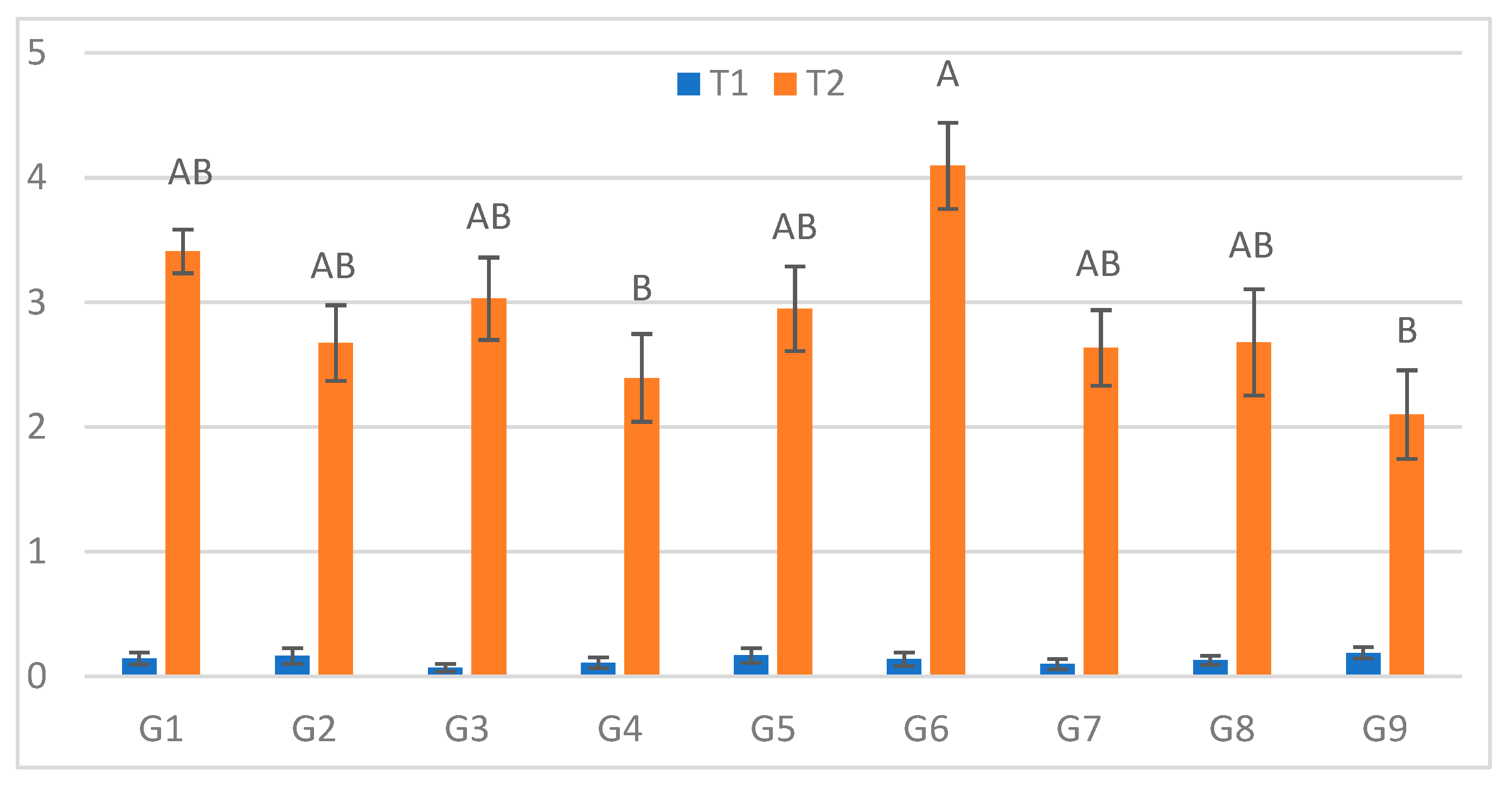
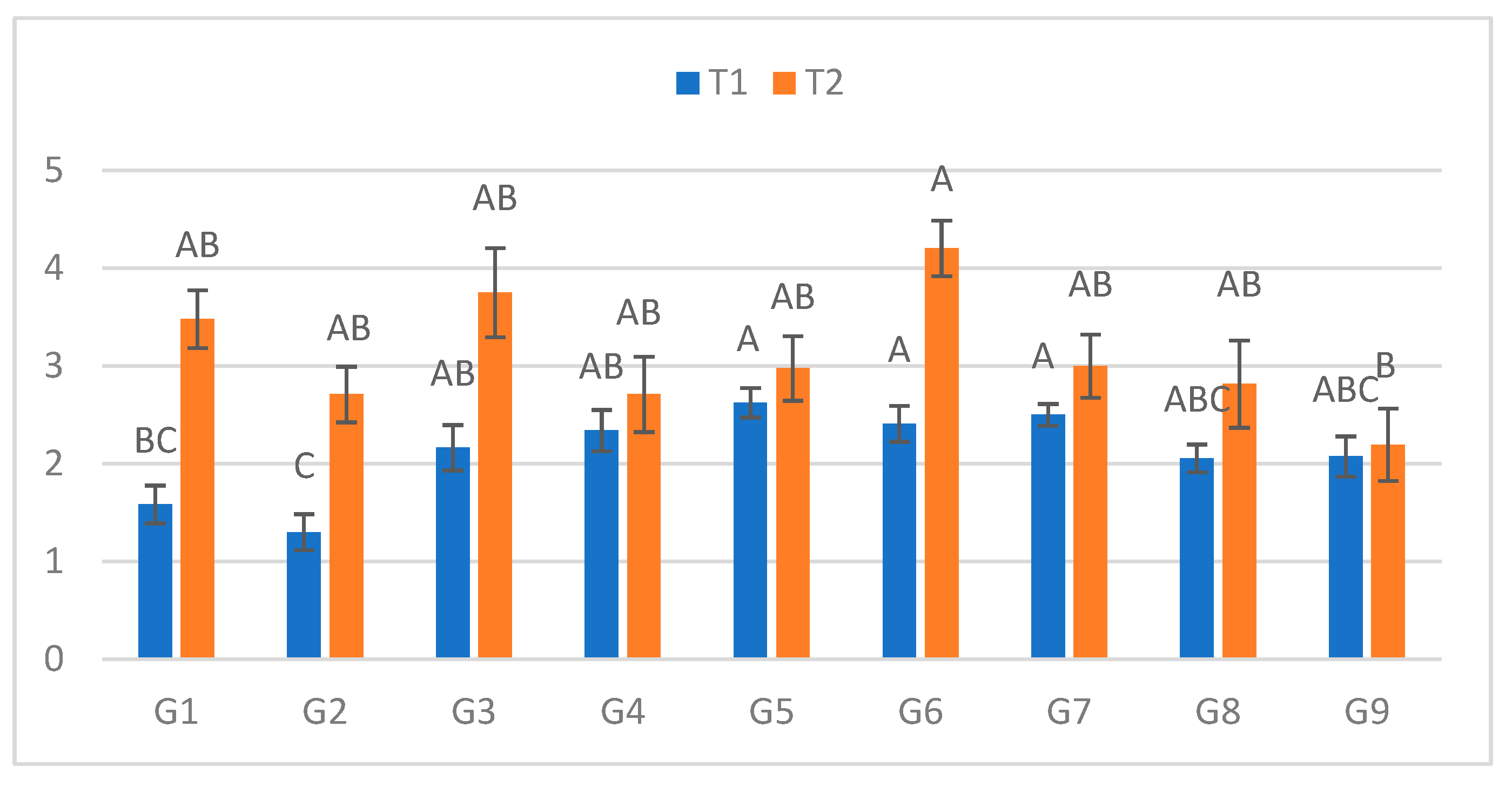
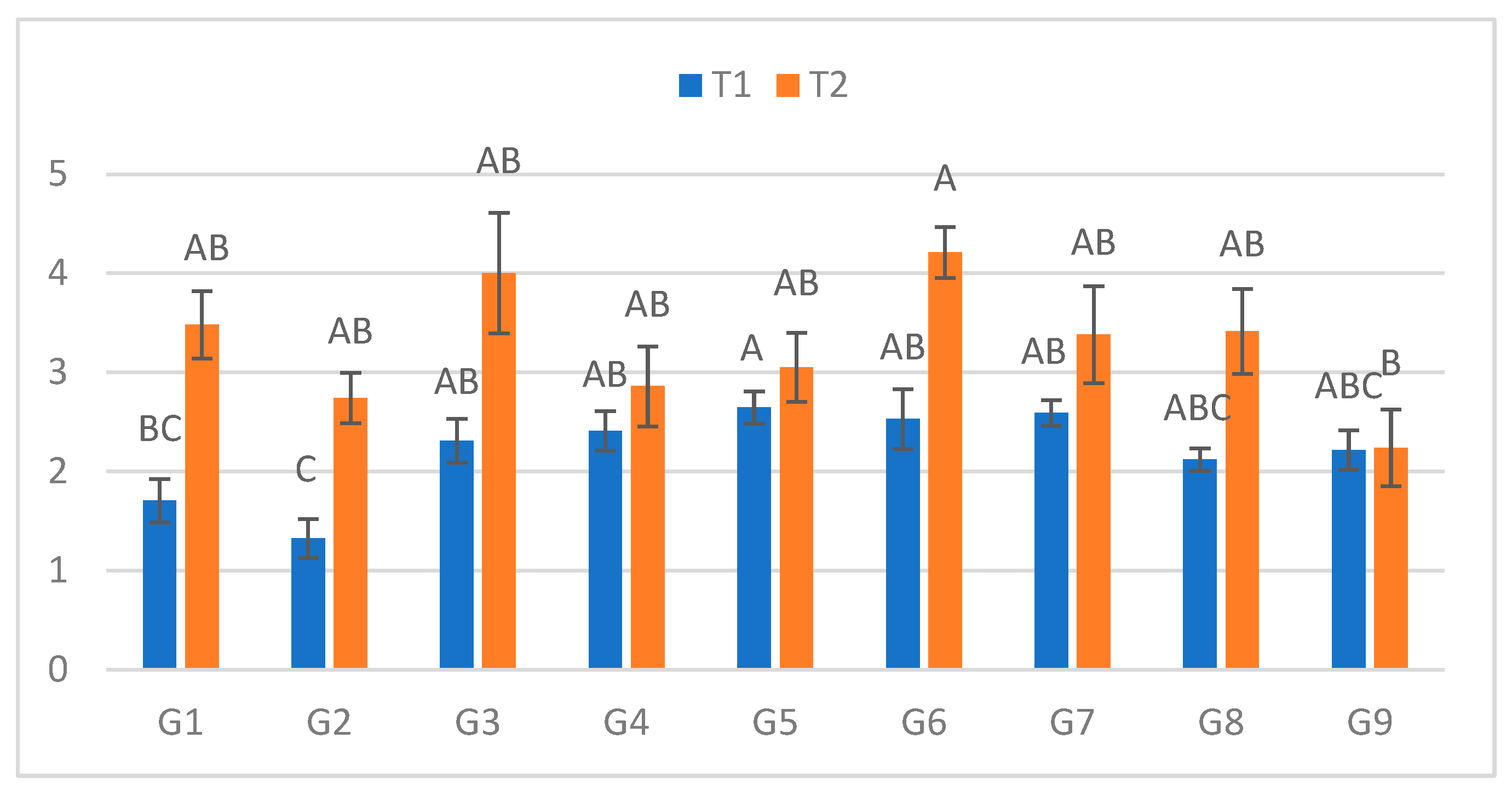
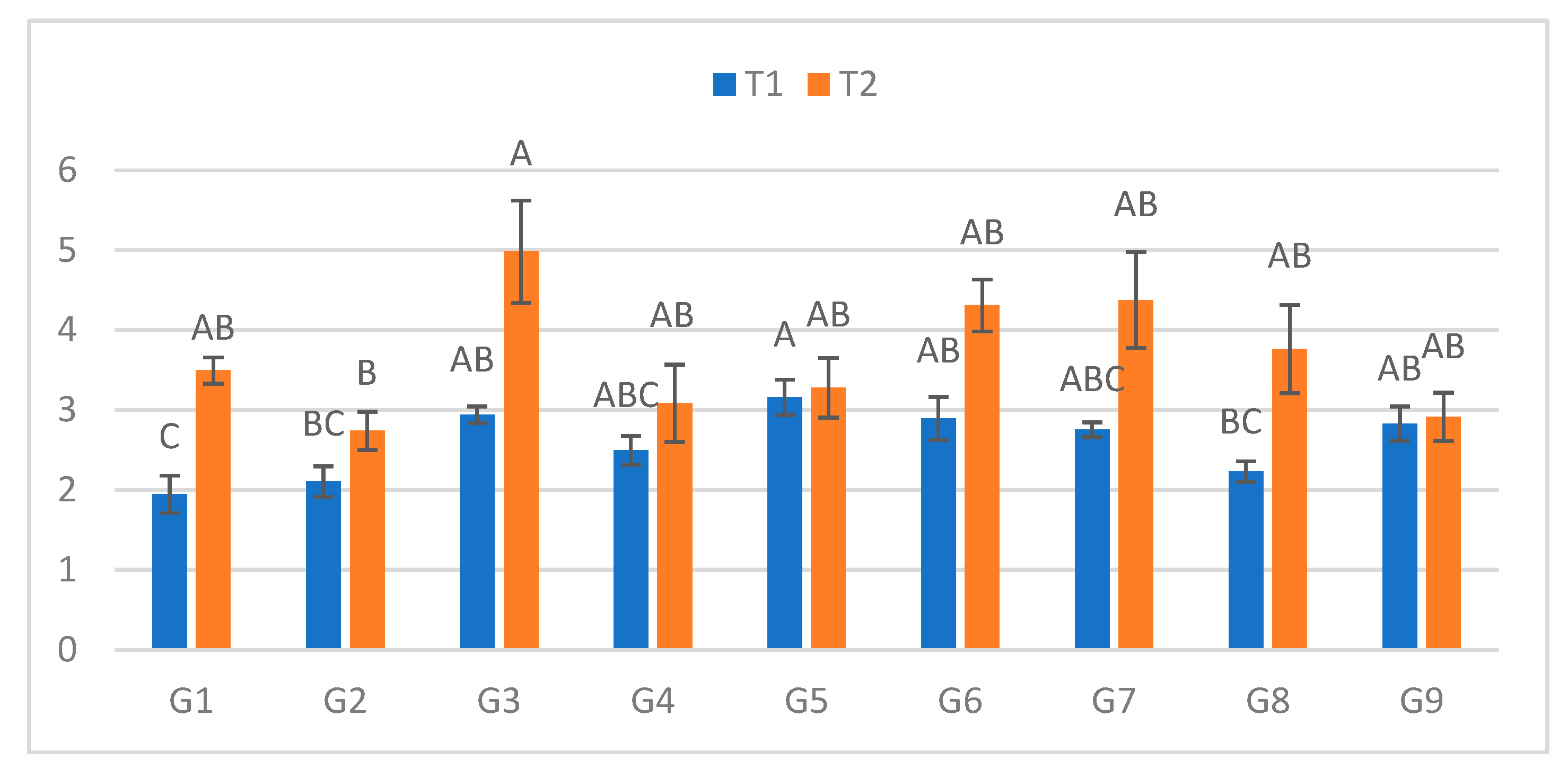

| Sources of variation | df | M1-F(p) | M2-F(p) | M3-F(p) | M4-F(p) | M5-F(p) |
|---|---|---|---|---|---|---|
| TREATMENT (T) | 1 | 605.448 (<.001) | 52.973 (<.001) | 49.509 (<.001) | 44.541 (<.001) | 55.093 (0.025) |
| GENOTYPE (G) | 8 | 3.041 (0.003) | 4.010 (<.001) | 3.529 (<.001) | 4.310 (<.001) | 5.042 (0.025) |
| T x G | 8 | 3.145 (0.002) | 2.965 (0.003) | 2.099 (0.035) | 2.235 (0.025) | 3.554 (0.025) |
| Residuals | 342 |
Disclaimer/Publisher’s Note: The statements, opinions and data contained in all publications are solely those of the individual author(s) and contributor(s) and not of MDPI and/or the editor(s). MDPI and/or the editor(s) disclaim responsibility for any injury to people or property resulting from any ideas, methods, instructions or products referred to in the content. |
© 2025 by the authors. Licensee MDPI, Basel, Switzerland. This article is an open access article distributed under the terms and conditions of the Creative Commons Attribution (CC BY) license (http://creativecommons.org/licenses/by/4.0/).