

Submitted:
11 July 2025
Posted:
15 July 2025
You are already at the latest version
Abstract
Background: The One Health evolution in occupational health and safety (OSH) is influenced by technological innovation, climate adaptation, and workforce expectations. In advanced manufacturing and digitalized work environments, the demand for agile safety systems goes beyond regulatory compliance. As organizational ecosystems become autonomous, managing complex risks is crucial for worker well-being and operational resilience. Methods: The Foresight Systematic Analysis of emerging trends in OSH technologies, such as wearable safety technologies, AI-assisted inspections, digital twin modeling, and climate-informed risk assessment, was conducted using scenario mapping and systematic scoping literature methods. Stakeholder perspectives from public health authorities, industry leaders, and regulatory bodies were integrated to contextualize strategic priorities and barriers to adoption. Results: Findings indicate a shift toward integrated safety ecosystems characterized by real-time monitoring, predictive analytics, and adaptive learning environments. Climate-sensitive modeling and sensor-based feedback systems are projected to become core components of future workplace safety infrastructure, particularly in environmentally vulnerable regions. The role of safety professionals expands to include interdisciplinary competencies such as data interpretation, systems integration, and digital ethics. Standardized digital safety protocols, data privacy governance, and equitable access to intelligent safety tools across industries and regions correlated with One Health. Conclusion: The future of occupational safety depends on proactive, intelligence-driven frameworks that can adapt to dynamic risk landscapes. This requires sustained innovation, cross-sector collaboration, and a safety culture based on resilience and continuous learning. Preparing the workforce for these transformations is crucial for safety, health and productivity. One health regulatory body was integrated to help contextualize strategic priorities and adoption barriers.
Keywords:
future of work
; occupational safety trends
; digital transformation
; climate resilience
; intelligent safety systems
Introduction
A convergence of disruptive forces is shaping the future of occupational safety and health: rapid technological innovation, global environmental change, shifting workforce demographics, and heightened expectations around well-being [1,2]. While traditional OSH strategies were built around static risk models and compliance enforcement, future systems will need to be dynamic, predictive, and deeply integrated into organizational culture and operations European Commission [2,3].
Emerging challenges—ranging from climate-intensified hazards to digital surveillance risks—demand integrated, forward-looking safety strategies [4]. Responsive systems will incorporate predictive analytics, flexible regulatory models, and participatory frameworks to support inclusive, ethical, and resilient safety governance [1,3,5]. This research explores emerging prospects in health and safety at work, offering a roadmap for how organizations, inspectors, and regulatory bodies can adapt to an increasingly complex risk environment [6,7]. Key focus areas include intelligent safety systems, climate-adaptive risk planning, human-centered design, and international harmonization of OSH standards.
Aim
To identify and analyze the key technological, environmental, organizational, and regulatory trends reshaping occupational safety and health and to propose strategic pathways for the evolution of intelligent, human-centered, and adaptable OSH systems [8].
Scope
The discussion encompasses emerging OSH models influenced by Industry 5.0, climate adaptation, demographic shifts, and data-driven governance. Topics include automation and AI integration, hybrid inspection systems, policy foresight tools, and global standard harmonization [9]. Sector-specific projections are drawn from manufacturing, healthcare, and public inspection environments [10,11].
Objectives
Literature Review
The Shift from Compliance to Proactive Systems
Research shows a global movement from regulatory-driven safety cultures to proactive, risk-based approaches. Future systems will need to:
- Monitor evolving risks in real time.
- Anticipate systemic disruptions (e.g., climate events, pandemics).
- Prioritize prevention through automation and feedback loops.
Technological and Organizational Trends
Key trends include:
- Integration of AI, wearables, and smart sensor networks.
- Expansion of remote inspections and digital audits.
- Rise of hybrid work and its impact on safety governance.
- Growing focus on mental health, stress management, and work-life balance.
Methods
Foresight Analysis Approach
A strategic foresight analysis was used to assess OSH trends over the next 10–15 years. This involved:
- Horizon scanning of OSH innovation domains.
- Review of policy roadmaps (e.g., EU Strategic Framework on OSH 2021–2027).
- Cross-sectoral analysis of pilot programs, technology deployments, and regulatory developments.
Stakeholder and Sectoral Comparison
Insights were drawn from:
- Interviews and publications from OSH professionals and inspectors.
- Sectoral case studies (manufacturing, logistics, construction, and healthcare).
- Analysis of regional disparities in preparedness and technological readiness.

Table 1.
Mapping OSH Foresight Domains to Implementation Readiness Levels.
| Foresight Domain | Key Technologies / Trends | Implementation Readiness | Notes |
| Intelligent Monitoring Systems | IoT Sensors, Digital Twins | High | Widely implemented in high-risk industrial sectors |
| AI-Driven Safety Analytics | Predictive Maintenance, Hazard Detection Algorithms | Medium | Requires data infrastructure and model training |
| Climate-Responsive OSH Planning | Heat Stress Protocols, Flood Risk Mapping | Low–Medium | Emerging in select regions with environmental risk |
| Worker-Centric Design & Ergonomics | Adaptive Workstations, Wearables | Medium–High | Growing adoption in tech-forward industries |
| Ethical Safety Governance Frameworks | Data Privacy, Algorithmic Fairness, Transparency | Low | Conceptual: lacking enforcement standards |
| Cross-Border Regulatory Harmonization | Global OSH Terminology, Inspection Standardization | Low | Early-stage initiatives by ILO and EU bodies |
The paradigm of Adamopoulos-Valamontew TRIM methods is demonstrated in Figure 1 and Figure 2, and the methodology for making predictions and analyzing occupational risk factors is accurate, valid, and reliable. It uses Python data analysis especial for climate crissis factors (CCF), and new technological tools like artificial intelligence [20].
Results
- Emergence of Smart Safety Ecosystems: Integrated systems using AI, IoT, and cloud platforms are enabling real-time monitoring and risk forecasting.
- Climate-Responsive Safety Planning: Workplaces are beginning to develop heat stress protocols, flood risk assessments, and air quality controls.
- Expanded Role of Inspectors: The inspector of the future will act as a strategic advisor—armed with digital tools, remote sensing platforms, and interdisciplinary training.
- Worker-Centered Innovation: Organizations are embedding worker feedback into the design of safety systems, including ergonomics, shift flexibility, and mental health support.
- Global Alignment Initiatives: There is growing interest in harmonizing safety standards and data exchange systems across international borders to protect workers in global supply chains.
Focus Areas However, procedural effectiveness varies based on:
- Sector and job function.
- Inspection regularity.
- Workforce training quality.
- Organizational culture and compliance motivation.
Inspection-based literature reveals discrepancies between documented procedures and actual practices, especially in decentralized organizations. Furthermore, psychosocial and climate-related risks are rarely addressed in conventional safety protocols, underscoring the need for procedural innovation.
- Legal accountability and the duty of care.
- Ethical decision-making in risk communication.
- Worker participation as a protective mechanism.
Data Sources and Use Cases
- Case studies from AI-integrated industrial safety systems.
- Vendor platforms and open-source models (e.g., TensorFlow-based risk detection).
- Inspection frameworks augmented by AI (e.g., mobile vision apps for PPE audits).
- Interviews and reports from public health inspectors exploring AI-assisted tools.
Evaluation Criteria
- Accuracy and responsiveness of AI systems.
- Integration with existing safety protocols.
- User acceptance and feedback.
- Ethical, legal, and practical considerations for long-term deployment.
The evaluation criteria and associations of the AI Functions Mapped to Traditional OSH Activities showing in Figure 4.
- Improved Predictive Accuracy: ML models using multivariate time-series data achieved 15–30% higher accuracy in detecting failure precursors compared to traditional threshold models.
- Vision-Based Safety Compliance: Computer vision systems using deep learning consistently detected PPE violations in real time across dynamic work zones.
- Real-Time Reporting with NLP: NLP interfaces enabled faster incident logging, even in noisy or multilingual environments, improving safety documentation rates.
- Worker Feedback Mixed: While frontline workers appreciated automated alerts, some expressed concern over privacy, data surveillance, and algorithmic interpretation of behavior.
- Integration Success Depends on Adaptation: AI tools were most effective when integrated with existing procedural protocols and accompanied by workforce training.
Table 3.
Comparative Results of AI Systems by Function (Detection, Prediction, Reporting).
| AI Function | Use Case | Accuracy | Response Time | Field Integration Level |
| Computer Vision (PPE Detection) | Hard hat and vest compliance | 94% | Real-time | High (Smart Manufacturing) |
| Predictive Maintenance Algorithms | Equipment fault prediction | 89% | Sub-minute | Medium (Process Industry) |
| NLP-Based Incident Reporting | Anomaly keyword recognition | 82% | 2–5 minutes | Medium (Public Sector) |
| Sensor Fusion / IoT Analytics | Multi-source hazard detection | 91% | Sub-second | High (Smart Factories) |
| ML Classifiers (Behavioral Analysis) | Unsafe posture detection via cameras | 87% | Seconds | Experimental (Pilot Sites) |
Building a Culture of Health
Future safety strategies will move toward a "culture of health", blending physical safety, mental well-being, organizational justice, and sustainability into a unified vision of workforce care. The Figure 5 slowing the culture of health transition and curve from compliance to integrated.
Discussion
The key role to mitigate the risk factors upon the Impact of Climate Change on Occupational Health [21]. This paradigm emphasized the potential effects of climate change on occupational morbidity, death, and injury among various workers [22]. This approach emphasized the effects of climate change that many workers may experience at work, including occupational sickness, death, and injury [23]. Increased ambient temperatures, air pollution from climate change, increased ultraviolet (UV) radiation habitats from stratospheric ozone depletion, extreme weather and natural disasters [24]. Expanded vector habitats and depopulation of pests like ticks, rodents, and mosquitoes, industrial transitions and emerging industries [25], and changes in the built environment are some of the likely hazards that are anticipated to result from one or more of the effects of climate change [26]. As a result of increased ambient temperature, the loss of thermal tolerance limits from global warming is expected to increase occupational exposure to heat [27,28]. Complaints of heat illness and fatalities from heat exposure among workers are expected to increase [29]. The number of climate-related sick leaves is forecasted to increase. Heat exposure is expected to increase the hours of work lost due to disability [30], which may be particularly critical in agriculture, construction, and outdoors in cities [31]. A labor supply shortage in agriculture is expected. Prior studies of agricultural workers show that occupational heat exposure is also linked to increased risk of accidents resulting from impaired cognition and cognition process [32,33,34]. With representative groups, the participatory strategy used in this study produced a good degree of participation [34]. Ethics in medical education, ethical issues with technology use in medical education associated with medical education using mobile learning, particularly with regard to occupational health issues [35,36]. The Board members agreed strategies for disseminating responses to the PWS-Ecrimers and PWS-Cenpesq question sets [37]. They also prioritised subsequent outputs, with particular focus on proposed questions to raise proposal awareness amongst local organisations across Europe with an interest in PWS [38]. Overall, there existed a good level of agreement amongst Board members about the values represented within this participative effort [39]. Meanwhile, there was more variation concerning perceptions of benefits available to OSH influences and stakeholders [40]. The consideration of appropriate drivers of OSH research funders proved directly pertinent to asking whether OSH research satisfies PWS [41]. Nonetheless, the latter question was perhaps not as suitable for OSH influencers [42]. Discussion of the latter group’s potential support for research, albeit encouraging, appeared a more natural trigger for identifying what questions were needed to ensure that research better tagged further OSH influences and stakeholders [43,44]. Greece has been lagging behind other countries regarding the attention addressed to tragic accidents and the persistent hazard factors in the workplace the Public health services and vaccination during the COVID-19 period in Athens, Greece [45]. Furthermore, Greece has one of the lowest spending on social public policies in relation to GDP and public expenditures on public policies, particularly on health and labor protection issues compared to the EU average [1,10,46]. Criticized for the absence of preventive measures and the absence in recent years of a more active treatment for occupational accidents and diseases [47]. In particular, the incursion in Greek legislation of the Triad Treaty can be seen as an important milestone in the attempt to safeguard and improve occupational health and safety [48]. The Ministry of Labor and Social Insurance, the Ministry of Health and Welfare, the Body of Labour Inspectors (SEPE), and the Information Centre for Workers and Unemployed (KEPEA) are the main bodies in Greece responsible for monitoring the implementation of OSH legislation in the workplace [49,51]. SEPE focuses on the labor market, focusing on indigo and tourism sectors, and focuses on implementing OSH measures to prevent occupational accidents and diseases [52,53]. KEPEA, the Information Centre for Workers and Unemployed, records information on occupational hazards and OSH problems faced by employees [54,55]. The European Agency for Safety and Health at Work (EU-OSHA) was created in 1994 to gather, analyze, and disseminate information on OSH issues [56,57]. EU-OSHA promotes cooperation with Member States and institutions, providing a thematic network on Safety and Health at Work, providing good practices, and collective European campaigns on specific topics [53]. Through studies and surveys, it identifies trends and weak points, develops good practices, and promotes dialogue by allowing the exchange of information and experience among Member States [54,58].
From Reactive to Resilient
The OSH systems of the future must anticipate disruption rather than respond to it. Resilience requires flexible safety infrastructure, rapid feedback cycles, and empowered frontline workers.
The Role of Digital Twins and Predictive Modelling
Digital twin models of factories, supply chains, and job roles allow simulation of risk conditions, emergency scenarios, and policy interventions—enabling safer planning and training.
Cross-Border and Sectoral Harmonization
Global labor mobility and cross-sector innovation demand convergence of safety standards, certification mechanisms, and digital traceability of workplace conditions.
Limitations and Future Studies
Limitations
- Many trends remain speculative or based on pilot studies
- Regional disparities in resources and technology may delay adoption.
- Gaps exist in long-term data on digital fatigue, algorithmic risks, and privacy.
Future Research Directions
- Longitudinal studies on AI and automation’s impact on risk perception and worker behavior
- Models for ethical governance in smart safety ecosystems
- Global OSH certification for hybrid and remote work environments
- Metrics for resilience, well-being, and psychosocial stability in safety KPIs
- Integration of climate intelligence into workforce planning
Conclusion
The prospects for health and safety at work extend far beyond hazard reduction—they encompass the future of how we live, work, and adapt. As the line between physical, digital, and psychosocial risk continues to blur, future OSH systems must become more intelligent, inclusive, and anticipatory. By combining strategic foresight, cross-disciplinary tools, and a renewed focus on the human experience of work, organizations can build environments that are not just safe but also thriving. The time to invest in future-proof safety systems is now, just one step up.
Author Contributions
I.A. project administration conceived and supervised the study; I.A. designed the research and wrote the manuscript; I.A. performed the research, and wrote the revise of the manuscript, and analyzed the data; I.A., A.V., P.T., and N.S. helped with data analysis. All authors took part in the editing of the manuscript and reviewed the manuscript. All authors read and approved the final manuscript.
Funding
This work was carried out without any financial support or any other funding.
Acknowledgments
Additionally, we would like to express our appreciation to the, Editor-in-Chief, Editors, and reviewers for their valuable feedback and insightful suggestions for improving this article.
Data availability
The datasets used during the current study are available from the corresponding author on reasonable request.
Ethics approval and consent to participate
Not applicable.
Consent for publication
The authors give full consent to publish this research.
Competing interests
The authors declare no competing interests.
References
- Adamopoulos IP, Syrou NF. Administration safety and occupational risks relationship with job position, training quality, and needs of medical public health services workforce correlated by political leadership interventions. Electron J Med Educ Train. 2023;16(3):em2305. [CrossRef]
- European Commission. (2021). EU strategic framework on health and safety at work 2021–2027: Occupational safety and health in a changing world of work. Brussels: European Commission. https://eur-lex.europa.eu/legal-content/EN/TXT/?uri=CELEX:52021DC0323.
- International Labour Organization. (1981). Occupational Safety and Health Convention, 1981 (No. 155). Geneva: ILO. https://www.ilo.org/dyn/normlex/en/f?p=NORMLEXPUB:12100:0::NO::P12100_ILO_CODE:C155.
- International Organization for Standardization. (2018). ISO 45001:2018 – Occupational health and safety management systems – Requirements with guidance for use. Geneva: ISO. https://www.iso.org/standard/63787.html.
- Park, S., Kim, Y., & Lee, J. (2020). Worker safety and climate variability: The need for adaptive procedural frameworks. Journal of Occupational Health, 62(5), e12164.
- Robson, L. S., Clarke, J. A., Cullen, K., Bielecky, A. R., Severin, C., Bigelow, P. L., & Mahood, Q. (2007). The effectiveness of occupational health and safety management system interventions: A systematic review. Toronto: Institute for Work & Health. https://www.iwh.on.ca/system/files/documents/osh_management_systems_2007.pdf.
- Sørensen, O. H., Hasle, P., & Bach, E. (2007). Working in small enterprises – Is there a special risk? Safety Science, 45(11), 1044–1059. [CrossRef]
- Zhang, Y., & Patel, S. (2021). Applications of artificial intelligence in occupational health and safety: A review of emerging technologies. Journal of Safety Research, 78, 123–134. [CrossRef]
- Zhao, L., Chen, J., & Wu, T. (2021). Predictive analytics and machine learning in construction safety: A review and future directions. Automation in Construction, 125, 103558. [CrossRef]
- Adamopoulos, I.; Syrou, N.; Lamnisos, D.; Boustras, G. Cross-sectional nationwide study in occupational safety & health: Inspection of job risks context, burn out syndrome and job satisfaction of public health Inspectors in the period of the COVID-19 pandemic in Greece. Saf. Sci. 2023, 158, 105960. [CrossRef]
- Adamopoulos, I.P. Job Satisfaction in Public Health Care Sector, Measures Scales and Theoretical Background. Eur. J. Environ. Public Health 2022, 6, em0116. [CrossRef]
- Adamopoulos, I.; Lamnisos, D.; Syrou, N.; Boustras, G. Public health and work safety pilot study: Inspection of job risks, burn out syndrome and job satisfaction of public health inspectors in Greece. Saf. Sci. 2022, 147, 105592.
- Adamopoulos, I.; Frantzana, A.; Syrou, N. Climate Crises Associated with Epidemiological, Environmental, and Ecosystem Effects of a Storm: Flooding, Landslides, and Damage to Urban and Rural Areas (Extreme Weather Events of Storm Daniel in Thessaly, Greece). Med. Sci. Forum 2024, 25, 7. [CrossRef]
- Adamopoulos, I.; Frantzana, A.; Adamopoulou, J.; Syrou, N. Climate Change and Adverse Public Health Impacts on Human Health and Water Resources. Environ. Sci. Proc. 2023, 26, 178. [CrossRef]
- Adamopoulos, I.; Valamontes, A.; Tsirkas, P.; Dounias, G. Predicting Workplace Hazard, Stress and Burnout Among Public Health Inspectors: An AI-Driven Analysis in the Context of Climate Change. Eur. J. Investig. Health Psychol. Educ. 2025, 15, 65. [CrossRef]
- Adamopoulos, I.; Syrou, N.; Mpourazanis, G.; Constantinidis, T.C.; Dounias, G. The Association of the Global Climate Crisis with Environmental Risks and the Impact of Heat Stress on Occupational Safety, Health, and Hygiene. Med. Sci. Forum 2025, 33, 2. [CrossRef]
- Ioannis Adamopoulos et al. “The Impact of PFAS on the Public Health and Safety of Future Food Supply in Europe: Challenges and AI-Driven Solutions”. In: European Journal of Sustainable Development Research (2025). [CrossRef]
- Buhaug H, Von Uexkull N. Vicious circles: violence, vulnerability, and climate change. Annual Review of Environment and Resources. 2021 Oct 18;46(1):545-68. [CrossRef]
- Romanello M, McGushin A, Di Napoli C, Drummond P, Hughes N, Jamart L, Kennard H, Lampard P, Rodriguez BS, Arnell N, Ayeb-Karlsson S. The 2021 report of the Lancet Countdown on health and climate change: code red for a healthy future. The Lancet. 2021 Oct 30;398(10311):1619-62.
- Ioannis Adamopoulos, Antonios Valamontes. Confidence in Network Meta-Analysis of Occupational Hazards and Burnout Risk Among Public Health Inspectors. 2025. ⟨hal-05061045⟩ . [CrossRef]
- Adamopoulos IP, Frantzana A, Syrou NF. Climate crises associated with epidemiological, environmental, and ecosystem effects of a storm: Flooding, landslides, and damage to urban and rural areas (extreme weather events of Storm Daniel in Thessaly, Greece). Med Sci Forum. 2024;25(1):7. [CrossRef]
- V. Venugopal and R. Shanmugam, "Heat-health vulnerabilities in the climate change context—comparing risk profiles between indoor and outdoor workers in developing country settings," *Environmental Research*, vol. 2021, 2021.
- E. W. Ansah, E. Ankomah-Appiah, M. Amoadu, "Climate change, health and safety of workers in developing economies: A scoping review," *Journal of Climate Change*, vol. XX, no. YY, pp. ZZ-ZZ, 2021.
- R. J. Rocque, C. Beaudoin, R. Ndjaboue, L. Cameron, et al., "Health effects of climate change: an overview of systematic reviews," BMJ Open, 2021.
- M. El Khayat, D. A. Halwani, L. Hneiny, et al., "Impacts of climate change and heat stress on farmworkers' health: A scoping review," *Frontiers in Public Health*, vol. 2022.
- AG Berberian, DJX Gonzalez, and LJ Cushing, "Racial disparities in climate change-related health effects in the United States," Current Environmental Health, vol. XX, pp. XX-XX, 2022.
- N. H. Wolff, L. R. V. Zeppetello, L. A. Parsons, et al., "The effect of deforestation and climate change on all-cause mortality and unsafe work conditions due to heat exposure in Berau, Indonesia: a modelling study," The Lancet Planetary Health, vol. 5, no. 8, pp. e515-e524, 2021.
- L. G. Ioannou, J. Foster, N. B. Morris, J. F. Piil, and G. Havenith, "Occupational heat strain in outdoor workers: a comprehensive review and meta-analysis," Temperature, vol. 9, no. 1, pp. 1-18, 2022.
- K. R. van Daalen, M. Romanello, J. Rocklöv, et al., "The 2022 Europe report of the Lancet Countdown on health and climate change: towards a climate resilient future," Lancet Public Health, 2022.
- T. Kakamu, S. Endo, T. Hidaka, Y. Masuishi, H. Kasuga, "Heat-related illness risk and associated personal and environmental factors of construction workers during work in summer," *Scientific Reports*, 2021.
- S. R. Han, M. Wei, Z. Wu, S. Duan, X. Chen, and J. Yang, "Perceptions of workplace heat exposure and adaption behaviors among Chinese construction workers in the context of climate change," BMC Public Health, vol. 21, no. 1, 2021. [CrossRef]
- J. T. Spector, L. Sampson, J. C. Flunker, and others, "Occupational heat-related illness in Washington State: A descriptive study of day of illness and prior day ambient temperatures among cases and clusters, 2006–2021," *American Journal of …*, vol. 2023, Wiley Online Library.
- Adamopoulos IP. Corruption and political interventions in public health authorities–Hellenic Republic Region of Attica: Conceptual analysis study. Eur J Environ Public Health. 2023;7(3):em0139. [CrossRef]
- K. Kiatkitroj, S. Arphorn, C. Tangtong, and S. J. Maruo, "Risk factors associated with heat-related illness among sugarcane farmers in Thailand," *Industrial Health*, vol. 2021.
- Pramila, Pudasaini, et al. "Mobile Learning in Medical Education." Teaching in the Age of Medical Technology, edited by Dachel Martínez Asanza, IGI Global Scientific Publishing, 2025, pp. 195-226. [CrossRef]
- Adamopoulos, Ioannis, et al. "Ethical Considerations in Using Technology for Medical Education: Ethics in Medical Education." Teaching in the Age of Medical Technology, edited by Dachel Martínez Asanza, IGI Global Scientific Publishing, 2025, pp. 279-314. [CrossRef]
- F. Manes-Rossi, I. Brusca, R. L. Orelli, "Features and drivers of citizen participation: Insights from participatory budgeting in three European cities," *Public Management*, vol. 2023, Taylor & Francis.
- R. A. Marks, S. Hotaling, P. B. Frandsen, and R. VanBuren, "Representation and participation across 20 years of plant genome sequencing," Nature plants, 2021.
- J. Chilvers, R. Bellamy, H. Pallett, and T. Hargreaves, "A systemic approach to mapping participation with low-carbon energy transitions," Nature Energy, 2021.
- C. Sattler, J. Rommel, C. Chen, M. García-Llorente, et al., "Participatory research in times of COVID-19 and beyond: Adjusting your methodological toolkits," One Earth, vol. 5, no. 9, pp. 1000-1003, 2022. [CrossRef]
- T. Schoeler, D. Speed, E. Porcu, N. Pirastu, et al., "Participation bias in the UK Biobank distorts genetic associations and downstream analyses," *Nature Human Genetics*, vol. 2023.
- B. Kiss, F. Sekulova, K. Hörschelmann, "Citizen participation in the governance of nature-based solutions," Environmental Policy, vol. 2022, Wiley Online Library.
- I. P. Union, "Youth participation in national parliaments: 2023," Geneva: IPU, 2023.
- S. Strauß and N. Rummel, "Promoting regulation of equal participation in online collaboration by combining a group awareness tool and adaptive prompts. But does it even matter?," *International Journal of Computer-Supported Collaborative Learning*, vol. 2021, Springer.
- Adamopoulos IP, Bardavouras AN, Syrou NF. Public health services and vaccination during the COVID-19 period in Athens, Greece. Res Sq. 2023. [CrossRef]
- A. M. Korzeniowska, "Heterogeneity of government social spending in European Union countries," Future Business Journal, 2021. [CrossRef]
- Hegedűs M, Szivós E, Adamopoulus IP, Dávid LD. Hospital integration to improve the chances of recovery for decubitus (pressure ulcer) patients through centralized procurement procedures. J Infras Policy Dev. 2024;8(10):7273. [CrossRef]
- Adamopoulos IP, Bardavouras AN. Digital health literacy and quality of life association with perceptions about the disease COVID-19 in public health services. Eur J Environ Public Health. 2024;8(1):em0153. [CrossRef]
- G. Kaplanoglou, "Consumption inequality and poverty in Greece: Evidence and lessons from a decade-long crisis," Economic Analysis and Policy, 2022.
- S. Theodoropoulou, "Recovery, resilience and growth regimes under overlapping EU conditionalities: the case of Greece," Comparative European Politics, 2022.
- Adamopoulos IP, Bardavouras AN, Syrou NF. Occupational safety, policy, and management in public health organizations and services. Eur J Environ Public Health. 2023;7(1):em0122. [CrossRef]
- N. Kalavrezou and H. Jin, "Health Care Reform in greece: Progress and reform priorities," 2021.
- Khan AJJ, Yar S, Fayyaz S, Adamopoulos IP, Syrou NF, Jahangir A. From pressure to performance and health risks control: Occupational stress management and employee engagement in higher education. Preprints. 2024;2024121329. [CrossRef]
- E. Makri, D. Walters, E. Wadsworth, "Occupational health and safety in aquaculture: organisation of work and employment in small seaweed farms in North West Europe," The Economic and …, 2024.
- V. Missos, N. Rodousakis, and G. Soklis, "On measuring the impact of internal devaluation in Greece: Poverty, flexibility, migration and growthless employment," World, 2022.
- A. Papadopoulos and L. M. Fratsea, "Exploring the contribution of migrant labour in Greek agriculture," Italian Review of ..., vol. XX, no. YY, pp. ZZ-ZZ, 2021.
- V. Monastiriotis and A. Martelli, "Crisis, adjustment and resilience in the Greek labor market: An unemployment decomposition approach," *International Regional Science Review*, vol. 2021.
- Plotnikov O. The general situation with climate change in the world and risk assessment for the global economy. InGlobal Challenges of Climate Change, Vol. 2: Risk Assessment, Political and Social Dimension of the Green Energy Transition 2022 Nov 17 (pp. 31-47). Cham: Springer International Publishing.
Figure 1.
Forest Plot of predictions Occupational Risk Factors Workplace TRIM method.
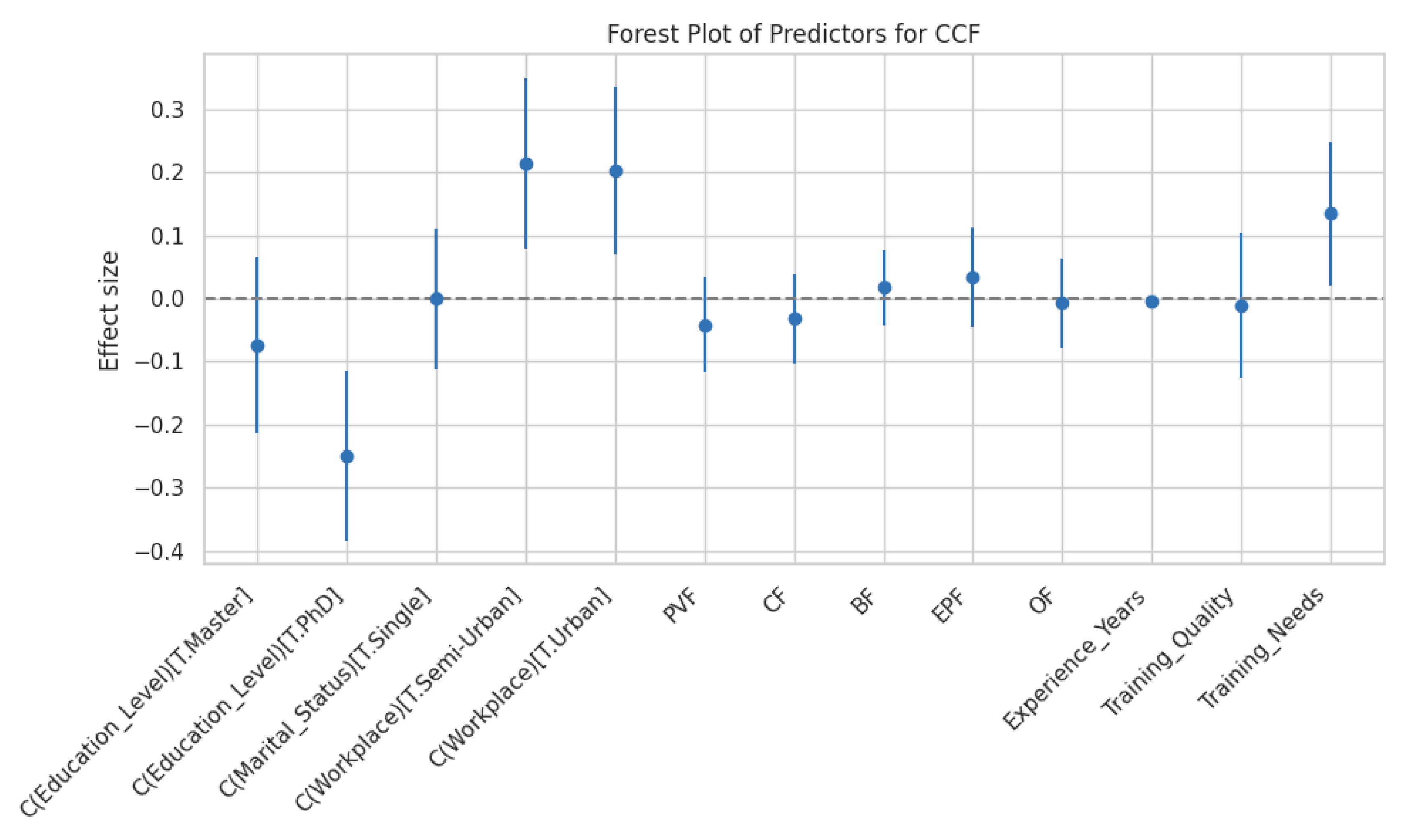
Figure 2.
Boxplot of CCF by Workplace predictions Occupational Risk Factors Workplace TRIM method.
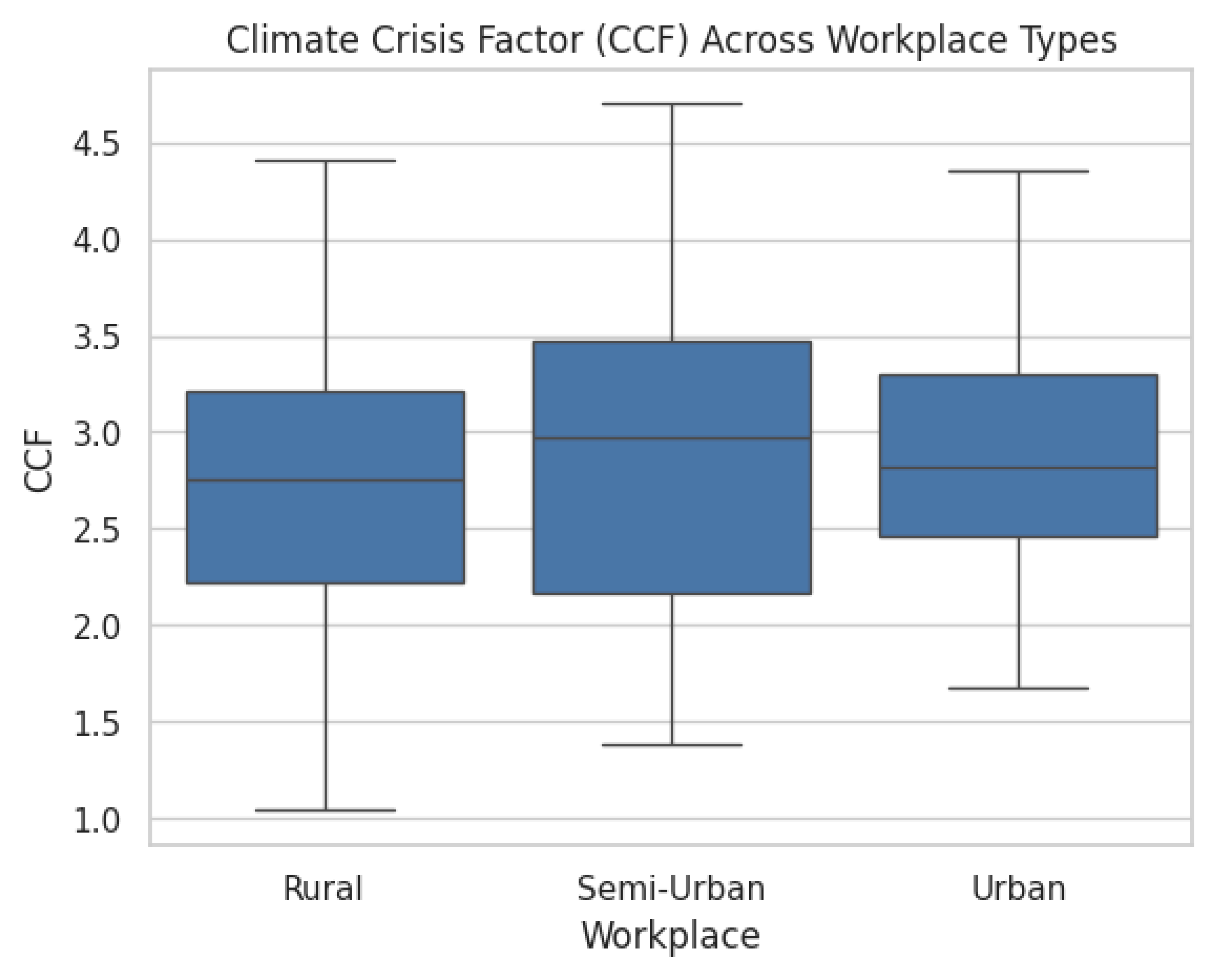
Figure 3.
Conceptual Model of the Future Workplace Safety Ecosystem.
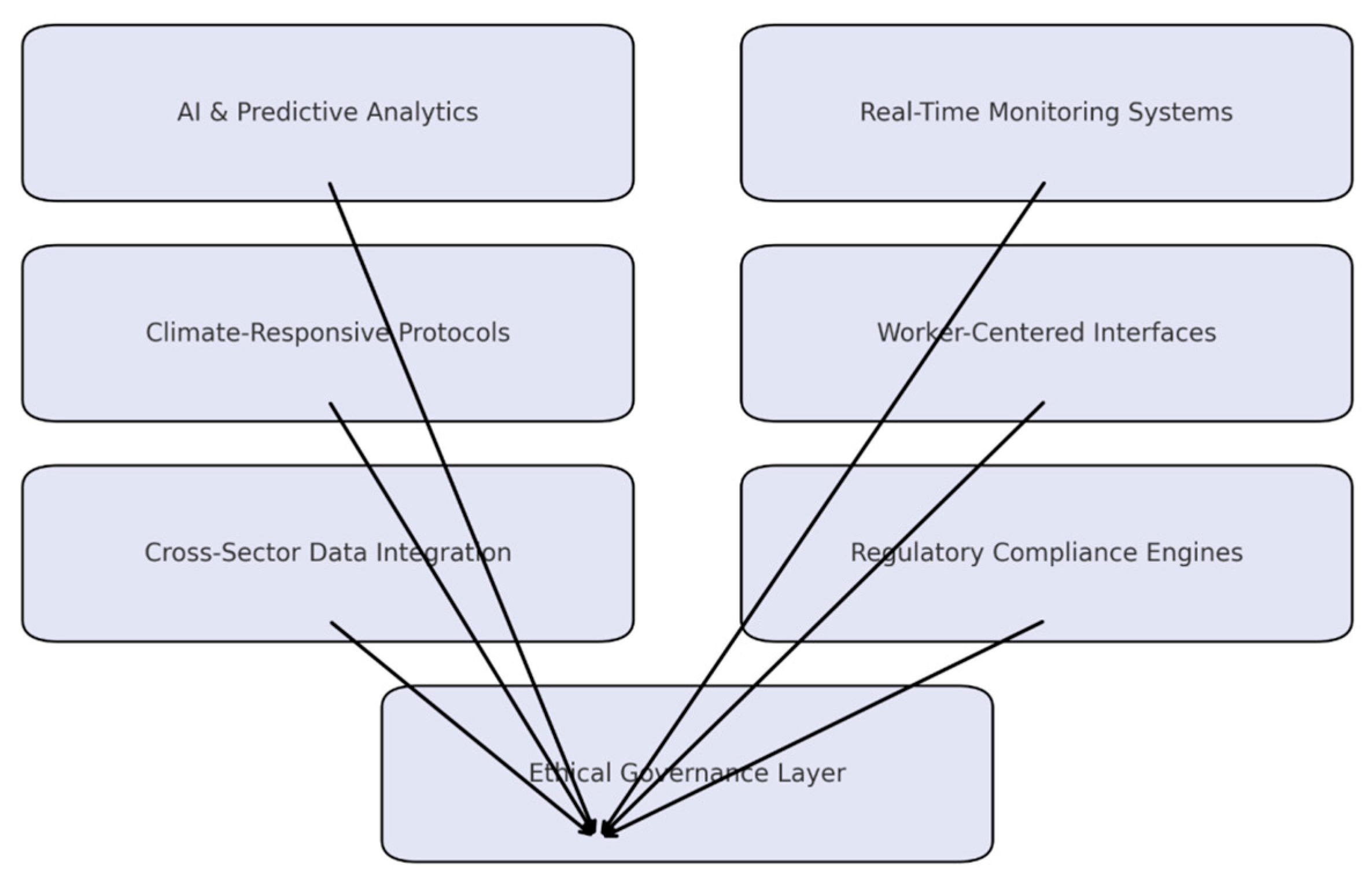
Figure 4.
The AI Functions Mapped to Traditional OSH Activities.
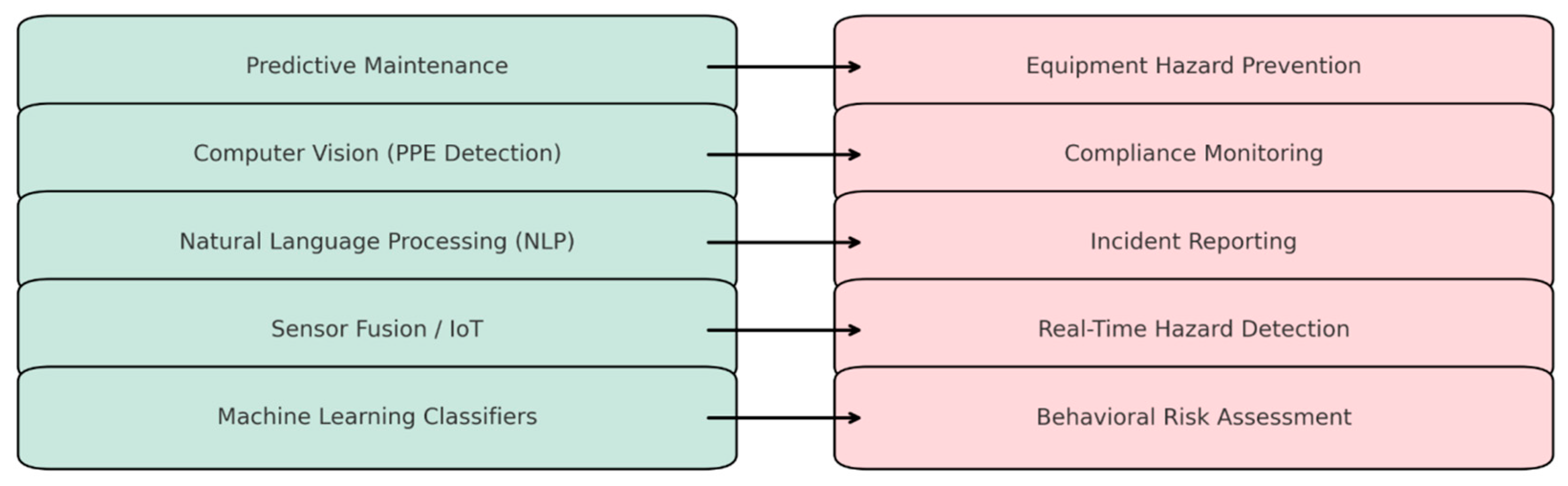
Figure 5.
Transition Curve from Compliance to Integrated Health Culture.
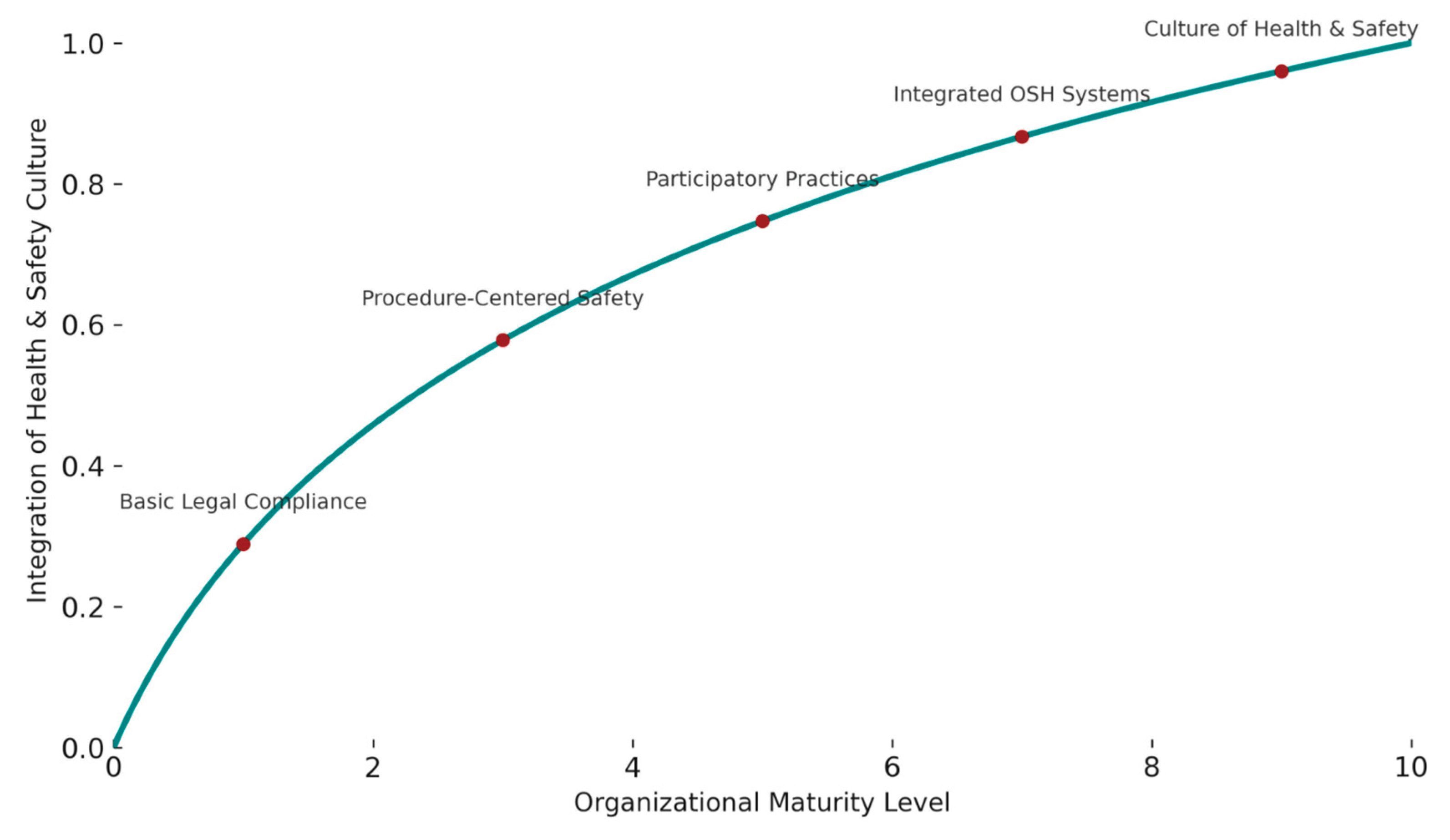
Table 2.
Mapping OSH Principles to Practice Across Case Studies.
| OSH Principle | Expected Practice | Observed Practice in Case Studies | Sectoral Notes |
|---|---|---|---|
| Prevention | Eliminate hazards at the source, plan proactively | Focus on reactive responses after incidents | More mature in large manufacturing; weaker in SMEs |
| Precautionary Action | Act before full scientific certainty if risk is suspected | Often ignored unless formal proof or regulatory action is present | Underdeveloped in construction and logistics |
| Worker Participation | Involve workers in safety planning, risk assessment, and audits | Limited or symbolic participation; decisions top-down | Common gap in SMEs and public sector entities |
| Internal Responsibility System (IRS) | Shared accountability across all roles | Responsibility localized to safety officer or compliance unit | Well-integrated in certified firms (e.g., ISO 45001) |
| Continuous Improvement | Regular review of procedures, incident trends, and training outcomes | Safety documentation is rarely updated unless an incident forces change | Frequently missing in low-regulation sectors |
| Training and Competence | Role-specific training aligned with hazards and OSH principles | Generic or outdated training content, often disconnected from actual risks | Manufacturing stronger; public health bodies report gaps |
| Documentation and Transparency | Maintain safety logs, inspection results, risk assessments | Inconsistent documentation; often not referenced for improvements | Particularly weak in informal and rural-sector employers |
Disclaimer/Publisher’s Note: The statements, opinions and data contained in all publications are solely those of the individual author(s) and contributor(s) and not of MDPI and/or the editor(s). MDPI and/or the editor(s) disclaim responsibility for any injury to people or property resulting from any ideas, methods, instructions or products referred to in the content. |
© 2025 by the authors. Licensee MDPI, Basel, Switzerland. This article is an open access article distributed under the terms and conditions of the Creative Commons Attribution (CC BY) license (http://creativecommons.org/licenses/by/4.0/).
Copyright: This open access article is published under a Creative Commons CC BY 4.0 license, which permit the free download, distribution, and reuse, provided that the author and preprint are cited in any reuse.